Introduction
Alright, fellow green-thumbed adventurers! If you're anything like me, your garden isn't just a patch of soil; it's a living larder, a source of pride, and frankly, a bit of an obsession. I pour my heart and soul into every 'Cherokee Purple' tomato in my greenhouse and every 'Charlotte' potato in my raised beds here in the UK Midlands. But let's be honest, there's nothing quite like the sinking feeling of stepping out one morning to find your prize-winning courgette nibbled, your strawberries plundered, or worse, evidence of a full-blown rodent fiesta amongst your precious produce.
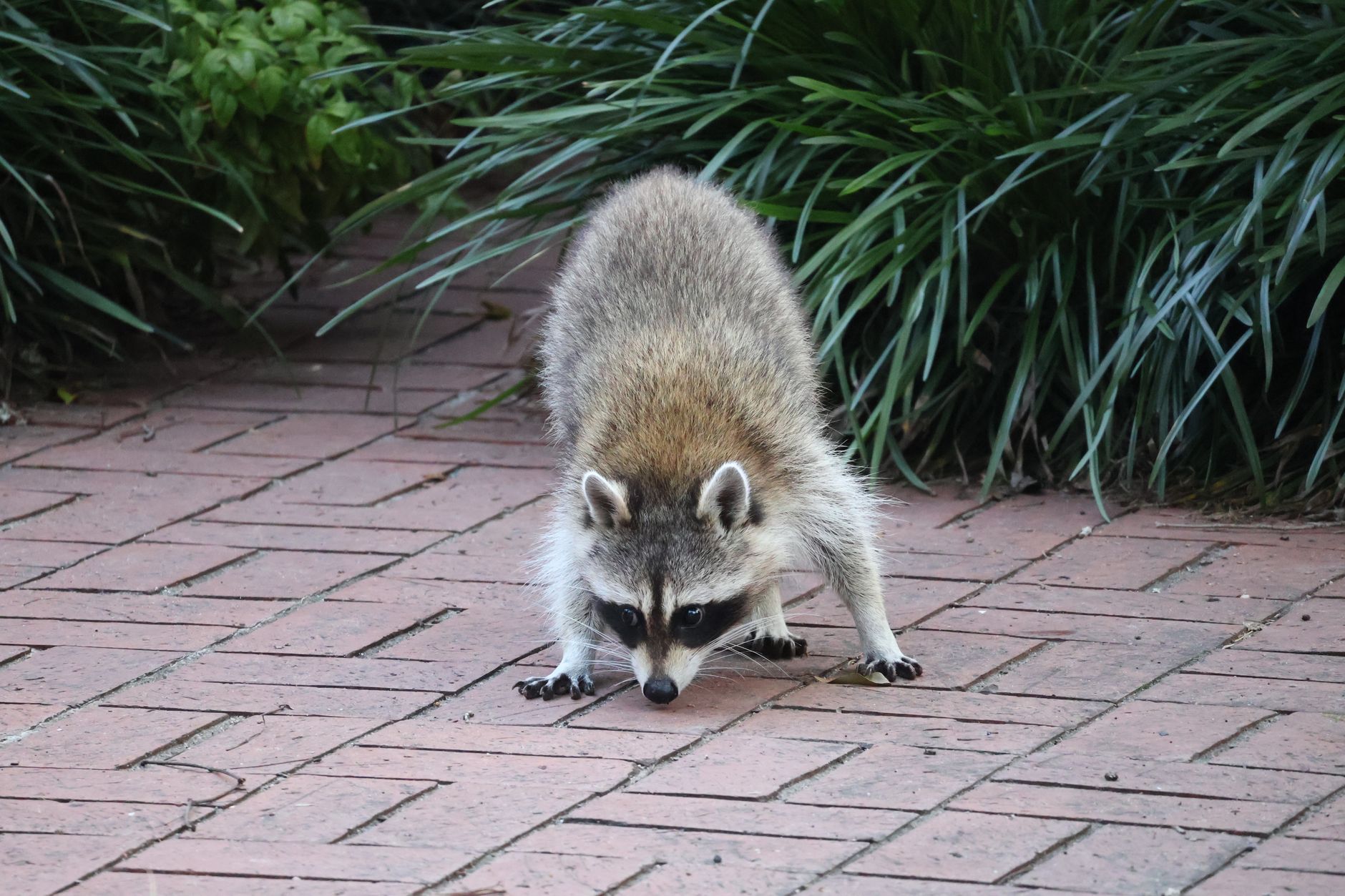
When I first started gardening five years ago, fresh out of the IT world and into the soil, I quickly learned that I wasn't the only one eyeing up my bounty. Our urban environments, especially here in Britain, are teeming with clever, persistent little (and sometimes not-so-little) creatures who see our carefully cultivated plots as an all-you-can-eat buffet. I've battled everything from cheeky squirrels burying their nuts in my seed trays to audacious rats making off with my nearly-ripe sweetcorn. While folks across the pond might be battling raccoons, here in the UK, our main adversaries are often rats, squirrels, and sometimes even daring foxes.
Over the years, with a lot of trial and error (and a fair few lost harvests!), I've developed a toolkit of strategies that genuinely work in my 800 sq ft backyard. My aim has always been to deter these garden invaders humanely, because, well, they're just trying to survive too, right? I've learned that a multi-pronged approach – combining smart physical barriers, timely harvesting, and even some clever planting – is the key to keeping your edibles safe without resorting to harsh measures. So, grab a cuppa, and let me share what I've found really works here in our unpredictable British climate to protect your edible garden.
Getting Started: Knowing Your Adversary and Setting the Scene
Before you can even think about putting up defences, you've got to know who you're up against. Here in the UK, our primary urban "rodent" challenges are typically rats and squirrels, with foxes often adding to the scavenging mix. Each has its own MO, its own tell-tale signs, and its own preferred snacks. When I first started, I just knew something was eating my peas. It took a bit of detective work – and a few late-night stakeouts with a torch – to figure out exactly who the culprits were. This is crucial because what deters a squirrel might not even faze a determined rat.
My philosophy has always been humane deterrence. I believe there's a way to coexist without sacrificing your entire harvest. It's about making your garden less appealing and harder to access, rather than trying to eliminate wildlife. One of my early mistakes was leaving fallen fruit under my apple tree for too long. I thought it would just rot down, but it became a magnet, especially in the mild Midlands autumns, for every rat in the neighbourhood. A tidy garden is always the first line of defence. This means clearing up fallen produce, keeping compost bins secure, and ensuring pet food isn't left out overnight.
Here’s a quick rundown of the usual suspects you might encounter in your UK edible garden, and what to look out for:
| Pest Type | Common Damage to Edibles | Key Signs of Presence | Preferred Foods (UK Garden) |
|---|---|---|---|
| Rats | Gnawed roots, holes in tubers (potatoes), hollowed-out fruits/veg (pumpkins, courgettes), nibbled stems, damaged greenhouse wiring. | Droppings (dark, rice-grain sized), gnaw marks, burrows (especially near compost or sheds), faint musky smell. | Potatoes, sweetcorn, fallen fruit, beans, squash, birdseed, pet food. |
| Squirrels | Partially eaten nuts/fruits (strawberries, berries, apples), dug-up bulbs/seeds, nibbled soft vegetables (tomatoes, courgettes). | Dug-up patches in beds/pots, half-eaten fruit on plants or ground, chattering noises, visible sightings during the day. | Berries, soft fruits, nuts (walnuts, hazelnuts), sunflower seeds, sweetcorn, bulbs. |
| Foxes | Digging up newly planted seedlings, scattering compost, taking larger vegetables (melons, pumpkins), raiding chicken coops (if applicable). | Larger scat (often containing fur/bones), strong foxy smell, dug-up patches, disturbed soil, flattened plants, sometimes paw prints. | Fallen fruit, root vegetables left exposed, pet food, anything easily accessible. |
Essential Techniques: My Tried-and-Tested UK Garden Defences
Once you know who you're dealing with, it's time to put some strategies into action. In my 800 sq ft garden, which is packed to the brim with raised beds and my beloved greenhouse, I've had to get creative. These aren't just theoretical ideas; these are the methods I've personally used and refined over five years of growing here in the British climate.
Humane Barriers: Building Your Fortress
Physical barriers are, hands down, the most effective humane defence. You're simply making it too much effort for them to get to your food.
- Fencing and Mesh: For my raised beds, I've learned that a simple wooden frame isn't enough. Rats are incredible diggers, and squirrels are master climbers. For ground-level crops like potatoes or carrots, burying chicken wire (at least 30cm deep) around the perimeter of the bed has been a game-changer. I use a fine mesh (1/4 inch or 6mm) for smaller pests. One mistake I made early on was thinking a low fence would do it – a rat can squeeze through incredible gaps, and squirrels will just leap over. Now, any barrier I put up for rats is at least 60cm high and buried deep, especially around my main vegetable beds.
- Netting for Fruit: My strawberry patch used to be a free-for-all for blackbirds and squirrels. Now, I use fruit cages with fine netting, especially for my 'Cambridge Favourite' strawberries and 'Ben Lomond' blackcurrants. The netting needs to be secured tightly to the ground, otherwise, a determined squirrel will find its way under. I even net my dwarf apple trees in late summer to protect the ripening fruit from birds and squirrels.
- Greenhouse Security: My greenhouse is home to my heirloom tomatoes like 'Marmande' and 'Costoluto Fiorentino'. I've learned to seal every tiny gap – around the door, vents, and where the frame meets the ground. Rats love a warm, sheltered spot, especially in our damp British winters. I've installed a brush strip along the bottom of the greenhouse door, and I regularly check for any new entry points. One year, a family of mice made a nest in a forgotten bag of compost, and it took a while to humanely evict them!
Strategic Harvesting: Don't Leave an Invitation
This might sound obvious, but it's often overlooked. Pests are opportunists. If you leave ripe produce on the plant or, worse, fallen on the ground, you're essentially putting out a welcome mat.
- Timely Picking: I'm meticulous about harvesting. Runner beans are picked every other day; courgettes don't get a chance to become marrows (which rats absolutely love). As soon as my 'Sungold' cherry tomatoes start to blush, they're off the vine. If you can, pick produce slightly before it's fully ripe – it will often ripen indoors just fine, and it's less attractive to pests.
- Fallen Produce: This is a big one. Any apples, pears, or plums that fall from my fruit trees are collected daily. Leaving them on the ground is an open invitation for rats and foxes. These go straight into an enclosed compost bin or are disposed of.
- Compost Management: My compost bins are robust, enclosed plastic models, not open heaps. I always ensure new additions are covered with a layer of older, broken-down material, and I turn the compost regularly. This keeps smells down and prevents rodents from burrowing in for a warm meal.
Deterrent Plantings: A Scent-sational Approach?
This is an area where I've experimented a lot, and I'll be honest, the results are mixed here in my UK garden. The theory is that certain strong-smelling plants deter pests.
- Mint and Garlic: I've planted mint (in pots, because it's so invasive!) around the perimeter of some beds, and I often tuck garlic cloves into the soil near vulnerable plants. While I wouldn't say they completely stop a determined rat, I do think they help. I've noticed less activity where these strong scents are present, particularly for smaller rodents.
- Herbs and Marigolds: I interplant strong-smelling herbs like rosemary and sage, and plenty of French marigolds ('Tagetes patula'), amongst my vegetables. They're great for attracting pollinators and beneficial insects, and they might confuse pests with their strong aroma. My experience is that they're a good secondary line of defence, but don't rely solely on them. A hungry rat isn't going to be put off by a marigold if there's a juicy tomato right behind it!
Common Challenges: Navigating the Realities of UK Pest Control
Even with the best intentions and the most robust defences, gardening in the UK means contending with persistent pests and our famously unpredictable weather. I've certainly had my share of challenges, and it's important to be honest about what works and what might need a rethink.
Persistent Pests: When They Just Won't Quit
Sometimes, despite all your efforts, a particularly clever or persistent pest finds a way in. I've had rats chew through what I thought was impenetrable chicken wire, and squirrels find the tiniest gap in my netting.
- Reinforcing Barriers: If a barrier is breached, my first step is always to reinforce it. Is the mesh too wide? Does it need to be buried deeper? One year, a rat kept getting into my greenhouse. I eventually discovered it was climbing a nearby climbing rose, jumping onto the roof, and squeezing through a tiny gap where the vent met the frame. I had to prune the rose and seal the gap with fine wire mesh. It's about thinking like the pest.
- Humane Trapping (UK Context): In extreme cases, especially with rats, I've resorted to humane live traps. It's crucial to understand the rules and ethics here in the UK. If you catch a rat, it's generally advised not to release it far away, as it's likely to die or become another pest's problem, and it's also illegal to release certain non-native species (though rats are native, it's about not moving them to new areas). For rats, if live trapping is used, the most humane method is often considered to be dispatching the animal quickly and humanely. For squirrels, it's often about making their presence less desirable. I personally focus on prevention over trapping.
- Professional Help: For severe infestations, particularly of rats, sometimes professional pest control is the safest and most effective option. They have the knowledge and tools to deal with the problem safely and legally, especially if it's impacting your home as well as your garden. I've never had to go this route, thanks to my preventative measures, but it's a valid consideration for many UK gardeners.
Weather Impact: The British Climate's Influence
Our British weather plays a huge role in pest activity, and it's something I've learned to factor into my pest control strategies.
- Wet Weather: Prolonged periods of rain, common here in the Midlands, can drive rodents to seek shelter in drier places – like under your raised beds, in your shed, or even in your greenhouse. This is when sealing up entry points becomes even more critical. I check my greenhouse thoroughly after heavy downpours.
- Mild Winters: Increasingly, our UK winters are milder, which means pest populations don't get naturally culled as much by harsh frosts. This can lead to higher numbers of rats and squirrels surviving through to spring, ready to raid your early crops. This means I have to be vigilant year-round, not just during the growing season.
- Droughts: While less common than wet weather, periods of drought can make pests more desperate for moisture, leading them to target juicy fruits and vegetables more aggressively. I saw this during a particularly dry spell a few years back when my 'Black Krim' tomatoes became a target.
Here’s a look at some common challenges I’ve faced and how I've tackled them here in my UK garden:
| Challenge (UK Garden) | My Experience & Solution in the Midlands | Effectiveness in My UK Garden |
|---|---|---|
| Determined Rat Raids | Found rats burrowing under raised beds for potatoes. Solution: Buried 6mm wire mesh 45cm deep around perimeter of all raised beds. | Highly effective. No more potato damage from below ground. |
| Agile Squirrels | Squirrels leaping onto netting, finding tiny gaps in fruit cages, burying nuts in seed trays. Solution: Use heavier-gauge, taut netting; secure all cage edges to ground; use cloches over young seedlings. | Good, but requires constant vigilance and reinforcing. |
| Fox Scavenging | Foxes digging up newly planted bulbs, scattering compost, taking fallen apples. Solution: Enclosed, sturdy compost bins; immediate collection of fallen fruit; planting bulbs deeper with grit. | Largely effective for prevention; less so for determined digging if food source is perceived. |
| Greenhouse Intruders | Mice/rats entering greenhouse for warmth and food, especially in winter. Solution: Brush strips on doors, sealing all gaps with expanding foam/mesh, storing compost bags off the floor. | Very effective. My greenhouse is now a secure tomato sanctuary. |
| Unpredictable UK Weather | Pests seeking shelter during heavy rain, increased activity during mild winters. Solution: Year-round vigilance, regular garden tidy-ups, immediate repair of any damaged barriers. | Essential for continuous protection; requires adaptation throughout the seasons. |
Best Practices
Now, we've talked about the "why" and a bit of the "how," but let's dive into the nitty-gritty of what I've found actually works here in my Midlands garden. It’s all about a layered defence, really. No single magic bullet, especially when you’re dealing with clever creatures like urban rats. Raccoons, while not a common UK pest, can be devastating if they do find their way into a garden (usually escapees, mind you!), so robust strategies apply to them too.
Fortifying Your Edible Perimeter
My primary defence has always been physical barriers. For my raised beds, I’ve learned the hard way that a simple wooden frame isn't enough. Rats are incredible diggers. After one too many incidents with my sweet potato harvest being decimated right at the root – a truly soul-crushing experience – I now line the bottom of my raised beds with a layer of galvanised hardware cloth (the 1/4 inch mesh, not chicken wire, which is too flimsy). I also extend it up the sides about 6 inches, folding it over the top edge and securing it with staples. It’s a bit of a faff to install, but it’s been a complete game-changer for underground crops like carrots, potatoes, and those precious sweet potatoes in my greenhouse.
For my greenhouse, which houses my beloved heirloom tomatoes like 'Cherokee Purple' and 'Gardener's Delight', I’ve installed a fine mesh screen over the vents and ensured there are no gaps under the door. Last year, I even cemented in the base of my greenhouse after noticing some persistent burrowing attempts near the foundations. It sounds extreme, but losing a nearly ripe 'Black Krim' to a midnight snack attack? Never again!

Strategic Harvesting & Garden Hygiene
This is probably the easiest and most impactful habit to adopt. Rodents are opportunists. If there's free food lying around, they’ll take it. I've trained myself to harvest religiously. If a tomato ripens, it's off the vine. If a courgette is ready, it's picked. Any fallen fruit, especially from my small apple tree or any dropped berries, gets collected immediately. I even make sure to pick up any dropped leaves or overripe produce from the ground around my plants.
Compost management is another crucial point. My compost bins are robust, enclosed plastic models with secure lids. I never add cooked food scraps, meat, or dairy – only raw fruit and veg peelings, garden waste, and shredded cardboard. This significantly reduces the appeal for rats. One year, I tried an open-pile compost, thinking it would be fine, but within weeks I had an undeniable rat problem. Lesson learned, the hard way, as always! A clean garden is a less attractive garden for pests.
Deterrent Plantings: A Scented Shield
While not a foolproof solution on its own, I've found certain plants can certainly help to deter rodents, especially when combined with physical barriers and good hygiene. Strong-smelling herbs are my go-to. I interplant peppermint, spearmint, and even some strongly scented marigolds (the French varieties like 'Tagetes patula') around the perimeter of my raised beds and near vulnerable crops. I’ve read that rodents dislike the strong essential oils.
I also have several garlic patches, and while I wouldn't say the garlic itself directly deters them from my tomatoes, the general strong scent profile of a diverse, herb-rich garden seems to contribute to making it less inviting. I've also experimented with castor bean plants (Ricinus communis), but while they are effective, they are also highly toxic, so I only plant them in very specific, out-of-reach areas of my larger plot, away from pets and children. For most home gardeners, I'd stick to the herbs and marigolds.
Seasonal Considerations
The battle against urban rodents isn't a one-off event; it's a year-round commitment, especially here in the UK with our often mild winters. Rodent activity can fluctuate with the seasons, as can the vulnerability of your garden. I’ve certainly learned to adapt my strategies throughout the year.
| Season | Rodent Activity (UK Midlands) | Garden Vulnerability | Recommended Actions (from Randy's garden) |
|---|---|---|---|
| Spring | Increasing, breeding begins | Young seedlings, tender shoots, new plantings | Install barriers early (hardware cloth in raised beds). Secure compost bins. Remove winter debris that offers shelter. My early lettuce and pea shoots are always at risk. |
| Summer | High, peak breeding season | Ripe fruits & vegetables, fallen produce | Daily harvesting of all ripe crops. Robustly check barriers for new entry points. Keep lawns mown and remove weeds that provide cover. I pay extra attention to my greenhouse tomatoes and squash. |
| Autumn | High, foraging for winter stores | Fallen fruits, root crops, winter squash, stored produce | Clear fallen fruit and leaves immediately. Ensure sheds and storage areas are sealed. Harvest root crops promptly. I leave no pumpkins or gourds lying around outside my greenhouse for long. |
| Winter | Moderate, seeking warmth & food | Stored produce, bird feeders, any remaining scraps | Seal all entry points to sheds, garages, and under decking. Remove all potential food sources, including spilled bird seed. Regularly inspect for fresh burrows, especially during milder spells. I check my potato store weekly. |
In my experience here in the UK, even a "cold" winter often isn't cold enough to significantly reduce rodent populations. They're just looking for warmer shelter and easy food. This means my vigilance can't really drop off. During those wet, mild autumns we often get, I find rat activity can be particularly high as they're trying to stock up before any real cold snap. I make sure my shed door is firmly shut and I check my greenhouse foundations religiously.
One year, during a particularly mild January, I found a rat had managed to squeeze under a loose shed door and was enjoying my stored onions. It was frustrating, but it taught me that "winter" doesn't mean "rodent-free." Now, I make sure the shed door has a weather strip and a solid bolt.
Conclusion
Right, so we've covered a fair bit, haven't we? From those early days of naive planting to the hard-won lessons I've picked up in my 800 sq ft Midlands garden, protecting my edible patch from urban rodents has been a constant learning curve. What I've really learned is that there's no single silver bullet, no magic wand to wave away our furry adversaries. It's about building a robust, multi-layered defence system, tailored to our unpredictable British climate and the cunning of urban wildlife.
Remember, it all boils down to three key pillars: humane barriers to physically stop them, strategic harvesting and impeccable hygiene to remove their food sources, and deterrent plantings to make your garden a less appealing buffet. I've tried to share my personal experiences, the successes and definitely the failures (especially those involving my prize 'Black Krim' tomatoes!), so you can learn from my gardening journey here in the UK.
Don't get discouraged if you have a setback – I certainly have! A chewed courgette or a disturbed potato patch isn't the end of the world; it's just a reminder to reassess and reinforce your strategies. Gardening is all about observation, experimentation, and a good dose of persistence.
So, take these tips, adapt them to your own UK garden, and keep those delicious harvests for yourself! I'd love to hear what works for you in your local patch, so feel free to share your own rodent-repelling triumphs. Happy gardening, and may your produce be plentiful and undisturbed!