You know that feeling, don't you? One minute you're admiring your thriving tomato plants, the next the sky turns an ominous shade of bruised purple, the wind whips up, and before you can even think, golf-ball-sized chunks of ice are pelting your precious garden. It’s a gut-wrenching sight, watching all your hard work get shredded in a matter of minutes. Here in the UK Midlands, our weather is famous for its unpredictability, and hail is a particularly cruel mistress.
When I first started gardening five years ago, fresh out of the IT world and onto my 800 sq ft patch, I thought I had a handle on things. I’d researched everything, built my raised beds, and nurtured my seedlings. Then came 'The Great Hailstorm of May 2019'. My young courgettes were decimated, my newly planted cosmos looked like Swiss cheese, and my tender brassicas were bruised beyond recognition. It was a proper wake-up call, and honestly, a bit soul-destroying. I've learned the hard way that while we can't control the British weather, we can certainly prepare for it.
Since then, protecting my vegetables, herbs, and flowers from those sudden, brutal hail showers has become a bit of an obsession. I've experimented with everything from frantic last-minute covers to carefully chosen resistant varieties, and even built more robust long-term defences. My heirloom tomatoes in the greenhouse are usually safe, but everything else out in the open? They need a strategy. This article isn't just theory; it's born from real-life battles with British hail in my own backyard. I'm going to share what I've found actually works – and what doesn't – so you can protect your garden and avoid that crushing feeling I know all too well.
Instant Defence: Rapid Deployment Strategies for Impending Hail
Here in Britain, we often get little warning before a hail storm hits. One minute it's bright and breezy, the next the sky darkens, and you're scrambling for cover. I’ve learned to keep a mental checklist, and a few key items, always at the ready. Speed is absolutely of the essence when those first few drops of ice start to fall.
Last summer, I was out tending my raised beds when the forecast suddenly updated to "heavy hail within 15 minutes." My early 'Sungold' tomatoes, which I'd decided to try outdoors for a season just for an experiment (a mistake, as it turned out!), were looking particularly vulnerable. I grabbed everything I could. Here’s what I typically reach for:
- DIY Cloches and Hoops: This is my go-to for my smaller raised beds. I have several lengths of flexible PVC pipe (the kind used for water pipes) bent into hoops over my main vegetable beds, ready to go. I then throw over some heavy-duty polythene sheeting or even some thick garden fleece. The trick is to have the hoops already in place or easily slot-in-able. I keep a roll of old polythene (from a greenhouse repair job) folded up neatly in my shed, along with some clothes pegs or bungee cords to secure it quickly. It takes me less than five minutes to get a 6x3ft bed covered this way.
- Buckets, Pots, and Laundry Baskets: Don't underestimate the power of everyday household items! For individual, particularly precious plants – think young pepper seedlings I've hardened off, or my prize 'Rhubarb Chard' – an upturned bucket or a sturdy plastic pot works wonders. Even an old laundry basket (the solid, not mesh, kind) can offer surprising protection for a small cluster of plants. I learned this when a sudden hailstorm threatened my newly planted 'Romanesco' cauliflower; a couple of old builders' buckets saved them entirely.
- Garden Furniture and Tarpaulins: For larger areas or more established plants, I’ve used garden chairs, small tables, or even an old, thick tarpaulin. It's not pretty, but if you can prop a tarpaulin over a row of taller plants, creating a makeshift tent, it offers significant protection. I've even pulled my smaller potting bench over some herbs in a pinch. The key is to make sure whatever you use is heavy enough, or secured, so it doesn't blow away in the accompanying strong winds – another common UK weather feature!
The real secret? Keep these materials clean, dry, and easily accessible. My shed, though packed, has a designated 'hail defence' corner. It's far better to have a few scruffy covers ready to deploy than to watch your hard work get battered because you couldn't find a spare pot.
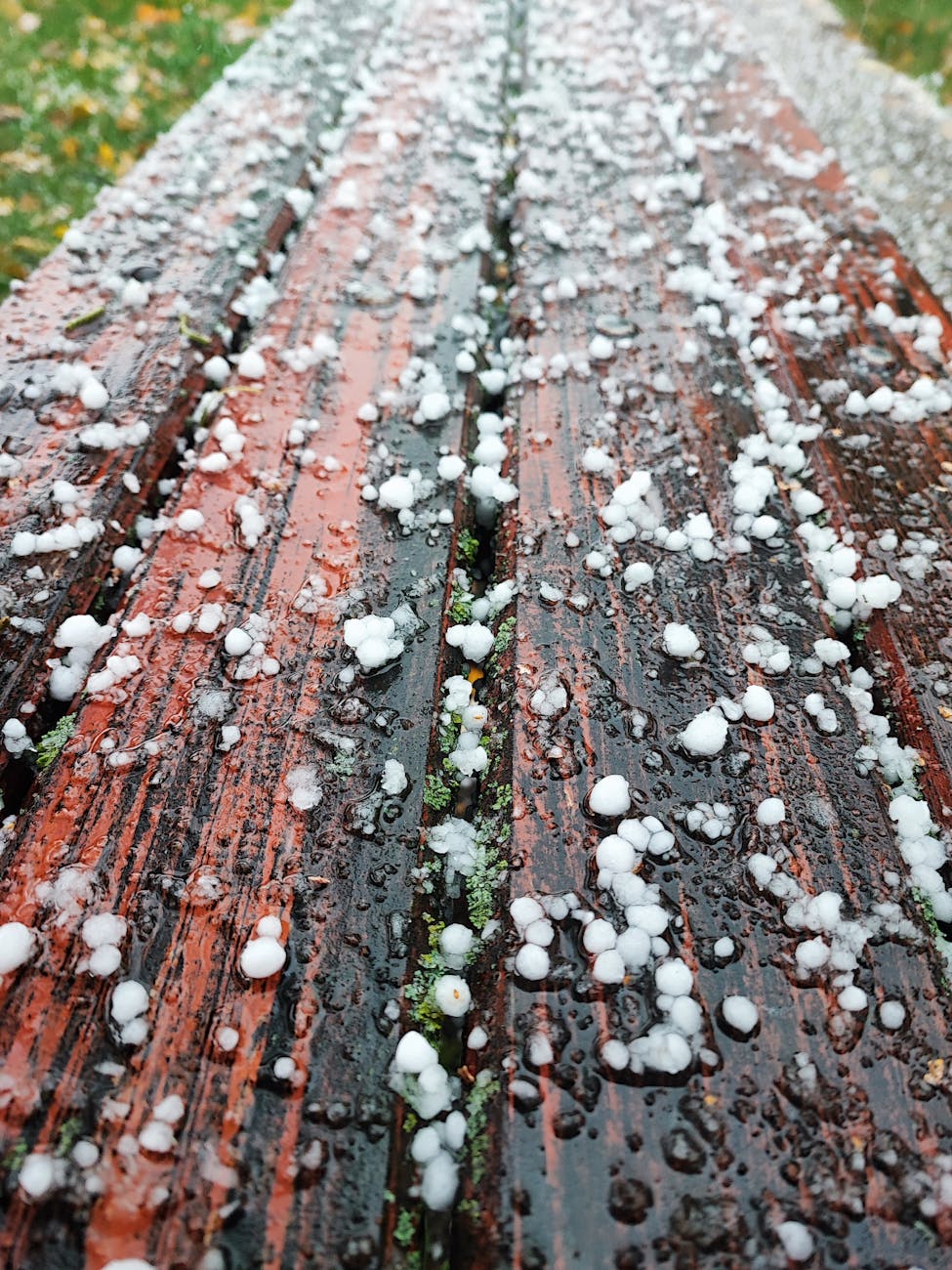
Plant Smart: Choosing Hail-Tolerant Vegetables and Flowers for UK Climates
While rapid deployment is crucial for those sudden storms, I've also learned that a bit of forward planning in plant selection can make a world of difference. After my early hail disasters, I started researching which plants were known for their resilience, especially in a climate like ours. It's not just about surviving; it's about recovering quickly, minimising stress, and still giving you a decent harvest.
I've found that plants with smaller, more flexible leaves, or those with a more robust, bushy growth habit, tend to fare much better than large-leaved, tender varieties. They might still get a few holes, but they're less likely to be completely shredded or knocked flat. My greenhouse protects my precious heirloom tomatoes like 'Cherokee Purple' and 'Marmande', but for everything else outdoors, I try to choose wisely.
Here are some varieties I've grown in my Midlands garden that have proven their mettle against British hail:
Hail-Tolerant Vegetables for UK Gardens:
- Kale (especially 'Cavolo Nero'): This is a superstar. Its crinkly, tough leaves might get a few dents, but the plant itself is incredibly hardy. I've seen my 'Cavolo Nero' look a bit battered after a storm, but it always bounces back with new growth, usually within a week or two.
- Chard ('Bright Lights' or 'Ruby Red'): Similar to kale, chard has strong stems and can take a beating. The vibrant colours of 'Bright Lights' might get a bit bruised, but the plant structure is very resilient. I grow these every year, and they rarely let me down.
- Root Vegetables (Carrots, Potatoes, Beetroot): While their edible parts are safely underground, the foliage still takes a hit. However, because the root is protected, the plant can usually regrow its leaves without significant impact on the harvest. My 'Charlotte' potatoes and 'Autumn King 2' carrots have always recovered well, even after their leafy tops looked a bit ragged.
- Hardy Herbs (Rosemary, Thyme, Sage): These woody-stemmed herbs are incredibly robust. I’ve seen my established rosemary bush barely flinch during a hailstorm. Their smaller, tougher leaves and strong structure make them highly resistant.
- Onions and Garlic: Their narrow, upright leaves are less of a target, and the bulb is underground. They usually sail through hail with minimal damage.
Hail-Tolerant Flowers for UK Gardens:
- Hardy Geraniums (Cranesbill): These are fantastic. They have a dense, bushy growth habit and can recover quickly from damage. Varieties like 'Rozanne' or 'Johnson's Blue' are brilliant for continuous flowering, even after a battering.
- Alchemilla mollis (Lady's Mantle): While its leaves can collect raindrops and look stunning, they are also quite tough and resilient. It's a low-growing plant, offering less surface area to be hit by hail from above.
- Hostas: Yes, they get holes, and it can be frustrating! But functionally, the plant usually survives and continues to grow. They might not look pristine, but they'll bounce back. I've found the thicker-leaved varieties like 'Blue Angel' fare slightly better than the more delicate ones.
Here's a quick comparison of some common garden plants and their hail tolerance, based on my personal experience in the UK:
| Plant Type | Hail Tolerance (1-5, 5 being highest) | Key Characteristics | My UK Experience Notes for the UK climate, this means choosing varieties that can bounce back from a sudden downpour or a short sharp hailstorm, not just withstand it.
| Plant Type | Hail Tolerance (1-5, 5 highest) | Key Characteristics | My UK Experience Notes
| Vegetable/Flower | Hail Tolerance (1-5, 5 being best) | Why it's resilient/My experience
5. After the Storm: Nurturing Your Garden Back to Health
Right, so you’ve had the hail. You’ve either managed to get some covers out, or maybe, like me on a few occasions, you were caught completely off guard. Now you're standing there, surveying the aftermath, feeling a bit gutted. Trust me, I’ve been there more times than I care to admit, especially in my early days here in the Midlands. My first instinct used to be pure panic, staring at shredded leaves and bruised fruit, but I've learned a calmer, more systematic approach that really helps.
The first thing I do, once the storm has completely passed and it's safe, is a quick visual inspection. Don't touch anything yet – just look. Assess the overall damage. Is it just a few tattered leaves on the courgettes, or have your prize greenhouse tomatoes taken a proper battering?
Next, it’s all about gentle first aid.
Immediate Post-Hail Care: Randy’s Recovery Plan
Clear Debris, Gently: Sometimes hail comes with a lot of heavy rain that can splash mud onto leaves, or even bring down small twigs and leaves from nearby trees. Carefully, gently brush off any debris from your plants. Heavy, wet leaves clinging to a damaged plant can encourage fungal issues, which is the last thing you need in our often-damp UK climate.

Assess and Prune: This is where I used to make a big mistake. My instinct was to leave every leaf, hoping it would recover. I learned the hard way that leaving severely tattered, bruised leaves or broken stems can actually do more harm than good. These open wounds are an invitation for pests and diseases, especially fungal infections that thrive in the UK's humidity.
- For leafy greens (lettuce, spinach, chard): If leaves are badly shredded, I'll prune them off cleanly with sharp, sterilised snips. New leaves often grow back quickly. If the plant is completely flattened, sometimes it's quicker and less effort to just sow new seeds, especially for fast-growing varieties like 'Salad Bowl' lettuce.
- For fruiting plants (tomatoes, peppers, beans, courgettes): Focus on removing any clearly broken stems or heavily damaged leaves. For my 'Moneymaker' tomatoes in the greenhouse, I'm particularly vigilant, as any open wound can quickly become a problem. Make clean cuts just above a leaf node or main stem. Leave any leaves that are only slightly bruised; they can still photosynthesise.
- For herbs: Most hardy herbs like rosemary or thyme bounce back well. For softer ones like basil or coriander, severe damage might mean starting again.
- For flowers: Deadhead any badly damaged blooms and prune back broken stems. Many perennials, like my beloved delphiniums, will put out new growth or even a second flush of flowers after a good trim.
Support and Stabilise: If larger plants or climbers have had their supports damaged, or if stems have been weakened but not broken, now’s the time to re-stake them or offer additional support. I always have a stash of bamboo canes and soft garden twine on hand for this very reason. A wobbly tomato plant is a stressed tomato plant!
Water Wisely: Check the soil moisture. Heavy hail can compact the soil, making it harder for water to penetrate, or it might have provided plenty of water. Don't assume. Ensure your plants are adequately watered to help them recover, but avoid overwatering, especially if drainage is compromised.
Consider a Gentle Feed: A diluted liquid feed, like seaweed extract, can give plants a boost to help them recover. I typically dilute it to half strength and apply it a few days after the storm, once the plants have had a moment to process the shock. Don't go overboard with high-nitrogen feeds right away, as this can encourage soft, vulnerable growth.
Pest and Disease Watch: This is critical, particularly in the UK. Hail-damaged plants are magnets for pests and diseases. I keep an extra close eye out for slugs and snails, which absolutely love munching on tender, damaged leaves. Fungal spores can also easily enter through wounds. Regular checks over the next week or two are vital. I've found that a quick daily check can catch issues before they become major problems.
6. Quick Reference: A Hail Damage Assessment and Action Checklist
When you're stood there in the garden, feeling a bit shell-shocked by the hail, it's easy to forget what to do first. I've tried to distil my five years of trial-and-error in my 800 sq ft Midlands garden into this handy checklist. It's what I run through every time the sky decides to throw ice at my precious plants.
Randy’s Hail Damage Assessment and Recovery Action Plan
| Damage Level | Symptoms (What I Look For in My UK Garden) | Immediate Actions (Randy’s Advice) | Long-Term Care (Randy’s Advice) | Randy’s Notes/Warnings for UK Climate |
|---|---|---|---|---|
| Minor | A few small holes in leaves, slight bruising on softer foliage (e.g., basil, lettuce). | Gently brush off any hail pellets or debris. | Monitor plant for signs of stress or pest/disease entry for 1-2 weeks. Ensure consistent watering. | "Don't panic! Most UK plants, especially brassicas or hardy perennials, bounce back quickly from this. They’re tougher than they look!" |
| Moderate | Shredded leaves, broken smaller stems, some bruising on developing fruit (e.g., young tomatoes, courgettes). | Prune off clearly damaged/shredded leaves and snapped small stems with clean, sharp snips. | Apply a diluted liquid seaweed feed (half strength) after 2-3 days. Increase pest and disease vigilance (slugs, fungal spots). | "I’ve seen my 'Defender' courgettes recover well from this, putting out new growth. For my greenhouse tomatoes, I'm extra careful pruning to avoid disease." |
| Severe | Major defoliation, snapped main stems (especially for annuals), significant fruit/flower loss, plants flattened. | Assess viability. For annuals, if the main stem is snapped, it's often best to remove and replant. Support any remaining main stems with stakes. | For viable plants, provide ongoing support and a light, balanced feed. If replanting, choose fast-growing varieties suitable for the remaining UK growing season. | "This is tough. Sometimes it's best to cut your losses and replant, especially for quick crops like 'Tom Thumb' radishes or 'Little Gem' lettuce, which can be harvested in weeks. Focus recovery on perennials." |
| Catastrophic | Plants completely defoliated, main stems snapped, entire crops flattened beyond recovery. | Remove all severely damaged plant material. Clear the beds. | Dig in some compost or well-rotted manure to replenish soil. Replenish with new plants/seeds, adjusting for the time of year in the UK. | "It happens. I lost a whole bed of French beans one summer. It's soul-destroying, but also an opportunity to try something new or sow a successional crop. Don't give up!" |
 |
7. Conclusion: Proactive Steps for a Resilient UK Garden
So, what have I learned over these five years battling our glorious, yet utterly unpredictable, British weather here in my Midlands garden? It's that hail, while disheartening, doesn't have to be a garden-ender. It's a challenge, sure, but one we can absolutely face head-on with a bit of foresight and the right strategies.
The biggest takeaway for me is that proactive defence is always better than reactive recovery. Having those quick covers ready – whether it's a stack of old fleeces, some cloches, or a roll of horticultural fleece – is genuinely a game-changer. I keep mine in an easy-to-grab spot in the shed, a lesson learned after one too many mad dashes when the skies turned ominously dark.
Secondly, choosing hail-tolerant varieties really does make a difference. While I'll always grow my delicate heirloom tomatoes like 'Cherokee Purple' in the greenhouse, opting for hardier leafy greens and robust perennials for the exposed beds has significantly reduced my post-hail stress. It’s about understanding which plants can take a punch and which need a bit more coddling in our unique UK climate.
And finally, knowing how to nurture your garden back to health after a storm is crucial. It’s not just about tidying up; it's about giving your plants the best chance to recover, preventing secondary issues like disease, and sometimes, knowing when to cut your losses and replant. It’s a testament to the resilience of nature – and gardeners!
Gardening in the UK can be a bit of a rollercoaster, with sunshine, rain, and even hail sometimes all in one day. But that's part of the charm, isn't it? It keeps us on our toes, makes us experiment, and ultimately, helps us learn more about our plants and our patch of earth.
Don't let the threat of hail put you off growing that amazing crop or planting those beautiful flowers. Embrace the challenge, be prepared, and you'll find your garden not just surviving, but thriving, no matter what the British weather throws at it.
Happy gardening, and here’s to many more successful harvests, hail or no hail!
Randy Thompson
Your fellow UK Midlands Gardener