
Introduction: Maximising Your UK Garden Space with Rapid Replanting
Alright, fellow UK gardeners! Randy here, from my 800 sq ft slice of heaven right here in the Midlands. If you're anything like me, you're constantly staring at your raised beds, greenhouse, or even those pots on the patio, dreaming of just one more harvest. Our British growing season, bless its cotton socks, can feel a bit short sometimes, can't it? Especially when you're itching to grow all the things!
That's where "Rapid Replanting" comes in – a concept I've become absolutely obsessed with over my five years of intensive gardening. It's about squeezing every last drop of productivity from your garden space, ensuring you're not just growing one crop, but two, three, or even four successional crops in the same spot throughout the year. I'm talking about getting those early potatoes out and immediately following up with a quick crop of French beans, or clearing spent brassicas to make way for a late-season leafy green feast.
When I first transitioned from my IT career to spending every spare moment with my hands in the soil, I made the classic mistake of letting beds sit empty for weeks after a harvest. "Oh, I'll get to it eventually," I'd think, only to realise I'd lost precious growing time, especially here in our often-unpredictable UK climate. One season, I left a bed fallow after some early carrots, and by the time I got around to replanting, the weeds had taken over, and the sunniest days for a second crop of spinach were long gone. That was a proper face-palm moment, I can tell you!
Since then, I've experimented endlessly in my own garden, pushing the boundaries of what's possible, even with our sometimes-dodgy British weather. I've learned that getting a quick second (or even third!) crop isn't just about throwing seeds in the ground; it’s about a slick, efficient process of post-harvest bed preparation. It's about being ready the moment that last courgette or tomato is picked. And trust me, with the right approach, you can keep your kitchen brimming with homegrown goodness from spring right through to late autumn, and even into winter. Let's dig in!
Swift Site Clearance: Efficiently Removing Spent Crops & Debris
The moment you've harvested the last of a crop, the clock starts ticking. For rapid replanting, you can't afford to dither. I've learned, often the hard way, that lingering spent crops and general garden debris are not your friends. They’re basically five-star hotels for slugs, snails, and other pests, not to mention a breeding ground for fungal diseases, especially in our often-damp British climate.
My routine is usually a whirlwind: as soon as I've picked the final harvest – say, the last of my 'Charlotte' potatoes from a raised bed in July – I'm straight in there. First, I carefully remove all the plant material. This means pulling up the entire plant, roots and all. For most crops, if they haven't shown any signs of disease, they go straight into my compost bins. This is part of my closed-loop system here in the Midlands – feeding the soil with what the soil has grown. However, if I spot any blight on my potato haulms or powdery mildew on courgette leaves, those go straight into the council green waste bin, not the compost, to prevent any disease spores from overwintering and causing havoc next year. I learned that lesson after a nasty bout of tomato blight spread to my new potato patch years ago – never again!
Next, I do a quick sweep for any fallen leaves, rogue weeds, or bits of straw from mulching. A good stiff rake is invaluable for this. I'm looking to get the bed as clean as a whistle, right down to the bare soil surface. This might sound a bit obsessive, but it really does make a difference. A clear bed dries out a little quicker after a summer shower, making it less appealing for slugs and giving you a better view of any early weed seedlings trying to make a comeback.
I remember one particularly wet August a few years back. I'd harvested some early peas and, instead of clearing the bed properly, I just pulled the plants and left the stray pods and leaves behind, thinking I'd come back to it. Big mistake! Within a week, the bed was crawling with slugs, and a nasty patch of groundsel had taken root. When I finally got around to preparing it for some quick-growing 'Golden Wax' French beans, I had twice the work to do. So, my advice? Get in, get it done, and get that bed spotless!
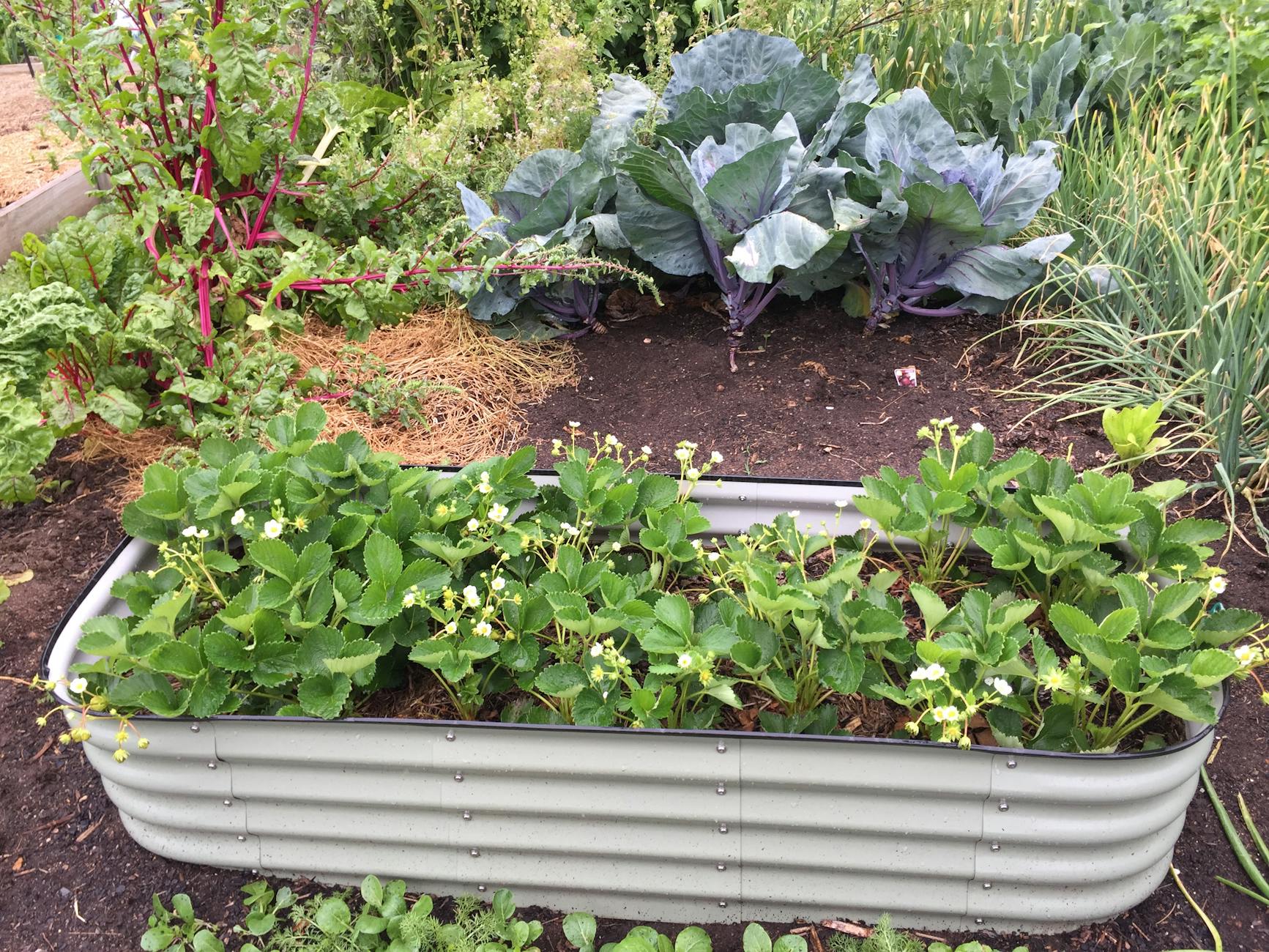
Soil Revival: Quick Assessment and Targeted Nutrient Replenishment
Once the bed is clear, it's time to talk soil. This is where the real magic happens for a rapid turnaround. For continuous production, you simply can't ignore what your previous crop has taken out of the soil. Heavy feeders like potatoes, brassicas, or my beloved greenhouse tomatoes can really deplete the nutrient reserves. We're not talking about a full-blown soil test here – for rapid replanting, time is of the essence! Instead, I rely on a quick visual and tactile assessment, combined with my knowledge of what was grown previously.
I'll dig a small forkful of soil, just to see how it feels. Is it crumbly and alive, or does it feel a bit lifeless and compacted? If it's been a particularly wet spell, like many of our British summers, the soil can get a bit tired. Generally, after a hungry crop, I assume there's been a significant draw on nitrogen (N) for leafy growth, phosphorus (P) for root and flower development, and potassium (K) for overall plant health and fruit production.
My go-to strategy is to quickly replenish these key nutrients with fast-acting, organic amendments. What I've found works best here in our UK soil, especially when you're in a hurry for that next crop, is a combination of fresh compost and a targeted organic feed.
Here’s a quick rundown of what I use and why, especially for rapid replanting in our UK conditions:
| Amendment Type | Pros (for Rapid Replanting in UK) | Cons (for Rapid Replanting in UK) | When I Use It (Randy's Advice for UK Gardens) |
|---|---|---|---|
| Well-rotted Garden Compost | Improves structure, slow-release nutrients, moisture retention. | Can take time to fully integrate, nutrient levels vary. | Always, as a generous 2-3 inch top-dressing after every harvest. My garden's backbone! |
| Well-rotted Manure | Rich in NPK, especially nitrogen; excellent for hungry crops. | Needs to be very well-rotted (fresh can burn roots); can be heavy. | After heavy feeders like potatoes or sweetcorn, if I have 2-3 weeks before planting. |
| Organic Granular Feed | Balanced NPK, relatively quick release, easy to broadcast. | Can be expensive; requires watering in; not a soil builder. | My go-to for an immediate boost before planting most successional crops (e.g., 'Green Arrow' peas after early radish). |
| Liquid Seaweed Extract | Instant trace elements and growth hormones; helps with stress. | Short-lived effect; needs regular application; mainly a tonic. | For transplant shock or weekly feeding of fast-growing leafy greens or struggling plants. |
| Comfrey Pellets/Liquid Feed | High in potassium; great for fruiting plants. | Can be messy (liquid); pellets need time to break down. | After leafy greens, before fruiting crops like beans or courgettes, or as a weekly boost. |
After removing the previous crop, I'll fork over the top 6-8 inches of soil gently, just to aerate it a bit – I'm not digging deep, just loosening. Then, I'll spread a good 2-3 inch layer of my homemade, well-rotted compost over the entire bed. This immediately starts to replenish the organic matter and provides a steady, slow release of nutrients. If the previous crop was particularly hungry, or the next one is, I'll also sprinkle in a handful or two of a good quality organic granular feed, like chicken manure pellets or a balanced 'Growmore' organic equivalent, raking it lightly into the top inch or two of soil. This gives an immediate shot of available nutrients to the new crop.
One season, I skipped this step completely after pulling a huge crop of 'King Edward' potatoes. I thought the soil looked fine and just chucked in some leek seedlings. Within a few weeks, they were looking pale and stunted – a clear sign of nitrogen deficiency. I had to scramble to top-dress with compost and liquid feed, losing valuable growing time. Never again! A quick feed now saves so much heartache later.
Weed & Pest Patrol: Essential Pre-Planting Checks for a Healthy Start
Before a single new seed or seedling goes into that freshly cleared and fed bed, there’s one more critical step that often gets overlooked in the rush for a second crop: a thorough weed and pest patrol. Trust me, ignoring this now will lead to massive headaches down the line. Weeds are greedy blighters; they’ll compete with your new plants for those precious nutrients and water you’ve just added, and they can quickly outcompete tender young seedlings. And pests? Well, they’re always on the lookout for a new buffet!
Here in the Midlands, with our often-damp conditions, slugs and snails are my perennial nemeses. They absolutely love a freshly planted bed, especially tender young seedlings. So, after I've cleared the old crop and added my compost and feed, I'll spend a good 10-15 minutes meticulously checking the bed.
First, weeds. Even after the initial clearance, tiny weed seedlings can pop up almost overnight, especially after a rain shower. I use a sharp hoe to scuffle the surface, severing any new weed shoots. For stubborn perennial weeds like bindweed or couch grass, which can re-emerge from root fragments, I’ll get down on my hands and knees and carefully pull them out, making sure I get as much of the root as possible. This is one of those tasks that feels tedious but is so incredibly satisfying when you plant into a completely clean bed. I once planted a row of 'Early Nantes' carrots into a bed that I thought was clean, only to find a week later it was absolutely choked with chickweed. Trying to weed tiny carrots is a nightmare, and that crop was significantly reduced!
Next, pests. This is where my detective skills come in. I’ll look under any remaining debris, around the edges of the raised beds, and even under stones or bricks if I have them nearby. Slugs and snails are usually the main culprits. If I find any, I’ll remove them (into a bucket of salty water, usually – I’m not sentimental when it comes to protecting my crops!). I'll also keep an eye out for any signs of aphid colonies on any lingering plant material nearby, or even tiny holes in the soil that might indicate root fly larvae from a previous crop. While it’s unlikely to be a huge problem if the previous crop was healthy and removed swiftly, it's always worth a quick check.
I might scatter a few organic slug pellets (the ferric phosphate kind) or set up some beer traps if I know the slug pressure is high, especially if I’m planting something particularly vulnerable like lettuce or brassica seedlings. The goal is to create as hostile an environment as possible for pests, and as welcoming an environment as possible for your new plants, right from the very start. A clean bed is a healthy bed, and a healthy bed is the foundation for continuous, abundant harvests in your UK garden.
Strategic Successional Planting: UK-Friendly Fast-Growing Crops for Continuous Harvests
Right, you’ve cleared the bed, fed the soil, and done your pest patrol – now comes the exciting bit: getting new life in there! This is where successional planting truly shines in a UK garden, letting us squeeze every last bit of productivity from our precious growing space. I've spent years experimenting in my 800 sq ft Midlands patch, learning which crops are truly up for the challenge of a quick turnaround, even with our often-unpredictable British weather.
The key is choosing varieties that mature rapidly and don't mind a bit of competition or slightly less-than-perfect conditions. I always look for "early" or "fast-maturing" on the seed packet. For example, 'Cherokee Purple' tomatoes are my greenhouse stars, but they're not for a quick outdoor second crop! Instead, I lean heavily on leafy greens, radishes, spring onions, and certain bush beans.
Last year, after pulling out my first crop of early potatoes from a raised bed in July, I immediately sowed 'All Year Round' lettuce and 'Early Nantes 2' carrots. The lettuce was ready to harvest within weeks, providing fresh salads right through late summer, and the carrots, though smaller than maincrop, were sweet and delicious by early autumn. This kind of quick swap is exactly what we're aiming for.
Here’s a breakdown of some of my go-to fast-growers that thrive in a UK second-crop scenario:
| Crop Type | Specific UK-Friendly Varieties I Use | Average Days to Harvest (from planting) | My Top Tips for UK Success |
|---|---|---|---|
| :--- | :--- | :--- | :--- |
Even if you’re planting a crop like lettuce that isn’t suitable for winter, getting a swift second crop in means you'll have fresh produce for longer, right up until the garden finally gives in to the chill. It's about maximising those precious UK growing days! One mistake I made early on was trying to squeeze a 'maincrop' variety into a second planting. The results were tiny, tough, and disappointing. Stick to the fast ones; they’re bred for this kind of sprint.
Planting for Speed: Direct Sowing vs. Young Plants for Rapid Establishment
When you're aiming for that rapid second crop, every single day counts. This is why the choice between direct sowing seeds and planting out young, pre-grown plants is crucial. There's no one-size-fits-all answer, and over my five years of intensive gardening here in the Midlands, I’ve found myself using both strategies, often for different crops in the very same bed.
Direct sowing has the advantage of minimal root disturbance. For plants that hate being moved, like carrots, parsnips, or even some beans, it’s often the best route to strong, healthy growth. You avoid that 'transplant shock' that can set back a young plant for days, or even a week, which is time we simply don't have for a rapid second crop. I’ve found radishes, spinach, and cut-and-come-again salad leaves respond wonderfully to direct sowing straight into a freshly prepared bed. The soil is warm, fertile, and ready for them to just get on with it.
However, direct sowing comes with risks. Our British weather can be fickle; a sudden downpour can wash away seeds, or a dry spell can prevent germination. Pests, especially slugs and snails, absolutely adore tender young seedlings. This is where young plants, or 'starts', really earn their keep. I often start fast-growing brassicas like 'Pak Choi' or 'Mizuna' in modules in my greenhouse while the previous crop is still finishing. By the time the bed is cleared, I have sturdy, healthy seedlings with a head start, already past their most vulnerable stage. This significantly cuts down on the time the bed is 'empty' and speeds up the path to harvest.
Here's my personal take on when to use which method for a quick turnaround in my UK garden:
| Planting Method | Pros (In My UK Garden Experience) |
|---|
