
Beyond the Stake: Why Strong Stems Mean Better Tomatoes & Dahlias
Alright, fellow gardeners! Randy here, from my bustling 800 sq ft patch in the UK Midlands. If there's one thing I've become utterly obsessed with over my five-plus years in this glorious, mud-stained calling, it's building plants that stand tall and proud on their own two feet, or rather, their own sturdy stems. I'm talking about those majestic, heavy-fruiting tomato plants and those show-stopping dahlias that don't need a forest of bamboo stakes just to hold themselves together.
I remember my early days, fresh out of the IT world and into the garden. My first few seasons were a constant battle with wobbly tomatoes in the greenhouse, snapping under the weight of their own fruit, or dahlias that looked more like they were doing the limbo than standing upright after a typical British summer downpour. I'd religiously tie them to stakes, only for the ties to slip, or the wind to exploit a weak point, leading to snapped branches and heartbreaking losses. It felt like I was constantly propping up my plants, rather than letting them thrive naturally.
That's when I had an epiphany: what if the problem wasn't my staking technique, but the plants themselves? What if I could build them with inherent strength right from the very start, reducing that reliance on external support? Here in the UK, with our wonderfully unpredictable weather – one minute glorious sunshine, the next a blustery, damp gale – strong stems aren't just a nice-to-have; they're absolutely essential for a successful harvest. Sturdier stems mean better airflow around the plant, which is crucial for preventing fungal diseases like blight in our often humid climate, especially in my greenhouse. They also handle the weight of heavy fruit like my beloved 'Cherokee Purple' heirlooms, and stand firm against those sudden gusts of wind that sweep across the Midlands. It's about giving our plants the best possible chance to flourish, without becoming dependent on us for every single bit of support.
The Foundations of Strength: Understanding Plant Anatomy & Growth Habits
Before we can start building those botanical bodybuilders, it helps to understand a little bit about how they're actually put together. When I first started, I honestly just thought a stem was a stem, a green stick holding up leaves. But after a few seasons of battling floppy plants and diving headfirst into gardening books (and countless hours on forums!), I realised there’s a lot more going on beneath the surface and within those green stalks.
At its core, a plant's stem is designed for two main things: transporting water and nutrients, and providing structural support. This support comes from specialised cells that produce lignin, which is essentially the plant's internal scaffolding. The more lignified cells a stem has, the tougher and more rigid it becomes. But it's not just about the stem itself; a robust stem is intrinsically linked to a strong, healthy root system. Think of it like an oak tree – it has a massive trunk because it has a huge, anchoring root system. Without that strong foundation underground, the stem above ground is always going to struggle, especially in conditions like our often-wet British soil.
When it comes to our specific plants, tomatoes and dahlias, understanding their growth habits is key. Most of the tomatoes I grow, especially the big heirlooms in my greenhouse like 'Black Krim' or 'Moneymaker', are 'indeterminate'. This means they'll just keep growing and producing fruit until the frost gets them. They naturally want to be sprawling, vine-like plants, which is why they're so prone to flopping. 'Determinate' varieties, on the other hand, grow to a certain size, set their fruit all at once, and then stop – they're often bushier and need less support. Dahlias, similarly, can vary from compact bedding types to the towering dinner-plate varieties. Knowing what you're growing helps tailor your approach. For my tall dahlias like 'Café au Lait', I know they'll need all the help they can get from the seedling stage to develop a trunk-like stem capable of holding those huge blooms.

Early Stages: Sowing, Potting On & Root Development for Robust Stems
This, my friends, is where the magic truly begins. You can't build a strong house on a weak foundation, and the same goes for our plants. The decisions we make right from sowing the seed have a massive impact on the eventual strength of our stems. I've learned this the hard way over the years, making all the classic mistakes so you don't have to!
My biggest lesson? Don't sow too early! It's so tempting to get those tomato seeds going in February when you're itching for spring, but here in the Midlands, with our often gloomy, short winter days, you'll likely end up with leggy, spindly seedlings desperately stretching for light. These weaklings will never develop the thick base we're aiming for, even if they're under grow lights in the greenhouse. I typically sow my greenhouse tomatoes like 'Gardener's Delight' or 'Sungold' in late March or early April, giving them plenty of natural light and warmth right from the start.
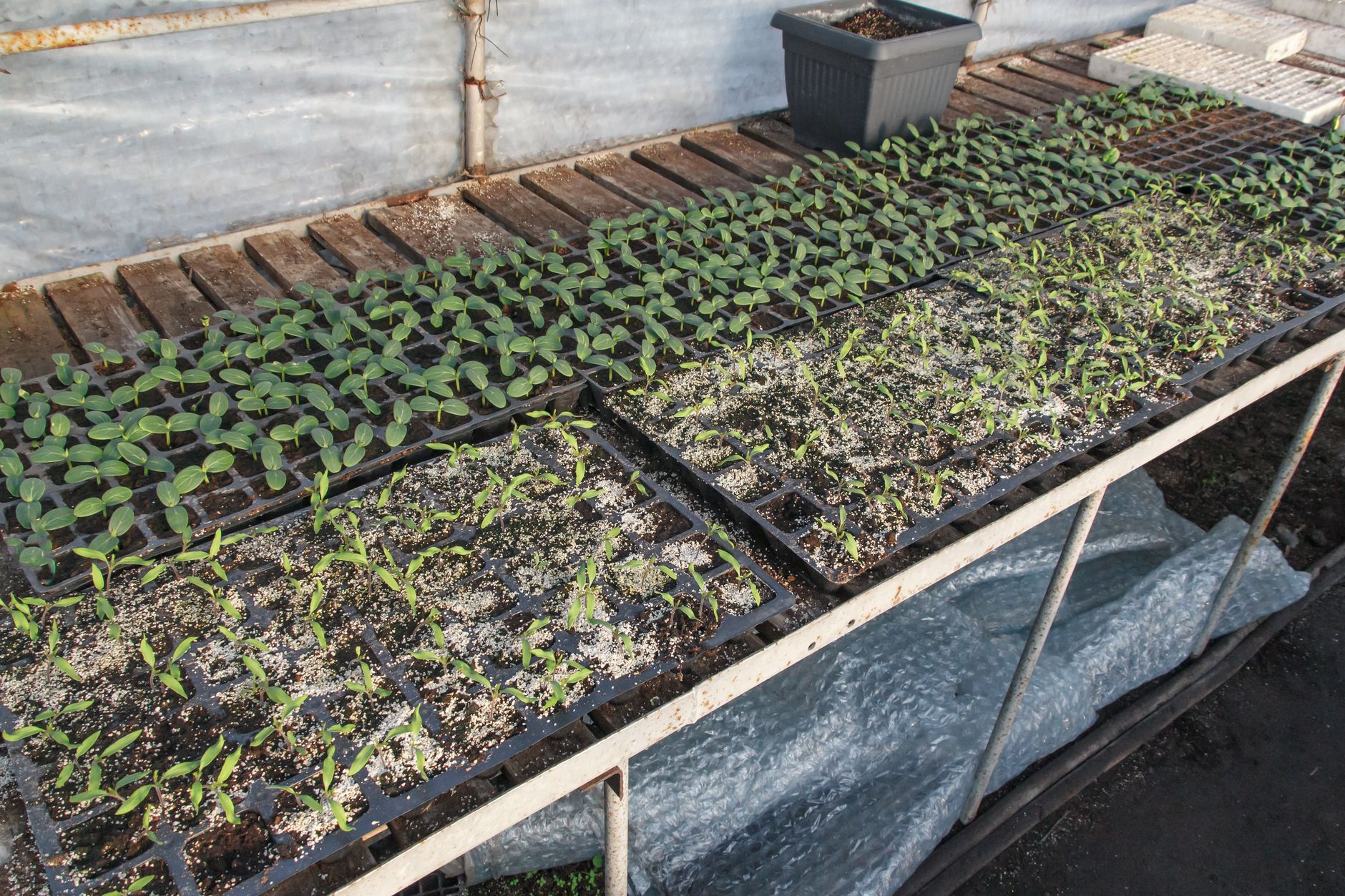
Proper 'potting on' is equally crucial. This is when you move your seedlings from their tiny starter cells into progressively larger pots. Resist the urge to jump them straight from a seed tray into a huge pot. A gradual increase in pot size encourages the roots to explore and fill the pot, rather than getting waterlogged in too much soil. When I pot on my tomato seedlings, I always bury a good portion of the stem – those little hairs on the stem will turn into new roots, further strengthening the plant's foundation. For dahlias, I'm a bit more gentle, only burying them to the original soil line, but ensuring their root ball is undisturbed and they have fresh, rich compost to grow into. Getting this right, alongside consistent, but not over-watering, ensures a dense, healthy root ball, which is the bedrock for that strong stem we're after.
| Aspect | Ideal Early Stage Practice (Randy's Method) | Common Pitfalls (My Past Mistakes!) | Why Randy's Method Works in the UK |
|---|---|---|---|
| Sowing Timing | Late March/Early April for greenhouse tomatoes (Midlands). | Sowing too early (e.g., Feb) out of impatience. | Matches increasing natural light levels, reducing legginess and encouraging stocky growth from day one, vital for our shorter seasons. |
| Light Exposure | Brightest spot available, supplemented with grow lights if necessary. | Dim windowsills, insufficient grow light duration. | Prevents stretching (etiolation), ensuring short internodes (distance between leaf sets) and a compact, sturdy stem. |
| Potting On Timing | When first true leaves appear, or roots start to show at bottom of pot. | Waiting too long (rootbound) or potting on too soon into a huge pot. | Avoids root circling and encourages continuous, healthy root development without risking waterlogging in cool UK spring. |
| Potting On Technique | Bury tomato stems deeper; gentle handling of dahlia roots. Use fresh compost. | Not burying tomato stems; rough handling, damaging delicate roots. | Deeper planting for tomatoes encourages adventitious roots, significantly increasing anchorage and nutrient uptake. |
| Compost Choice | Good quality, free-draining seed/potting compost. | Heavy, poorly draining compost or reusing old compost. | Ensures optimal drainage (crucial in damp UK) and nutrient availability for vigorous, healthy root and stem growth. |
| Watering | Water from below if possible, allow top inch to dry out between waterings. | Overwatering, especially from above; inconsistent watering. | Prevents damping off (a common UK seedling killer) and encourages roots to seek out moisture, strengthening the root system. |
The 'Wiggle' Method: Building Muscle Through Movement & Airflow
Now, this is where things get really fun and you can actively 'train' your seedlings to be stronger. It sounds almost too simple to be effective, but trust me, this 'wiggle' method is a game-changer, especially for us here in Britain where good airflow is always a battle.
What am I talking about? It's literally just gently brushing or 'wiggling' your seedlings daily. I do it every morning when I check my greenhouse – I'll run my hand gently over the tops of my tomato and dahlia seedlings for a minute or two, causing them to sway and bend slightly. This isn't about roughhousing them; it's about simulating natural movement, like a gentle breeze.
The science behind it is fascinating and it's called thigmomorphogenesis – basically, plants respond to touch and mechanical stress by growing shorter, thicker, and stronger stems. When a seedling experiences this gentle movement, it triggers a physiological response to fortify its stem, preparing it for the challenges of the great outdoors. Last season, I tried this with a tray of 'Moneymaker' tomato seedlings. Half got the wiggle treatment, half didn't. The difference was honestly astounding; the wiggled ones were noticeably stockier and had thicker stems long before they were even ready to leave the warmth of the greenhouse.
Beyond the physical strengthening, this daily interaction also vastly improves airflow around your seedlings. This is crucial in our often-damp UK climate, helping to prevent dreaded fungal issues like damping off, which can wipe out a whole tray of precious young plants overnight. The increased air circulation also encourages transpiration, which in turn helps pull water and nutrients up the stem, further contributing to its robustness. It's a simple, free technique that pays dividends in resilient, self-supporting plants.
| Feature | 'Wiggle' Method Applied Daily | No 'Wiggle' Method (Static Seedlings) | Benefits for UK Gardeners (Randy's Take) |
|---|---|---|---|
| Stem Thickness | Noticeably thicker, sturdier stems; shorter internodes. | Thinner, often elongated stems; longer internodes. | Creates robust plants better able to withstand our often-windy British weather and support heavy fruit without snapping. |
| Plant Height | Slightly shorter, more compact growth. | Tends to be taller, leggier growth. | Prevents excessive stretching under less-than-ideal UK light conditions, resulting in stockier, more manageable plants. |
| Root Development | Indirectly encourages stronger root systems due to overall plant vigour. | Potentially weaker root system due to less robust top growth. | A stronger stem demands a stronger root system for anchorage, crucial for stability in potentially waterlogged UK soil. |
| Disease Resistance | Improved airflow reduces risk of fungal diseases (e.g., damping off). | Increased humidity around leaves, higher risk of fungal issues. | Absolutely vital for our damp UK climate, reducing the chance of common seedling diseases that thrive in still, moist air. |
| Transplant Shock | Seedlings are more resilient, adapt better to outdoor conditions. | More susceptible to shock and damage when moved outdoors. | Prepares plants for the inevitable temperature fluctuations and winds they'll face when moved from a protective UK greenhouse. |
| Time Investment | Minimal (1-2 minutes daily per tray of seedlings). | None, but leads to more time spent staking and repairing later. | A small daily investment now saves significant time and heartbreak later in the season with damaged plants. |

Feeding for Fortitude: Nutrient & Watering Regimes for Thicker Stems
Once your seedlings are past the initial stages and you're getting them ready for potting on or their final home, what you feed them, and how much you water, becomes absolutely critical for stem strength. It's not just about giving them more food, but the right food at the right time. I've learned this through plenty of trial and error in my own 800 sq ft UK garden.
For me, it all starts with good soil. My raised beds are always topped up with a rich, well-rotted compost, which provides a fantastic slow-release base of nutrients. But for hungry plants like tomatoes and fast-growing dahlias, they need a bit more. Early on, when they're still seedlings in their pots, I lean towards a balanced liquid feed, something like a diluted seaweed extract. I find it gives them a gentle boost of micronutrients without pushing too much leafy growth at the expense of stem strength. I'm talking half-strength, maybe once a week after they've developed a few sets of true leaves.
As they grow and get transplanted, I shift my focus. While nitrogen is essential for leafy growth, too much can lead to weak, leggy stems – a mistake I made with my 'Ailsa Craig' tomatoes a few years back, trying to make them grow faster. Instead, I concentrate on a balanced feed that has decent levels of potassium (K) and phosphorus (P). Potassium is a real unsung hero for plant structure and strength, helping with cell wall development, which translates directly to thicker, sturdier stems. Phosphorus, of course, is vital for robust root development, and a strong root system anchors a strong plant. Once my tomatoes are setting fruit, or my dahlias are budding up, I switch to a dedicated tomato feed that's typically higher in potassium. This supports both fruiting/flowering and continues to bolster those all-important stems.
Watering, often overlooked, is just as crucial. It's not just about keeping the plant alive; consistent, deep watering encourages roots to grow deeper, seeking out moisture, which in turn supports a stronger base. Shallow, frequent watering keeps roots near the surface, making the plant more susceptible to drought and, you guessed it, less stable. Here in the Midlands, our British weather can be incredibly unpredictable – one week it's a deluge, the next it's bone dry. So, I make sure to check the soil moisture deeply with my finger before watering. For my greenhouse tomatoes, I aim for a thorough soak every 2-3 days during dry spells, allowing the top inch or two to dry out between waterings. This routine has proven far more effective than just a splash every day.

Hardening Off & Strategic Transplanting for Lasting Support
This stage is often where all your hard work from the seedling phase can either pay off handsomely or crumble under the strain of the real world. Hardening off and careful transplanting are non-negotiable for building truly self-supporting plants, especially with our notoriously fickle UK climate.
Hardening Off: The Tough Love Your Plants Need
Hardening off is all about toughening up your tender seedlings, getting them accustomed to the harsh realities of outdoor life: direct sun, wind, fluctuating temperatures, and even our notorious British rain. When I first started, I used to just plonk them out and hope for the best. That led to scorched leaves, stunted growth, and spindly stems that just couldn't cope. I learned that lesson the hard way with a batch of 'Moneymaker' tomatoes that looked great indoors but collapsed after an hour outside on a sunny spring day. Never again!
Now, I dedicate a good two to three weeks to this process, constantly checking the forecast for late frosts or sudden gales that could devastate my young plants. I start by putting them out for just an hour or two on a mild, cloudy day, in a sheltered spot – often just outside my greenhouse door. Each day, I gradually increase their time outside and expose them to a bit more sun and gentle wind. For the first week, they always come back into the greenhouse or a sheltered cold frame overnight. It’s a bit of a faff, but it's absolutely worth it for the resilience it builds into their stems and leaves. This gradual exposure stimulates the plant to produce a thicker cuticle on its leaves (for sun protection) and, crucially, strengthens its vascular system and cell walls to withstand physical stress.
Strategic Transplanting for a Strong Start
Once hardened off, the way you transplant them makes a huge difference to their long-term stability.
For tomatoes, I always bury the stem deep – right up to the first true leaves. This is because tomatoes are amazing at rooting from their buried stems, forming a vastly expanded root system that provides incredible anchorage and nutrient uptake. In my Midlands garden, I’ve found this technique makes my 'Cherokee Purple' and 'Black Krim' plants incredibly sturdy.
For dahlias, while you don't bury them as deep as tomatoes, ensuring the base of the stem (or the tuber's crown) is at the correct depth is vital. Too shallow, and they'll wobble. Too deep, and you risk rot. I typically plant my dahlia tubers about 10-15cm deep, ensuring the stem that emerges has a good solid base.
Spacing is another critical element. Overcrowding leads to plants competing for light and air, stretching for resources and resulting in weak, etiolated growth. In my raised beds, I space my tomato plants at least 60-75cm apart, and my dahlias 45-60cm apart depending on the expected mature size. This allows for excellent airflow, better light penetration, and ample room for those strong stems to develop without leaning on their neighbours.
Finally, consider location. While we all want full sun for these plants, think about prevailing winds. If you have a particularly exposed spot, consider a temporary windbreak for the first few weeks after transplanting. I learned this when a sudden blustery day ripped apart some of my newly planted 'Kelvin Floodlight' dahlias in an open part of my garden. Now, I try to pick a spot that gets good sun but isn't a total wind tunnel, or I use some old netting to provide a gentle buffer.
Here’s a quick comparison of my hardening-off best practices versus some common mistakes I’ve definitely made over the years:
| Feature | Randy's Hardening Off (Best Practice) | Common Mistakes (I've Made!) |
|---|---|---|
| Start Time | 2-3 weeks before final planting out (UK spring dependent) | A few days before, or directly from greenhouse to garden |
| Initial Exposure | 1-2 hours on a mild, cloudy day; sheltered spot | Straight into full sun/wind for hours |
| Progression | Gradually increase time outdoors and exposure to sun/wind over 2 weeks | Sudden, long periods outdoors |
| Night Time | Bring indoors or into a sheltered cold frame for the first week or two | Leave out overnight too early (especially in UK spring) |
| Watering | Keep consistently watered; they dry out faster outside | Forget to water, leading to stress |
| Wind Protection | Start in a sheltered spot, gradually expose to gentle breezes | Expose to strong winds too early, causing stem damage |
| UK Weather Check | CONSTANTLY check forecasts for late frosts, heavy rain, or strong winds | Ignore the forecast, hoping for the best (rarely works here!) |
Troubleshooting & Long-Term Maintenance for Self-Supporting Plants
Even with the best intentions and meticulous care, gardening always throws up curveballs. But a self-supporting plant is a resilient plant, and knowing how to troubleshoot and maintain them means you're rarely caught out.
Troubleshooting Weak Stems (It Happens!)
If, despite all your efforts, you notice your plants are still looking a bit wobbly or leggy after transplanting, don't panic! It’s usually a sign of one of a few things:
- Insufficient light: The most common culprit for leggy growth. If they’re stretching, they’re desperate for more photons. Can you prune nearby plants, or reposition containers?
- Too much nitrogen: This can push lush, leafy growth at the expense of stem strength. Ease back on the high-nitrogen feeds.
- Overwatering/Underwatering: Both stress the plant. Check your soil moisture.
- Lack of movement: If they’ve been in a completely still environment, they might not have built that crucial stem 'muscle'.
For really weak seedlings, sometimes it’s better to restart if you have time, or accept that they might need some temporary support while they catch up. A loose tie with soft twine around a bamboo cane, only just tight enough to hold them, can give them a chance to thicken up. The key is temporary – remove it as soon as the stem can stand on its own. I had to do this with some late-planted 'Gardener's Delight' one year after a particularly soggy June in my Midlands garden, and they eventually thrived.
Long-Term Maintenance: Keeping Them Strong
Once your plants are established and growing vigorously, a few ongoing practices will ensure they remain self-supporting powerhouses:
- Pruning (Strategic, Not Aggressive!):
- Tomatoes: For indeterminate varieties, side-shooting is absolutely essential. These are the little shoots that grow in the 'armpit' between the main stem and a leaf branch. Pinching them out (I usually just snap them off with my thumb and forefinger) directs the plant's energy into the main stem and fruit production, rather than sprawling. This reduces the overall load and helps maintain a strong, central leader. My 'Sungold' tomatoes in the greenhouse get this treatment religiously.
- Dahlias: Pinching out the central growing tip when the plant is young (around 3-4 sets of true leaves) encourages the plant to branch out. This results in a bushier plant with multiple, slightly thinner, but collectively much stronger stems, which are far less prone to snapping than one gigantic central stem. It also means more flowers – a win-win!
- Mulching: A good layer of organic mulch (like straw, wood chips, or well-rotted compost) around the base of your plants does wonders. It helps retain soil moisture, regulates soil temperature (which our British weather often struggles to do naturally!), and suppresses weeds. All these factors reduce stress on the plant, allowing it to put more energy into robust growth.
- Continued 'Wiggle' and Airflow: If you’ve done everything right, nature will continue the 'wiggle' method for you. Gentle breezes will constantly challenge and strengthen the stems. Just ensure you maintain good spacing to allow that airflow, preventing stagnant conditions that can lead to disease and weaker growth.
- Knowing When to Give a Little Help: Look, sometimes, despite all our best efforts, a rogue storm, an exceptionally heavy crop, or just a particularly lanky variety means a little temporary support is needed. Don't beat yourself up! If my 'Costoluto Fiorentino' tomatoes are absolutely laden with fruit after a fantastic summer, I might add a loose loop of twine around the main stem and tie it to a sturdy stake, just to take the strain off. The difference is, it's a helping hand, not a crutch. The plant is still doing most of the work.
One year, we had an unseasonably severe hailstorm hit my Midlands garden in mid-August. Even my sturdiest 'Black Krim' plants, which usually stand proud, needed a bit of extra help for a week or two to recover. It’s about being pragmatic and responsive to what your plants and our unpredictable British climate throw at you.
Conclusion: Stand Tall, Grow Strong
So there you have it, my deep dive into how I build those rock-solid, self-supporting stems for my heavy-fruiting tomatoes and tall dahlias here in my UK garden. We’ve journeyed from the very first seeds, understanding their anatomy, through the critical early stages of root development and the ingenious 'wiggle' method. We've explored the precise art of feeding and watering, the vital toughening-up process of hardening off, and the strategic placement of transplanting. Finally, we've touched on how to troubleshoot and maintain that strength long-term.
It's a comprehensive approach, built on five years of intensive experience, countless experiments, and yes, a fair few mistakes and learning curves in my own backyard. But the payoff is immense: healthier, more resilient plants that can stand up to our often-challenging British weather, produce abundant harvests, and require far less intervention from you. Imagine not having to constantly tie up heavy tomato branches or see your prize dahlias toppled by a sudden downpour!
Gardening, for me, is a constant lesson in observation, patience, and adapting to nature. What works perfectly one year might need a tweak the next, especially here in the Midlands with our ever-changing conditions. But by focusing on these foundational principles – building strength from the inside out, from the very beginning – you'll empower your plants to reach their full potential.
Give these methods a go this season. Start small, observe closely, and don't be afraid to experiment. I promise you'll notice the difference. Your plants will thank you for it, and you'll gain an incredible sense of satisfaction watching them stand tall and proud, laden with glorious fruits and blooms, all on their own sturdy stems. Happy gardening, fellow plant whisperers!
