Say Goodbye to Bare Bottoms: Rejuvenating Your Woody Vines for a Lush Look
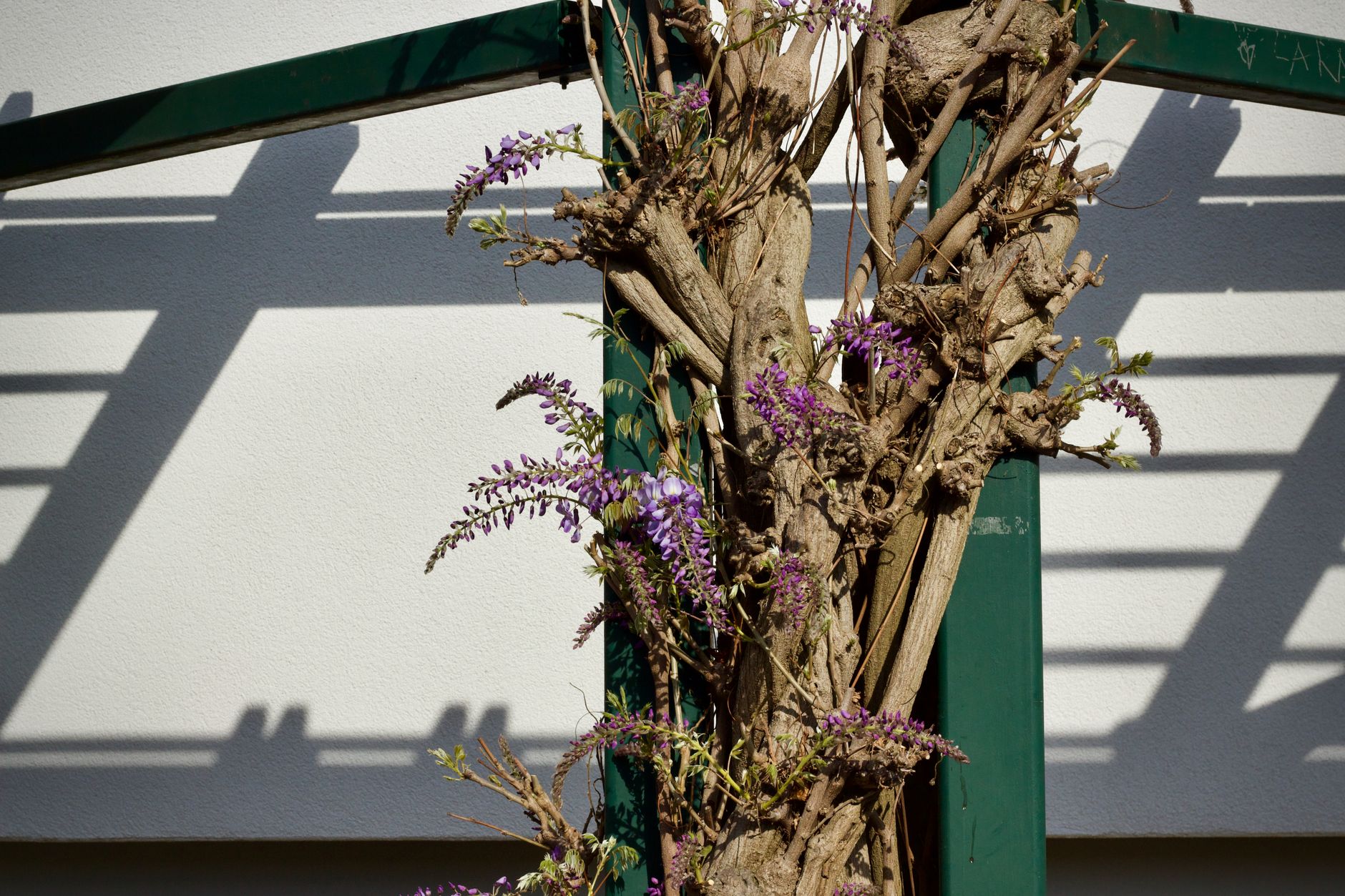
Alright, fellow UK gardeners, let's talk about a sight that can make even the most seasoned of us sigh: the dreaded bare bottom on our magnificent climbing plants. You know the one – a beautiful Clematis or Climbing Rose or even a stately Wisteria, blooming its heart out up top, but down at the base? Just a tangled mess of woody, leafless stems looking a bit, well, sorry for itself. It's a common problem, believe me, and one I've battled more times than I care to admit in my own 800 sq ft Midlands garden.
When I first started out five years ago, fresh from my IT job and full of enthusiasm, I thought vines just did their thing. I let them climb, admired the flowers, and then scratched my head when the lower sections looked like a twiggy graveyard. My first 'New Dawn' climbing rose was a prime example – gorgeous blooms at eye level, but below, just gnarly, unproductive stems. It absolutely drove me mad! I wanted that lush, green growth from the ground up, not just a bare curtain rod holding up a floral display.
But through plenty of trial and error (and yes, a few dramatic pruning failures that taught me a lot!), I've discovered a whole arsenal of strategies to tackle this leggy look. We're not just talking about a quick snip here and there; we're diving into strategic pruning, clever pinning techniques, and even smart companion planting to transform those bare bases into a vibrant, leafy spectacle. In my UK garden, with its often unpredictable British weather and heavy clay soil, I've had to adapt and experiment constantly. What works for a gardener in a warmer climate might not quite cut it here in our damp, temperate corner of the world. So, I’m here to share what I've personally tried and tested, what's worked wonders for my Clematis, climbing roses, and even my rather temperamental Wisteria, right here in the heart of Britain. Let's get those woody bases looking fabulous again!
Diagnosing the Bare Base Problem: Why Your Clematis, Climbing Roses & Wisteria Look Leggy
Before we grab our secateurs and get stuck in, it’s really important to understand why our beautiful climbers develop those bare, woody bases. It’s not usually because they’re being deliberately naughty; there are often very good horticultural reasons for it. I learned this the hard way with my first Clematis viticella 'Etoile Violette'. I just assumed it would be bushy all the way down, but after a couple of seasons, it was all flowers at the top and spindly bare stems at the bottom.
Here in my UK garden, I've found a few common culprits behind the dreaded leggy look:
- Age and Neglect (Mostly Pruning, or Lack Thereof): This is probably the biggest factor. As vines mature, the older stems naturally become woody and less productive. If we don’t prune them strategically, the plant focuses its energy on new growth higher up, where it gets more light, leaving the lower stems to become bare and unproductive. My 'Alchymist' climbing rose, which has been in my garden for four years now, started showing this tendency until I got smart with its winter prune.
- Lack of Light at the Base: Plants need sunlight for photosynthesis, even the lower parts. If your vine is growing densely higher up, or if it’s overshadowed by other plants or structures, the leaves at the bottom simply won’t get enough light and will eventually die back. I've seen this happen with my greenhouse-grown 'Cherokee Purple' tomatoes too; if I don't prune the lower leaves, they just yellow and drop off due to lack of light and air circulation.
- Environmental Stress: Our British weather can be, shall we say, "characterful." Periods of drought (yes, even in the UK!), strong winds, or even late frosts (which we get plenty of here in the Midlands) can stress a plant, causing it to shed lower leaves to conserve energy. Poor soil conditions or lack of nutrients can also contribute. I once had a Clematis armandii planted in really heavy, unamended clay, and its base looked awful until I dug it up, improved the soil, and replanted.
- Pests and Diseases: While less common for widespread bareness, localised pest infestations (like aphids on new shoots) or fungal diseases can weaken lower growth, causing leaves to drop prematurely. Always worth a quick check!
- Incorrect Planting Depth: This is particularly crucial for Clematis. Many varieties, especially the large-flowered hybrids, benefit from being planted with the crown 2-4 inches below the soil surface. This encourages new shoots to sprout from below ground, helping to keep the base full. One mistake I made with my first Group 2 Clematis was planting it too shallow, and it never really bushed out from the base until I corrected it.
Understanding these reasons is the first step to a solution. It's about working with the plant's natural tendencies and our local UK conditions, not against them.
Strategic Pruning for Lower Growth: Tailoring Techniques for Each Vine Type
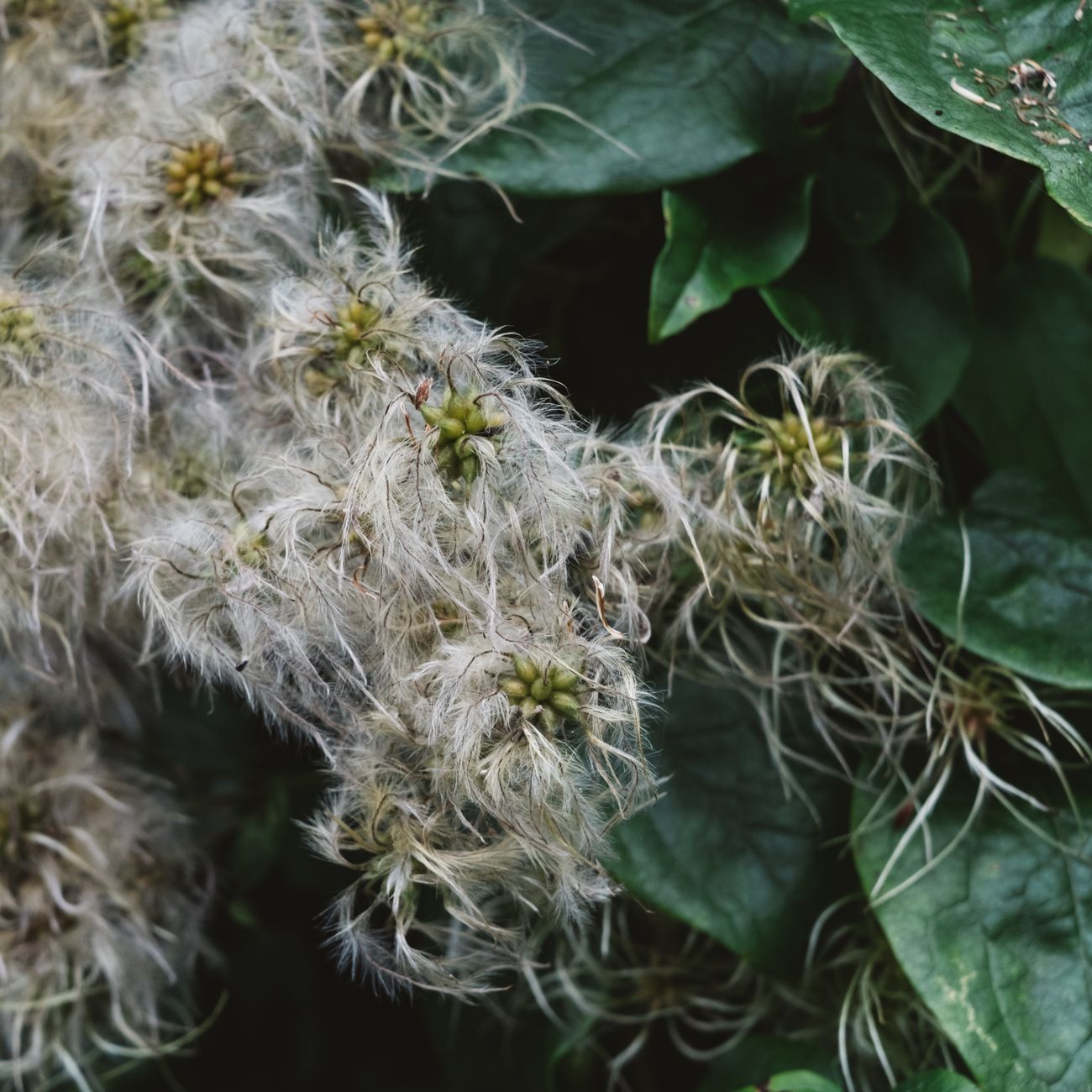
Right, let’s get down to the nitty-gritty: pruning. This isn’t a one-size-fits-all job, especially when you’re dealing with plants as diverse as Clematis, climbing roses, and Wisteria. Each has its own rhythm and its own response to the secateurs. Through my five years of tackling these giants in my 800 sq ft backyard, I've developed a pretty good feel for it, often learning from a few too many mistakes along the way. I definitely went too hard on a young Wisteria once and it sulked for a whole season – live and learn!
The key here is strategic pruning. We're not just hacking away; we're making calculated cuts to encourage new growth from the base, improve air circulation, and direct the plant's energy where we want it – specifically, downwards!
Here’s a breakdown of how I approach each type of vine in my UK garden to combat those bare bottoms:
| Vine Type | Primary Pruning Goal for Bare Bases | Best Time to Prune (UK Specific) | Specific Pruning Technique for Lower Growth |
|---|---|---|---|
| :--- | :--- | :--- | :--- |
| Clematis (Group 1 - e.g., Montana, Armandii) | Encourage basal branching and new shoots from the base to hide woody stems. | After flowering, late spring/early summer. Deadheading after flowering can encourage more basal branching. | These generally don't need heavy pruning. To rejuvenate a bare base, identify one or two of the oldest, thickest stems at the very bottom. Follow them back and prune them right back to a strong side shoot or even to the ground if they're completely unproductive. Do this gradually over a few years (1-2 stems per year) to avoid shocking the plant. This encourages new basal shoots. |
| Clematis (Group 2 - e.g., 'The President', 'Nelly Moser') | Stimulate lower growth by encouraging new breaks from existing woody stems and promoting re-flowering. | Late winter/early spring (February/March in the UK) after the worst frosts. | These flower on old wood and new wood. To combat bareness, trace back some of the main stems to the lowest pair of healthy buds you can find, |
The Art of Pinning & Layering: Encouraging New Stems from the Ground Up
Once you’ve tackled the pruning, it’s time to get a bit more hands-on, or should I say, stems-on, with techniques that truly encourage those bare bases to fill out from the very bottom. This is where pinning and layering come into their own, and honestly, they've been game-changers for me here in my Midlands garden.
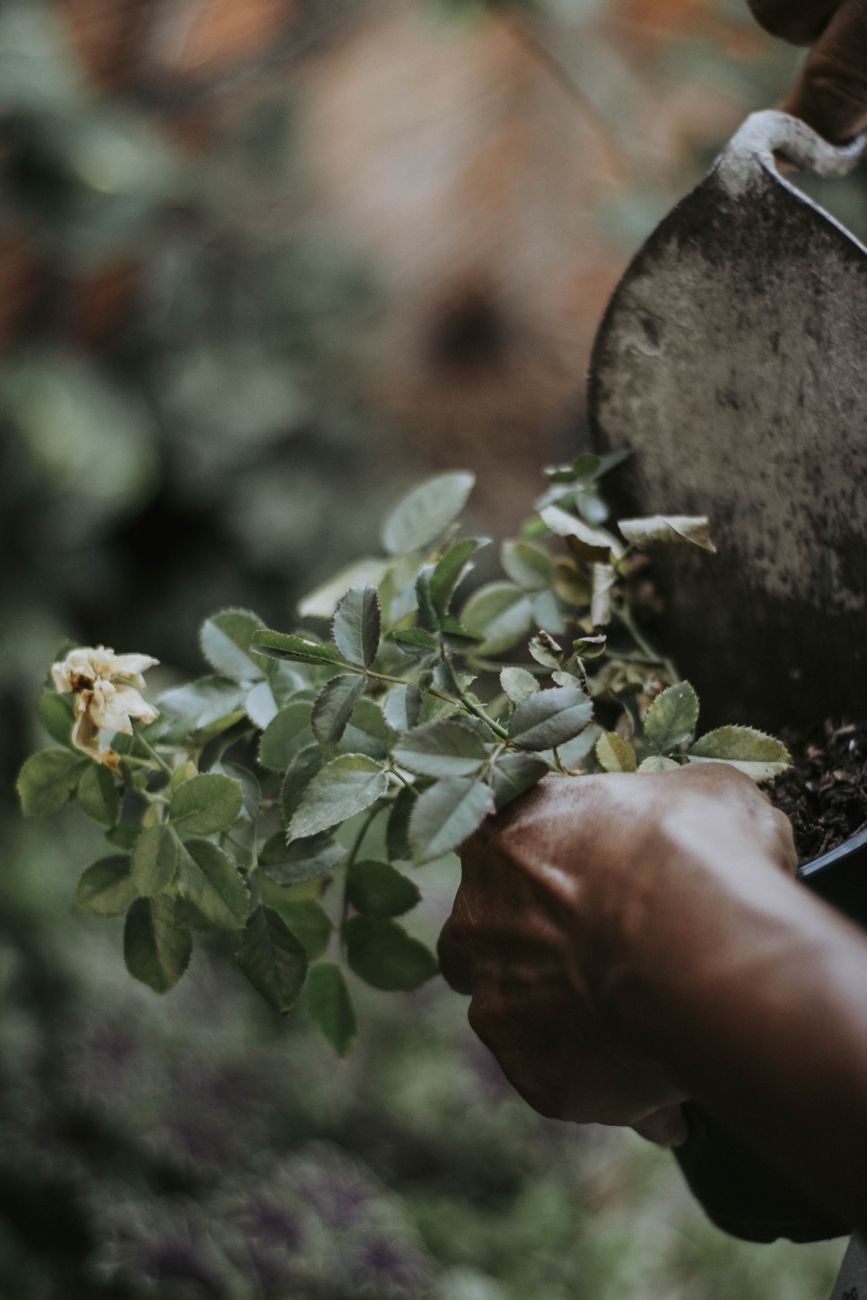
Pinning is a simple yet incredibly effective trick, especially for younger, more flexible stems on climbing roses and clematis. The idea is to take a healthy, lower stem that’s showing some vigour and gently bend it down to ground level. You then secure it to the soil using a garden staple (I use the metal U-shaped ones, they're brilliant) or even a bent piece of wire. The magic happens at the leaf nodes – those little bumps on the stem where leaves or buds emerge. When these nodes are in contact with moist soil, they often decide, "Hey, this is a good spot to root!" and send out new roots and eventually, new shoots.
I first tried this on a rather leggy 'Zephirine Drouhin' climbing rose that was looking a bit sorry for itself near my greenhouse. I had a couple of long, flexible canes that were just reaching upwards, leaving a gap below. I carefully bent them horizontally along the soil surface, pinning them every 15-20cm or so, making sure a few nodes were well buried. It took a good six months, but by the following spring, I had several new shoots emerging from the pinned sections. It wasn't instant, but the patience paid off, creating a much fuller base that summer.
Layering takes this a step further, specifically encouraging an entirely new plant, but we can use the principle to rejuvenate the base of an existing one. It's particularly useful for clematis, and even some wisteria if you have a low-growing, flexible stem. You select a strong, healthy low-lying stem, make a small, shallow cut (or scrape) on the underside of the stem where you want roots to form, and then bury that section about 5-10cm deep in the soil. You can weigh it down with a brick or a large stone, or use those same garden staples. Keep the soil consistently moist around the buried section, and given time (often a full growing season, sometimes longer in our unpredictable British climate), roots will form.
One mistake I made early on was trying to layer too high up the stem. You really want to get as close to the ground as possible to effectively hide that woody base. Also, don't be tempted to check for roots too often – disturbing the process can set it back. I’ve found that applying a little rooting hormone to the scraped section can speed things up, especially for roses and wisteria which can be a bit more hesitant to root. This technique really taps into the plant's natural desire to spread and multiply, and it’s a wonderful way to breathe new life into an older, bare-bottomed vine.
Companion Planting Solutions: Hiding Woody Bases with Low-Growing Perennials & Shrubs
Even with strategic pruning and clever pinning, sometimes a vine's base just wants to be a bit naked, or you simply want to add another layer of beauty. This is where companion planting shines! It’s all about selecting low-growing plants that thrive in similar conditions to your vines but are bushy enough to obscure those woody ankles. In my 800 sq ft Midlands garden, every inch counts, so I'm always looking for plants that pull double duty – looking good and solving a problem!
When choosing companions, think about light requirements, soil moisture, and eventual size. You don't want something that will aggressively compete for nutrients or completely overshadow your vine. The key is a plant that provides dense, attractive foliage at the lower levels, ideally with a complementary bloom time or colour.
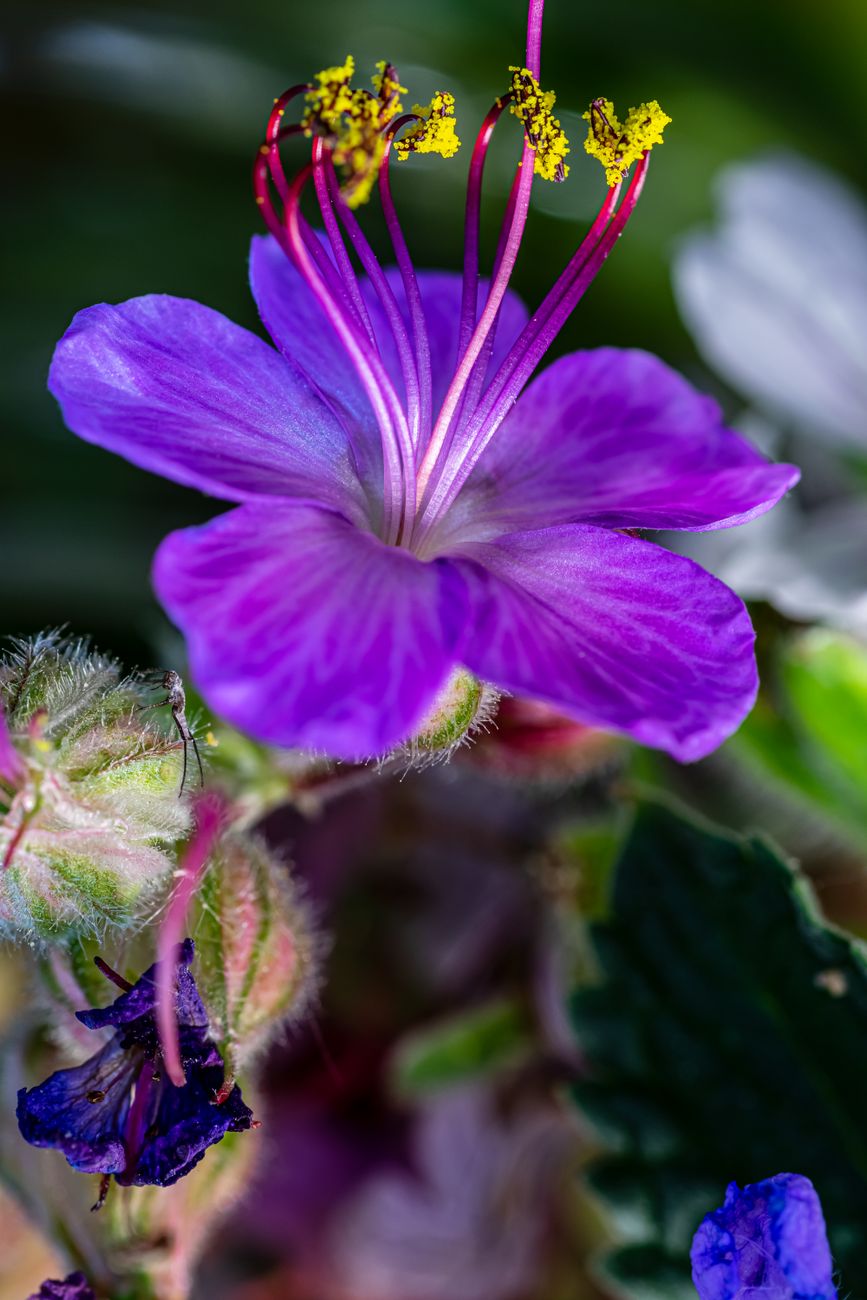
I've had fantastic success with hardy geraniums (cranesbills) – they’re absolute workhorses. 'Rozanne' is a personal favourite, it just flowers and flowers, sprawling beautifully without being invasive. Nepeta (catmint) is another winner; its soft, grey-green foliage and lavender-blue flowers are perfect for softening the base of a climbing rose, and the bees absolutely adore it. For clematis, I often lean towards plants that can handle a bit of shade at their feet, as clematis roots love cool, moist conditions. Heucheras (coral bells) are brilliant for this, offering fantastic leaf colour all year round.
One year, I tried planting some taller ornamental grasses, thinking they'd provide good coverage, but they just grew too leggy themselves and competed too much with the rose for light and water. Learned that lesson the hard way! Stick to plants that stay dense and bushy closer to the ground.
Here’s a quick guide to some of my top companion plant picks that have worked wonders in my UK garden:
| Companion Plant (UK Hardy) | Max Height (UK) | Light Needs | Soil Needs | Pros for Hiding Bases | Cons (UK Specific) |
|---|---|---|---|---|---|
| Hardy Geraniums | 30-60cm | Full Sun to Part Shade | Well-drained, average | Dense, long-flowering, weed-suppressing, low-maintenance. | Can self-seed vigorously if not deadheaded. |
| e.g., 'Rozanne', 'Patricia' | |||||
| Nepeta (Catmint) | 40-70cm | Full Sun | Well-drained, poor-average | Soft, bushy foliage, long-flowering, attracts pollinators. | Can get floppy after flowering; needs a good chop back. |
| e.g., 'Walker's Low' | |||||
| Heuchera (Coral Bells) | 20-40cm | Part Shade to Full Shade | Moist, well-drained | Evergreen foliage, diverse leaf colours, great for cool roots. | Can suffer in very wet, heavy clay over winter. |
| e.g., 'Palace Purple', 'Marmalade' | |||||
| Alchemilla Mollis | 30-45cm | Full Sun to Part Shade | Moist, well-drained | Lush, scalloped leaves, frothy yellow flowers, collects dew. | Can self-seed prolifically; needs deadheading. |
| Lady's Mantle | |||||
| Dwarf Lavender | 30-50cm | Full Sun | Well-drained, sandy | Aromatic, evergreen foliage, silver-grey leaves, bee magnet. | Prefers drier conditions, may struggle in heavy, wet UK clay. |
| e.g., 'Hidcote', 'Munstead' |
Long-Term Care & Prevention: Keeping Your Vines Lush from Top to Bottom
Rejuvenating a bare-bottomed vine isn't a one-and-done job; it's an ongoing relationship! To keep your clematis, climbing roses, and wisteria looking fantastic from their toes to their tips year after year, consistent long-term care and a proactive approach are absolutely essential.
Consistent Pruning: Don't forget the lessons we covered earlier. Regular, appropriate pruning for each vine type is your best defence against leggy growth. For my climbing roses, I always make sure to remove any old, unproductive canes right from the base during their winter prune. For clematis, especially Group 3s, that hard cut back in late winter is key to stimulating new growth from the ground up. This yearly ritual is non-negotiable in my UK garden.
Feeding and Watering: Healthy plants are happy plants, and they're less likely to get stressed and woody. Every spring, after the worst of the winter chill has passed here in the Midlands (usually late March/early April), I give all my vines a good feed. For roses, it’s a balanced granular rose food. For clematis, a general-purpose slow-release fertiliser works wonders. Wisteria benefits from a high-potash feed to encourage flowers over rampant leafy growth.
Watering is crucial, especially during those increasingly common dry spells we get in the British summer. Even established vines need a deep drink. I learned this the hard way during a particularly hot July a few years back; my 'Constance Spry' rose started looking incredibly stressed. Now, I make sure to give a thorough soaking once a week if there's no significant rainfall. For plants in raised beds, like many of mine, this is even more critical as they dry out faster.
Pest and Disease Management: Keep an eye out for any issues. Healthy plants can better withstand problems, but early intervention is key. Aphids on roses, clematis wilt, powdery mildew – these can all stress a plant and hinder its ability to put on lush growth. I always prefer organic solutions where possible, like a strong jet of water for aphids or ensuring good air circulation for mildew prevention.
Prevention is Better Than Cure: When I plant new vines now, I take steps to prevent bare bases from the start. For climbing roses, I plant them at a slight angle towards their support, encouraging lower breaks. For clematis, I bury the crown a few inches deeper than it was in the pot, which promotes multiple stems from below ground. I also make sure to train new growth horizontally as much as possible in the early years, as this encourages more flowering and leaf development along the entire length of the stem, rather than just at the top. This initial effort makes a huge difference down the line, saving you a lot of remedial work. It's about thinking ahead, anticipating what our often-challenging UK weather might throw at them, and giving them the best possible start.
Conclusion
So there you have it – my tried-and-tested strategies for banishing those bare-bottomed blues from your favourite vines. It's a common problem, one I've grappled with many times in my own 800 sq ft UK garden, but it's far from insurmountable.
We've covered the crucial role of strategic pruning, tailoring your cuts to the specific needs of clematis, climbing roses, and wisteria. Then, we delved into the clever techniques of pinning and layering, encouraging new, lush growth right from the soil line – a personal favourite for rejuvenating stubborn plants. Finally, we explored the beauty and practicality of companion planting, using low-growing perennials and shrubs to elegantly camouflage any remaining woody bases, adding another layer of interest to your borders. And let's not forget the ongoing commitment of long-term care, ensuring your vines stay vibrant and full for years to come, even through our notoriously fickle British weather.
Remember, gardening is a journey of continuous learning and experimentation. Don't be afraid to get your hands dirty, observe your plants closely, and adapt these techniques to suit your specific conditions here in the UK. I've made plenty of mistakes along the way – from pruning at the wrong time to underestimating a dry spell – but each one has taught me something valuable.
There’s immense satisfaction in transforming a leggy, uninspiring vine into a cascade of vibrant foliage and flowers, right down to the ground. Your clematis, climbing roses, and wisteria deserve to look their best, and with these tools in your gardening belt, you have everything you need to help them achieve just that.
Now, get out there, grab your secateurs, and let's get those vines looking absolutely glorious from top to bottom! Happy gardening!
