Introduction: Don't Despair! Rescuing Your Bolting Cilantro for More Leaves
Right, let's talk cilantro. If you're anything like me, you've probably stood over a beautiful patch of lush, green cilantro one morning, only to return later that afternoon to find it suddenly, infuriatingly, shooting skyward – bolting. It's a classic UK gardening moment, isn't it? One minute, you're dreaming of fresh salsa and curries, the next, your beloved herb is determined to become a flower, leaving you with spindly stems and tough, flavourless leaves. When I first started gardening five years ago here in the Midlands, I used to just sigh, shrug, and pull the whole lot out. It felt like a wasted effort, especially after all the nurturing in my 800 sq ft backyard.
But over my years of intensive experience, turning my former IT-worker brain to the intricate logic of plants, I've learned that a bolting cilantro plant isn't necessarily a lost cause. Not entirely, anyway. What if I told you that with a bit of strategic intervention, you can often coax a final, glorious flush of those aromatic leaves before it commits fully to seed production? That's right! Here in Britain, where our weather can be as unpredictable as a toddler's mood, we need all the tricks we can get to maximise our harvests. I've experimented extensively in my own raised beds, trying different methods, and I've found a way to squeeze out a few more weeks of deliciousness from plants that seem determined to bolt. So, don't despair! Let's dive into how to spot the signs, understand why our UK cilantro bolts so readily, and then perform a little garden surgery to get that final leafy bounty.
Spotting the Signs: Early Detection of Bolting Cilantro in Your UK Garden
Catching cilantro before it fully bolts is crucial for any chance of a rescue mission. I've learned this the hard way more times than I care to admit, especially during those sudden heatwaves we get here in the UK Midlands. One year, I was so busy dealing with a particularly stubborn aphid problem on my greenhouse tomatoes that I completely missed the early signs on my outdoor cilantro 'Santo' variety. By the time I noticed, it was already a forest of tiny flower buds!
So, what exactly are we looking for? The first, and most obvious, indicator is a change in the plant's growth habit. Instead of forming a neat, bushy clump of broad, flat, fern-like leaves, you'll see a central stem starting to elongate and shoot upwards. This is often accompanied by a subtle shift in the leaf structure. The typical broad, flat cilantro leaves will begin to morph into thinner, lacier, more feathery shapes, almost like dill. This is the plant preparing to produce flowers and seeds, as these finer leaves are more efficient at photosynthesis when exposed to intense sun on tall stems.
You might also notice a slight lightening or yellowing of the foliage, particularly on the lower leaves, as the plant redirects its energy upwards. Keep an eye out for tiny, tightly packed clusters of green buds forming at the very top of that emerging central stalk. These will quickly open into small, white or pale pink flowers. In my 800 sq ft garden, I make it a habit to check my cilantro beds daily once late spring turns into early summer, especially if we've had a sudden spell of warm, sunny weather. Even a few days of temperatures consistently over 20°C can trigger this response in 'Leisure' cilantro, a variety I've grown for three years now. Early detection allows you to intervene before the plant has fully committed its energy to seed production, giving you a much better shot at getting those extra leaves.
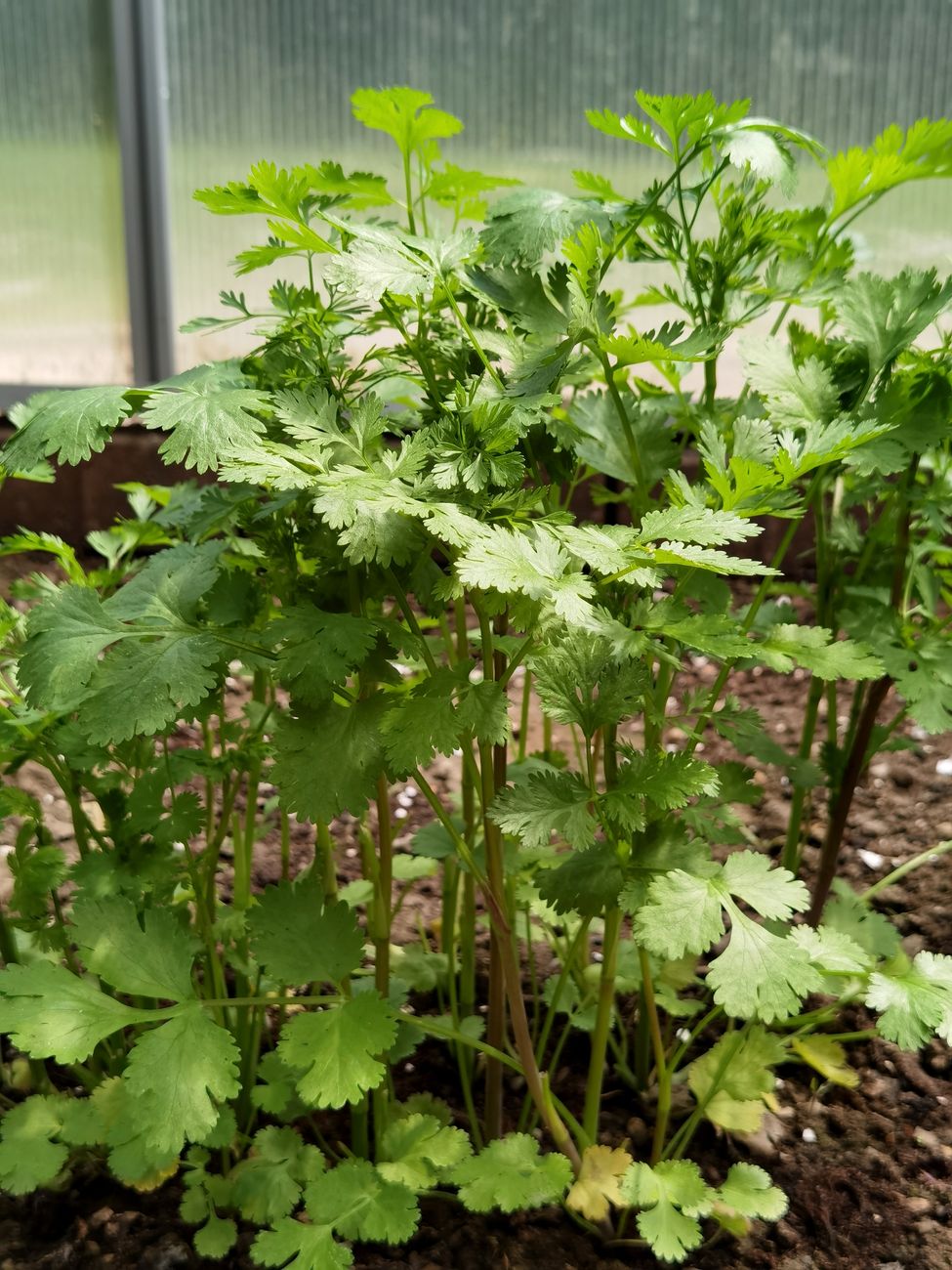
Understanding the Triggers: Why UK Cilantro Bolts So Quickly (Temperature, Day Length & Stress)
Cilantro, or coriander as we often call it here in the UK, is a fascinating herb, but it's notoriously prone to bolting. It's a survival mechanism, really; the plant's way of ensuring its lineage continues. But understanding why it happens is key to managing it, especially with our often-unpredictable British climate. I've spent years observing this in my own garden, sometimes feeling like I'm in a race against time, trying to harvest before nature takes its course.
There are three main culprits, and they often work in conjunction to send your cilantro to seed:
Temperature
Cilantro absolutely thrives in cool, mild conditions, ideally between 10-20°C. As soon as temperatures consistently climb above 20-25°C, the plant perceives this as a sign that its growing season is coming to an end. It's a race against time before the heat becomes too intense, so it diverts all its energy into producing flowers and seeds. Here in the Midlands, we can get sudden, unexpected heatwaves in May or June, and that's often when I see my cilantro suddenly bolt, even if it was just lovely and cool a few days before. I've tried planting 'Confetti' cilantro, which is often marketed as slow-bolting, but even that gives up the ghost if we get a prolonged spell of 28°C+ in my raised beds.
Day Length
This is another critical factor. Cilantro is a "long-day" plant. As the days lengthen towards the summer solstice (around June 21st here in the UK), the plant's internal clock registers this change and interprets it as a signal to initiate flowering. It's a natural evolutionary response. Even if the temperatures are still relatively mild, the increasing hours of daylight can be enough to trigger bolting. This is why succession planting is so vital here in Britain; planting small batches every few weeks means you'll always have some young plants before they succumb to the longer days.
Stress
Any kind of stress can push a cilantro plant over the edge into bolting mode. This could be anything from insufficient watering (which is easy to do in a busy 800 sq ft garden like mine during a dry spell), nutrient deficiencies, or overcrowding. If the plant feels threatened or uncomfortable, its instinct is to reproduce quickly before it dies. I learned this the hard way when I crammed too many cilantro seedlings into one spot in a raised bed; the competition for resources stressed them out, and they bolted much faster than the more spaced-out plants. What works here in Britain is ensuring consistent moisture, decent soil with good drainage, and giving your plants enough room to breathe.
To give you a clearer picture, here's a comparison of ideal conditions versus bolting triggers:
| Factor | Ideal Conditions for Leafy Growth (UK Context) | Triggers for Bolting (UK Context) |
|---|---|---|
| Temperature | Consistently 10-20°C (typical UK spring/early autumn) | Consistently above 20-25°C (UK summer heatwaves) |
| Day Length | Shorter days (early spring, late autumn) | Long, increasing daylight hours (late spring, early summer) |
| Watering | Consistent, even moisture; never allowed to dry out completely | Inconsistent watering; periods of drought followed by heavy watering |
| Nutrients | Well-draining, moderately fertile soil; adequate nitrogen | Nutrient deficiencies (especially nitrogen) |
| Spacing | Adequate space (15-20cm apart for individual plants) | Overcrowding; root competition |
| Light | Full sun in cooler months; partial shade in summer | Intense, prolonged full sun during hot periods |
The Strategic Snip: How to Prune Bolting Cilantro for a Final Leafy Flush
So, you've spotted the signs early – that central stem is shooting up, the leaves are getting lacier, and maybe a few tiny buds are forming. Don't pull it out yet! This is your window for a "strategic snip," a technique I've perfected over my 5+ years of gardening to squeeze out one last respectable harvest from a bolting plant in my UK garden. It won't stop the plant's ultimate goal of going to seed, but it can redirect its energy, for a short while, back into producing those delicious leaves we crave.
The goal here isn't to prevent bolting entirely – once the plant commits, it's pretty determined. Instead, we're aiming to trick it into producing side shoots with more leafy growth before it tries again to flower. Think of it as a temporary distraction.
Here’s how I do it in my Midlands garden:
- Identify the Main Culprit: Locate the central stalk that is shooting upwards. It will be noticeably taller and thicker than the surrounding leaf stems. You might also see small flower buds forming at the very tip.
- Grab Your Tools: Use a sharp, clean pair of secateurs or garden snips. A clean cut minimises stress and risk of disease.
- Make the Cut: Follow that main bolting stem downwards until you find a healthy set of broad, flat leaves or a visible leaf node (where a leaf or side branch emerges from the stem). Make your cut just above this node, taking off the entire bolting stalk and any developing flower buds. I usually aim to remove about 50-75% of the plant's height if it's really shot up, leaving a good base of leafy growth. For example, if my 'Calypso' cilantro has shot up to 30cm, I might cut it back to 10-15cm.
- Why This Works: By removing the flower stalk, you're essentially telling the plant, "Nope, not yet! You haven't produced seeds, so you need to try harder." The plant's natural response is to try again, but often, it will do so by producing new leafy side shoots from the nodes below your cut, rather than immediately sending up another central stalk. This gives you a lovely, albeit temporary, flush of new, tender leaves.
- Post-Snip Care: After the cut, give your cilantro a good, deep watering, especially if the soil is dry. This helps reduce stress and encourages new growth. You might also consider a very light feed with a balanced liquid fertiliser, but don't overdo it, as too much nitrogen can encourage more leafy growth at the expense of root development. I usually just rely on my well-composted raised bed soil.
- Set Realistic Expectations: This technique won't give you a huge, season-long harvest. It's about getting that final leafy flush. You might get another 1-3 weeks of good leaf production before the plant inevitably tries to bolt again, especially if the hot weather or long days persist. When it does, you can either let it go to seed (coriander seeds are fantastic in curries!) or pull it out and plant something new. In my experience, catching it early and making a good clean cut can yield a surprisingly generous amount of leaves for one last batch of pesto or a fresh curry.
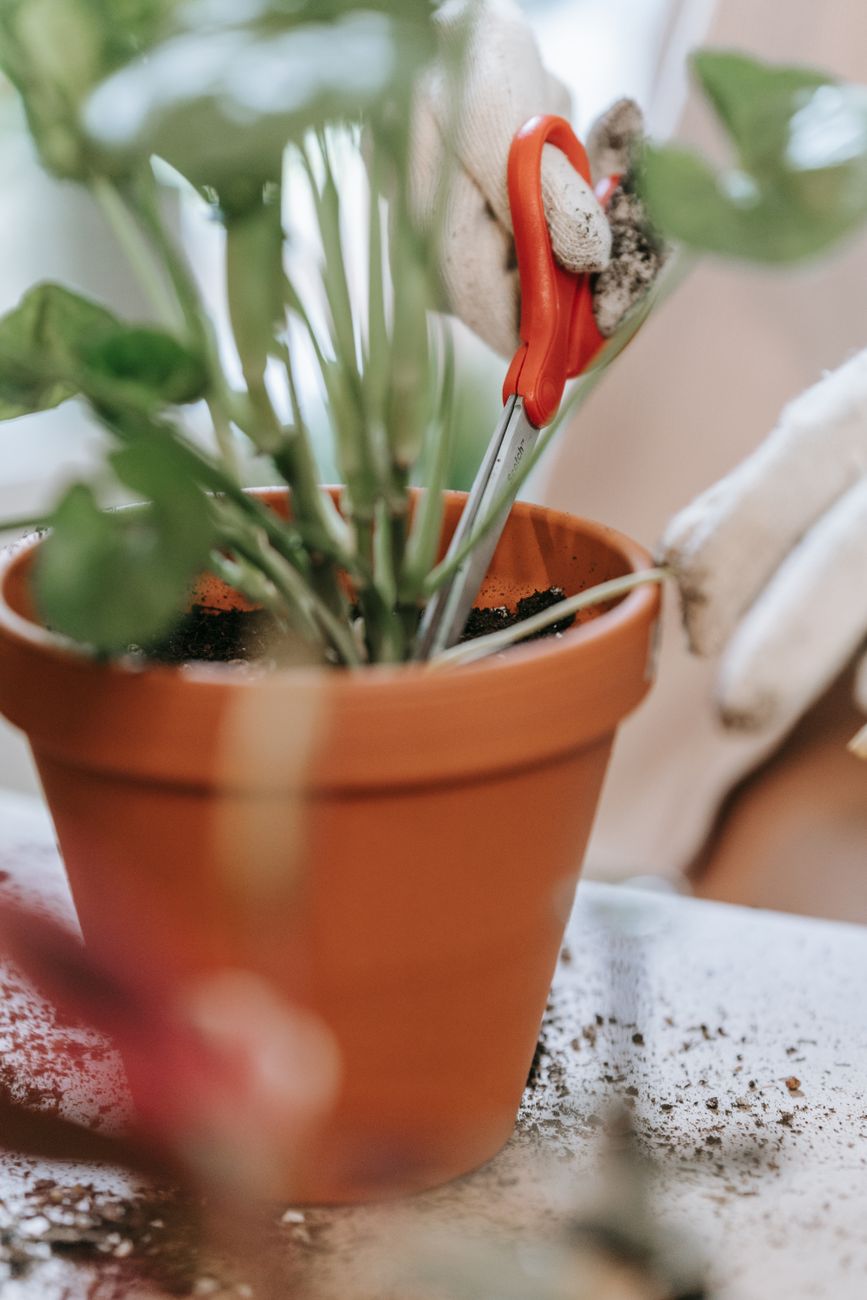
Post-Cutback Revival: Optimising Care for a Last Hurrah of Fresh Leaves
Right, so you’ve made those brave cuts, tidied up your cilantro, and now you’re looking at what feels like a sad, stubbly patch in your raised bed. Don't despair! This isn't the end; it's the beginning of its second act. After that strategic snip, your cilantro needs a bit of TLC to encourage that final flush of delicious leaves. Think of it as a horticultural convalescence. I've had plenty of times where my 'final flush' was more like a few sad sprigs, often when we get one of those surprise heatwaves in June, so getting the aftercare right is crucial.
The goal here is to minimise stress and convince the plant that it's still worth putting energy into leaf production, rather than rushing to make seeds. In my 800 sq ft Midlands garden, I’ve found that a bit of immediate attention can make all the difference.
Watering Wisdom for the Wounded
Firstly, water. Your plant just had a haircut, so it's a bit vulnerable. Ensure the soil around your cilantro is consistently moist, but never waterlogged. This is especially vital in our unpredictable British summers; a dry spell after pruning can send it straight back into bolting mode. I usually give mine a good, deep drink straight after pruning, then check it daily. Stick your finger an inch or two into the soil – if it feels dry, it's time for more.
A Gentle Nudge: Feeding for Foliage
Next, feeding. Your cilantro has just put a lot of energy into trying to bolt, and now you're asking it to produce more leaves. A gentle, nitrogen-rich feed can give it the boost it needs. I usually dilute a liquid seaweed feed or a balanced organic fertiliser to half strength. You don't want to overdo it; too much nitrogen can lead to soft, floppy growth, and we're looking for flavourful, robust leaves. One mistake I made early on was hitting it with a strong tomato feed (high in potassium for fruits), thinking more feed was better. It did absolutely nothing for the leaves! Stick to something balanced or slightly nitrogen-heavy.
Shade and Shelter: Beating the British Sun
Finally, consider its environment. If your cilantro is in full, blazing sun all day, especially during a heatwave, providing some temporary shade can be a game-changer. I often pop a piece of shade cloth over my cilantro bed during the hottest part of the day, or even just lean a garden chair over it for a few hours. The shade reduces heat stress and tricks the plant into thinking days aren't getting longer, both key triggers for bolting. This is particularly important for us here in the UK, where a sudden spike in temperature can catch plants off guard.
Here's a quick comparison of standard care versus post-cutback revival care in my UK garden:
| Care Aspect | Standard Cilantro Care (Pre-Bolting) | Post-Cutback Revival Care (For a Last Flush) |
|---|---|---|
| Watering | Consistent moisture, water when top inch of soil is dry. | Crucial consistent moisture; check daily. Avoid drying out at all costs to prevent re-bolting. |
| Feeding | Light, balanced feed every 3-4 weeks if needed, or good compost. | Gentle, half-strength nitrogen-rich liquid feed (e.g., seaweed) once, 1-2 days after pruning. |
| Sunlight | Full sun (6+ hours) for best growth, but can tolerate partial shade. | Provide temporary afternoon shade during hot periods or heatwaves to reduce stress and re-bolting triggers. |
| Temperature | Prefers cool-warm (15-20°C). | Actively try to keep cooler; shade is key. Monitor for sudden heat spikes. |
| Observation | Harvest regularly, watch for early bolting signs. | Monitor closely for any new flower stalk development; snip immediately to prolong leaf production. |
Maximising Your Yield: Comparing Bolt-Resistant Varieties and Succession Planting for UK Climates
While rescuing bolting cilantro is brilliant, prevention is often better than cure, especially with our notoriously fickle British summers. Over my five years of intensive gardening, I’ve learned that a two-pronged approach – choosing the right varieties and strategic succession planting – can dramatically increase your leafy harvests.
The Quest for Bolt-Resistant Beauties
Not all cilantro is created equal, particularly when it comes to resisting the urge to bolt. I’ve experimented with several varieties in my raised beds, and some definitely stand out in our specific UK climate. It's not a foolproof solution – even the most "bolt-resistant" can still succumb to a prolonged heatwave – but they certainly give you more time.
My top picks for UK conditions often come from a handful of trusted seed suppliers. 'Calypso' is a real workhorse for me; it produces dense, dark green leaves and holds off bolting for noticeably longer than standard varieties. 'Delfino' is another excellent choice, often grown for its finer, feathery leaves, but it's remarkably slow to bolt. And for those who love a slightly different flavour profile, 'Confetti' offers delicate leaves and good resistance.
The Power of Succession Planting
Even with the most bolt-resistant varieties, I never rely on just one sowing. Succession planting is my secret weapon for a continuous supply of fresh cilantro from spring right through to autumn here in the Midlands. It’s surprisingly simple: instead of planting all your seeds at once, you sow small batches every 2-3 weeks.
I usually start my first batch in late April, either direct-sowing or in modules in the greenhouse if the weather is still a bit chilly. Then, every three weeks or so, I’ll sow another small row in a different part of the bed. By the time my first sowing starts to think about bolting, the second is ready for harvest, and the third is just getting established. This way, I always have young, tender plants coming along. It works a treat, even when our British weather decides to throw a curveball!
Here's a comparison of some bolt-resistant varieties I've grown in my UK garden:
| Variety Name | Bolt Resistance (UK) | Leaf Type/Flavour | Growth Habit (My Experience) | Notes for UK Gardeners |
|---|---|---|---|---|
| Calypso | High | Classic cilantro flavour, broad, dark green leaves. | Bushy, productive, slower to develop flower stalks. | My go-to for consistent harvests. Tolerates some heat better. |
| Delfino | High | Fine, feathery leaves, intense flavour, excellent aroma. | More upright, feathery growth, very slow to bolt. | Great for garnishes and salads. Can look less "cilantro-like" but performs well. |
| Leisure | Medium-High | Classic cilantro, good for general use. | Strong, vigorous growth, good leaf production. | Reliable performer, widely available. Good all-rounder. |
| Santo | Medium | Traditional broadleaf, strong flavour. | Can be quicker to bolt than Calypso in heat. | Good if you need a quick crop, but watch for sudden warm spells. |
| Confetti | High | Delicate, finely cut leaves, slightly milder. | Compact, bushy, very attractive foliage. | Excellent for small spaces or containers. Adds a lovely texture to dishes. |
Beyond the Leaves: Utilising Bolted Cilantro Flowers and Saving Seeds for Next Season
Even if your strategic snips and diligent care don't entirely stop your cilantro from bolting, or if you simply decide to let some go to seed, it's absolutely not a failure! In fact, a bolting cilantro plant offers several wonderful opportunities. I learned this the hard way when dealing with our unpredictable British weather; sometimes, despite my best efforts, a plant just wants to flower. Now, I embrace it!
Edible Flowers: A Culinary Delight
Firstly, those delicate white or pale pink flowers that appear are completely edible and surprisingly tasty! They have a milder cilantro flavour, a little peppery and sweet, and make a beautiful garnish for salads, tacos, or curries. I often snip off a few flower heads to sprinkle over a dish, adding a touch of elegance and an extra layer of flavour. They're also fantastic for attracting beneficial insects to your garden – bees and hoverflies absolutely love them, which is great for overall garden health. It's a win-win!
Harvesting Coriander Seeds: A Future Crop
But the real treasure from a bolting cilantro plant is the coriander seeds. Yes, cilantro is coriander! If you leave the flower heads on, they will eventually dry out and form small, round, greenish-brown seeds. This is where the magic happens for future harvests.
I've started saving my own coriander seeds for the past two seasons, and it's incredibly rewarding. Once the seeds have fully formed and started to turn brown – usually around late summer or early autumn here in the UK – I snip off the entire seed head. I then hang them upside down in a brown paper bag in my greenhouse or shed, allowing them to dry completely. The seeds will drop into the bag as they fully mature. Once dry, I store them in an airtight container in a cool, dark place. These are your next generation of cilantro plants, or they can be used as a spice in your cooking! The flavour of homegrown, freshly ground coriander seeds is incomparable.
This cycle of letting some plants go to seed and saving them really closes the loop in the garden. It connects you more deeply to the plants and the seasons, and it's a fantastic way to become more self-sufficient, even in a compact 800 sq ft garden like mine.
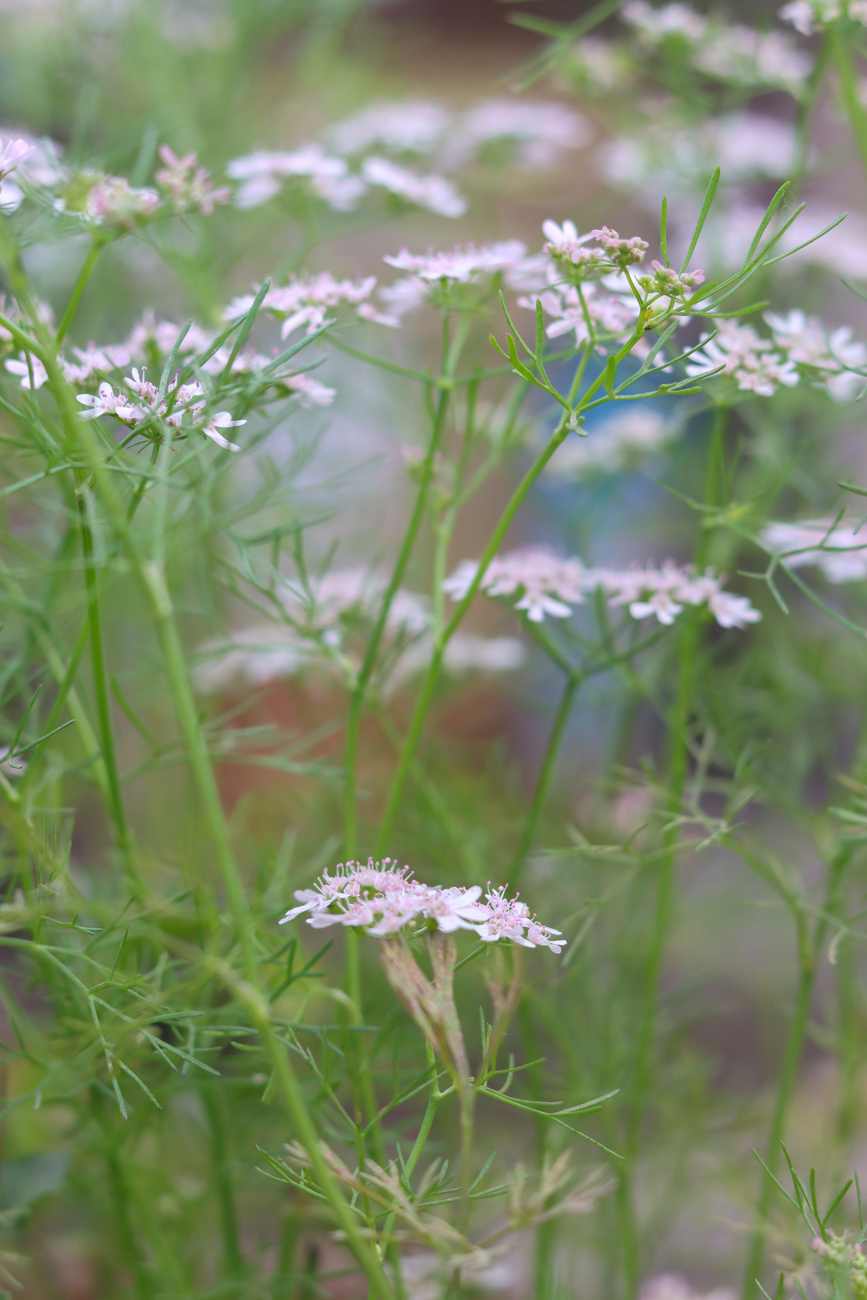
Conclusion: Embrace the Cycle, Enjoy the Harvest!
So there you have it – a comprehensive guide to rescuing your bolting cilantro and making the most of every stage of its life cycle. From spotting the early signs and making that strategic snip, to optimising post-cutback care for a final leafy flush, and even embracing the flowers and seeds, your cilantro journey doesn't have to end with a sudden bolt.
I've learned through years of trial and error in my own UK garden that growing herbs like cilantro is a constant dance with nature, especially with our wonderfully unpredictable British weather. Don't be disheartened if your first attempt at rescuing a bolting plant isn't perfect. Gardening is all about learning, experimenting, and embracing the quirks of nature – and our British climate!
By choosing bolt-resistant varieties, practising succession planting, and understanding how to give your plants the best chance at a second wind, you can significantly extend your fresh cilantro harvests. And even when it does decide to go to seed, remember that it's still offering you delicious flowers and the promise of a future crop.
So, next time you see those tell-tale signs of bolting, don't reach for the compost bin. Instead, grab your snips, apply these tips, and enjoy that final leafy harvest. Happy growing, and may your cilantro always be lush and flavourful!