
You know that gut-wrenching feeling, don't you? You’ve lovingly nurtured those warm-season vegetable seedlings indoors, perhaps in a cosy corner of your greenhouse or on a sunny windowsill. You’ve hardened them off diligently, day by day, carefully introducing them to the unpredictable British outdoors. Then, just as you finally tuck them into their raised beds, feeling that surge of pride and optimism, the weather forecast blindsides you. An unexpected cold snap. Frost warnings. Suddenly, your carefully planned growing season feels like it’s teetering on the edge of disaster.
I’ve been there more times than I care to admit in my 5+ years of intense gardening here in the UK Midlands. I remember one particularly cruel late May a couple of years back. I’d just planted out a dozen 'Gardener's Delight' and a couple of my beloved 'Black Krim' heirloom tomatoes into my greenhouse borders, thinking we were finally past the worst. The next morning, a freakish overnight dip saw temperatures plummet to near freezing. My heart sank as I walked into the greenhouse, seeing those tender leaves looking decidedly… unwell. It felt like a punch to the gut.
But here's the thing I've learned in my 800 sq ft backyard packed with raised beds and a greenhouse: our British climate is a constant teacher, often a harsh one. What doesn't kill your plants (or your spirit!) makes them, and you, stronger. Over the seasons, through a fair few failures and a lot of frantic research, I've developed a bit of a knack for bringing chill-shocked transplants back from the brink. It’s a bit like being an IT troubleshooter, but for plants – diagnosing the problem, applying the right fix, and patiently waiting for the system to reboot. This article is all about sharing those hard-won lessons, so you don't have to make the same mistakes I did. We'll get those stunted, purple, or stalled warm-season vegetables not just surviving, but thriving, even after our notoriously fickle weather throws its worst at them.
Unexpected Chill: Understanding Cold Shock in Your Warm-Season Veg
When we talk about "cold shock" in warm-season vegetables, we're really talking about a sudden, unexpected drop in temperature that causes physiological stress to plants that are simply not built for it. Think about it: tomatoes, peppers, aubergines, courgettes – these are sun-loving plants with ancestors hailing from much warmer, often tropical or subtropical climates. They thrive in consistent warmth, typically above 15°C (60°F), and anything below 10-12°C (50-54°F) for an extended period can start to cause real problems. Below 5°C (41°F), and you're entering danger territory fast.
Here in the UK, especially in the Midlands where my garden is, our springs are notoriously temperamental. We can have glorious sunny days in April and May, lulling us into a false sense of security, only for an "Arctic blast" to sweep down from the north overnight. It’s a classic British weather bait-and-switch! I've lost count of the times I've heard fellow gardeners lamenting their 'early' plantings. One mistake I made in my second year was planting out some 'Moneymaker' tomatoes directly into a raised bed in late May, just because the daytime felt mild. I hadn't checked the overnight forecast properly, and a clear sky meant temperatures plummeted. Those poor plants essentially froze in place, unable to photosynthesise efficiently or take up nutrients. Their cellular membranes, designed for warmth, become less fluid and more rigid in the cold, leading to damage that can stunt growth or even kill them. It’s a brutal lesson in patience and vigilance, something every UK gardener learns the hard way eventually.
Spotting the Signs: Is Your Tomato Purple or Pepper Stalled?
Recognising the symptoms of cold shock early is absolutely crucial for giving your plants the best chance of recovery. It’s not always obvious wilting, like with drought; instead, it's often a more subtle, insidious decline that creeps up on you.
Purple Leaves: The Phosphorus Lockout
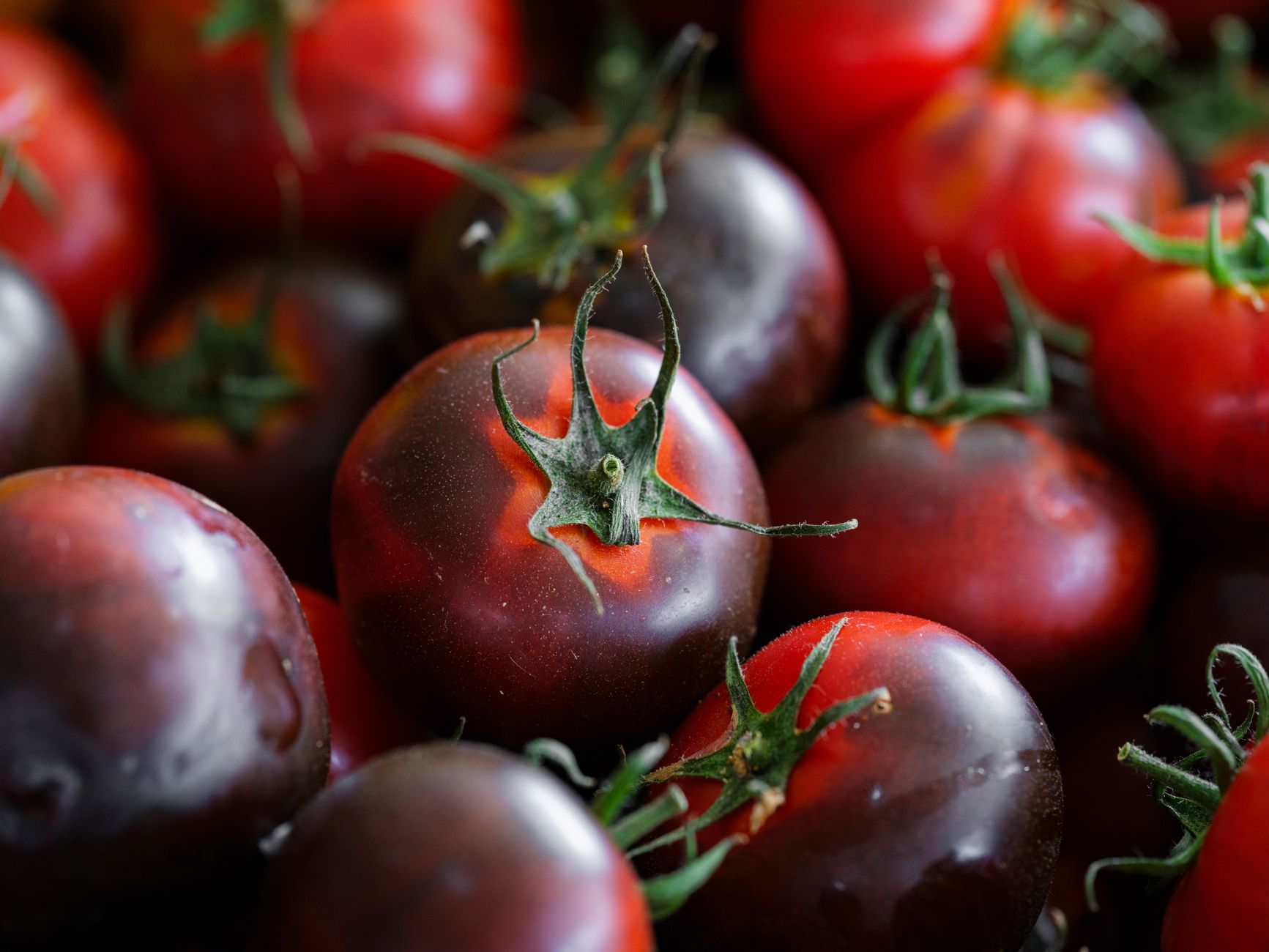
One of the most common and distinctive signs of cold shock, particularly in tomatoes, is a visible purple discolouration on the undersides of leaves, and sometimes even the stems. This isn't just a cosmetic issue; it's a clear signal that your plant is struggling to absorb phosphorus. Cold soil temperatures make phosphorus less available to the roots, even if there's plenty in the soil. Without enough phosphorus, the plant can't produce anthocyanins effectively, which are the pigments that give the purple hue. It's like the plant is screaming for a vital nutrient it can't reach. I remember my 'Black Krim' tomatoes turning a deep, worrying shade of indigo after that late May cold snap – it was a sight that instantly told me they were in distress.
Stunted Growth: The 'Frozen in Time' Pepper
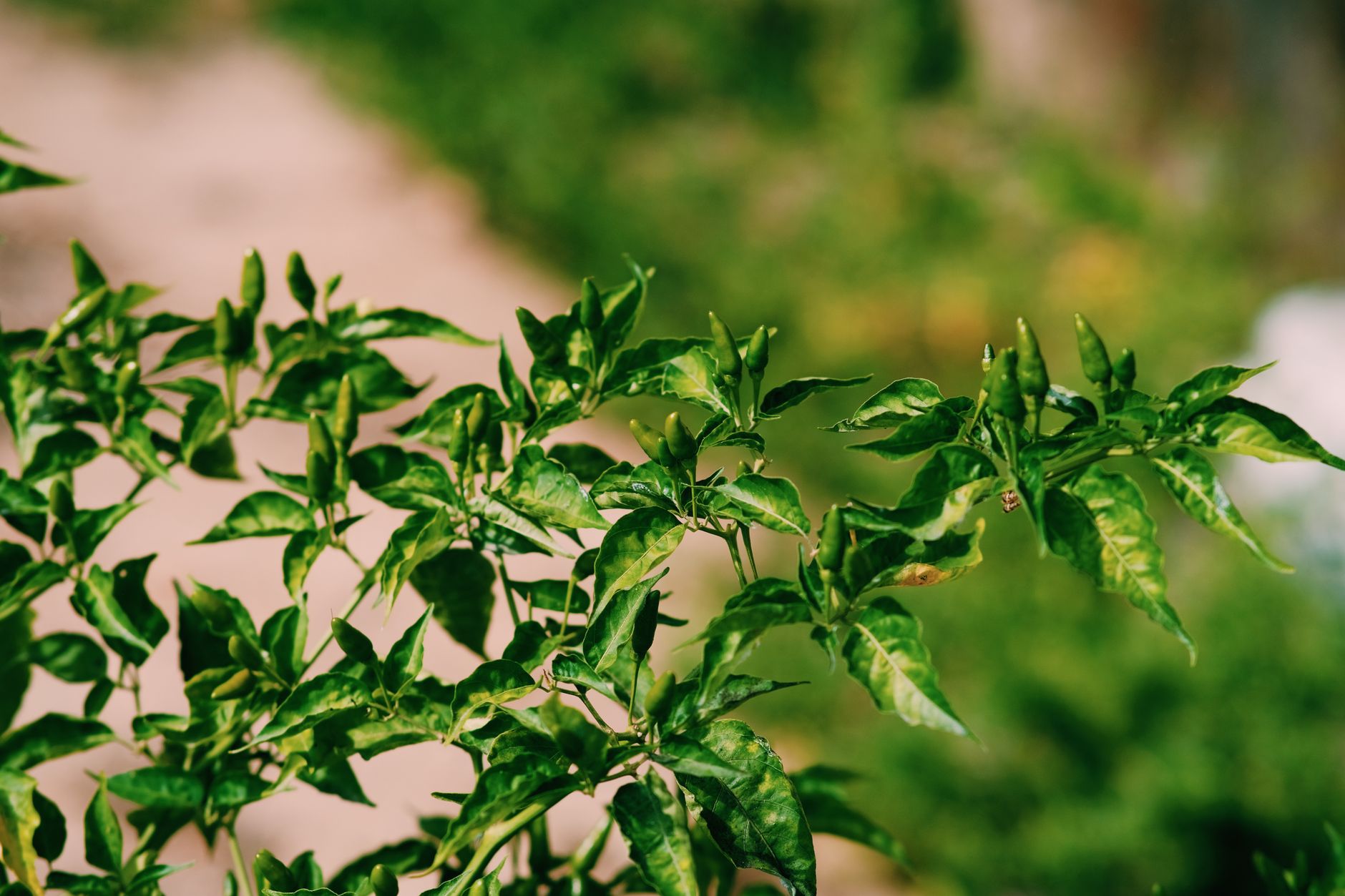
Another tell-tale sign, particularly with peppers and aubergines, is a complete halt in growth. Your plants might look healthy enough, perhaps a bit pale, but they just… stop. They don't put on new leaves, existing leaves don't expand, and they certainly don't flower. It's as if they're frozen in time, refusing to participate in spring. This is because cold temperatures severely inhibit metabolic processes, essentially putting the plant into a state of suspended animation. I had a tray of 'California Wonder' peppers last year that sat in the greenhouse not growing an inch for nearly three weeks after a surprise cold spell hit in early June. They weren't dying, but they certainly weren't thriving.
Other Subtle Clues
While purple leaves and stunted growth are the big two, keep an eye out for other signs. Leaves might become leathery or brittle, sometimes even developing a bronze or reddish tint along the edges. In severe cases, you might see some yellowing or even wilting, but this is usually a later stage symptom or indicative of secondary issues like root damage. The key is to act quickly when you spot these initial signs, before the stress becomes too severe.
Immediate First Aid: Gentle Steps to Stabilise Shocked Transplants
When you discover your precious warm-season veg looking sorry for themselves after a cold snap, the first thing to do is not panic. My initial reaction when I first started gardening was always to rush in with more water or a big dose of fertiliser, thinking I could 'fix' them immediately. I learned quickly, often the hard way, that this can actually make things worse. Patience and gentle care are your best allies here.
The immediate goal is to stabilise the plant, remove it from the stressful conditions, and allow it to recover its basic functions before thinking about vigorous growth.
Protect Them from Further Chill
This is step one. If your plants are in raised beds or the ground, you need to provide immediate warmth and shelter. I've used everything from cloches and fleece tunnels (my go-to for early season protection) to simply popping a clear plastic bin or even a bucket over individual plants overnight. If they're still in pots, get them indoors – a warm porch, a utility room, or back into the greenhouse if it's heated. Even bringing them into an unheated shed can offer a few crucial degrees of protection compared to being outside. I once cobbled together a temporary mini-greenhouse out of old windows for a particularly precious batch of 'San Marzano' tomatoes after an unexpected April frost. It wasn't pretty, but it did the job.
Resist the Urge to Overwater
Cold-shocked roots are not functioning efficiently, and cold soil holds moisture for longer. Overwatering at this stage will simply lead to waterlogged conditions, suffocating the already struggling roots and inviting fungal diseases. Only water lightly when the top inch or two of soil feels dry to the touch. The plant needs to recover its ability to transpire and absorb before it needs a good drink.
Warm the Soil
Cold soil is the primary culprit for phosphorus lockout and overall plant stress. If your plants are in raised beds, consider covering the soil around them with dark-coloured mulch, like black plastic or even dark compost. This absorbs more solar radiation during the day, gently warming the root zone. In my greenhouse, I sometimes use old plastic bottles filled with water, placed around the base of the plants; they absorb heat during the day and slowly release it overnight, providing a small but significant boost.
Don't Prune Immediately
It's tempting to snip off all those purple, stunted, or damaged leaves, thinking you're helping the plant by removing dead weight. However, these leaves, even if damaged, are still capable of some photosynthesis, and the plant needs every bit of energy it can get for recovery. Wait until you see clear signs of new, healthy growth emerging before you consider removing the most severely damaged foliage.
Here's a quick comparison of immediate actions:
| Action | Recommended Approach (UK Context) | What NOT to Do (and why it fails here) |
|---|---|---|
| Protection | Move to warmer shelter (greenhouse, indoors) or cover with fleece/cloches. | Leave exposed to further cold. (Our UK spring weather is too unpredictable to risk it.) |
| Watering | Water lightly, only when soil is dry to the touch. | Drench the soil heavily. (Leads to waterlogging in cold soil, suffocating roots.) |
| Soil Temperature | Gently warm soil with dark mulch, plastic sheeting, or warm water bottles. | Leave soil cold and exposed. (Exacerbates cold shock, prevents nutrient uptake.) |
| Feeding | No immediate strong feed. | Apply high-nitrogen fertiliser. (Plant can't absorb it, wastes energy, can burn roots.) |
| Pruning | Wait for new growth before removing damaged leaves. | Immediately prune all damaged leaves. (Removes potential energy producers, further stresses the plant.) |
Nourishing Recovery: Feeding and Protecting for Revival
Once you've taken the immediate first aid steps, the next phase is about providing gentle, targeted support to help your plants fully recover and start thriving again. This isn't a sprint; it's a marathon. Patience is truly a virtue here, especially with our often-reluctant British summers.
When to Feed, and What to Feed
The biggest mistake I used to make was trying to blast my plants with a general-purpose feed right after a cold snap. What they need isn't a quick fix, but specific nutrients that aid root development and stress recovery. Wait until you see those first signs of new, healthy green growth emerging – that's your signal.
When you do feed, focus on:
- Phosphorus (P): Crucial for root development and energy transfer. Cold shock often locks out phosphorus, so a gentle, available source is key.
- Potassium (K): Helps with overall plant health, stress resistance, and water regulation.
- Micronutrients: Especially magnesium, which is vital for chlorophyll production and that lovely green colour.
My go-to recovery feeds are:
- Liquid Seaweed Extract: This is a fantastic all-rounder. It's low in nitrogen but rich in potassium, phosphorus, and a whole host of micronutrients and plant hormones that promote root growth and stress recovery. I always keep a bottle in my shed.
- Comfrey Tea: If you've got comfrey growing in your garden (and if you're a UK gardener, you probably should!), a well-diluted comfrey tea is gold. It’s naturally high in potassium and other trace elements. I brew mine in a bucket for a few weeks, then dilute it to about 1 part tea to 10 parts water before applying.
- Diluted Epsom Salts: For that magnesium boost. A tablespoon per gallon of water, applied as a foliar spray or a gentle soil drench, can work wonders for greening up purple or pale leaves. I've seen my 'Costoluto Fiorentino' tomatoes perk up remarkably after a dose of this.
Remember, dilute these feeds more than you normally would, especially for the first application. The goal is gentle encouragement, not overwhelming the plant.
Maintain Warmth and Air Circulation
Even after the immediate cold snap passes, keep an eye on overnight temperatures. Your recovering plants will benefit immensely from consistent warmth. Continue using cloches, fleece, or bringing potted plants indoors overnight if needed. In my greenhouse, I sometimes use a mini electric heater on a thermostat for a few hours on particularly chilly nights if I have very sensitive plants recovering.
Good air circulation is also vital. Cold-shocked plants can be more susceptible to fungal diseases like damping-off or botrytis, especially if kept in humid, stagnant conditions. If your plants are under cloches or in a closed-off area, make sure to vent them during the day when temperatures are mild.
The Power of Patience
This is perhaps the hardest, yet most important, step. Your plants won't bounce back overnight. It can take days, or even a couple of weeks, for them to fully recover and show vigorous new growth. Resist the urge to 'help' them too much with excessive feeding or disturbance. Let them do their thing. Every year, I have at least one or two plants that look like total write-offs for ages, only to suddenly spring back to life with renewed vigour once the weather truly stabilises. That 'California Wonder' pepper I mentioned? It eventually produced a bumper crop, just a little later than its unaffected neighbours.
Here's a comparison for the recovery phase:
| Aspect | Recommended Approach (UK Context) | What NOT to Do (and why it fails here) |
|---|---|---|
| Nutrient Focus | Low-nitrogen, high phosphorus/potassium. (Supports root growth, stress recovery.) | High-nitrogen feed. (Promotes leafy growth before roots are ready, can cause nutrient imbalance.) |
| Feed Type | Diluted liquid seaweed, comfrey tea, or a balanced organic liquid feed. | Strong granular fertilisers. (Too potent for stressed roots, slow to become available in cool soil.) |
| Application Timing | After visible signs of new growth appear. | Immediately after cold shock. (Plant can't absorb, wasted effort, potential root burn.) |
| Magnesium Boost | Diluted Epsom salts (foliar spray or drench) for greening. | Ignore potential magnesium deficiency. (Crucial for chlorophyll, often locked out by cold.) |
| Ongoing Warmth | Continue protecting from cold nights (fleece, cloches) until stable warm weather. | Assume the cold snap is over. (Our British weather loves a good surprise second act!) |
| Patience | Allow days to weeks for full recovery, observe plant cues. | Expect immediate results, fuss over plants daily. (Stress for you and the plant!) |
Creating a Cosy Comeback: Protecting Plants from Further Stress
Once your chill-shocked transplants have had their initial recovery period, it's absolutely crucial to ensure they don't face another cold setback. Here in the Midlands, our weather can turn on a sixpence, even in late spring or early summer. I’ve learned this the hard way more times than I care to admit, often by being a bit too optimistic about a clear forecast. Giving them a bit of ongoing protection is like tucking them into bed with a warm blanket, just to be sure.
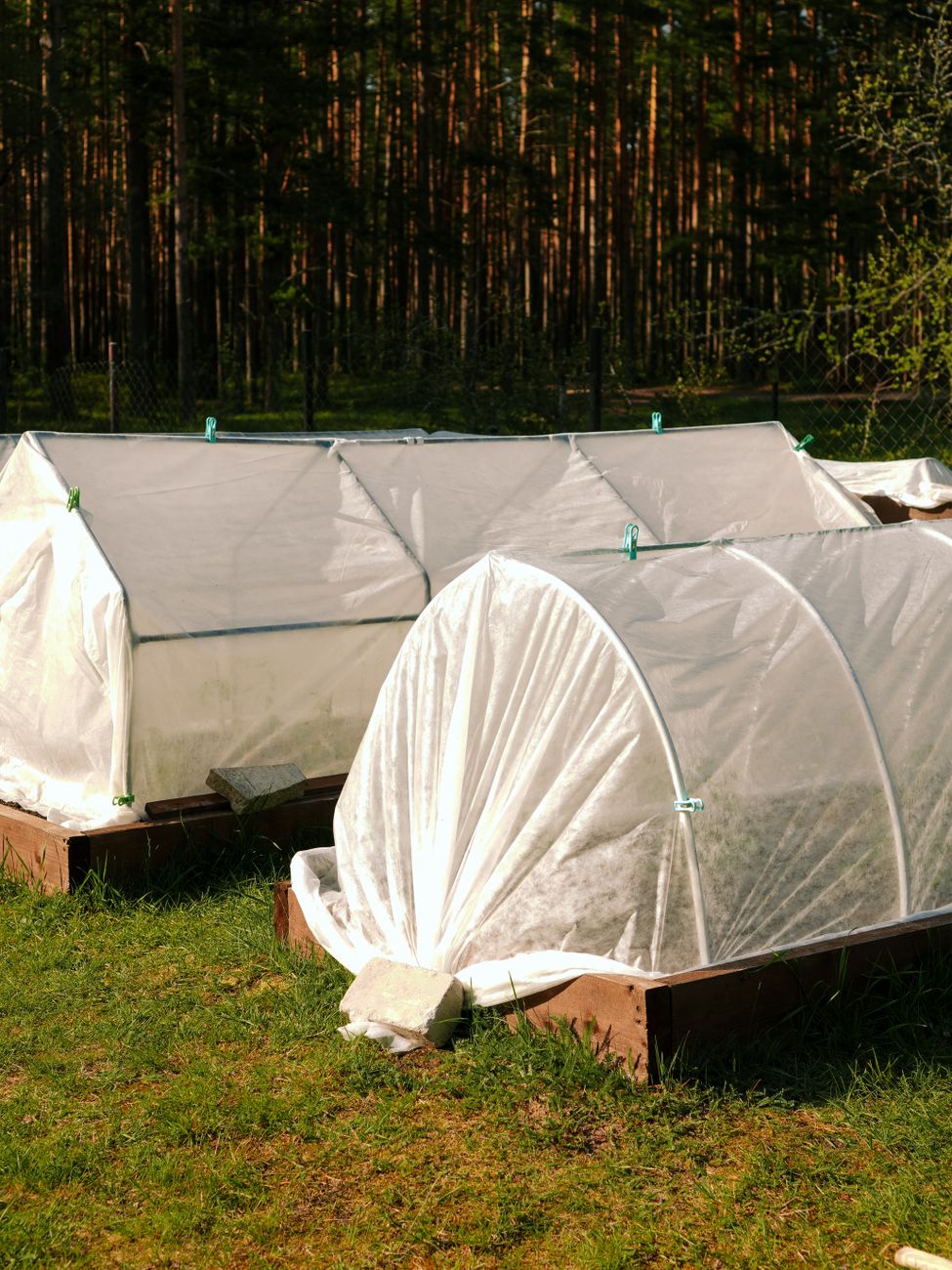
My go-to tools for this are garden fleece and cloches. For individual plants, especially those precious heirloom tomatoes like my 'Black Krim' or early peppers that are still finding their feet outside the greenhouse, a simple cloche works wonders. I've got a collection of clear plastic bell cloches, and for larger plants, I've even fashioned some out of cut-down plastic bottles – a great upcycling hack! They create a microclimate, holding in warmth and shielding from biting winds, which can desiccate and stress a recovering plant just as much as cold. I simply pop them over the plants in the late afternoon if a chilly night is forecast, removing them in the morning once the sun is properly up.
For raised beds or rows of recovering plants, a roll of lightweight horticultural fleece (I usually go for 30gsm) is indispensable. I'll drape it over hoops or simply lay it directly over the plants, pegging down the edges with rocks or bricks to prevent it from blowing away in a sudden gust. Last season, after an unexpected dip to 3°C in early June, I covered my entire patch of struggling cucumber plants with fleece, and it made all the difference. They had purple stems and looked utterly miserable, but a few nights under the fleece, combined with the other steps we’ve talked about, brought them back from the brink. It's a simple, cost-effective way to add a few crucial degrees of protection and keep those recovery efforts from being undone.
Future-Proofing: Hardening Off and Monitoring UK Forecasts
Prevention is always better than cure, especially when it comes to the unpredictable British weather. Two practices I now religiously follow in my 800 sq ft backyard are proper hardening off and obsessive forecast monitoring. These aren't just good ideas; they're non-negotiable for success here in the UK.
The Art of Hardening Off (The Right Way for British Conditions)
Hardening off is the process of gradually acclimatising your tender young plants to outdoor conditions before they're permanently planted out. It toughens them up, making their cell walls stronger and teaching them to cope with cooler temperatures, wind, and direct sunlight. In my early days, I was impatient. I'd move my greenhouse-grown 'Marmande' tomatoes straight out into a raised bed, thinking a couple of hours would do it. Big mistake! They'd often get windburn, sun scald, or just plain sulk.
Now, my hardening off routine is a slow, methodical dance over 7-10 days:
- Day 1-3: Start with just 2-3 hours in a sheltered, shady spot outside – perhaps under a patio table or against a north-facing wall. I bring them in every evening without fail.
- Day 4-6: Gradually increase the time outside to 5-6 hours, moving them into a slightly brighter, but still sheltered, spot. I'll still bring them in overnight.
- Day 7-10: Extend their outdoor stay, introducing them to filtered sun and gently breezy conditions. If the night temperatures are above 8-10°C, I might leave them out overnight in a cold frame or under fleece.
This gradual exposure builds resilience, preventing that immediate shock response. It’s a bit of a faff, yes, but believe me, it’s worth every minute saved in potential heartache later.
Mastering the UK Forecast: Your Gardening Crystal Ball
I used to just glance at the BBC weather app, but now I'm practically a meteorologist for my garden. Understanding the local forecast, especially night-time lows and wind speeds, is paramount for UK gardeners. I check the Met Office and BBC Weather apps multiple times a day when I'm planning to plant out or if a cold snap is on the horizon.
What I'm looking for:
- Night-time temperatures: For tender crops like tomatoes, peppers, and aubergines, I won't even think about planting them out permanently unless the night-time temperatures are consistently above 10°C (50°F) for several nights in a row. For hardier things like brassicas, 5°C is usually fine.
- Wind speed and direction: Strong winds can cause physical damage and significant chill factor. If it's going to be gusty, I'll delay planting or ensure extra shelter.
- Rainfall: While welcome, heavy, cold rain can also shock plants.
This constant vigilance allows me to make informed decisions. If a late May "heatwave" suddenly dips to single digits overnight, I know to get the fleece out for my 'Sungold' tomatoes in the greenhouse, just in case, or to hold off planting those 'California Wonder' peppers in the raised beds for another week.
Here's a quick comparison of common protective measures I use in my UK garden:
| Protection Method | Best Use in UK Garden | Pros | Cons | Randy's Take (UK Specific) |
|---|---|---|---|---|
| Horticultural Fleece | General cold snaps, protecting rows, newly planted beds | Lightweight, breathable, cheap, easy to deploy & store | Can blow away easily, needs pegging, less effective for severe cold | My go-to for quick overnight dips. Essential for early spring sowings. |
| Cloches (Bell/Bottle) | Individual tender plants (tomatoes, peppers, melons) | Creates warm microclimate, good wind protection, reusable | Limited to single plants, can overheat in strong sun, fiddly | Great for my early 'Principe Borghese' tomatoes before they get too big. |
| Cold Frame | Hardening off, overwintering, extending shoulder seasons | Excellent gradual transition, good insulation, sturdy | Static, takes up space, initial cost, needs ventilation | Indispensable for hardening off my greenhouse starts. Worth the investment. |
| Mini Tunnels/Hoops | Protecting rows of crops (carrots, beans, brassicas) | Covers larger areas, good for pests & cold, versatile | Can be cumbersome to move, requires hoops, can get stuffy | I use these often for early salad crops and sometimes for climbing beans. |
Realistic Expectations: When to Replant vs. Revive
This is often the toughest part of gardening, isn't it? Knowing when to throw in the trowel and start again. I've been there, staring at a tray of limp, purple-black seedlings, desperately hoping for a miracle. Sometimes, with enough care, that miracle happens. Other times, you're just prolonging the agony for both you and the plant. In my experience here in the UK, especially with our shorter growing season for warm-season crops, knowing when to cut your losses is a valuable lesson.
Signs It Might Be Time to Replant
While we've talked about the signs of chill shock, there are also indicators that a plant is simply too far gone to make a worthwhile recovery:
- Complete Collapse: If the plant is entirely mushy, especially at the stem base, or if all the leaves have turned black and crispy with no green tissue remaining.
- Lack of New Growth: After a week of providing ideal recovery conditions (warmth, light, gentle feeding), if there's absolutely no sign of new, fresh green growth emerging from the stem or leaf nodes, it's likely a goner.
- Severe Stem Damage: If the main stem is completely blackened, shrivelled, or feels hollow, the plant's vascular system might be irreparably damaged, meaning water and nutrients can't reach the leaves.
I remember one particularly cold snap caught a tray of my 'Sweet Banana' peppers out last year. I tried everything – brought them inside, gave them a good feed, warm water. But the stems were completely blackened at the soil line. After ten days, they just sat there, looking pathetic. I finally conceded, pulled them, and planted some backup 'Hungarian Wax' seedlings I'd thankfully sown a few weeks later. Sometimes, trying to save a truly lost cause just wastes precious growing time.
The Case for Replanting (and Why It's Not a Failure!)
Don't view replanting as a failure; view it as a strategic pivot. Especially here in the UK, where our warm season isn't as long as some other climates, getting a fresh, strong start can mean the difference between a harvest and no harvest at all.
- Fresh Start, Stronger Plants: A new plant, undamaged by shock, will often grow much more vigorously and catch up quickly.
- Still Time: For many warm-season crops, particularly bush varieties of tomatoes, quick-growing peppers, or courgettes, there's still plenty of time to get a decent harvest if you replant by late May or early June. I always sow a few extra seeds of my favourite greenhouse tomatoes like 'Gardener's Delight' a couple of weeks after the main batch, just for these scenarios.
- Learning Opportunity: Each decision, whether to revive or replant, teaches you more about your specific microclimate and the resilience of different varieties.
It's a balancing act between the time investment, the cost of seeds or new plants, and the likelihood of a successful harvest. If a plant is truly struggling and showing no signs of life, make the tough call, learn from it, and get those new seedlings in the ground. Your future self (and your dinner plate) will thank you for it!
Conclusion: Patience, Observation, and a Dash of British Resilience
So, there you have it – my tried-and-tested approach to rescuing those poor, chill-shocked warm-season veggies here in my UK garden. From the moment you spot that tell-tale purple stem or stalled growth, remember that quick action, gentle care, and a good dose of patience are your best tools.
We've walked through understanding the why behind cold shock, how to identify the signs, and the immediate first aid steps like bringing them indoors and gently warming the soil. We've talked about nourishing their recovery with seaweed feed and careful watering, and crucially, how to protect them from further stress with cloches and fleece – essential gear for any UK gardener battling our unpredictable weather. Finally, we've covered the critical steps of hardening off correctly and becoming a local weather expert, along with the tough but necessary decision of when to throw in the towel and replant.
Gardening in the UK, especially with our love for heat-loving plants, is a constant dance with the weather. I've made countless mistakes over my five years in this 800 sq ft Midlands patch, from planting out too early to forgetting to cover my precious 'San Marzano' seedlings on a surprisingly chilly May night. But each time, I've learned, adapted, and come back stronger.
The key takeaway? Don't despair! Your plants are tougher than you think, and with a bit of Randy-style TLC, many of them will bounce back, rewarding you with delicious harvests. Keep observing, keep learning, and keep experimenting. Your garden is your outdoor laboratory, and every challenge, even a cold snap, is just another opportunity to grow. Happy gardening, fellow British plant enthusiasts!