Hello fellow green-fingered enthusiasts! Randy here, coming to you from my little patch of gardening heaven (and occasional headache) right here in the UK Midlands. If you're anything like me, you've probably faced that gut-wrenching moment when one of your cherished perennials or shrubs, once thriving, suddenly starts looking… sad. Limp, yellowing leaves, stunted growth, flowers that just don't appear. It's heart-breaking, isn't it?
For years, I'd scratch my head, blaming everything from our famously unpredictable British weather to some new, invisible pest. I mean, I've battled my fair share of slugs and powdery mildew, but this felt different. It was a slow, insidious decline. One of my beloved 'Rozanne' Geraniums, usually a vigorous purple carpet, looked utterly pathetic near an old Hawthorn tree at the edge of my 800 sq ft plot. I tried more water, less water, different feeds – nothing worked. It wasn't until I dug a little deeper (literally!) that I uncovered the silent saboteur: root competition from the nearby, much older, much bigger tree.
It's a common story in many UK gardens, especially in established plots like mine where trees have had decades to spread their influence. As a former IT worker, I'm hardwired for problem-solving, and figuring out this hidden battle beneath the soil became my new obsession. I've spent the last few seasons experimenting, observing, and learning the hard way how to diagnose and, crucially, mitigate this often-overlooked issue. So, if you've got a struggling plant that just won't perk up, grab a cuppa, and let's delve into how we can revive those declining beauties and give them a fighting chance against their woody neighbours.
Reviving Struggling Perennials: Understanding Root Competition from Established Trees
When I first started gardening five years ago, I thought the main competition was just between my prize 'Shirley' poppy and the weeds. Oh, how naive I was! The real underground battle, especially here in the UK, often rages between your carefully chosen perennials and shrubs, and the established trees that have been quietly dominating the landscape for years. We're talking about root competition, and it's a significant factor in why some plants just refuse to thrive, no matter how much TLC you give them.
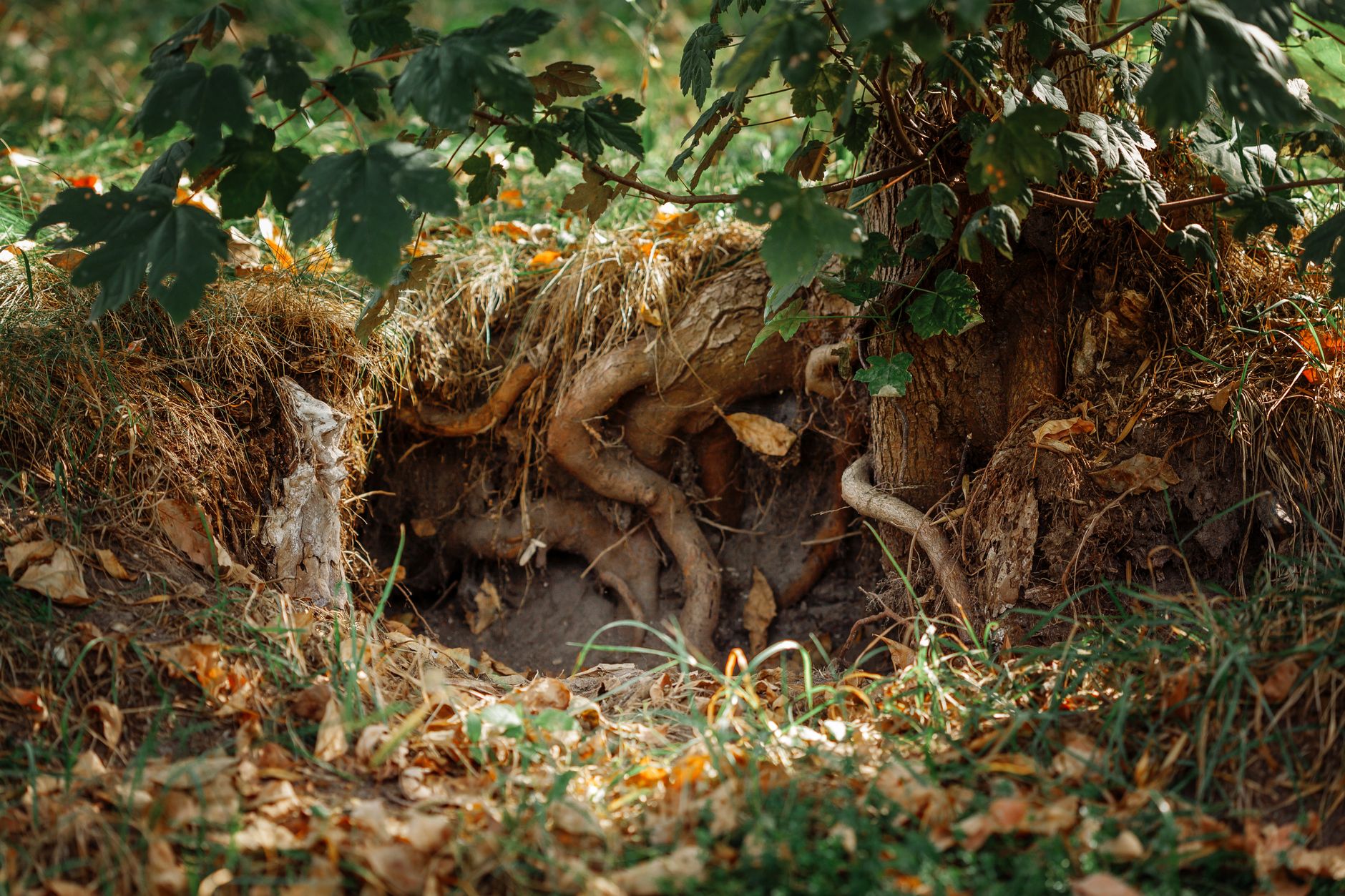
Think of it this way: trees are the original resource hogs. Their root systems are incredibly efficient at seeking out and absorbing every last drop of water and nutrient from the soil. A mature Silver Birch or a sturdy English Oak, for instance, can have roots spreading two to three times the width of its canopy – sometimes even further! In my own Midlands garden, I've got an old Sycamore at the very back that sends its tendrils surprisingly far into my raised beds, even though it's a good 15 feet away.
What happens is these tree roots, especially the fine, feeder roots, form a dense, impenetrable network just below the surface. They’re faster, stronger, and more extensive than the roots of your smaller plants. So, when you water your struggling Geranium 'Patricia' or that lovely 'Annabelle' Hydrangea, a huge portion of that precious moisture and any added fertiliser is intercepted by the tree before your intended recipient even gets a sniff. This is particularly noticeable during our typically dry British summers, like the one we had a couple of years back. I saw my hostas, usually so lush, looking parched and brittle, despite what I thought was adequate watering. It was the tree roots winning the battle for survival.
This isn't just about water, either. Essential soil nutrients – nitrogen for leafy growth, phosphorus for roots and flowers, potassium for overall plant health – are also fair game for tree roots. Over time, this constant deprivation leaves your perennials and shrubs weak, stressed, and vulnerable. Understanding this fundamental power struggle is the first step towards intervention and, hopefully, revival.
Decoding Distress Signals: Distinguishing Root Competition from Other Plant Ailments
Figuring out why a plant is struggling can feel like trying to solve a cryptic crossword puzzle in the rain – frustrating and often leading to misdiagnosis. I've been there, blaming everything from a rogue slug to a mysterious blight on my 'Blackberry Betty' Salvia. But over the years, I've learned to spot the specific distress signals that often point towards root competition rather than other common UK gardening woes.
The symptoms of root competition can mimic many other problems, which is why it's so tricky. You'll typically see stunted growth – your plant just isn't getting bigger or producing the lush foliage it should. Leaves might turn yellow (chlorosis) or even brown and crispy at the edges, even if you’re watering regularly. Wilting is common, especially on hot days, because the plant simply can't draw up enough moisture. You might also notice poor flowering, early leaf drop, or a general lack of vigour. My 'Lady's Mantle' (Alchemilla mollis), usually a robust groundcover, just sat there, looking perpetually thirsty and pale, near that tricky Hawthorn.
The key is to consider the pattern and location of these symptoms. If a plant consistently struggles despite good care, and it's situated within the drip line (or even further!) of an established tree, root competition becomes a prime suspect. It's about ruling out the obvious and then digging deeper into the more insidious possibilities.
Comparison Table: Distinguishing Root Competition Symptoms
| Symptom / Condition | Root Competition | Nutrient Deficiency | Pest Damage | Fungal Disease | Drought Stress | Overwatering |
|---|---|---|---|---|---|---|
| Overall Growth | Stunted, slow, lack of vigour. Plant fails to establish or thrive. | Stunted, discoloured, specific patterns (e.g., small leaves, poor flowering). | Chewed leaves, holes, distorted growth, sticky residue (honeydew). | Localised spots, powdery mildew, wilting with no obvious cause, can spread. | General wilting, stunted, crispy leaves, plant looks parched. | Yellowing, stunted, wilting (ironically), root rot, mushy stems. |
| Leaf Appearance | Yellowing (chlorosis), pale green, small, sometimes crispy edges. Wilting. | Yellowing (veins or between veins), purpling, browning, stunted. | Holes, chewed margins (slugs on hostas), distorted new growth (aphids on broad beans), stippling (spider mites). | Spots (black spot on roses), powdery film (on courgettes), yellowing, blight. | Drooping, wilting, browning, crispy edges, leaf drop. | Yellowing, soft/mushy leaves, often with dark spots, wilting despite wet soil. |
| Flowering/Fruiting | Poor or absent flowering, small or malformed blooms. | Poor flowering, lack of fruit set, small fruits. | Damaged buds/flowers, reduced fruit yield due to pest activity. | Blooms can rot, discolour, or fail to open. | Reduced or no flowering, premature fruit drop. | Poor flowering, flower buds may rot. |
| Soil Conditions | Often dry, compacted, or rapidly drying out. Tree roots visible near surface. | Can be poor quality, lacking organic matter, incorrect pH. | May or may not be related to soil; pests can be everywhere. | Often damp, humid, or poor air circulation. | Very dry, hard, cracked soil. | Consistently wet, waterlogged, possibly foul-smelling. |
| Randy's Observation | Persistent struggle despite adequate watering, especially near large trees. | Often responds to targeted feeding or pH adjustment. | Visible insects or clear feeding damage. | Distinctive fungal growth or lesions, often weather-dependent (e.g., damp UK summer). | Plant perks up with deep watering (initially). | Soil remains soggy; roots look dark/mushy when inspected. |
Unearthing the Problem: Practical Steps to Confirm Tree Root Encroachment
So, you've got a hunch from those distress signals. Now comes the detective work to confirm if those sneaky tree roots are indeed the culprits. I've done this more times than I care to admit in my own garden, often with a mix of trepidation and curiosity. The key here is to be gentle and thorough; we're trying to solve a mystery, not create more problems!
First, observe the proximity of your struggling plant to any established trees. How close is it? Is it within the tree's drip line (the area directly beneath the canopy) or even further out? Remember, tree roots can travel surprisingly far. My 'Red Valerian' (Centranthus ruber), which was struggling at the very edge of my herbaceous border, was a good 10 feet from the trunk of an old Apple tree, yet still impacted.
Next, get ready to do a little careful excavation. This isn't about digging a huge trench, but rather a focused, exploratory dig. Using a hand trowel or a small spade, gently start to remove soil around the base of your struggling perennial or shrub. Aim for an area about 6-12 inches away from the plant's main stem, going down about 6-8 inches deep. Be incredibly careful not to damage your plant's own roots or any major tree roots you might encounter.
What are you looking for? A dense mat of fibrous roots. Tree roots are often thicker, woodier, and lighter in colour than the finer, more delicate roots of your perennial. You might find a thick network of these roots, almost like a spiderweb, completely encircling or permeating the soil intended for your plant. This is your smoking gun. I remember digging up a struggling Lavender 'Hidcote' near my mature Birch and finding exactly this – a solid mass of tree roots that had clearly choked out any chance of the Lavender getting its fair share.
While you're down there, pay attention to the soil moisture. Is the soil unusually dry, even after a recent rain or watering session? If it feels bone dry despite your efforts, it's a strong indicator that the tree roots are sucking up all the available moisture before it can benefit your plant. I've often used a simple moisture meter, but just feeling the soil with my fingers gives a pretty good indication. If it's consistently parched, you've got your answer.
This careful unearthing confirms the problem without causing undue stress to either your struggling plant or the established tree. Once you've seen those encroaching roots for yourself, you know exactly what you're up against.

First Aid for Your Plants: Non-Invasive Strategies to Reduce Root Competition
Right, you’ve confirmed it. Those pesky tree roots are indeed muscling in on your struggling plants. Don't panic! Before you even think about anything drastic like reaching for a root barrier (which can be a big job), there are several non-invasive strategies we can employ. These are the "first aid" steps I've tried in my own UK garden with varying degrees of success, and they've often made a real difference in helping those struggling plants bounce back. It's about giving your plants a fighting chance without harming the established tree.
Deep Watering
This is probably the most crucial step. Tree roots, especially the fine feeder roots, tend to congregate in the top 12-18 inches of soil where surface water is readily available. By watering deeply, you can bypass these shallow roots and deliver moisture directly to where your perennial or shrub needs it most.
- How I do it: I've rigged up simple drip irrigation lines for some of my more precious specimens, like my 'Black Krim' tomatoes in the greenhouse, and the same concept applies here. For plants near trees, I use soaker hoses or even just a slow trickle from a hosepipe for an hour or two. The goal is to get water down to at least 18-24 inches.
- Randy's Tip: Water less frequently but for longer durations. A quick sprinkle every day won't cut it. Aim for a thorough soaking once or twice a week, especially during our dry spells, rather than daily shallow watering. This encourages your plant's roots to grow deeper, too.
Mulching
Applying a thick layer of mulch serves multiple purposes. It's a fantastic way to retain soil moisture, regulate soil temperature, and suppress weed growth. Crucially, it also discourages tree roots from growing too densely at the very surface, buying your smaller plants some breathing room.
- Materials: I swear by well-rotted garden compost or mushroom compost from my local supplier. Wood chips are also excellent. Avoid fresh wood chips directly touching plant stems, as they can draw nitrogen from the soil as they decompose.
- Application: Lay down a generous layer, aiming for at least 3-4 inches thick, around the base of your struggling plant. Ensure it doesn't touch the stem or trunk directly to prevent rot.
- Randy's Tip: Reapply annually, especially in autumn or spring. I find this significantly reduces the need for constant watering during summer, which is a blessing in our often-parched Midlands summers.
Targeted Fertilisation
Since tree roots are hogging the nutrients, your struggling plant is likely malnourished. Targeted feeding ensures that the nutrients get directly to your plant, rather than feeding the tree further.
- Options: I often use liquid feeds like comfrey tea (I brew my own from plants grown in my garden, it’s packed with potassium!) or a balanced organic liquid fertiliser. Granular fertilisers can also work, but ensure they are slow-release and worked gently into the top layer of soil directly around your plant.
- Application: Apply the feed directly to the soil around your struggling plant, avoiding broadcasting it widely. Follow the manufacturer's instructions for dilution and frequency.
- Randy's Tip: Focus on organic, slow-release options. This feeds the soil microbes, which in turn benefit your plant, and is less likely to cause a sudden flush of growth that the plant can't sustain. I usually feed my struggling 'Penstemon' in spring and again mid-summer.
Root Barriers (Considered with Caution)
While more invasive than the above, physical root barriers can be an effective long-term solution if other methods aren't enough and you're committed to a particular plant's survival. This isn't "first aid" in the sense of a quick fix, but it's less drastic than tree removal.
- How they work: These are physical barriers, usually made of heavy-duty plastic or geotextile fabric, installed vertically into the soil to physically block tree roots from entering a specific area.
- Considerations: This involves digging a trench to install the barrier, which can be disruptive. You need to research the appropriate depth and distance from both the tree and your plant to avoid damaging either.
- Randy's Tip: I've considered these for my more precious specimens, like my 'Blue Angel' Hosta, but it's a bigger job requiring careful planning. If you go this route, ensure you leave enough space for your plant's roots to establish, and choose a barrier that's deep enough (at least 2-3 feet) to be effective against mature tree roots.
Comparison Table: Non-Invasive Strategies for Root Competition
| Strategy | How it Works (UK Context) | Pros (UK Context) | Cons (UK Context) | Randy's Tip |
|---|---|---|---|---|
| Deep Watering | Delivers water below shallow tree roots, encouraging deeper plant roots. Vital during dry British spells. | Highly effective for immediate relief. Conserves water long-term by reducing evaporation. | Can be time-consuming initially. Requires consistent effort. | Invest in a soaker hose or DIY drip system. Water early morning to minimise evaporation, especially in summer. |
| Mulching | Retains soil moisture, suppresses surface tree roots, adds organic matter. Great for our variable climate. | Improves soil health. Reduces watering frequency. Suppresses weeds. | Needs annual replenishment. Can harbour slugs if too wet (a common UK issue!). | Use well-rotted compost or wood chips. Keep mulch away from plant stems to prevent rot. |
| Targeted Fertilisation | Provides direct nutrients to the struggling plant, bypassing tree roots. Supports plant health. | Specific nutrient delivery. Can quickly improve plant vigour and colour. | Easy to over-fertilise if not careful. Requires regular application. | Opt for organic liquid feeds like comfrey tea or a balanced seaweed extract. Apply directly to the plant's root zone, not broadly. |
| Root Barriers | Physically blocks tree roots from encroaching on a specific planting area. Long-term solution. | Highly effective for long-term protection of specific plants. | Invasive installation process. Can be expensive. Requires careful planning to avoid tree damage. | Research thoroughly before installing. Consider if the plant is truly worth the effort. Ensure the barrier is deep enough for your specific tree type. |
Strategic Intervention: Installing Root Barriers and Judicious Root Pruning for Revival
Sometimes, despite all our best efforts with non-invasive methods, those tree roots are just too persistent. I’ve been there, staring at a beloved plant still looking miserable, knowing I had to take more drastic action. This is where installing a root barrier or carefully pruning those encroaching roots comes into play. It’s a bigger job, no doubt, but one that can truly turn the tide for a struggling perennial or shrub.
Installing a Root Barrier: Creating a Protected Zone
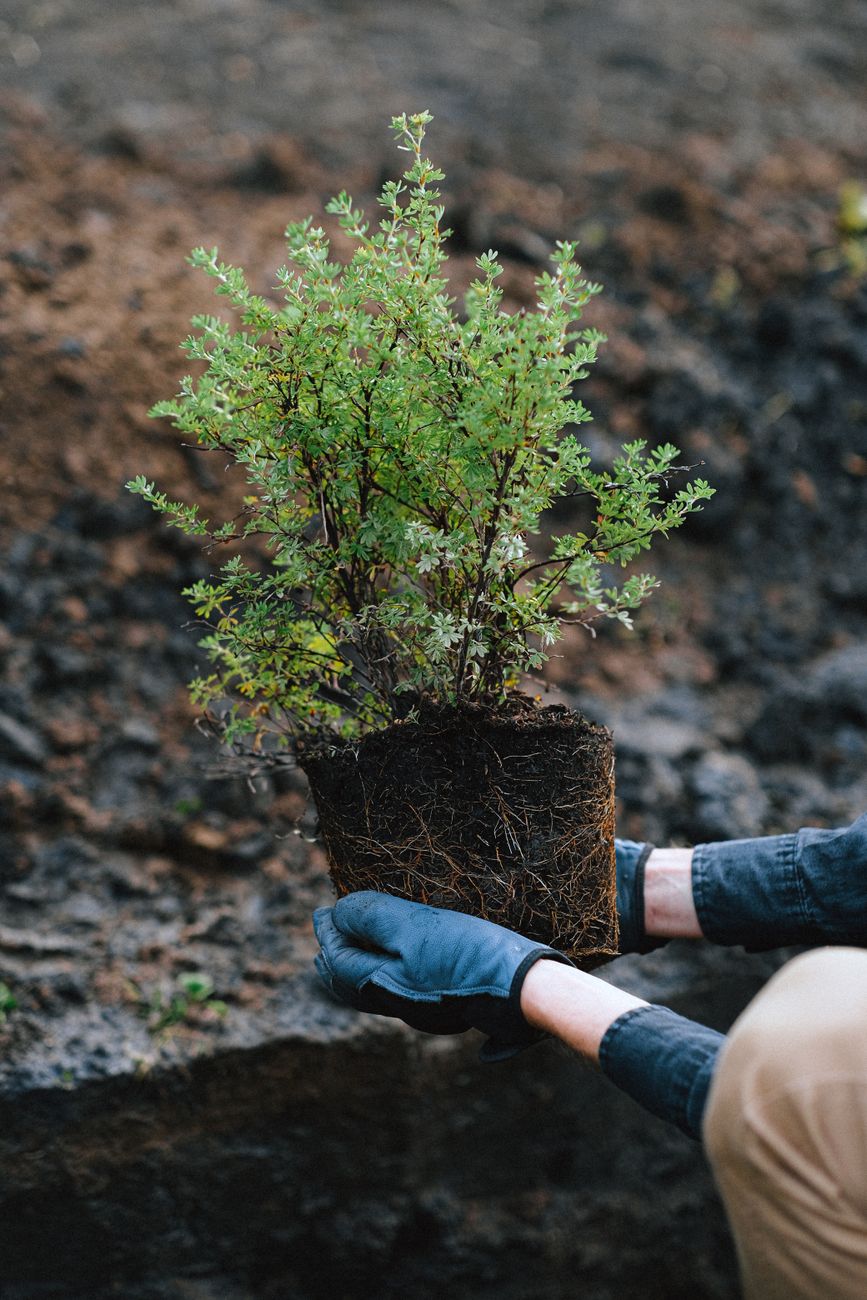
A root barrier isn't about stopping the tree roots entirely; it's about creating a dedicated, root-free zone for your struggling plant. Think of it as putting up a fence around your plant's personal space. I had to do this for a beautiful 'Annabelle' Hydrangea that was just limping along, overshadowed and outcompeted by an ancient sycamore in the shadier corner of my 800 sq ft Midlands garden. It was a proper digging job, I won't lie, nearly broke my back, but it was absolutely worth it.
Here’s how I approach it in my UK garden:
- Assess the Need: Only go down this route if non-invasive methods (like those described in the previous section) haven't worked and you've confirmed significant root competition.
- Choose Your Weapon (Material): You need a heavy-duty, non-perforated root barrier material. I've used thick landscaping fabric specifically designed for root control, or even purpose-made plastic root barriers. Don't skimp here; cheap material will fail.
- Digging the Trench: This is the hard part. You need to dig a trench between the tree and your struggling plant. The depth is crucial – aim for at least 60cm (about 2 feet), sometimes deeper for particularly vigorous trees like birches or willows. The width can be narrow, just enough to fit the barrier. I try to make sure the trench is far enough from the tree that I'm not cutting major structural roots, usually at least 1-1.5m (3-5ft) from the tree's trunk, if possible. For my Hydrangea, I dug a semi-circular trench around the plant, facing the sycamore.
- Install the Barrier: Place the barrier vertically into the trench, ensuring it extends above the soil line by an inch or two to prevent roots from growing over the top. Overlap seams generously if you're using multiple pieces.
- Backfill and Water: Carefully backfill the trench, firming the soil as you go. Give the area a good, deep watering.
- Monitor: Keep an eye on it. Tree roots are cunning and can sometimes find ways around or under if the barrier isn't deep or extensive enough.
Judicious Root Pruning: A Careful Approach
Root pruning is a more delicate operation and should be done with caution. The goal isn't to harm the tree, but to remove the most competitive roots that are directly affecting your plant. I tried this on a struggling Fothergilla 'Mount Airy' that was looking a bit sad near an old apple tree. I was nervous, but being methodical paid off.
- Timing is Key: The best time for root pruning is typically in late winter or early spring, when the tree is dormant or just beginning to wake up. This minimises stress to the tree.
- Locate the Roots: You'll need to carefully excavate the soil around your struggling plant to expose the tree roots. You’re looking for the fine, fibrous feeder roots that are directly intertwined with your plant's root ball. Avoid the larger, woody structural roots of the tree; cutting these can severely damage or even destabilise the tree. If you find any roots thicker than your thumb, it's generally best to leave them unless you're confident it's a minor root.
- Clean Cuts: Use sharp, sterilised pruning shears or a soil knife to make clean cuts. Jagged cuts can invite disease. Only prune the roots that are clearly within the competition zone of your struggling plant.
- Don't Overdo It: A general rule of thumb is not to remove more than 20-25% of the tree's root system in a single season. If you're only targeting the small feeder roots in a limited area, you're unlikely to hit this threshold.
- Aftercare: Once pruned, backfill the soil and water thoroughly. Treat both the tree and the rescued plant with a little extra TLC in the following weeks, perhaps a seaweed feed for overall health.
Remember, root pruning is a compromise. It gives your plant a fighting chance, but it does temporarily stress the tree.
Beyond the Intervention: Post-Mitigation Care for Lasting Revival
So, you’ve installed a barrier or pruned some roots. Well done! But the job isn't over. This isn't an overnight fix; your plant needs time and continued support to truly recover and thrive. Think of it like a long convalescence. I learned this the hard way with my Fuchsia 'Riccartonii' after battling an ancient oak. It took a full season, but with consistent care, it truly bounced back.
Here’s what I do in my UK garden to ensure a lasting revival:
- Deep and Consistent Watering: This is paramount, especially after any root disturbance. Your plant's root system has been through a shock, and it needs readily available moisture to recover and grow new feeder roots. Water deeply and regularly, particularly during dry spells, which we certainly get here in the Midlands, even with our infamous British weather! I use a soaker hose or give a slow, deep hand-watering session twice a week if there's no rain.
- Generous Mulching: A thick layer (at least 5-10cm / 2-4 inches) of organic mulch is your best friend. I swear by my homemade compost or well-rotted leaf mould. This will:
- Conserve moisture: Reducing evaporation, meaning less watering for you.
- Regulate soil temperature: Protecting roots from both heat and cold.
- Suppress weeds: Reducing competition for resources.
- Slowly release nutrients: As the mulch breaks down, it enriches the soil.
- Gentle Feeding: Once the plant shows signs of new growth, a gentle, balanced feed can encourage vigour. I tend to lean towards organic liquid feeds like a diluted seaweed solution or comfrey tea (if I have any brewed up). Avoid high-nitrogen chemical fertilisers immediately after intervention, as these can promote lush top growth at the expense of root development. The goal is steady, healthy recovery.
- Patience and Observation: This is probably the hardest part for an impatient gardener like me! It takes time for plants to recover. Continuously monitor your plant for signs of stress or improvement. Look for new, healthy growth, better leaf colour, and more vigorous flowering. Be prepared for it to take a full growing season, or even two, to see significant results.
- Ongoing Soil Improvement: Tree roots thrive in poor soil. By continuously improving the soil around your revived plant with organic matter, you create an environment that's more hospitable to your desired plant and less attractive to aggressive tree roots. Every autumn, I top-dress with a fresh layer of compost around my recovering plants.
Cultivating Harmony: Preventing Future Root Battles and Smart Planting in UK Gardens
"Prevention is better than cure," as the old saying goes, and it's absolutely true in the garden. I've certainly learned this the hard way, making mistakes in my early gardening days by cramming plants too close to established trees. My IT background taught me to diagnose and debug, and honestly, gardening isn't so different! Understanding root competition before you even put a spade in the ground can save you a world of heartache.
Here are my top tips for cultivating harmony and smart planting in UK gardens:
Site Selection is Paramount
- Know Your Roots: Before planting anything new, especially a valuable perennial or shrub, take the time to assess the area. Dig a test hole. Are there a lot of fine tree roots? If so, consider if that spot is truly suitable for a plant that needs its own space.
- Consider Mature Size: Always research the mature size of both the tree and the plant you intend to put near it. A tiny sapling might not seem like a threat now, but in five years, its roots will be extensive.
- Sun vs. Roots: Often, areas under trees are shady, and we naturally think of shade-loving plants. However, many shade plants still need good moisture and nutrients. Don't assume a shade plant will automatically cope with root competition.
Smart Plant Choices for Tricky Spots
If you absolutely must plant near established trees, choose plants that are known to tolerate root competition or drier conditions. In my 800 sq ft garden, I've learned to love:
- Hellebores: 'Winter Bells' or 'Niger' are fantastic for winter interest and cope well in dry shade once established.
- Hardy Geraniums: Varieties like Geranium macrorrhizum 'Bevan's Variety' or 'Ingwersen's Variety' are incredibly tough and spread nicely.
- Epimediums (Barrenwort): Beautiful foliage and delicate flowers, they are surprisingly resilient.
- Vinca minor (Lesser Periwinkle): A great groundcover, though can be vigorous.
- Some Ferns: Dryopteris affinis (Golden Scaly Male Fern) or Polystichum setiferum (Soft Shield Fern) can cope better than others.
Container Planting: The Ultimate Root Barrier
For plants you simply must have in a competitive area, consider growing them in large containers or bottomless pots sunk into the ground.
- Above Ground Containers: A classic solution. Just remember they'll need more frequent watering and feeding, especially during our often-dry British summers. I successfully grow Hostas in large tubs near my fence line, where a neighbour's tree roots used to steal all their moisture.
- Bottomless Pots: Sink a large, sturdy pot (e.g., a plastic dustbin with the bottom cut out) into the ground. This provides a physical barrier, giving your plant a dedicated root zone. Fill with good quality compost.
Raised Beds: Elevated Solutions
My raised beds are my salvation for growing vegetables, and they also work brilliantly for shrubs and perennials that need their own space. By elevating the planting area, you create a substantial buffer zone above the competing tree roots. If you suspect tree roots might grow upwards into the raised bed, consider lining the base with a root barrier material before filling it with soil.
Comparison of Prevention Methods
Here's a quick comparison of the strategies I employ in my UK garden to prevent future root battles:
| Method | Pros (UK context) | Cons (UK context) | Best For |
|---|---|---|---|
| Smart Site Selection | Free! Avoids problems before they start. Promotes long-term plant health. | Requires foresight and research. May limit planting options in heavily treed UK gardens. | Any new planting, especially valuable or sensitive shrubs and perennials. Ideal for designing new beds. |
| Tolerant Plants | Natural solution. Plants often thrive with minimal intervention. Suits a more naturalistic UK garden style. | Limited plant palette. May not achieve the exact aesthetic desired. | Shady, dry areas under established trees where you want groundcover or low-maintenance planting. |
| Container Planting | Complete control over growing medium. Mobility (can move plants). Excellent for showcasing specific plants. Prevents all root competition from below. | High maintenance (watering, feeding). Containers can look out of place if not chosen carefully. Can be heavy to move. Vulnerable to harsh UK winters without insulation. | Showcasing specific specimen plants (e.g., fancy Hostas, small Japanese Maples). Areas where no in-ground planting is feasible. Plants that need specific soil conditions. |
| Bottomless Pots | Provides a direct root barrier. Plant looks 'in ground'. Less watering than above-ground containers. | Still requires careful watering and feeding. Can be a lot of digging to install. | Creating dedicated zones for individual plants in highly competitive areas, especially if you want the plant to appear as part of the border. |
| Raised Beds | Creates significant root-free volume. Great for soil improvement. Ergonomic for gardening. Can be a design feature. Excellent for vegetables and herbs. | Initial construction cost and effort. May require a root barrier at the base if tree roots are particularly aggressive or grow upwards. | Vegetables, herbs, and larger perennials/shrubs that need substantial root space and rich soil, especially in areas with poor native soil or intense root competition. |
Conclusion: Embrace the Challenge, Enjoy the Revival!
Phew! We've covered a lot, haven't we? From decoding those subtle distress signals to getting stuck in with root barriers and then nurturing our plants back to health. Rescuing declining perennials and shrubs from the relentless grasp of tree roots isn't for the faint of heart, but it's one of the most rewarding challenges a UK gardener can undertake.
What I've learned in my five years of intensive gardening here in the Midlands is that our plants are incredibly resilient, but they rely on us to understand their needs and intervene when necessary. It's about being a detective, a surgeon, and a nurse all rolled into one! Don't be afraid to get your hands dirty, to experiment, and yes, even to make a mistake or two – I've made plenty, often thanks to our wonderfully unpredictable British weather!
The key takeaways? Observe your plants constantly. Confirm the problem before acting. Start with the least invasive methods. Be patient. And most importantly, plan ahead to prevent future root battles.
Our gardens are dynamic ecosystems, always changing, always challenging. But that's precisely where the joy lies. Seeing a struggling plant, once on the brink, burst back into vibrant life is a truly incredible feeling. So, go forth, armed with your new knowledge and a good spade, and bring those beauties back from the brink! Your UK garden, and your plants, will thank you for it. Happy gardening!