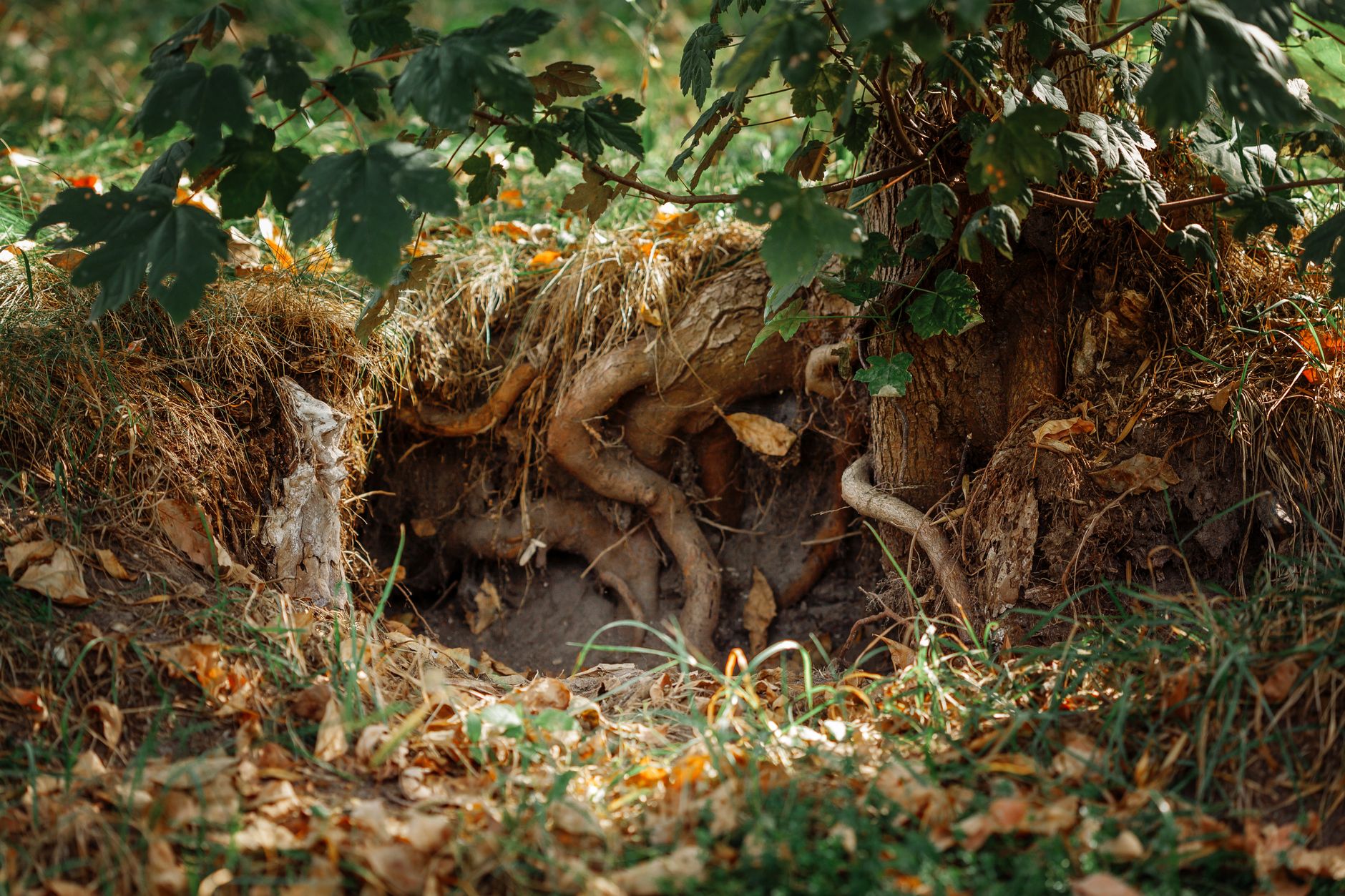
Alright, fellow UK gardeners! Randy Thompson here, coming to you from my little patch of green heaven in the Midlands. If there’s one thing I’ve learned in my five-plus years of intense backyard experimentation – after swapping my IT career for a trowel – it’s that a thriving garden is all about understanding what’s going on beneath the surface. And lately, I’ve become utterly obsessed with root systems.
You see, we've all been there, haven't we? That sudden, brutal dry spell hits, or maybe a surprise heatwave – classic British summer unpredictability, eh? You look at your established trees, shrubs, or those gorgeous large perennials, and they’re looking a bit sorry for themselves, wilting despite your best efforts. You water, you water, but they just don't seem to bounce back like they should. For a long time, I just thought, "More water, Randy!" But I was missing a crucial piece of the puzzle: those shallow, surface-level roots.
I’ve had my fair share of wilting woes in my 800 sq ft garden. From my 'Annabelle' hydrangeas looking parched to the newly planted 'Discovery' apple tree struggling through its first dry August. It was a proper head-scratcher until I started digging into the science – and doing some serious hands-on testing. What I discovered is that many of our established plants here in the UK develop shallow root systems, making them incredibly vulnerable to drought, nutrient deficiencies, and even the odd strong gust of wind.
But here’s the exciting bit: we can retrain them! We can encourage those roots to dig deep, making our plants more resilient, self-sufficient, and generally happier, even when the British weather decides to throw a curveball. This isn't about magic; it's about targeted subsurface watering and smart soil aeration, all tried and tested right here in my Midlands garden. So, grab a cuppa, and let's dive into how we can get those roots growing down where the good stuff is.
Why Shallow Roots Are a Problem in Your UK Garden (and How to Fix Them)
When I first started out, I made the classic mistake of thinking that as long as the soil surface was damp, my plants were happy. Oh, how wrong I was! I quickly learned that shallow roots are like a plant living hand-to-mouth, always on the brink. They don't have the reserves to cope when things get tough, which, let's be honest, is often here in Britain with our incredibly varied weather patterns.
In my UK garden, especially with some of the more established plants like my 'Blueberry Muffin' hydrangeas or the 'Black Lace' elderberry I planted a few years back, I noticed they were the first to show stress during a dry spell. Why? Because their roots were only exploring the top few inches of soil. This means they miss out on the deeper, more consistent moisture that naturally accumulates lower down, especially in our often clay-heavy Midlands soils that can hold water surprisingly well once it gets past the surface.
Beyond just drought stress, shallow-rooted plants are less stable – I've seen a young 'Kelsey' plum tree practically wobble in a strong gust because its roots weren't anchored deep enough. They also struggle to access a full range of nutrients, which tend to leach deeper into the soil over time. It's a bit like trying to eat a balanced meal from just the top shelf of the fridge! This weakness can also make them more susceptible to pests and diseases, as a stressed plant is a vulnerable plant. My 'Cherokee Purple' tomatoes in the greenhouse, for example, absolutely thrive with deep roots, showing far less blossom end rot than when I used to water them incorrectly.
The good news is, we absolutely can fix this. It’s all about strategically encouraging those roots to grow downwards, transforming your plants into resilient, drought-proof champions. My approach focuses on two key methods: targeted subsurface watering and practical soil aeration. These aren't just theoretical; they're techniques I've refined and seen tangible results from in my own backyard.
Identifying the Causes of Surface Rooting: Is Your Watering Method the Culprit?
This was a huge lightbulb moment for me. When I first transitioned from IT to gardening, I approached things with a logical, systematic mind. But I quickly realised that my initial watering strategy was, to put it mildly, a bit of a bug in the system. I was totally guilty of frequent, shallow watering when I started out, especially with my raised beds. I thought I was being diligent, giving my 'San Marzano' tomatoes a little sip every day, but all I was doing was training their roots to stay right near the surface.
Think about it: if water is always readily available at the top, why would the roots bother going deeper? They're lazy, just like us sometimes! This creates a dependency, meaning your plants are constantly reliant on you for their next drink. When I finally understood this, it was like debugging a complex program – I had to identify the faulty code (my watering habits) and rewrite it.
Beyond just watering, other factors contribute to shallow rooting here in the UK. Compacted soil, especially in areas of my garden where foot traffic or heavy rain has squashed the ground, makes it physically hard for roots to penetrate deep. Poor drainage can also be an issue, ironically, as roots will avoid waterlogged conditions and stay higher up. Even improper mulching can sometimes play a role, though usually, mulch is a good thing if applied correctly. My experience has shown me that getting the watering right is the first, most impactful step for most established plants.
Here’s a breakdown of common watering methods and how they impact root development in our UK gardens:
| Watering Method | Description | Impact on Roots | Randy's Experience/Notes (UK Context) |
|---|
| Methods and Root Impact (UK Focus) |
|---|
Right, let's get into the nitty-gritty of making those roots dive deep. We've talked about getting water down there and giving those roots a bit of breathing room. But there's another massive piece of the puzzle that I've found absolutely transformative in my 800 sq ft Midlands patch: building up that soil structure.
Enhancing Your Soil Structure: The Role of Organic Matter and Mulch in Deep Root Development
When I first started gardening, fresh out of the IT world and full of textbook knowledge, I thought soil was just… soil. Oh, how wrong I was! Here in my UK garden, especially with our sometimes heavy clay, good soil structure is the absolute bedrock (pun intended!) of healthy, deep-rooted plants. And the secret sauce? Organic matter and a good layer of mulch.
The Magic of Organic Matter
I've learned that you can't just expect roots to push through compacted, lifeless soil. They need an inviting environment. That's where generous applications of organic matter come in. Think of it like a five-star hotel for roots – plenty of air pockets, good drainage, and a steady supply of nutrients.
In my own garden, I’m obsessed with my compost bins. I chuck everything in there – kitchen scraps, garden waste, even shredded cardboard from all my online plant orders! Every spring, and sometimes again in late summer, I'll top-dress my raised beds and the base of my established shrubs with a good inch or two of my homemade compost. For my 'Moneymaker' tomatoes in the greenhouse, I'll really dig a good few spadefuls into their planting holes before they go in.
This isn't just about feeding the plant; it's about feeding the soil. The worms and microbes get to work, creating that beautiful crumbly structure that lets water drain effectively (so no soggy roots) but also holds onto moisture like a sponge during those drier British spells. Last summer, when we had a surprise mini-heatwave here in the Midlands, my plants that had been regularly amended with compost coped significantly better than those I'd neglected. They just looked happier, less stressed, and less prone to wilting.
Mulch: Nature's Blanket for Your Soil
And then there's mulch. Oh, mulch! If organic matter is the foundation, mulch is the roof. I used to think it was just for aesthetics, but it's so much more than that. I learned this the hard way when I left a few beds unmulched one scorching July – the soil baked solid, and I was watering twice a day just to keep things alive. Never again!
Now, I mulch nearly everything. For my permanent shrubs and fruit bushes (like my 'Invicta' gooseberry and 'Jonkheer van Tets' redcurrant), I swear by a thick layer of wood chip – usually 3-4 inches deep. It breaks down slowly, adding long-term organic matter, but its immediate benefit is incredible moisture retention. It also suppresses weeds like nobody's business, which means less competition for water and nutrients for my established plants.
For my raised veg beds, after planting out or sowing, I often use straw or grass clippings (thin layers, allowed to dry a bit first to prevent sliminess). It's cheaper, breaks down faster, and really helps keep the soil surface cool and moist. This consistent moisture at the surface, combined with our subsurface watering, really encourages roots to explore downwards, knowing there's a reliable water table waiting for them. It's like a signal to the roots: "Don't bother coming up here, it's lovely and moist down below!"

Your Step-by-Step Plan: Gradually Retraining Roots for Long-Term Drought Resilience
Alright, you're armed with the knowledge, now let's talk about putting it into action. This isn't a quick fix; it's a gradual process, much like getting fit. You wouldn't run a marathon on day one, would you? The same goes for retraining your plants' root systems. I've been refining this approach in my own UK garden for the past few years, learning from our often-unpredictable British weather, and here's the plan I've found works best.
My journey started with a few sad-looking lavender bushes and a particularly thirsty climbing rose that were always wilting during even short dry spells. I was watering them daily, and it was a revelation when I realised I was the problem, not the solution!
Here’s the step-by-step approach I now follow to build genuine drought resilience:
Initial Assessment & Soil Prep (Early Spring):
- Observe: Identify the plants that are showing signs of shallow rooting (quick wilting, surface roots visible).
- Aeration: For established trees and shrubs, perform your chosen aeration method (forking, broadforking, or auger) around the drip line. For perennials, a good old garden fork will do the trick.
- Organic Matter Boost: Apply a generous 2-3 inch layer of well-rotted compost or manure around the base of the plant, extending out to the drip line. Gently fork it in if possible without disturbing roots too much.
- Mulch: Immediately follow with a 2-4 inch layer of your preferred mulch. This locks in moisture from spring rains and starts creating that inviting environment.
Targeted Subsurface Watering (Late Spring/Early Summer Onwards):
- Initial Deep Soak: Give the plant one really good, deep soak using your subsurface watering tool (soaker hose, irrigation spikes, or just slow hose application). We're talking 12-18 inches deep, aiming to saturate the entire root zone. This might take hours for a mature tree!
- Gradual Reduction: Over the next 4-6 weeks, gradually increase the interval between waterings, but maintain the depth. If you were watering every 3 days, try every 4-5 days, then once a week, then perhaps every 10-14 days. This forces the roots to go searching for that deeper water.
- Monitor: Watch your plants closely. Slight wilting in the afternoon is okay if they recover by morning. Severe, persistent wilting means you've pushed it too far, too fast – scale back slightly. This is where the art comes in, especially with our changeable British weather. I remember one exceptionally dry June, I had to slow down my reduction schedule for my 'Early Purple Sprouting' broccoli!
Ongoing Maintenance & Seasonal Adjustments (Throughout the Year):
- Re-mulch Annually: Top up your mulch layer every year, usually in late spring, to maintain moisture retention and weed suppression.
- Periodic Aeration: For larger, older plants, consider re-aerating every 2-3 years. For perennials, a gentle fork-over every year or two can be beneficial.
- Winter Watering: Even in winter, if we have a prolonged dry spell without significant rain or snow (which does happen in the UK!), remember to give your evergreens and deeper-rooted plants a deep soak. They're still transpiring!
To give you a clearer picture, here’s how my watering and soil practices have evolved over the years in my Midlands garden:
| Aspect | My Old, Shallow-Rooting Habits (Pre-Retraining) | My New, Deep-Rooting Practices (Post-Retraining) |
|---|---|---|
| Watering Frequency | Daily or every other day for most plants. | Once a week, or every 10-14 days for established plants (depending on weather). |
| Watering Depth | Surface-level sprinkle; soil wet only an inch or two deep. | Deep saturation, aiming for 12-18 inches into the soil. |
| Watering Method | Hand-held hose, overhead sprinkler. | Soaker hoses, irrigation spikes, targeted slow hose stream at base. |
| Soil Treatment | Minimal compost, just planting mix. | Annual top-dressing with 2-3 inches of homemade compost/manure. |
| Mulch Application | Rarely, or a thin decorative layer. | 3-4 inches of wood chip for shrubs/trees; straw/grass clippings for veg. |
| Soil Aeration | Never considered it for established plants. | Annual gentle forking for perennials; broadforking/auger every 2-3 years for trees. |
| Observed Root Depth | Roots often visible at surface, matted. | Surface roots rare; plants resilient to dry spells. |
| Plant Stress in Drought | Wilting quickly, yellowing leaves, slow growth. | Tolerant of dry periods; less wilting, vibrant foliage. |
This table really highlights the shift in mindset. It's about working with nature, not constantly battling it.
Assessing Progress & Maintaining Deep Roots: Signs of Success and Ongoing Care
So, you've put in the effort, you've changed your watering habits, you've been feeding your soil and blanketing it with mulch. How do you know if it's actually working? Trust me, the signs will become delightfully obvious in your UK garden.
Signs of Success: What to Look For
- Reduced Wilting: This is the big one for me. My plants, especially the ones that used to be drama queens (I'm looking at you, 'Black Krim' tomatoes!), are much less prone to wilting during hot, dry afternoons. They might look a little droopy at the peak of the day, but they'll bounce back quickly as temperatures cool, rather than staying limply collapsed.
- Vibrant, Healthy Foliage: Plants with deep roots can access a wider range of nutrients and water, leading to stronger, greener leaves and generally more robust growth. My 'Kent Blue' kale, for example, looks fantastic even through a dry spell.
- Increased Drought Tolerance: This is the ultimate goal. You'll notice you can go much longer between waterings without your plants showing signs of stress. I used to fret about leaving my greenhouse tomatoes for more than a day, but now, knowing their roots are deep, I can comfortably leave them for 3-4 days if the weather isn't scorching. It's a game-changer for holidays!
- Better Yields and Blooms: Healthier, less stressed plants put more energy into what we really want – flowers, fruits, and vegetables. My 'Gardener's Delight' cherry tomatoes were prolific last year, even though it wasn't the wettest summer.
- Fewer Surface Roots: Take a peek around the base of your plants. If you're seeing fewer roots snaking along the surface, that's a good indicator they're heading downwards.

Ongoing Care: Keeping Those Roots Down Deep
Once you've trained your plants to grow deep roots, the job isn't entirely done, but it gets much, much easier. It's about maintaining those good habits.
- Continue Deep Watering: While the frequency will be much lower, always aim for depth when you do water. Forget the daily sprinkle; think infrequent, thorough saturation. Adjust based on our often-unpredictable British rainfall. I check my rain gauge religiously here in the Midlands!
- Annual Organic Matter & Mulch Top-Up: Make this a ritual. Every spring, a fresh layer of compost and mulch will continue to improve your soil structure, feed your plants, and conserve moisture. It’s an investment that pays dividends.
- Monitor Soil Moisture: Get a soil probe or just use your hand. Stick it into the soil a few inches down before you water. If it's still moist, hold off. This is especially important in the UK where we can get a week of sunshine followed by a torrential downpour.
- Listen to Your Plants: They'll tell you what they need. A slightly droopy leaf might just mean it’s hot, but persistent wilting means it’s time for a deep drink.
Conclusion: Your Garden's Future, Resilient and Thriving
So, there you have it. Retraining shallow root systems might sound like a bit of a faff, but I promise you, from my own experience in my 800 sq ft UK garden, it is one of the most rewarding things you can do for your plants. I learned this the hard way, making all the mistakes of a new gardener, but embracing these principles has transformed my patch.
We started by understanding why shallow roots are a problem, especially with our increasingly erratic British weather. Then we explored the crucial techniques: targeted subsurface watering to coax those roots downwards, and practical aeration methods to give them the space to grow. Finally, we've covered the fundamental role of organic matter and mulch in building a resilient soil structure – the very foundation for deep root development.
It's a journey, not a destination. It requires patience, observation, and a willingness to adjust your approach based on what your plants and our unique UK climate are telling you. But the payoff is immense: healthier, more vibrant plants, significantly reduced watering needs, and a garden that stands strong, come what may, from summer dry spells to unexpected wind.
I've seen my 'Costoluto Fiorentino' tomatoes thrive, my 'Patio Star' blueberries produce abundantly, and my herbs stand tall, all thanks to a deep, resilient root system. It’s less work in the long run, more joy, and a genuine connection to the natural cycles of your garden.
So, go on. Give it a go in your own UK garden. Start small, pick a few thirsty plants, and begin their retraining. You’ll be amazed at the transformation. I’d love to hear about your experiences – what works for you, what challenges you face. Let's build a community of drought-resilient gardens, one deep root at a time!