
Reviving Your Foundation Shrubs: A UK Gardener's Guide
Alright, fellow UK gardeners! Randy here, coming to you from my 800 sq ft patch in the Midlands. We all love the vibrant burst of new growth in spring, the bounty of summer, and the rich colours of autumn, don't we? But let's be honest, sometimes there are those established plants, particularly our foundation shrubs, that just… look a bit tired. You know the ones – they've been there for years, perhaps decades, silently holding their ground, but now they seem to be flagging. Sparse leaves, spindly growth, maybe a touch of that sad, sickly yellow hue.
When I first started transforming my garden five years ago, fresh out of the IT world and brimming with theoretical knowledge, I made the classic mistake of focusing solely on the new and exciting. Raised beds for my heirloom tomatoes (oh, 'Cherokee Purple' in the greenhouse is a dream!), herb spirals, and a dedicated veg patch. Meanwhile, the existing shrubs around the house, some of them older than me, just sat there, gradually fading. I figured they were 'established,' so they'd be fine. Wrong!
It was a tough lesson, especially with a couple of struggling Euonymus and an ancient, rather leggy Forsythia that barely bothered to flower anymore. I realised that just because something's been there forever, doesn't mean it's thriving. It's like us after a long week – we need a bit of a pick-me-up! Over the past few seasons, through a lot of trial and error (and a fair few cups of tea contemplating what went wrong), I've developed a real passion for bringing these old stalwarts back to life. And trust me, seeing those shrubs burst into renewed vigour? It's incredibly rewarding. This guide is all about sharing what I've learned here in my UK garden to help you give your foundation shrubs a much-needed new lease of life.
Spotting the Signs: Identifying Stress in Your Established Shrubs
Before we can fix a problem, we need to know what we're looking for, right? In my experience, especially here in the often-unpredictable British climate, it's easy to dismiss early signs of stress as just "the weather" or "normal ageing." But if you know what to spot, you can intervene before things get too far gone.
One of my biggest learning curves was with a row of mature Leylandii (planted by the previous owners, I hasten to add!) along one boundary. I noticed the lower branches starting to thin and turn a dull, almost rusty brown, long before it became obvious. Initially, I thought it was just seasonal shedding, but then it spread.
Here are the key indicators I look for in my UK garden:
- Discoloured or Drooping Leaves: This is often the first giveaway. Are your leaves looking pale green, yellowish (chlorosis), or even brown and crispy at the edges when they shouldn't be? For example, my 'Red Robin' Photinia will often show yellowing if it's struggling for nutrients, especially after a wet spring. If leaves are wilting or drooping even when the soil feels moist, that's a red flag for root issues.
- Sparse or Stunted Growth: Is your shrub not putting on the new growth it used to? Are the new shoots weak, thin, or unusually short? If a usually vigorous shrub like a Laurel is only producing a few inches of growth a year, something's definitely off. I also watch for reduced leaf size – smaller leaves can mean less energy production.
- Premature Leaf Drop: Losing leaves too early in the season, especially outside of autumn, is a clear sign of stress. This often happened to my struggling Forsythia – it would drop leaves in late summer when it should have been holding them.
- Twig Dieback: Look for branches, particularly at the tips, that are turning brown, brittle, and dying off. This is a common symptom of disease, pest attack, or severe environmental stress, and it’s something I’ve seen on older Viburnums when they’re struggling to cope with prolonged dry spells.
- Reduced Flowering or Fruiting: If your flowering shrubs are producing fewer, smaller, or poorer quality blooms, or if fruiting shrubs aren't setting as much fruit as usual, their energy is being diverted elsewhere. That old Forsythia I mentioned? Hardly a flower for years!
- Increased Susceptibility to Pests and Diseases: A healthy, vigorous plant can usually fend off minor pest infestations or fungal attacks. Stressed plants, however, become easy targets. I've noticed my weaker shrubs are always the first to get hit by aphids or powdery mildew.
Get up close and personal with your shrubs. Run your hands over the leaves, check the soil, and really observe them. They're telling you a story, and once you learn their language, you can start helping them.

Unpacking the 'Why': Root Competition, Soil Depletion, and Environmental Factors
So, you've spotted the signs. Now, for the detective work: why are your shrubs struggling? In my experience, particularly with established plants here in the UK, it nearly always boils down to a combination of three main factors. I learned this the hard way when trying to figure out why a beautiful old Camellia, which should thrive in our acidic Midlands soil, was looking so utterly miserable.
- Root Competition: This is a big one, often overlooked. When you have mature trees or large shrubs nearby, their root systems can spread surprisingly far and wide, effectively monopolising water and nutrients. In my garden, I had a mature silver birch in a neighbour's garden whose roots were clearly encroaching under my fence, making life very difficult for a nearby Rhododendron. Those tree roots are incredibly efficient at hoovering up resources.
- Soil Depletion: Over years, especially if no one's been actively amending the soil, the ground around established shrubs can become utterly exhausted. Nutrients get used up, organic matter breaks down, and the soil structure degrades. It becomes compacted, lacks beneficial microbes, and just doesn't hold water or nutrients effectively. I found this particularly true in the heavy clay soil common here in the Midlands – once the organic matter is gone, it just turns into a brick.
- Environmental Stress: Our British weather, bless its unpredictable heart, can be a real challenge! We can swing from prolonged, hot, dry spells (remember the summer of '18?) to weeks of relentless rain. Then there's frost, wind, and even urban pollution. These extremes put immense pressure on plants, especially if they're already weakened by the first two factors. A shrub that can barely get enough water and nutrients will really struggle to cope with a sudden drought or a blast of icy wind.
Here's a detailed comparison table I've put together based on what I've seen work and not work in my own garden:
| Factor | Description & Impact on UK Shrubs | Common Symptoms | Typical UK Scenarios | Randy's Observation/Experience |
|---|
Smart Pruning & Root Care: Restoring Structure and Vigor
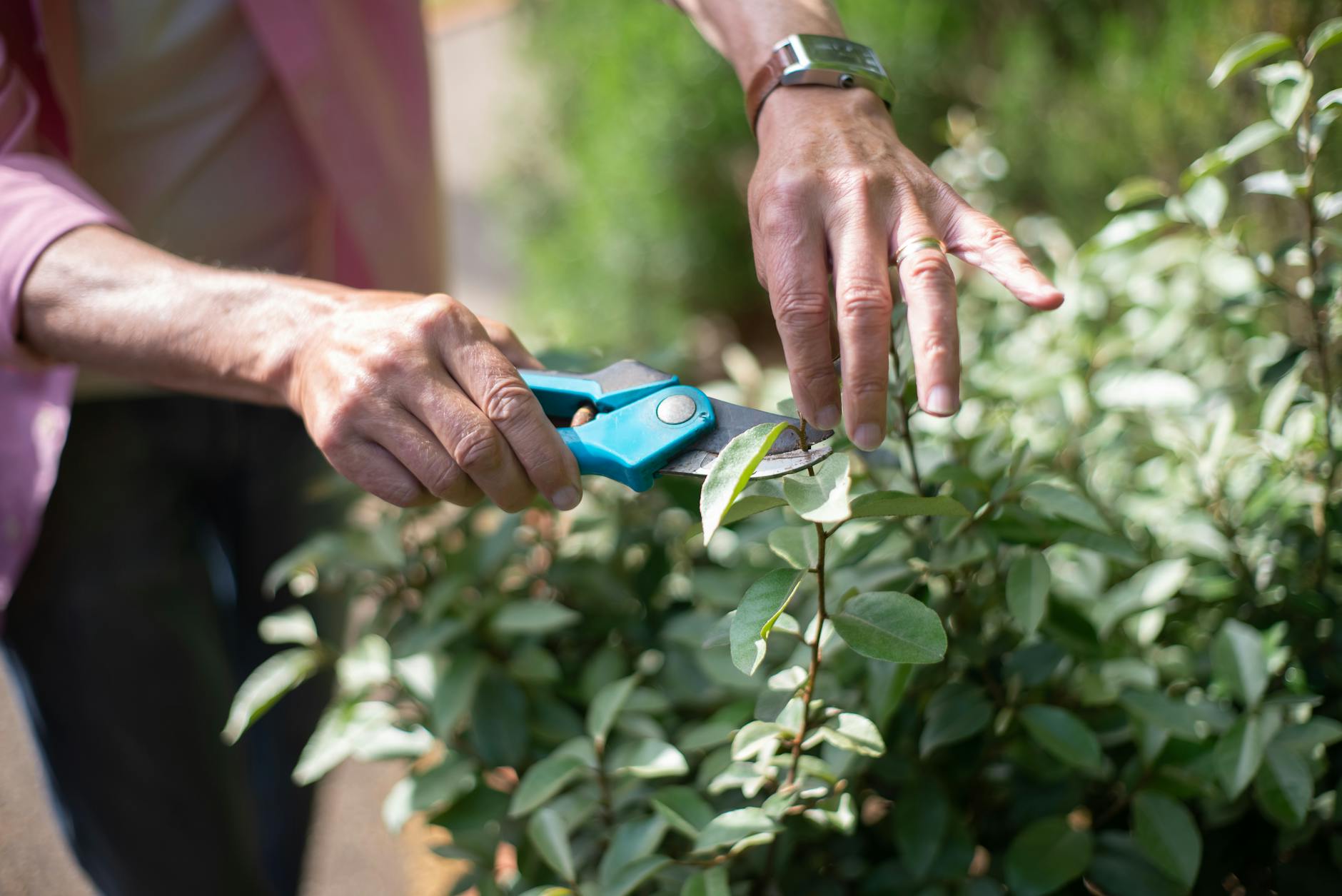
Once you've given those struggling roots a fighting chance with better soil, the next step is often the one that fills people with the most trepidation: pruning. I get it, the idea of taking secateurs to a plant you're trying to save can feel counter-intuitive, almost like you're hurting it more. But let me tell you, when done thoughtfully and with purpose, pruning is like hitting the reset button for your established shrubs here in the UK. It’s not just about hacking away; it’s about strategic cuts that direct the plant’s energy where it’s needed most for renewal.
I’ve learned this the hard way. When I first moved into my Midlands home and started tackling the overgrown foundation shrubs, I just went for it with a hedge trimmer, thinking 'less is more'. Big mistake! I ended up with dense, woody stumps on some plants and lanky, weak growth on others. What I should have done, and what I now practice in my 800 sq ft garden, is a more considered approach that balances removal with encouragement.
The key to smart pruning for revival is to reduce the demand on the struggling root system while encouraging strong, new growth. Think of it this way: if the roots are barely coping, they can't support a huge canopy of old, weak branches. Taking some of that top growth off allows the roots to concentrate their energy into fewer, healthier shoots.
Types of Pruning for Revival in UK Conditions
When I'm looking at a struggling shrub, especially after a particularly harsh British winter, I consider a few key pruning techniques:
- Removal of the 3 Ds (Dead, Damaged, Diseased): This is always step one. Any wood that's clearly dead, snapped by wind (a common occurrence here in the Midlands!), or showing signs of disease needs to go. This prevents disease spread and frees up energy. I remember a particularly nasty case of honey fungus on an old Photinia, where removing the affected branches immediately was crucial.
- Thinning: This involves removing entire branches from the base or where they originate, to open up the canopy. This improves air circulation (vital to prevent fungal issues in our damp UK climate) and allows more light to penetrate, stimulating new growth from within. I've done this extensively on my overcrowded Viburnum tinus, which was becoming a dense, mildew magnet.
- Shaping & Size Reduction: For shrubs that have outgrown their space or become leggy, strategic cuts can bring them back into line. I usually aim to remove no more than 25-30% of the shrub's total mass in one go, especially for stressed plants. For more drastic renovation, it’s often better to spread it over two or three years.
- Renewal Pruning: For very overgrown or unproductive deciduous shrubs, this can be quite aggressive. It involves cutting back all stems to a few inches from the ground, encouraging a flush of new growth. I've successfully done this with an old Forsythia at the back of my garden which hadn't bloomed properly in years, and it came back with fantastic vigour. Just make sure your shrub can handle it – not all respond well to such drastic measures!
Here’s a quick guide I use in my UK garden for different pruning approaches:
| Pruning Approach | When to Use (UK Timing) | What it Does | My Experience (Randy's Tip) |
|---|---|---|---|
| Deadheading | After flowering (specific to plant) | Encourages re-bloom, prevents seed set, tidies. | Essential for roses and many perennials, but less critical for foundation shrubs unless aesthetics are paramount. |
| Tip Pruning / Pinching | Throughout growing season | Encourages bushiness, denser growth. | Great for young shrubs or herbs like basil to create a fuller shape early on. |
| Thinning | Late winter/early spring (before new growth) | Improves air circulation, light penetration, removes weak growth. | My go-to for dense evergreens like Laurel or Viburnum to reduce disease risk in damp UK weather. |
| Reduction Pruning | Late winter/early spring (for deciduous shrubs) | Reduces overall size, maintains shape. | For shrubs that are encroaching on paths or windows; aim for outer branches first. |
| Renewal Pruning | Late winter/early spring (dormant, before bud break) | Rejuvenates old, woody shrubs by encouraging new growth from base. | Only for specific shrubs (e.g., Forsythia, Dogwood, some Spiraea). Check species first! I learned this with a misidentified shrub. |
| Rejuvenation Pruning | Over 2-3 years, starting late winter/early spring | Gradual renewal for very overgrown shrubs. | A safer bet for most established, struggling shrubs. Take a third of the oldest stems each year. |
Don't Forget the Roots (Again!)
While you're pruning the top, remember the roots. If you did the soil improvement work I talked about earlier, you've already helped them. But sometimes, when I'm dealing with a severely root-bound shrub, I'll even consider a little root pruning – though this is for the brave and experienced. I once did this on an old Boxwood that was refusing to thrive; carefully digging a trench around it and severing some of the circling roots. It's a risk, but for a plant that's otherwise doomed, it can be a last resort. Always combine this with significant top pruning to balance the shock.
The main takeaway here is: be brave, but be informed. Use sharp, clean tools. Make clean cuts. And always consider the plant's natural shape and growth habit. You're not just cutting; you're guiding it towards a healthier future.
Long-Term Health: Sustainable Watering, Feeding, and Pest Management
Reviving an established shrub isn't a one-and-done job; it's the start of a new, healthier relationship. Think of it like a long-term commitment! Once you've improved the soil and pruned with purpose, the ongoing care you provide is crucial for maintaining that renewed vigour, especially with our notoriously fickle British weather. In my 5+ years of intensive gardening, I’ve learned that consistency and observation are key.
Sustainable Watering: Less is Often More
Here in the UK, we often get enough rainfall, but don't be fooled! Short, frequent showers often don't penetrate deeply enough to benefit established shrubs. What I’ve found works best for my foundation plants, particularly during those dry spells we seem to get more of in the Midlands these days, is deep, infrequent watering.
- Deep Watering: When I water, I aim to soak the soil to a depth of at least 12-18 inches (30-45 cm). This encourages the roots to grow downwards, seeking out moisture, which makes the plant more drought-tolerant in the long run. I use a soaker hose around my larger shrubs, letting it run for a good hour or two.
- Infrequent Watering: I usually only water my established shrubs once a week, or even less, depending on rainfall and temperature. I always check the soil moisture first by sticking my finger in about 2-3 inches deep. If it feels dry, it's time to water. One mistake I made early on was watering everything on a schedule, rather than checking individual needs, which led to some plants being overwatered and others still thirsty.
- Mulch, Mulch, Mulch: I can't stress this enough! A good 2-3 inch layer of organic mulch (like wood chips or well-rotted compost) around the base of your shrubs is a game-changer. It dramatically reduces water evaporation, keeps soil temperatures more stable, and suppresses weeds – all vital for conserving moisture in our UK climate.

Feeding for Sustained Growth
After the initial soil improvements, you might not need to feed your shrubs heavily. Remember, the goal is to build healthy soil that naturally provides nutrients. Over-feeding, especially with high-nitrogen fertilisers, can lead to soft, sappy growth that's more susceptible to pests and diseases.
- Organic First: My preferred method is to top-dress with a fresh layer of well-rotted compost or leaf mould every spring. This slowly releases nutrients as it breaks down, enriching the soil food web. I also make my own compost tea from time to time, which I use as a liquid feed for a gentle boost.
- Slow-Release Options: If your soil is particularly poor, or you want a bit more of a kick, a balanced, slow-release granular fertiliser (like a 'general purpose' one with an NPK ratio around 5-5-5) applied in early spring can be beneficial. Always follow the manufacturer's instructions, and never apply more than recommended.
- Timing is Key: I generally feed my foundation shrubs in early spring, just as new growth is starting. I avoid feeding late in the season (after mid-summer here in the UK) as it can encourage soft growth that won't harden off before winter, making it vulnerable to frost damage.
Proactive Pest and Disease Management
A healthy, well-cared-for shrub is naturally more resilient to pests and diseases. This has been a huge lesson for me in my own garden; prevention really is better than cure.
- Regular Inspection: This is my number one tip. I take a stroll around my garden almost every morning, coffee in hand, just observing. Catching problems early, like a few aphids on new growth or the first signs of powdery mildew, makes them much easier to manage.
- Good Housekeeping: Clearing away fallen leaves and plant debris, especially in autumn, helps to break the life cycle of many pests and fungal diseases. It also provides excellent material for my compost heap!
- Organic Solutions: For common UK pests like aphids, a strong blast of water from the hose or a spray of insecticidal soap (just a few drops of washing-up liquid in water) usually does the trick. For slugs and snails, which are a constant battle in the Midlands, I use a combination of beer traps and hand-picking. For fungal issues, ensuring good air circulation through pruning (as discussed!) is vital.
- Embrace Biodiversity: Encouraging beneficial insects like ladybirds and hoverflies (which feast on aphids) is a cornerstone of my pest management strategy. I do this by planting a diverse range of flowering plants, especially those with small flowers, near my shrubs.
By adopting these sustainable practices, you're not just maintaining your shrubs; you're fostering a thriving, resilient ecosystem around your home. It’s a rewarding journey, seeing your plants go from struggling to truly flourishing.
A New Lease on Life: Enjoying Your Rejuvenated Foundation Shrubs (Conclusion)
And there you have it, fellow gardeners! We've journeyed through the entire process of breathing new life into those tired, established foundation shrubs. From learning to truly see the signs of stress, to understanding the underlying issues of root competition and depleted soil, then getting our hands dirty with practical soil improvements, and finally, using smart pruning and sustainable long-term care – it's been quite the undertaking.
I remember staring at my own neglected shrubs when I first moved into my 800 sq ft garden in the Midlands. They looked sad, spindly, and frankly, a bit depressing. As a former IT worker, I used to think of problems in terms of code and algorithms. But gardening taught me a different kind of problem-solving – one that's tactile, intuitive, and deeply connected to nature. It’s about observation, patience, and a willingness to experiment (and sometimes fail!) in our unpredictable British climate.
The satisfaction of seeing those once-struggling plants burst forth with vibrant new growth, healthy foliage, and even a profusion of blooms or berries, is truly immense. It’s not just about aesthetics; it’s about creating a healthier, more resilient garden that supports local wildlife and brings joy to your everyday life. My revived shrubs now provide shelter for the little wrens that visit my garden, and the berries on my Pyracantha are a lifeline for birds in winter.
This whole process has reinforced for me that gardening isn’t about instant gratification; it’s about a continuous, rewarding dialogue with nature. Every plant has a story, and sometimes, with a bit of effort and understanding, you can help them write a vibrant new chapter.
So, if you’ve got those forlorn-looking shrubs lurking around your UK home, don't despair! Take these steps, be patient, and trust in the incredible resilience of plants. I promise you, the effort is worth it. You’ll not only revive your shrubs but also deepen your connection to your garden and the natural world around you.
Have you tackled a similar project in your UK garden? What were your biggest challenges or triumphs? I'd love to hear your stories in the comments below – we're all learning from each other here! Happy gardening!