Introduction: Don't Bin Them! Rejuvenating Forced Bulbs for Your UK Garden
Right, let's be honest. When those gorgeous forced hyacinths, daffodils, and tulips start to fade after their spectacular indoor show, there's a little part of every gardener that feels a pang of guilt. You've enjoyed their vibrant colours and heady scents, brightening up those dreary late winter days here in Britain, but then... what? For years, I admit, I used to just bin them. It felt wasteful, but I figured they were "spent," their energy used up, ready for the compost heap. What a mistake that was!
When I first started gardening five years ago here in the UK Midlands, I made plenty of blunders – everything from overwatering my tomatoes to planting tender herbs out too early for our unpredictable British spring. But one of my biggest breakthroughs came when I realised that those seemingly "spent" bulbs aren't done for. Not by a long shot! With a bit of love, patience, and the right care tailored for our UK climate, you can absolutely get those beauties to re-bloom outdoors in your garden. Think of it as giving them a second chance, a well-deserved retirement in the open ground after their hard work indoors.
I’ve had incredible success over the last three seasons, transforming my windowsill hyacinths into hardy garden residents and getting my 'Tête-à-tête' daffodils to pop up year after year in the borders of my 800 sq ft backyard. It’s incredibly satisfying, saves money, and honestly, it just feels right to extend the life of something so beautiful. This isn't just about saving a few quid; it's about connecting with the natural cycles of your plants and making the most of every bit of life in your garden. So, grab a cuppa, and let's dive into how you can give your hyacinths, daffodils, and tulips a glorious second life in your own UK garden.
Immediate Aftercare: Nurturing Your Bulbs After the Show
So, your forced bulbs have done their bit. The vibrant petals are starting to shrivel, and the fragrance has faded. This is the absolute critical moment for their future success! The immediate aftercare sets the stage for whether they’ll thrive outdoors or simply dwindle. In my UK garden, I’ve found that acting quickly and correctly here makes all the difference.
First things first: resist the urge to cut off the foliage! I know, it looks a bit messy, and your impulse might be to tidy it up, especially if they’re still sitting on a prominent windowsill. One mistake I made early on was trimming the yellowing leaves too soon, thinking I was helping the plant. I quickly learned that those green leaves, even as they start to fade, are vital. They’re busy photosynthesising, drawing energy from the light, and converting it into sugars that get stored back down in the bulb. This energy is what the bulb will use to form next year's flower bud. If you cut the leaves too early, you’re essentially starving the bulb of its essential food supply.
So, once the flowers are spent, I snip off just the flower stalk itself right at its base, preventing the plant from wasting energy trying to produce seeds. Then, I move the potted bulb to a less prominent spot in my house – often a cool, bright windowsill in a spare room, or if the weather is mild enough here in the Midlands, a sheltered spot in my unheated greenhouse porch. The key is to keep them in a place where they get plenty of indirect light, but not scorching direct sun, and where temperatures are cooler than your main living areas. This helps to simulate their natural outdoor transition.
Continue to water them, but reduce the frequency. The soil should be kept lightly moist, not waterlogged, as wet feet can lead to rot, especially in cooler conditions. I usually water about once a week, letting the top inch or two of soil dry out between waterings. And here’s a tip I swear by: feed them! While they're still actively green, I give them a half-strength liquid feed every two weeks. I often use a general-purpose tomato feed (something like a high-potassium formula, often 4-2-8 or similar NPK) because the potassium helps with flower formation and overall bulb health. This extra boost helps them pack away as much energy as possible.

Tailoring Care: Hyacinths, Daffodils, and Tulips – What Each Needs
While the general principles of aftercare apply to all forced bulbs, I've learned through trial and error in my UK garden that each type has its own quirks and preferences. What works beautifully for a daffodil might leave a hyacinth struggling. Understanding these differences is key to their successful re-establishment outdoors.
Hyacinths: Oh, the glorious scent of a hyacinth! These are often the trickiest of the bunch to get to re-bloom reliably year after year in our British climate, especially after being forced. They tend to be a bit more temperamental. After removing the spent flower stalk, I keep my hyacinths in their pots, continuing to water and feed them as described above until the foliage naturally dies back to a crispy yellow. This usually happens a bit quicker than with daffodils. When it's time to plant them out, they really appreciate a sunny, well-drained spot. Here in my Midlands garden, where we can get some heavy clay, I always amend the planting hole with plenty of grit or sharp sand to ensure excellent drainage. They don't like sitting in wet soil, particularly over our often damp UK winters. I usually plant them deeper than they were in the pot, about 10-15cm (4-6 inches) deep. Don’t expect a show-stopping display the very next spring; they often take a year or two to "recharge" and might produce smaller, looser flower spikes initially. But trust me, the occasional success with a 'Pink Surprise' hyacinth popping up again is incredibly rewarding!
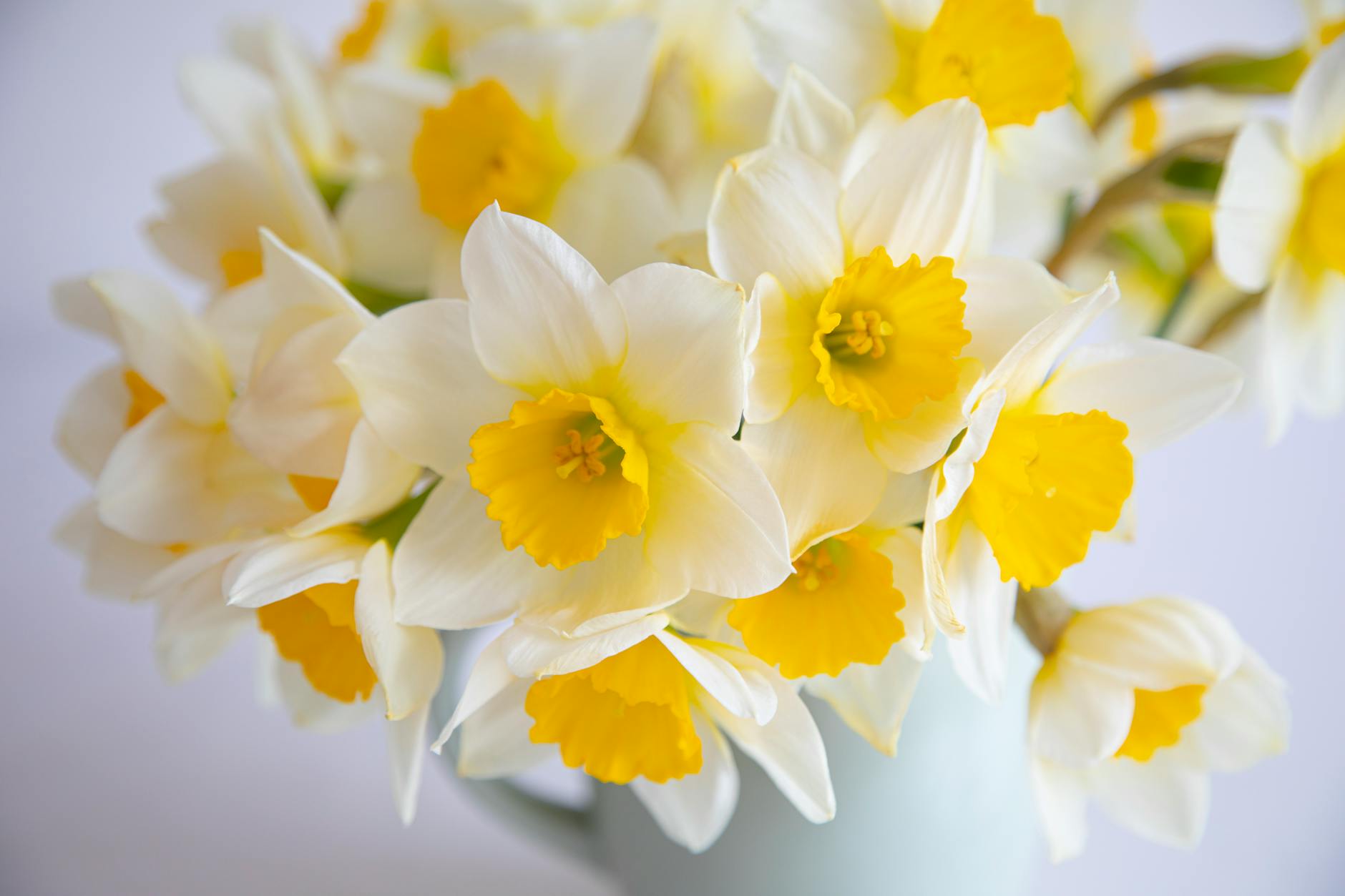
Daffodils: These are, hands down, the easiest and most reliable forced bulbs to get to re-bloom outdoors. They are incredibly robust and forgiving, making them a fantastic choice for a beginner's re-blooming project. My 'Tête-à-tête' daffodils, after being forced indoors, have naturalised beautifully in a sunny spot under a deciduous tree in my garden. I treat them exactly like the hyacinths in terms of aftercare – snip the flower stalk, keep watering and feeding until the foliage dies back. When it comes to planting out, daffodils are less fussy about soil type than hyacinths, but still appreciate good drainage. I plant them about 15-20cm (6-8 inches) deep, usually in late summer or early autumn, once the bulbs have had a good rest. They are much more likely to flower the very next spring and will often multiply over the years, giving you an ever-increasing display. Just be mindful of late frosts here in the UK; sometimes early daffodil shoots can get nipped, but they usually bounce back.
Tulips: Tulips are a mixed bag for re-blooming after forcing. Some varieties, especially species tulips or sturdy Darwin Hybrids, can re-bloom for a few years, but many of the fancier, highly bred varieties tend to be treated more like annuals, even when planted directly outdoors. However, I’ve had decent luck with some of my 'Apricot Beauty' tulips. The key with tulips, both forced and unforced, is impeccable drainage. They absolutely despise wet feet, which can lead to rot faster than you can say "blight." After the flowers fade, I follow the same aftercare routine: snip the flower, water, and feed until the foliage yellows and dies. When planting them out, I aim for a very sunny, sheltered spot with extremely sharp drainage. If your soil is heavy, like parts of mine, consider planting them in raised beds or adding a significant amount of grit and sand. I plant them about 15cm (6 inches) deep. In my experience here in Britain, they might re-bloom for a year or two, but often the flowers become smaller. If they don't re-bloom, don't despair; you gave them a chance!
To help you keep track, here’s a quick comparison of what I've found works best for each in a UK garden:
| Bulb Type | Re-bloom Potential (UK Garden) | Key Aftercare Differences (Randy's Tips) | Ideal Outdoor Spot (UK Soil/Light) | Challenges in UK Climate (Randy's Experience) |
|---|---|---|---|---|
| Hyacinth | Moderate; often takes 1-2 years to recover, smaller flowers initially. | Crucial to let foliage fully die back. Feed well. | Full sun, excellent drainage (add grit!). | Wet UK winters can cause rot; slow to re-establish. |
| Daffodil | High; very reliable, often flowers next spring, naturalises well. | Most forgiving. Continue watering until leaves are completely gone. | Full sun to partial shade, good drainage. | Early shoots can get hit by late frosts but usually recover. |
| Tulip | Variable (medium); species/sturdier cultivars do best, often degrade over years. | Absolutely vital to prevent waterlogging. | Full sun, very sharp drainage (raised bed ideal). | Highly susceptible to rot in our damp winters; can attract slugs. |
Preparing for Dormancy: Drying, Cleaning, and Storing Your Bulbs
Once the foliage has completely died back – I mean completely, not just yellowing, but crispy brown and easily pulled away – your bulbs are ready for their next stage: dormancy. This is a crucial rest period that mimics what they'd experience naturally in the ground during summer, allowing them to consolidate energy and prepare for the next growing cycle. Getting this right is paramount, especially in our often damp UK climate.
When the leaves are thoroughly spent, I carefully lift the bulbs from their pots. I gently brush off any loose soil, being careful not to damage the bulb itself. At this point, I also remove any remaining dried foliage and any loose, papery outer tunics that might be harbouring pests or diseases. This is where I've learned to be ruthless: if a bulb feels soft, squishy, or shows any signs of mould or disease, I bin it immediately. Trust me, trying to save a diseased bulb will only lead to disappointment and potentially spread problems to your healthy stock. It's a tough call sometimes, but prevention is always better than cure in the garden.
Once clean, the bulbs need to be thoroughly dried. This is vital to prevent rot during storage, which is a big concern with our UK humidity. I spread them out in a single layer on newspaper or an old seed tray in a warm, dry, and well-ventilated spot. My unheated greenhouse is perfect for this during the summer months, but a shed or even a sunny windowsill indoors will work. I let them dry for about a week or two, until they feel firm and completely dry to the touch. This process hardens them off for storage.
For storage, I use old onion nets, mesh bags, or even paper bags. Plastic bags are a no-go as they trap moisture and encourage mould. The key is good air circulation. I store them in a cool, dark, and dry place. My greenhouse is generally too warm in the height of summer, so I use a corner of my shed or a cool, dry cupboard indoors. Temperature stability is important; avoid places with wild temperature fluctuations.
And a final, critical tip that I learned the hard way: always, always label your bulbs! Trust me, a year later you won't remember if that particular batch of dried-up bulbs was a 'Delft Blue' hyacinth or a 'Dutch Master' daffodil. A simple label with the bulb type and perhaps the original flowering year will save you a lot of head-scratching next spring.

5. Planting Out: Giving Your Bulbs a Second Life in the Garden
Right, you’ve nursed them through their post-bloom exhaustion, dried them off, and tucked them away. Now comes the truly exciting part: getting them back into the proper soil! This is where they really get a shot at becoming a long-term fixture in your UK garden, not just a fleeting indoor fancy.
When to Plant for UK Conditions
Here in the Midlands, the absolute best time for planting these rejuvenated bulbs outdoors is during autumn – think late September right through to November. You want the soil to be cooling down, but still workable before the really hard frosts set in. I've found that aiming for October is often a sweet spot; the ground still holds some residual warmth, but it's cool enough to signal to the bulbs that it's time to settle in for winter. Planting too early can sometimes encourage premature growth if we get an unseasonably warm spell, and too late means they might struggle to establish before the ground freezes solid.
Where to Plant Them: Site Selection is Key!
This is crucial for success, especially with our often damp British weather. All three – hyacinths, daffodils, and tulips – absolutely demand well-drained soil. If you've got heavy clay like I do in parts of my 800 sq ft garden (a common challenge here in the UK Midlands!), you'll need to amend it. I always dig in plenty of horticultural grit and well-rotted compost to improve drainage. One year, I got a bit lazy and planted some daffodils in a spot I knew was prone to getting a bit waterlogged after heavy rain. They never really thrived and eventually rotted – a hard lesson learned!
Aim for a spot that gets at least 6 hours of direct sunlight in spring, though a little partial shade later in the day won't hurt, especially for tulips which can sometimes 'burn' in intense afternoon sun. Think about where they'll look good when they eventually re-bloom – perhaps tucked into a border, under deciduous trees, or naturalised in a grassy area.

How to Plant Your Second-Chance Bulbs
Okay, soil prepped, spot chosen. Now for the actual planting!
- Digging the Holes: The general rule of thumb for bulb planting is to dig a hole about three times as deep as the bulb's height. So, if your daffodil bulb is 5cm tall, dig a 15cm deep hole. I usually just eyeball it once I've done a few, but a small ruler can be handy if you're new to it.
- Spacing: Give them some room to breathe! For a natural look, I like to plant them in drifts rather than neat rows. Space daffodils and tulips about 10-15cm apart, and hyacinths a little closer, maybe 8-10cm. This also helps with air circulation once they're growing, which can be important in our humid springs.
- Orientation: Always plant with the pointed end facing upwards. This is where the shoot will emerge. If you can't quite tell which end is up (it happens, especially with some tulip varieties!), just plant it on its side, nature usually finds a way!
- Backfill & Water: Gently backfill the hole with your amended soil, lightly firming it around the bulb. Then, give them a good, deep water immediately after planting. This helps settle the soil and kick-starts root growth. Even if it's raining, I still give them a drink – it ensures moisture directly around the bulb.
6. Ongoing Care & Re-bloom Expectations: From Pot to Perennial Patch
You've given them a second chance, now it's about nurturing them through their first outdoor winter and beyond. This is where the patience and observation of a true UK gardener come into play.
Overwintering and Spring Growth
Once planted, your bulbs need to experience a proper cold winter. This period of chilling (called vernalisation) is absolutely essential for them to flower again. Our British winters, even here in the milder Midlands, are usually perfect for this! Don't worry about them during the cold months – they're doing exactly what they should be, establishing roots and getting ready for spring.
As spring approaches, usually from February onwards in my garden, you’ll start to see those first green shoots emerge. This is such a rewarding sight after all your effort! Once they've poked through, I like to give them a feed. I typically use a balanced slow-release fertiliser or, surprisingly, a tomato feed (something like a 5-5-10 NPK) at half strength. I know, "tomato food for flowers?" but it's high in potassium, which is fantastic for encouraging strong flower development and root health, and it's something I always have to hand for my greenhouse tomatoes!
Post-Bloom Care: The Unsung Heroes
Just like when they were indoors, the care after flowering is paramount for future re-blooming.
- Deadheading: Once the flowers fade, snip off the spent flower heads. For hyacinths and tulips, I just pinch off the top of the stem where the flower was. For daffodils, I remove the whole stem down to the base. The crucial bit here is to prevent the plant from putting energy into producing seeds. We want all that energy directed back into the bulb for next year.
- Let the Foliage Die Back Naturally: This is arguably the most important step for future re-blooming, and one I sometimes rushed when I first started gardening! Resist the urge to cut back the leaves until they have completely yellowed and withered. This process allows the leaves to photosynthesise, creating sugars and energy that are then stored back in the bulb for the following year's display. Forcing bulbs have already had a tough time, so they need every bit of energy they can get. This usually means leaving the foliage for 6-8 weeks after flowering. Yes, it can look a bit untidy, but it's worth it!
Long-Term Expectations & What to Expect from Re-bloom
Now, let's be honest about expectations. Forced bulbs, having been put through the wringer once, might not re-bloom with the same vigour or size as a freshly bought, purpose-grown garden bulb. Hyacinths, in particular, often revert to a looser, less dense flower spike, and can sometimes even be a bit shy with their re-bloom for a year or two. Daffodils tend to be the most reliable re-bloomers, often settling in happily and even multiplying over time. Tulips are a bit more temperamental; some varieties are fantastic perennialisers, while others might give you one or two good years before fading away.
Here's a quick comparison based on what I've seen in my UK garden:
| Bulb Type | Re-bloom Likelihood (UK) | Key Care Notes (UK) | Common Challenges (UK) | Randy's Experience |
|---|---|---|---|---|
| Hyacinth | Moderate to Low | Needs very good drainage; deadhead carefully; ensure full sun. | Reverts to looser, smaller flowers; sometimes skips a year. | My first batch struggled, but some now give a modest show. |
| Daffodil | High | Most reliable re-bloomers; tolerates some shade; feed after flowering. | Can get congested over time; less vigorous than purpose-grown. | Almost always re-bloom, often multiply in my beds! |
| Tulip | Moderate | Excellent drainage is paramount; needs full sun; some varieties are better. | Can be short-lived; prone to squirrel/rodent damage; 'nose-diving' into soil. | Hit or miss; some 'Darwin Hybrids' do well, others fade. |
The key takeaway is that you're aiming for a pleasant surprise, a bonus bloom, rather than a guaranteed showstopper. For me, the sheer satisfaction of seeing something I was going to bin burst into life again is reward enough!
7. Conclusion: Sustainable Gardening with Rejuvenated Forced Bulbs
There you have it – the full journey from a pampered indoor pot plant to a resilient outdoor perennial. Who knew that little bulb you bought for a splash of winter colour had such tenacity, eh?
What we've explored together is more than just a set of instructions; it's a philosophy of sustainable gardening. Instead of seeing these spent forced bulbs as single-use decorations, we've learned to appreciate their potential for a second, even third, life. It's about reducing waste, saving a few quid, and most importantly, connecting more deeply with the natural cycles of your garden.
I've learned so much over my five years of intensive gardening here in the UK Midlands, often through trial and error, soggy patches, and battling our famously unpredictable British weather. But one of the most consistently rewarding practices has been giving these little guys a second chance. My greenhouse is packed with heirloom tomatoes, my raised beds are bursting with veg, but seeing those familiar daffodil trumpets or the vibrant hues of a tulip, knowing they were once destined for the bin, brings a unique kind of joy.
So, next time you're faced with a fading forced bulb, don't just toss it. Follow these steps, give it a bit of Randy's love, and plant it out in your UK garden. You might just be surprised by the beautiful, sustainable reward waiting for you next spring. It’s a small step, but it’s one that makes your garden, and your gardening practice, a little bit richer.
I'd love to hear about your successes – or even your challenges – with rejuvenating forced bulbs. Happy gardening, and here's to many more re-blooms!