Introduction: The Frustration of Forked Carrots in UK Gardens
Oh, the joy of pulling up a carrot! That moment of anticipation, the earthy smell, the vibrant colour… and then, the familiar thud of disappointment as you unearth a gnarly, multi-legged root that looks more like a startled octopus than a straight, elegant carrot. Sound familiar? If you're a UK home gardener, especially here in the Midlands with our often-challenging soils, I bet it does. I've been there, more times than I care to admit! For years, my carrot harvests were a testament to my ignorance, a collection of bizarrely shaped specimens that were perfectly edible, sure, but a nightmare to peel and a blow to my gardening ego.
When I first started gardening five years ago, after swapping my IT desk for a trowel, carrots felt like such a simple crop. "Just stick them in the ground!" I thought. How naive I was! My 800 sq ft backyard, packed with raised beds and a greenhouse, became my personal laboratory, and those first few seasons of growing carrots like 'Autumn King' and 'Paris Market' were a masterclass in failure. I'd religiously sow my seeds, tend them carefully, and then come harvest time, I'd face the same frustrating riddle: why were my carrots always forked? It felt like a mystery wrapped in an enigma, buried in my soil.
But after countless experiments, a fair few mistakes (oh, the heavy clay soil woes!), and a deep dive into what makes carrots tick, I've finally cracked the code. There's nothing quite as satisfying as pulling up a truly perfect, straight carrot from your own British soil, is there? It’s not about magic; it's about understanding your soil and giving those developing roots exactly what they need. And trust me, if I, a former desk jockey, can figure this out in my sometimes-unpredictable UK garden, you absolutely can too. So, let's solve this mystery together and banish those wonky roots for good!
Unmasking the Culprits: Why Your Carrots Fork – Common UK Soil Issues
So, what exactly causes those beautiful, eager carrot roots to twist, split, and fork into all sorts of peculiar shapes? It’s not malicious intent from the plant, I promise! It almost always boils down to what's happening beneath the surface, specifically with your soil. In my UK garden, I've seen first-hand how various soil conditions can lead to these frustrating outcomes. It's a delicate balance, and carrots, bless their hearts, are incredibly sensitive to anything that gets in their way.
One of the biggest culprits I've encountered, especially with the heavy clay patches we have here in the Midlands, is compaction. Imagine trying to push a soft, tender root through concrete – it's just not going to happen smoothly, is it? The root hits resistance and tries to find the path of least resistance, often splitting or branching off. Last season, I had a raised bed that I hadn't properly loosened, thinking a quick rake would do, and my 'Nantes' carrots were a disaster of stubby, multi-pronged roots. Lesson learned!
Another major factor is obstacles. Stones, old bits of root, even clumps of un-decomposed organic matter can all act as roadblocks. Carrots want to grow downwards, straight and true. If they encounter something solid, they'll either stop, or they'll try to grow around it, resulting in that classic forked appearance. I've pulled up carrots with pebbles perfectly embedded between their 'legs' – a clear sign of this issue! And don't even get me started on impatient applications of fresh manure, which can burn delicate root tips or create pockets of uneven nutrients.
Here's a breakdown of the most common reasons your carrots might be forking, based on my own trials and tribulations in my UK garden:
| Culprit | Description & Impact on Carrots | My UK Garden Experience & Solution |
|---|---|---|
| Soil Compaction | Soil that is too dense, heavy, or has been walked on. Young carrot roots struggle to penetrate the packed earth, leading them to split or branch off in search of easier paths. This is particularly prevalent in heavy clay soils common in parts of the UK if not properly amended. | This was my biggest early mistake! My initial beds had underlying compacted soil. I now always double-dig or broadfork my carrot beds deeply. If I'm using a raised bed, I ensure I never step in it, and always incorporate plenty of compost and grit to keep it open. I found 'Amsterdam Forcing' struggled badly in even slightly compacted soil, whereas 'Chantenay Red Core' was a little more forgiving, but still forked. |
| Physical Obstacles | Stones, rocks, large clumps of un-rotted organic matter, or even old plant roots in the soil. The developing taproot hits these obstructions and is forced to grow around them, causing it to split into multiple "legs." | Oh, the number of pebbles I've found perfectly wedged in a forked carrot! When prepping my carrot beds here in the Midlands, I meticulously remove every stone I can find, especially after digging. I also ensure any compost or manure I add is very well-rotted and finely sieved if needed. One year, I didn't clear out some old perennial roots well enough, and my 'Early Nantes' carrots grew right around them, resulting in some truly bizarre shapes. |
| Nutrient Imbalance | Specifically, too much fresh organic matter or nitrogen-rich fertilisers applied just before sowing. This can 'burn' the delicate root tip, or encourage excessive leafy growth at the expense of root development. The damaged tip then tries to repair itself by growing new, multiple roots. | I learned this the hard way with a generous application of fresh chicken manure one spring! My carrots were bushy but had tiny, forked roots with a "hairy" appearance. Now, I only ever use well-rotted compost or manure (aged for at least 6-12 months) for my carrot beds, incorporated well in advance. I focus on balanced soil rather than quick nitrogen boosts. |
| Pest Damage | Less common for forking, but root fly larvae or other soil pests can damage the primary root tip. This damage can sometimes lead to the root trying to regenerate, resulting in a forked appearance as it branches out from the injured area. | While not my primary cause of forking, I've had issues with carrot root fly in my UK garden. I always use fleece barriers over my carrot beds from sowing onwards to prevent the adult flies from laying eggs. Healthy soil and strong plants are generally more resilient, but prevention is key here. The forking from pest damage tends to be less symmetrical than from physical obstacles, often looking more like a damaged, then re-grown, root. |
Understanding these culprits is the first step. For me, knowing why my carrots were misbehaving allowed me to stop making the same mistakes and start focusing on creating the ideal environment. It’s all about giving that tiny taproot a clear, unhindered path downwards.
Crafting the Perfect Home: Preparing Deep, Loose, and Stone-Free Soil
Once you understand why your carrots are forking, the solution becomes clear: give them an easy, comfortable path to grow long and straight! This is where the real work, and the real satisfaction, comes in. For me, preparing the carrot bed is one of the most crucial steps, and it's a task I now approach with almost surgical precision in my Midlands garden.
Carrots are taproots; they want to drive straight down. This means they need soil that is consistently deep, wonderfully loose, and completely free of any obstructions. Think of it like building a super-highway for your carrots – no potholes, no traffic jams, just a smooth, open road.
My preferred method for carrot beds, especially for varieties like 'Amsterdam Forcing' or 'Autumn King' that can grow quite long, is to prepare the soil to a depth of at least 30-45cm (12-18 inches). Here’s my tried-and-tested approach:
Deep Digging (or Broadforking): If I'm starting a new bed or revitalising an old one, I'll either double-dig the area or use a broadfork. Double-digging involves removing the top spade's depth of soil, loosening the layer beneath it, and then replacing the topsoil. For established raised beds, I prefer a broadfork – it loosens the soil deeply without completely inverting the layers, which helps maintain soil structure and beneficial microbes. This is essential for breaking up any compaction, which is particularly stubborn in some of our UK clay soils.
Raking and Removing Obstacles: This is perhaps the most painstaking, but most rewarding, part. After deep digging, I go over the bed with a sturdy rake, breaking up any large clods of soil and, crucially, removing every single stone, twig, or old root fragment I can find. I literally get down on my hands and knees and sift through the top few inches with my fingers. Trust me, it's worth it! Even a small pebble can deflect a young carrot root. Last year, I spent a good hour clearing a 1m x 2m bed, and the resulting harvest of 'Flyaway' carrots was my best yet – perfectly straight.
Achieving a Fine Tilth: Once the soil is deep and free of major obstructions, I work to achieve a fine, crumbly texture – what gardeners call a "fine tilth." This means breaking down any remaining small clumps of soil into a uniform, almost sandy consistency. I use a rake and my hands to gently break up clods until the soil feels soft and airy. This is vital for germination and allows those tiny root hairs to penetrate easily.
No Compaction After Prep: Once the bed is prepared, I am absolutely militant about not stepping on it. I use planks to kneel on or work from the sides of my raised beds. Any weight on freshly loosened soil will compact it, undoing all your hard work!
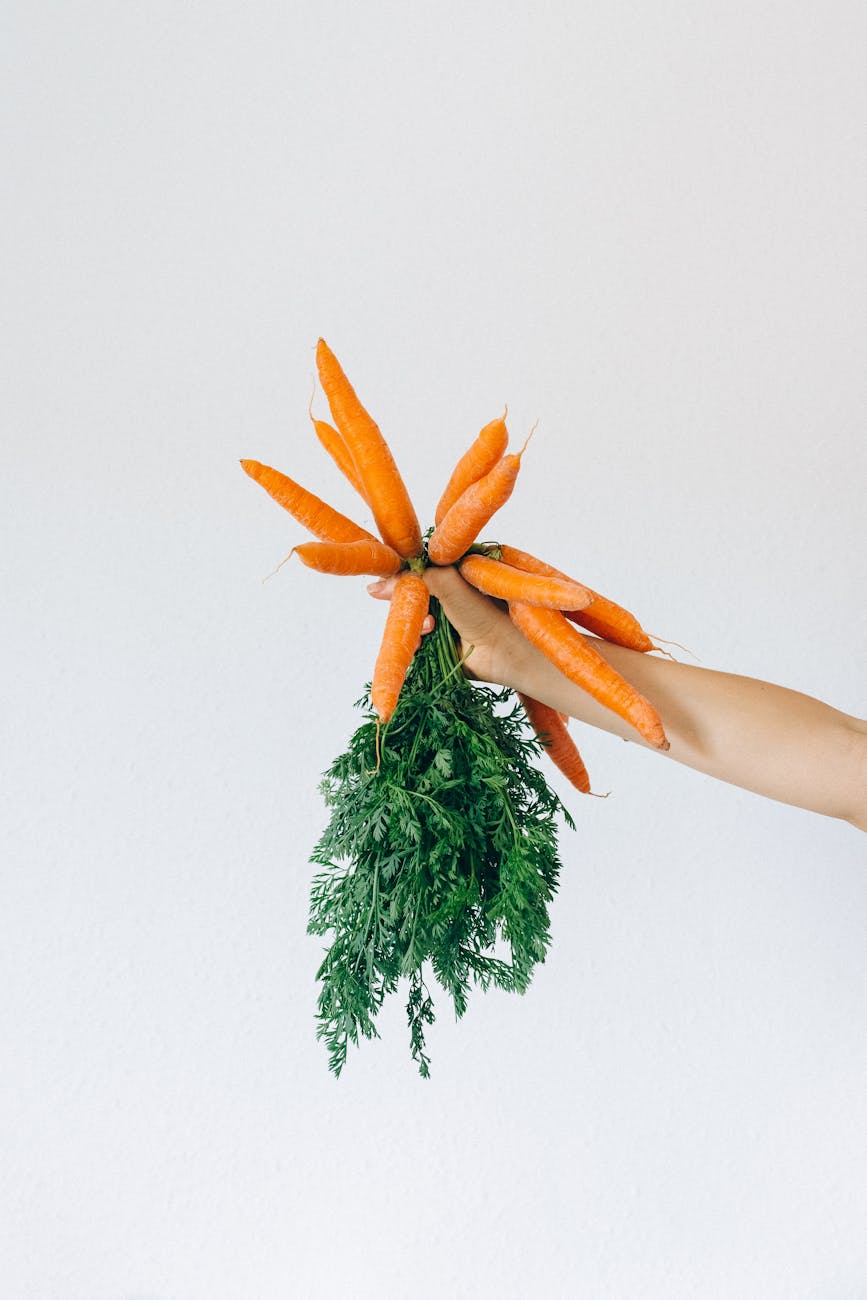
This careful preparation might sound like a lot of effort, but I promise you, it's the foundation for perfectly straight carrots. It sets them up for success from the very first moment that tiny taproot emerges.
Enriching Your Soil: Recommended Amendments for Optimal Carrot Growth
So, you've got your deep, loose, stone-free bed ready. Excellent! But that's only half the battle. Now, we need to make sure the soil is rich in the right nutrients and has the right texture to truly pamper those developing roots. This is where soil amendments come into play. It's not about throwing everything at it; it's about thoughtful, balanced enrichment, tailored for the specific needs of carrots in a UK climate.
Carrots generally prefer a soil that's not overly rich in nitrogen, as too much nitrogen encourages leafy top growth at the expense of root development, and can even lead to those "hairy" roots I mentioned earlier. What they really crave is well-drained soil with a good balance of phosphorus and potassium, which are crucial for root formation.
In my 800 sq ft Midlands garden, I've experimented with various amendments over the years, and I've found a few favourites that consistently deliver excellent results for my carrot harvests. The key is to incorporate them well in advance of sowing, giving them time to integrate into the soil structure and for any initial nutrient spikes to mellow out.
Here are the amendments I recommend for optimal carrot growth, along with my personal insights from growing them here in Britain:
| Amendment | Benefits for Carrots & UK Conditions | Randy's UK Garden Experience & Application Tips |
5. Precision Planting: Sowing Seeds and Thinning for Straight Success
Right, you’ve got that lovely, loose, stone-free bed ready to go – a real triumph, if I do say so myself! Now comes the moment of truth: getting those tiny carrot seeds into the ground. This isn't just about scattering them; it’s about precision, and it's where many a straight carrot dream has faltered for me in the past.
I’ve experimented with everything from seed tapes (convenient but sometimes a bit pricey for my scale) to pelleted seeds (great for handling, but germination can be slower in cooler UK soil). What I’ve found works best for my UK garden, especially here in the Midlands with our often unpredictable springs, is direct sowing good quality, open-pollinated seeds. My go-to varieties? I swear by 'Nantes Fréjus' for its reliable straightness and sweet flavour, and 'Autumn King 2' for a late-season harvest that stores brilliantly.
When I sow, I create shallow drills, about 1cm deep, using the edge of a hoe or a stick. The trick is to sow thinly. And I mean thinly. I aim for about 2-3 seeds per centimetre, knowing full well that not all will germinate, and I’ll be thinning heavily anyway. One mistake I made early on was sowing too thickly, thinking "more is better." It just makes thinning a nightmare and sets your carrots up for competition right from the start. After sowing, I gently cover the seeds with fine soil or a sprinkle of sieved compost, pat it down lightly, and then give it a very gentle water with a fine rose on my watering can to avoid disturbing those tiny seeds.
Germination can take anywhere from 10 days to three weeks, depending on the variety and, crucially, the soil temperature here in Britain. Be patient! Once those delicate little green shoots emerge, often looking like tiny blades of grass, that's when the real work of precision planting begins: thinning.
This is, hand on heart, one of the most important steps for achieving straight carrots. Those roots need space to develop unhindered. My personal rule of thumb is to thin in two stages. The first thinning happens when the seedlings are about 2-3 cm tall and have developed their first true leaves. I go through carefully, plucking out the weaker seedlings, aiming for about 2-3 cm between plants. This gives them a bit of breathing room.
The second, and final, thinning happens a few weeks later when they’re about 5-7 cm tall. This is where I get ruthless, aiming for a final spacing of 5-7 cm between each plant. For larger varieties like 'Autumn King', I might even go up to 10 cm. It feels brutal to pull out healthy seedlings, I know, but trust me, it’s for the greater good of those perfectly straight roots you’re dreaming of.
Randy's Top Thinning Tips for UK Carrots:
- Timing is Key: Thin when the soil is damp, ideally after rain or a good watering. This makes it easier to pull seedlings without disturbing the roots of their neighbours.
- Gentle Does It: Hold the seedling you want to keep with one hand, and gently pull the unwanted one with the other. Avoid tugging too hard.
- Mind the Carrot Fly: Thinning releases the scent of carrot, which attracts the dreaded carrot fly (a real pest in my UK garden!). I always try to thin on a still, overcast day, and I immediately cover the thinned area with horticultural fleece or net to mask the scent. I also pop any pulled seedlings straight into the compost bin, far away from the carrot patch.
- Don't Rush: This isn't a race. Take your time. A little extra care here pays off hugely at harvest.
6. Consistent Care: Watering, Weeding, and Ongoing Maintenance Tips
Once your carrots are thinned and growing, the focus shifts to consistent, gentle care. Our British weather can be a real rollercoaster, as we all know, so adapting your care routine to what the sky throws at you is essential.
Watering: The Golden Rule for Smooth Growth
Consistent moisture is non-negotiable for straight carrots. Erratic watering – periods of drought followed by a deluge – can cause roots to split or become fibrous, completely undoing all your hard soil prep. In my 800 sq ft Midlands garden, I've found that deep, infrequent watering is far better than shallow, frequent sprinkles.
When the weather is dry, especially during those glorious (and sometimes too dry!) summer spells we get, I aim to give my carrot beds a good, long soak every few days. I use a soaker hose beneath the fleece to deliver water directly to the root zone without disturbing the plants or encouraging weed seeds to germinate on the surface. If I’m hand watering, I use a fine rose on my watering can and water until the soil is moist to a depth of at least 15-20 cm. This encourages the roots to grow downwards, seeking that moisture, rather than spreading out sideways.
During periods of heavy rain, which is, let's face it, a common occurrence here in the UK, I ease off the watering. But even then, if we have a week of drizzle rather than a proper downpour, I'll still check the soil. Sometimes the top few inches are wet, but deeper down, where the carrots are growing, it can still be dry. Always check before you water!
Weeding: A Gentle Hand is Best
Weeds are the arch-nemesis of developing carrot roots. They compete for water, nutrients, and light, stunting growth and potentially causing those frustrating forked roots if they get too close. I learned this the hard way when I neglected weeding one season, thinking the carrots would "muscle through." They didn't.
My advice? Weed little and often. When the carrots are small, I go through on my hands and knees, gently pulling any weeds by hand. This is crucial because disturbing the developing carrot roots with a hoe can cause damage that leads to forking. As the carrots grow larger and their foliage shades the soil, weeding becomes less intensive, but it's always something to keep an eye on. Again, immediately after weeding, I make sure to cover the bed with fleece to deter carrot fly.
Pest Patrol: Foiling the Carrot Fly
Speaking of carrot fly, this is the main pest I battle with carrots in my UK garden. These little blighters lay their eggs at the base of the plants, and their larvae tunnel into the roots, making them inedible. My primary defence, which I mentioned earlier, is physical barriers. I have dedicated raised beds for carrots, and as soon as the seedlings emerge, I cover them with fine mesh horticultural fleece or insect netting, securing it tightly around the edges to prevent the flies from getting underneath. I keep this cover on right up until harvest.
I also practice crop rotation religiously, never planting carrots in the same spot for at least three years. Companion planting with strong-smelling plants like rosemary or onions is something I've experimented with, and while it might offer a little extra deterrence, the fleece is definitely my most effective weapon.
Feeding: Less is More
If you've followed my soil preparation advice, your carrots really shouldn't need much, if any, additional feeding. Carrots don't thrive on overly rich soil with high nitrogen, which encourages leafy top growth at the expense of root development. If your soil felt a bit on the lean side, or if they're looking a bit pale halfway through their growth, a very light top-dressing of a balanced, low-nitrogen organic fertiliser or a dilute liquid feed like comfrey tea can be applied. But honestly, most years in my well-prepped beds, I don't bother. Let the soil do the work!
7. Harvesting Your Prize: Enjoying Perfectly Straight Homegrown Carrots
The moment of truth! After all that careful preparation, sowing, thinning, and tending, the time eventually comes to pull up your homegrown treasures. This is, hands down, one of the most satisfying moments in my UK gardening year.
When Are They Ready?
Knowing when to harvest is a bit of an art. Most carrot varieties will give you an indication of their maturity time on the seed packet – usually in days from sowing. However, here in the UK, this can vary wildly depending on our local climate, soil warmth, and how much sun they’ve had.
I usually start checking when the tops of the carrots, often called the "shoulders," begin to push up out of the soil. For my 'Nantes Fréjus', I look for shoulders about 1.5-2 cm across. For 'Autumn King', I'll wait until they're a bit chunkier, maybe 3-4 cm. You can also gently scratch away a little soil from around the shoulder of a promising-looking carrot to check its size without disturbing the whole plant.
It’s often best to harvest a few at a time as you need them, leaving the rest to grow on. Carrots generally taste best when they're harvested young and tender, though some varieties, especially those meant for storage, will bulk up and sweeten further if left in the ground a bit longer (as long as the weather isn't freezing).
How to Harvest Your Straight Carrots
This is where all your hard work pays off. When you're ready to harvest, choose a day when the soil is slightly damp. If it’s been dry, give the bed a good watering a few hours beforehand. This makes it much easier to extract the carrots without breaking them or leaving bits of root behind.
Grasp the foliage firmly close to the base of the carrot. Gently wiggle it side to side a few times to loosen the soil around the root, and then pull steadily upwards. With that beautiful, loose, stone-free soil you've prepared, you should find them sliding out relatively easily, revealing those glorious, perfectly straight, vibrant orange (or purple, or yellow!) roots. There's nothing quite like pulling up a pristine carrot you've grown yourself!
Storing Your Homegrown Bounty
Once harvested, twist off the green tops immediately. This prevents the leaves from drawing moisture out of the roots, keeping your carrots crisp for longer. You can compost the tops or, if they're fresh and clean, even use them in a pesto!
For short-term storage, pop your carrots into a perforated bag in the crisper drawer of your fridge. They'll stay fresh and crunchy for a couple of weeks. For longer-term storage, especially if you've had a bumper harvest from your UK garden, I've had great success storing them in slightly damp sand or sawdust in a cool, dark shed or garage. This keeps them happy for months, providing you with fresh, homegrown goodness well into winter.
Conclusion: The Root of Success is in the Soil
Well, there you have it, fellow gardeners! The "mystery" of forked carrots isn't really a mystery at all, is it? It’s simply a call to action, a gentle nudge from nature telling us to pay a bit more attention to what lies beneath. In my five years of intensive gardening here in the UK, battling our unpredictable weather and various garden challenges, growing perfectly straight carrots has become one of my most rewarding triumphs. And it all boils down to a few key principles that I’ve learned and tested right here in my 800 sq ft Midlands backyard.
From my own experience, the journey to perfectly straight carrots isn't about fancy gadgets or secret potions. It's about a deep understanding of your soil, patience, and a willingness to get your hands dirty. We've walked through every step, from understanding why carrots fork in our British climate, to crafting that ideal deep, loose, stone-free growing environment. We've covered enriching your soil with the right amendments – I've personally seen the difference well-rotted compost makes year after year. And crucially, we've tackled the precision of sowing thinly and the bravery of thinning ruthlessly, which, I promise you, makes all the difference.
I've made my share of mistakes along the way, believe me. I've battled stubborn clay, lamented over dry spells, and cursed the carrot fly. But each challenge has taught me something new about what truly works here in Britain. What I've shared with you today are the techniques and insights that have consistently given me a harvest of beautiful, unblemished, perfectly straight carrots that taste miles better than anything from the supermarket.
So, go on! Take these tips, get out into your UK garden, and start transforming your carrot patch. Don't be afraid to experiment a little, and don't be discouraged by the odd wonky root – it's all part of the learning curve! You’ve got this. I genuinely believe that with a little dedication to your soil and a good dose of consistent care, you too can solve the mystery of forked carrots and enjoy the immense satisfaction of pulling up a perfect, homegrown root.
Happy gardening, and I can't wait to hear about your straight carrot successes!