When I first traded my keyboard for a trowel five years ago, leaving the world of IT behind for the glorious mess of my 800 sq ft Midlands backyard, I thought growing potatoes would be simple. Stick them in the ground, dig them up, job done, right? Oh, how wrong I was! My initial harvests, while plentiful, often left me scratching my head. Why did some spuds turn into a beautiful, fluffy cloud for mash, while others stayed stubbornly firm and watery, no matter how much I tried to beat them into submission? And why did my 'salad' potatoes sometimes disintegrate into a starchy mess?
It took a few seasons of trial, error, and a fair bit of head-scratching – which, let's be honest, is half the fun of gardening – to unlock the secret: it all comes down to whether your potato is mealy or waxy. And for us UK gardeners, with our wonderfully varied culinary traditions and equally varied weather, understanding this isn't just a nice-to-know; it's essential for achieving your perfect potato, every single time. Here in Britain, we love our spuds, whether they're roasted alongside a Sunday joint, mashed with butter, or starring in a summer salad. But getting the right texture for the right dish? That's the mystery we're going to solve together, based on my real-world experience right here in my raised beds.
Unlocking Your Perfect Potato: Why Mealy vs. Waxy Matters for UK Gardeners
For years, I just grew "potatoes." I'd grab a bag of seed potatoes from the garden centre, plant them, and hope for the best. Sometimes I'd get lucky, sometimes I'd end up with a roast potato that was more like a soggy disappointment, or a potato salad that looked like it had been through a blender. It was frustrating, and honestly, a bit wasteful of my precious UK growing season.
The truth is, all potatoes are not created equal, and knowing the difference between mealy (or floury, as some of us call them) and waxy varieties is the single biggest game-changer for any homegrown potato enthusiast. Especially here in the UK, where our climate can be a bit... temperamental, matching the right variety to your culinary intention is key. My journey from IT problem-solver to garden problem-solver taught me that identifying the "why" behind an issue is crucial. In this case, the 'why' is starch content, and it directly dictates how your potato behaves on your plate.
I've learned this the hard way: trying to make fluffy mash from a waxy potato is like trying to knit fog – it just won't work. And a mealy potato in a salad? Prepare for a starchy, crumbly disaster. In my 800 sq ft Midlands garden, I've seen first-hand how much difference this knowledge makes. It's about getting the most out of your efforts, ensuring that every potato you lovingly nurture from a tiny seed tuber to a glorious harvest fulfills its destiny as the star of your meal. It's about cultivating for purpose, and it genuinely elevates your cooking and your gardening satisfaction.
The Core Difference: Starch Content and Culinary Impact Explained
So, what's really going on inside these humble tubers? The fundamental difference between mealy and waxy potatoes lies in their starch content and, consequently, their cellular structure. Think of starch as tiny granules packed within the potato cells.
Mealy potatoes (often called 'floury' here in the UK) are high in starch. When you cook them, these starch granules swell and expand. Critically, the cell walls holding everything together break down easily. This results in that wonderfully dry, crumbly, light, and fluffy texture we all adore for things like baked potatoes or mash. My 'Maris Piper' crops grown in my raised beds often demonstrate this perfectly – a quick flick with a fork after baking and they just burst open into a cloud.
Waxy potatoes, on the other hand, have a lower starch content and higher moisture. Their cell walls are much more robust and tend to stay intact even after cooking. This is why they hold their shape beautifully, maintaining a firm, often slightly moist texture. They don't absorb water as readily, and they don't disintegrate. This makes them ideal for dishes where you want distinct potato pieces, like a classic British potato salad or a gratin. My 'Charlotte' potatoes, which I grow specifically for salads, always show this off – neat, firm slices every time.
Understanding this core difference is your ticket to culinary success. It’s not just about preference; it’s about choosing the right tool for the job.
Mealy vs. Waxy Potatoes: A Quick Comparison
| Feature | Mealy (Floury) Potatoes | Waxy Potatoes |
|---|---|---|
| Starch Content | High | Low |
| Moisture Content | Lower | Higher |
| Cell Structure | Breaks down easily during cooking | Stays largely intact during cooking |
| Cooked Texture | Dry, crumbly, fluffy, light, often slightly mealy | Firm, smooth, dense, moist, holds shape well |
| Best For | Mashing, Roasting, Baking, Chips (Fries), Soups (thickening) | Boiling, Steaming, Salads, Gratins, Dauphinoise, Curries, Stews |
| Appearance | Often larger, rounder or oval | Often smaller, longer, oval or finger-shaped |
| UK Examples | Maris Piper, King Edward, Desiree (versatile), Rooster | Charlotte, Nicola, Anya, Jersey Royal (early), Cornish Maincrop |
Cultivating for Fluffiness: Top Mealy Varieties and Growing Tips for UK Gardens
If your heart yearns for that ultimate fluffy mash or a perfectly crisp-on-the-outside, cloud-on-the-inside roast potato, then mealy varieties are your go-to. I’ve experimented with quite a few in my UK garden, and I’ve found some real champions for our climate.
My absolute favourite for reliable fluffiness here in the Midlands is Maris Piper. I've grown them for four seasons now in my large raised beds, and they consistently deliver. They have that classic creamy white flesh and fantastic texture for mashing and roasting. Another superb choice is King Edward, an older, heritage variety with distinctive red splashes on its skin. These are fantastic for baking and roasting, offering a lovely dry, floury texture. And for something with a bit more colour, Rooster is a popular red-skinned choice that performs brilliantly for roasting and chipping.
To get the best out of these mealy marvels in your UK garden, here are my top tips:
- Soil Preparation: Mealy potatoes thrive in light, well-drained soil. If your soil is heavy clay like parts of mine, make sure to amend it generously with well-rotted compost or leaf mould. I dig in a good 5-litre bucket per square metre of my raised beds each winter. This ensures the tubers can expand easily and prevents waterlogging, which can lead to scab or rot.
- Consistent Moisture (But Not Too Much!): This is crucial, especially during tuber formation. Erratic watering can lead to misshapen potatoes or scabbing. Here in the Midlands, we can get dry spells, so I've learned to keep an eye on the moisture levels, especially from early June to late July. A good deep watering once a week if it's dry is better than daily sprinkles. However, avoid waterlogging; good drainage is paramount.
- Feeding for Starch: Potatoes are hungry plants, and mealy varieties benefit from a good potash feed (potassium) as they start to flower. This nutrient is vital for starch development. I usually give mine a feed of comfrey tea or a granular organic potato fertiliser when the plants are about 30cm high.
- Earthing Up: This traditional technique is vital for all potatoes, but particularly for mealies which often grow to a good size. Earthing up protects developing tubers from sunlight (which turns them green and toxic) and helps encourage more tubers along the stem. I aim for at least two good earthing-up sessions, piling soil up around the stems as they grow.
- Harvesting Time: For maximum fluffiness, let mealy varieties fully mature. This usually means waiting until the foliage has started to yellow and die back naturally, typically late August to September for maincrop varieties. Resist the urge to dig them up too early! I learned this the hard way one year with 'Desiree' – impatient me dug them up a bit too soon, and while they were good, they weren't peak fluffy.

Growing for Firmness: Best Waxy Varieties and Techniques for UK Climates
Now, if you're dreaming of a perfectly firm potato salad, or beautifully sliced spuds for a gratin that hold their shape without turning to mush, then waxy potatoes are your best friend. These varieties are often quicker to mature and can be a real boon for early harvests in the UK.
My absolute favourite for a reliably firm texture is Charlotte. I grow these in a couple of my smaller raised beds and also in large potato sacks, especially if I want an earlier crop. They produce lovely, long, slender tubers with a fantastic flavour and texture that holds up perfectly in salads or when simply boiled. Another excellent choice is Nicola, which offers a similar waxy texture and is very productive. And for something a bit special, the knobbly, finger-shaped Anya is a gourmet waxy potato with a distinctive nutty flavour, perfect for steaming. For the absolute earliest harvest, nothing beats the taste of a homegrown Jersey Royal type, though these are often specific to the Channel Islands, there are similar early waxy varieties available for UK gardeners.
Here's how I cultivate these firm-fleshed beauties in my UK garden:
- Soil Preference: Waxy varieties are a bit more forgiving than mealies and can tolerate slightly heavier soils, provided they still drain reasonably well. However, good compost incorporation is always beneficial for overall soil health and nutrient availability.
- Planting Earlier (for some): Many waxy varieties are 'early' or 'second early' potatoes, meaning they can be planted earlier in the season (March/April) and harvested sooner (June/July). This is great for us here in the UK, as it means we can get a crop before the worst of the summer blight might set in, especially in my damp Midlands climate. I often plant my Charlottes as soon as the risk of hard frost has passed, sometimes even under a fleece layer in early spring.
- Consistent Watering: Just like mealy varieties, consistent moisture is important to prevent stress, but waxy types are perhaps a little less prone to scabbing with minor fluctuations. Again, deep watering when needed is key.
- Harvesting for Texture: This is where waxy potatoes differ significantly. For the best firm texture, I find it's often better to harvest waxy varieties when they are still relatively young and actively growing, rather than waiting for the foliage to completely die back. This is particularly true for salad potatoes. I've found that harvesting 'Charlotte' a bit earlier, when they're still golf-ball to hen's egg sized, gives the very best results for salads. For maincrop waxy varieties, you can wait longer, but they will still retain their firmness.
- Blight Resistance: While no potato is completely immune, planting earlier waxy varieties can sometimes help you avoid the worst of late blight, which tends to strike in humid, warm conditions later in the summer here in the UK. My early 'Charlotte' crops are usually safely harvested before blight becomes a significant threat.
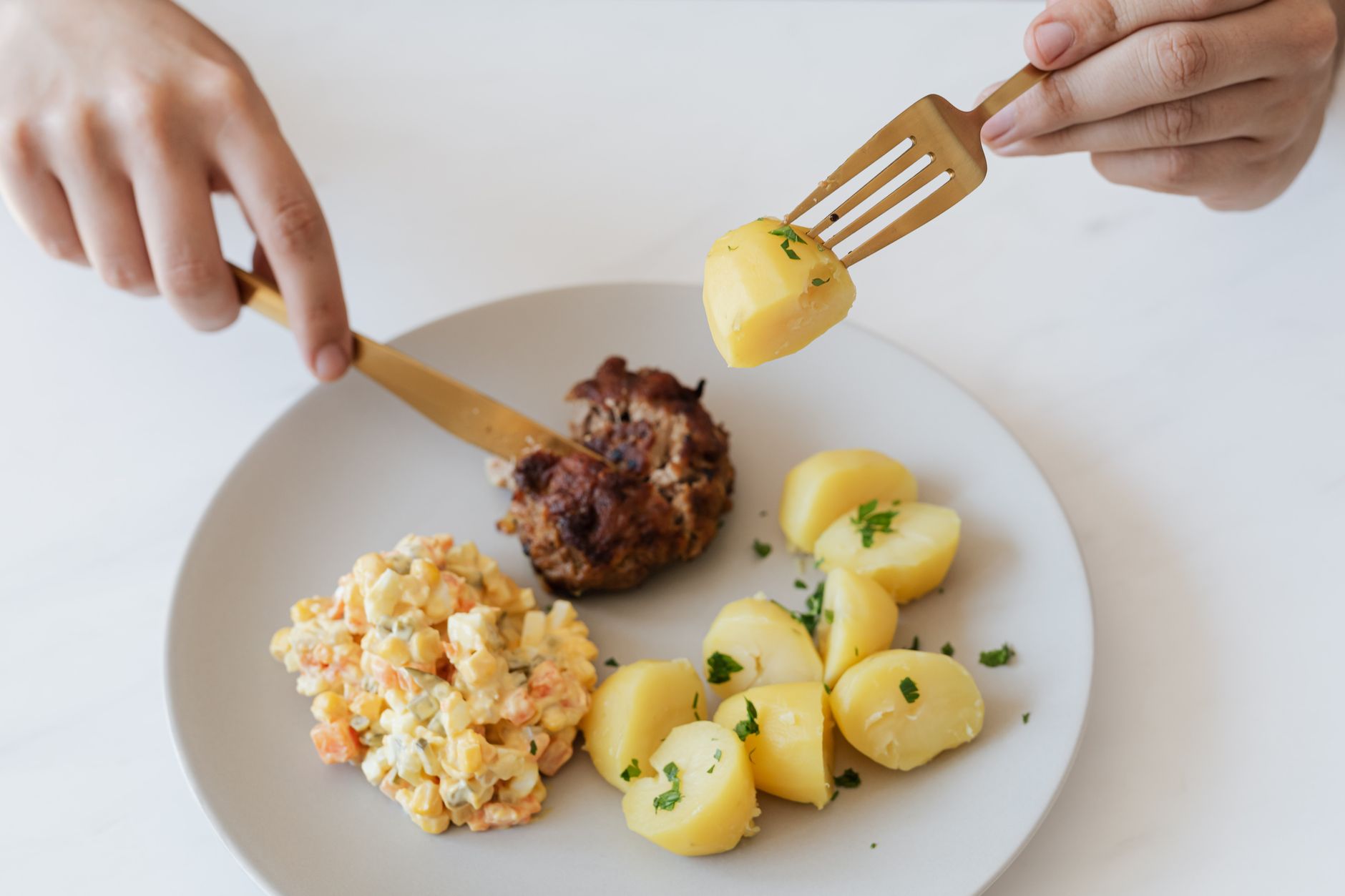
Matching Your Harvest: Which Homegrown Potato for Which Classic UK Dish?
Right, so you've put in all that hard graft, nurtured your tubers, and now you've got a glorious harvest of homegrown spuds. But which one do you reach for when you're craving a Sunday roast or a comforting bowl of mash? This is where understanding mealy vs. waxy truly pays off. Using the right potato for the right dish isn't just about tradition; it's about achieving that perfect texture, that culinary "aha!" moment that makes all your efforts worthwhile.
I've made my fair share of potato blunders over the years, believe me. I remember one disastrous attempt at mash with 'Charlotte' potatoes – a fantastic waxy salad potato, but utterly awful for mash. It turned into this gluey, sticky mess that even I, with my boundless enthusiasm, couldn't salvage. That was a hard lesson learned, but it solidified for me how crucial this matching really is. So, to save you from my early culinary mishaps, here's a handy guide based on what I've found works best here in my Midlands kitchen.
| Classic UK Dish | Best Potato Type | Why | Randy's Homegrown Picks (UK) |
|---|---|---|---|
| Roast Potatoes | Mealy | Fluffy interior, crisps up beautifully on the outside. | 'Maris Piper', 'King Edward', 'Desiree' (surprisingly good if par-boiled well!) |
| Creamy Mash | Mealy | Breaks down easily, absorbs butter and milk for a smooth, lump-free texture. | 'Maris Piper', 'King Edward', 'Picasso' |
| Chips/Fries | Mealy | Crispy exterior, soft, fluffy interior. Holds its shape well after frying. | 'Maris Piper', 'Agria', 'Sante' |
| Potato Salad | Waxy | Holds its shape, firm texture, doesn't crumble, absorbs dressings without turning mushy. | 'Charlotte', 'Nicola', 'Pink Fir Apple' |
| Boiled Potatoes | Waxy | Stays intact, firm bite, great for serving whole or sliced with butter and herbs. | 'Charlotte', 'Jersey Royal' (if you can grow them!), 'Anya' |
| Gratins/Bakes | Waxy | Retains structure, slices beautifully, layers well without dissolving into the sauce. | 'Desiree', 'Charlotte', 'Ratte' |
| Jacket Potatoes | Mealy | Light, fluffy, steamy interior when baked, perfect for soaking up butter and fillings. | 'Maris Piper', 'King Edward', 'Desiree' (can work well, slightly denser fluff) |
| Soups/Stew Thickeners | Mealy | Disintegrates readily to thicken the liquid, adds body without distinct chunks. | Any mealy variety that's a bit past its prime for roasting. |
| Curries/Stews (chunky) | Waxy | Holds shape during long cooking, provides textural contrast with other ingredients. | 'Desiree', 'Kestrel', 'Charlotte' |
This table is a great starting point, but remember, part of the joy of homegrown is experimenting! I've had success with 'Desiree' (often considered a general-purpose, slightly floury maincrop) for roasties by par-boiling them aggressively until the edges are almost crumbling, then roughing them up before roasting. It just goes to show that while the guidelines are solid, our British gardens and kitchens sometimes throw up delightful surprises!
Beyond the Ground: Harvesting, Curing, and Storage for Optimal Texture
Getting your potatoes out of the ground is only half the battle, particularly here in the UK where our weather can be so... characterful. The way you handle your harvest immediately after digging, and how you store it, massively impacts the final texture and how long those precious spuds will last. I've learned these steps are just as crucial as the planting itself, often the hard way!
Digging Up Your Treasure (Carefully!)
Knowing when to harvest is key. For first earlies and second earlies (typically waxy types), I usually wait until the plants have flowered and then harvest 'as needed' from around June onwards. Maincrop varieties, which tend to be more mealy, need longer. I usually wait until the foliage has started to yellow and die back naturally, usually late August into September here in the Midlands. This allows the skins to "set," which is vital for good storage.
I always use a digging fork, never a spade, to minimise the risk of impaling a beautiful tuber. I start digging a good foot or so away from the main stem and gently lever the soil up. Our heavy clay soil here can be a real challenge, sometimes clinging to the potatoes like glue, so it's a careful, patient process. One year, I was too eager and bruised a good third of my 'King Edward' crop, which led to them rotting much faster in storage. Lesson learned: patience is a virtue, especially in a UK autumn downpour!

The Crucial Step: Curing Your Potatoes
This is a step many home gardeners skip, and it's a mistake I made in my early days. Curing is essentially a "toughening up" process for your potatoes. Once dug, lay your potatoes out in a single layer in a cool, dark, well-ventilated spot for about 10-14 days. The ideal temperature is around 10-15°C (50-60°F).
Why cure? It allows the skins to thicken and harden, which dramatically improves their storage life. Any small nicks or bruises from digging will also form a protective "scab" during this period, preventing rot and disease from setting in. In our often damp UK climate, this step is absolutely non-negotiable for maincrop potatoes destined for long-term storage. My greenhouse gets far too hot, so I use a corner of my shed or even spread them out on old newspaper in the garage, making sure they're out of direct sunlight.
Long-Term Storage for Peak Freshness
After curing, your potatoes are ready for their winter slumber. The golden rules for potato storage are: cool, dark, dry, and well-ventilated.
- Cool: An ideal temperature is around 5-10°C (40-50°F). Too warm, and they'll sprout quickly. Too cold (like a fridge), and the starch will convert to sugar, giving you unpleasantly sweet potatoes that go brown when fried. My shed can dip below 5°C in deep winter, so I sometimes wrap sacks in old blankets to give them a bit of insulation.
- Dark: Light causes potatoes to turn green, indicating the build-up of solanine, which is toxic. Always store them in darkness.
- Dry: Excess moisture encourages rot. Make sure your storage area isn't damp.
- Ventilated: Airflow prevents moisture build-up and keeps disease at bay. I use traditional hessian sacks, old onion bags, or wooden crates. Never store them in sealed plastic bags!
I've found that even with perfect storage, some varieties store better than others. Generally, maincrop mealy varieties like 'Maris Piper' and 'King Edward' are excellent keepers, often lasting well into spring. Waxy varieties, especially earlies, tend to have a shorter storage life, so I try to eat those first. By following these steps, you're not just storing potatoes; you're preserving that incredible homegrown texture you worked so hard for.
Your Homegrown Potato Journey: From Seed to Perfect Plate
What a journey, eh? From those unassuming 'seed' potatoes nestled in the soil of my 800 sq ft Midlands garden, right through to a steaming plate of perfect roasties or a fresh potato salad. This deep dive into the world of mealy versus waxy potatoes isn't just about horticultural trivia; it's about unlocking the true potential of your homegrown harvest. It's about taking control of your food, understanding the nuances, and ultimately, making every single bite a celebration of your efforts.
I remember when I first started gardening, fresh out of the IT world and a bit clueless, I thought a potato was just a potato. Oh, how wrong I was! My initial crops were a mixed bag, and my cooking results were equally inconsistent. It was through countless experiments in my raised beds, battling unpredictable British weather, and yes, making plenty of mistakes (like that infamous 'Charlotte' mash!), that I truly began to grasp the science and art behind these humble tubers. The satisfaction of pulling up a perfect 'Maris Piper' for a Sunday roast, knowing exactly how it will perform, is genuinely one of the highlights of my gardening year.
So, whether you're dreaming of fluffy mash, crispy chips, or a firm, zesty potato salad, the secret lies in understanding the starch. Choose your varieties wisely, cultivate them with care, and pay attention to those crucial post-harvest steps – harvesting, curing, and storage. These aren't just chores; they're integral parts of the process, ensuring that the incredible flavour and texture you nurtured in the ground makes it all the way to your plate.
Don't be afraid to experiment! Try a new waxy variety you haven't heard of for your summer salads, or challenge yourself to grow the ultimate mealy roaster. The beauty of gardening, especially here in the UK with our unique climate, is the constant learning and the endless rewards. There's nothing quite like serving up a dish knowing that every single potato was grown with your own hands, right here in your own patch of Britain.
Happy digging, happy cooking, and most importantly, enjoy those glorious homegrown spuds! I'd love to hear about your potato triumphs and discoveries in your own UK gardens. Share your favourite varieties and culinary pairings in the comments below!