Introduction: The Challenge of Heat-Sensitive Crops in the UK Garden
There's nothing quite like harvesting your own crisp lettuce, tender spinach, or fragrant cilantro from your back garden, is there? That burst of freshness, knowing exactly where it's come from – it's pure gardening joy. But let's be honest, here in the UK, especially in my Midlands patch, getting these heat-sensitive heroes to thrive through our increasingly unpredictable spring and summer can feel like a constant battle. One minute it's glorious sunshine, the next it's a cold snap, and then before you know it, a surprise heatwave hits. It’s enough to make a gardener tear their hair out!
For years, I struggled with my lettuce, spinach, and cilantro bolting seemingly overnight, turning bitter and useless, or simply wilting away into sad, yellowed leaves. I’d painstakingly start seeds, nurture them, only to have them give up the ghost just as they were getting established in the raised beds. It was incredibly frustrating, and I know I'm not alone in this particular UK gardening heartache. My 800 sq ft backyard, packed with its raised beds and a bustling greenhouse, is my laboratory, and I've spent the last five years experimenting, failing, learning, and finally, celebrating longer, more abundant harvests of these tricky crops. This article is all about sharing those hard-won lessons, focusing on the specific transplant strategies I've perfected to keep these greens happy, healthy, and on your plate for much longer.
Understanding Bolting & Wilt: Why Lettuce, Spinach & Cilantro Struggle
Before we dive into the 'how-to', it's crucial to understand why these particular crops throw in the towel so readily when faced with stress, especially here in our British climate. It’s not just bad luck; there’s some fascinating plant science at play that, once understood, really helps you work with your plants instead of against them.
Bolting: The Race to Reproduce
Bolting, for lettuce, spinach, and cilantro, is essentially the plant's premature attempt to flower and set seed. It's a survival mechanism. When conditions become stressful – primarily heat and long daylight hours – the plant thinks, "Right, my time is short! I need to reproduce before I die!" So, it diverts all its energy from producing lush leaves into shooting up a tall flower stalk, developing seeds, and in the process, making its leaves incredibly bitter and tough. I remember one early summer in my Midlands garden when a sudden week-long heatwave hit after a gloriously mild spring. My beautiful 'Red Salad Bowl' lettuce, which had been thriving, bolted almost simultaneously across the raised bed. It literally went from harvest-ready to flower stalk in about three days – a real heartbreaker!
Here in the UK, we often get a cool, gentle spring followed by a sudden jump to summer temperatures, sometimes with very long daylight hours. This rapid shift can be a huge trigger for bolting. Spinach, in particular, is incredibly sensitive to day length, bolting readily once the days get long, even if temperatures aren't excessively high. Cilantro is another speedy bolter, especially if it experiences any kind of root disturbance or inconsistent watering around transplant time. Understanding that this is a stress response is key to preventing it.
Wilt: The Thirsty, Stressed Out Plant
Wilt is a more immediate, visible sign of distress, usually related to water uptake. When a plant wilts, its cells are losing turgor pressure – simply put, they're not getting enough water to keep them firm and upright. This can happen for a few reasons, especially around transplanting:
- Transplant Shock: The roots are disturbed, making it harder for the plant to absorb water efficiently from its new surroundings.
- Inadequate Watering: Not enough moisture in the soil, or inconsistent watering, particularly after transplanting.
- Root Damage: During the transplanting process, if the roots are roughly handled, they can be damaged, impairing their ability to take up water.
- Sudden Exposure: Moving a plant from a sheltered, often shadier spot to intense sun without proper acclimatisation can cause rapid dehydration.
I've learned this the hard way. One spring, eager to get my spinach starts into the ground, I transplanted them on a sunny, breezy afternoon. By the next morning, despite watering, they looked utterly miserable, some beyond recovery. Our UK weather can be deceptive; a lovely sunny day can still have a drying wind, or intense sun that tender seedlings aren't ready for. The goal, then, is to minimise all these stressors.
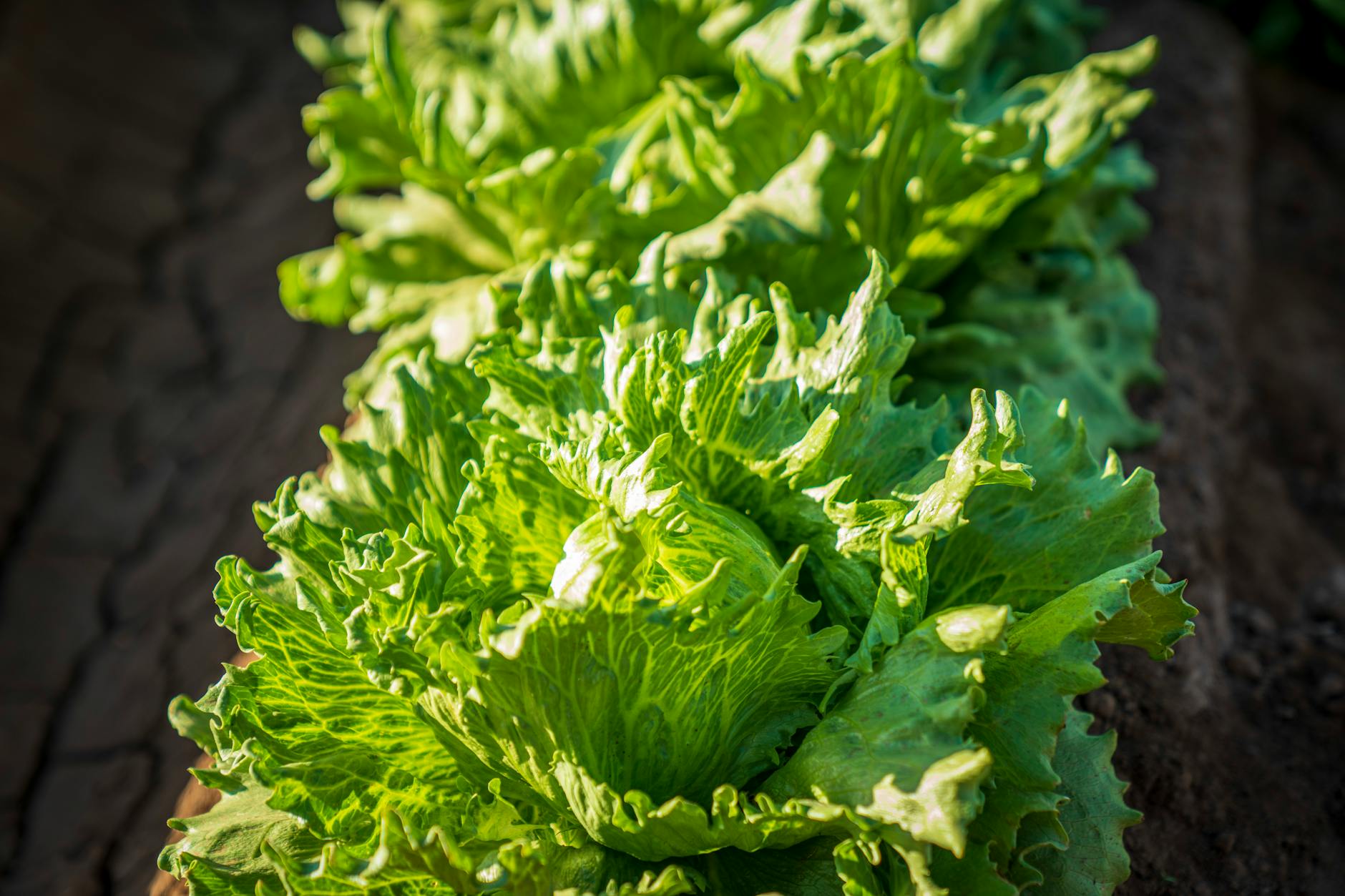
Optimal Seed Starting & Hardening Off for Resilient Seedlings
Building strong, resilient seedlings is the absolute bedrock of preventing bolting and wilt. Think of it like sending your kids off to school – you want them well-fed, well-rested, and prepared for whatever the day throws at them. The same goes for your plants! In my 800 sq ft Midlands garden, I've found that getting this stage right, from the very first seed, makes all the difference when those plants eventually face the unpredictable British weather.
The Seed Starting Advantage
I start almost all my lettuce, spinach, and cilantro indoors in modules or cell trays. Why? Control. It allows me to give them the ideal conditions they need to establish a robust root system and strong top growth before they ever face the elements.
- Quality Seed Compost: Don't skimp here. I always use a good quality, peat-free seed starting compost. It's fine, drains well, and holds just enough moisture. Last season, I experimented with a brand I hadn't used before and noticed a marked difference in germination rates and initial vigour. Stick to what works, or a trusted alternative.
- Containers: Small cell trays or modules (around 3-5cm square) are perfect. They give each seedling its own space and minimise root disturbance when it's time to pot on or transplant.
- Light is Life: This is where I made a huge mistake in my first couple of years. I’d put my trays on a windowsill, thinking "that's plenty of light". Oh, how wrong I was! My seedlings were leggy, pale, and weak, desperately stretching for the sun. Now, I use LED grow lights suspended just a few inches above the seedlings. This ensures compact, sturdy growth with thick stems – exactly what you want. I typically start my 'All Year Round' lettuce, 'Perpetual Spinach', and 'Cilantro Calypso' under these lights from early spring.
- Consistent Watering: I bottom-water my seedlings. This encourages roots to grow downwards in search of moisture, and it prevents damping off disease. I lift the trays and feel their weight, watering when they feel light. No overwatering, no letting them completely dry out. Consistency is key.
The Art of Hardening Off: Britain's Secret Weapon
Hardening off is, in my opinion, the most overlooked yet crucial step for success with heat-sensitive crops in the UK. It's the process of gradually acclimatising your tender indoor-grown seedlings to the harsher outdoor conditions – wind, direct sun, cooler temperatures, and fluctuating moisture. Rush this, and you'll undo all your careful seed-starting work. I learned this the hard way when a sudden cold snap combined with a breezy day wiped out a whole tray of promising spinach seedlings after I'd only given them two days outside. Never again!
I typically dedicate 7-14 days to hardening off. I start by placing the trays in a sheltered, shady spot outside (often under the eaves of my greenhouse or a north-facing wall) for just an hour or two on the first day. Over the next week to two weeks, I gradually increase their exposure to direct sun, wind, and longer periods outdoors, eventually leaving them out overnight if temperatures are mild enough (above 5°C for these crops). This toughens up their cell walls, makes them more resilient to temperature changes, and reduces the shock of transplanting immensely.
Here's a quick comparison of my recommended approach versus common pitfalls:
| Aspect | My Recommended Approach (Randy's Way) | Common Pitfall / Old Habits |
|---|---|---|
| Seed Compost | High-quality, fine-textured, peat-free seed compost | Heavy garden soil, coarse potting mix, or poor quality compost |
| Light Source | Dedicated LED grow lights (12-16 hours/day) | Sunny windowsill (leads to leggy, weak seedlings) |
| Watering Method | Bottom watering, consistent moisture, allow slight drying between | Top watering, inconsistent (either soggy or bone dry) |
| Hardening Off Dur. | 7-14 days, gradual increase in exposure | 1-3 days, or none at all (direct from indoors to garden) |
| Hardening Off Loc. | Sheltered, shady spot gradually moving to full sun/wind | Directly into full sun/windy spot immediately |
| Seedling Appearance | Compact, sturdy stems, deep green leaves, robust root ball | Tall, spindly, pale stems, sparse roots, often yellowing leaves |
Timing is Everything: Choosing the Right Moment & Spot for Transplanting
You've put in the hard graft, your seedlings are looking strong and hardened off – brilliant! Now comes the moment of truth: transplanting them into their final growing spot. For heat-sensitive crops like lettuce, spinach, and cilantro, this isn't just about digging a hole; it's a strategic operation that, if done right, can significantly extend your harvest. I've learned through trial and error in my Midlands garden that paying close attention to the forecast and the specific location can make or break these crops.
The Goldilocks Transplanting Window
For these greens, "just right" means avoiding extremes.
- Temperature: Aim for relatively mild conditions. For lettuce and spinach, ideally, air temperatures are consistently above 10°C but below 20°C, and night temperatures aren't dipping too low. Cilantro is a bit more forgiving but still prefers to establish itself in cooler conditions. I always check the 5-day forecast for my specific patch. If a sudden heatwave (anything over 25°C) is predicted, I'll delay transplanting. A mild, overcast week with gentle rain showers is absolutely ideal – a classic British spring, if you're lucky enough to catch one!
- Time of Day: Early morning or late evening. This is crucial. Transplanting in the middle of a sunny day is a recipe for instant wilt. The cooler, calmer air of dawn or dusk gives the plants several hours to start settling in before facing the day's sun or heat.
- Weather Conditions: A cloudy, still day is your best friend. The reduced sunlight and wind minimise stress on the newly disturbed roots. If I'm really keen to get them in and the sun is beating down, I'll even erect a temporary shade cloth over my raised beds for the first few days post-transplant. One year, I gambled on a sunny but cool morning, only for the sun to intensify by midday, and I spent the afternoon frantically shading my new lettuce plants. Lesson learned!
Location, Location, Location: The Shady Secret
This is perhaps the most significant revelation I've had for extending the harvest of these crops in my UK garden. Heat-sensitive greens love partial shade, especially during the hottest parts of the day.
- Strategic Shading: In my raised beds, I utilise taller crops to provide natural shade. My 'Little Gem' lettuce always thrives when tucked in the shadow of my climbing beans or sweet peas. Later in the season, I'll plant spinach and cilantro on the north side of my greenhouse, where it gets morning sun but is protected from the intense afternoon heat.
- Temporary Solutions: If you don't have natural shade, consider temporary shade cloths. Even a piece of old net curtain draped over some stakes can make a huge difference, blocking around 30-50% of the sunlight. I've used this to great effect in July when my 'Winter Density' lettuce was pushing through a hot spell.
- Soil Matters: Ensure your soil is well-draining but rich in organic matter. Before transplanting, I always amend my raised beds with a good layer of homemade compost. This helps retain consistent moisture, which is vital for preventing wilt, and provides a steady supply of nutrients.
- Spacing: Give them space! Overcrowding leads to competition for water and nutrients, and reduces air circulation, which can stress plants. I usually plant lettuce about 20-30cm apart, spinach 15-20cm, and cilantro about 10-15cm.
When you're ready to plant, water your seedlings thoroughly in their trays an hour before. Gently ease them out, handling them by their leaves (not the delicate stem), and plant them at the same depth they were in their module. Water them in immediately after planting, giving them a good drink to settle the soil around their roots. And don't forget slug and snail patrol – tender new transplants are like an open buffet for these garden villains!

5. Gentle Hands: Minimising Transplant Shock for Delicate Crops
Right, so you've got your perfectly hardened-off seedlings, looking robust and ready for the big wide world of the garden. But here's where it can all go wrong if you're not careful, especially with these delicate, heat-sensitive crops. I've learned the hard way that even the smallest bit of rough handling can send lettuce, spinach, and cilantro into a sulk, or worse, straight into bolting. It's like they're having a tiny plant-sized panic attack!
The key here is to keep their root system as undisturbed as humanly possible. Think of those tiny root hairs as their lifelines – damage them, and they struggle to take up water and nutrients, which is exactly the kind of stress that triggers bolting. I always give my seedlings a good drink an hour or so before transplanting. This helps the soil cling to the roots, making them easier to slide out of their pots.
When I’m actually handling the seedlings, I try my best to pick them up by a leaf, never the stem. The stem is their main transport system, and a pinch there can be fatal. I remember one season I was rushing, trying to get a tray of 'Little Gem' lettuce into a newly cleared raised bed, and I grabbed a few by the stem. Every single one of them just withered and died within a day. Lesson learned, Randy! Slow and steady wins the race, especially in our often-unpredictable British climate where any setback can be hard to recover from.
Here's a quick rundown of how to approach it:
| Aspect | Good Practice (Minimising Shock) | Common Mistakes (Causing Shock) |
|---|---|---|
| Pre-Planting Water | Water seedlings thoroughly 1 hour before planting. | Planting into dry soil; not watering seedlings beforehand. |
| Handling Seedling | Hold by a sturdy leaf or the very base of the rootball. | Pinching or gripping the delicate stem. |
| Removing from Pot | Gently squeeze pot sides, invert, and let seedling slide out with rootball intact. | Pulling seedling directly from the top; tearing roots from the pot. |
| Root Ball Integrity | Keep the root ball as undisturbed as possible; avoid breaking it apart. | Forcing tangled roots apart; leaving soil behind in the pot. |
| Planting Depth | Plant at the same depth as it was in its seedling pot. | Planting too deep (burying stem) or too shallow (roots exposed). |
| Post-Planting Water | Water gently but thoroughly immediately after planting to settle soil. | Leaving newly planted seedlings to dry out; overhead watering that dislodges them. |
| Initial Protection | Consider temporary shade/cloche if sun is strong or winds are high. | Leaving delicate transplants exposed to harsh elements. |
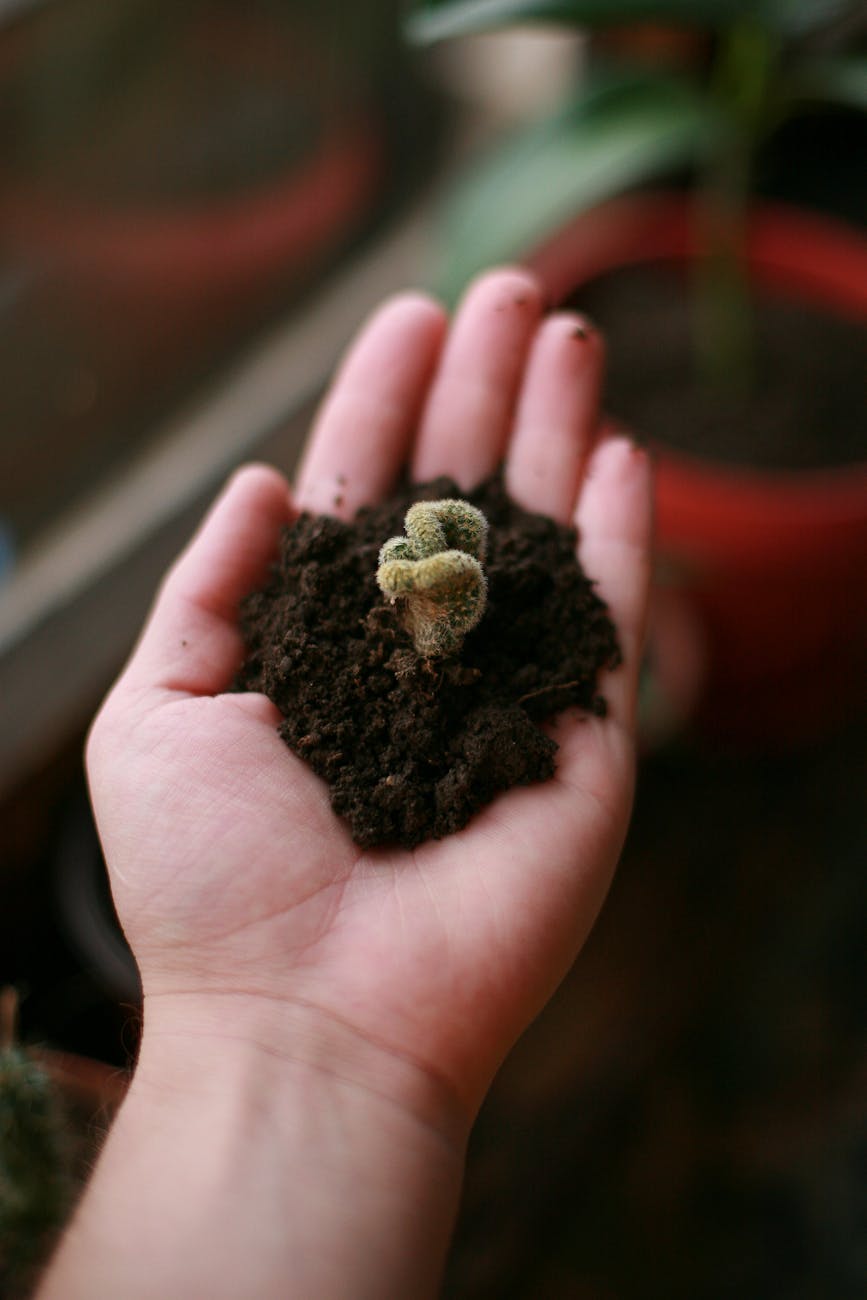
6. Nurturing Your Transplants: Post-Planting Care for Continuous Harvests
So, you've got them in the ground, looking happy and settled. But the work isn't over if you want those long, lush harvests. This is where the long game really begins, especially with our notoriously fickle British weather. I've had many a promising bed of spinach bolt on me because I didn't pay enough attention to their needs in the crucial weeks after transplanting.
Consistent Watering is Paramount
This is probably the most critical factor. Heat-sensitive crops despise inconsistent moisture. A dry spell followed by a deluge is a surefire way to trigger bolting. I aim for consistent, deep watering right at the base of the plant. In my 800 sq ft Midlands garden, I've found that early morning is best, before the sun gets too strong, or in the early evening once the heat has started to fade. This minimises evaporation and allows the water to soak down to the roots. Overhead watering can encourage fungal issues in our often-damp UK climate, and it also tends to just sit on the leaves, evaporating quickly. A good soaking every couple of days, rather than a light sprinkle daily, is usually far more effective.
Mulch, Mulch, Mulch!
Oh, how I love mulch! This is an absolute game-changer, especially in my raised beds which can dry out quickly in a summer heatwave. A good 2-3 inch layer of organic mulch – I usually use grass clippings (from my own untreated lawn, of course) or well-rotted compost – around your transplants does wonders. It keeps the soil consistently cool and moist, which is exactly what lettuce, spinach, and cilantro crave. It also suppresses weeds, which compete for those precious resources. Last summer, when we had that unexpected heatwave in July, my mulched beds of 'Salad Bowl' lettuce were still producing, while un-mulched patches quickly turned bitter and bolted. It's a lifesaver in our increasingly unpredictable British summers.
Providing Temporary Shade
This is another trick I've picked up over my five years in the UK garden. While we don't always get scorching sun, when we do, it can be intense for these leafy greens. If the forecast is showing a few days of particularly strong sun, or temperatures consistently above 20°C, I'll often rig up some temporary shade. A piece of old netting, some shade cloth, or even an upturned laundry basket (my go-to for small patches!) can make all the difference, especially for newly transplanted seedlings. Just a few hours of afternoon shade can significantly reduce stress and prevent wilting.
Light Feeding & Pest Patrol
Generally, these crops don't need heavy feeding, especially if you've planted them into rich, compost-amended soil (which I always recommend here in the UK). Too much nitrogen can encourage lush leaf growth but also make them more susceptible to pests. If they look a bit pale after a few weeks, a very dilute liquid seaweed feed can give them a gentle boost.
And speaking of pests... slugs and snails! They are the bane of every UK gardener's existence, and they adore tender young lettuce and spinach. I'm out in my garden every evening, headtorch on, picking them off. Companion planting with things like nasturtiums or marigolds can help distract them, but vigilance is key. I've also had good success with wool pellets around particularly vulnerable plants.
Harvest Smart for Longer Production
Finally, to truly prolong your harvest, learn the "cut and come again" method. Instead of pulling the whole plant, harvest the outer leaves of lettuce and spinach, allowing the inner leaves to continue growing. For cilantro, snip off the outer stems, leaving the central growth point intact. This signals to the plant to produce more leaves, rather than focusing its energy on flowering and setting seed. It's a brilliant way to maximise yield from each plant in my 800 sq ft garden.
7. Crop-Specific Strategies: Lettuce, Spinach & Cilantro in the UK
While the general principles apply to all three, each of these heat-sensitive darlings has its own little quirks that I've learned to manage in my Midlands garden. Getting these right can be the difference between a fleeting flush and a continuous supply.
Tailored Care for Your UK Greens
| Crop | Key UK-Specific Transplant Strategy | Post-Transplant Care in UK Climate | Recommended UK Varieties for Longevity |
|---|---|---|---|
| Lettuce | Succession Planting: Small batches every 2-3 weeks from March to August. Plant in dappled shade from late May. | Mulch Heavily: Crucial for root cooling. Consistent Water: Avoid dry/wet cycles. Shade: Provide afternoon shade in summer. | 'Salad Bowl', 'Lollo Rosso', 'Cos Romaine Jericho', 'Marvel of Four Seasons', 'Winter Density' |
| Spinach | Early Spring/Late Summer: Best transplanted in early spring or late summer for UK. Avoid mid-summer planting. | Moisture-Rich Soil: Prefers consistently moist, fertile soil. Early Harvest: Pick outer leaves often to delay bolting. | 'Perpetual Spinach' (not true spinach but excellent bolt resistance), 'Giant Winter', 'Emperor' |
| Cilantro | Deep Pots: If container growing, choose deep pots (min 20cm) to keep roots cool. Clustering: Plant 3-4 seedlings together for a bushier habit. | Shade: Absolutely needs afternoon shade in UK summer. Regular Harvest: Snip outer leaves/stems frequently. Avoid Root Disturbance: Very sensitive. | 'Santo', 'Marino' (both slow-bolt varieties), 'Confetti' (fine-leaved, slower to bolt) |
Lettuce: My favourite for long harvests is 'Salad Bowl' and 'Lollo Rosso' – they just keep giving. I also love 'Cos Romaine Jericho' for its resilience. I always try to find a spot that gets some morning sun but is shaded from the harsh afternoon rays, especially from May onwards. In my raised beds, I’ll often plant them on the north side of taller crops like peas or climbing beans to give them natural shade.
Spinach: 'Perpetual Spinach' isn't technically spinach, but it's a dream for the UK climate. It rarely bolts and provides leaves almost year-round. For true spinach, 'Giant Winter' and 'Emperor' have performed well for me, but they will bolt if stressed. My strategy is to get them in the ground early in spring as soon as the soil can be worked, then again in late summer for an autumn harvest. I avoid planting true spinach in June/July in my Midlands garden entirely – it's just asking for trouble!
Cilantro: This one is the ultimate bolting champion! I've lost count of the times I've tried to get a decent crop only for it to shoot up a flower stalk the moment the sun shows its face. I've found that deep pots (at least 20cm deep) are better than wide, shallow ones, as they help keep the roots cooler. I also plant 'slow bolt' varieties like 'Santo' or 'Marino'. My biggest breakthrough was learning to harvest it like crazy – the more you pick, the more it wants to produce leaves rather than flowers. When I transplant it, I'll often put 3-4 small seedlings together in a cluster to encourage a bushier, fuller plant that yields more before it inevitably decides to bolt.
Conclusion: The Long Game for Luscious Leaves
Growing heat-sensitive crops like lettuce, spinach, and cilantro in our sometimes-tricky UK climate can feel like a bit of a challenge, can't it? But as I've found over my five-plus years in my 800 sq ft Midlands garden, it's incredibly rewarding when you crack the code. It's all about playing the long game, being observant, and giving these plants the specific care they need to thrive.
From getting your timing just right, to hardening off your seedlings with military precision, and then handling them with the utmost gentleness during transplanting – every step contributes to preventing that dreaded bolting and wilt. Remember the power of consistent watering, the magic of mulch, and the simple yet effective trick of providing a little afternoon shade when the British sun decides to really show off. And don't forget to harvest smart, encouraging your plants to keep producing those delicious leaves.
I've made countless mistakes along the way, believe me. I've watched entire beds of promising lettuce shoot to seed overnight, and despaired as my cilantro went to flower before I'd even had a proper sandwich out of it. But each 'failure' has been a lesson, pushing me to experiment and learn what truly works here in our unique UK gardening conditions.
So, don't be afraid to get your hands dirty, try these strategies in your own garden, and enjoy the satisfaction of harvesting fresh, home-grown greens for much longer than you thought possible. Happy gardening, fellow UK green-thumbs!