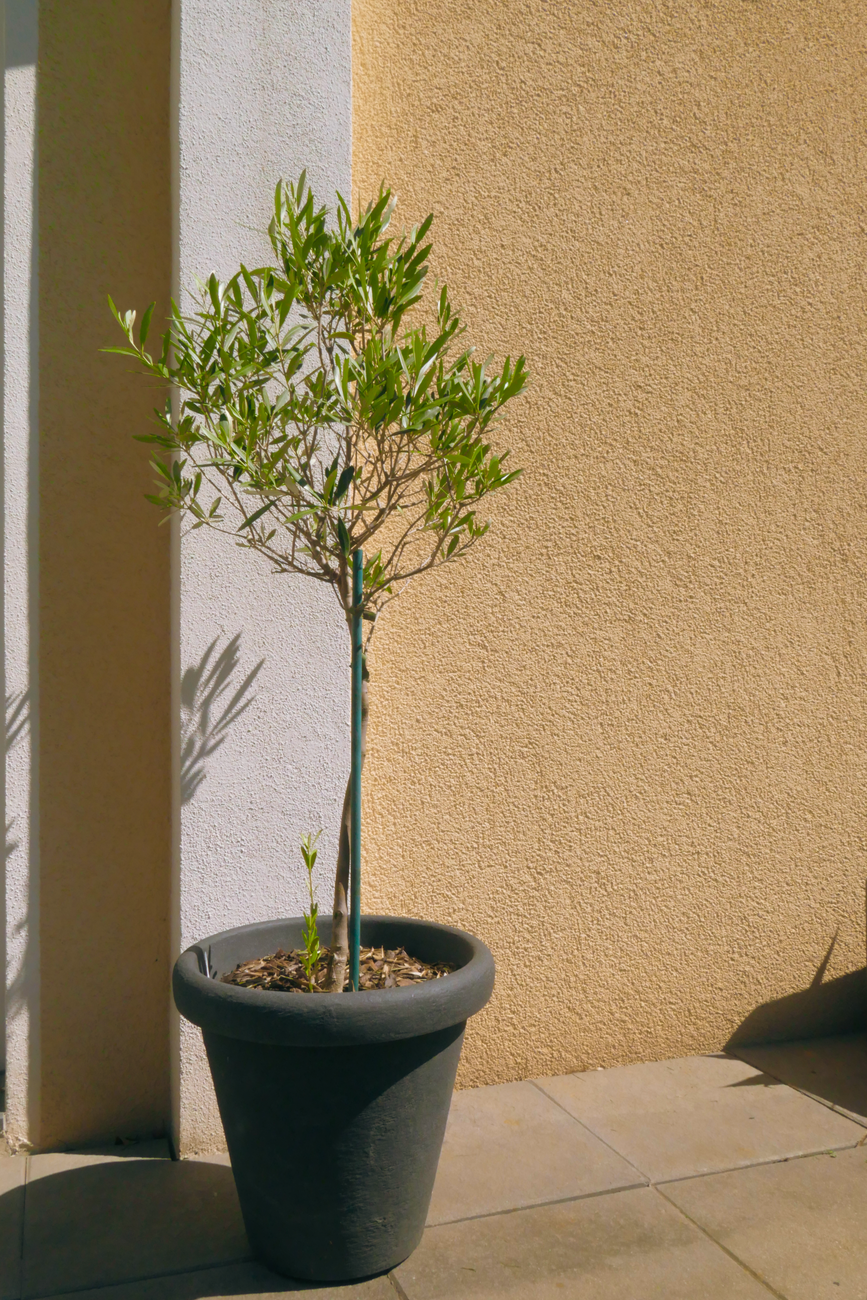
Welcoming Spring: The Critical First Steps for Overwintered Potted Trees
Ah, spring! There’s nothing quite like that first proper sniff of fresh, slightly damp earth here in the UK after a long, grey winter, is there? For me, as soon as the daffodils start nodding their heads in my 800 sq ft Midlands garden, my mind immediately turns to my overwintered potted trees. Those precious citrus, olives, and bay laurels that I've carefully nursed through the colder months in my unheated greenhouse or tucked away in a sheltered corner. It’s a moment of both excitement and a little bit of trepidation, because getting them back outdoors for vigorous growth isn't just a matter of flinging them out the door.
In my five years of intensive gardening, I’ve learned the hard way that a successful spring recovery for these tender beauties is all about a thoughtful, gradual transition. Rushing things, especially with our notoriously unpredictable British weather, can set them back weeks, or even worse, cause irreversible damage. I remember one season, early in my gardening journey, when I got a bit too eager with a lovely lemon tree, 'Mayer' it was, and put it out too soon. A late April frost swooped in and zapped half the new growth – a real kick in the teeth! So, trust me when I say, patience and observation are your best friends right now. Let’s get these stalwarts of our UK patios ready for their summer show.
First Look: Assessing Your Trees After Their Winter Slumber
Before we even think about moving anything, grab a cuppa and let's go on a proper inspection tour. This is my absolute first step every spring. I’ll typically go into my greenhouse or shed, wherever my trees have been hiding, and give each one a thorough once-over. This initial assessment is absolutely critical for understanding what kind of winter they've had and what immediate care they might need.
First up, I look at the leaves. Are they still green and glossy, or have some turned a crispy brown? On my 'Arbequina' olive, I sometimes see a few yellowed leaves, which is usually just natural senescence, but a lot of brown, dry leaves on my 'Eureka' lemon can signal a watering issue or even temperature stress. I also check for any signs of mould or mildew, especially on the inner branches of my bay laurel, which can get a bit stuffy if air circulation wasn't perfect in its winter spot. Don't forget to gently check the undersides of leaves for any lingering pests like scale or spider mites, which can sometimes explode in warmer, sheltered overwintering conditions.
Next, I move to the stems and branches. Are there any dry, brittle twigs that snap off easily? These are dead and need pruning. I also check the main trunk for any splits or unusual discolouration. Finally, I give the pot a gentle tilt and a sniff. A sour, damp smell can indicate root rot, especially if the tree's been sitting in waterlogged compost. Don't worry if things aren't perfect – very few of my trees emerge from winter looking pristine. Last year, my 'Lemon Drop' citrus had a bit of leaf drop from being a touch too dry, but a good assessment meant I could address it quickly.

Mastering Acclimation: A Step-by-Step Guide to Moving Trees Outdoors
This is where the real patience comes in, particularly with our famously changeable British spring weather. The process of gradually reintroducing your overwintered trees to the outdoors is called 'hardening off', and it's essential for preventing shock. Think about it: they've spent months in a relatively stable, often lower-light environment. Suddenly exposing them to strong sun, wind, and fluctuating temperatures will cause severe stress, leading to leaf scorch, wilting, and even death. I learned this the hard way when I cooked the leaves of a beautiful young 'Kalamata' olive by putting it straight into full sun on a surprisingly bright April day. The leaves looked like they'd been blow-torched!
My strategy here in the Midlands starts around late April, sometimes early May, depending on the long-range forecast. I begin by moving my trees to a very sheltered, shady spot in the garden. This could be under a north-facing wall or beneath a larger deciduous tree that hasn't fully leafed out yet. They stay there for about a week, getting used to the cooler temperatures and natural light cycle, but without direct sun.
After that initial week, I gradually move them to a spot that gets morning sun or dappled shade for another week. I'll often use a bit of horticultural fleece if a particularly cold night is forecast, especially for my citrus. By mid-May, once the risk of a hard frost has largely passed (though never say never in the UK!), they can start to enjoy more direct sun. Even then, I introduce them slowly to full sun exposure, perhaps a few hours a day for a few days, before letting them bask all day. What works in my 800 sq ft garden is having several microclimates I can use for this transition, from the sheltered patio to the sunniest spot by the greenhouse.
Here’s a comparison of common acclimation approaches:
| Approach | When to Use (UK Context) | Pros (UK Context) | Cons (UK Context) | Best For (Tree Type/Condition) |
|---|---|---|---|---|
| Gradual Acclimation (Randy's Method) | Starting late April/early May, after initial frost risk has passed. | Minimises shock, prevents leaf scorch and windburn. Allows trees to adapt to UV and temperature swings safely. | Requires patience and regular moving of pots. Can be tricky with unpredictable UK weather; needs vigilance for sudden cold snaps. | Most tender trees like citrus (lemons, limes), young olives, and bay laurels that have been in warm/sheltered conditions. Essential for promoting strong, healthy new growth. |
| Rapid Acclimation (Avoid!) | Never recommended for overwintered trees! | Seems quicker (but isn't in the long run). | Causes severe shock, extensive leaf drop, severe leaf scorch, stunted growth, and can even kill the tree. High risk of pest infestation on stressed plants. | None. This approach is a common mistake I've seen (and made myself once!) that leads to significant setbacks, especially with the variability of our British spring. |
| Greenhouse Transition | If you have an unheated greenhouse, from mid-March onwards. | Provides a halfway house with increased light and ventilation before outdoor exposure. Offers protection from wind and light frosts. | Still requires gradual movement from within the greenhouse to outdoors. Can still get too hot on sunny days, needing careful ventilation. | Excellent for all overwintered trees, especially those coming from very sheltered or indoor conditions. My unheated greenhouse is invaluable for this, giving them a few weeks of 'semi-outdoor' life before facing the full British elements. |
Root Revival: When and How to Repot for Spring Growth
Once your trees are happily settling into their outdoor spots, it’s time to think about what’s happening beneath the soil line. After a long winter, the soil in your pots can be depleted of nutrients, compacted, or simply too small for your growing tree. Repotting, or at least refreshing the top layer of compost, is vital for encouraging vigorous spring and summer growth. I usually aim to do this in late spring, around May, once the trees have started showing signs of new growth and are actively taking up water again.
How do you know if your tree needs a full repot, though? I usually look for a few tell-tale signs. Firstly, if water just runs straight through the pot without soaking in, or if the tree is drying out incredibly quickly, it’s a good bet it's root-bound. You can carefully slide the tree out of its pot to inspect the roots – if they’re a dense, tangled mat circling the bottom, it's definitely time for a new home. Another sign is stunted growth or yellowing leaves despite adequate feeding and watering, which can signal nutrient depletion or a lack of space for root expansion.
When repotting, I always recommend going up only one pot size – maybe 2-3 inches larger in diameter. Too big a pot can lead to waterlogging because the roots won't be able to absorb all the moisture, which is a recipe for root rot, especially with our often damp UK climate. I learned this when I put a small olive tree into a massive terracotta pot; it sulked for a whole year!
For compost, drainage is absolutely key, especially for citrus and olives. I mix my own, usually a good quality peat-free multi-purpose compost with a generous amount of horticultural grit or perlite (about 30-40%) to improve drainage. For my citrus, I also add some slow-release citrus feed at this stage. Bay laurels are a bit less fussy, but still appreciate good drainage. When repotting, gently tease out any circling roots at the bottom, trim any damaged or dead roots, and then replant at the same depth with fresh compost. Water thoroughly after repotting to settle the soil.
Here's a comparison of different approaches to root revival:
| Method | When to Use (UK Context) | Pros (UK Context) | Cons (UK Context) | Key Considerations |
|---|---|---|---|---|
| Acclimation is crucial for any tree that has spent the winter indoors. For the sake of this article, let's assume your trees were properly watered and inspected before going into dormancy. This guide focuses on getting them ready for outdoor life here in the UK. |
Initial Inspection & Health Check
My first step, even before the weather truly breaks, is to bring my trees out of their darkest winter spots into a brighter but still sheltered area – my unheated greenhouse for the citrus, and a more protected spot in the shed for the olive and bay. This lets me give them a thorough health check without exposing them to the elements.
- Leaf Condition: Look for any yellowing, browning, or crispy leaves. A few fallen leaves are normal, especially for citrus, but widespread issues might indicate over/underwatering or pest problems.
- Pest Patrol: Check under leaves and in branch crotches for common overwintering pests like scale, mealybugs, or spider mites. I've found that scale can be a real nuisance on citrus, so a good wipe-down with a damp cloth or a gentle horticultural oil spray might be needed.
- Stem & Branch Health: Prune any dead, diseased, or damaged branches. Dead wood will be brittle and snap easily. I use clean, sharp secateurs for this, making sure to cut back to healthy wood. This also helps improve air circulation.
- Soil & Pot: Check the soil surface for mould or fungus, which can indicate too much moisture or poor air circulation during winter. Gently probe the soil to assess moisture levels – if it's bone dry, a gentle watering is in order.
The Gradual Return Outdoors: Hardening Off
This is the most critical stage. Our UK spring weather can be a real rollercoaster, with glorious sunny days followed by sudden cold snaps or even late frosts. Moving your trees directly from a sheltered indoor environment to the full blast of outdoor sun and wind will cause shock, leading to leaf burn, wilting, and stress.
I start this process in my Midlands garden usually in late April to early May, once the threat of severe frost has largely passed.
- Shady Shelter (1 week): For the first week, I move my trees to a very sheltered, north-facing spot in the garden, or under a dense tree canopy. They get ambient light and air, but no direct sun or harsh wind. This allows them to gradually adjust to outdoor temperatures and humidity. I've found this step crucial for preventing immediate leaf scorch on my 'Meyer' lemon.
- Partial Shade/Morning Sun (1 week): After the initial week, I move them to a spot that receives morning sun (up to midday) or dappled shade for another week. This introduces them to stronger light gradually. If a cold night is forecast (below 5°C), I'll either bring them back into the greenhouse or cover them with horticultural fleece. This vigilance is key in the UK!
- Increasing Sun (1-2 weeks): Over the next one to two weeks, I progressively move them to sunnier spots, increasing their exposure to direct sunlight by a few hours each day. By late May or early June, they should be fully acclimated and ready for their summer position, usually a south-facing spot on my patio for the citrus, and a slightly more sheltered, but still sunny, spot for the olive and bay.
Remember, this isn't a rigid timetable; it's a guide. Always keep an eye on the actual weather forecast here in Britain. If a sudden cold front or strong winds are predicted, pause or even reverse the process by moving them back to a more protected spot for a day or two.
| Acclimation Method | Key Steps (UK-Specific) | Pros (UK Climate) | Cons (UK Climate) | Best For (Tree Type & Condition) |
|---|---|---|---|---|
| Randy's Gradual Transition (Recommended) | 1. Week 1 (Late April/Early May): North-facing, sheltered spot, no direct sun. 2. Week 2: Morning sun (up to midday) or dappled shade. 3. Weeks 3-4: Progressively increasing sun exposure. Move indoors or fleece if overnight temps drop below 5°C. | Minimises transplant shock, prevents leaf scorch and wind damage common with sudden exposure to UK spring sun and winds. Allows roots to adapt to increased water demands. | Requires daily monitoring of UK weather forecasts and potentially moving pots regularly. Can be a challenge with limited space or if you're away. Unpredictable British weather means you might have to pause or reverse. | All overwintered potted trees (Citrus, Olives, Bay Laurels), especially those that spent winter in a greenhouse or indoors. Essential for tender varieties and young plants to ensure strong, healthy new growth without stress. |
| Greenhouse Staging | If you have an unheated greenhouse, move trees into it in mid-March. Open vents daily for air circulation. Gradually leave doors open as outside temps rise. Then follow gradual outdoor transition. | Provides a valuable intermediate step, protecting from harsh wind and light frosts while increasing light levels. Extends the growing season slightly. | Can still overheat on sunny days, requiring careful ventilation. Doesn't fully replicate outdoor conditions; further hardening off is still needed after leaving the greenhouse. | Excellent for all trees, particularly citrus, which benefit from the earlier increase in light and warmth without the full shock of outdoor conditions. My 'Cherokee Purple' tomatoes get this treatment too before their final greenhouse spot. |
| Direct Outdoor Placement (Avoid) | Moving trees straight from winter storage to their final sunny outdoor spot in April/May. | Seems convenient. | Almost guaranteed to cause severe leaf scorch, leaf drop, and stress. The sudden change in UV, wind, and temperature is too much for unacclimated plants in the UK climate. Leads to stunted growth and vulnerability to pests. | None. I made this mistake early on with a small bay laurel and it took the entire summer to recover, barely putting on any new growth. It's simply too risky with our changeable spring weather. |
Root Revival: When and How to Repot for Spring Growth
Once your trees are happily settling into their outdoor spots and showing signs of new life, it’s time to think about what’s happening beneath the soil line. After a long winter, the compost in your pots can be depleted of nutrients, become compacted, or simply be too small for your growing tree. Repotting, or at least refreshing the top layer of compost, is vital for encouraging vigorous spring and summer growth. I usually aim to do this in late spring, around May to early June, once the trees have started pushing out new growth and are actively taking up water again.
How do you know if your tree needs a full repot? I usually look for a few tell-tale signs. Firstly, if water just runs straight through the pot without soaking in, or if the tree is drying out incredibly quickly, it’s a good bet it's root-bound. You can carefully slide the tree out of its pot to inspect the roots – if they’re a dense, tangled mat circling the bottom, it's definitely time for a new home. Another sign is stunted growth or yellowing leaves despite adequate feeding and watering, which can signal nutrient depletion or a lack of space for root expansion. For my 'Arbequina' olive, I find it needs repotting every 2-3 years, while my citrus trees, being faster growers, often appreciate it annually or biennially.
When repotting, I always recommend going up only one pot size – maybe 2-3 inches larger in diameter. Too big a pot can lead to waterlogging because the roots won't be able to absorb all the moisture, which is a recipe for root rot, especially with our often damp UK climate. I learned this the hard way when I put a small olive tree into a massive terracotta pot; it sulked for a whole year and barely grew!
For compost, drainage is absolutely key, especially for citrus and olives. I mix my own, usually a good quality peat-free multi-purpose compost with a generous amount of horticultural grit or perlite (about
Thirsty & Hungry: Establishing Spring Watering and Fertilisation Routines
Right, your trees are outside, they’ve had their spa day with a potential repot, and now they're raring to go. But just like us after a long winter, they’re going to be both thirsty and hungry. Getting your watering and feeding routines right in spring is absolutely crucial for kickstarting vigorous growth and, ultimately, a good harvest. This isn't just a case of "more water, more food"; it's about smart watering and feeding, tailored to what our unpredictable British spring throws at us.
When I first started growing citrus here in my 800 sq ft Midlands garden, I was so worried about them drying out that I probably overwatered. The result? Yellow leaves, stunted growth – classic signs of stress. I quickly learned that while they need more water as temperatures rise, it’s all about consistency and checking the soil. For my 'Meyer' lemon and 'Kalamata' olive, I now have a pretty strict routine that adapts to our ever-changing weather.
Watering Wisdom for Spring
As your trees wake up, their water requirements will increase significantly compared to their winter dormancy. However, don't just blast them daily! Root rot is still a major killer, especially if we get one of those classic British cold snaps or weeks of rain after a warm spell.
My golden rule for potted trees, especially during spring, is to always check the soil moisture with my finger. I poke it down about two inches. If it feels dry, I water. If it's still damp, I wait. It's that simple, but it takes discipline. On a sunny, breezy day here in the Midlands, my citrus might need water every 2-3 days, but if it's been grey and damp, it could be once a week. Pot size makes a huge difference too – my large terracotta olive pots dry out slower than my smaller bay laurel plastic pots.
When I do water, I water thoroughly until it drains out the bottom. This flushes out any built-up salts and ensures the entire root ball gets a drink.
Fertilising for a Fruitful Future
After months of dormancy, your trees are hungry. They’ve likely depleted most of the nutrients in their potting mix, and if you've just repotted, the new mix will only have a limited supply. This is where a good spring feed comes in.
For my citrus, I swear by a high-nitrogen feed in early spring to encourage lush leaf growth, then switch to a balanced or slightly higher potassium feed as flowers start to form. I use a specific citrus feed (like 'Chempak' or 'Vitax' brands are readily available here in the UK) every 2-4 weeks, starting in late April or early May, depending on how warm our spring is. For my olives and bay laurels, they're not quite as greedy. A general balanced fertiliser (like a 'Tomorite' equivalent, but diluted, or a general liquid feed) every 4-6 weeks once they're actively growing is usually enough. I often use a slow-release granular feed mixed into the top few inches of soil around April, which gives them a steady trickle of nutrients and means I can ease off the liquid feeds a bit.
Here’s a quick comparison of what I do in my garden for these hungry chaps:
| Routine Aspect | Early Spring (March-April) - UK Midlands | Active Growth (May-July) - UK Midlands |
|---|---|---|
| Watering Frequency | Check daily, water when top 2" dry (every 3-7 days, depending on weather) | Check daily, water when top 1" dry (every 1-3 days, depending on heat/wind) |
| Watering Volume | Thoroughly, until drainage just begins | Thoroughly, until freely draining |
| Fertiliser Type | High Nitrogen (N) for foliage (e.g., specific citrus feed, or balanced liquid for olive/bay) | Balanced (N-P-K) or slightly higher Potassium (K) for flowers/fruit |
| Fertiliser Timing | Start late March/April once new growth visible, every 3-4 weeks (liquid) or apply slow-release once | Every 2-4 weeks (liquid) or as per slow-release product instructions |
| My Top Tip | Always check soil moisture with your finger before watering. Don't rely on a schedule! | Don't forget that pots dry out much faster on sunny, breezy days common in UK spring. |
Vigilant Watch: Spotting and Preventing Spring Pests & Diseases
Spring isn't just about new growth; it's also prime time for pests and diseases to wake up and try to make a meal out of your beloved trees. After their cosy winter indoors, your trees might be a little softer and more vulnerable to attack. I've learned this the hard way – ignoring a few aphids in April can lead to a full-blown infestation by May, especially here in the Midlands where a sudden warm spell can trigger a population boom.
My daily walk-around in the garden isn't just for admiring my budding tomatoes; it's a critical pest patrol. Early detection is your absolute best friend.
Common Spring Pests in the UK
The usual suspects for citrus, olives, and bay laurels in the UK include:
- Aphids: Small, soft-bodied insects, often green or black, clustering on new growth and undersides of leaves. They suck sap, causing distorted leaves and leaving sticky honeydew. My 'Eureka' lemon always seems to be their first target.
- Scale: Small, dome-shaped insects that cling to stems and leaves, often looking like bumps. They're masters of disguise and also excrete honeydew. I once almost missed them on my bay tree until the leaves started looking dull.
- Red Spider Mites: Tiny, almost invisible to the naked eye, these mites thrive in warm, dry conditions (like a sudden heatwave after being indoors). Look for fine webbing on leaves and yellow stippling. My greenhouse tomatoes often get them, and they love to jump ship to nearby potted plants.
- Mealybugs: White, cottony pests often found in leaf axils and on stems. They're particularly sneaky.
My Prevention and Treatment Strategy
My approach is always prevention first, then organic intervention.
- Regular Inspection: Every single day, I check the undersides of leaves, new shoots, and branch junctions. This is especially important after bringing them out from the greenhouse or shed. I'm looking for anything unusual – sticky residue, tiny bugs, discoloured spots.
- Good Airflow: Spacing your trees out and ensuring good air circulation helps deter fungal diseases and makes it harder for pests to spread. My greenhouse can get a bit congested in spring, so I make sure the vents are open on warm days.
- Hose Them Off: For aphids, a strong blast of water from the hosepipe can dislodge many of them. I do this regularly, especially on new growth.
- Organic Sprays: If I spot an infestation, my first line of defence is typically a homemade garlic and chilli spray, or a dilute horticultural soap solution. Neem oil is also fantastic, but remember it needs to be applied thoroughly and repeatedly. I once had a terrible scale problem on an olive, and it took weeks of consistent neem oil applications to get it under control.
- Beneficial Insects: Encourage natural predators! Ladybirds and lacewings are fantastic at munching aphids. Planting companion flowers nearby can attract them.
When it comes to diseases, if your trees are healthy, well-fed, and have good airflow, they're generally quite resilient. The main culprits are usually fungal issues brought on by prolonged dampness or humidity, especially if they're still sheltered from rain but not getting enough air. Keeping an eye on leaf spots or discolouration is key.
Strategic Snips: Pruning for Health, Shape, and Fruitfulness
Pruning can feel daunting, especially with precious overwintered trees, but it's a vital part of maintaining their health, encouraging new growth, and shaping them for maximum fruit production. I remember being terrified of pruning my first 'Calamondin' orange – I thought I'd hack it to bits! But with a bit of learning and a sharp pair of secateurs, it became one of the most satisfying jobs in the spring garden.
When to Prune in the UK
Timing is everything, especially with our unpredictable British weather. For citrus, olives, and bay laurels, I generally wait until the risk of a hard frost has passed (usually late April to early May here in the Midlands) and the trees have started to show signs of new growth. Pruning too early can stimulate tender new shoots that are then vulnerable to late frosts, which we've certainly had a few of over the years!
Why and How I Prune
My pruning goals are usually threefold:
- Health: This is non-negotiable. I start by removing any dead, diseased, or damaged branches. These are easy to spot – they'll be brittle, discoloured, or have obvious signs of trouble. This helps prevent disease entry points and directs the tree's energy to healthy growth.
- Shape: For my bay laurel, I'm often pruning to maintain a compact, bushy shape for culinary use. For my olive tree, it's about creating an open structure for good airflow and light penetration. With citrus, I aim for a balanced, open canopy that allows sunlight to reach all parts of the tree, which is crucial for fruit ripening even on our sunnier UK days. I remove any crossing branches that might rub and cause wounds.
- Fruitfulness (Citrus): For my lemons and oranges, I'll lightly prune after the main flush of flowering or after harvesting, but a light tidy-up in spring can also help. I focus on removing any weak, leggy growth that won't support fruit well, and encouraging side shoots. I also remove any suckers that might emerge from below the graft union – these are usually vigorous and will steal energy from the desired fruiting wood.
Always use clean, sharp secateurs to make clean cuts. Ragged cuts can invite disease. I generally prune back to an outward-facing bud or side shoot, encouraging growth away from the centre of the tree. Less is often more, especially when you're starting out. I learned this when I got a bit carried away with my 'Eureka' lemon one year, and it sulked for a good few months!
Conclusion: Your Journey to a Bountiful British Spring
Well, there you have it – my tried-and-tested approach to bringing your beloved overwintered potted trees back to life here in our diverse British climate. From the tentative first steps of acclimation to the satisfying snip of the secateurs, each stage is a crucial part of setting your citrus, olives, and bay laurels up for a truly vigorous and fruitful growing season.
It might seem like a lot to take in, but believe me, it’s incredibly rewarding. I’ve gone from being a nervous novice, constantly fretting about our dodgy Midlands weather, to confidently nurturing these beautiful plants in my small backyard. The key, I've found, is observation. Your trees will tell you what they need if you pay attention. Are the leaves yellowing? Is the soil drying out too fast? Are there any unwelcome guests nibbling on new growth?
Don't be afraid to experiment, and certainly don't be afraid of a few setbacks – I've had plenty! Every wilted leaf or stubborn pest has taught me something valuable about gardening in the UK. This journey is about learning, adapting, and finding what works best in your corner of Britain.
So, roll up your sleeves, get those secateurs sharpened, and embrace the magic of spring. With a little care and a lot of passion, you'll soon be enjoying lush foliage, fragrant blossoms, and perhaps even some homegrown citrus or olives right here in the UK. Here’s to a bountiful British growing season!