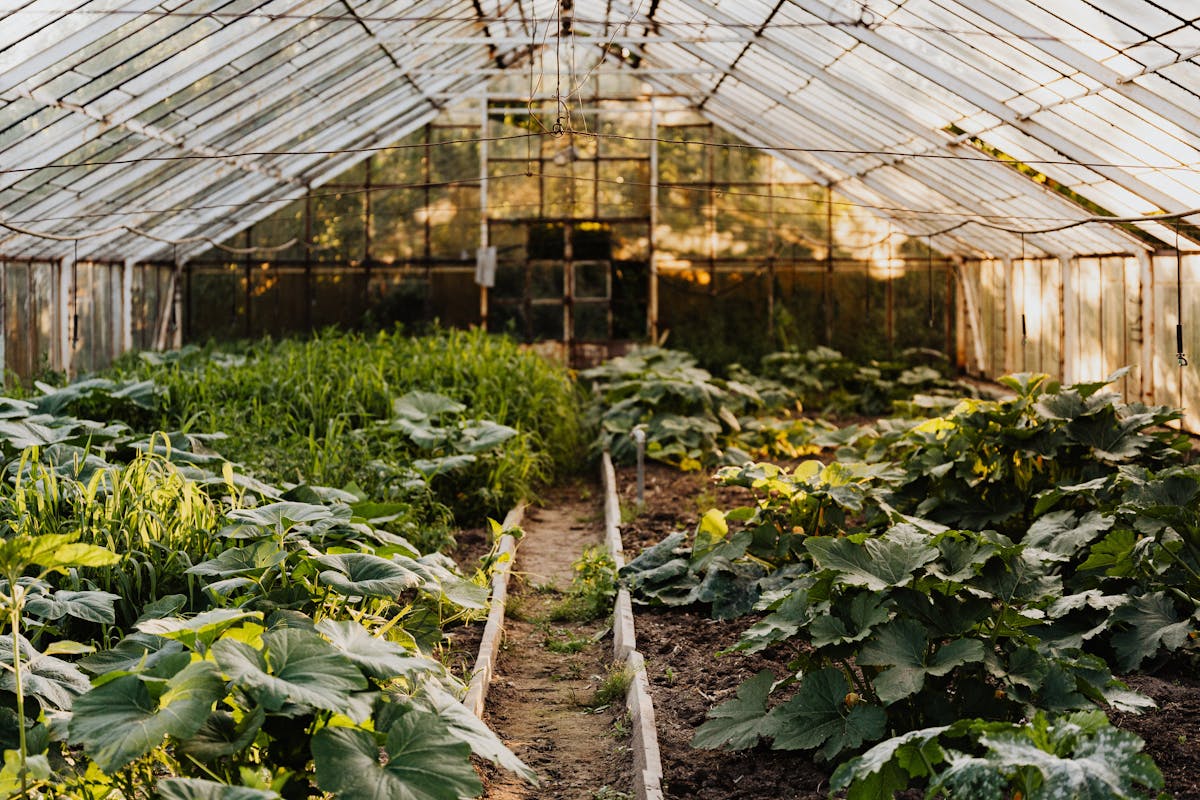
When I first traded my keyboard for a trowel five years ago, leaving the world of IT behind to dive headfirst into the glorious, muddy chaos of my 800 sq ft backyard here in the UK Midlands, I thought I knew what I was getting into. I had visions of plump heirloom tomatoes ripening in my greenhouse, neat rows of crisp lettuce, and fragrant herbs thriving in my raised beds. What I hadn't quite factored in was the relentless, highly organised annual weed army that was just waiting to stake its claim.
Over the years, after countless hours of digging, researching, and more than a few frustrated sighs (usually after a particularly wet spell that seems to supercharge them!), I've become obsessed with understanding and outsmarting these green invaders. And let me tell you, two of the most persistent, and frankly, annoying, adversaries in my UK vegetable patch have been crabgrass and purslane. They might seem innocuous, but ignore them at your peril. I've learned this the hard way, trust me.
This isn't about dousing everything in chemicals – that's just not how I roll in my organic garden. This is about strategic, organic warfare, drawing on five years of trial and error in our often-unpredictable British climate. I'm going to share what I've personally tried, what's worked (and what hasn't, because we all make mistakes!), and how you can stop these annual weed armies dead in their tracks, using both pre-emergent and post-emergent organic controls. So, grab a cuppa, and let's get stuck in.
Taming the Green Tide: Why Crabgrass and Purslane Threaten Your UK Vegetable Patch
There’s nothing quite like the satisfaction of a freshly planted vegetable bed, the soil dark and rich, promising a season of bounty. But for us UK gardeners, that pristine canvas is also an open invitation for opportunistic annual weeds. In my Midlands garden, crabgrass (various Digitaria species) and common purslane (Portulaca oleracea) are the undisputed champions of unwelcome guests. They aren't just a nuisance; they're a genuine threat to your hard work and your harvest.
I remember one particularly wet spring, about three years back, when I was still experimenting with the timing of my mulching. I'd been a bit late getting a good layer down on my main tomato bed – the one where I coddle my 'Cherokee Purple' and 'Gardener's Delight' before they move into the greenhouse. Within weeks, after a couple of those classic British downpours followed by some warm sunshine, it was like a carpet of crabgrass had appeared overnight. It choked out my young basil seedlings and competed fiercely with my transplanted courgettes for nutrients and water. The purslane, meanwhile, was silently creeping in the shadier, richer parts of the bed, creating dense mats that made weeding a nightmare.
These aren't just random weeds; they're incredibly well-adapted for colonising disturbed soil, which is exactly what our vegetable beds are. Here in the UK, especially with our often-mild winters and sometimes damp, warm springs and summers, these annuals find perfect conditions to thrive. They germinate quickly, grow rapidly, and – here’s the kicker – produce an astronomical number of seeds in a very short amount of time. A single crabgrass plant can produce tens of thousands of seeds, and purslane isn't far behind, with its tiny, resilient seeds that can lie dormant in the soil for years, just waiting for the right moment.
The problem isn't just aesthetic. These weeds are aggressive competitors. They steal vital nutrients that your prize-winning 'Sungold' tomatoes or your 'Charlotte' potatoes desperately need. They hog water, which is particularly crucial during our drier summer spells, even here in Britain. And in my densely planted raised beds, they create dense shade that can stunt the growth of smaller, slower-growing vegetables. My approach to gardening is all about working with nature, not against it, but when it comes to these two, a firm hand is absolutely necessary. It's about being proactive and strategic, rather than constantly reactive, which is a lesson my former IT problem-solving brain really latched onto.
Know Your Weeds: Identifying Crabgrass and Purslane's Lifecycle and Weak Spots
Before you can effectively fight an enemy, you need to know exactly who you're up against. This is a lesson I learned early on in my gardening journey. I used to just yank out any green thing that wasn't a vegetable, but that's a bit like trying to solve a complex coding problem by just randomly deleting lines of code – inefficient and often counterproductive! Understanding the lifecycle and specific characteristics of crabgrass and purslane has been key to my success here in the Midlands.
Crabgrass (Digitaria spp.)
In my UK garden, crabgrass usually starts popping up when the soil temperature consistently hits around 13-16°C (55-60°F), typically late spring to early summer here in Britain. It's a warm-season annual grass, meaning it loves the heat. You'll often find it sneaking into the sunniest, most open parts of my raised beds, especially near paths or areas with compacted soil. It has a distinctive low-growing, sprawling habit, almost like a crab's legs spreading out from the centre – hence the name! The blades are typically broad and light green, sometimes with a purplish tinge at the base. One mistake I made in my early days was confusing young crabgrass with desirable grasses, but once you know what to look for, it's quite distinct. It grows incredibly fast, especially after a good rain, and then produces seed heads that look like thin, finger-like spikes. These seeds are its Achilles' heel – stop them before they form, and you've won half the battle.
Common Purslane (Portulaca oleracea)
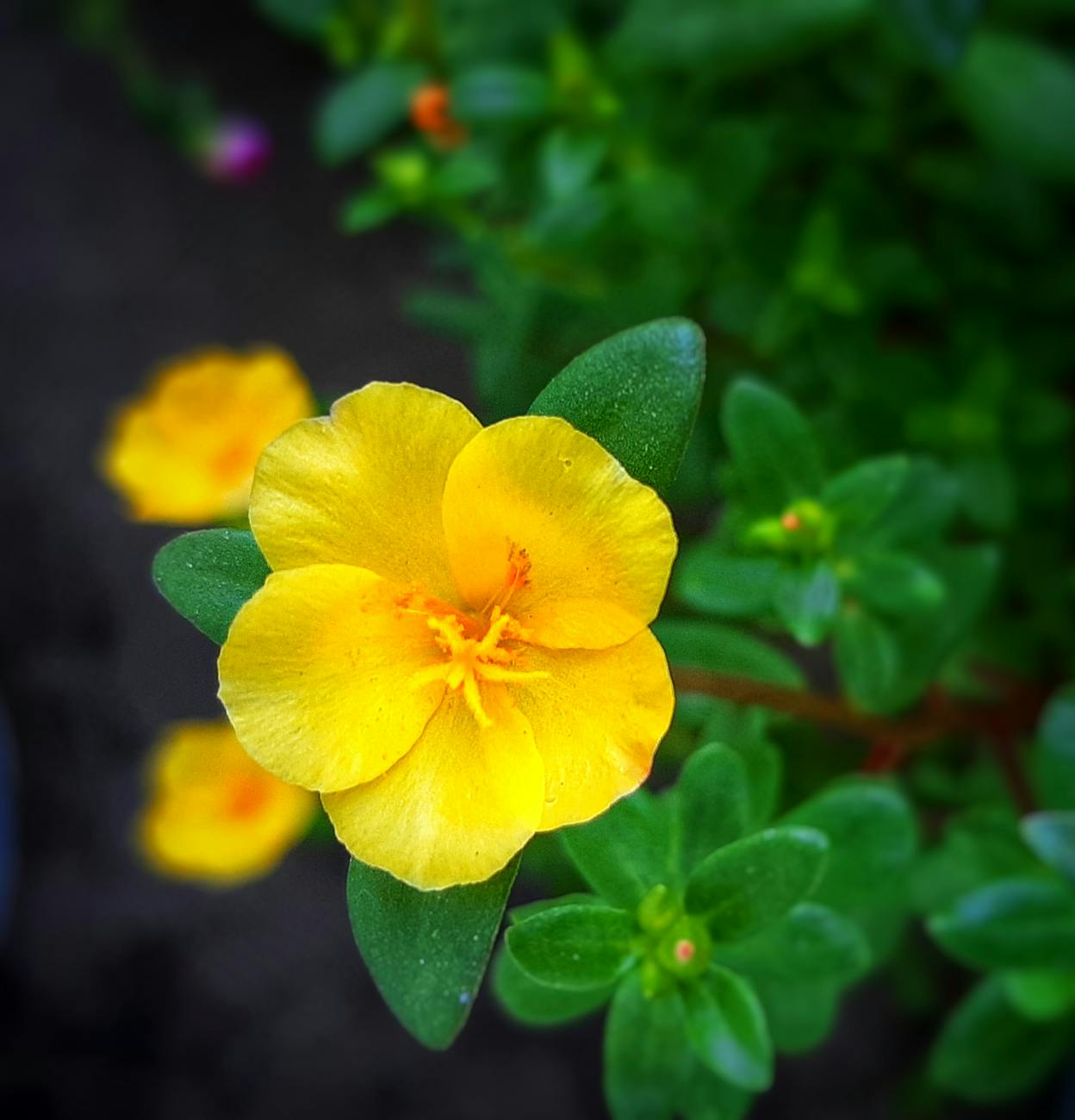
Purslane is a completely different beast, though equally tenacious. This succulent annual weed also loves warm weather, often germinating a bit later than crabgrass, usually when soil temperatures are slightly higher, around 18-21°C (65-70°F). It's incredibly resilient and can thrive in poor soil, but in my experience, it absolutely flourishes in the rich, well-composted soil of my vegetable beds. It forms dense, mat-like colonies, with reddish, fleshy stems and small, paddle-shaped, succulent leaves. It's actually edible, and I've even tried it in salads, but in my vegetable beds, it's a competitor, not a crop! Its succulent nature means it holds onto water incredibly well, making it tough to dehydrate after weeding. Even a small piece of stem can re-root if left on moist soil, which I've learned the hard way after a casual weeding session followed by a typical British drizzle. Its tiny black seeds are produced in abundance and can survive in the soil for decades.
Here’s a quick comparison to help you identify these two common culprits:
| Feature | Crabgrass (Digitaria spp.) | Common Purslane (Portulaca oleracea) |
|---|---|---|
| Type | Warm-season annual grass | Warm-season annual succulent broadleaf weed |
| Appearance | Low-growing, sprawling, light green broad blades; purplish base | Fleshy, reddish stems; small, paddle-shaped, succulent leaves; mat-forming |
| Growth Habit | Spreading, often forming dense clumps; 'crab-like' appearance | Creeping, prostrate, forms thick groundcover |
| Typical Habitat | Sunny, disturbed areas; compacted soil; pathways | Rich, moist soil; open ground; can tolerate poor soil |
| Germination Temp | Soil 13-16°C (55-60°F) | Soil 18-21°C (65-70°F) |
| Seed Output | Very high (tens of thousands per plant) | High (thousands per plant); seeds viable for decades |
| Weak Spots | Easy to pull when young; seeds need light to germinate | Succulent nature means it re-roots easily if not fully removed/dried; seeds need light |
| UK Timing | Late spring to early summer emergence | Early summer emergence |
First Line of Defence: Organic Pre-Emergent Tactics to Stop Seeds Before They Sprout
My strategy for battling weeds, especially those annual armies like crabgrass and purslane, has always been about prevention first. It's far easier to stop those seeds from ever seeing the light of day than it is to painstakingly pull out thousands of seedlings. This is where organic pre-emergent tactics come into their own. They create a barrier or interfere with germination without harming your existing plants or the precious soil life in your UK vegetable beds.
I've experimented with a few different approaches over the years in my 800 sq ft Midlands garden, and what works best often depends on the specific bed and the time of year. The key, I've found, is timing. Here in the UK, our springs can be a bit of a rollercoaster, with fluctuating temperatures. You need to apply these tactics before the soil consistently reaches those germination temperatures for crabgrass and purslane. For me, that usually means late March to mid-April for crabgrass, and then a follow-up in late April to early May for purslane, or just before I plant out my main crops.
My Go-To Organic Pre-Emergent Strategies:
Thick Organic Mulch: This is my absolute number one weapon. I swear by it. A good, thick layer of organic mulch does several things: it smothers weed seeds by blocking light, it moderates soil temperature (keeping it cooler in summer and warmer in winter), and it helps retain moisture – a godsend during those drier British summers.
- What I use: I primarily use well-rotted wood chip (often from local tree surgeons), straw, or my own homemade leaf mould. For my smaller herb beds, I sometimes use fine gravel or grit.
- How I apply it: After preparing a bed and planting out my seedlings (or direct-sowing larger seeds like beans and peas), I lay down a generous layer, typically 5-10 cm (2-4 inches) thick. For establishing new beds or areas with a particularly bad weed problem, I'll often lay down a layer of cardboard first, then soak it, and then apply the mulch on top.
- My experience: One year, I was rushing to get my greenhouse heirloom tomatoes started, and I skimped on the mulch in one of my outdoor raised beds. Within a month, that bed was a sea of crabgrass and purslane, while the heavily mulched beds next to it were almost weed-free. Lesson learned! It's an ongoing process; I top up my mulch layers annually in early spring.
Corn Gluten Meal (CGM): I've used CGM as an additional layer of defence, particularly in my greenhouse beds where I grow more sensitive crops. CGM is a natural byproduct of corn processing and works by releasing peptides that inhibit root formation in germinating seeds. It also provides a slow-release nitrogen boost, which is a nice bonus for leafy greens!
- How I apply it: I sprinkle it evenly over the prepared soil surface at the recommended rate (usually around 10-20 lbs per 1000 sq ft, or about 0.5-1 kg per 50 sq metres) and then lightly water it in.
- My experience: It's more expensive than mulch, so I tend to reserve it for smaller, high-value beds or areas where I need a really clean start. The downside is you can't direct sow seeds for about 4-6 weeks after application, as it will inhibit their germination too. This means it's best for beds where you're transplanting seedlings. I've found it moderately effective, especially against crabgrass, but it's not a magic bullet on its own in our British climate; it works best in conjunction with mulching.
Cardboard and Newspaper Layering: For areas that are truly overrun, or when I'm establishing a new raised bed from scratch, I turn to the "lasagna gardening" method, which heavily relies on layers of cardboard and newspaper. This isn't strictly a pre-emergent for existing beds, but it's an incredible way to prevent weeds from emerging in new areas.
- How I apply it: I lay down overlapping sheets of plain brown cardboard (remove all tape and labels!), wet them thoroughly, and then layer on newspaper (black ink only), followed by compost, straw, and then my usual mulch.
- My experience: This method has transformed sections of my garden that were once dense with perennial weeds (like bindweed, another British bane!) into productive vegetable beds with minimal annual weed pressure in the first year. The thick barrier effectively smothers existing weeds and prevents new seeds from germinating. It’s a bit more effort upfront, but the long-term benefits for weed control are immense.
Here’s a comparison of these organic pre-emergent tactics:
| Organic Pre-Emergent Tactic | Pros (My UK Experience) | Cons (My UK Experience) | Best Use Case (UK Garden) |
|---|---|---|---|
| Thick Organic Mulch | Excellent weed suppression; improves soil health; retains moisture; regulates soil temp; cheap/free | Needs regular topping up; can harbour slugs/snails (manageable!) | General-purpose for all vegetable beds, paths, fruit bushes |
| Corn Gluten Meal (CGM) | Inhibits weed seed germination; provides nitrogen boost; safe for existing plants | More expensive; inhibits direct-sown seeds for 4-6 weeks; effectiveness can vary with British weather | Smaller, high-value beds where transplanting; as a supplement to mulch |
| Cardboard/Newspaper Layering | Excellent for suppressing severe existing weeds; prevents new weed emergence; builds soil | Labour-intensive upfront; requires large amounts of material; not ideal for established beds with delicate plants | New bed creation; reclaiming heavily weeded areas; under perennial plantings |

When Weeds Emerge: Effective Organic Post-Emergent Control in Vegetable Beds
Right, so we've talked about stopping those little green invaders before they even poke their heads up. But let's be honest, even with the best pre-emergent strategy, some determined little blighters will make it through. Or maybe you're dealing with a patch that didn't get the pre-emergent treatment. That's where our organic post-emergent tactics come into play. This is where the real hand-to-hand combat begins, but done smartly, it's incredibly effective and surprisingly satisfying.

The Art of the Pull: Timing and Technique
My first line of defence, always, is a good old-fashioned hand-weeding session. I've learned over my five years in this Midlands garden that timing is everything. The absolute best time to weed is after a good rain shower – something we're rarely short of here in Britain! The soil is soft and moist, making it much easier to extract entire root systems without snapping them. If it's been dry, a thorough watering an hour or two before you head out can work wonders.
For crabgrass, this is particularly crucial. Those fibrous roots can be a nightmare in dry, compacted soil. Get them when they're young, ideally before they've formed their characteristic mat-like growth. Purslane, on the other hand, is a sneaky one. It has a succulent stem and shallow roots, but any piece left on the soil can re-root and start a whole new plant. One mistake I made early on was just pulling purslane and leaving the bits on the path, only to find them thriving a week later! Now, every bit of purslane I pull goes straight into a bucket and then into the compost only if it's completely dried out and desiccated first, or into the green waste bin.
My Go-To Tools for the Job
In my 800 sq ft backyard, I rely on a few trusted companions:
- Hori-Hori Knife: This Japanese gardening tool is an absolute revelation. It's sharp, serrated on one side, and has a pointed tip, making it perfect for digging out tap-rooted weeds and for precision work around my precious heirloom tomatoes in the greenhouse.
- Dutch Hoe / Stirrup Hoe: For larger, more open areas between my raised beds or in wider rows, a good hoe is indispensable. I prefer the stirrup hoe (or oscillating hoe) because it cuts weeds just below the soil surface on both the push and pull strokes, disrupting them without deeply disturbing the soil. It's fantastic for catching young crabgrass seedlings before they get established.
- Hand Fork: For loosening soil around stubborn weeds, especially if the ground is a bit compacted. It's gentler than a trowel for getting under roots.
Remember, the goal is to remove the weed before it gets a chance to flower and set seed. Crabgrass will produce seed heads that can contain thousands of seeds, and purslane, even when tiny, can flower and drop seeds rapidly. Stay vigilant!
![IMAGE_PLACEER_2: Randy's raised beds with healthy vegetables and no weeds]
Beyond the Pull: Long-Term Organic Strategies for a Weed-Free Vegetable Garden in the UK
While post-emergent weeding is a necessary chore, my ultimate aim in my UK garden is to create a system that naturally suppresses weeds. It's about working with nature, not against it. Over the last five years, I've seen a dramatic reduction in my weeding time by implementing these long-term organic strategies. It's not just about stopping annual weed armies; it's about building a resilient, healthy ecosystem.
Building Superior Soil Health
This is fundamental. Healthy soil, rich in organic matter, is the bedrock of a weed-resistant garden. I've found that regularly adding well-rotted compost (my own from the compost bins, of course!) to my raised beds has completely transformed my soil structure here in the Midlands. Loose, friable soil allows vegetable roots to grow deeply and strongly, outcompeting shallow-rooted weeds. It also makes those inevitable weed pulls much easier because the roots slide out cleanly. Poor, compacted soil is an open invitation for weeds like crabgrass to thrive, as they're often pioneers in disturbed or nutrient-poor ground.
The Power of Persistent Mulching
Mulch isn't just a pretty topping; it's a weed-suppressing superpower. After preparing my beds and planting, I apply a generous layer of organic mulch – usually straw or well-rotted leaf mould. Around my heirloom tomatoes in the greenhouse, a thick layer of straw not only keeps the soil consistently moist (reducing watering needs in our often-dry summers) but also completely smothers any weed seedlings before they see the light of day. I aim for at least 4-6 inches (10-15 cm) of mulch, especially in pathways and around established plants. This effectively blocks light, preventing weed seeds from germinating and emerging. Just be careful not to pile it directly against plant stems, as this can encourage rot.
Intelligent Planting: Shade 'Em Out!
Nature abhors a vacuum, and so do weeds. Bare soil is an open invitation. By planting vegetables closer together (while still allowing for good air circulation to prevent disease, especially important in our humid UK summers), you can create a living mulch. The canopy of your desired plants will shade the soil, naturally suppressing weed germination. I often use companion planting or simply plant a little closer than some guides suggest, especially with things like lettuce, spinach, or bush beans, to quickly create a leafy canopy. This strategy works brilliantly in my smaller 800 sq ft space, maximising yield while minimising weed opportunity.
Watering Wisely, Not Wildly
One mistake I made early on was light, frequent watering. While it felt like I was being diligent, I was actually just encouraging shallow-rooted weeds like crabgrass and purslane to thrive on the surface. Now, I focus on deep, infrequent watering. This encourages my vegetable roots to grow deeper into the soil, making them more drought-tolerant and less reliant on surface moisture – the very moisture that encourages weed seeds to germinate. A drip irrigation system in my raised beds helps deliver water directly to the plant roots, leaving the spaces in between drier and less hospitable to weeds.
Your Organic Weed Warrior Toolkit & Seasonal Battle Plan for UK Gardens
So, you're armed with knowledge and a passion for growing. Now, let's put it all together into a practical toolkit and a seasonal battle plan tailored for us here in the UK. This isn't just about fighting weeds; it's about gardening smarter, healthier, and with less effort in the long run.
Randy's Essential Organic Weed Warrior Toolkit
These are the tools and materials I personally rely on in my Midlands garden:
- Hori-Hori Knife: Indispensable for precision weeding and digging.
- Stirrup Hoe: My go-to for efficient weeding in paths and wider rows.
- Hand Fork & Trowel: For loosening soil and careful removal around delicate plants.
- Strong Gardening Gloves: Protect those hands!
- Wheelbarrow or Bucket: For collecting weeded material – especially crucial for purslane!
- Quality Organic Compost: For improving soil structure and enriching beds.
- Organic Mulch (Straw, Leaf Mould): Essential for smothering weeds and retaining moisture.
- Corn Gluten Meal: My chosen organic pre-emergent.
- Watering Can or Drip System: For targeted, deep watering.
Your Seasonal Organic Weed Battle Plan for UK Gardens
Here's how I approach the weed challenge throughout the year in my UK garden, adapting to our wonderfully unpredictable British weather:
| Season | Key Organic Weed Control Actions (UK Focus) | Randy's Top Tips & UK Specifics like a garden with a purpose. It's about creating a beautiful, productive space that is in harmony with nature and, crucially, doesn't demand endless hours of back-breaking weeding.
Remember, every weed you remove, every layer of mulch you lay, every healthy plant you grow – it all adds up. Your efforts will compound over time, making your organic vegetable garden increasingly resilient and a true joy to tend. Happy gardening, fellow warrior!
Conclusion
Tackling annual weed armies like crabgrass and purslane in your UK vegetable beds doesn't have to feel like an endless, losing battle. As I've shared from my own five years of intensive gardening here in the Midlands, the key lies in a multi-faceted, organic strategy that combines both preventative and reactive measures. We started by understanding our foes – knowing their lifecycle and weak spots is half the battle. Then, we explored the crucial first line of defence: organic pre-emergents like corn gluten meal, timed perfectly to our British spring, to stop those seeds before they even think about sprouting.
When some inevitably emerge, our post-emergent approach focuses on swift, consistent action with the right tools – a hori-hori knife for precision, a stirrup hoe for efficiency, and the critical understanding of how to remove every last fragment of purslane. But beyond the immediate fight, true victory lies in the long-term. Building healthy, organic-rich soil, maintaining a thick layer of mulch, planting intelligently to shade out bare patches, and watering mindfully are all strategies that transform your garden into a self-sustaining system, naturally suppressing weeds.
This isn't just about winning a fight; it's about cultivating a thriving, productive garden. By implementing these organic practices, you'll not only control crabgrass and purslane but also foster a healthier soil ecosystem, reduce your workload, and ensure your vegetable beds are bursting with delicious, homegrown produce, year after year. So grab your hori-hori, prepare your mulch, and get ready to enjoy a more weed-free gardening season!