Say Goodbye to Drooping Blooms: Why Your Spring Bulbs Might Be Flopping
Oh, spring! There’s nothing quite like that first burst of colour after a long, grey British winter, is there? For me, here in my 800 sq ft Midlands backyard, seeing those vibrant daffodil trumpets and elegant tulip cups emerge is pure magic. It’s the reward for all that autumn digging and hopeful waiting. But let's be honest, that joy can quickly turn to a sigh of disappointment when you step outside after a particularly blustery day, or just a few days of heavy rain, and find your beautiful blooms doing the dreaded "floppy dance."
I remember my first few springs in this garden – I’d be so proud of my early daffodils, only to see them splayed across the raised beds like they’d had one too many pints down the local. My tulips, often the taller varieties, seemed to collapse under the weight of their own beauty, especially after a good downpour. It was frustrating, to say the least! I’ve been gardening intensively for five years now, and I’ve tried just about every trick in the book to keep my spring bulbs standing tall and proud, exactly as nature (and my planting efforts) intended.
This isn't just about aesthetics; a floppy stem can also mean a shorter vase life if you're bringing them indoors, and sometimes, if they're completely broken, it can weaken the bulb for future seasons. So, if you're tired of your stunning spring display ending up as a soggy, horizontal mess, you're in the right place. I'm going to share everything I've learned through my own trials and errors in my UK garden, from the crucial role of planting depth to smart support strategies that actually work against our unpredictable British weather. Let's get those daffodils and tulips standing to attention!
Understanding the Wobble: Common Causes of Floppy Bulbs in UK Gardens
When I first started wrestling with floppy bulbs, I blamed everything on the wind. And while our often-gusty British weather is certainly a major culprit, I've learned that it's usually a combination of factors, a perfect storm if you will, that leads to those beautiful blooms collapsing. In my experience here in the Midlands, understanding the why helps you implement the how much more effectively.

Here are the main reasons I've identified for the dreaded wobble in my own UK garden:
The British Weather Blitz: Wind and Rain
Let's face it, we live in the UK. One moment it's glorious spring sunshine, the next it's a torrential downpour followed by a blustery gale. This is arguably the biggest external factor here. Tall tulip stems, especially, act like sails in strong winds, and once they're saturated with rain, the added weight makes them incredibly vulnerable. I've seen entire clumps of 'Dutch Master' daffodils, usually so robust, flattened after a particularly nasty March storm. It's a classic British gardening challenge, and one I've learned to anticipate.
Shallow Planting: A Foundation of Sand
This was one of my biggest mistakes when I first started. I thought "plant at three times the height of the bulb" was just a guideline. Nope! Planting too shallowly means the bulb doesn't have enough soil around its base to anchor it properly. The stem emerges with less inherent stability, and the root system isn't as robust as it could be. Think of it like trying to build a skyscraper on a shallow foundation – it's just asking for trouble when the wind blows. I learned this the hard way with some beautiful 'Queen of Night' tulips that were consistently face-down in the mud until I started planting them deeper.
Nitrogen Overload: All Leaf, No Leg Strength
As a keen vegetable gardener, I'm often adding compost and feeds rich in nitrogen to my raised beds to get those leafy greens and vigorous tomato plants. However, I quickly learned that for bulbs, too much nitrogen is a bad thing. It encourages lush, leafy growth at the expense of strong stems and blooms. You end up with beautiful, abundant foliage, but the stems themselves are weak and elongated, almost like they're stretching too fast. I noticed this particularly in a bed where I'd previously grown brassicas and the soil was super rich – the daffodil leaves were enormous, but the flowers just couldn't hold themselves up.
The Quest for Light: Stems Stretching Too Far
Like most plants, spring bulbs need adequate sunlight to grow strong and sturdy. If they're planted in too much shade, or if they're competing with surrounding foliage that casts too much shadow, they'll "stretch" towards the light. This results in elongated, spindly stems that lack the necessary thickness and rigidity to support their heavy flower heads. I've observed this with some tulips I planted near a newly grown shrub – the ones on the shaded side were noticeably taller and weaker than those just a foot away in brighter conditions.
Naturally Top-Heavy Varieties: Beauty Can Be a Burden
Let's be honest, some bulbs are just designed to be a bit top-heavy. Many of the larger, more dramatic tulip varieties, like the Darwin Hybrids or Parrot tulips, have enormous flower heads that, while stunning, are inherently more prone to flopping. Similarly, some multi-headed daffodils can struggle under the combined weight. It's not always a planting error; sometimes, it's just the genetics of the plant trying to cope with the elements. This is where strategic support really comes into its own, as I'll explain later.
By understanding these common culprits, I've been able to adjust my planting and care routines to give my spring bulbs the best possible chance of standing tall, even when our famous British weather throws everything it's got at them.
The Foundation of Firm Stems: Mastering Optimal Planting Depths for Stability
This is, in my opinion, one of the most critical factors often overlooked by gardeners, especially when you're just starting out. I certainly underestimated its importance in my early gardening days here in the Midlands. I used to just follow the packet instructions blindly, assuming "three times the bulb's height" was gospel. But I've learned through experimentation in my own UK garden that going just a little bit deeper than the standard recommendation can make a world of difference for stem stability, particularly with our unpredictable British climate.
When you plant a bulb deeper, you're essentially giving it a more secure anchor in the soil. The stem has to push through more earth to reach the surface, which encourages it to grow thicker and stronger. It's like a natural form of staking from below! Deeper planting also helps to regulate soil temperature around the bulb, protecting it from extreme cold snaps in winter and keeping it cooler in early spring, which can sometimes delay emergence slightly, leading to sturdier growth.
I've found that for most daffodils and tulips, aiming for about 1.5 to 2 inches (4-5 cm) deeper than the standard recommendation provides that extra bit of stability without inhibiting growth. Of course, you don't want to go too deep, as that can delay flowering or even prevent the bulb from emerging at all. It's a delicate balance, but one I've largely cracked in my soil conditions.
Here's a detailed comparison table based on my own trials and successes in my UK garden:
| Bulb Type | Standard Planting Depth (Approx. for UK) | Randy's Recommended Depth for Stability (UK) | Why This Depth Works in My UK Garden |
|---|---|---|---|
| Daffodils (Large) | 15-20 cm (6-8 inches) | 20-25 cm (8-10 inches) | My 'King Alfred' and 'Dutch Master' daffodils benefit hugely from this extra depth. It provides a solid anchorage for their often large, heavy flowers, preventing them from toppling in strong spring winds and rains, which are common here in the Midlands. It also encourages a stronger root system to cope with our varying soil moisture. |
| Daffodils (Miniature) | 10-12 cm (4-5 inches) | 12-15 cm (5-6 inches) | Even my beloved 'Tête-à-tête' daffodils, while smaller, can still flop after heavy rain. This slightly deeper planting gives their delicate stems more natural support as they push through the soil, making them less prone to bending, especially in exposed spots in my raised beds. |
| Tulips (Darwin Hybrid) | 15 cm (6 inches) | 18-23 cm (7-9 inches) | These are often the biggest culprits for flopping due to their tall stems and large, heavy flower heads. I always plant my 'Apeldoorn' and 'Maureen' varieties deeper. This extra depth provides significant basal support, forcing the stem to be more robust and less likely to snap or bend under the weight of rain or wind here in Britain. |
| Tulips (Triumph/Single Early) | 10-15 cm (4-6 inches) | 15-18 cm (6-7 inches) | Still prone to flopping, especially if planted in a windy spot. I've found that varieties like 'Prinses Irene' stand much straighter with this increased depth, especially when planted in my front borders which catch more of the prevailing westerly winds. |
| Tulips (Species/Botanical) | 10 cm (4 inches) | 12-15 cm (5-6 inches) | These are generally smaller and more resilient, but a little extra depth doesn't hurt, especially if you're aiming for a more naturalized look where they won't have individual support. It helps them establish a long-lasting clump and withstand the elements more effectively in my small-space garden. |
Remember, these depths are for the base of the bulb. Always measure from the bottom of the bulb to the soil surface. This strategy, combined with good soil preparation, creates a fantastic foundation for strong, upright stems from the get-go.
Site Selection & Soil Prep: Building a Strong Base for Upright Blooms
Getting the planting depth right is crucial, but it's only one piece of the puzzle. The environment you choose for your bulbs and how you prepare the soil before they even go in the ground are equally vital for ensuring they grow strong and don't end up doing the limbo. In my 800 sq ft Midlands garden, every inch counts, so getting the site right is non-negotiable. I'm a bit of a soil geek, as anyone who's seen my raised beds and greenhouse will tell you, and that obsession extends to my spring bulbs too!
The Power of Position: Sunlight and Shelter
First off, consider where you're putting them.
- Sunlight is Key: Most spring bulbs, especially daffodils and tulips, thrive in full sun – that's at least 6 hours of direct sunlight a day. I've found that bulbs planted in shadier spots in my garden tend to stretch for the light, resulting in those weak, elongated stems we talked about earlier. Last spring, I experimented with some 'Ballerina' tulips in a spot that only got morning sun, and while they bloomed, they were noticeably taller and floppier than their counterparts in the sunny raised bed. Strong sunlight encourages sturdier, more compact growth.
- Shelter from the Storm: This is a big one for us in the UK. While you can't control the weather, you can choose a spot that offers some natural protection from strong winds. I learned this the hard way with a particularly exposed corner of my garden. Now, I try to plant taller varieties closer to a fence, a wall, or even among other sturdier perennials or shrubs that can act as a windbreak. This isn't always possible in a small garden like mine, but even a slight reduction in wind exposure can make a massive difference to how your bulbs cope with a blustery March day.
The Bedrock of Success: Drainage, Drainage, Drainage!
If there's one thing I preach about soil, it's drainage. And for bulbs, it's absolutely paramount. Bulbs hate sitting in soggy, waterlogged soil – it's a fast track to rot and a weakened plant. Here in the Midlands, with our often damp winters and spring rains, good drainage isn't just nice to have; it's essential for bulb survival and vigour.
- Loamy, Free-Draining Soil: Ideal bulb soil is well-drained but still retains some moisture and nutrients. If you have heavy clay soil like parts of my garden initially did, you absolutely must amend it.
- My Soil Prep Secret: I dig in plenty of well-rotted garden compost – not fresh manure, which can be too rich and burn the bulbs – and a good amount of horticultural grit. For my raised beds, I ensure the mix is about 50% good quality compost, 30% topsoil, and 20% grit/sand. This creates a friable, open structure that allows excess water to drain away quickly while still providing a nutrient-rich environment for the roots. I've noticed that bulbs in my well-drained raised beds consistently outperform those I've tried in less prepared ground.
- Avoid Wet Spots: If you have a particularly low-lying or boggy area in your garden, it's best to avoid planting bulbs there altogether. No amount of amendment will fix consistently waterlogged conditions. Consider planting in pots or raised beds in such areas instead.
By carefully selecting your planting site for maximum sun and some shelter, and by diligently preparing your soil for optimal drainage, you're laying the best possible groundwork for robust, upright spring bulbs. It's an investment of time and effort in autumn that pays dividends in a glorious, wobble-free display come spring!
5. Proactive Support: Practical Staking and Discreet Methods for Upright Bulbs
Even with the best planting depth and perfect soil, sometimes our unpredictable British weather throws a curveball. A sudden late spring gale, or a torrential downpour, can still flatten your prize blooms, especially those magnificent tall tulips or double daffodils that are just naturally a bit top-heavy. I've learned this the hard way more than once here in my Midlands garden, staring sadly at a bed of 'Apeldoorn' tulips laid low by an April storm. That's why having a few proactive support tricks up your sleeve is invaluable. It’s not about industrial-looking cages, but subtle, timely intervention.
The key is to get your supports in before the stems get too leggy or the flowers open fully. Once they’ve flopped, it’s much harder to coax them back up without damaging them. In my 800 sq ft garden, I tend to use a mix of methods depending on the bulb type and where it’s planted. For individual showstoppers in a border, I might go for a single stake, but for a whole clump of daffodils in a raised bed, something more communal works better.
Here’s a look at some of the practical supports I’ve used and what I’ve found works best in our UK climate:
| Support Method | Pros (UK Context) | Cons (UK Context) | Best For (UK Specific Situations) | Randy's Tip (Personal Experience) |
|---|---|---|---|---|
| Bamboo Canes | Sturdy, readily available and cheap. Good for strong winds. | Can look obvious if not chosen carefully. Needs individual tying. | Tall, single-stemmed daffodils like 'Mount Hood' or 'Dutch Master'. | Push them in early, before stems are too tall. Use soft twine in a figure-eight. |
| Metal Plant Supports | Very durable, reusable for years. Blends in well if green-coated. | Can be pricier upfront. Can be tricky to insert around established bulbs. | Clumps of tulips or daffodils in exposed spots. Good for heavy double blooms. | I use these for my 'Ice Follies' daffodils; they give great support without fuss. |
| Pea Sticks/Twiggy Branches | Incredibly natural-looking, almost invisible. Biodegradable. | Less robust for very heavy flowers or gale-force winds. Needs annual replacement. | Informal cottage garden style, supporting mid-height tulips or narcissus. | Collect these from pruning deciduous shrubs in winter. Push them in densely around the clump. |
| Natural Twine/Jute Netting | Discreet, can create a "fence" for multiple stems. Biodegradable. | Can be fiddly to set up. Less effective for individual, very heavy stems. | Large drifts of medium-height bulbs that just need a bit of collective lean. | I sometimes weave twine between small hazel sticks for a subtle, invisible support. |
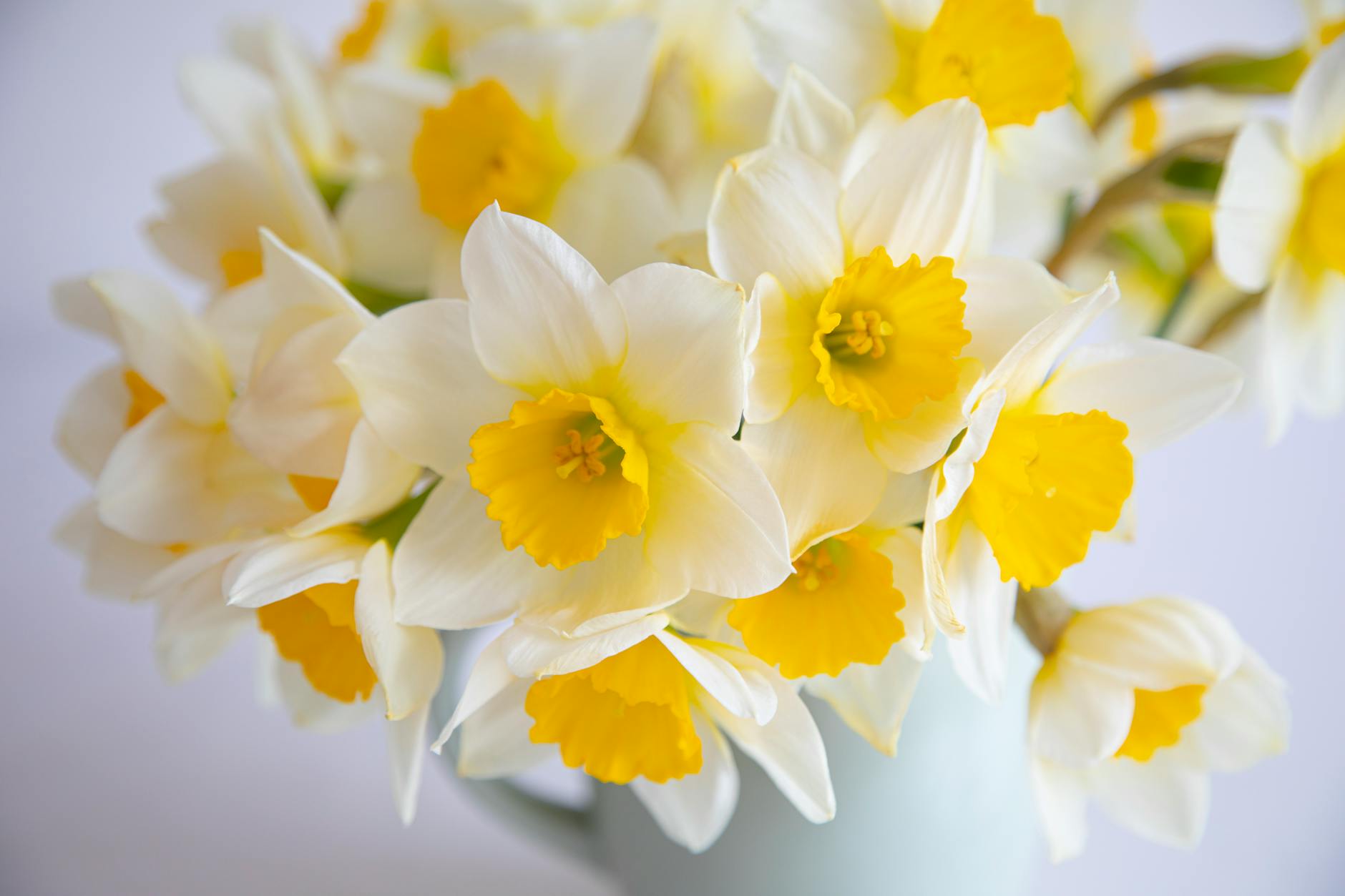
6. Beyond the Bloom: Post-Flowering Care for Stronger Bulbs Next Year
The vibrant display of spring bulbs is fleeting, but what you do once the petals fade is absolutely crucial for ensuring an even better show next year. This is where many gardeners, myself included when I first started, make mistakes. It’s tempting to tidy everything up immediately, but patience is a virtue here in the UK garden. Your bulbs are essentially recharging their batteries for the next season.
Deadheading: A Smart Energy Saver
Once a daffodil or tulip has finished flowering, the natural instinct of the plant is to put all its energy into producing seeds. While this is great for nature, it drains vital energy from the bulb itself, meaning fewer or smaller flowers next year. That's why I always make a point of deadheading my bulbs.
- How I do it: For daffodils, I just snap off the spent flower head and the seed pod behind it, leaving the stem intact. For tulips, I'll snip off the entire flower head, again, leaving the stem and all the leaves.
- When: As soon as the petals start to fade and before a seed pod can properly form.
- Why: This redirects all that precious energy back into the bulb underground, helping it grow bigger and stronger, ready to produce more glorious blooms next spring.
The Crucial Role of Foliage: Don't Cut It Back!
This is probably the most important piece of advice I can give you for post-flowering care, and one I learned the hard way. When I first started gardening five years ago, I used to chop off all the leaves as soon as the flowers died back, thinking I was tidying up. Big mistake! Those green leaves are the powerhouses of the plant, photosynthesising sunlight into energy and storing it in the bulb.
- My rule: Leave the foliage in place for at least six weeks after flowering, or until it has naturally withered and turned yellow/brown. Here in the Midlands, that usually means late May or even early June for some of my later tulips.
- The "Messy Phase" Solution: I get it, dying foliage can look a bit unsightly in a tidy border. My solution in my 800 sq ft garden is to interplant my bulbs with perennials or annuals that will emerge and grow to hide the yellowing leaves. Hostas are fantastic for this, as are hardy geraniums or even bedding plants like petunias. This way, the leaves can do their vital work in peace, and my garden still looks neat. You can gently tie the dying leaves into loose knots to make them less conspicuous, but avoid bending or breaking them.
Feeding for Future Flourish
After the energy expenditure of flowering, a little boost can go a long way. Once you've deadheaded your bulbs and the foliage is still green, I like to give them a light feed.
- What I use: A balanced granular feed, or one slightly higher in potassium (like a tomato feed), is ideal. Avoid anything too high in nitrogen, as that encourages leafy growth at the expense of flowers.
- When: Straight after deadheading, while the leaves are still actively photosynthesising.
- How: I sprinkle a small amount around the base of the plants and lightly scratch it into the soil, followed by a good watering if rain isn't forecast. This ensures the nutrients are available for the bulb to absorb and store.
Watering and Dividing
While the bulbs are in their post-flowering phase, keep an eye on the weather. If we have a particularly dry spell here in the UK, make sure the soil doesn't completely dry out. A good soak once a week during dry periods will help the bulbs store energy effectively.
Finally, after several years (typically 3-5, depending on the variety), you might notice your clumps of daffodils or tulips becoming overcrowded, leading to fewer or smaller flowers. This is when it's time to consider lifting and dividing them. I usually do this in late summer or early autumn here in the UK, once the foliage has completely died back and the bulbs are dormant. Carefully lift them, separate the individual bulbs, and replant them at the correct depth, giving them more space. This rejuvenates the clump and promises another few years of fantastic displays.
7. Enjoying Stately Stems: A Season of Upright Spring Splendour
There's nothing quite like the sight of a garden bursting with upright, proud spring bulbs after the long, grey UK winter. It's a promise of warmer days, a splash of vibrant colour, and a testament to the care and attention you've poured into your patch. My journey from an IT desk to an 800 sq ft garden packed with life here in the Midlands has been full of learning, experimenting, and yes, a few floppy failures along the way! But those experiences have taught me invaluable lessons about working with our British climate, rather than against it.
Stopping floppy spring bulbs isn't about one magic trick; it's a combination of sensible strategies, applied with a bit of foresight and understanding of what your plants need. From choosing the right spot and preparing the soil, to mastering optimal planting depths, providing timely support, and giving them the right post-flowering care, each step plays a vital role. I hope my trials and errors, and what I've learned in my own UK garden, will help you cultivate a truly spectacular display.
So, this coming autumn, when you're planting your bulbs, remember these insights. Give them a good start, protect them from our changeable weather, and nurture them after they've bloomed. The reward is truly worth it: a garden filled with stately daffodils and tulips, standing tall and proud, bringing joy to your home and to every passer-by. Get out there, experiment a little, and enjoy the incredible satisfaction of a season of upright spring splendour! Happy gardening, fellow UK green fingers!