
Introduction: Protecting Your Prized Beds from Thirsty Tree Roots
You pour your heart and soul into your vegetable patch, don't you? Tending those seedlings, carefully amending the soil, planning your crop rotations... only to watch your prize-winning 'Marmande' tomatoes look a bit sad and your 'Salad Bowl' lettuce bolt way too early. For years, I blamed the unpredictable British weather or my own amateur mistakes. But then, in my 800 sq ft backyard here in the Midlands, I finally twigged. The silent thieves weren't slugs or blight; they were the greedy roots of nearby trees, sapping every drop of moisture and nutrient from my beloved raised beds.
I've been there, pulling my hair out, wondering why my carefully nurtured 'Sungold' cherry tomatoes were wilting despite regular watering. It turns out, my beautiful, mature neighbours were the problem, or rather, their insatiable root systems. After five years of intensive gardening, experimenting with everything from no-dig to companion planting, I've learned that one of the most insidious challenges, especially in a compact UK garden like mine, is unseen competition from tree roots. It's not just about space; it's about water and nutrients, the lifeblood of your plants. If you've got a tree within a stone's throw of your vegetable patch or a cherished flower bed, you're likely facing the same battle I've fought – and, thankfully, started to win. I'm going to share my hard-won experience here in the UK, detailing how I've tackled this resource theft head-on, from installing robust root barriers to making smarter planting choices that actually work in our British climate.
The Silent Threat: How Invasive Tree Roots Steal Vital Resources
It's easy to overlook what's happening beneath the soil. When I first started gardening in my Midlands patch, I was so focused on what was above ground – the leaves, the fruit, the flowers. But the real battle, the one that can make or break your harvest, often happens out of sight. I learned this the hard way during a particularly dry spell a few summers back. I was diligently watering my raised beds, full of 'Costoluto Fiorentino' tomatoes and a gorgeous array of heritage carrots, but they just looked... thirsty. Constantly thirsty. I couldn't fathom it. My soil was good, I was mulching, but still, everything seemed to struggle.
What I eventually realised was that the roots of the large sycamore in my neighbour's garden were acting like giant straws, reaching deep into my enriched raised beds. Tree roots are incredibly opportunistic. They don't just grow downwards; they spread outwards, seeking out the easiest path to water and nutrients. And what's easier than a perfectly prepared, well-fed vegetable bed? My carefully composted soil, full of worm castings and organic matter, was essentially an all-you-can-eat buffet for them. They're not malicious, just extremely efficient at what they do.
This resource theft manifests in several ways in your plants. You might see stunted growth, leaves yellowing prematurely (a sign of nutrient deficiency), or plants wilting even after you've given them a good drink. In my experience, even my greenhouse tomatoes, usually so robust, felt the pinch because the roots were making it harder for the soil to retain moisture. It’s a constant drain, leaving your prized crops starved and struggling, especially when our British weather throws a curveball and we get those unexpected dry spells, forcing tree roots to forage even further afield. Imagine pouring a delicious pint of your favourite ale, only for someone to poke a hole in the bottom of the glass. That's what invasive tree roots do to your beds. They quietly siphon off the goodness you've worked so hard to provide. And believe me, after years of trial and error in my 800 sq ft garden, I've seen the stark difference between plants growing in protected beds versus those battling unseen root networks.

Identifying UK's Most Invasive Tree Root Culprits
Now, not all trees are created equal when it comes to root invasion. Some are far more aggressive than others, and I've certainly had my battles with a few of them here in the Midlands. When I first started, I didn't give a second thought to the species of tree, only its size. Big mistake! I learned the hard way that a relatively young willow can be a far bigger menace than a stately, slow-growing oak when it comes to roots. Understanding which trees are the biggest culprits is your first line of defence.
In my UK garden, the biggest headaches have come from fast-growing, water-loving species. Willows, poplars, and even some types of maple are notorious. They send out extensive, shallow root systems that are incredibly efficient at seeking out moisture, making them absolute magnets for your well-watered beds. I remember planting a beautiful bed of 'Black Krim' tomatoes near a mature birch – thinking it was far enough away – only to find their growth severely stunted. Birches, while lovely, can also be quite thirsty with their fibrous roots. Even seemingly innocuous fruit trees, if mature and vigorous, can become an issue if too close to your prize beds.
It's not just about the size of the tree above ground; it's about the nature of its root system. Some trees, like our native oaks, tend to have deeper, more tap-rooted systems that, while extensive, might not spread as aggressively into the topsoil as the fibrous, wide-spreading roots of a willow or a Leylandii hedge. Yes, even those ubiquitous British hedges can be a nightmare for your beds! I've seen firsthand how their dense, shallow roots can completely colonise the top 6-12 inches of soil, leaving nothing for your vegetables. Understanding the enemy is half the battle. Here's a quick rundown of some of the most common invasive tree root culprits I've encountered or heard of causing issues for fellow UK gardeners, along with why they're such a challenge in our climate.
| Tree Species (UK Common) | Root Characteristics | Invasiveness Level | Primary Impact on Beds | Randy's Midlands Experience / Note |
|---|
| Willow (Salix spp.) | Very shallow, extensive, fibrous, water-loving | High | Severe water & nutrient theft | Absolute menace! They seek out moisture aggressively, especially after a dry spell. I had to rip out a young one that was choking my brassicas. |
| Poplar (Populus spp.) | Shallow, aggressive, wide-spreading, fast-growing | High | Severe water & nutrient theft, can be physically destructive | Similar to willow, incredibly fast-growing and thirsty. Avoid near beds! Their roots can even lift paving. |
| Birch (Betula spp.) | Shallow to medium depth, fibrous, can spread widely | Medium to High | Significant water & nutrient theft | Surprisingly thirsty! I learned this near my 'Black Krim' bed. They’re pretty but can be greedy. |
| Sycamore (Acer pseudoplatanus) | Shallow to medium depth, widespread, vigorous | Medium to High | Significant water & nutrient theft | My neighbour's sycamore was the culprit for my struggling tomatoes. Their roots are thick and travel far. |
| Leylandii (Cupressocyparis leylandii) | Dense, shallow, fibrous, incredibly vigorous | High | Extreme water & nutrient theft, soil compaction | A classic British hedge problem; their roots are a dense mat. If you have a Leylandii hedge, assume it’s stealing. |
| Ash (Fraxinus excelsior) | Deep and wide-spreading, can be aggressive | Medium | Moderate to significant nutrient theft | Roots are strong. Less of an issue than willow, but still a competitor for moisture and nutrients if close enough. |
| Cherry (Prunus spp. - Ornamental/Wild) | Shallow to medium, fibrous, can spread | Medium | Moderate water & nutrient theft | Beautiful trees, but their feeder roots can be more active than you'd think, especially older specimens. |
Strategic Planting & Garden Design to Minimise Risk
Alright, so before we even think about digging trenches and installing barriers, let's chat about a simpler, often overlooked first line of defence: smart garden design. This is where my IT background actually comes in handy – thinking about systems and prevention before the problem escalates! In my 800 sq ft Midlands garden, every inch counts, so I've learned the hard way that placing a prized raised bed too close to a neighbour's overgrown hedge or a mature tree can lead to heartbreak.
One of my biggest learning curves came when I first set up a bed for my beloved 'Shirley' tomatoes. I optimistically placed it near the fence, thinking it would get good morning sun. What I hadn't properly accounted for was Mrs. Henderson's colossal sycamore on the other side. Despite my best efforts with feeding and watering, those tomatoes just never thrived. They were always a bit stunted, the leaves a pale green, and the yield was dismal. It turns out, that sycamore's roots were having an absolute feast, stealing everything from underneath my unsuspecting tomatoes. I kicked myself, but it was a valuable lesson.
Now, I always advise keeping a generous distance between your productive beds and any established trees or large shrubs. How much distance? As a rule of thumb, imagine the tree's canopy spread – that’s often a good indicator of its root spread, though some go even further. For a mature sycamore or a greedy willow, we're talking at least 5-10 metres (15-30 feet) if possible. I know that's a huge ask in many UK gardens, especially smaller ones like mine, but even a few extra feet can make a difference. If you're planting new trees or shrubs in your garden, always choose species with less aggressive root systems – think smaller, ornamental varieties rather than fast-growing, thirsty giants.
Raised beds themselves offer a bit of natural protection. The sides of the bed act as a physical deterrent, forcing roots to go deeper or around. In my garden, all my vegetable beds are raised, ranging from 30cm to 60cm deep. This elevation helps, but it's not foolproof. Those determined tree roots will eventually find their way underneath or even try to climb over if the soil is rich enough. That's why simply raising a bed isn't the full solution, but it's a great start and something I swear by for British conditions, especially for drainage.
Finally, consider what you're planting. If you absolutely have to plant closer to an area with potential root invasion, perhaps choose plants that are less demanding of nutrients and water, or those that have a shorter growing season. For instance, I might put a bed of hardy root vegetables like 'Purple Haze' carrots or 'Detroit Dark Red' beetroot slightly closer to a boundary than, say, my thirsty 'Cobra' climbing beans or my heirloom 'Brandywine' tomatoes. It's all about playing the odds and giving your prize crops the best fighting chance against those subterranean marauders.
Installing Physical Root Barriers: Your Ultimate Defence
Right, let's get down to the nitty-gritty: physical root barriers. This is often the most effective, albeit labour-intensive, solution when strategic planting isn't enough, or when you're dealing with an existing, aggressive tree. I've personally installed these around a couple of my most vulnerable raised beds, particularly the one housing my greenhouse. I wasn't taking any chances with my precious 'Black Krim' and 'Gardener's Delight' tomatoes in there!
The basic principle is simple: you create an impenetrable wall in the soil to divert or stop the tree roots from reaching your beds. But choosing the right barrier and installing it correctly is absolutely crucial, especially with our often damp and unpredictable British soil conditions. There are a few different types of materials you can use, each with its own pros and cons. I've done my research, experimented a bit, and here's what I've found works best for us here in the UK.
Root Barrier Comparison Table for UK Gardeners
| Feature | HDPE Root Barrier (High-Density Polyethylene) | Non-Woven Geotextile Fabric (e.g., RootGuard) | Metal Barriers (Galvanised Steel/Aluminium) |
|---|---|---|---|
| Material Type | Rigid plastic sheet, often recycled. | Puncture-resistant fabric, often impregnated with a root-inhibiting chemical. | Durable metal sheets. |
| Typical Depth | 60cm - 120cm (2-4 ft) for most UK trees. I went 90cm for my sycamore issue. | 60cm - 90cm (2-3 ft), often designed to be less deep due to chemical action. | 60cm - 120cm (2-4 ft), depends on the thickness and rigidity. |
| Pros for UK | Highly effective physical barrier. Long lifespan (50+ years). Resists our freeze-thaw cycles well. DIY-friendly. | Chemical discourages roots. Lighter, easier to handle than rigid plastic. Good for smaller shrubs. | Very strong, ideal for very aggressive roots. Good for shallow, wide barriers. |
| Cons for UK | Can be hard work to dig the trench, especially in heavy clay or stony Midlands soil. Requires careful jointing. | Chemical effectiveness can degrade over time. Not a full physical barrier if roots are super aggressive. | Expensive. Difficult to cut and install DIY. Can rust (galvanised helps, but not forever). |
| Cost (approx.) | £5-£10 per linear metre. | £3-£7 per linear metre. | £20-£50+ per linear metre. |
| Lifespan | 50+ years. | 10-20 years (chemical effectiveness). | 20-50+ years (depends on material and gauge). |
| My UK Verdict | Best all-rounder for serious root invasion. I used this for my greenhouse. | Good for less aggressive roots or as a secondary measure. | Overkill and too expensive for most home gardeners, unless a unique situation. |
Installation: Getting it Right
The installation process is similar for most barriers, though the HDPE sheets require a bit more muscle and precision.
Dig a Trench: This is the hardest part, especially if you've got stubborn British clay or rocky soil like mine. The trench needs to be deep enough to intercept the roots. For most common invasive UK trees like sycamores, poplars, or willows, I'd recommend at least 60-90cm (2-3 feet) deep, and about 15-20cm (6-8 inches) wide. Make sure the side nearest the tree is as vertical as possible. You also need to leave about 5cm (2 inches) of the barrier protruding above ground to prevent roots from growing over it – yes, they are that cunning!
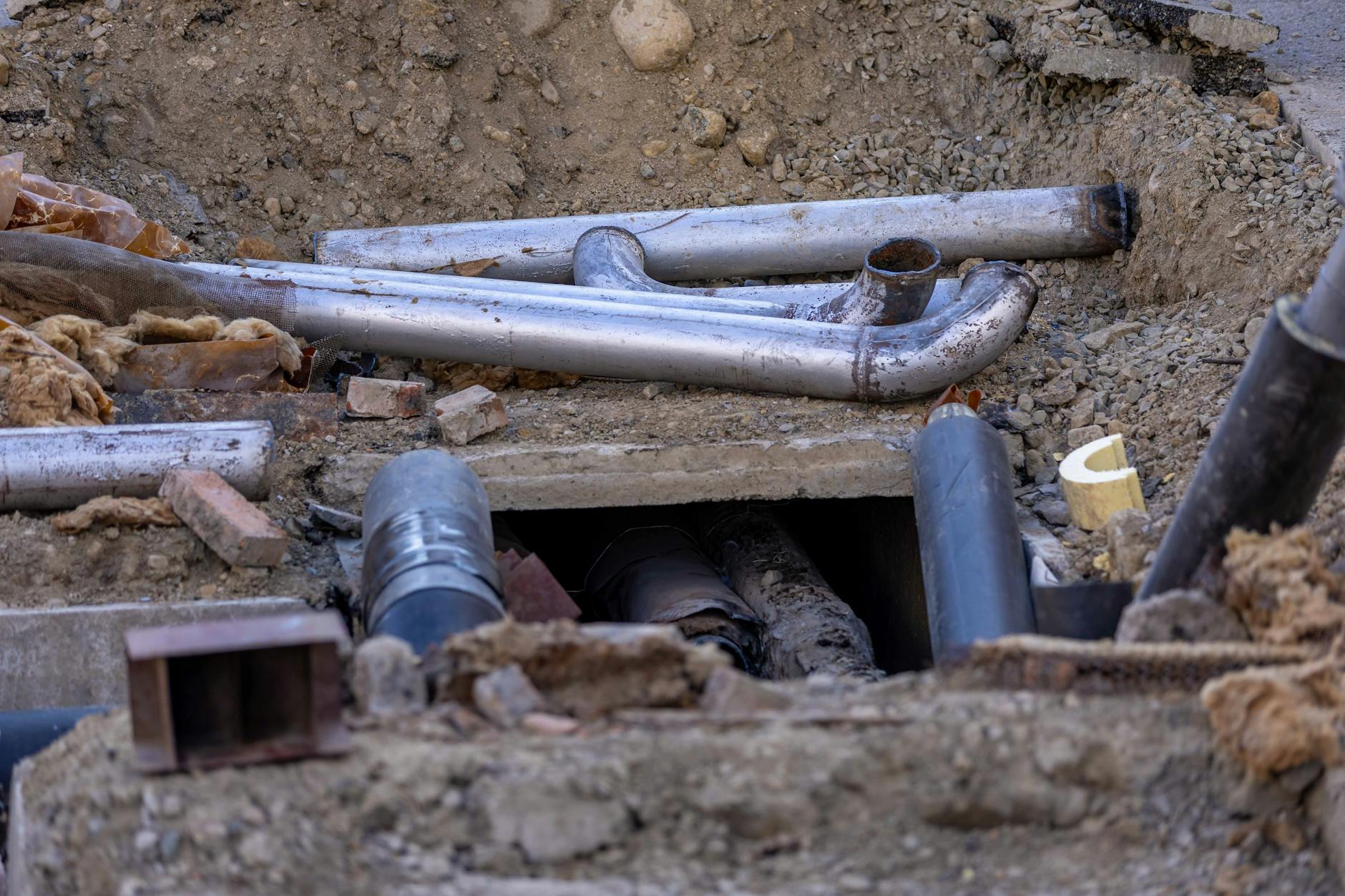
Clean the Trench: Remove any existing roots you find. This is your chance to clear them out before installing the barrier.
Install the Barrier: Place the barrier material into the trench, ensuring the recommended height above ground. If you're using HDPE, overlap the sheets by at least 30cm (1 foot) at any joins and secure them with a strong adhesive or tape designed for root barriers. This is crucial – a gap is an invitation for roots! For fabric barriers, ensure a good overlap too.
Backfill: Carefully backfill the trench with soil, compacting it gently as you go to ensure the barrier stays upright and secure. I use a mix of the original soil and some fresh compost to give the backfill a bit more structure.
It's a huge job, I won't lie. I spent a whole weekend digging the trench around my greenhouse beds, battling with tree roots and some seriously compacted clay. My back ached for days! But honestly, seeing my tomatoes thrive now, without showing any signs of nutrient deficiency, makes every ache and pain worth it. It's an investment of time and effort, but an absolute game-changer for protecting your prized crops here in the UK.
Beyond Barriers: Ongoing Management & Maintenance Tips
So, you've installed your barriers, you've planted strategically – great! But the battle against invasive tree roots isn't a one-and-done deal. It's an ongoing commitment, a bit like keeping on top of the slugs in a wet British summer. Those roots are relentlessly seeking moisture and nutrients, and they'll try every trick in the book to bypass your defences.
First up: Regular Inspections. This is crucial. At least once a season, I make it a point to walk around my protected beds and visually inspect the barrier. Remember that 5cm or so that's meant to stick out of the ground? Keep an eye on it. Look for any signs of roots trying to grow over the top. I've caught a few cheeky ones trying this, especially after a particularly dry spell when they're desperate for water from my well-irrigated beds. If you spot any, snip them off immediately. Sometimes, if the soil level has risen due to mulching, you might need to scrape a little soil away from the barrier edge to maintain that crucial exposed lip.
Next, Root Pruning (with caution!). If you have a particularly aggressive tree and you're not using a full barrier, or if roots are still finding a way around, careful root pruning can be an option. However, this is where you need to be really careful. Never prune more than about 25% of a tree's root system in a single year, and avoid cutting large structural roots. For most home gardeners, I'd strongly recommend consulting an arborist first, especially for mature trees. I've only ever done very minor pruning of small feeder roots on my side of the fence, well away from the main trunk, on a younger tree that wasn't a neighbour's. Better safe than sorry when it comes to tree health!
Maintaining Soil Health and Moisture in Your Beds is also key. Healthy, well-fed plants are more resilient. I regularly top up my raised beds with good quality compost – my own homemade stuff mixed with some well-rotted horse manure I get from a local farm here in the Midlands. This ensures my plants have access to a rich supply of nutrients. When it comes to watering, I always advocate for deep, infrequent watering rather than light daily sprinkles. This encourages your plants' roots to grow deeper, making them less reliant on surface moisture that nearby tree roots might also be targeting. It also makes your plants more drought-tolerant, which is a big plus during our increasingly unpredictable British summers.
Finally, Understand Your Specific Trees. Knowledge is power. Take the time to identify the tree species causing you trouble, if you haven't already. Different trees have different root habits. A poplar, for example, is notorious for sending out shallow, wide-ranging roots, while an oak might have a deeper, more contained system. Knowing what you're up against helps you anticipate their moves and maintain your defences effectively. It's a bit like learning the tactics of a rival football team – you know what to expect and how to counter it!
By staying vigilant and proactive, you can ensure that your hard work in installing those barriers continues to pay off, keeping your precious vegetable and flower beds safe from resource theft for years to come.
Conclusion: Reclaiming Your Garden's Bounty
Phew! We've covered a fair bit, haven't we? From identifying the sneaky culprits like sycamores and willows, to understanding their resource-hungry habits, and then diving deep into the practical solutions for protecting your garden. It’s a journey I’ve been on myself in my 800 sq ft Midlands garden, learning through plenty of trial and error (and a few dishearteningly stunted tomato plants!).
The core message here is clear: don't let invasive tree roots steal the show (or the nutrients!) from your prized beds. It takes a bit of elbow grease and some forward-thinking, but the rewards are absolutely worth it. Imagine lush, vibrant vegetable beds overflowing with your favourite 'Sungold' tomatoes, crisp lettuce, or fragrant herbs, all thriving because they are getting the water and nutrients they deserve, not the thirsty tree next door. That's the dream, and it's entirely achievable!
So, what are your key takeaways from my experience here in the UK?
- Identify the Threat: Know your enemy. Understand which trees are causing the problem and their root characteristics.
- Strategise Your Planting: Give your beds breathing room. Think about placement, especially if you're bringing in new trees or shrubs.
- Embrace Barriers: When prevention isn't enough, a physical root barrier, particularly a robust HDPE one, is your ultimate defence. It's a big job, but a lasting solution for our British conditions.
- Stay Vigilant: Installation is just the beginning. Regular inspections and good garden practices will keep those roots at bay.
Gardening, for me, is an endless experiment, a constant dance with nature, and sometimes, a bit of a battle! But it's a battle we can win with the right knowledge and tools. Don't let the thought of digging a trench deter you from protecting your horticultural dreams. Take action, reclaim those resources, and watch your garden flourish like never before.
I'd love to hear your experiences and challenges with invasive roots in your UK gardens. Have you installed a barrier? What worked (or didn't work!) for you? Share your stories in the comments below – we're all in this together, fellow green thumbs! Happy gardening!