Introduction: Why Your Garden Isn't Drinking Up – The Problem of Surface Runoff
There's nothing more frustrating, is there? You spend your precious time, often after a long day, diligently watering your cherished garden beds and containers. You watch the water hit the soil, maybe even see it pool for a second, and then... it just sits there, or worse, it runs right off the edge of your raised bed or out the bottom of a container without seeming to sink in at all. It feels like your plants aren't getting a drop, and all your effort (and water bill!) is just going to waste.
Believe me, I've been there. When I first started gardening five years ago here in the UK, fresh out of an IT job and into the muddy reality of my 800 sq ft Midlands backyard, I thought watering was simple. Pour water on, job done. Oh, how wrong I was! I quickly learned that our British weather, with its unpredictable dry spells followed by sudden downpours, can play havoc with soil structure, leading to a common but often overlooked problem: surface runoff and inefficient water absorption. I'd watch the precious rainwater (or my tap water, during drier stretches) just bead up and roll away from my struggling 'Crimson Crush' tomatoes in their pots, or form puddles on my raised beds where my broccoli was looking distinctly droopy. It felt like I was constantly battling against my own soil, and my plants were paying the price.
This isn't just about wasted water; it's about the very health and resilience of your plants. If water isn't penetrating deeply into the root zone, your plants aren't getting the hydration or nutrients they need. They're stressed, weaker, and far more susceptible to pests and diseases – something I learned the hard way with my first attempts at growing 'Costata Romanesco' courgettes, which always seemed to wilt despite my best efforts. Over the years, through much experimentation and a fair few failures in my UK garden, I've come to understand the critical importance of deep watering. It's not just a technique; it's a fundamental shift in how we approach hydration for our established garden beds and containers, especially when the soil itself seems to be refusing a drink. Let's dive into why this happens and, crucially, what we can do about it.
Understanding the Root Cause: Why Water Sits or Drains Away Too Fast
So, why does water behave so stubbornly in our gardens? It's usually down to one of two main issues: either the water can't get into the soil, or it goes through it far too quickly for the plants to absorb. Both scenarios leave your plants thirsty and your efforts fruitless. I've encountered both extensively in my Midlands garden, from my heavy clay-loam patches to my well-draining raised beds that, if not properly amended, could dry out in a heartbeat.
When water just sits on the surface, it's often a sign of compaction or hydrophobicity. Compaction is common in beds that get walked on, or in containers where the soil has settled and become dense over time. Our unpredictable British weather, especially heavy rainfall, can also contribute to surface capping on bare soil. Hydrophobic soil, on the other hand, is soil that actually repels water. This often happens with peat-based composts that have been allowed to dry out completely – they become incredibly difficult to re-wet, and water just beads on the surface. I’ve seen this many times with my greenhouse heirloom tomatoes, like 'Black Krim', in their large pots after a warm spell if I’ve missed a watering.
Conversely, if water disappears almost instantly, it usually points to overly sandy or very free-draining soil with insufficient organic matter. While good drainage is vital, water that rushes through like a sieve takes valuable nutrients with it and doesn't give plant roots enough time to absorb what they need. I learned this early on when I built my first raised beds; I filled them with a generic topsoil mix that was far too sandy, and my initial crops of carrots and lettuce struggled because they were constantly thirsty, despite regular watering. Adding plenty of compost was a game-changer there.
Here's a breakdown of common issues I've encountered here in the UK:
| Issue Affecting Water Absorption | Symptoms | Randy's UK Garden Experience | Short-term Impact | Long-term Impact |
|---|---|---|---|---|
| Compacted Clay/Heavy Loam | Water pools, slow to drain, hard soil surface. | My initial unamended patches in the Midlands garden were like concrete after rain. My 'Charlotte' potatoes struggled to bulk up. | Surface runoff, waterlogging at surface, thirsty plants. | Restricted root growth, poor aeration, nutrient lock-up, increased disease susceptibility (e.g., root rot). |
| Hydrophobic Peat/Compost | Water beads & runs off, doesn't penetrate. | Discovered this with my 'Sungold' tomatoes in greenhouse pots if they dried out too much between waterings. | Water bounces off, plant remains dry despite watering. | Stunted growth, nutrient deficiency, eventual plant death if not re-wetted properly. |
| Overly Sandy/Free-Draining | Water disappears instantly, soil feels gritty. | My first raised beds suffered from this before I amended heavily with compost. My 'All Year Round' lettuce bolted quickly. | Rapid nutrient leaching, constant thirst for plants. | Weak, shallow root systems, poor nutrient uptake, plants highly susceptible to drought stress, low yields. |
| Dense Root Mass (Containers) | Water sits on top, then drains quickly at edges. | Common in my established herb pots (rosemary, thyme) and large tomato containers by mid-season. | Water bypasses root ball, perceived as watered but isn't. | Root-bound plants, nutrient competition, reduced flowering/fruiting, plant stress. |
| Cracked/Dry Soil | Water runs into cracks, bypassing root zone. | After a summer dry spell, my main vegetable bed often develops cracks, especially around my brassicas like 'Caledonian' kale. | Inefficient watering, uneven moisture distribution. | Uneven plant growth, localized drought stress, can damage fine roots if cracks are deep. |
| Excessive Mulch Layer | Water pools on mulch, struggles to reach soil. | One mistake I made was applying too thick a layer of woodchip mulch too early, making it hard for light watering to penetrate. | Water trapped in mulch, doesn't reach soil, potential for mould. | Mulch becomes barrier, roots discouraged from growing upwards, plants rely solely on deep watering for penetration. |
The Perils of Shallow Watering: Beyond Just Wasted Water
When I first started gardening, I was a classic shallow waterer. A quick sprinkle over the top of my raised beds, a brief hose-down for the containers – I thought I was doing my plants a favour. I’d see the surface look wet and assume the job was done. One mistake I made, particularly with my early attempts at growing 'Moneymaker' tomatoes outdoors, was just giving them a light sprinkle every evening. I'd come out the next morning, and they'd be wilting again. It took me a season or two of frustration to realise the fundamental flaw in my approach.
Shallow watering, which is frequent but light watering that only moistens the top inch or two of soil, does more harm than good. While it might seem like you're keeping your plants hydrated, you're actually training their roots to stay right at the surface. Imagine a plant's roots as its lifeline – they're how it accesses water and nutrients. If those resources are only ever available at the very top of the soil, the roots have no incentive to grow deeper.
This creates a whole host of problems, especially with our often-unpredictable British weather:
- Vulnerability to Drought and Heat: Surface roots are exposed to the elements. A couple of hot, sunny days or a gusty Midlands wind will quickly dry out that top layer of soil, leaving your shallow-rooted plants gasping for water. I’ve seen my 'Defender' courgettes collapse during even a short dry spell if I hadn't been deep watering.
- Weakened Plant Structure: Plants with shallow root systems are less stable. They're more prone to toppling in strong winds (a common occurrence here!) and generally lack the robust foundation that deep roots provide. My early 'Romanesco' cauliflower always seemed to struggle with stability.
- Inefficient Nutrient Uptake: Many essential nutrients are found deeper in the soil. If roots aren't exploring those deeper layers, your plants won't be able to access a full spectrum of nutrients, leading to deficiencies and weaker growth.
- Increased Susceptibility to Disease: Stressed plants are more vulnerable. Shallow-rooted plants are constantly under water stress, which can weaken their immune system, making them easier targets for pests and diseases. I've battled powdery mildew on my squashes more than once due to inconsistent, shallow watering in the past.
Think of it like this: would you prefer to sip tiny amounts of water every five minutes, or have a proper, satisfying drink that keeps you going for hours? Our plants are the same. They need a deep, thorough drink that encourages their roots to delve deep, building a strong, resilient foundation. This is a lesson I’ve applied to everything now, from my 'Cherokee Purple' tomatoes in the greenhouse to my outdoor beds of 'Crimson Flowered Broad Beans'.

Mastering Deep Watering Techniques for Established Garden Beds
Okay, so we've established that shallow watering is a no-go and that water either sitting or running off is a problem. The solution, which has completely transformed my 800 sq ft UK garden over the past few years, is deep watering. This isn't just about pouring on more water; it's about applying water slowly and thoroughly, allowing it to penetrate several inches, even feet, into the soil, reaching the deepest parts of your plants' root zones. This encourages those roots to grow downwards, seeking out moisture and nutrients, making your plants incredibly resilient.
The benefits are huge:
- Stronger, Deeper Roots: The holy grail of plant health. Deeper roots mean stronger, more resilient plants.
- Better Drought Resilience: Your plants can tap into deeper soil moisture reserves during dry spells, meaning you water less often. This is crucial during those hot, dry weeks we sometimes get here in the Midlands.
- Improved Nutrient Uptake: Access to a wider range of nutrients deeper in the soil profile.
- Less Frequent Watering: Because the water penetrates deeply, it lasts longer, saving you time and water in the long run. I’ve gone from watering my raised beds every other day in summer to every 3-4 days for established plants.
I've experimented with various methods in my garden, and what works best often depends on the type of bed or container. Here are my preferred techniques for established garden beds, based on my hands-on experience:
| Technique | Randy's UK Garden Experience | Best For | Pros | Cons | Tips for UK Conditions |
|---|---|---|---|---|---|
| :--- | :--- | :--- | :--- | :--- | :--- |
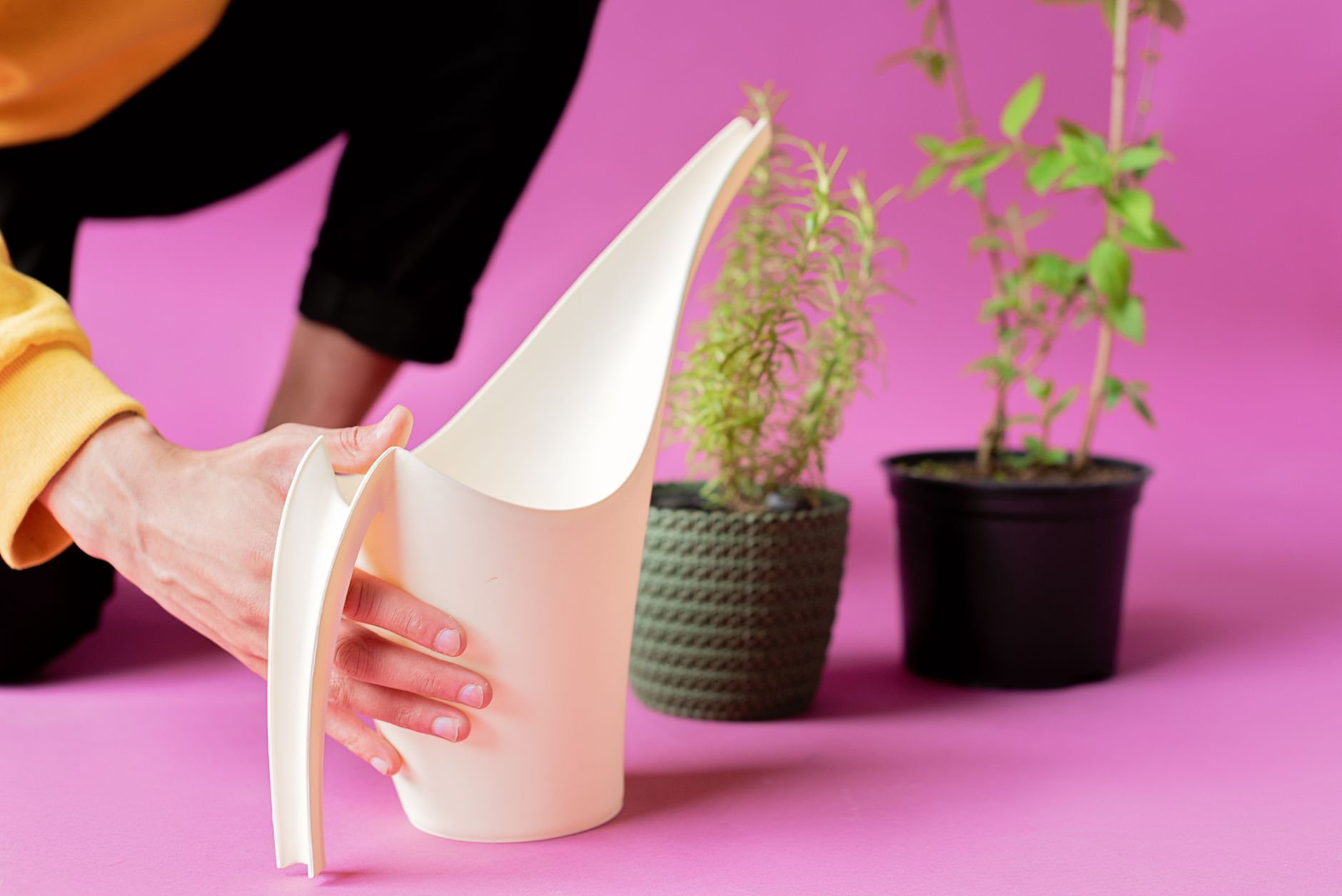
| Deep Watering with Watering Can | I usually use a water can for specific rows in my raised beds or my 'Patio Princess' tomato pots. It’s effective, but slow for larger areas. My 'Green Zebra' tomatoes sometimes need a little extra TLC. | Individual plants, small raised beds, containers. | Precise application, easy to see penetration. | Time-consuming for large areas, back-breaking, can disturb soil if flow too strong. | Use a watering can with a rose attached to diffuse the flow and prevent soil disturbance. Water in stages, letting it soak in before adding more. Do this in the early morning or late evening to minimise evaporation, especially during summer heatwaves. For established container plants, check the weight of the pot – a light pot needs watering. |
Effective Strategies for Deep-Watering Containers and Hanging Baskets
Now, containers and hanging baskets are a different beast altogether, aren't they? They're like little microclimates, often drying out much quicker than your raised beds, especially if they're exposed to the full force of a British summer sun (when we get one!). I've had more than my fair share of wilting petunias and parched patio tomatoes in my 800 sq ft Midlands garden, learning the hard way that surface watering these can be even more wasteful.
The fundamental problem is the same: water hits the surface, struggles to penetrate the compact root ball, and often just cascades over the sides, taking precious nutrients with it. I've seen it happen countless times, especially with my 'Gardeners Delight' cherry tomatoes in large pots or the colourful fuchsias in my hanging baskets. You think you're watering them well, but an hour later, they look just as sad.
The Power of Bottom Watering
For containers, particularly smaller pots, herbs, and anything with a dense root system, bottom watering is an absolute game-changer. I swear by it for my greenhouse herbs like basil and coriander, and any young seedlings I'm hardening off. It's simple: you let the pot soak up water from below. This encourages the roots to grow downwards, seeking moisture, which makes for a much stronger, more resilient plant.
Here’s how I do it:
- Find a suitable tray or basin: I often use old washing-up bowls, deep saucers, or even a spare trug. The key is that it needs to hold a few inches of water.
- Place your pot in the water: Make sure the drainage holes at the bottom are submerged.
- Let it soak: I usually leave them for 15-30 minutes, or until the top surface of the compost feels consistently damp. You'll literally see the moisture wick its way up.
- Drain thoroughly: Once the compost is saturated, lift the pot out and let any excess water drain away completely before returning it to its spot. You don't want your plants sitting in soggy conditions, especially here in the UK where fungal issues can be a problem.
I've found this technique particularly effective for my 'Sweet Million' tomatoes grown in 10-litre pots on the patio, especially during those unexpected heatwaves we occasionally get. It also works wonders for my terracotta pots, which look lovely but tend to dry out incredibly fast.
Slow and Steady for Larger Containers
For bigger containers, like the half-barrels I use for my 'Crimson Crush' bush tomatoes or the large plastic pots for my potatoes, bottom watering isn't always practical. In these cases, it's back to slow, consistent top watering, but with a renewed focus.
- Trickle method: I often use a watering can with a fine rose or even just a hose on a very low setting, letting the water trickle slowly onto the surface for an extended period. I might give a large pot 2-3 minutes of slow trickling, take a break for 10 minutes, and then repeat. This gives the water time to penetrate the soil rather than running off.
- The "dunk test" for dryness: Before watering, I'll often lift the pot slightly to feel its weight. A light pot means dry, a heavy one means it's still got moisture. Or, push your finger about an inch or two into the compost – if it feels dry, it's time to water. This helps prevent both over and under-watering. One year, I was so eager for a good tomato crop that I over-watered my 'Moneymaker' in pots, leading to blossom end rot – a frustrating mistake I learned from!
For hanging baskets, which are notorious for drying out, I often take them down and give them a good soak in a bucket of water for 10-15 minutes. It’s a bit of a faff, but it's the only way I've found to truly rehydrate a bone-dry basket properly, especially after a particularly windy or sunny spell here in the Midlands.
Long-Term Solutions: Improving Soil Health to Prevent Future Runoff
While deep-watering techniques are crucial for tackling immediate runoff, the real long-term solution lies beneath our feet: in the health and structure of our soil. When I first started gardening five years ago, my backyard in the Midlands was mostly compacted, slightly heavy clay – a typical scenario here in the UK. Water would either sit on top like a pond or, paradoxically, drain away too quickly through cracks, leaving the plant roots high and dry. I quickly realised that no amount of fancy watering could fix fundamentally poor soil.
My journey from an IT desk to a full-time gardener taught me that healthy soil isn't just dirt; it's a living ecosystem. And a healthy ecosystem is much better at managing water, acting like a giant sponge, absorbing heavy British downpours and slowly releasing moisture during dry spells.
The Magic of Organic Matter
The single most impactful change you can make to prevent surface runoff is to significantly increase the organic matter content of your soil. Organic matter, whether it's compost, well-rotted manure, or leaf mould, does two incredible things:
- Improves Structure: For clay soils, it helps break up compaction, creating air pockets for better drainage and root penetration. For sandy soils, it acts like a glue, binding particles together to improve water retention.
- Increases Water Holding Capacity: Organic matter can hold many times its own weight in water, making your soil much more resilient to drought and reducing how quickly water drains away from the root zone.
In my raised beds, I'm a huge advocate for the no-dig method, which means I'm constantly layering on compost. Every autumn, after harvesting my main crops like 'Kestrel' potatoes and 'Autumn King 2' carrots, I top-dress with a good 2-3 inches of homemade compost. Over the years, this has transformed my heavy clay into a rich, crumbly loam that's a joy to work with and, crucially, absorbs water beautifully.
Mulching: The Gardener's Best Friend
Another long-term strategy that goes hand-in-hand with improving soil health is mulching. I honestly can't stress enough how vital mulching is, especially with our unpredictable British weather. I mulch everything – my vegetable beds, around my fruit bushes, even my containerised plants.
What does mulching do for runoff?
- Slows Evaporation: A good layer of mulch acts as a barrier, significantly reducing how quickly water evaporates from the soil surface, meaning your deep watering efforts last longer.
- Protects Soil Structure: It shields the soil from the direct impact of heavy rain, preventing the surface from compacting and crusting over, which is a major cause of runoff.
- Suppresses Weeds: Fewer weeds mean less competition for the precious water that does get into the soil.
- Adds Organic Matter: As organic mulches break down, they slowly contribute to the overall health and structure of your soil, further improving its water retention over time.
I use various mulches depending on the area. For my permanent beds, I prefer wood chippings or straw (especially around my heirloom tomatoes in the greenhouse to keep the soil moist and clean). For annual vegetable beds, a layer of well-rotted compost works as both a feed and a mulch. Last season, I even experimented with a living mulch of clover in one bed, which worked wonders for soil structure and moisture retention, though it required a bit more management.
Here's a quick comparison of common soil amendments and mulches I use in my UK garden:
| Amendment/Mulch | Best For | Benefits for Runoff & Water Retention | Randy's Experience (UK Context) |
|---|---|---|---|
| Compost (Homemade) | All soil types | Dramatically improves structure, holds water, slow-release nutrients | My absolute go-to. Transforms my Midlands clay. Essential for no-dig. |
| Well-Rotted Manure | Heavy feeders, new beds | Adds rich organic matter, boosts fertility, improves soil sponge-like quality | Great for hungry crops like squash or brassicas. Apply in autumn. |
| Leaf Mould | All soil types | Excellent for soil structure, very high water retention, gentle | Easy to make from autumn leaves. Perfect for breaking up clay or bulking sandy soil. |
| Wood Chippings | Permanent beds, paths | Long-lasting mulch, suppresses weeds, protects soil from rain | Use around fruit bushes and permanent plantings. Breaks down slowly, adds carbon. |
| Straw | Vegetable beds, greenhouse | Great for moisture retention, keeps fruit clean, breaks down easily | My favourite for tomatoes and strawberries. Needs topping up. |
| Green Manure (e.g., Clover) | Bare beds, rotation | Roots break up compaction, adds organic matter when dug in (or left) | Excellent soil builder. Can be tricky with crop rotation but worth it. |
Improving your soil health is a continuous journey, not a destination. But every bit of organic matter you add, every layer of mulch you apply, makes your garden more resilient, more productive, and less prone to the frustrating problem of surface runoff, no matter what the British weather throws at it.
Conclusion: A Hydrated Garden is a Happy, Healthy Garden
Gardening, for me, is a constant dance with nature, and here in the UK, that often means dancing with unpredictable weather. From the moment I swapped my IT desk for a trowel five years ago, I've learned that understanding how water interacts with our plants and soil is perhaps the most fundamental lesson of all. The frustration of seeing water just sit or drain away, leaving your precious plants thirsty, is something I've personally experienced many times in my 800 sq ft Midlands garden.
But as we've explored, it doesn't have to be a recurring problem. By understanding the causes of surface runoff – whether it's compacted soil, overly dry compost, or simply watering too fast – we can arm ourselves with effective solutions. We've delved into the crucial difference deep watering makes for established garden beds, coaxing roots deeper and fostering stronger, healthier plants capable of weathering both drought and deluge. I've seen firsthand how my 'Black Krim' tomatoes thrive in the greenhouse when consistently deep-watered, producing an abundance of rich, flavourful fruit.
For our container plants and hanging baskets, which face their own unique challenges, we've discovered the magic of bottom watering and the careful, slow trickle that ensures every drop counts. My patio herbs have never been happier since I adopted these methods. And looking beyond the immediate fix, we've talked about the long-term game-changer: improving our soil health with generous additions of organic matter and a consistent mulching strategy. It's a journey, not an overnight transformation, but the rewards are immeasurable – a soil that acts as a living sponge, ready to absorb and store moisture.
Ultimately, a well-hydrated garden is a happy, healthy garden. It's a garden where plants aren't just surviving, but thriving, putting all their energy into growth, flowering, and producing those delicious harvests we all strive for. It's a garden that's more resilient to the stresses of our British climate, whatever it decides to throw at us next.
So, next time you pick up your watering can or hose, take a moment. Observe your soil, feel its texture, and listen to what your plants are telling you. With a little patience, a good understanding of deep-watering principles, and a continuous effort to enrich your soil, you'll soon be nurturing a vibrant, thriving oasis where every drop of water truly makes a difference. Happy watering, fellow UK gardeners!