Introduction: The Summer 'Melt' - Protecting Your Prize Plants from Rot
Ah, British summer. One minute you're shivering, the next the sun decides to show its face, and suddenly we're in the middle of a heatwave. It’s a joy, isn't it? Until you walk out to your raised beds after a particularly hot, humid spell, and find your lush, healthy leafy greens or those tender young perennials looking like they’ve simply… melted. A sad, soggy, collapsed mess that was a vibrant plant just yesterday. If you're a UK gardener like me, here in the Midlands, you know that heartbreaking sight all too well.
I've been growing vegetables and herbs in my 800 sq ft backyard for over five years now, and I’ve certainly had my share of these "melted" plant casualties. When I first started, I used to lose entire trays of gorgeous 'Salad Bowl' lettuce, promising young basil plants, and even some of my more delicate perennial starts, especially after those sudden shifts from cool dampness to intense heat and humidity that our British climate loves to throw at us. It’s not just the heat, you see, it’s the combination with moisture, creating the perfect storm for what gardeners call crown and basal rot. It’s a silent, swift killer that can decimate your efforts overnight. But I’ve learned a thing or two (often the hard way!) about how to fight back. In this article, I'm going to share my tried-and-tested strategies for preventing this summer melt, keeping your prize plants thriving even when the weather gets wild.
Understanding the Enemy: Why Heat & Humidity Trigger Crown & Basal Rot
So, what exactly is this "melt" we’re talking about? It's predominantly crown and basal rot, often caused by various soil-borne fungi like Sclerotinia, Pythium, and Rhizoctonia. These aren't new enemies in the garden, but they absolutely thrive when conditions become hot and humid, especially if the soil is also consistently damp. Here in the UK, we often get those periods – a week of typical British drizzle, followed by a sudden spike to 25-30°C and stifling humidity. It's a recipe for disaster for many plants.
What I've observed in my own UK garden is that it's a multi-pronged attack. Firstly, the intense heat stresses the plants, making them weaker and more susceptible to disease. Their energy is diverted to coping with the heat, not fighting off pathogens. Secondly, the humidity, particularly when it hangs heavy in the air and prevents leaves from drying out, creates a wonderfully moist environment for fungal spores to germinate and spread. Couple that with warm, wet soil, and you have a perfect breeding ground right at the most vulnerable part of the plant: the crown (where the stem meets the soil) and the basal leaves (the ones closest to the soil surface). The fungi attack these areas, causing the tissues to soften, turn brown or black, and eventually collapse. I remember losing a whole bed of 'Red Romaine' lettuce one August – one day looking crisp, the next, a brown, slimy puddle. It was a stark lesson in understanding these conditions.
Here’s a quick breakdown of the environmental factors that contribute to this problem:
| Factor | Ideal Conditions for Plants | Conditions That Trigger Rot | My UK Garden Experience |
|---|---|---|---|
| Temperature | Moderate (15-22°C) for most leafy greens | High (>25°C), especially at night, stressing plants | Sudden UK heatwaves often push temperatures well past this. |
| Humidity | Good air circulation, leaves dry quickly | High ambient humidity, preventing leaf and crown drying | Common after summer rain, especially in my packed greenhouse. |
| Soil Moisture | Consistently moist but well-drained | Consistently waterlogged or overly damp, especially when warm | Heavy Midlands clay can exacerbate this if not amended properly. |
| Airflow | Gentle breezes, open plant canopy | Stagnant air, dense planting, trapping moisture | I've learned to prune lower leaves on tomatoes to improve this. |
| Plant Stress | Healthy, vigorous growth | Heat stress, nutrient deficiencies, over/under-watering | Any stress makes plants vulnerable to our unpredictable British weather. |
Proactive Planting & Soil Prep: Building a Rot-Resistant Foundation
Prevention, my friends, is always better than cure, especially when it comes to these fast-acting fungal diseases. The foundation of a rot-resistant garden starts long before you even put a plant in the ground. It's all about thoughtful planting and, crucially, getting your soil right.
In my 800 sq ft Midlands garden, my raised beds have been an absolute game-changer. I constructed them from reclaimed timber, mostly 4ft x 8ft rectangles, and filled them with a custom blend of homemade compost, coir, and plenty of coarse horticultural grit. Why raised beds? Firstly, they warm up quicker in our often-cooler British spring, giving plants a head start. More importantly for rot prevention, they offer vastly superior drainage compared to planting directly into our often-heavy UK clay soil. Water just doesn't sit around the crowns.
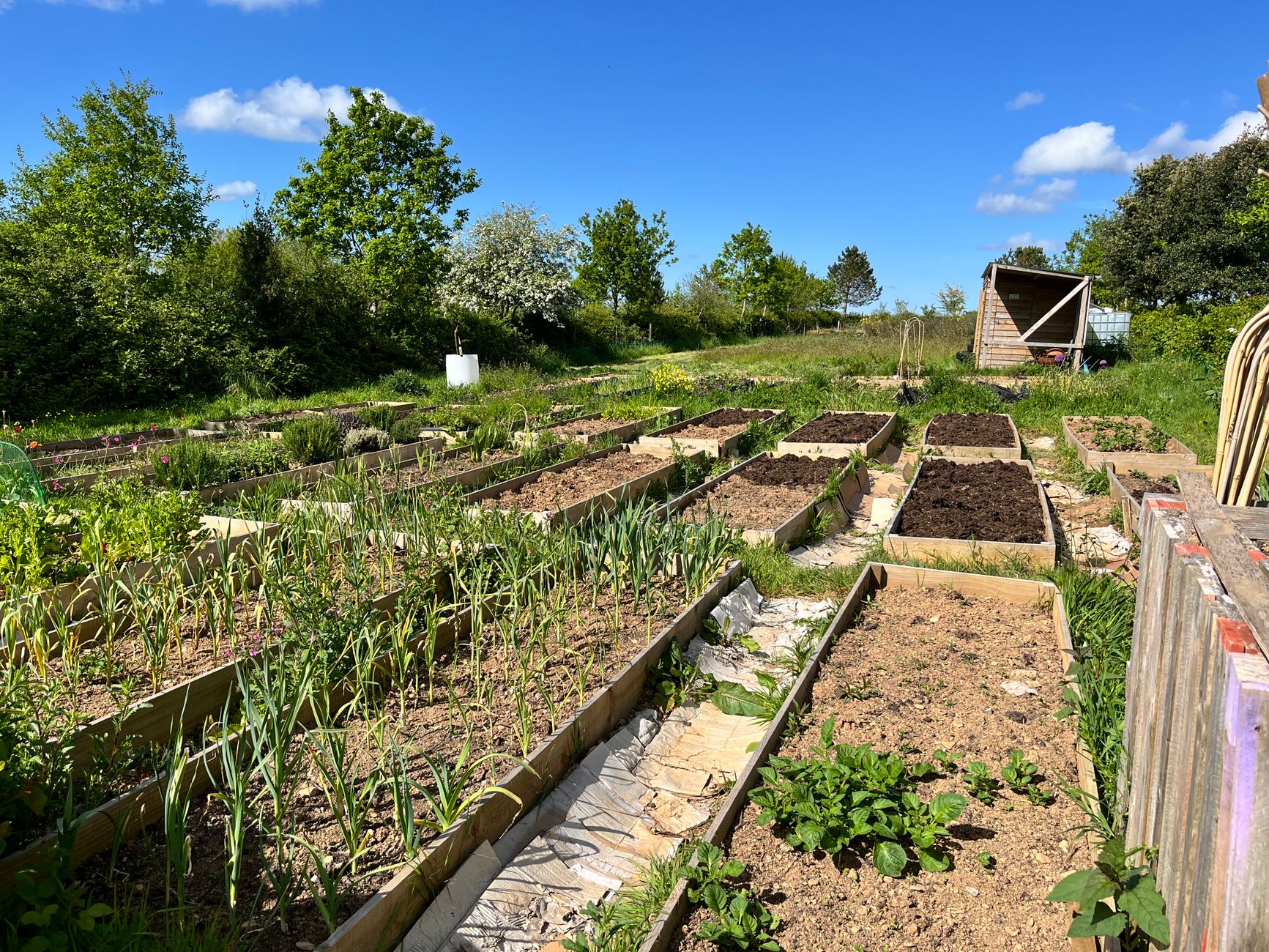
When it comes to the soil itself, drainage is paramount. If you're not using raised beds, or even if you are, amending your soil is key. Here in the Midlands, we often contend with heavy clay, which compacts easily and holds water for too long – a perfect environment for rot. I always incorporate a generous amount of well-rotted garden compost, leaf mould, and a good few shovelfuls of coarse grit or perlite into my beds every spring. This improves soil structure, ensuring that while the soil retains enough moisture, excess water can drain away freely from the plant crowns. I've found that aiming for a light, friable soil texture that you can easily push your hand into makes all the difference.
Another crucial aspect I learned the hard way is planting depth. One common mistake I used to make, especially with young seedlings of leafy greens like 'Butterhead' lettuce or tender perennial herbs such as thyme and oregano, was burying them too deep. This covers the crown with soil, creating a constantly damp collar around the stem – an open invitation for rot. Always ensure the crown of the plant sits exactly at soil level, or even slightly above, allowing for good air circulation around it.
Finally, think about spacing. I'm a bit of a plant-packer – I always want to squeeze in "just one more" – but I've learned that giving plants enough elbow room is vital. Overcrowding reduces air circulation around the plants, trapping humidity and moisture, particularly in dense beds of spinach, chard, or even my beloved basil. For leafy greens, I aim for at least 6-8 inches between plants, sometimes more for larger varieties. This allows for better airflow, helping foliage and crowns dry out faster after rain or watering, which is incredibly important during those humid British summer spells.
Strategic Watering: Keeping Roots Happy Without Drowning Crowns
Watering. It sounds simple, doesn't it? But in our unpredictable British climate, it's an absolute art form, especially when you're trying to prevent crown and basal rot. It’s a fine line between providing enough moisture for thirsty roots and creating a swamp around the plant's vulnerable crown. I've learned this the hard way, going from overwatering to underwatering, and then back again, trying to find that perfect balance.
My golden rule for watering is: check the soil, don't just water on a schedule. I always stick my finger into the soil about an inch or two deep before I even think about reaching for the watering can. If it feels damp, I hold off. If it's dry, then it's time to water. This approach is especially critical during those cooler, damper spells we often get in early summer in the UK, when plants might not need as much water as you think.
When I do water, I aim for early morning. Why? Because it gives the plants' foliage and crowns plenty of time to dry off before the evening. Wet leaves combined with cool night temperatures and high humidity – a classic British summer combination – are a dream scenario for fungal diseases. Watering in the evening means plants sit wet all night, inviting rot. I try to water deeply and directly at the soil level, using a watering wand for precision, especially for my greenhouse tomatoes and tender basil plants. I avoid overhead sprinkling as much as possible, as this wets the leaves and crowns unnecessarily. Drip irrigation or soaker hoses are excellent if you have them, as they deliver water right where it's needed – the roots – without splashing leaves.
Another thing I've found incredibly helpful in my Midlands garden is applying a good layer of mulch. A 2-3 inch layer of straw, wood chippings, or even grass clippings can work wonders. Mulch helps to suppress weeds, regulate soil temperature (keeping roots cooler in heatwaves), and most importantly, it helps the soil retain moisture, meaning you don't have to water as frequently. However, and this is crucial for rot prevention, I always leave a clear ring of about 2-3 inches around the base of the plant stems, keeping the mulch away from the crown. This ensures good airflow and prevents perpetual dampness right where the plant is most vulnerable.
Here's a comparison of common watering approaches and their impact on rot prevention:
| Watering Method / Timing | Pros (for UK conditions) | Cons (for rot prevention) | My UK Garden Practice |
|---|---|---|---|
| Overhead Sprinkling | Quick for large areas, mimics rain | Wets foliage and crowns, encourages fungal growth in humidity | I avoid this method for leafy greens and tender perennials. |
| Watering Can (at base) | Precise, delivers water directly to roots | Can be time-consuming for many plants, requires care to avoid splashing | My go-to for smaller beds and individual plants like young basil. |
| Soaker Hoses/Drip | Efficient, delivers water slowly and directly to root zone | Initial setup time/cost, can be difficult to move | Fantastic for my raised beds of 'Sungold' tomatoes and squash. |
| Early Morning | Allows foliage to dry before nightfall, reduces evaporation | Requires getting out early! | My preferred watering time, especially for vulnerable plants. |
| Evening | Less evaporation than midday watering | Leaves plants wet overnight, increasing rot risk in humid UK summers | I only water in the evening as a last resort, if plants are wilting. |
Airflow & Microclimate Management: Your Garden's Secret Weapons
You can have the best soil and perfect watering, but if the air around your plants is stagnant and humid, you're still inviting trouble. Here in the UK Midlands, especially after one of our famous summer downpours followed by a muggy, still day, the air can get thick. That's a breeding ground for fungal diseases, and it’s where good airflow becomes your secret weapon against the dreaded 'melt'.
When I first started gardening about five years ago, I was so excited to grow as much as possible in my 800 sq ft backyard. I packed everything in like sardines – a classic beginner's mistake! My lettuce beds turned into a slimy mess overnight, and my perpetual spinach struggled with yellowing, rotting lower leaves. I learned the hard way that plants, much like us, need a bit of personal space.
The solution is simple but often overlooked: proper spacing and strategic pruning. For leafy greens like lettuce, chard, or spinach, I now aim for at least 20-25cm between plants. It might feel like you're losing out on yield, but trust me, a slightly smaller harvest of healthy, rot-free plants is far better than a big patch of slime. This wider spacing allows air to circulate right down to the crown, drying out any moisture that might cling there.
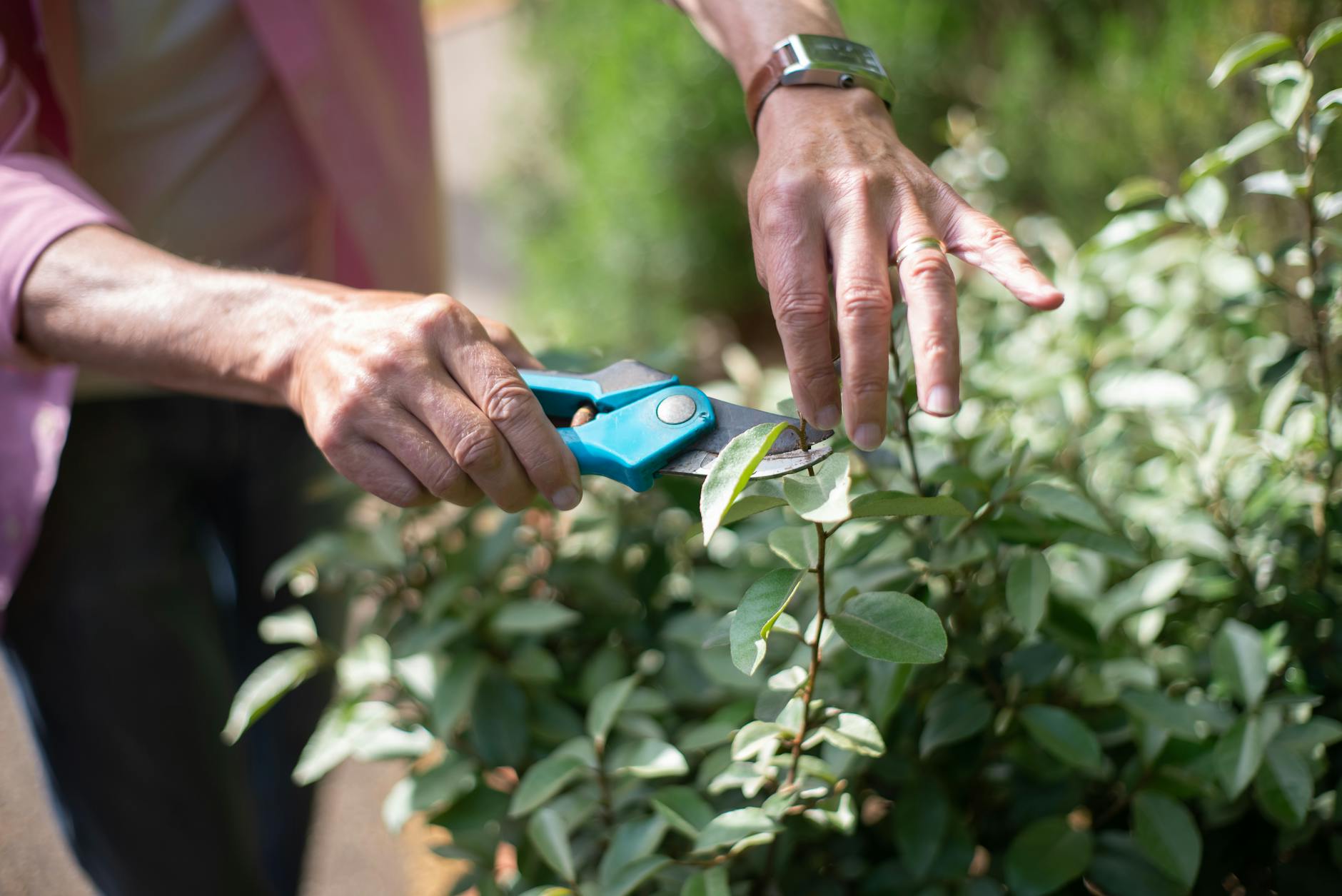
I also make a habit of pruning the lower, older, or non-productive leaves off my plants, particularly those close to the soil. For my greenhouse tomatoes, I'm constantly 'de-leafing' to improve airflow and direct energy to the fruit, but this principle applies to outdoor crops too. For my hardy brassicas, I'll remove any yellowing leaves at the base. It opens up the plant, reduces surface area for moisture to sit, and generally makes for a much healthier environment. In my experience, even just a quick snip here and there can make a huge difference, especially during those still, muggy spells we get here in Britain.
Finally, think about your garden's microclimates. My greenhouse, for example, can get incredibly humid. I’ve learned that keeping the vents open and even propping the door ajar on warm days is crucial for driving out that damp, still air. For outdoor beds, if you've got a particularly sheltered corner that never seems to dry out, consider if that's the best spot for your most susceptible plants. Sometimes, a bit of temporary shade cloth over a bed during the hottest part of the day, combined with good airflow, can reduce overall heat stress and humidity around the plants.
Emergency Measures & Early Intervention During Heatwaves
Despite all our best efforts, sometimes the British weather throws us a curveball, and you wake up to find your prize lettuce starting to look a bit… mushy. There's nothing worse than that sinking feeling! But don't despair – early intervention can often save the day, or at least save part of your crop. I've learned this the hard way more times than I care to admit, especially when a sudden, unexpected heatwave hits my Midlands garden.
My first rule: act fast. If you spot any signs of rot – yellowing, browning, or slimy patches at the base or crown – remove the affected parts immediately. I keep a sharp pair of snips or even just a trusty kitchen knife handy in the shed for this purpose. Don't be shy; cut out any unhealthy tissue, even if it means sacrificing a few outer leaves. This stops the fungal spores from spreading to the rest of the plant or, worse, to neighbouring plants.
Next, focus on immediate airflow improvement. If a bed looks particularly dense, and despite previous efforts, you see rot appearing, you might need to thin out a couple of plants completely. It feels drastic, but it gives the remaining plants a fighting chance. If you have potted plants, move them to a breezier, shadier spot. For greenhouse plants, maximise ventilation with fans if you have them, or by opening every possible vent and door.
Temporary shade can also be a lifesaver. If an unexpected scorcher hits, I’ll sometimes throw an old sheet or a bit of shade netting over my most vulnerable beds during the midday sun. It's not pretty, but it reduces the heat stress on the plants and the rapid evaporation of moisture from the soil, which can contribute to humidity around the crowns. Just remember to remove it in the late afternoon to allow for evening cooling and air movement.
Finally, review your watering. If you're seeing rot, stop any overhead watering immediately. Switch to targeted watering at the base of the plant, very early in the morning, and only if the soil is genuinely dry a few inches down. Our goal is to keep the roots hydrated without dampening the crowns or foliage unnecessarily.
Here’s a quick comparison of how your approach might shift from preventative care to emergency measures during a heatwave:
| Measure | Preventative Action (Proactive) | Reactive Action (Emergency during rot/heatwave) |
|---|---|---|
| Watering | Deep, infrequent watering at soil level. | Targeted, very early morning watering only if soil is dry; NO overhead. |
| Airflow | Proper plant spacing, regular lower leaf removal. | Aggressive thinning, remove affected parts, maximise ventilation (fans in greenhouse). |
| Shade | Planting in part-shade, permanent shade cloth if needed. | Temporary covers (sheets, netting) during peak sun; move potted plants. |
| Pruning | Regular removal of yellowing/old leaves. | Immediate, decisive removal of any rot-affected tissue. |
| Soil Check | Ensure excellent drainage with compost/grit at planting. | Gently check for compaction; avoid disturbing roots but ensure water can penetrate. |
Plant-Specific Tips for UK Gardeners: What to Watch For
Our unpredictable British climate means that different plants react differently to those hot, humid spells. Over the years, I've learned which of my favourite UK-grown varieties are particularly susceptible and what specific tweaks can help them.
Lettuce & Leafy Greens (Spinach, Chard, Rocket)
These are often the first to suffer. My 'Cosmo' lettuce is usually pretty tough, but even it struggles with those muggy July days here in the Midlands.
- Vulnerability: Tightly packed crowns that hold moisture, leaves sitting directly on damp soil.
- Randy’s Tip: For summer sowings, favour loose-leaf varieties over butterheads or cos types, as they tend to have more open structures. Space them generously – 25-30cm between plants is ideal for good air circulation. Harvest outer leaves regularly to keep the plant open and encourage new growth, rather than letting it get too dense. And always, always water in the morning to give leaves time to dry.
Basil
Oh, basil! My nemesis sometimes. It absolutely loves heat, but it despises humidity around its base. I've lost entire pots of beautiful basil to stem rot after a couple of still, damp nights following a warm day.
- Vulnerability: Stem rot at the soil line, especially if crowded or overwatered.
- Randy’s Tip: I now almost exclusively grow basil in pots. This allows me to move them to a sheltered spot if heavy rain is forecast, and it ensures much better drainage. I also practice bottom watering where possible, or very carefully water the soil surface without splashing the stem. Pinching out the central growing tip encourages bushiness and better airflow through the plant.
Strawberries
Nothing worse than finding a patch of grey mold (Botrytis) on your ripening strawberries after a sudden downpour followed by a muggy day. It spreads like wildfire!
- Vulnerability: Fruit touching damp soil, dense foliage creating a humid microclimate.
- Randy’s Tip: This is where the literal 'straw' in strawberry comes in! Once the plants start flowering, I spread a thick layer of clean straw (or even woodchip) under the plants. This lifts the fruit off the soil, reducing rot and keeping them cleaner. I also thin out any overly dense foliage, especially in older plants, and keep an eye on runners, removing any that are creating too much congestion. Growing them in raised beds or containers also helps immensely with drainage and airflow.
Tender Perennials (e.g., Geraniums, Fuchsias in pots)
Even some of my prized bedding plants can suffer. I once lost a gorgeous fuchsia because I forgot to check its drainage hole in a particularly wet period.
- Vulnerability: Overwatering, poor drainage in pots, dense growth.
- Randy’s Tip: For potted tender perennials, ensure your pots have ample drainage holes and consider lifting them slightly off the ground with pot feet or bricks. This allows air to circulate underneath and prevents them from sitting in puddles. Prune out any congested or yellowing growth to improve airflow within the plant. And always, always let the top inch or two of soil dry out before watering again.
Conclusion: Embracing the Challenge of the UK Summer
Well, there you have it – my tried-and-tested strategies for battling the summer 'melt' here in the UK. Our British weather keeps us on our toes, doesn't it? One minute it’s glorious sunshine, the next it’s a sudden downpour followed by a thick, muggy atmosphere that just screams "fungal disease!"
But that's part of the fun of UK gardening, isn't it? It's a constant learning curve, an ongoing conversation with nature. What I’ve learned over my five years in the garden, starting from a complete novice to someone obsessed with pushing the boundaries of what I can grow in my Midlands patch, is that paying attention to the small details – the soil, the water, the air – makes all the difference.
Don't be disheartened if you lose a plant or two to rot. I certainly have, and I still do! Each 'melted' lettuce or slimy basil plant is a lesson learned. Observe what happened, think about why, and adjust your approach for next time. That's the real joy of gardening for me: the continuous experimentation, the quiet victories, and the shared knowledge with fellow green-fingered enthusiasts.
There's nothing quite like harvesting a perfect, unblemished head of lettuce you've grown yourself, even through a tricky British summer. So, go forth, arm yourself with good soil, smart watering, excellent airflow, and quick wits. Your plants (and your taste buds!) will thank you for it.
I'd love to hear what works for you in your UK garden! Do you have any specific tricks for keeping rot at bay during those hot, humid spells? Drop a comment below and let's keep the conversation going! Happy gardening!