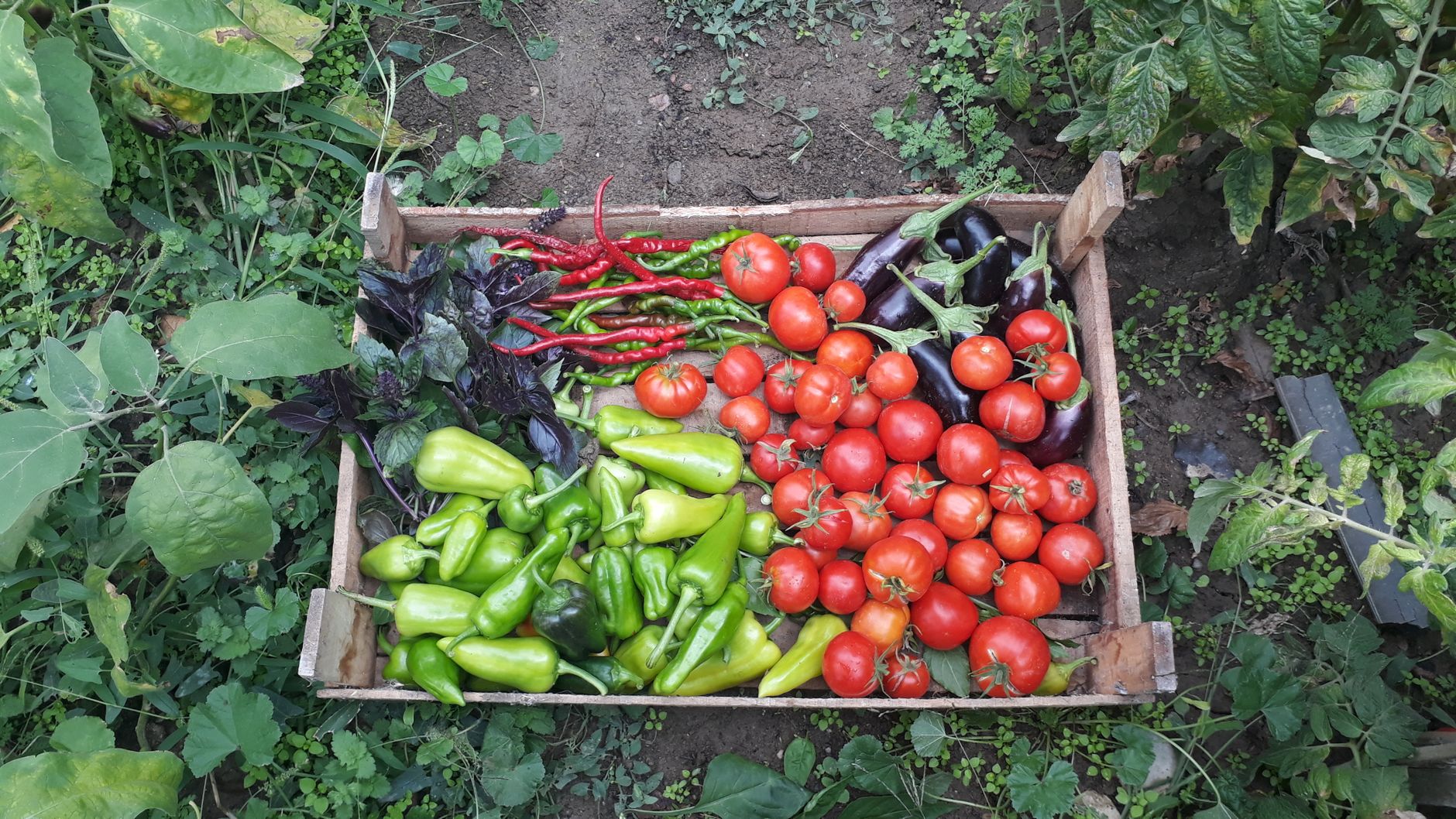
Introduction: Unlocking Your Garden's Full Potential with Strategic Polyculture
Alright, fellow green thumbs, Randy here from my little patch of gardening heaven in the Midlands. If you're anything like me, you're constantly staring at your raised beds, plotting how to squeeze just one more tomato plant or a handful of extra carrots into that already packed space. My 800 sq ft backyard, mostly taken up by beds and my beloved greenhouse, is living proof that you can grow an astonishing amount of food even when space is tight. For years, I approached gardening with a more traditional "rows and squares" mindset, but I quickly hit a wall. Our unpredictable British weather, combined with my insatiable desire to grow everything, pushed me to find a better way.
That's where strategic polyculture, or what I like to call "single-hole planting," truly changed the game for me. Imagine planting not just one, but several compatible vegetables, herbs, or even flowers, all nestled together in a single planting hole. It sounds a bit mad, I know, like trying to get too many people into a phone booth, but trust me, it's a revelation. I've spent the last five years here in my UK garden experimenting with this, sometimes getting it brilliantly right, sometimes learning some tough lessons from our typically damp summers or late spring frosts. But the results, when it works, are phenomenal. We're talking about maximising every square inch, creating a thriving mini-ecosystem, and often getting healthier, more resilient plants right here in Britain. Let's dig in and explore how you can transform your small UK garden with this simple, yet incredibly powerful, technique.
Why Polyculture is a Game-Changer for Small UK Gardens
For those of us gardening in the UK, especially with limited space, polyculture isn't just a fancy term; it's a necessity. I remember my first couple of seasons, trying to grow single crops in neat rows. What I ended up with was a lot of bare soil, which quickly turned into a battleground for weeds, and plants that often looked a bit lonely and stressed. It was a constant fight against pests, and the yields, while good, never felt truly maximised for the effort I was putting in.
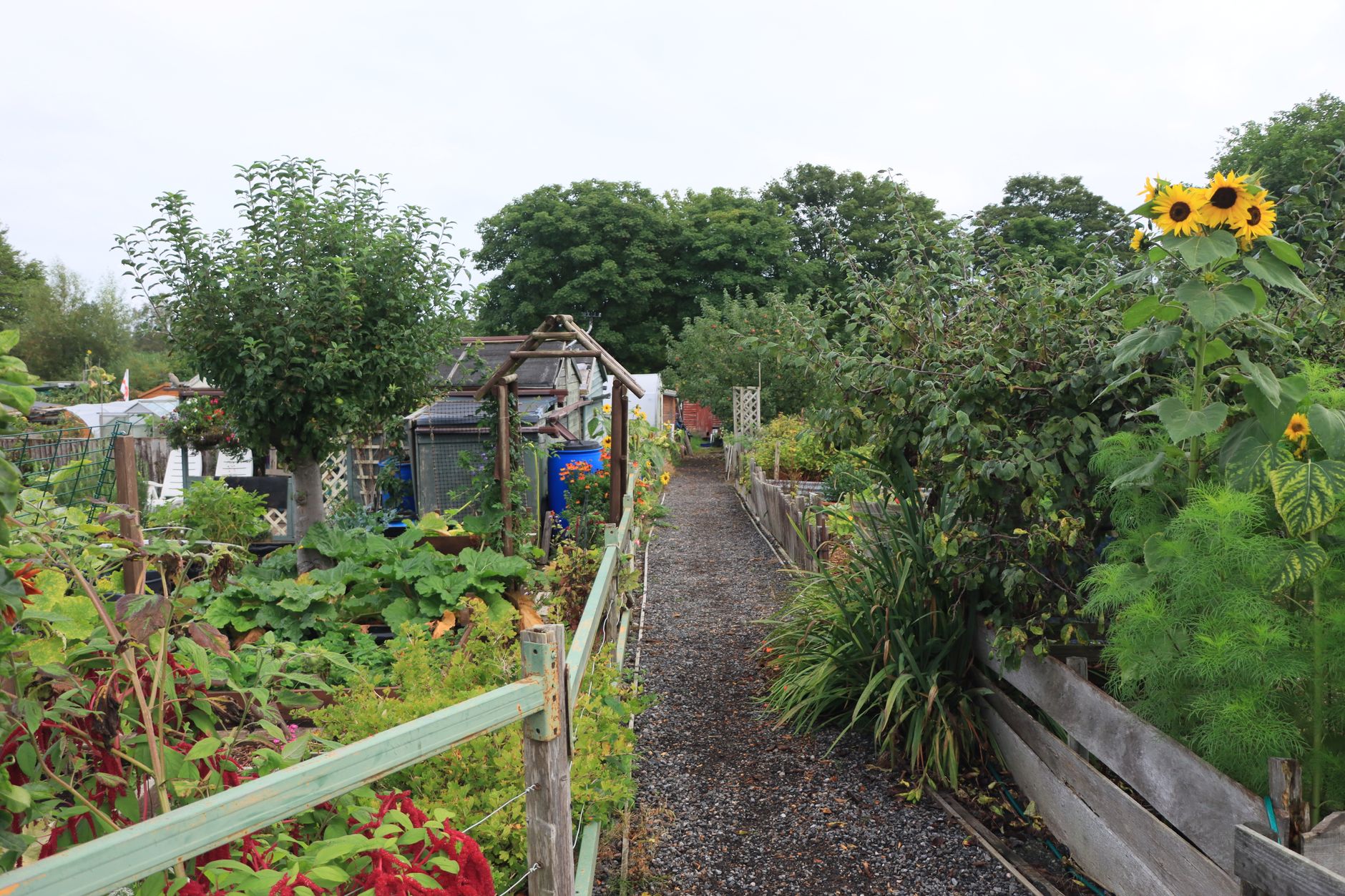
Here in the Midlands, we get our fair share of everything – from scorching spells to relentless rain, and those tricky late frosts that catch you out just when you think spring has arrived. Monoculture (planting one type of crop in an area) just felt vulnerable to these swings. Polyculture, on the other hand, builds resilience. By planting a diverse mix in close proximity, you create a miniature ecosystem right there in your raised bed or even a large container. This diversity helps confuse pests, attracts beneficial insects, improves soil health, and crucially, makes the most of every single bit of sun, water, and nutrient in the soil. I’ve personally seen a huge reduction in slug damage on my lettuces when they’re snuggled up with some strong-smelling herbs, and my tomatoes seem to thrive when basil is nearby. It’s about working with nature, not trying to force it into neat, artificial rows, which is particularly vital given the often challenging conditions we face in our British gardens.
Mastering Companion Planting: The Foundation of Single-Hole Success
Before we start cramming multiple plants into one hole, we need to talk about the bedrock principle: companion planting. This isn't some new-age gardening fad; it's an age-old practice that observant gardeners have used for centuries, especially here in the UK where every advantage counts. It's about understanding which plants thrive when grown near each other and, just as importantly, which ones don't. For example, I learned the hard way that planting my beloved 'Crimson Sweet' cucumbers too close to aromatic herbs like sage can stunt their growth. It's all about beneficial relationships – some plants deter pests, others attract pollinators, some improve soil nutrients, and a few even provide shade or support for their neighbours.
When you're thinking about single-hole polyculture, understanding these relationships is absolutely vital. You're essentially creating a very intimate community. My approach is always to consider root depth, nutrient needs, growth habits, and pest deterrence. For instance, a deep-rooted tomato won't directly compete for water and nutrients with a shallow-rooted lettuce, especially if both are given adequate feeding. I’ve found that a good companion pairing can make the difference between a struggling plant and a thriving one, especially when you're trying to maximise every inch in a small British garden. It’s a bit like arranging a dinner party – you want guests who get along and bring out the best in each other, not ones who will argue and drain the energy from the room.
Here’s a quick overview of some tried-and-tested companion planting relationships that I've found work really well in my UK garden, forming the basis for successful single-hole polyculture:
| Plant 1 (Benefactor) | Plant 2 (Beneficiary) | Primary Benefit for Plant 2
| Primary Benefit for Plant 1
| Randy's UK Notes
|
| Tomato (Solanaceae) | Basil (Ocimum basilicum) | Improves flavour, potentially deters pests (e.
| Benefits from tomato shade and pest deterrence (e.g., tomato hornworm) | Fantastic for UK greenhouse or warm, sheltered raised beds. Basil thrives in the heat with tomatoes. |
| Carrots (Apiaceae) | Rosemary (Salvia rosmarinus) | Deters carrot fly. Rosemary's strong scent confuses pests.
| No direct benefit, but good companions.
| Great for open ground or raised beds. Plant rosemary nearby, or in a multi-hole setup, slightly further. |
| Lettuce (Asteraceae) | Radishes (Brassicaceae) | Radishes break up soil, allowing lettuce roots to penetrate better. Radishes are harvested quickly, freeing up space. | Lettuce provides ground cover, keeping soil cool and moist for radishes. | A classic pairing for rapid succession. Ideal for small beds or containers where space is at a premium and you want a quick turnover. |
| Beans (Legumes) | Corn (Poaceae) | Corn stalks provide natural trellis for climbing beans.
| Beans fix nitrogen in the soil, benefiting corn.
| The classic 'Three Sisters' (with squash). For single-hole, consider a dwarf corn variety and a climbing bean that isn't too vigorous. Requires good soil and feeding in the UK. |
| Marigolds (Tagetes spp.) | Tomatoes, Peppers | Deters nematodes and other soil pests (e.g., whitefly in greenhouses).
| No direct benefit.
| Essential in my greenhouse. I always tuck French Marigolds around the base of my 'Gardener's Delight' and 'Cherokee Purple' tomatoes. |
| Nasturtiums (Tropaeolum majus) | Brassicas (Cabbage, Kale) | Acts as a trap crop for aphids, drawing them away from brassicas. Edible leaves/flowers are a bonus. | No direct benefit.
| I plant these at the edges of my brassica bed. They're vigorous, so give them room. Good for distracting pests, especially in a damp UK summer. |
| Onions/Garlic (Alliums) | Carrots, Lettuce, Parsley | Deters root maggots, aphids, and slugs with their strong scent.
| No direct benefit.
| Excellent for pest control. I've found planting spring onions around carrots helps a lot with carrot fly here in the Midlands. |
Top UK-Friendly Polyculture Combinations for a Single Planting Hole
Now, let's get to the exciting part: actual combinations that I've personally experimented with and found success with here in my UK garden. Remember, "single hole" doesn't necessarily mean literally one tiny hole for everything; it means a very concentrated planting area, often a small cluster in a raised bed or a decent-sized container. The key is to select plants with different growth habits and needs that complement each other, rather than compete. I always aim for a 'thriller, filler, spiller' approach, but with edibles!
One mistake I made early on was trying to put too many hungry feeders together in one spot without adequate soil enrichment. Our British soil can be a bit challenging, so a good compost base and regular feeding are non-negotiable for these intensive plantings. What works here in Britain is often a balance of sun lovers with something that appreciates a bit of shade, or quick-growing crops that can be harvested before the main crop gets too large.
Here are some of my favourite single-hole polyculture combinations, tailored for our UK climate and small spaces:
| Combination (Randy's UK Tested) | Why it Works (UK Focus)
Step-by-Step: Planting Your Strategic Polyculture Hole for Maximum Yield
Right, so we’ve talked about the 'why' and the 'what'. Now for the 'how'. This is where the rubber meets the soil, as I like to say! Getting the planting right is key to success with polyculture. It's not just about chucking a few seeds in; it's about thoughtful placement to give each plant its best chance.
First things first, your soil. I can't stress this enough, especially here in the Midlands where our native clay can be a bit challenging. In my raised beds, I always start by enriching the planting area. I dig down about a spade's depth, loosen any compacted soil, and then mix in a good few shovelfuls of my own homemade compost – the black gold from my compost bins – along with a bit of well-rotted manure if I have it. This creates a really nutrient-dense, free-draining patch for those multiple root systems. If your soil isn't great, a bag of good quality peat-free compost mixed in will do wonders.
Next, consider the size of your "hole." For polyculture, it's more of a planting area than a single drill. For a combination like lettuce, radish, and spring onion, I usually aim for a circle about 20-25cm (8-10 inches) in diameter. For slightly larger combos, say dwarf French beans with spinach and a calendula, I might go for 30-40cm (12-16 inches).
Now for the actual planting. Think about the mature size and light needs of each plant. I always start with the central, taller, or slower-growing plant first. If I'm planting seedlings, I'll gently tease out the roots and place them. For seeds, I'll sow them thinly.
Here’s an example from my own garden:
- Central Plant: If I’m doing a lettuce/radish/carrot combo, I might put a 'Little Gem' lettuce seedling right in the middle, or sow a few carrot seeds. For carrots, I’ve found 'Autumn King 2' does well here in the UK.
- Surrounding Plants: Around the lettuce or carrot, I’ll then sow my quicker-growing companions. Radish seeds ('French Breakfast' is a favourite for its speed) go in a ring about 5-7cm (2-3 inches) from the centre. Then, a bit further out, a small cluster of spring onion seeds like 'White Lisbon'. I usually aim for 3-4 radish seeds and 5-6 spring onion seeds in their respective rings.
- Depth: Plant seeds at their recommended depth – generally twice their size. Seedlings go in at the same level they were in their pots.
Once everything is in place, gently firm the soil around your seeds or seedlings. Then, the most important bit: a good, gentle watering. I use a watering can with a rose attachment to avoid disturbing the newly planted seeds. This settles the soil and gets everything off to a good start. I learned this the hard way after blasting a bunch of precious radish seeds out of their carefully prepared spot with a jet of water one spring!
Ongoing Care and Harvesting: Nurturing Your Polyculture Patch
You've done the hard work of planting, but the journey doesn't stop there. Nurturing your polyculture patch is about attentive observation and timely intervention, especially with our often-unpredictable British weather.
Watering: With multiple plants in one spot, they’ll generally need more consistent watering than single-planted specimens. I check my polyculture patches daily, especially during a dry spell. The finger test is my go-to: if the top inch or two of soil feels dry, it's time to water. I aim for deep, thorough watering, ensuring moisture reaches all root zones, rather than just a shallow sprinkle. In my raised beds, I’ve got some simple drip lines, but a good old watering can does the job perfectly for these smaller, intensive patches.
Feeding: Your plants are all sharing nutrients, so a little extra feeding goes a long way. About 3-4 weeks after planting, I start giving them a boost. I'm a big fan of liquid seaweed feed or a homemade compost tea. I apply it every couple of weeks, focusing on the root zones. This provides a gentle, balanced feed that supports continuous growth without overpowering any single plant. Last summer, I neglected to feed a particularly dense polyculture patch during a period of heavy cropping, and I noticed the leafy greens started to look a bit pale. A quick dose of seaweed feed perked them right up!
Pest and Disease Management: One of the beauties of polyculture is its inherent resilience. The diversity often confuses pests, making it harder for them to locate their preferred host plants. However, it’s not a magic bullet. I still keep a watchful eye. Here in the UK, slugs are always a battle, especially with tender seedlings. I use a combination of beer traps and hand-picking in the evenings. Aphids can also be an issue, but often the companion flowers I include (like calendula or nasturtiums) attract beneficial insects that keep them in check. If I do get an outbreak, a quick spray of soapy water usually sorts it out.
Weeding: Polyculture naturally suppresses weeds by shading the soil, but a few persistent interlopers will always pop up. I weed by hand, carefully, to avoid disturbing the roots of my desired plants. Regular, light weeding is far easier than trying to tackle a jungle.
Harvesting: This is the exciting bit, and it's continuous! The key to successful polyculture is harvesting often. For 'cut-and-come-again' leafy greens like lettuce or spinach, I'll snip the outer leaves, allowing the inner ones to continue growing. Radishes are pulled as soon as they reach maturity, making space and releasing nutrients for their slower neighbours. Carrots are harvested as needed, thinning the patch as they grow. This continuous harvest is what makes polyculture so productive. Last spring, I successfully harvested three rounds of cut-and-come-again lettuce from a single polyculture patch before the carrots and spring onions really took off. It felt like I was getting something new out of the same spot every week!
Beyond the Basics: Seasonal Rotation and Expanding Your Polyculture Practice
Once you've gotten the hang of a few polyculture combinations, you'll start to see the immense potential. But successful gardening, especially in our varied British climate, is about thinking ahead.
Seasonal Rotation within Polyculture: Even when you're planting multiple things in one spot, it's still wise to think about crop rotation on a seasonal or annual basis. For example, if you've had a nitrogen-fixing polyculture (like peas with spinach) in a spot, the next season you might follow it with a combination that benefits from that nitrogen, like brassicas (broccoli, kale) alongside some herbs. This helps manage soil nutrients and can prevent the build-up of specific soil-borne pests and diseases. I wouldn't plant the exact same combination in the exact same spot year after year, even in my small raised beds. It's all about keeping the soil happy and healthy.
Expanding to Beds: The single-hole concept can easily be scaled up to entire raised beds or garden plots. Instead of one polyculture "hole," you're creating a patchwork of these combinations across a larger area. For instance, in one of my 4x8ft raised beds, I might have three or four different polyculture groupings, each focused on different plant families or harvest times. One end might be early spring greens, the middle a summer mix of beans and squash, and the other end a root crop combination. This maximises every square inch of my 800 sq ft garden.
Experimentation is Your Best Friend: Don't be afraid to try new things! While I've shared combinations that have worked wonders in my UK Midlands garden, your specific microclimate or soil might favour something slightly different. That's the joy of gardening. This year, I'm trying a new combination of dwarf French beans, calendula, and beetroot in one of my smaller raised beds. I'm hoping the calendula will deter pests from the beans and beetroot, and the beans will fix nitrogen for the root crops. I learned this the hard way when I tried to plant sweetcorn and climbing beans too close to some determinate tomatoes, thinking the corn would offer support. It just shaded them out too much in our often-cloudy British summers, and the tomatoes barely produced! Observation is crucial. Sit down with a cuppa and just watch your plants. What’s thriving? What’s struggling? What works here in Britain's often-fickle weather?
Troubleshooting Common Issues:
- Lack of Growth: Often points to insufficient nutrients or water. Check your feeding and watering schedule.
- Pest Damage: Identify the pest (slugs, aphids, cabbage white caterpillars are common here) and take targeted action. Remember, polyculture often reduces large outbreaks.
- Bolting (Premature Flowering): Common with leafy greens in hot, dry weather. Harvest quickly, or sow heat-tolerant varieties.
Conclusion: Get Your Hands Dirty and Embrace the Polyculture Revolution!
So there you have it – my take on strategic polyculture for the UK home gardener. It's a method born from a desire to get more from my small 800 sq ft garden here in the Midlands, and it's transformed the way I grow. We've talked about how polyculture isn't just about cramming plants together, but about understanding their relationships and leveraging them for mutual benefit. From the foundational principles of companion planting to specific UK-friendly combinations, and finally, to the nitty-gritty of planting, ongoing care, and expanding your practice, I hope I've given you the tools and inspiration to give this a go.
It’s about maximising your yields, yes, but it’s also about building healthier soil, creating a more resilient ecosystem in your garden, and just getting more joy and variety from your harvests. You'll reduce pest problems, improve soil structure, and turn those small patches of earth into incredibly productive mini-ecosystems.
Gardening is a journey of continuous learning, especially when you're battling our unique British weather. Don't be afraid to experiment, to make mistakes (I've made plenty!), and to adapt what you learn to your own patch. The satisfaction of pulling multiple delicious vegetables from a single, vibrant spot is truly unbeatable.
So, what are you waiting for? Grab your trowel, pick a combination, and get your hands dirty. I promise, your garden (and your taste buds!) will thank you for it. Happy polyculture planting!