Introduction: Giving Your Established Perennials a New Lease of Life
Alright, fellow green-fingered enthusiasts! Randy here, coming to you from my 800 sq ft patch of green heaven in the UK Midlands. You know that feeling when your favourite perennial, which has given you years of joy, suddenly looks a bit… sad? Or maybe it's just outgrown its spot, hogging all the limelight, or worse, threatening to completely overwhelm its neighbours. I’ve been there, more times than I care to admit! My greenhouse is packed with 'Cherokee Purple' tomatoes and herbs, but a good chunk of my outside beds are home to a vibrant mix of perennials, and trust me, they sometimes need a change of scenery.
Moving an established perennial can feel a bit like performing surgery – daunting, risky, and you just want the patient to pull through! When I first started gardening five years ago, after swapping my IT desk for a spade, I made the classic mistake of digging up a gorgeous mature Hosta ‘Halcyon’ in late summer, with a tiny root ball, and just plonking it into a new, unprepared spot. It sulked for months and never truly recovered its former glory. That was a tough lesson, but it taught me that with the right knowledge, preparation, and a bit of TLC tailored for our often-unpredictable British weather, you can successfully relocate even your most treasured plants. This isn't just about moving a plant; it's about giving it a new lease of life, revitalising an overcrowded clump, and making space for new adventures in your garden. I'm going to share all the nitty-gritty details, from my own trials and errors in my Midlands garden, to ensure your perennials don't just survive the move, but thrive in their new home.
Timing is Everything: When to Move Your Perennials for UK Success
If there’s one golden rule I’ve learned about relocating perennials in my UK garden, it’s this: timing really is everything. Our British climate, with its specific patterns of cold and wet, truly dictates when your plants will have the best chance of re-establishing without too much fuss. Moving a plant at the wrong time is like asking it to run a marathon in a heatwave – it’s just not fair, and it often leads to disaster, or at least a very grumpy plant.
The key here is dormancy. You want to move your perennials when they’re least active, putting minimal energy into top growth and focusing instead on their root systems. This means autumn or early spring are generally your best bets here in the UK. I remember one exceptionally mild November a few years back; I decided to move a huge clump of 'Karl Foerster' feather reed grass that was just dwarfing my small raised bed. The cool, moist soil was perfect, and it barely noticed the move. On the flip side, I once tried to move a mature Peony 'Sarah Bernhardt' in late May because I needed the space urgently. It threw a tantrum, barely flowered the next year, and took a full two seasons to forgive me. Live and learn, right?
Here’s a breakdown of the pros and cons for both seasons, specific to our UK conditions:
| Season | Pros for UK Relocation | Cons for UK Relocation | Best for (Randy's UK Garden Examples) |
|---|---|---|---|
| Autumn | - Cooling Soil: Soil is still warm enough for root growth but cooling down, reducing stress. | - Early Hard Frosts: Unpredictable UK weather can bring sudden frosts, damaging new roots. | - Hardy perennials: Hostas, Daylilies, Astrantias, Ornamental Grasses (e.g., 'Karl Foerster'), most hardy Geraniums. |
| (Late Sept - Nov) | - Moisture: Typically wetter, reducing the need for constant watering. | - Limited Root Establishment: Shorter window for root growth before deep winter dormancy. | - Plants that resent spring disturbance. |
| - Plant Dormancy: Top growth dies back, signalling the plant is resting. | - Heavy Clay Soils: Can become waterlogged and difficult to work with. | ||
| Spring | - Warming Soil: Encourages new root and top growth as plants break dormancy. | - Late Frosts: Risk of unexpected cold snaps after new growth has emerged. | - Less hardy perennials: Penstemons, Salvias, Dahlias (lifted tubers), those that prefer warmer soil. |
| (Feb - April) | - Immediate Growth: Plants can quickly establish and start growing. | - Sudden Dry Spells/Heat: Requires diligent watering if spring turns dry quickly. | - Plants that might struggle with winter establishment. |
| - Easier Soil Work: Ground is often less waterlogged than late autumn/winter. | - Busy Season: More demands on the gardener's time. |
What works here in Britain is often about playing the waiting game and watching the weather forecast like a hawk. For me, in the Midlands, I usually aim for October for things like my Hosta clumps and hardy Geraniums, and then hold off on the more tender stuff, like my favourite Penstemons, until April. Always err on the side of caution, and if in doubt, choose the season when the plant is most visibly "asleep" and the ground is workable but not frozen or waterlogged.
Pre-Relocation Preparations: Setting Your Plants Up for Success
You wouldn wouldn't run a marathon without training, would you? The same goes for moving a perennial. The success of your relocation isn't just about the dig; it's heavily influenced by the groundwork you lay before the spade even touches the soil. I learned this the hard way when I impulsively moved a beautiful variegated Heuchera without properly preparing its new spot – it just sat there, looking miserable, while its roots tried to figure out what had gone wrong. Now, I’m a stickler for preparation.
Choosing the New Site & Preparing the Bed
First things first, you need to pick the perfect new home. This sounds obvious, but it’s where many go wrong. Think about the plant's needs: light, soil type, and drainage. My 800 sq ft garden is a jigsaw puzzle, and every plant needs its specific piece. For example, my Rodgersia, which loves dappled shade and moisture, would absolutely hate the sunny, drier spot where my Eryngiums thrive.
Once you’ve identified the prime real estate, get that new hole dug before you even think about lifting the old plant. I usually dig a hole at least twice as wide as I anticipate the root ball will be, and roughly the same depth. This gives the roots plenty of loosened soil to expand into without hitting compacted earth straight away. For my heavier Midlands clay, I always fork in a generous amount of homemade compost – a good couple of spades full for a medium-sized hole. This isn't just about nutrients; it improves drainage and aeration, which is crucial. Sometimes, especially for a plant that's been struggling, I'll sprinkle in some mycorrhizal fungi granules at the bottom of the hole; I’ve found it really helps new roots establish quickly. Then, give that new hole a good drink of water – fill it up and let it drain completely. This ensures the surrounding soil is moist and ready to welcome its new resident.
Preparing the Plant for the Journey
Now, let's get your plant ready for its big adventure. About a week before the planned move, I start thoroughly watering the plant you intend to relocate. A deep drink every other day is ideal, especially if it's been a dry spell. This hydrates the plant tissues and ensures the soil around the roots is moist, making it easier to lift and helping the root ball stay intact.
For larger perennials, like a mature clump of my 'Magnus' Echinacea, I'll often prune back about a third to half of the top growth a few days before the move. This might seem counterintuitive, but it significantly reduces the amount of foliage the roots have to support, thus minimising water loss through transpiration and reducing overall transplant shock. It's like lightening the load before a big journey. Don't worry, it'll bounce back with vigour in its new spot!
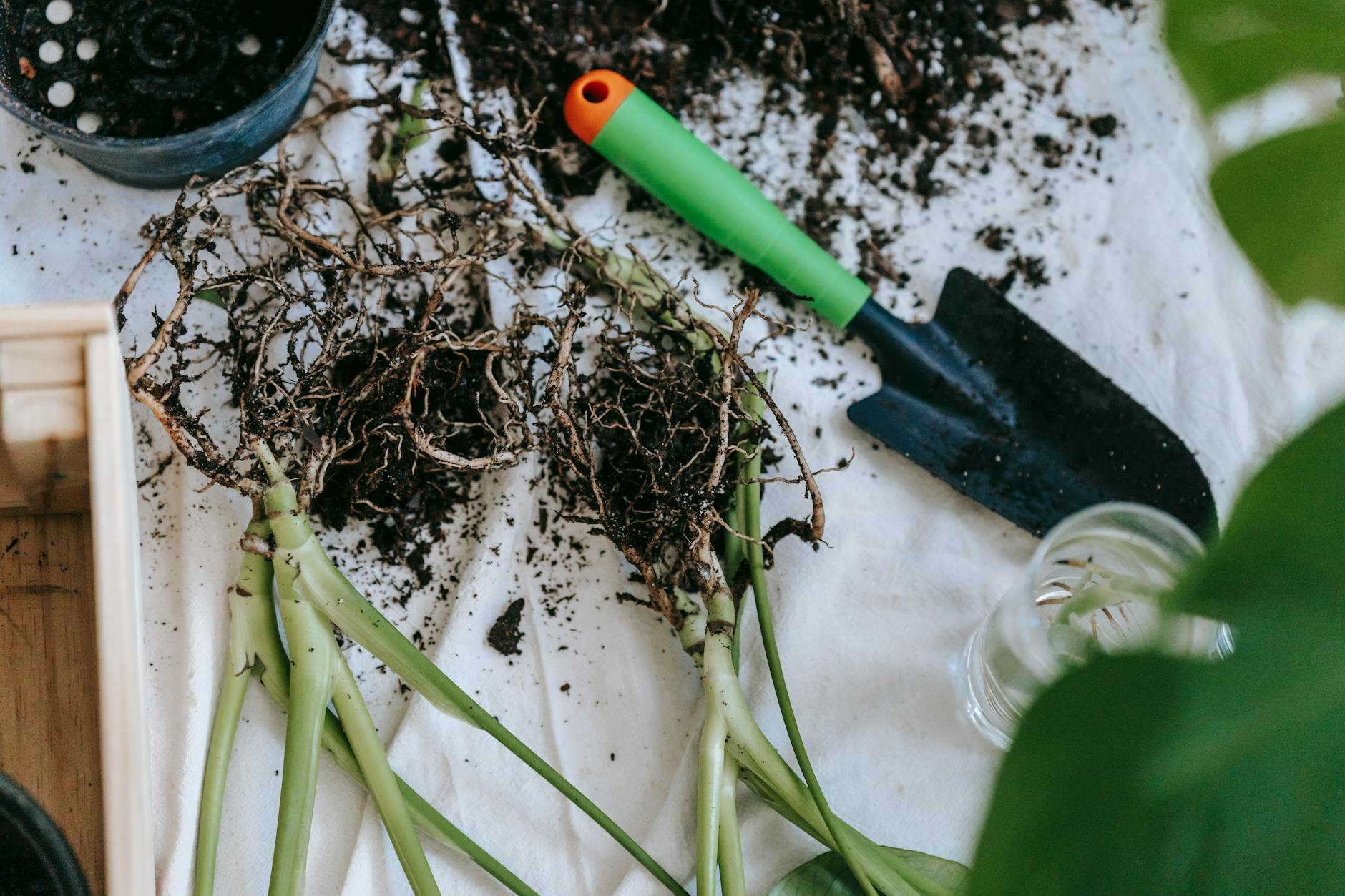
Gently Lifting Undivided Perennial Clumps: Preserving the Root Ball
This is the moment of truth, the part where all your preparation pays off. The goal here is to lift the perennial with as much of its root ball intact as possible. The more roots you preserve, the less shock the plant experiences and the quicker it re-establishes. I learned this the hard way with that Hosta I mentioned earlier – its tiny, severed root system stood no chance.
The "Circle of Life" (or a very careful excavation!)
Start by watering the plant deeply a couple of hours before you plan to lift it. This makes the soil more pliable and helps the root ball hold together. Then, using a sharp, clean border spade (my trusty Bulldog is practically an extension of my arm!), begin to make an initial circle around the plant. The distance from the main stem depends on the size of the plant. For a medium-sized perennial like an Astrantia or a decent clump of Geranium 'Rozanne', I'd go about 6-8 inches out. For something larger, like a mature Daylily or a big ornamental grass, I'm talking 12-18 inches, sometimes even more. You’re essentially defining the perimeter of your root ball.
Underneath and Out
Once you've made your circle, start working your spade deeper, angling it slightly inwards towards the centre of the plant. The aim is to get underneath the root ball, not just slice through its sides. Work your way around the circle, gently levering the soil as you go. You'll feel the resistance of the roots. Be patient. Don’t just yank! Our clay soil here in the Midlands can be incredibly stubborn, sometimes clinging to roots like glue. I often have to rock the spade back and forth a few times, gently prying rather than forcing.
Once you feel the plant starting to loosen, carefully work your spade completely under the root ball from several angles. If it's a particularly large or heavy clump, I find it invaluable to have a tarp or an old hessian sack nearby. Once lifted, you can gently slide the plant onto it. This makes moving it across my 800 sq ft garden much easier and helps keep the root ball from crumbling.
Inspecting the Root Ball
Once the plant is out of the ground, take a moment to inspect its root ball. You want to see a dense network of fibrous roots, still moist and holding the soil together. Don't worry if some soil has fallen away – that's normal. However, if you see any long, straggly, or damaged roots, snip them off cleanly with a pair of sharp secateurs. Clean cuts heal better than ragged tears. If the root ball is truly massive and you're planning to divide it (which we'll cover in the next section!), now is the time to assess its overall health before making any cuts. For an undivided clump, though, the goal is simply to keep it as intact and healthy as possible for its journey to the new bed.
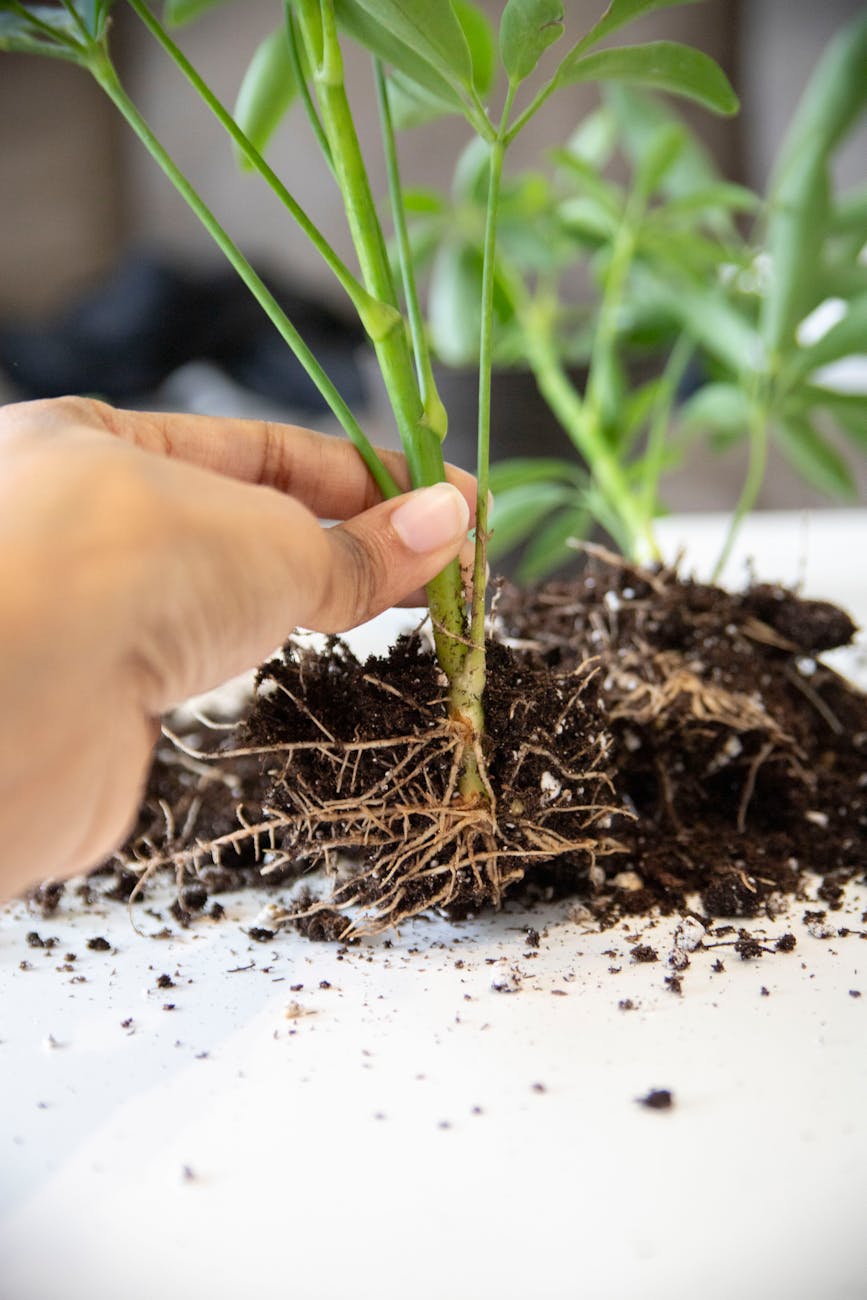
5. Strategic Division: When and How to Split Your Perennials Effectively
Sometimes, simply lifting an entire clump isn't enough; you're looking to rejuvenate a tired plant, control its size, or, perhaps my favourite, get more plants for free! This is where strategic division comes in. It's a fantastic way to breathe new life into overcrowded perennials that have become less floriferous, or simply to propagate your favourites. I've done this countless times in my 800 sq ft Midlands garden, turning one plant into three or four healthy new additions.
The best time for division here in the UK generally mirrors the best time for relocation: early spring (just as new growth emerges) or early autumn (after flowering but before the ground freezes). For spring-flowering plants like primroses or early irises, I usually wait until they've finished their show and then divide them in late spring/early summer. The key is to avoid dividing during their peak growth or flowering periods, or during the hottest parts of summer, as this puts immense stress on them.
Once you've carefully lifted your perennial clump, as we talked about in the previous section, the real fun begins. For plants with fibrous root systems, like Hostas or Daylilies, I often use two garden forks, back-to-back, pushed into the centre of the clump. Then, a gentle levering motion will often split the plant cleanly. For more woody or dense crowns, like some ornamental grasses or even a large clump of hardy Geranium 'Rozanne', a sharp spade, a garden knife, or even a sturdy pair of secateurs can be necessary. I remember trying to divide a huge clump of Miscanthus sinensis 'Morning Light' a few years back – that was a proper workout, requiring a sharp spade and a bit of brute force! The goal is always to ensure each division has a good amount of healthy roots and at least three to five strong shoots or 'eyes' to give it the best chance of re-establishment. Discard any old, woody, or unhealthy central sections; it’s the vigorous outer growth you want to keep.
Here's a quick guide to some common UK garden perennials and how I usually tackle their division:
| Perennial Type | Best Division Method | UK Timing | Randy's Notes |
| Hemerocallis (Daylilies) | Two garden forks, sharp knife | Early Spring / Autumn | My 'Summer Dream' Daylilies get a refresh every 4-5 years. They're pretty robust, but ensure healthy roots on each division. I've successfully divided a large clump of 'Stella de Oro' this way to fill a new border in my vegetable garden. |
| Hosta | Sharp knife or spade | Early Spring | My Hosta 'Sum and Substance' was getting massive. I cut through the crown with a sharp spade, ensuring each piece had plenty of roots. They're tough, even here with our slug issues!