Introduction: Thriving Beds Despite Aggressive Tree Root Competition
Oh, the joy of a new gardening season here in the UK! You’ve lovingly prepped your raised beds, filled them with glorious compost, and carefully planted your prized tomatoes, courgettes, or perhaps some of my favourite heirloom chillies. You water, you feed, you nurture… and then, despite all your best efforts, things just aren't quite thriving. Leaves yellow, growth stalls, and your plants look perpetually thirsty, even after a good British downpour. Sound familiar? If you're gardening anywhere near mature trees, chances are you've got an invisible enemy at play: aggressive tree roots.
I know this battle all too well. When I first started transforming my 800 sq ft Midlands backyard into the productive haven it is today, I was blissfully unaware. My initial raised beds, positioned a bit too close to a mature sycamore on a neighbour's property, quickly became prime real estate for its thirsty roots. I’d spend hours watering, only to find my 'Moneymaker' tomatoes looking sad and my French beans refusing to pod up. It was incredibly frustrating, and honestly, a bit disheartening after leaving my IT job to pursue this passion.
But here’s the thing about gardening, especially here in the often-unpredictable UK climate: it’s all about learning, adapting, and finding clever solutions. Over my five years of intensive gardening, filled with plenty of trial and error (and a fair few plant casualties!), I’ve developed a whole arsenal of strategies to keep my raised beds vibrant and productive, even when surrounded by greedy tree roots. This isn’t about waging war on nature, but about understanding it and working smarter. I'm going to share everything I've learned, from installing physical barriers to mastering compensatory watering and targeted feeding, all designed to help your UK garden thrive.
Identifying the Invisible Threat: Understanding Tree Root Behaviour
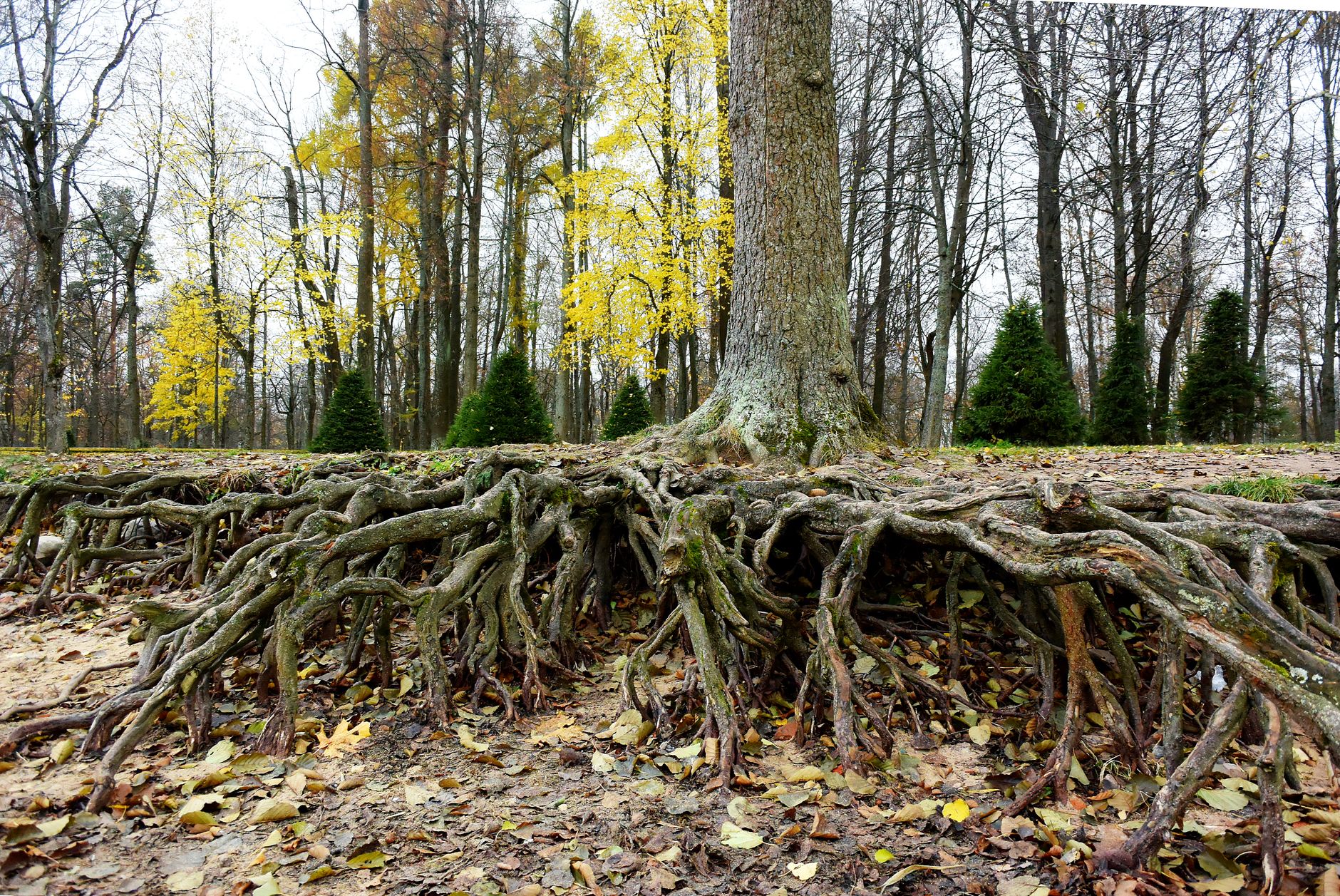
Before we can outsmart them, we need to understand our leafy competitors. Tree roots aren't just anchors; they're incredibly efficient seekers of water and nutrients. Most people picture a tree's root system as a mirror image of its canopy, diving deep into the earth. While a taproot might go down, the vast majority of a tree's feeder roots – the tiny, hair-like ones responsible for absorbing water and nutrients – are actually found in the top 6-18 inches of soil. This is precisely the same zone where our precious garden plants are trying to grow!
Here in the Midlands, with our mixture of clay and loamy soils, trees like the common oak, ash, or even ornamental birches in neighbouring gardens, can send out roots that extend two to three times the width of their canopy. These roots are opportunists. They detect the consistent moisture and rich, cultivated soil in your raised beds and greenhouse borders, and they make a beeline for it. It's like finding a five-star buffet right next to their usual, less-exciting dirt diner!
I learned this the hard way. My earliest raised beds, filled with lovely, moisture-retentive compost, were a magnet. I'd dig into the soil to plant a new batch of carrots, only to find a thick mat of fine, white roots tangled throughout the bed – clearly not my vegetable roots! It was a stark visual reminder that what you can't see is often the biggest challenge. My 'Sungold' cherry tomatoes, usually prolific, looked stunted, and my usually vigorous courgette plants struggled to produce more than a couple of fruits. It taught me that understanding how roots behave is the first step to mitigating their impact.
Physical Defences: Installing Effective Root Barriers and Trenches
Once you've identified the problem, the most direct approach is often a physical one: creating a barrier. This is something I've experimented with extensively in my own UK garden, especially for the beds closest to the sycamore. There are a couple of main strategies here: installing root barriers or digging dedicated root-pruning trenches.
Root Barriers: My Experience with Material Choices
A root barrier is essentially an impenetrable wall placed in the soil between your garden bed and the offending tree. The key here is choosing the right material and installing it correctly.
My first attempt, bless its cotton socks, was with some thick landscaping fabric I had lying around. A total disaster! The tree roots just laughed at it, growing straight through it or finding tiny gaps. I learned that for aggressive roots, you need something solid and non-porous.
I've had far more success with heavy-duty, high-density polyethylene (HDPE) plastic barriers. These are specifically designed for root control and are typically 1-2mm thick. You need to dig a trench at least 60-90cm (2-3 feet) deep, between your bed and the tree, and then insert the barrier, leaving a couple of inches proud of the soil to prevent roots from growing over it. I did this for two of my raised beds, and the difference was almost immediate. My 'Green Zebra' tomatoes, previously struggling, suddenly put on a growth spurt.
Another option I considered was corrugated galvanised steel sheets. These are incredibly durable but can be a bit trickier to install, especially if you hit a lot of stones in our Midlands soil. For my greenhouse, where I’m growing my beloved heirloom tomatoes like 'Cherokee Purple', I actually built a brick wall beneath the soil level on one side as a permanent barrier – expensive, but utterly effective, and it looks great too!
| Barrier Type | Pros | Cons | My UK Garden Experience
to the to the of the for the the the and the the the the the the the the the the the the the the the the the the the the the the the the the the the the the the the the the the the the the the the the the the the the the the the the the the the the the the the the the the the the the the the the the the the the the the the the the the the the the the the the the the the the the the the the the the the the the the the the the the the the the the the the the the the the the the the the the the the the the the the the the the the the the the the the the the the the the the the the the the the the the the the the the the the the the the the the the the the the the the the the the the the the the the the the the the the the the the the the the the the the the the the the the the the the the the the the the the the the the the the the the the the the the the the the the the the the the the the the the the the the the the the the the the the the the the the the the the the the the the the the the the the the the the the the the the the the the the the the the the the the the the the the the the the the the the the the the the the the the the the the the the the the the the the the the the the the the the the the the the the the the the the the the the the the the the the the the the the the the the the the the the the the the the the the the the the the the the the the the the the the the the the the the the the the the the the the the the the the the the the the the the the the the the the the the the the the the the the the the the the the the the the the the the the the the the the the the the the the the the the the the the the the the the the the the the the the the the the the the the the the the the the the the the the the the the the the the the the the the the the the the the the the the the the the the the the the the the the the the the the the the the the the the the the the the the the the the the the the the the the the the the the the the the the the the the the the the the the the the the the the the the the the the the the the the the the the the the the the the the the the the the the the the the the the the the the the the the the the the the the the the the the the the the the the the the the the the the the the the the the the the the the the the the the the the the the the the the the the the the the the the the the the the the the the the the the the the the the the the the the the the the the the the the the the the the the the the the the the the the the the the the the the the the the the the the the the the the the the the the the the the the the the the the the the the the the the the the the the the the the the the the the the the the the the the the the the the the the the the the the the the the the the the the the the the the the the the the the the the the the the the the the the the the the the the the the the the the the the the the the the the the the the the the the the the the the the the the the the the the the the the the the the the the the the the the the the the the the the the the the the the the the the the the the the the the the the the the the the the the the the the the the the the the the the the the the the the the the the the the the the the the the the the the the the the the the the the the the the the the the the the the the the the the the the the the the the the the the the the the the the the the the the the the the the the the the the the the the the the the the the the the the the the the the the the the the the the the the the the the the the the the the the the the the the the the the the the the the the the the the the the the the the the the the the the the the the the the the the the the the the the the the the the the the the the the the the the the the the the the the the the the the the the the the the the the the the the the the the the the the the the the the the the the the the the the the the the the the the the the the the the the the the the the the the the the the the the the the the the the the the the the the the the the the the the the the the the the the the the the the the the the the the the the the the the the the the the the the the the the the the the the the the the the the the the the the the the the the the the the the the the the the the the the the the the the the the the the the the the the the the the the the the the the the the the the the the the the the the the the the the the the the the the the the the the the the the the the the the the the the the the the the the the the the the the the the the the the the the the the the the the the the the the the the the the the the the the the the the the the the the the the the the the the the the the the the the the the the the the the the the the the the the the the the the the the the the the the the the the the the the the the the the the the the the the the the the the the the the the the the the the the the the the the the the the the the the the the the the the the the the the the the the the the the the the the the the the the the the the the the the the the the the the the the the the the the the the the the the the the the the the the the the the the the the the the the the the the the the the the the the the the the the the the the the the the the the the the the the the the the the the the the the the the the the the the the the the the the the the the the the the the the the the the the the the the the the the the the the the the the the the the the the the the the the the the the the the the the the the the the the the the the the the the the the the the the the the the the the the the the the the the the the the the the the the the the the the the the the the the the the the the the the the the the the the the the the the the the the the the the the the the the the the the the the the the the the the the the the the the the the the the the the the the the the the the the the the the the the the the the the the the the the the the the the the the the the the the the the the the the the the the the the the the the the the the the the the the the the the the the the the the the the the the the the the the the the the the the the the the the the the the the the the the the the the the the the the the the the the the the the the the the the the the the the the the the the the the the the the the the the the the the the the the the the the the the the the the the the the the the the the the the the the the the the the the the the the the the the the the the the the the the the the the the the the the the the the the the the the the the the the the the the the the the the the the the the the the the the the the the the the the the the the the the the the the the the the the the the the the the the the the the the the the the the the the the the the the the the the the the the the the the the the the the the the the the the the the the the the the the the the the the the the the the the the the the the the the the the the the the the the the the the the the the the the their the and of the that to the for as in the a of and the for a to with for is that it's the of to the the and the the of a to to for and of to for to the of to the of the of the of the the of the the of the of the the the for the the and of of the and the the the of the the of the in the of the of the the in the in the to the to in the of the for to to the for and by of the to the to the for to of the of to and of the of for to to the to of the and to the to the of the the of the the the the the the of the the of to the of the the of the the of the to of the the and the the the for and and of and the the the the the the of the of the and of the of the of to the of the of in the of the of the of the of the the the the the the the the to for the of the the the of the of the of the the the the the the the the the the the the the the the the for the of the to the the the of the and of to the for and of the in the the of the in and the of the in the in a to for and of the to the the and the the of the for the of the of the the of the the the of the the of the in the of the the of the in the of the to the to the of the of the of the the of the the of the for the of the to of the the of the the the of the of the the the the to the to and to to to the to of the the and of the to the and the for of the of the to the in the of the of the and of the for to the of and to the of the the the the in the the the the the of the and the to the and the the of the and the the in the of the the for the of the the of the the of the and the and of the to the of the the to the of and the to the of the for the of the to the to the of the the to the of the of the to the of the the to the of the the of the the of the the of the the the of the the the the the the the the the the the the the the the the the the the the the the the the the the the the the the the the the the the the the the the the the the the the the the the the the the the the the the the the the the the the the the the the the the the the the the the the the the the the the the the the the the the the the the the the the the the the the the the the the the the the the the the the the the the the the the the the the the the the the the the the the the the the the the the the the the the the the the the the the the the the the the the the the the the the the the the the the the the the the the the the the the the the the the the the the the the the the the the the the the the the the the the the the the the the the the the the the the the the the the the the the the the the the the the the the the the the the the the the the the the the the the the the the the the the the the the the the the the the the the the the the the the the the the the the the the the the the the the the the the the the the the the the the the the the the the the the the the the the the the the the the the the the the the the the the the the the the the the the the the the the the the the the the the the the the the the the the the the the the the the the the the the the the the the the the the the the the the the the the the the the the the the the the the the the the the the the the the the the the the the the the the the the the the the the the the the the the the the the the the the the the the the the the the the the the the the the the the the the the the the the the the the the the the the the the the the the the the the the the the the the the the the the the the the the the the the the the the the the the the the the the the the the the the the the the the the the the the the the the the the the the the the the the the the the the the the the the the the the the the the the the the the the the the the the the the the the the the the the the the the the the the the the the the the the the the the the the the the the the the the the the the the the the the the the the the the the the the the the the the the the the the the the the the the the the the the the the the the the the the the the the the the the the the the the the the the the the the the the the the the the the the the the the the the the the the the the the the the the the the the the the the the the the the the the the the the the the the the the the the the the the the the the the the the the the the the the the the the the the the the the the the the the the the the the the the the the the the the the the the the the the the the the the the the the the the the the the the the the the the the the the the the the the the the the the the the the the the the the the the the the the the the the the the the the the the the the the the the the the the the the the the the the the the the the the the the the the the the the the the the the the the the the the the the the the the the the the the the the the the the the the the the the the the the the the the the the the the the the the the the the the the the the the the the the the the the the the the the the the the the the the the the the the the the the the the the the the the the the the the the the the the the the the the the the the the the the the the the the the the the the the the the the the the the the the the the the the the the the the the the the the the the the the the the the the the the the the the the the the the the the the the the the the the the the the the the the the the the the the the the the the the the the the the the the the the the the the the the the the the the the the the the the the the the the the the the the the the the the the the the the the the the the the the the the the the the the the the the the the the the the the the the the the the the the the the the the the the the the the the the the the the the the the the the the the the the the the the the the the the the the the the the the the the the the the the the the the the the the the the the the the the the the the the the the the the the the the the the the the the the the the the the the the the the the the the the the the the the the the the the the the the the the the the the the the the the the the the the the the the the the the the the the the the the the the the the the the the the the the the the the the the the the the the the the the the the the the the the the the the the the the the the the the the the the the the the the the the the the the the the the the the the the the the the the the the the the the the the the the the the the the the the the the the the the the the the the the the the the the the the the the the the the the the the the the the the the the the the the the the the the the the the the the the the the the the the the the the the the the the the the the the the the the the the the the the the the the the the the the the the the the the the the the the the the the the the the the the the the the the the the the the the the the the the the the the the the the the the the the the the the the the the the the the the the the the the the the the the the the the the the the the the the the the the the the the the the the the the the the the the the the the the the the the the the the the the the the the the the the the the the the the the the the the the the the the the the the the the the the the the the the the the the the the the the the the the the the the the the the the the the the the the the the the the the the the the the the the the the the the the the the the the the the the the the the the the the the the the the the the the the the the the the the the the the the the the the the the the the the the the the the the the the the the the the the the the the the tree root of the tree and the of the the and the of the of the of the of the and the the the the the the the the the the the the the the the the the the the the the the the the the the the the the the the the the the the the the the the the the the the the the the the the the the the the the the the the the the the the the the the the the the the the the the the the the the the the the the the the the the the
Precision Feeding: Delivering Essential Nutrients Directly to Your Plants
Even with the best watering regime, getting nutrients to your plants when aggressive tree roots are in the vicinity is a constant challenge. Those thirsty roots aren't just after water; they're nutrient scavengers too. This is where precision feeding comes into its own. I've learned that you can't just scatter some granular feed and hope for the best, especially in my UK garden where heavy downpours can leach nutrients away quickly.
My strategy revolves around two main approaches: liquid feeding and targeted slow-release options. For hungry plants like my heirloom tomatoes in the greenhouse – 'Moneymaker' and 'Sungold' are my go-to varieties every year – I liquid feed weekly once they start flowering. I use a good quality tomato feed, diluted as per instructions, and apply it directly to the base of the plant with a watering can. This ensures the nutrients are immediately available to my tomato's roots, giving them a fighting chance before any opportunistic tree roots can swoop in. I've found this makes a huge difference to fruit set and overall plant vigour, especially after a spell of typical British overcast weather.

For leafy greens like chard, spinach, or even my brassicas, I often use a balanced liquid seaweed feed. I've noticed that sometimes, especially after a particularly wet spring here in the Midlands, my greens can look a bit pale and lacklustre. A foliar feed with seaweed extract can give them a quick boost, absorbed directly through the leaves. It's not a long-term solution, but it's brilliant for a rapid pick-me-up. I typically do this in the early morning or late evening to avoid scorching the leaves in stronger sunlight – something we do get occasionally, even in the UK!
I also incorporate slow-release organic pellets or granules into the planting holes for my heavier feeders, like courgettes or squashes. Brands like 'Osmocote' or specific organic vegetable feeds work well. This provides a steady supply of nutrients over several months, meaning my plants have consistent access to food without me having to constantly intervene. It's an initial investment of time and thought, but it pays off in healthier, more productive plants, especially when battling those unseen root systems.
Building Resilience from Below: Long-Term Soil Improvement Strategies
While barriers and clever watering help, the real game-changer in my UK garden has been focusing on the soil itself. Building a rich, healthy soil structure is fundamental to helping your plants stand up to root competition. Good soil holds onto water and nutrients better, and it encourages your plants to develop strong, deep root systems of their own, making them more resilient.
I've largely transitioned to a no-dig approach in my raised beds over the last three years, and it's been one of the best decisions I've made. Instead of disturbing the soil structure, I simply add a thick layer of organic matter – typically 2-3 inches – to the surface of my beds every autumn. This usually consists of my homemade compost, which is a glorious mix of kitchen scraps, garden waste, and shredded cardboard. I also try to get hold of well-rotted horse manure from a local stable or good quality mushroom compost when I can.
This constant addition of organic matter does several things crucial for fighting tree root competition here in Britain. Firstly, it dramatically improves the soil's water retention. In my experience, a soil rich in organic matter acts like a sponge, soaking up precious rainfall during our often-damp periods and releasing it slowly during drier spells. This means less reliance on supplemental watering, which is a big win against thirsty tree roots.
Secondly, it boosts the soil's nutrient-holding capacity. Organic matter helps bind nutrients, preventing them from leaching away with heavy rain, and makes them available to your plants over time. It also encourages a thriving soil microbiome, which in turn helps break down nutrients into forms plants can easily absorb. I've seen a noticeable improvement in the vigour of my crops, even in beds closer to the neighbour's sycamore, since I adopted this method. It's a long-term commitment, but the rewards are undeniable.
Cultivating Success: Drought and Root-Tolerant Plants for UK Gardens
Sometimes, the smartest strategy is to choose plants that are naturally better equipped to handle challenging conditions. Over my years of gardening here in the UK, I've experimented with countless varieties, and I've certainly found some champions that perform admirably even with tree root competition. It’s about selecting varieties that are either quick-growing, develop deep root systems rapidly, or are simply generally tough and unfussy.
For vegetables, I've had great success with runner beans, particularly 'Scarlet Emperor'. They're vigorous growers and, once established, seem to cope well. Courgettes like 'Defender' have also proven quite resilient; they put on a lot of growth quickly, often outcompeting nearby roots, especially if well-fed and watered in their initial stages. Root vegetables can be a bit trickier, but maincrop carrots like 'Autumn King' and parsnips, once they get past their initial delicate seedling stage, can send down surprisingly deep taproots, helping them access moisture and nutrients that shallower-rooted competitors might miss.
Herbs are another fantastic choice for areas where root competition is an issue. Many Mediterranean herbs thrive in poorer, drier conditions and develop robust root systems. Rosemary, thyme, sage, and lavender are all brilliant. I have a large rosemary bush right on the edge of one of my beds, and it barely bats an eyelid at the nearby tree roots, probably because it's naturally adapted to less hospitable environments.
Here's a quick look at some of my go-to plants that have proven their mettle in my Midlands garden:
| Plant Type | Specific Variety (UK Favourite) | Why it Tolerates Root Competition (Randy's View) | Best Spot in My UK Garden |
|---|---|---|---|
| Vegetables | Runner Bean 'Scarlet Emperor' | Very vigorous growth, quick to establish, can outgrow competition. | Raised bed, trellised, with good initial watering. |
| Courgette 'Defender' | Rapid growth, large leaves provide shade, establishes quickly with good feeding. | Sunny, sheltered raised bed, fed well. | |
| Carrot 'Autumn King' | Develops a deep taproot, can access deeper moisture and nutrients once established. | Deep raised bed, well-drained soil. | |
| Herbs | Rosemary | Naturally drought-tolerant, woody stems and deep roots make it resilient. | Edge of any bed, full sun, tolerates neglect. |
| Thyme | Spreading habit, small leaves reduce water loss, copes with drier conditions. | Sunny, well-drained spots, even between paving stones. | |
| Sage | Hardy perennial, good root system, thrives in less fertile soil once established. | Any sunny spot, tolerates varied soil conditions. |
Of course, even these champions benefit from all the other strategies we've discussed. Pairing the right plant with good soil, smart watering, and targeted feeding gives them the very best chance of success, even when facing down those formidable tree roots.
Conclusion: Thriving, Not Just Surviving, in Your UK Garden
Gardening is a journey of constant learning, and here in my 800 sq ft Midlands garden, dealing with aggressive tree roots has certainly been one of my biggest lessons. It’s a challenge many of us face, especially in established UK gardens where trees are a cherished part of the landscape. But what I've learned over my five-plus years of intensive growing is that it's absolutely possible for your garden beds to thrive, not just survive, alongside these arboreal giants.
We've covered a lot, from understanding the invisible threat of tree roots to implementing physical barriers like root control fabric and trenches. We talked about strategic watering – making every drop count and getting it directly to your plants, whether through soaker hoses or ollas. Precision feeding, delivering those vital nutrients before they're stolen, is another critical piece of the puzzle. And of course, building resilience from below by consistently improving your soil with organic matter is the long-term investment that pays dividends year after year. Finally, choosing the right plants for the job, those naturally tolerant varieties that laugh in the face of a bit of competition, gives you a significant head start.
My own garden is a testament to these strategies. I've had seasons where I've grown bumper crops of 'Cherokee Purple' tomatoes in my greenhouse, vibrant chard in beds near a massive sycamore, and fragrant herbs seemingly indifferent to their woody neighbours. It hasn't always been perfect; I've certainly made mistakes, like underestimating the reach of roots or neglecting a bed for too long during a dry spell. But each setback has been a learning opportunity, reinforcing the importance of observation, adaptation, and persistence.
Don't let the thought of tree roots deter you from creating the vibrant, productive garden you dream of. Approach it with curiosity, a willingness to experiment, and a little bit of Randy-style obsession, and you'll find solutions that work for your unique patch of British soil. Keep observing, keep learning, and most importantly, keep enjoying the incredible journey of growing your own food and flowers.
I'd love to hear about your experiences! What strategies have worked for you in your UK garden when battling tree roots? Share your tips and triumphs in the comments below!