Introduction: Why Taming Mint is Essential for UK Gardeners
Oh, mint! It’s one of those herbs that almost every gardener I know here in the UK has a bit of a love-hate relationship with. On the one hand, who doesn't adore the fresh burst of flavour it brings to a cup of tea, a summer salad, or even a cheeky Mojito on a warm (ish!) British evening? The scent alone can transport you, and it’s an absolute magnet for bees in my Midlands garden. I've grown everything from classic Spearmint to zesty Orange Mint and even a delightfully chocolatey variety, and each one has its own charm.
But then there's the other hand – the one that's usually covered in soil after a desperate attempt to rein in its enthusiastic spread. If you've ever planted mint directly into your borders without a second thought, you'll know exactly what I mean. What starts as a charming little plant quickly transforms into a green tidal wave, swamping its neighbours, popping up unexpectedly in your prize rose bed, and generally making a nuisance of itself. I learned this the hard way during my first year of serious gardening, about five years ago, when a small sprig of 'Black Peppermint' I tucked into a corner of a raised bed decided it owned the entire patch by August. It was a proper battle!
Here in the UK, with our often damp and fertile soils, mint finds itself in paradise, ready to conquer any available space. That’s why, if you want to enjoy bountiful harvests of this fantastic herb without it becoming the bane of your gardening existence, you need a strategy. This article isn't just about growing mint; it's about taming it. I'm going to share everything I've learned through my own trials and errors in my 800 sq ft garden – the proven container methods and robust root barrier strategies that have allowed me to enjoy various mint varieties without them staging a hostile takeover. Let's get that mint under control, shall we?
Understanding Mint's Aggressive Growth Habit: The Root of the Problem
To truly tame mint, we first need to understand what makes it such a formidable force in the garden. It's not just a bit enthusiastic above ground; the real magic (or menace, depending on your perspective!) happens beneath the soil. Mint spreads primarily through something called rhizomes.
Think of rhizomes as underground stems. Unlike regular roots that just anchor the plant and absorb nutrients, these rhizomes are thick, horizontal stems that creep just below the soil surface. They're packed with nodes, and from each node, new roots and shoots can emerge. This means that a single mint plant isn't just one plant; it's a network constantly extending its reach, sending up new plants metres away from the original. In my experience here in the Midlands, a healthy Spearmint plant can easily send out rhizomes 30-40cm in a single growing season if left unchecked.
This aggressive, rhizomatous growth is why digging up a mint plant often feels like playing whack-a-mole. You pull out one clump, only to find new shoots popping up a few weeks later from a tiny piece of rhizome you missed. Our typically moist British soil conditions, especially in spring and early summer, provide the perfect environment for these rhizomes to thrive and spread rapidly. Varieties like 'Moroccan Mint' or 'Eau de Cologne Mint' are particularly vigorous in my garden, while even 'Apple Mint' can become quite the wanderer. It’s this tenacious underground network that we need to outsmart, either by confining it completely or by creating an impenetrable barrier.

Mastering Container Gardening for Controlled Mint Growth
After a few early battles with runaway mint in my raised beds, I quickly learned that the easiest, most effective way to enjoy a variety of mints without constant vigilance is to simply keep them in pots. It’s a game-changer, I promise you! Container gardening for mint is not just about popping it in any old pot; there are a few key considerations that make all the difference, especially with our unpredictable British weather.
Choosing the Right Pot and Potting Mix
First up, size matters. Mint plants, even when contained, like a bit of room to develop a healthy root ball. I generally use pots that are at least 20-30cm (8-12 inches) in diameter and depth for a single plant. This gives the roots enough space to flourish without becoming root-bound too quickly, which can lead to the plant drying out faster in our warmer spells.
When it comes to the material, you've got options, each with its own pros and cons for UK conditions:
| Pot Material | Pros (UK context) | Cons (UK context) | Randy's Take (from my UK Garden) |
|---|---|---|---|
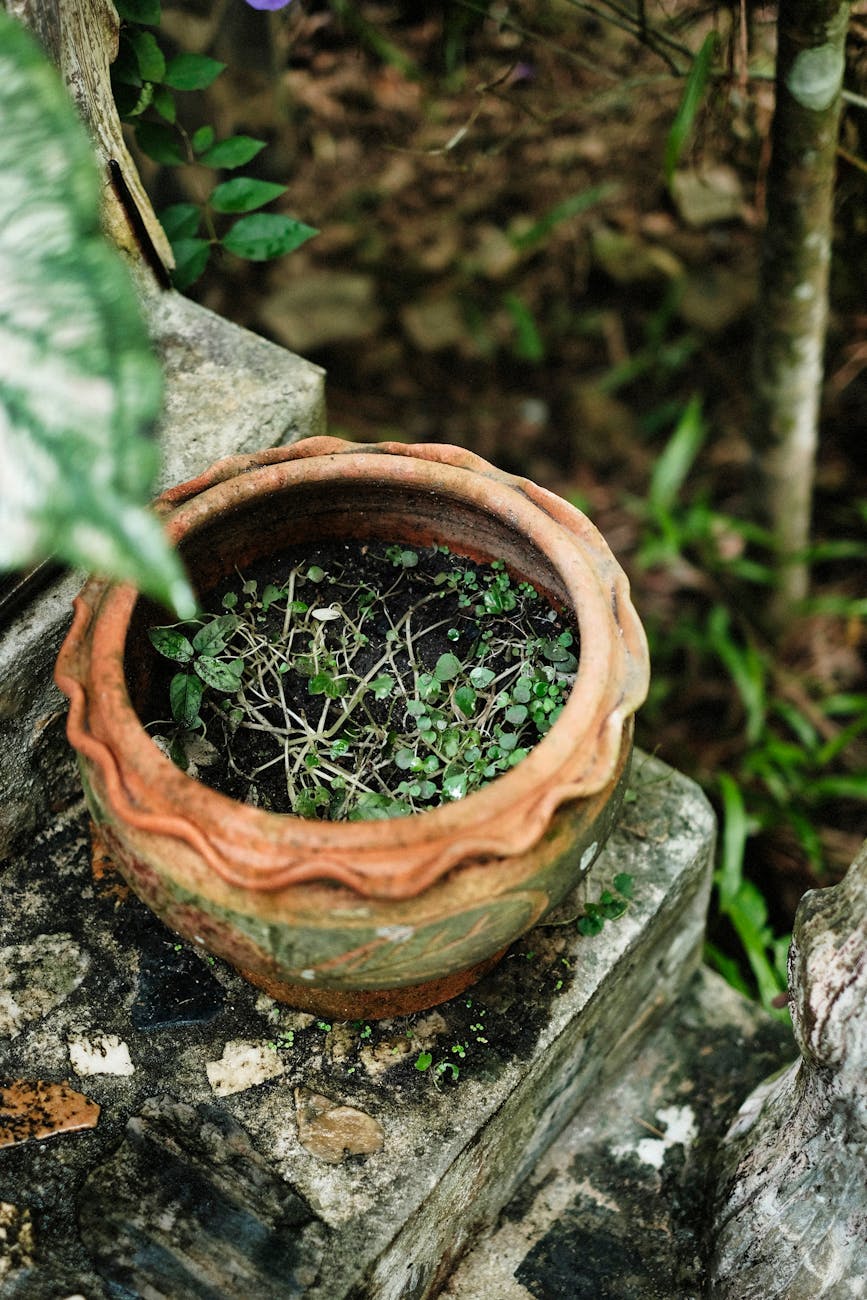
| Terracotta | Excellent drainage, allows roots to breathe, traditional aesthetic, helps prevent waterlogging during wet UK periods. | Dries out quickly in summer heatwaves (requires more frequent watering), susceptible to frost damage if left unprotected in winter. | My favourite for aesthetics and drainage. I just make sure to water daily in July/August and bring them into the greenhouse for winter. |
| Plastic | Retains moisture well (less watering needed), lightweight, frost-resistant, very durable, often cheaper. | Can look less appealing, poor drainage if holes aren't sufficient, roots can get waterlogged in prolonged wet British spells. | Practical and budget-friendly. I always drill extra drainage holes in the bottom of plastic pots to avoid soggy roots. |
| Glazed Ceramic | Beautiful and decorative, retains moisture better than terracotta, good insulation against temperature swings. | Heavy, more expensive, can still crack in severe frosts if waterlogged, drainage can be an issue if not well designed. | Great for a statement herb, but I'm careful with drainage. I tend to use these for mints I want to showcase near the patio. |
For potting mix, I use a good quality peat-free multi-purpose compost, often mixed with a bit of perlite or grit (about 10-20%) to improve drainage. Mint likes consistent moisture but absolutely hates sitting in soggy compost, especially during our often damp springs and autumns.
Watering and Feeding in UK Conditions
Container-grown mint will need more frequent watering than mint in the ground, particularly during dry spells or heatwaves that we occasionally get here in the UK. I check my pots daily in summer, sticking my finger an inch or two into the compost. If it feels dry, I give it a good soak until water drains from the bottom. In cooler, wetter periods, I might only water every few days.
As for feeding, I give my potted mint a dilute liquid feed (a general purpose organic feed works wonders) every 2-4 weeks during the growing season (April to September). This keeps the leaves lush and flavourful, as the nutrients in the compost will deplete faster in a confined space.
Overwintering Potted Mint in the UK
Mint is generally hardy in the UK, but container-grown plants are more vulnerable to frost, as their roots aren't insulated by the surrounding soil. In my Midlands garden, I usually move my terracotta pots into the greenhouse for winter, or tuck plastic pots close to the house wall for some protection. You can also wrap pots in bubble wrap or hessian for extra insulation. The plant will die back, but the roots will survive, ready to spring back to life in April.
Effective Root Barrier Strategies for In-Ground Mint Planting
Okay, so I’ve sung the praises of container growing, but I also understand the appeal of having mint directly in the ground. Perhaps you want it as part of a sensory path, tucked into an herb spiral, or just prefer the natural look. It's totally doable, but it requires a bit more planning and a robust root barrier. Trust me, I've had to dig up enough rogue mint to know that a flimsy barrier is no barrier at all!
The Principle of Root Barriers
The goal here is simple: create an impenetrable physical barrier that those sneaky rhizomes cannot bypass. This barrier needs to be deep enough, wide enough, and sturdy enough to stand up to mint's relentless quest for world domination.
Different Root Barrier Options
I've experimented with a few methods in my own garden, and here's what I've found works best for our British conditions:
| Barrier Type | Pros (UK context) | Cons (UK context) | Randy's Take (from my UK Garden) | My first attempt at a planted 'mint garden' (ha!) was a disaster. It was a chaotic mess, frankly. I thought a small, low-lying plastic barrier would be enough. I was wrong. The mint, mostly Spearmint and a bit of Peppermint, just laughed at my feeble attempts and popped up everywhere. It turns out, those little underground stems, the rhizomes, are far more determined than I gave them credit for. I've since learned that going for a deep, robust barrier from the get-initialization is the only way to genuinely contain it. No compromises. |
| Bottomless Pot (Plastic/Metal) | Relatively easy to install, effectively contains roots vertically, good for a single plant. | Can still allow rhizomes to escape over the top if not deep enough, plastic can degrade over time in UK soil, metal can rust.
5. Optimal Placement & Companion Planting for Contained Mint
Once you’ve got your mint confidently tucked away in its container or safely behind its root barrier, the next step is thinking about where it lives in your UK garden. This isn't just about aesthetics; it’s about giving your mint the best conditions to thrive without becoming a nuisance, and even letting it lend a helping hand to other plants.
Finding Mint's Happy Place in Your UK Garden
Here in the Midlands, our summers can be a bit hit or miss – some glorious sunshine, others a fair bit of cloud and drizzle. I’ve found that mint, even in a pot, really appreciates a good amount of sun. Aim for at least 4-6 hours of direct sunlight a day. In my 800 sq ft garden, I tend to place my 'Mojito' mint pots right on the patio, easily accessible for a quick snip when I fancy a drink.

However, during a particularly scorching spell (which we do get occasionally, even in Britain!), mint in a dark container can dry out incredibly quickly. One year, I had a terracotta pot of 'Black Peppermint' practically wilting by lunchtime in full sun during a heatwave. Now, if I know it’s going to be baking, I’ll either move the pot to a spot that gets some afternoon shade or make sure it’s got a good, deep saucer of water underneath. Proximity to the kitchen is always a bonus – nothing beats popping out for fresh mint for tea or a salad dressing!
Companion Planting: Aromatic Allies (When Contained!)
This is where contained mint really shines. Left to its own devices, mint would smother any companion. But with its roots in check, its strong, aromatic foliage can be a fantastic natural pest deterrent. The powerful scent confuses pests, making it harder for them to find their target plants.
I've had great success placing my potted 'Spearmint' near my brassica raised beds. I'm always battling the dreaded cabbage white butterflies here in the UK, and while the mint isn't a silver bullet, it definitely seems to reduce the number of them fluttering around my kale and broccoli. I also like putting smaller pots of mint near my greenhouse door – it just seems to make the whole area smell wonderful and discourages a few unwanted visitors from getting in there with my precious heirloom tomatoes.
Just remember, the key word here is contained. Never, ever plant mint directly into the ground near plants you want to protect unless you have a robust root barrier in place. I learned this the hard way when a tiny bit of peppermint I planted "just for a bit" near my runner beans ended up trying to take over the whole bed within a season. Lesson well and truly learned!
6. Harvesting and Maintenance for Bountiful & Healthy Mint
So, you've got your mint thriving in its controlled environment. Now, how do you keep it looking its best and ensure you get a continuous supply of those fragrant leaves? It’s all about regular harvesting and a bit of focused maintenance, tailored for our sometimes-unpredictable British weather.
The Art of the Snip: Harvesting for Flavour and Vigour
For me, harvesting mint isn't just about getting leaves; it's a vital part of its maintenance. Regular harvesting encourages the plant to produce more side shoots, leading to a bushier, healthier specimen. If you let it go leggy and flower, the flavour can diminish significantly.
I start harvesting my mint in late spring, as soon as it’s put on a good amount of growth, and continue right through to the first frosts. I always aim to snip off stems just above a leaf node (where leaves emerge from the stem). This encourages two new shoots to grow from that point, leading to a fuller plant. I usually take about a third of the plant at a time, making sure not to strip it bare.

My absolute favourite time to harvest is first thing in the morning, after the dew has dried but before the sun gets too strong. That’s when the essential oils are most concentrated, giving you the best flavour. I'll often come out to my greenhouse with a mug of tea, snip some 'Mojito' mint for my water bottle, and some 'Apple Mint' for a refreshing brew. Any excess I either hang to dry in my shed or freeze in ice cube trays with a little water – perfect for winter stews or drinks!
Keeping Your Mint in Tip-Top UK Shape: Watering, Feeding & Pruning
Mint is a thirsty plant, especially when confined to a container. Here in the UK, even with our frequent rainfall, a dry spell can quickly stress potted mint. I make sure to check my containers daily during warmer months, especially if it’s been windy. I primarily use rainwater from my water butt – it's free and mint seems to love it. For mint planted with a root barrier in the ground, it’s less demanding, but still appreciates a good soak during prolonged dry periods.
Feeding isn't strictly necessary if you're repotting annually into fresh compost, but a little boost can go a long way. I give my container mint a dilute liquid feed every 3-4 weeks during the growing season. Something balanced, like a general seaweed extract, works wonders. I try to avoid anything too high in nitrogen, as that can lead to lots of leafy growth but less intense flavour.
Finally, pruning! This goes beyond just harvesting. At least once or twice during the season, if your mint starts looking a bit tired or leggy, don't be afraid to give it a hard prune. Cut it back by about half its height. It might look brutal, but trust me, it will bounce back with renewed vigour. I usually do a big chop in mid-summer, especially if we've had a particularly wet August and it's looking a bit sorry for itself. And don't forget to repot your container mint every 1-2 years into fresh compost. I learned this the hard way when my beautiful 'Moroccan Mint' started looking pathetic; turns out, it was completely rootbound. A fresh pot and new compost did the trick, bringing it back to life!
7. Troubleshooting & FAQs: Keeping Your Mint in Check
Even with the best intentions and strategies, gardening always throws up a few curveballs. Mint, despite its robust nature, isn't immune to problems. Here are some common issues I've encountered in my UK garden and how I tackle them, along with some frequently asked questions.
Common Mint Maladies & How I Fix Them (UK Edition)
- Rust (Orange Spots): This is probably the most common issue I face with mint, especially during damp, humid UK summers. You'll see unsightly orange or brown spots on the undersides of leaves.
- My Fix: As soon as I spot it, I remove and destroy (don't compost!) any infected leaves. I try to improve air circulation around the plant – if it's in a dense patch, I might thin it out a bit. Watering at the base rather than overhead can also help. Prevention is key, so good spacing and airflow are vital for our sometimes-soggy climate.
- Aphids (Tiny Green/Black Bugs): These little sap-suckers can occasionally target mint, especially new growth.
- My Fix: For minor infestations, a strong spray of water from the hose usually dislodges them. For more persistent issues, I use an organic insecticidal soap. I usually check my plants every few days, particularly in spring when they're most vulnerable.
- Leggy Growth & Weak Flavour: This usually means the plant isn't getting enough light or isn't being harvested often enough.
- My Fix: Move the container to a sunnier spot if possible. Increase harvesting frequency, cutting back harder to encourage bushier growth. Pruning back by half often works wonders.
- Escaping Roots (The "Oh No!" Moment): Despite your best efforts with barriers, a rogue runner might find a way out.
- My Fix: Vigilance! Regularly check around your containers or barrier for any signs of new shoots. If you spot one, dig it out immediately, tracing it back to the main plant if possible. This is why I always leave a bit of a gap around my root-barriered beds; it makes inspections easier.
FAQs: Your Minty Queries Answered
- Q: Can I grow different mint varieties in the same container?
- A: I wouldn't recommend it. Even in a container, different mints can cross-pollinate, and their root systems will compete aggressively, potentially leading to one variety dominating the other. It's best to give each variety its own pot to maintain its distinct flavour and growth habit. I learned this when my 'Chocolate Mint' started to get overpowered by my 'Spearmint' in a shared trough.
- Q: My mint leaves are turning yellow. What's wrong?
- A: Yellowing leaves can indicate a few things. It might be overwatering (especially in poorly draining containers), nutrient deficiency (time to repot or feed!), or sometimes just the plant getting old and needing a good prune to encourage new growth. Check the soil moisture first.
- Q: How do I overwinter mint in the UK?
- A: Most common mint varieties are surprisingly hardy in the UK. In containers, they can usually stay outside, though I often move mine closer to the house wall for a bit of extra shelter from harsh frosts and winter winds. For in-ground mint, it's generally fine. The top growth will die back, but it will reliably sprout again from the roots in spring. For particularly tender varieties or very exposed locations, a layer of mulch can provide extra protection.
- Q: My mint has flowered. Is it still good to use?
- A: Yes, it's still safe to use, but the flavour might be less intense or even a bit bitter. Flowering is usually a sign that the plant is putting its energy into reproduction rather than leaf production. Harvest regularly to prevent flowering and maintain the best flavour.
Choosing Your Control Strategy: A Quick Comparison
To help you decide which method might be best for your specific UK gardening setup, here’s a quick comparison based on my own experiences.
| Feature | Container Gardening | Root Barrier (In-Ground) |
|---|---|---|
| Control Level | Excellent; roots fully contained. | Very Good; requires regular checks for escapees. |
| Effort | Higher initial setup (potting mix, pot); higher watering. | Higher initial setup (digging, barrier installation). |
| Portability | Excellent; can move for sun/shade, overwintering. | None; fixed location. |
| Aesthetics | Can be decorative; fits small spaces/patios. | More natural look; integrates into beds. |
| Watering Needs | High, especially in summer and windy conditions. | Moderate; more forgiving due to soil volume. |
| Repotting/Refresh | Annually or biannually essential for health. | Not required for the plant itself; barrier checks are key. |
| Pest Deterrence | Easy to place strategically near vulnerable plants. | Fixed location, less flexible for targeted deterrence. |
| UK Climate Notes | Can dry out quickly in sunny spells; needs winter shelter for exposed sites. | Benefits from soil insulation in winter; needs proper drainage in wet periods. |
| Randy's Verdict | My preferred method for most varieties in my small garden. Ideal for patio herbs. | Great for larger beds where I want mint to be part of the landscape without taking over. |
Conclusion: Embrace the Power of Contained Mint!
So, there you have it, fellow UK gardeners! My deep dive into taming aggressive mint – a journey I’ve been on for years in my own 800 sq ft Midlands garden. We’ve explored everything from understanding mint’s runaway roots to mastering container strategies and robust root barriers. We’ve talked about optimal placement, smart companion planting, and the continuous cycle of harvesting and maintenance that keeps your mint thriving and tasty, not tyrannical.
I've shared my own trials and tribulations, from battling rust in a damp British summer to the shock of seeing a rogue runner escape its intended bounds. And through it all, one thing remains clear: mint is too valuable a herb to give up on. Its fresh, invigorating flavour is a staple in my kitchen, from cooling drinks to savoury dishes, and it truly deserves a place in every UK garden.
By implementing these proven strategies, you’re not just growing mint; you’re exercising control, fostering abundance, and ultimately, creating a more harmonious and productive garden. Don't let its reputation scare you away. Take charge, get creative with your containers and barriers, and enjoy the bountiful harvests that controlled mint can offer.
What are you waiting for? Grab a pot, pick a spot, and get planting! I'd love to hear about your own mint-taming adventures in the comments below. Happy gardening!