From Delight to Dilemma: The Joy and Challenge of Self-Seeding Plants
When I first started digging into gardening five years ago here in the UK, I remember the absolute thrill of finding my first volunteer seedling. It felt like a little miracle, a free plant, a gift from the garden gods! I mean, who doesn't love a bit of something for nothing? In those early days, I’d beam at every tiny borage, calendula, or dill sprout that popped up unbidden in my raised beds here in the Midlands. My 800 sq ft backyard, with its mix of veg patches and a small greenhouse, quickly became a canvas for this delightful chaos.
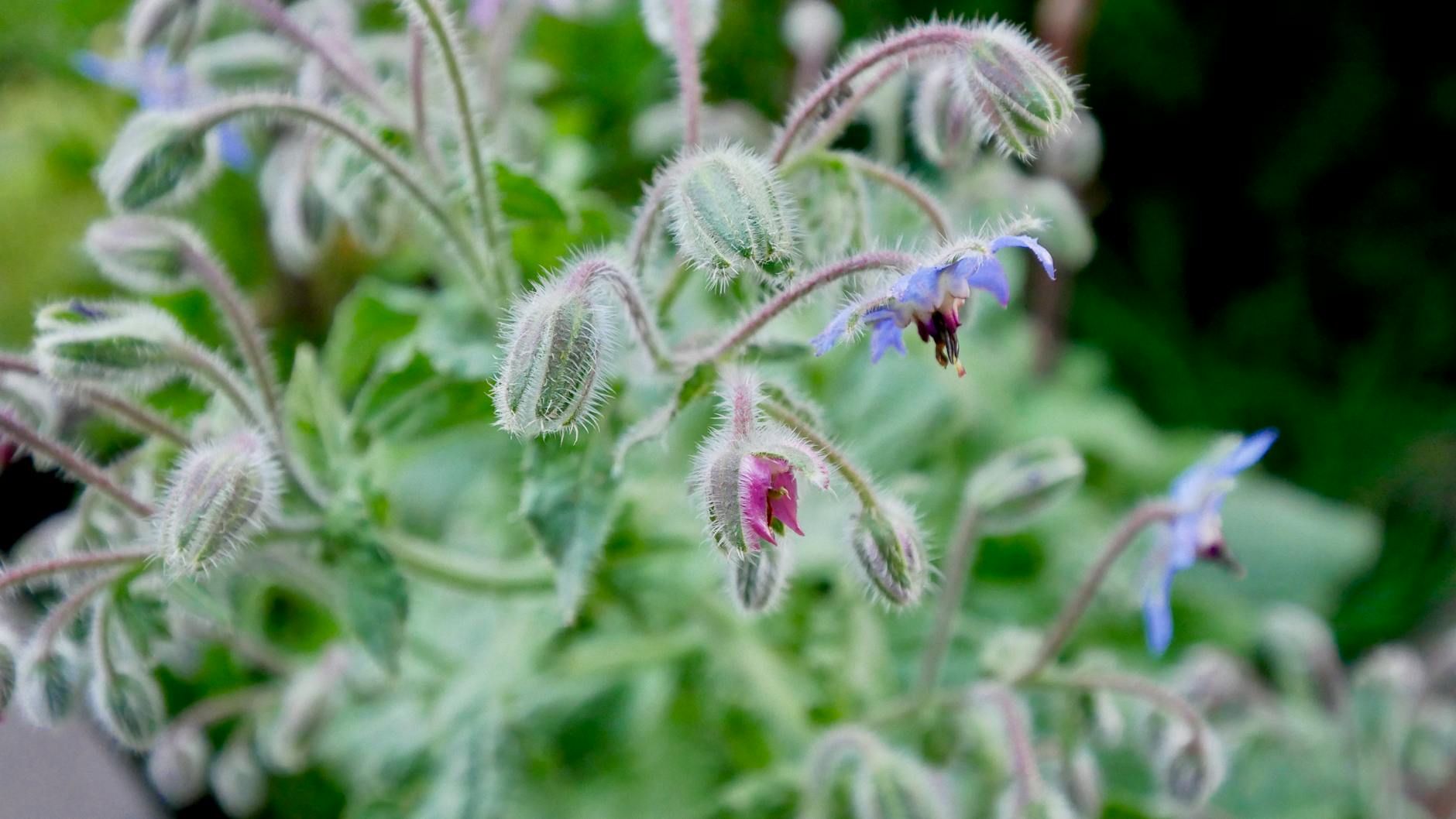
There’s a real magic to these self-seeders. They arrive exactly where they want to be, often thriving with a vigour that makes carefully sown seeds look a bit… pampered. Borage, with its beautiful blue flowers attracting all the bees, and calendula, splashing vibrant orange across the beds, quickly became firm favourites. Dill, too, offered its feathery foliage for my cooking and its delicate flowers for beneficial insects. I loved the natural, slightly wild look they gave my garden, a contrast to the neat rows of my heirloom tomatoes in the greenhouse.
But as my experience grew, and as a few UK growing seasons came and went, that initial delight began to morph into something else. That gift from the garden gods started feeling a bit more like a well-intentioned but overly enthusiastic relative who just won't leave. What was once a charming sprinkle of volunteers became a veritable army, competing with my carefully planned crops for space, nutrients, and precious British sunshine. I’ve learned the hard way that while self-seeding is a sign of a healthy, happy plant, it also requires a strategic hand to prevent it from overwhelming everything else. And trust me, in a small-space UK garden like mine, space is gold!
Why Your Garden Becomes a Seed Nursery: Understanding Aggressive Self-Seeders
So, why do some plants seem to go from zero to sixty in the self-seeding stakes, turning your carefully cultivated patch into a veritable nursery of their offspring? It boils down to their evolutionary brilliance, really. These plants, like borage, calendula, and dill, are incredibly efficient at reproduction. They've mastered the art of spreading their genetic material far and wide, ensuring their survival.
One of the key factors is the sheer number of seeds they produce. A single borage plant, for example, can produce hundreds, if not thousands, of seeds. I’ve seen this firsthand in my UK garden; one year, I let a couple of borage plants go to seed completely, and the following spring, it felt like every square inch had a borage seedling. It was a proper "what have I done?" moment!
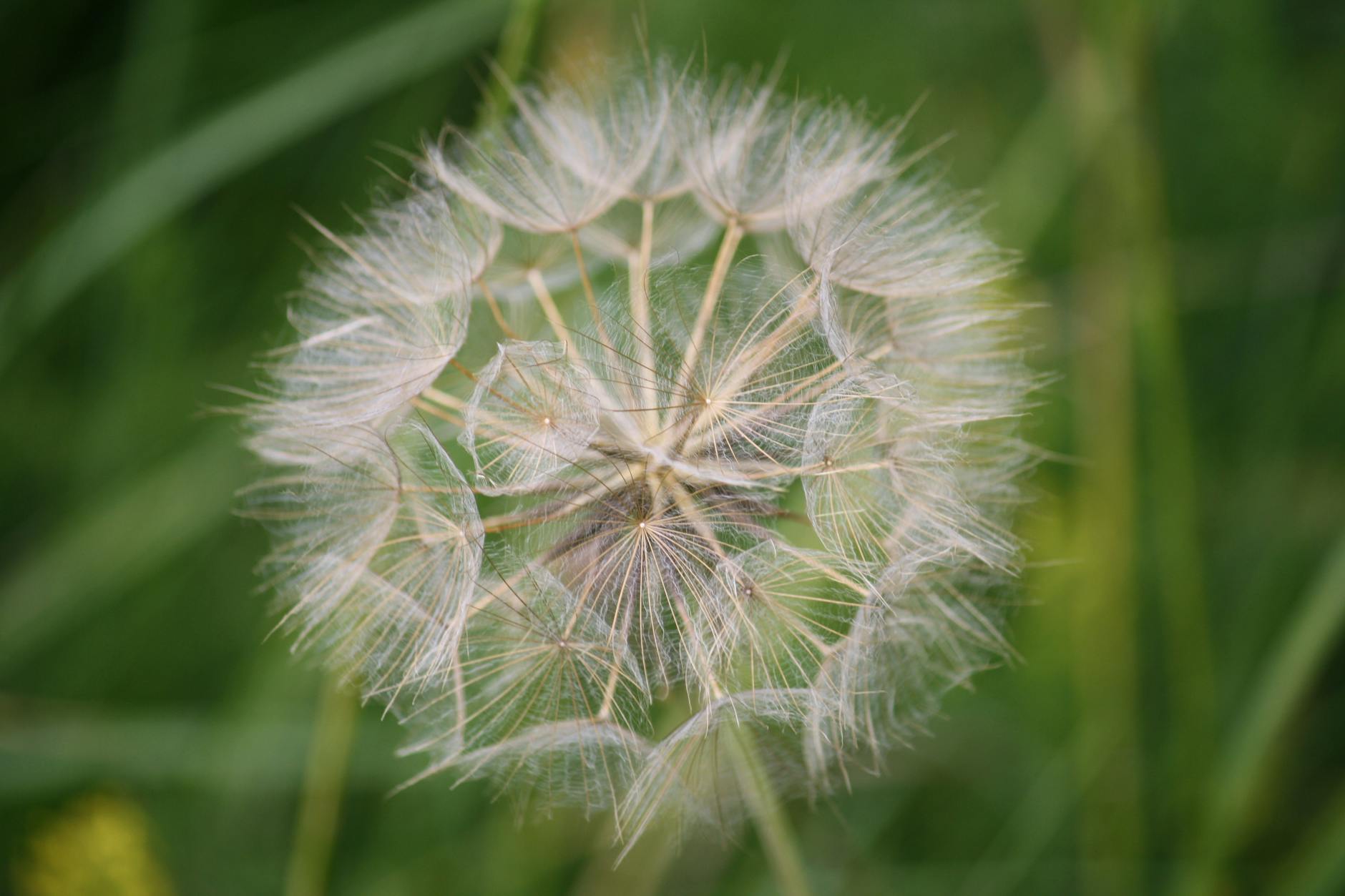
Then there's the dispersal mechanism. Many aggressive self-seeders have seeds that are designed to travel. Some, like dill, have light, papery seeds easily carried by the wind, especially during those blustery British autumns. Others, like borage, have seeds that are quite heavy and just drop directly below the parent plant, creating a dense cluster. Rain, which we certainly get enough of here in the UK, can also wash seeds into new crevices. And let's not forget the wildlife – birds love a good seed head, inadvertently spreading them across your garden (and your neighbour's!). Seed viability also plays a huge role; many of these seeds can remain dormant in the soil for years, just waiting for the right conditions to germinate. It's truly incredible how resilient they are, especially after a typical unpredictable British winter.
Identifying Your Allies and Adversaries: Desirable vs. Dominant Volunteers
Navigating the world of volunteer seedlings isn't about eradicating every single uninvited guest. Far from it! It’s about understanding which ones are your allies – the helpful, charming additions – and which ones are likely to become adversaries, taking over and outcompeting your desired crops. In my 800 sq ft Midlands garden, I’ve had to learn this balance through plenty of trial and error.
For me, a "desirable" volunteer is one that adds value without demanding too much. A few calendula plants dotted around are fantastic – they attract pollinators, look cheerful, and their petals are edible. They're generally easy to pull if they pop up in an inconvenient spot. Similarly, a handful of dill plants are welcome for their culinary uses and their attractive feathery foliage that beneficial insects adore. They rarely become a problem if kept in check.
However, "dominant" volunteers are those that, left unchecked, will quickly form an impenetrable thicket. Borage is a prime example. While I adore its flowers, the plants grow large and bushy, and their seedlings can quickly outcompete smaller, slower-growing vegetables. Another one I've wrestled with is feverfew. Beautiful, yes, but it can spread relentlessly and form dense clumps that are a real pain to remove once established. Identifying these early is key to maintaining harmony in your garden. I've found that here in Britain, where growing seasons can be short and intense, every inch of soil matters, so making these distinctions early is vital.
Here's a quick comparison based on my experiences in my UK garden:
| Plant (Common UK Self-Seeder) | Desirable Volunteer? | Dominant Adversary? | Randy's Reasoning (from his UK garden) |
|---|---|---|---|
| Borage | Sometimes | Often | Lovely for pollinators & edible flowers, but grows huge and seeds prolifically. A few are fine, but easily takes over. I once let two go wild and had hundreds of seedlings the next spring! |
| Calendula | Usually | Rarely | Cheerful flowers, edible petals, great for beneficials. Easy to pull if in the wrong spot. I always let a few pop up in my veg beds. |
| Dill | Usually | Sometimes | Great for cooking, attracts beneficial insects. Can get quite tall. Can spread, but generally manageable. I often allow one or two to flower for the bees. |
| Poppies (e.g., California) | Often | Rarely | Beautiful, delicate flowers. Usually easy to manage, though they can pop up everywhere. I love the splash of colour they add. |
| Nigella (Love-in-a-Mist) | Usually | Rarely | Pretty, delicate flowers and interesting seed pods. Generally well-behaved. I've never found them to be a nuisance in my Midlands garden. |
| Feverfew | Sometimes | Often | Attractive daisy-like flowers, but can spread aggressively by seed and form dense, hard-to-remove clumps. I learned this the hard way trying to get rid of a patch! |
| Forget-Me-Nots | Usually | Sometimes | Charming early spring flowers. Can form a carpet, but usually shallow-rooted and easy to clear once finished flowering. |
Nipping It in the Bud: Proactive Strategies to Prevent Over-Seeding
Prevention, as they say, is better than cure, and this couldn't be truer when it comes to managing aggressive self-seeders in a busy UK garden. After years of battling volunteer armies, I’ve developed a few proactive strategies that genuinely make a difference. These aren't just theoretical tips; they're techniques I use religiously in my own 800 sq ft space, and they've saved me countless hours of weeding.
Strategic Deadheading: This is probably my number one tip, especially for plants like borage and calendula. As soon as the flowers fade and before they have a chance to form viable seeds, snip them off! For borage, I'm particularly vigilant. Once those beautiful blue flowers start to go brown, I'm out there with my snips. This dramatically reduces the amount of seed hitting the soil. I’ve found that even if you miss a few, you’ve still cut down 90% of the potential problem. In my greenhouse, where I grow my prize heirloom tomatoes, I'm extra careful not to let anything go to seed in there, as the warm, sheltered environment is a perfect seed incubator.
Early Removal of Unwanted Seedlings: Don't wait! When those tiny volunteers first emerge in spring, they are incredibly easy to pull. A quick run through your beds after a spring rain (which we get plenty of here in the UK!) makes the job even easier. If you leave them to grow, they establish deeper root systems and become much harder to remove without disturbing neighbouring plants. I usually do a "volunteer patrol" once a week during peak germination times, especially in my raised beds where I want precise control.
Strategic Harvesting: For herbs like dill, if you're growing them for culinary purposes, harvest them regularly before they get a chance to bolt and set seed. If you want some to flower for pollinators, allow just a few plants to do so, and then remove them promptly once flowering is done. Last summer, I let a couple of dill plants flower for the hoverflies, but as soon as the flowers started to fade, I chopped them and added them to the compost, preventing a dill invasion.
Mulch, Mulch, Mulch: A good layer of mulch is a game-changer for suppressing unwanted germination. A 2-3 inch layer of organic mulch like wood chippings, compost, or straw acts as a physical barrier, preventing light from reaching the seeds and inhibiting their growth. I regularly top up the mulch in my raised beds with locally sourced mushroom compost – it not only suppresses weeds but also feeds the soil. This is especially effective here in the Midlands, where our heavy clay soil benefits immensely from added organic matter.
Planting Density and Spacing: While not strictly about volunteers, thinking about how densely you plant your desired crops can also help. Densely planted beds, where the foliage quickly creates a canopy, will naturally suppress some weed and volunteer growth by shading the soil. It's a fine balance between giving your plants enough space to thrive and creating a mini-ecosystem that works for you. I've found that closer planting, especially with leafy greens, helps keep the ground covered and reduces bare patches where volunteers love to spring up.
5. The Gentle Hand or the Firm Grip: Tactical Control for Existing Volunteer Seedlings
Alright, so you've done your best to prevent the initial seed drop, but let's be honest, nature always finds a way, doesn't it? Even in my 800 sq ft Midlands garden, I still find little armies of borage, calendula, and dill popping up where I didn't explicitly invite them. This is where the real tactical work begins – dealing with the volunteer seedlings that have already germinated. It's a delicate balance between ruthlessness and appreciation, and I've tried pretty much every approach you can imagine.
Weeding, Thinning, and Relocating: My Go-To Strategies
My primary weapon against an overwhelming volunteer takeover is usually my trusty trowel and a good dose of observation. I prefer to get out there regularly, especially after a good rain when the soil is soft, and tackle them when they're small.
- Hand-Weeding: For the majority of unwanted volunteers, especially in my raised beds where space is precious, I simply pull them up. It's satisfying, it's effective, and it ensures competition for nutrients and light is minimised for my intentional plantings. I learned early on that leaving even a few borage seedlings to grow unchecked near my prize heirloom tomatoes can really stunt them – those borage plants are surprisingly vigorous!
- Thinning: This is where the 'gentle hand' comes in. If I have a patch of calendula or dill volunteers in an area where I do want some of them, but not a dense carpet, I thin them out. I aim for plants to be about 6-8 inches apart for calendula, maybe 4-6 inches for dill, depending on the variety. This gives the remaining plants the space they need to grow strong and produce more flowers or foliage. Last spring, I let a patch of Calendula 'Indian Prince' self-seed near my greenhouse, and by thinning them aggressively, I got a fantastic display of huge, vibrant orange blooms, rather than a sea of spindly plants.
- Relocating: This is a trickier one, and honestly, my success rate isn't always 100%, especially with delicate seedlings. But for particularly robust volunteers, or ones that have popped up in a truly awkward spot but I still want to keep, I'll attempt a transplant. I use a small hand fork to gently lift the seedling with as much of its root ball as possible, then immediately replant it into a prepared spot. I've had good luck moving larger dill seedlings this way, particularly if I do it on a cloudy day or in the evening, and give them a good drink afterwards. I even saved a few rogue 'Mammoth' dill plants that appeared in a pathway by carefully moving them to a herb bed, and they thrived!
After I've cleared or thinned an area, I often apply a fresh layer of mulch. Here in the UK Midlands, where we can get some pretty heavy downpours, a good mulch of compost or wood chip helps suppress any further germination from buried seeds and keeps the soil moisture consistent. It’s a bit of extra work, but it really pays off.
Here’s a quick comparison of these tactical approaches:
| Method | Pros | Cons | Randy's UK Garden Experience |
|---|---|---|---|
| Hand-Weeding | Highly effective, no chemicals, immediate results, satisfying. | Can be time-consuming, requires regular attention. | My primary method for unwanted volunteers in raised beds. Essential for protecting my valuable crops like heirloom tomatoes from competition. Best done when seedlings are small and soil is damp after UK rain. |
| Thinning | Improves health and yield of desired plants, maintains aesthetics. | Requires careful identification, some plants are sacrificed. | Crucial for creating a vibrant display of self-seeded calendula or a good harvest of dill. I learned that proper spacing is key for strong, bushy plants, especially with our sometimes unpredictable British summers. |
| Relocating | Saves desired plants from unwanted locations, cost-effective. | Risky for delicate seedlings, success rate varies, can stress plants. | I reserve this for robust volunteers I genuinely want to keep, like a particularly strong dill plant that popped up in a path. Best done on cooler, cloudier days – our UK weather can be a friend here – and ensure the plant gets plenty of water afterwards. Not for everything! |
6. Designing with the Wild: Integrating Volunteers into Your Garden Plan (Wisely)
Now, it’s not all about eradication, is it? Part of the joy of these aggressive self-seeders is their ability to add a touch of wild beauty and unexpected charm to the garden. I’ve definitely leaned into this over the years, learning to work with them rather than constantly battling them. It's about 'designing with the wild,' but doing it wisely, especially in a compact 800 sq ft space like mine.
My approach has evolved from trying to control everything to embracing a bit of controlled chaos. I look for opportunities where a volunteer can actually enhance the garden. For example, borage, with its beautiful blue flowers, is a fantastic pollinator magnet. I actively allow some borage to self-seed around the edges of my vegetable beds or near my fruit bushes. It adds a lovely cottage garden feel and brings in the bees, which is great for everything from my beans to my greenhouse cucumbers. I just make sure to keep them from shading out anything important.
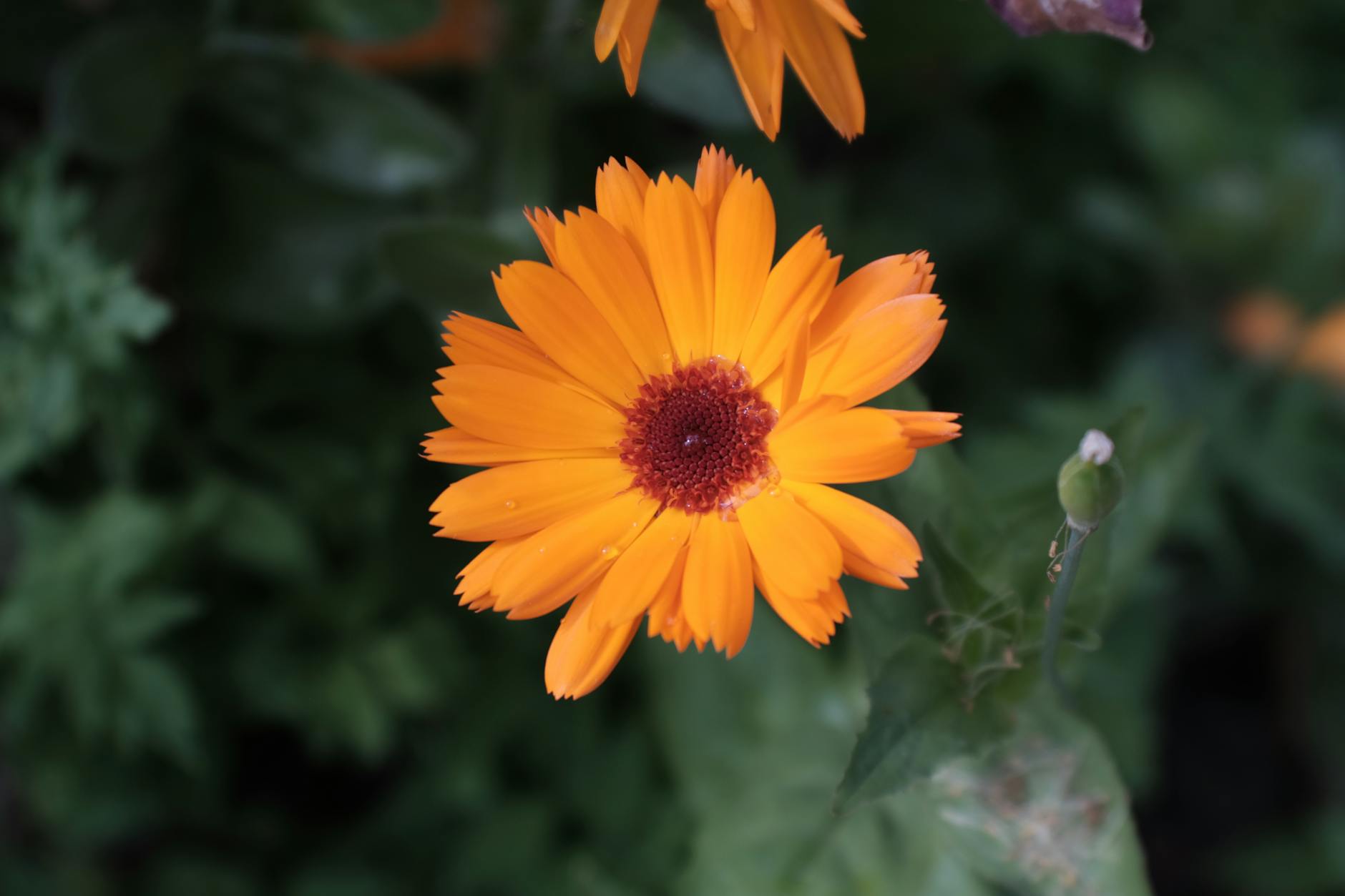
Calendula is another star. I often let it self-seed in my cutting garden area or along pathways. The cheerful orange and yellow blooms are fantastic for brightening up a dull spot, and they're edible too! I'll sometimes scatter seeds from particularly vigorous plants in areas where I want a splash of colour, then let nature take its course, thinning them as needed. It saves me the job of sowing them from scratch. Dill, with its airy foliage, also looks wonderful weaving through my salad greens, and it's a great companion plant, attracting beneficial insects that prey on aphids.
The key here is choosing your battles and your locations. I wouldn't let borage self-seed willy-nilly inside my raised beds where I have specific crops planned. But along the perimeter, or in a dedicated "wildflower" patch, it's perfect. It’s about creating pockets of intentional wildness that complement your overall garden design, rather than letting it become a free-for-all. This gives my UK garden that lush, abundant look without it actually being out of control. It’s all part of the journey from a rigid IT mindset to embracing nature’s flow!
7. Cultivating Harmony: Balancing Abundance with Order in Your UK Garden
So, there we have it – the delightful, sometimes exasperating, but ultimately rewarding world of aggressive self-seeding herbs and flowers. From the initial joy of discovering new life to the strategic challenges of managing a volunteer army, it's a journey every UK gardener with plants like borage, calendula, or dill will undoubtedly experience.
What I've learned over my five years of intensive gardening here in the Midlands is that it's all about finding your personal balance. There's no single right way to "tame" these enthusiastic growers. It's not about eradicating them entirely, but about understanding their nature, making informed choices, and sometimes, just letting go a little.
We started by appreciating the benefits they bring – the beauty, the pollinators, the free plants! Then we delved into understanding why they take over, identifying your desired allies from your dominant adversaries, and putting proactive strategies in place, like diligent deadheading and smart seed collection, to prevent overwhelm. Finally, we looked at tactical control for existing seedlings, whether that’s a firm weed or a gentle thinning, and even how to integrate them wisely into your garden's design.
My biggest takeaway, and something I constantly remind myself of in my own 800 sq ft patch, is to observe, adapt, and experiment. What worked for me with calendula last summer in our often-damp British climate might need tweaking this year if we have a scorching dry spell. Don't be afraid to try different approaches. You'll have successes, and yes, you'll definitely have failures – I’ve certainly had my fair share of areas completely overrun by dill that I just couldn't face!
Ultimately, gardening is about cultivating harmony – a harmony between human intention and nature's wild spirit. Embrace the abundance these plants offer, but don't let them overwhelm your vision. Find that sweet spot where your garden feels alive and vibrant, but still manageable and beautiful. Go on, get out there, observe your volunteer army, and decide how you'll lead them to a state of harmonious abundance in your own wonderful UK garden! Happy gardening!