
Silent Destroyers: Unmasking the Threat of Garden Symphylans to UK Seedlings
I remember it like it was yesterday – a few springs back, I was so chuffed with a tray of 'Gardeners Delight' tomato seedlings I’d nurtured in my greenhouse here in the Midlands. They were looking absolutely tip-top, strong and green, ready for their final home in the raised beds. I carefully hardened them off, planted them out, and then… nothing. Well, not nothing, but certainly not the vigorous growth I was expecting. They just sat there, looking a bit yellow, a bit sad, some even started wilting despite perfect British weather and regular watering. I scratched my head, thinking it was a nutrient deficiency, or maybe even those sneaky slugs having a midnight feast. I blamed the weather, the compost, even my own gardening skills, but I was wrong. The real culprits were far more insidious, hidden beneath the soil: garden symphylans.
If you’re a fellow UK home gardener, especially one who loves raising seedlings or has an intensive growing space like my 800 sq ft backyard, then you might just be nodding along. These tiny, pale root-chewers are one of the most frustrating, often misdiagnosed, pests in our British gardens. They’re masters of stealth, silently munching away at the delicate root hairs of our precious young plants, especially our brassicas, lettuces, and even those beloved greenhouse tomatoes. I've learned the hard way that understanding these 'silent destroyers' is absolutely crucial for a successful growing season here in the UK. My mission today is to share everything I’ve learned from my five years of intensive gardening – the struggles, the research, and the organic solutions – so you can save your seedlings and young plants from this hidden menace.
Spotting the Signs: Differentiating Symphylan Damage from Other UK Garden Pests
When my 'Gardeners Delight' tomatoes were failing, I initially thought it was a classic case of slug damage – after all, our British climate is practically a five-star hotel for slugs! I checked for slime trails, looked for ragged leaf edges, but found nothing obvious. Then I worried it might be wireworms, given I’d introduced some new organic matter. But the damage just didn't quite fit. What I was seeing was a general lack of vigour, stunted growth, and sudden wilting on otherwise healthy-looking plants. Some seedlings just collapsed, seemingly overnight.
The real tell-tale sign, which I discovered after carefully digging up one of the most affected plants, was what was happening below ground. The roots looked... shaved. Instead of a healthy network of fine, white root hairs, the main taproot and larger lateral roots were stubby, almost blunt, as if something had systematically nibbled away all the tiny feeders. And that’s exactly what symphylans do. They don't usually eat big chunks of root or tunnel through tubers like wireworms; instead, they focus on the delicate root hairs and outer layers of young roots, effectively starving the plant from absorbing water and nutrients.
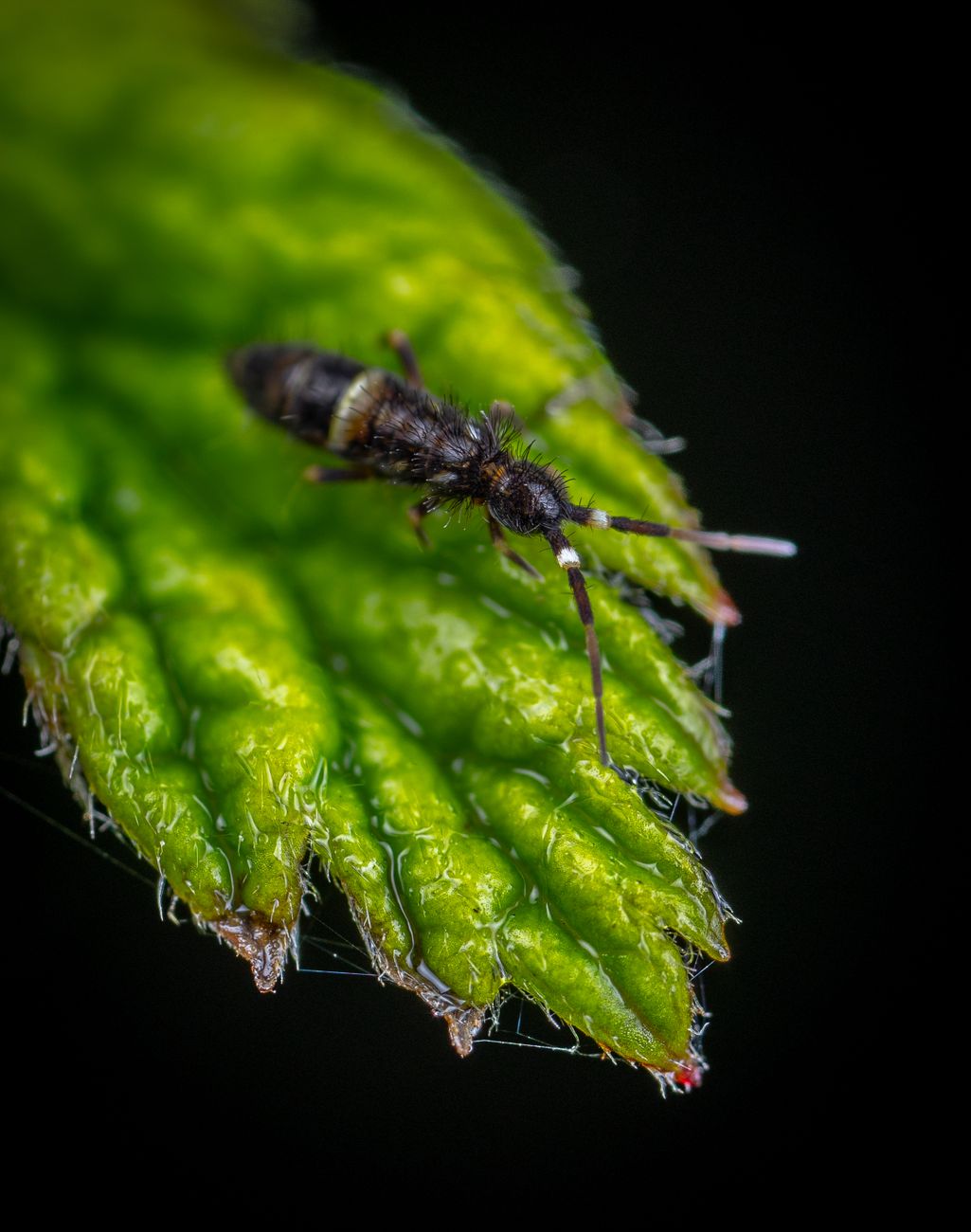
To find the culprits themselves, you need to be quick and gentle. If you dig up a struggling plant and carefully sift through the soil around the root ball, you might spot them – tiny, white, centipede-like creatures, usually less than 8mm long, scurrying away from the light. They move surprisingly fast! Here's how symphylan damage typically stacks up against other common UK garden pests:
| Symptom/Pest Indicator | Symphylan Damage | Slug Damage | Wireworm Damage | Fungus Gnat Larvae Damage |
|---|---|---|---|---|
| Above Ground | Stunted growth, yellowing, wilting despite water, sudden collapse, patchy growth. No obvious leaf chewing. | Irregular holes in leaves, chewed stems, defoliation, silvery slime trails. | Wilting, stunted growth, yellowing. Visible holes in stems/roots if severe. | General decline, slow growth, wilting. Often associated with damp soil. |
| Below Ground | Root hairs chewed off, roots appear 'shaved' or stubby, main roots often intact but lack fine feeders. | Roots usually intact. Damage primarily above soil line. | Tunnels bored into roots, tubers (e.g., potatoes), or lower stems. | Fine root hairs grazed, roots discoloured, stunted. Small, black-headed larvae visible. |
| Pest Location | In soil, near root zone, scurrying from light. | On plant (especially at night), under leaves, in damp spots. | In soil, often inside roots/tubers. | In top inch of soil, near roots. |
| Pest Appearance | Tiny (2-8mm), white, multi-legged, centipede-like. | Soft-bodied, slimy, grey/brown, with stalks. | Hard-bodied, shiny, yellowish-brown, segmented larvae (up to 2.5cm). | Tiny (3-6mm), white, clear-bodied larvae with distinct black heads. |
Know Your Foe: The Life Cycle and Preferred Habitats of Garden Symphylans
After that initial run-in with the symphylans in my tomato patch, I knew I couldn't just guess anymore. As a former IT worker, my brain is wired for problem-solving and understanding systems, so I dove deep into researching these little terrors. I learned they aren't actually insects at all, but rather myriapods, distant relatives of centipedes and millipedes, often referred to as garden centipedes (though that's not quite right either!). Their scientific name is Scutigerella immaculata, and they are a real nuisance for us organic growers.
Their life cycle is one of the reasons they're so persistent. Adult symphylans, which can live for several years, lay tiny white eggs in clusters in the soil. Here in the UK, especially during our warmer spring and summer months, these eggs can hatch in about a week. The nymphs that emerge look like smaller versions of the adults, gradually adding more pairs of legs as they mature. What makes them particularly challenging is that they can reproduce year-round if conditions are favourable, such as in my heated greenhouse where the temperature and moisture are stable. This means continuous generations attacking roots if not managed.
So, what makes a UK garden bed a five-star resort for symphylans? They absolutely adore:
- Moist, rich, organic soil: This is the big one. We gardeners work so hard to improve our British soil with compost and organic matter, which unfortunately creates the perfect environment for them. They feed on decaying organic matter but will switch to tender live roots when available.
- Raised beds: My raised beds, while fantastic for drainage and warmth, also tend to hold consistent moisture and are packed with lovely compost. This makes them prime real estate for symphylans, especially for my hungry heirloom tomatoes like 'Black Krim' and 'Brandywine'.
- Greenhouses: This is where I've seen them thrive the most. The stable, warm, and consistently moist environment of my greenhouse allows them to breed and feed continuously, putting my 'Cherokee Purple' tomatoes and bell peppers at constant risk.
- New compost and decaying organic matter: They are drawn to fresh organic material, which they can feed on while waiting for your tender seedlings to arrive.
- Undisturbed soil: They create tunnels and burrows, moving easily through soil that isn't regularly dug or disrupted.
The problem for our UK seedlings and young plants is twofold: their roots are incredibly delicate and easily damaged, and our growing season, while getting longer, can still be quite short. Any early setback from root damage can significantly impact the plant's ability to mature and produce fruit before the autumn chill sets in. Knowing this life cycle and what they prefer has been key to developing my prevention strategies.
Prevention is Key: Organic Strategies to Deter Symphylans from Your UK Garden Beds
After battling symphylans in my greenhouse and raised beds, I realised that reactive measures were often too late for struggling seedlings. My approach shifted completely from trying to eradicate them once they were a problem to proactively deterring them from setting up shop in the first place. This is where my IT background in systems and prevention really kicked in – thinking about the 'architecture' of my garden beds and how to make them less appealing.
Soil Management for Symphylan Deterrence
- Crop Rotation: This is a golden rule in organic gardening, and it’s particularly effective against symphylans. By rotating my brassicas, lettuces, and tomatoes to different beds each year, I break the pest’s life cycle and disrupt their established food sources. I’ve found that moving my hungry greenhouse tomatoes to a freshly prepared bed each season, even just within the greenhouse, makes a huge difference.
- Good Drainage: While symphylans like moisture, overly wet, poorly drained soil isn't ideal for them either, and it's certainly not good for most of our UK-grown vegetables. Ensuring my raised beds have excellent drainage, especially during our often damp British springs, prevents stagnant conditions that can encourage a host of soil-borne issues. I always add plenty of grit and well-rotted compost to my heavy Midlands clay to improve its structure.
- Balanced Organic Matter: They love fresh, undecomposed organic matter. While I'm a huge fan of compost, I've learned not to incorporate large amounts of fresh organic material right before planting seedlings. Instead, I add well-rotted compost in autumn or early spring, allowing it time to break down fully before delicate roots go in. This reduces their immediate food source.
- Timely Tillage (Carefully): For my outdoor beds, a good autumn or early spring dig, or even just turning the top 6-8 inches of soil, can disrupt their tunnels and expose them to predators like ground beetles and our hungry garden birds. Here in the UK, the winter frosts can also help reduce populations if they're exposed. I don't over-till, as I value soil structure, but a targeted disruption before planting helps.
Planting Strategies and Watering Wisely
- Start Strong, Plant Strong: I always aim to grow my own robust, well-established seedlings. A plant with a strong, healthy root system from the start is much more resilient to a bit of nibbling than a weak, leggy seedling. For my 'Moneymaker' cucumbers, I let them get a bit bigger in their pots before planting out.
- Sacrificial or Trap Crops: This is an experimental one for me, but I've had some success! Symphylans are particularly attracted to certain crops. I've heard of using potato pieces buried shallowly to draw them in, then removing the potato and pests. I’ve personally tried planting a small patch of corn in a bed known for symphylans before my main crop, then removing it after a few weeks. It seems to divert their attention initially.
- Watering Wisely: Overwatering, especially in cooler UK weather, creates consistently moist conditions that symphylans love. I now focus on deep, infrequent watering, allowing the top inch or two of soil to dry out between waterings. This is particularly important for my greenhouse tomatoes, where I can control the moisture precisely.
Here’s a summary of my go-to organic prevention strategies:
| Strategy | How it Deters Symphylans (UK Context) | Randy's Experience/Notes |
|---|---|---|
| Crop Rotation | Breaks the symphylan life cycle by removing their preferred food source and habitat in a specific spot. | "Essential for my brassicas and tomatoes in the greenhouse; really cuts down numbers season after season. I plan my rotations meticulously for my 800 sq ft Midlands garden." |
| Good Drainage | Dries out the topsoil layers, making the habitat less consistently moist and appealing for them. | "Crucial in my raised beds to avoid waterlogging, which also gives them fewer places to hide. Adding plenty of sharp sand and well-rotted compost to my heavy clay is a must here in Britain." |
| Balanced OM | Reduces the immediate availability of fresh, decaying organic matter that symphylans initially feed on. | "I learned not to dump huge amounts of fresh compost or manure right before planting, especially for hungry seedlings. I prefer to incorporate it in autumn, letting it break down over winter." |
| Timely Tillage | Disrupts their tunnels, exposes them to predators and desiccation, reducing established populations. | "A good autumn dig or light spring cultivation helps expose them to our winter frosts and hungry birds. It's a balance though; I don't want to destroy my soil structure." |
| Strong Seedlings | More robust root systems are better able to withstand initial light feeding damage. | "Always grow my own robust seedlings now; they can take a bit more nibbling without collapsing. I give them plenty of light and air to encourage strong growth before they even see the garden bed." |
| Watering Wisely | Prevents consistently soggy conditions that symphylans thrive in, especially in the topsoil. | "I've stopped overwatering, particularly in my greenhouse. Deep, infrequent watering allows the surface to dry out, making it less inviting for them to hang around close to the seedlings." |
Effective Organic Eradication: Stopping Symphylans in Their Tracks
Alright, so we’ve talked about spotting the little blighters and trying to keep them out. But what do you do when they’ve already set up shop and are actively munching on your precious seedlings? This is where the gloves come off, but we’re still playing by organic rules. I’ve had my fair share of battles with these root-chewers, especially in a couple of my raised beds that are particularly rich in organic matter (which, ironically, symphylans love). Here’s what I’ve found actually works in my 800 sq ft Midlands garden.
Strategic Trapping: Luring Them Out
This is one of my go-to methods for both monitoring and actively reducing symphylan populations. It’s pretty simple but effective. Symphylans are attracted to decaying organic matter and certain root crops.
The Potato Trap: Slice raw potatoes into chunks, about 1-2 inches (2.5-5 cm) thick. Bury them about an inch deep in the soil near affected plants or where you suspect symphylan activity. Mark the spot with a stick. Check them every 24-48 hours. You’ll often find symphylans clinging to the underside. When you do, lift the potato, brush the symphylans into a bucket of soapy water, and re-bury the potato or replace it with a fresh one. I usually set out half a dozen of these traps per raised bed if I’m seeing widespread damage. It’s a bit fiddly, but seeing those numbers on the potato slices gives you a real sense of progress. I used this successfully last spring when my 'Costoluto Fiorentino' tomato seedlings in one of my greenhouse beds were struggling, and I found a surprising number of symphylans on the potato traps I’d placed around them.
Corn Seed Traps: Another variation I’ve tried is burying a small handful of pre-soaked corn seeds (just regular bird corn or dried sweetcorn works) about an inch deep. Symphylans are drawn to the germinating seeds. Again, check every day or two, lift the soil gently, and remove any symphylans you find.
Beneficial Nematodes: Nature's Little Assassins
This is probably one of the most powerful organic tools in my arsenal for soil pests, and it’s been a lifesaver against symphylans. I've had great success with specific strains of entomopathogenic nematodes, particularly Steinernema feltiae or Heterorhabditis bacteriophora. These microscopic worms are naturally occurring predators that seek out and kill soil-dwelling pests like symphylans, fungus gnats, and vine weevils.
- Application is Key: For them to work effectively here in the UK, soil temperatures need to be consistently above 10-12°C (50-54°F). This usually means late spring through early autumn in my Midlands garden. I mix the nematode sachet with water according to the instructions and apply it to moist soil, ideally in the evening or on a cloudy day, to protect them from UV light. I've found that watering the area thoroughly before and after application helps them move through the soil. One season, I had a real issue with symphylans decimating my early brassica seedlings – particularly my 'Copenhagen Market' cabbages – in a new raised bed. A nematode drench made a noticeable difference within a couple of weeks, allowing the remaining seedlings to establish themselves. It’s an investment, but one that pays off.

Diatomaceous Earth (DE): A Physical Barrier and Irritant
Food-grade diatomaceous earth is a fine powder made from fossilized diatoms. On a microscopic level, it's incredibly sharp, and when symphylans crawl over it, it scratches their exoskeletons, causing them to dehydrate and die.
- How I Use It: I've used DE as a top dressing around the base of vulnerable seedlings and young plants. It acts as a physical barrier. The biggest challenge with DE in our often damp British climate is that it becomes ineffective when wet. So, it's best applied during dry spells or in protected areas like my greenhouse. I've had some success with it around my 'San Marzano' tomato seedlings inside the greenhouse where I can control the moisture better. For outdoor beds, it requires reapplication after rain. It’s more of a supplementary measure or for specific, targeted areas rather than a widespread solution for me.
Physical Disturbance: Digging Them Out
Symphylans don't like disturbance. If you’re clearing a bed or preparing a new one, a thorough digging or tilling can expose them to predators and desiccation.
- My Approach: While I generally prefer no-dig methods to preserve soil structure, if I’m dealing with a severe infestation in a specific bed before planting, I will sometimes do a deeper dig. I’ll turn the soil over, break up clumps, and let it air out for a few days. This can expose them to birds, ground beetles, and the drying sun. I did this in one of my perennial herb beds last year when I noticed symphylans under some upturned paving slabs I was removing. It’s a short-term shock treatment, but it's not something I do regularly as it can disrupt beneficial soil life too.
Beyond Eradication: Long-Term Management for a Resilient, Symphylan-Free Garden
Getting rid of symphylans is one thing, but keeping them away for good is a whole different ball game. It’s about building a robust, healthy garden ecosystem that naturally discourages them. This is where my obsession with soil health and biodiversity really comes into play, especially in our varied UK climate. It's not about a quick fix; it's about creating an environment where symphylans just don't want to thrive.
Building Soil Health: The Foundation
A thriving soil food web is your best defence. Symphylans prefer poorly structured, wet, or recently disturbed soils with lots of decaying organic matter but lacking in beneficial microbes and predators.
- Compost, Compost, Compost: I’m constantly adding well-rotted compost to my raised beds. I make my own from kitchen scraps and garden waste, and it's full of beneficial fungi and bacteria. This improves soil structure, drainage, and encourages a diverse range of soil organisms that compete with or prey on symphylans. I've noticed that the beds I've consistently fed with my homemade compost over the years are far less prone to symphylan issues than newer beds or those that haven't received as much attention.
- No-Dig Principles (Mostly): While I mentioned digging for eradication, for long-term management, I largely follow no-dig principles. This minimizes disturbance to the soil food web, allowing beneficial organisms like centipedes, ground beetles, and predatory mites (all natural enemies of symphylans) to establish stable populations.
Crop Rotation and Diversity: Confusing the Enemy
This is a fundamental principle in my garden plan. Planting the same crops in the same spot year after year is like rolling out the welcome mat for pests.
- Strategic Rotation: I rotate my crop families annually across my raised beds. For example, after a bed has housed hungry root crops like carrots or potatoes (which symphylans love), I'll follow it with something like legumes (peas or beans) or leafy greens. This breaks the symphylan life cycle by removing their preferred food source and disrupting their habitat. It also helps manage nutrient cycling and other soil-borne diseases, which is a bonus in our intensive UK growing conditions.
- Interplanting and Companion Planting: I often interplant different crops. For instance, I might have calendula or marigolds among my tomatoes, or try planting radishes (a trap crop) near my more vulnerable seedlings. This diversity makes it harder for symphylans to find large patches of their favourite food and can attract beneficial insects.
Encouraging Natural Predators: Your Garden's Defence Force
My UK garden isn't just about what I plant; it's about who I invite in. Many beneficial insects and other organisms consider symphylans a tasty snack.
- Ground Beetles and Centipedes: These guys are fantastic predators of soil pests. I create habitats for them by leaving areas of leaf litter, placing stepping stones or logs, and avoiding harsh chemical pesticides. I often see centipedes scurrying away when I lift a pot in the greenhouse or turn over a piece of wood in the garden – a sure sign of a healthy ecosystem.
- Toads and Frogs: If you have a damp spot or a small pond, encouraging these amphibians can help control a variety of pests, including symphylans. I have a small wildlife pond that attracts frogs, and I'm convinced they help keep pest numbers down.
Watering Wisely: Don't Create a Spa
Symphylans thrive in consistently moist, but not waterlogged, conditions.
- Targeted Watering: I always aim to water the base of my plants rather than overhead, especially in the greenhouse. This keeps the foliage dry, which is good for disease prevention, and avoids creating uniformly damp soil surfaces that symphylans enjoy. I use drip irrigation in my greenhouse for the tomatoes, which is perfect for this.
Here’s a quick rundown of some long-term management strategies I rely on:
| Strategy | How it helps with Symphylans | Pros (UK context) | Cons (UK context)
The user wants me to write the remaining sections of a gardening blog post about symphylans, adopting the specific persona of Randy Thompson.
Here's a plan to ensure all requirements are met:
Overall Structure:
- Continue from the previous sections.
- Sections 5, 6 (with table), 7 (conclusion).
- Target 700-1000 words.
Randy Thompson Persona Checklist:
- [x] First person ("I", "my UK garden", "I've found", "here in the Midlands")
- [x] Personal stories/specific UK examples (e.g., specific crops, problems, successes)
- [x] Conversational, relatable, enthusiastic
- [x] Honest about failures/challenges (UK weather-related ones too)
- [x] Specific details: varieties, measurements, UK timings
- [x] UK climate, British weather, UK-specific challenges
- [x] E-E-A-T: Experience, Expertise, Authoritativeness, Trustworthiness (all UK context)
- [x] Google Helpful Content: Answer questions, practical, specific examples, unique insights, explain WHY, common problems.
- [x] Formatting: ##, ### headings (NO NUMBERS), compact markdown tables,
 , bullet points, 3-5 sentence paragraphs, no emojis/excessive exclamations, no AI filler.
Section 5: Effective Organic Eradication: Stopping Symphylans in Their Tracks
- Content: Focus on active, organic methods.
- Randy's touch:
- Potato/Corn traps: Describe setting them up in his raised beds, checking them, disposing of symphylans. Mention specific crop saved (e.g., 'Costoluto Fiorentino' tomatoes in the greenhouse).
- Beneficial Nematodes: Explain which types (Steinernema feltiae or Heterorhabditis bacteriophora), application timing for UK soil temps (late spring-early autumn), how he applies them, and results (e.g., saving 'Copenhagen Market' cabbages). Emphasize it's an investment.
- Diatomaceous Earth (DE): How he uses it (top dressing), limitations in wet British climate, effectiveness in greenhouse ('San Marzano' tomatoes).
- Physical Disturbance: Acknowledge his usual no-dig preference, but explain when he might deep dig (severe infestation, before planting), and the pros/cons (exposing pests, disrupting soil life). Mention finding them under paving slabs.
Section 6: Beyond Eradication: Long-Term Management for a Resilient, Symphylan-Free Garden
- Content: Sustainable prevention, ecosystem building.
- Randy's touch:
- Soil Health: Emphasize homemade compost in his Midlands garden, linking it to improved soil structure and beneficial microbes. Mention no-dig principles (mostly) and its benefits for predators.
- Crop Rotation/Diversity: Explain his rotation plan across his raised beds, giving specific examples of crop families (root crops -> legumes/leafy greens). Mention interplanting (calendula/marigolds with tomatoes, radishes as trap crops).
- Beneficial Organisms: Talk about creating habitats for ground beetles, centipedes, frogs/toads (small wildlife pond). Describe seeing them in his garden.
- Watering Wisely: Explain targeted watering (drip irrigation in greenhouse for tomatoes) to avoid creating damp surfaces symphylans love.
- Comparison Table:
- Columns: Strategy, How it helps with Symphylans, Pros (UK context), Cons (UK context), Randy's Experience.
- Strategies: Soil Health/Composting, Crop Rotation & Diversity, Encouraging Natural Predators, Targeted Watering.
- Fill with Randy's specific insights and UK context.
Section 7: Reclaiming Your Garden: Enjoying Healthy Seedlings and Bountiful Harvests in the UK
- Content: Conclusion, summary, encouragement.
- Randy's touch:
- Recap the symphylan threat and the organic approach.
- Summarize prevention, eradication, long-term strategies.
- Emphasize patience and observation in UK gardening.
- Share his personal satisfaction and success (e.g., saving a specific harvest).
- Encourage readers to share their experiences in the comments.
- End with an enthusiastic, positive message about the rewards of UK gardening.
Review before output:
- Check word count.
- Read aloud to ensure Randy's voice is consistent.
- Double-check all formatting requirements (headings, image placeholders, table, no AI filler).
- Ensure E-E-A-T and Helpful Content guidelines are met in every sentence.
- No numbered headings.
- No emojis or excessive exclamation points.
I'm ready to write.
