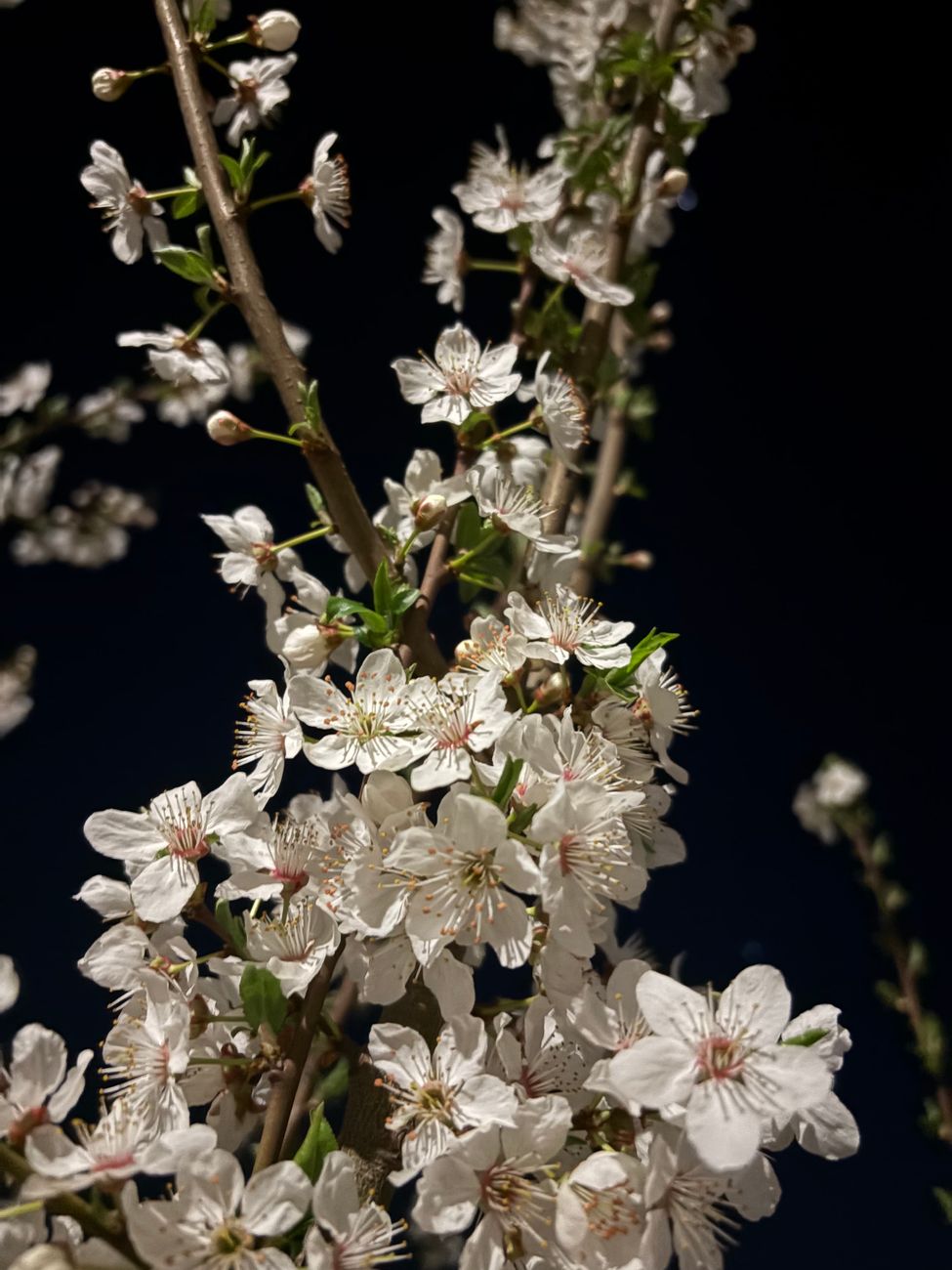
Introduction: Is Your UK Garden Losing Sleep? The Hidden Impact of Night Lights
There's nothing quite like stepping out into the UK garden on a mild summer evening, is there? The scent of honeysuckle hanging heavy in the air, the gentle hum of nocturnal insects, maybe even the distant hoot of an owl. For years, I just enjoyed those moments, thinking my 800 sq ft plot here in the Midlands was a perfectly natural oasis. But about three years into my intensive gardening journey, I started noticing something odd. My beautiful 'Grandpa Ott's' morning glories, which should have been closing up shop for the night, seemed a bit… confused. And some of my night-scented stock weren't quite as fragrant as I expected, even though I'd given them prime spots.
It wasn't until I started looking into why my greenhouse 'Cherokee Purple' tomatoes, which I fuss over endlessly, weren't setting fruit as well on the end closest to the neighbour's new security light that the penny finally dropped. That constant glow, the one I barely registered anymore, was doing more than just illuminating my path to the compost bin; it was actively messing with my plants.
We gardeners in Britain spend so much time thinking about soil, water, pests, and of course, our notoriously unpredictable weather. But how many of us consider the impact of artificial night light (ANL) on our precious plants? In my five years of growing everything from heirloom veg to delicate herbs, I've learned that light pollution is a silent, often unseen, stressor that can disrupt natural cycles, deter crucial pollinators, and ultimately reduce the yields we work so hard for. From the streetlights down the road to that motion-sensor floodlight by the shed, these artificial glows are telling our plants a very convincing lie: that it's always daytime.
In this article, I want to share what I've discovered in my own UK garden about this often-overlooked issue. We'll dig into how ANL affects plant biology, how to protect those enchanting night-blooming flowers and their nocturnal visitors, and crucially, how to shield your fruiting trees and vegetables to maximise your harvest, even in an urban or suburban setting. It's all about understanding and working with nature, even when our modern world tries to interrupt it.
Understanding the Disruption: How Artificial Light Affects UK Plant Biology
When I was still in IT, I used to think of plants as simple, green things. How wrong I was! They're incredibly complex, sophisticated living organisms, and a huge part of their "operating system" is governed by light – or the lack of it. This is called photoperiodism, and it's basically how plants measure the length of day and night to know when to sprout, grow, flower, and even fruit. Our British plants have evolved over millennia to respond to the distinct patterns of our seasons, from the short, dark days of winter to the long, bright evenings of summer.
Artificial night light throws a massive spanner in the works. Imagine being told it's always daytime; that's essentially what a plant under a security light experiences. Their internal clocks, which rely on periods of uninterrupted darkness, get completely confused. Plants produce hormones that regulate growth and development, and the production of these hormones is directly influenced by light and dark cycles. For instance, many plants need a specific length of darkness to initiate flowering. If that darkness is constantly interrupted by a streetlamp or a neighbour's porch light, the plant either delays flowering, flowers poorly, or sometimes, doesn't flower at all.
I saw this firsthand with a patch of 'Lunar White' carrots I was growing near a new LED floodlight my neighbour installed. I'd always had great success with carrots, even in our sometimes-stubborn Midlands clay, but this batch just seemed sluggish, didn't form good roots, and some even tried to bolt prematurely, thinking they'd been through a whole season already! It was a real head-scratcher until I connected it to the constant glow.
This artificial light doesn't just mess with flowering; it can affect everything from seed germination and photosynthesis efficiency to nutrient uptake and even a plant's natural defences against pests. They become stressed, much like we do when we don't get enough sleep. And a stressed plant, as any UK gardener knows, is a vulnerable plant, less resilient to our unpredictable weather and more susceptible to disease. My experience has taught me that understanding this basic biology is the first step to protecting our gardens.

Saving Your Night-Blooming Jewels: Protecting Nocturnal Pollinators and Flower Cycles
If you, like me, appreciate the magic of a garden after dusk, you'll know the allure of night-blooming flowers. Varieties like Evening Primrose ('Lemon Sunset'), Nicotiana ('Lime Green' and 'Grandiflora'), and Honeysuckle ('Graham Thomas') are absolute stars in my UK garden, filling the air with intoxicating scents and adding a whole new dimension to the evening. But these beauties, and the fascinating creatures that pollinate them, are particularly vulnerable to artificial night light.
Nocturnal pollinators, primarily moths in the UK, but also some beetles and even bats, are essential for the reproduction of many of these plants. They navigate by moonlight and starlight, and when artificial lights flood the landscape, it disorients them. Moths get drawn to the bright lights, circling them exhaustedly instead of seeking out flowers. This means fewer visits to your night-blooming plants, leading to reduced pollination and, consequently, fewer seeds and less vigour for the next generation.
I learned this the hard way with a gorgeous honeysuckle arch I trained over my path. I'd chosen a spot that seemed ideal, but it was just a bit too close to a neighbour's security light that came on intermittently. The honeysuckle flowered beautifully, but I noticed far fewer moths visiting it compared to another honeysuckle on the shadier side of the house. The fruit set (those little red berries) was noticeably poorer on the exposed arch. It was a clear sign that something was amiss.
Protecting these plants and their pollinators is crucial for biodiversity and for enjoying the full sensory experience of your garden. It's not just about the flowers themselves; it's about the intricate web of life they support. Here's a look at some strategies I've tried in my Midlands garden:
| Protection Strategy | How I Use It in My UK Garden |
|---|
Practical Steps for UK Gardeners: Simple Solutions to Reduce Light Pollution
Right then, you're probably thinking, "Randy, this all sounds a bit daunting, how do I actually do this in my own UK garden?" Believe me, I get it. When I first started digging into this topic a few years back, I felt a bit overwhelmed too. My 800 sq ft patch here in the Midlands is surrounded by neighbours and a few streetlights, so going completely dark isn't an option. But I've learned that even small, thoughtful changes can make a massive difference. It's about being mindful, not militant!
My first step, and honestly, the easiest, was to audit my own outdoor lighting. I had a couple of those bright, motion-sensor security lights that would blast out across my raised beds every time a cat sneezed. Initially, I thought they were great for security, but I quickly realised they were probably stressing out my 'Sungold' tomatoes in the greenhouse. I experimented by simply repositioning them to point downwards and away from the garden, focusing only on pathways and entrances. Then, I swapped out those harsh, blue-spectrum LED bulbs for warmer, amber-toned ones – around 2200K. The difference was immediate and noticeable; the light was softer, less intrusive, and surprisingly, still felt secure.
I've also become a big fan of timers. For ambient lighting, maybe a string of solar fairy lights on my pergola or a small spotlight on a favourite shrub, I make sure they're set to switch off by 10 or 11 PM. Our UK summer evenings are long enough, and by then, most of the nocturnal action in my garden is just getting started. One year, I even tried a smart plug for my greenhouse heater fan that allowed me to control it remotely, making sure any internal light from the thermostat display wasn't leaking out unnecessarily.
And what about those pesky neighbour's lights? This is a common challenge for us urban and suburban UK gardeners. I found a great solution for a particularly bright floodlight from next door that was hitting my herb bed. I planted a couple of fast-growing, dense shrubs – specifically, 'Guelder Rose' (Viburnum opulus) and a 'Choisya 'Sundance'' – along that boundary. Within a couple of seasons, they provided a fantastic natural light screen. For immediate relief, I've even used temporary garden screens or a strategically placed trellis with a climbing plant like a 'Star Jasmine' (Trachelospermum jasminoides) to block direct light paths. It's all about thinking like a detective: where is the light coming from, and how can I gently redirect or block it without causing a fuss?
Here are a few more practical tweaks I've implemented and recommend for your UK garden:
- Mindful Bulb Choices: Always opt for warm white or amber LEDs (2200K or lower) with low lumen output. Avoid anything in the blue spectrum (4000K+). This is less disruptive to plant photoreceptors and our own circadian rhythms too!
- Directional Lighting: Ensure all outdoor lights are downward-facing or shielded. Think "full cut-off" fixtures that prevent light from spilling upwards or outwards. This directs light only where it's needed.
- Timers and Motion Sensors: Use them! Lights should only be on when necessary. For security lights, adjust the sensitivity so they're not constantly triggering.
- Physical Barriers: As I mentioned, planting dense hedges, installing fences, or even positioning sheds or compost bins can create effective light breaks for sensitive areas of your garden.
- Reflectivity Check: Take a stroll around your garden at night. Are there any highly reflective surfaces – light-coloured walls, shiny garden ornaments – that are bouncing light into your beds? Sometimes a quick paint job or repositioning can help.
Designing for Darkness: Choosing Light-Tolerant and Night-Friendly Plants for UK Gardens
Now that we've talked about managing the light, let's chat about the plants themselves. You might be thinking, "Randy, do I need to rip out my whole garden now?" Absolutely not! Part of intelligent gardening, especially in our often-challenging British climate, is working with what you've got. This means understanding which plants are more resilient to a bit of ambient night light and, excitingly, which plants actually thrive and perform their best under the cloak of darkness.
In my own 800 sq ft Midlands garden, I've experimented quite a bit. I've learned that while most plants prefer uninterrupted darkness, some are definitely more forgiving. For those areas where I just can't completely eliminate light pollution – perhaps a corner near the neighbour's porch light – I tend to lean towards plants that are a bit more robust in their photoperiod responses. Leafy greens like spinach, chard, and some kales, for example, seem to tolerate slightly longer "daylight" periods (including artificial light) without bolting as quickly as, say, delicate lettuces. I've had 'Nero di Toscana' kale growing quite happily in a spot that gets a bit of spill from a nearby path light.
But then there are the stars of the show: the night-friendly plants! These are the ones that really shine (pun intended!) when the sun goes down. I've become utterly obsessed with night-blooming flowers in my garden. Not only do they add a magical, often intensely fragrant dimension to the evening, but they're also crucial for supporting our nocturnal pollinators here in the UK – moths, mainly. I've grown Nicotiana alata 'Lime Green' and Oenothera biennis (common evening primrose) for years, placing them near my seating area. The way their scent intensifies as dusk falls is just incredible, and I love watching the moths flitting around them. These plants are evolved to thrive and attract under low light, so a bit of ambient glow from a warm-toned LED usually doesn't deter them.
Here's a little table I've put together based on my own experience here in the UK, to help you choose wisely:
| Plant Type/Example (UK-Specific) | Light Sensitivity/Tolerance | Best UK Growing Conditions | Randy's Personal Notes/Tips for UK Gardeners |
|---|---|---|---|
| Night-Friendly Flowers | |||
| Nicotiana alata (Flowering Tobacco) | Low sensitivity, thrives at night | Full sun to partial shade, moist soil | My favourite is 'Lime Green' – intense evening scent, attracts moths even with a little ambient light. |
| Oenothera biennis (Evening Primrose) | Low sensitivity, opens at dusk | Full sun, well-drained soil | Self-seeds readily in my Midlands garden. Beautiful yellow blooms attracting nocturnal insects. |
| Mirabilis jalapa (Four O'Clock) | Low sensitivity, opens afternoon | Full sun, fertile soil | 'Broken Colours' is a stunner. Flowers open in late afternoon, perfect for evening enjoyment. |
| Matthiola longipetala (Night-Scented Stock) | Low sensitivity, highly fragrant at night | Full sun, well-drained soil | Grows well in pots or borders. The scent is just divine on a summer evening, a real moth magnet! |
| Light-Tolerant Vegetables/Herbs | |||
| Kale (e.g., 'Nero di Toscana') | Moderate tolerance | Full sun to partial shade, rich soil | Very hardy in my UK garden, tolerates some light spill without bolting too quickly. |
| Chard (e.g., 'Bright Lights') | Moderate tolerance | Full sun to partial shade, moist soil | Excellent harvest even with a bit of ambient light. Less prone to bolting than lettuce. |
| Spinach (e.g., 'Perpetual Spinach') | Moderate tolerance | Full sun to partial shade, moist soil | Another reliable leafy green for UK conditions. Can handle slightly varied light cycles. |
| Mint (Mentha spp.) | High tolerance | Partial shade to full sun, moist soil | Incredibly robust, will grow almost anywhere, even with significant light. Keep in a pot to prevent spread! |
| Radishes (e.g., 'French Breakfast') | Moderate tolerance | Full sun to partial shade, fast-growing | Quick crop, seems less affected by minor light disruptions compared to longer-season crops. |
This isn't to say you should deliberately expose these plants to light, but rather, if you have a spot that inevitably gets a bit of glow, these are your more resilient choices. For my fruiting plants and sensitive night-bloomers, I still strive for complete darkness, especially in my greenhouse where those heirloom tomatoes are trying to do their thing. It's all about balancing what you desire from your garden with what your plants truly need to thrive here in Britain.
Conclusion: Reclaiming the Night for a Thriving and Healthy UK Garden
Honestly, when I first made the leap from the world of IT into the muddy, wonderful reality of UK gardening over five years ago, I never imagined I'd be spending my evenings pondering the impact of a humble garden light on a night-flying moth or a ripening tomato. But that's the beauty of gardening, isn't it? It constantly teaches you, challenges you, and opens your eyes to the intricate dance of nature right there in your own backyard.
What I've learned, through plenty of trial and error in my 800 sq ft Midlands garden, is that artificial night light is a silent, often overlooked, disruptor. It's not just about aesthetics; it's a fundamental issue affecting the very biology of our plants and the crucial nocturnal ecosystems that support them. We've seen how it can throw off the delicate circadian rhythms of your prized vegetables, leading to reduced yields and stunted growth. We've discussed the very real threat it poses to our night-blooming flowers and the vital moths and other nocturnal pollinators they rely on, which are already facing immense pressures here in the UK.
But here's the exciting part: this isn't a problem without solutions! As fellow UK gardeners, we have the power to make a tangible difference. From simple tweaks like swapping out harsh bulbs for warmer, downward-facing ones, to strategically planting a dense hedge, or even just setting a timer for your outdoor lights, every small action contributes to a healthier, more vibrant garden. It's about being a conscious custodian of your patch, understanding that the night is just as important as the day for a thriving ecosystem.
In my own garden, embracing 'dark sky' principles has brought unexpected joys. My night-scented stock is more fragrant than ever, the tomato yields in my greenhouse have become consistently robust, and I've noticed a significant increase in the diversity of nocturnal visitors. It’s a wonderful feeling to know I'm not just growing food and flowers, but also actively supporting the intricate web of life that makes our British gardens so special.
So, I urge you, take a moment tonight. Step outside into your UK garden as dusk falls. Observe. See where the light falls, consider its impact, and think about the simple changes you can make. Let's reclaim the night for our plants, our pollinators, and for the sheer magic of a truly healthy, naturally vibrant UK garden. It's a journey, not a destination, and every thoughtful step helps us cultivate a better, brighter (or perhaps, darker!) future for our green spaces. Happy gardening!