
Unlock Your Garden's Potential: The Unsung Hero of Soil – Leaf Mold
When I first traded my IT desk job for muddy boots and the glorious chaos of my 800 sq ft Midlands garden five years ago, I thought I knew a thing or two about good soil. I mean, I’d read all the books, watched the YouTube gurus, and diligently layered up my compost bin. But honestly, for the first couple of seasons, despite my best efforts, my raised beds often felt... a bit lifeless. My 'Shirley' tomatoes in the greenhouse, though eventually productive, would sometimes show signs of stress, and my carrots in the open ground would struggle with our notoriously heavy clay soil after a typical British downpour.
I was chasing the dream of that perfect, crumbly, dark earth, the kind you see in gardening magazines, but our unpredictable UK weather and my stubbornly dense soil were proving formidable foes. I experimented, I failed, I read some more, and then I stumbled upon a quiet, unassuming hero that has utterly transformed my approach to soil health: leaf mold. It’s not as flashy as a steaming hot compost pile, nor as immediate as a liquid feed, but its long-term benefits for drainage, water retention, and nutrient cycling are, in my experience, simply unparalleled, especially here in the British climate.
Leaf mold isn’t just rotted leaves; it’s a living, breathing soil amendment that works its magic slowly, deeply, and persistently. It's the secret ingredient that has turned my once-stubborn Midlands soil into a haven for healthy roots and thriving plants, from my prize-winning 'Cherokee Purple' heirloom tomatoes to my prolific 'Charlotte' potatoes. If you're looking to truly unlock the potential of your UK garden, to build resilient soil that can handle anything our weather throws at it, then stick around. I'm going to share everything I've learned about this underestimated powerhouse, straight from my own backyard.
Leaf Mold vs. Compost: Understanding the Unique Benefits for Your UK Garden
Now, I know what some of you might be thinking: "Randy, I already make compost! Isn't that enough?" And yes, compost is absolutely fantastic – it’s the backbone of my entire garden, providing a rich, balanced diet for my plants. But here’s where I learned a crucial distinction, one that made a huge difference in my 800 sq ft plot: leaf mold isn't just "another type of compost." It's a completely different beast, with unique benefits that perfectly complement what traditional compost offers, especially when dealing with the quirks of UK gardening.
When I first started, I threw everything into my compost bin – kitchen scraps, grass clippings, prunings, and yes, leaves. I figured it was all the same. But last season, after a particularly soggy spring followed by a surprisingly dry August here in the Midlands, I really saw the difference. My beds amended with leaf mold handled the extremes far better than those that only received my usual hot compost.
The key difference lies in how they break down and what they bring to your soil. Traditional compost, especially hot compost, is primarily bacteria-driven, breaking down a diverse mix of 'greens' and 'browns' quickly to release a wide range of readily available nutrients. It's like a multi-vitamin for your plants. Leaf mold, on the other hand, is predominantly fungi-driven. It's a slower process, focusing almost exclusively on carbon-rich leaves. This fungal decomposition creates a material that excels at improving soil structure, acting less like a fertiliser and more like a long-term soil conditioner.
Think of it this way: compost feeds your plants, while leaf mold feeds your soil. It builds the foundational structure that allows your plants to thrive, enhancing the soil's ability to breathe, drink, and hold onto the good stuff. For my greenhouse tomatoes, getting that perfect balance of moisture without waterlogging is critical, and leaf mold has been a game-changer. It’s also brilliant for my root vegetables like parsnips, which really appreciate free-draining yet moisture-retentive soil.
Here’s a breakdown of how these two garden powerhouses compare, based on my own experience here in Britain:
| Feature | Leaf Mold | Traditional Compost (Hot/Cold) |
|---|---|---|
| Primary Decomposers | Fungi (slow, steady breakdown) | Bacteria (fast, hot breakdown for hot compost; slower, varied for cold compost) |
| Composition | Almost exclusively deciduous leaves | Diverse mix of 'greens' (nitrogen-rich) and 'browns' (carbon-rich) |
| Decomposition Time | 1-2 years (faster if shredded), depends on leaf type and conditions | Hot: Weeks to months; Cold: 6 months to 2 years |
| Nutrient Content | Low in readily available nutrients; releases micronutrients slowly over time. Primarily a soil conditioner. | Rich in a wide range of macro and micronutrients; acts as a fertiliser and soil conditioner. |
| Soil Structure Improvement | Exceptional! Creates stable aggregates, improves porosity and tilth. | Good, adds organic matter, but less focused on creating long-term soil aggregates than leaf mold. |
| Water Retention | Outstanding. Acts like a sponge, holding many times its weight in water. Ideal for sandy or drought-prone soils. | Good, increases overall organic matter to improve water holding capacity. |
| Drainage | Excellent. Creates air pockets, preventing compaction and waterlogging in heavy clay soils (a common issue in the UK!). | Good, helps break up clay, but leaf mold is superior for creating sustained aeration. |
| pH Impact | Slightly acidic to neutral, depending on leaf type. Generally beneficial for most UK garden plants. | Generally neutral, but can vary. |
| Best Uses | Soil conditioner, mulch, seed starting mix component, improving heavy clay or sandy soils, potting mix component. | General soil amendment, fertiliser, potting mix component, top dressing, improving overall soil fertility. |
| My UK Experience | Transformed my heavy Midlands clay; keeps greenhouse tomatoes hydrated; essential for my no-dig raised beds. | My go-to for feeding hungry crops like brassicas and squashes; boosts initial plant growth. |
Transforming Your Soil: Enhanced Drainage, Water Retention, and Nutrient Cycling with Leaf Mold
This is where the magic really happens, and where leaf mold truly shines in a temperamental climate like ours. For me, understanding why leaf mold works has been just as important as knowing how to make it. It’s not just about adding "stuff" to your soil; it’s about fundamentally changing its physical and biological properties for the better.
Enhanced Drainage: Bidding Farewell to Waterlogged Beds
If you've gardened in the UK for any length of time, you'll know that heavy rain is a fact of life. And if you, like me, have heavy clay soil common in the Midlands, you'll also know the frustration of waterlogged beds. Before leaf mold, my pathways would often turn boggy, and some of my more sensitive crops, like my 'Autumn King' carrots, would struggle with root rot in persistently wet conditions.
Leaf mold is a game-changer for drainage because of its unique, spongy, fungal-decomposed structure. When you dig it into heavy clay, it acts like a network of tiny tunnels and air pockets. These channels allow excess water to drain away more efficiently, preventing the compaction that suffocates roots. I've found this particularly beneficial in my raised beds. While raised beds inherently improve drainage, adding a good layer of leaf mold to the bottom half of the mix has ensured that even after a week of typical British drizzle, the soil remains crumbly and workable, not a dense, anaerobic mess. It's been instrumental in keeping my potatoes healthy and my garlic bulbs from rotting in the ground.
Superior Water Retention: A Lifeline During Dry Spells
Ironically, the very thing that helps drainage also helps with water retention. That spongy structure of leaf mold doesn't just let water out; it also holds onto moisture like a natural reservoir. This is incredibly valuable for my greenhouse. My heirloom tomatoes – 'Costoluto Fiorentino' and 'Black Krim' are my current favourites – need consistent moisture to prevent blossom end rot and maintain fruit quality. In the past, I'd be watering daily during sunny spells. Now, with leaf mold incorporated into their growing bags and beds, the soil stays moist for longer, reducing watering frequency and, crucially, buffering against those sudden dry spells we can get even between rainy periods.
For my outdoor herbs in raised beds – rosemary, thyme, and sage – this water-holding capacity has been a lifesaver. Last summer, despite a few weeks of unusually hot and dry weather, they remained vibrant and lush, a testament to the soil's improved ability to store precious water. It means less stress for the plants, and less work for me!
Nutrient Cycling: A Slow-Release Feast for Your Soil
Unlike compost, which delivers a burst of readily available nutrients, leaf mold is a slow-release champion. It's not packed with NPK, but it teems with the fungal networks and microbial life that are essential for long-term nutrient cycling. These fungi work tirelessly, slowly breaking down the organic matter, making trace elements and micronutrients available to plants over an extended period. This creates a much more stable and resilient soil ecosystem.
I've noticed a significant reduction in the need for supplementary feeds in my garden since I started regularly incorporating leaf mold. My leafy greens, like 'Red Russian' kale and 'Cut and Come Again' lettuce, have a deeper, richer colour, indicating consistent nutrient access. More importantly, this slow, steady release builds a healthier soil food web, attracting beneficial organisms like worms and mycorrhizal fungi, which in turn enhance nutrient uptake for my plants. It’s a virtuous cycle, and it's all thanks to those unassuming, humble leaves.
DIY Leaf Mold: Simple Methods for Harvesting Nature's Best Soil Amendment
Alright, so you’re convinced, right? You want this "secret power" in your UK garden. The best news? Making leaf mold is ridiculously simple, incredibly cheap, and requires minimal effort. It’s truly harvesting nature’s best soil amendment, and I’ve tried a few methods in my own 800 sq ft plot over the years. My biggest mistake when I first started was treating it like compost – trying to turn it, adding other materials. Leaf mold just wants to be left alone!
The Gathering: Autumn's Abundance
The prime time for leaf mold production is, of course, autumn. When the leaves start falling from the trees, that’s your cue. I spend glorious afternoons sweeping up leaves from my lawn, paths, and even asking neighbours if I can clear theirs.
- What to collect: Deciduous leaves are best. Oak, sycamore, beech, and hornbeam are fantastic and break down beautifully. Leaves from fruit trees are also excellent. I generally avoid large quantities of evergreen leaves (like holly or conifer needles) as they break down very slowly and can be quite acidic, though a small amount mixed in won't hurt.
- Shredding or Whole? I've done both. If you have a leaf blower with a shredding function or a garden shredder, running the leaves through it will dramatically speed up the decomposition process – cutting the time from two years down to one, sometimes even less. However, if you don't have one, don't worry! Whole leaves will still break down; it just takes a bit longer. For my small garden, I usually shred about half my leaves for quicker results and leave the other half whole for a slower, steady supply.
Simple Methods for Making Leaf Mold
Once you’ve collected your bounty, it's time to put them somewhere to rot down. The key ingredients are moisture and time. No need for fancy activators or specific carbon-to-nitrogen ratios here.
The Leaf Mold Cage/Bin (My Go-To for Small Spaces):
This is my preferred method for my raised-bed-packed garden. I built a simple cage out of four wooden fence posts and some chicken wire. It’s about 1 meter by 1 meter by 1 meter, which holds a surprising amount of leaves.- Construction: Simply create a wire cylinder or square. I fasten the wire to the posts, ensuring there are no sharp edges.
- Filling: Pack it full of leaves. As you fill, give it a good watering, especially if the leaves are dry. You want them to be consistently damp, like a wrung-out sponge, but not soaking wet.
- Location: I tuck mine away behind the greenhouse. It doesn't need sunlight or turning. Just leave it. Our British weather usually provides enough moisture, but I’ll give it a sprinkle with the hose during a particularly dry spell in spring or summer.
Leaf Sacks (Great for Smaller Batches):
If you don't have space for a cage, black bin bags are your friend. This is how I started when I first moved into my house before I built my proper bin.- Method: Stuff black bin bags full of leaves. Again, make sure the leaves are damp. If they’re dry, add a splash of water to each bag before sealing.
- Perforate: Crucially, poke plenty of drainage holes in the bottom and sides of the bag. This allows excess water to escape and a little air to circulate, preventing the leaves from becoming anaerobic and smelly.
- Store: Tie the bags loosely and stash them somewhere out of sight – behind the shed, under a hedge. Just leave them. I usually forget about them until I need them a year or two later.
The Simple Pile:
If you have a corner of the garden where you don't mind a messy heap, simply pile the leaves up.- Location: Choose a shady spot where the pile won't dry out too quickly.
- Maintenance: Keep it moist. You might need to turn it occasionally if the outside dries out too much, but generally, nature will do its thing. This is probably the slowest method, but it’s the least effort.
When is it Ready?
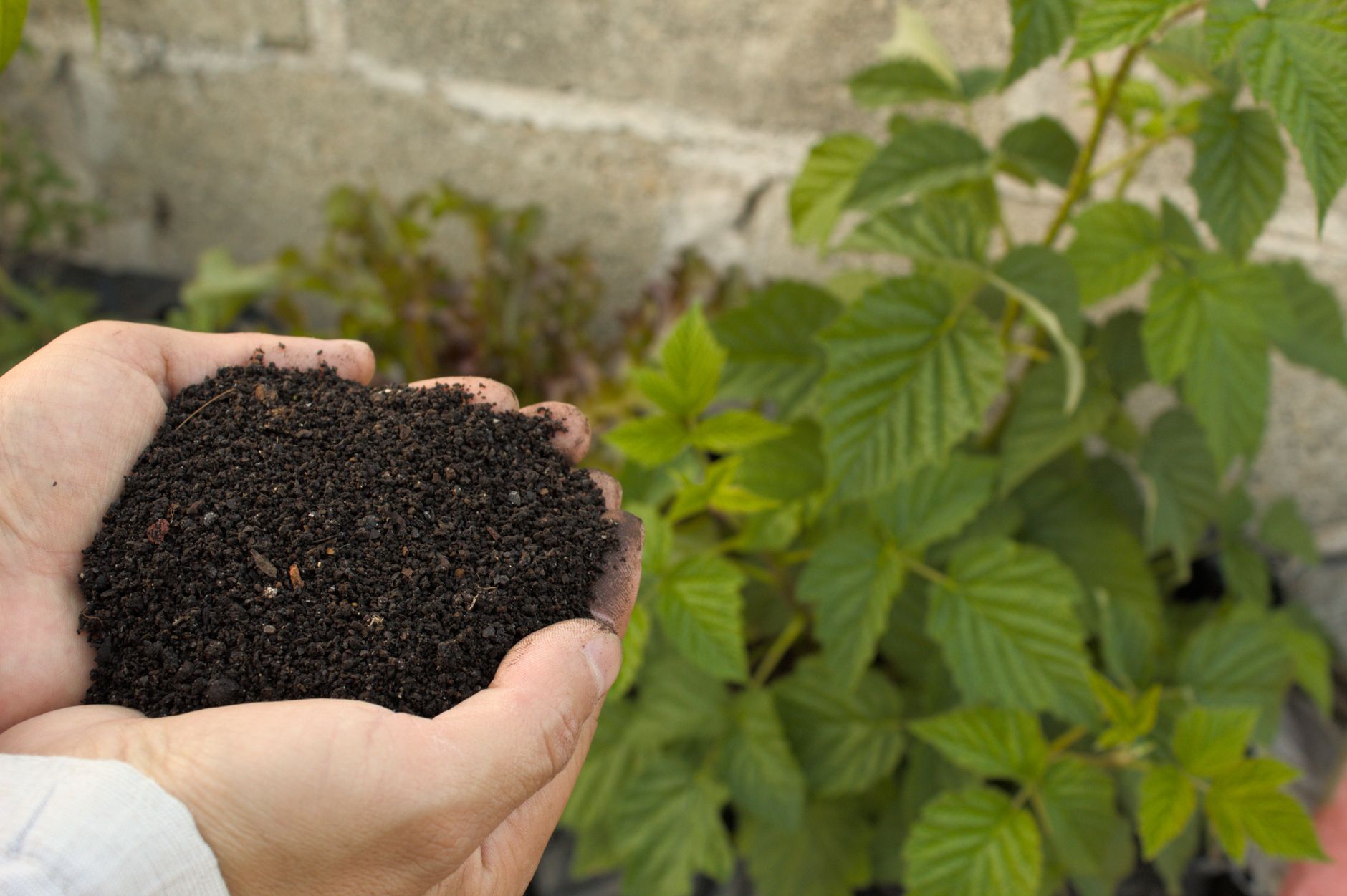
Patience is a virtue here. For whole leaves, expect to wait 18-24 months. Shredded leaves can be ready in 6-12 months. You'll know it's ready when the leaves have broken down into a dark, crumbly, earthy-smelling material with no discernible leaf shapes. It should look and feel like rich, dark soil. It's a slightly coarse texture, not as fine as peat, and feels wonderfully light.
And there you have it – simple, effective, and utterly transformative for your UK garden. Making your own leaf mold is one of the most rewarding things you can do for your soil, and it literally costs nothing but a bit of autumn effort.

Strategic Uses: How to Apply Leaf Mold for Thriving Plants and Healthier Beds
This is where the rubber meets the road, or rather, where the leaf mold meets the soil! Knowing how to make it is one thing, but knowing where and when to apply it strategically is where the real magic happens in your UK garden. I've spent seasons experimenting with leaf mold in my 800 sq ft Midlands plot, from my raised vegetable beds to my precious greenhouse tomatoes, and I've found a few methods that truly deliver.
Top-Dressing for Moisture and Nutrient Release
One of the simplest and most effective ways I use leaf mold is as a top-dressing. Once my plants are established, particularly my thirsty brassicas or my hungry courgettes, I'll spread a 2-3 inch layer of rough, partially decomposed leaf mold around the base of the plants. It acts like a natural blanket. Here in the UK, we can get those unexpected dry spells, even in summer, and this layer is brilliant for suppressing weeds and, more importantly, locking in moisture. I've seen a noticeable difference in how long my raised beds stay damp after rain or watering when I've applied leaf mold compared to bare soil. Plus, as it continues to break down, it slowly releases those precious nutrients, feeding the soil microbiome and, in turn, my plants. For my 'Moneymaker' tomatoes in the greenhouse, a good top-dressing helps keep the soil moisture more consistent, which is key to preventing blossom end rot – a real bane for us tomato growers!
Soil Amendment for Structure and Drainage
This is where leaf mold truly shines for long-term soil health. Before planting my main crops in spring, or when preparing a new raised bed, I'll generously fork in well-rotted, fine leaf mold into the top 6-8 inches of soil. For my heavy clay soil here in the Midlands, this is an absolute game-changer. I remember one season trying to grow carrots in a bed that hadn't had any organic matter added – they were stumpy, forked messes. The next year, after incorporating a good amount of leaf mold, the carrots were long, straight, and much happier. It genuinely improves drainage in compacted soils and boosts water retention in sandy soils – a paradox that only nature's best amendments can achieve. I aim for about a 20-30% leaf mold to soil ratio by volume in my new beds.
Seed Starting and Potting Mix Component
Now, this is a more advanced use, but one I swear by for my greenhouse seedlings. For very delicate seeds or those needing excellent drainage, I'll mix fine, sieved leaf mold (the stuff that's been breaking down for 18-24 months) into my seed-starting mix or potting compost. I usually aim for about 10-20% leaf mold. Its open, airy structure prevents compaction, ensuring delicate roots have plenty of oxygen, and it still holds enough moisture to keep things from drying out too quickly. I've had fantastic germination rates with my 'Black Krim' heirloom tomatoes using a mix that includes leaf mold; the seedlings always seem more robust and less prone to damping off. It's a slightly richer, more biologically active alternative to pure coir or peat-based mixes.
Here's a quick comparison of how I strategically use different types of leaf mold in my UK garden:
| Application Method | Type of Leaf Mold Recommended | When I Use It (UK Gardening) | Key Benefits I've Observed | My Personal Tip/Experience |
|---|