Unlock Bumper Harvests: Why Strategic Fertilization is Key for Your UK Vegetable Patch
Alright, fellow green-fingered enthusiasts! Randy here, coming to you from my bustling 800 sq ft patch in the UK Midlands. If you're anything like I was when I first started this gardening obsession five years ago, you probably thought planting a seed was the hard bit. Pop it in the ground, give it some water, and boom – fresh veg, right? Oh, how naive I was!
My early harvests were... well, they were fine. Edible, certainly, but never that jaw-dropping abundance you see in gardening magazines or that one neighbour's plot. My courgettes were a bit lacklustre, my leafy greens bolted too fast, and my precious greenhouse tomatoes, despite all my fuss, just weren't giving me the bounty I craved. I scratched my head, blamed the unpredictable British weather (which, let's be fair, often deserves it!), and wondered what I was doing wrong.
The turning point? It was when I started to truly understand that growing vegetables isn't just about planting; it's about feeding them intelligently. It’s about being a strategic gardener. Just like we need different foods at different stages of our lives, our annual vegetables crave specific nutrients at precise moments in their growth cycle. This isn't just about throwing some all-purpose feed at them and hoping for the best. It's about matching the right fuel to the right stage for bumper leaf, root, and fruit harvests, especially crucial in our often-challenging UK climate.
I've experimented, I've failed (oh, have I failed!), and I've learned a heck of a lot in my raised beds and greenhouse. What works here in Britain, with our often soggy springs and surprisingly dry summers? What truly makes the difference between a 'meh' harvest and one that leaves you drowning in delicious produce? It all comes down to strategic fertilization. And trust me, once you unlock this secret, your UK vegetable patch will thank you for it, big time. Let's dig in!
Understanding Your Soil's Blueprint: Key Nutrients & pH for UK Annuals
Before you even think about buying a bag of feed, you have to know your soil. It’s the foundation of everything, and honestly, it’s one of the biggest mistakes I made when I first started out. I just assumed my Midlands soil was "good enough." It wasn't until my brassicas consistently looked pale and my beans struggled to thrive that I properly invested in understanding what was actually going on beneath the surface.
Your soil is a living, breathing ecosystem, and its chemical makeup dictates how well your plants can access the food they need. For our annual vegetables here in the UK, we're primarily concerned with the 'Big Three' macronutrients – Nitrogen (N), Phosphorus (P), and Potassium (K) – along with a host of vital micronutrients and, crucially, the soil's pH.
The Big Three (N-P-K) & Their Role
| Nutrient | Primary Role in UK Vegetables | Common Deficiency Signs (in UK gardens) |
|---|---|---|
| Nitrogen (N) | Lush, green leafy growth; strong stems; chlorophyll production. | Yellowing (chlorosis) of older leaves; stunted overall growth; pale foliage. |
| Phosphorus (P) | Robust root development; flowering; fruit and seed formation; energy transfer. | Purplish tint on leaves or stems; stunted growth; poor flowering/fruit set. |
| Potassium (K) | Overall plant health; disease resistance; strong cell walls; fruit quality & flavour. | Yellowing/browning of leaf margins (especially older leaves); weak stems; poor fruit development. |
The Mighty Micronutrients
While NPK get all the glory, don't forget the micronutrients like iron, magnesium, calcium, boron, and zinc. They're needed in smaller amounts, but they're absolutely essential for plant health. Think of them as the vitamins and minerals for your veg. My 'Cherokee Purple' heirloom tomatoes in the greenhouse will often show signs of magnesium deficiency (interveinal yellowing) if I don't supplement, especially when they're fruiting heavily.
pH: The Master Key to Nutrient Availability
Soil pH is a measure of how acidic or alkaline your soil is, on a scale of 0 to 14. This isn't just a number; it's the master key that unlocks (or locks out!) nutrient availability for your plants. Most annual vegetables we grow in the UK, from my broad beans to my runner beans and even my prized greenhouse tomatoes, prefer a slightly acidic to neutral pH, typically between 6.0 and 7.0.
If your soil is too acidic (below 6.0), nutrients like phosphorus and calcium can become less available. If it's too alkaline (above 7.0), iron and manganese can get locked up. I learned this the hard way when my spinach struggled year after year – a simple pH test revealed my soil was a bit too acidic, and a sprinkle of garden lime sorted it right out!
How to find your soil's blueprint? Get a good soil test kit. I use one every couple of years for my raised beds. It's a small investment that pays huge dividends.

Choosing the Right Fuel: Organic vs. Synthetic Fertilizers for Every Stage
Once you know what your soil needs, the next big question for any UK gardener is: do I go organic or synthetic? Or, like me, do you find a balanced approach that suits your garden and your growing philosophy? I've dabbled in both camps over the years, and I've learned there are pros and cons to each, especially when dealing with our specific British conditions.
When I first transitioned from IT to full-time gardening, I was a purist, strictly organic. I’d spend hours brewing comfrey tea and spreading well-rotted manure. And while those methods are fantastic for long-term soil health, I also discovered that sometimes, a targeted boost with a synthetic feed could save a struggling plant or push a heavy feeder to its full potential, particularly in a short UK growing season where every day counts.
Organic Fertilizers: Nurturing the Soil Ecosystem
Organic fertilisers are derived from natural sources – plant or animal matter. They feed the soil microbes, which then slowly break down the nutrients, making them available to your plants over time.
- Pros: Improves soil structure, boosts microbial life, slow and steady nutrient release, less risk of over-fertilisation, environmentally friendly, great for long-term soil health.
- Cons: Slower results, nutrient ratios can be less precise, often lower NPK values (meaning you need more), can be bulky and sometimes a bit smelly (especially blood, fish, and bone in a small backyard!).
- My UK Garden Examples: Composted manure, homemade comfrey tea, nettle tea, worm castings, blood fish and bone, seaweed meal, bone meal, wood ash.
Synthetic Fertilizers: Precision & Quick Boosts
Synthetic (or chemical) fertilisers are manufactured and contain precise concentrations of nutrients. They are typically fast-acting, providing an immediate boost to plants.
- Pros: Fast-acting, precise NPK ratios, highly concentrated (less bulk), easy to apply, readily available.
- Cons: Can leach easily (especially in our rainy UK climate), risk of salt build-up in soil, can harm beneficial soil microbes with overuse, less beneficial for long-term soil structure, higher environmental impact if not used carefully.
- My UK Garden Examples: Growmore, Tomorite (a classic for tomatoes!), specific liquid feeds (e.g., general purpose, high-potash).
My Blended Approach Here in the Midlands
For my raised beds, I'm heavily organic. I incorporate plenty of homemade compost and well-rotted manure every spring to build up my soil health. But I won't lie: for my greenhouse tomatoes and peppers, especially when they're laden with fruit, I often reach for a synthetic liquid feed like Tomorite. It gives them that immediate, targeted boost of potassium they need to ripen those fruits beautifully. It's about finding what works best for your specific needs and plants.
| Feature | Organic Fertilizers (UK context) | Synthetic Fertilizers (UK context) |
|---|---|---|
| Release Rate | Slow, steady; feeds soil microbes first | Fast, immediate; directly available to plants |
| Soil Health | Significantly improves soil structure, water retention, microbial life | Little long-term benefit; can reduce microbial activity with overuse |
| Nutrient Precision | Variable, general; relies on breakdown | Highly precise NPK ratios; tailored formulas |
| Application | Granular (manure, pellets), liquid teas, soil amendments | Granular, soluble powders, liquid concentrates |
| Environmental Impact | Generally positive; reduces waste; sustainable | Higher risk of runoff, leaching into waterways; energy-intensive to produce |
| Cost (approx.) | Can be cheaper long-term (DIY compost, foraged materials) | Often more expensive per application for targeted boosts |
| My UK Garden Use | Base feed, soil amendment, foliar feeds, long-term soil building | Targeted boosts for heavy feeders, fruiting plants, quick recovery |
The Vegetative Surge: High-Nitrogen Feeds for Lush Leafy Greens & Strong Starts
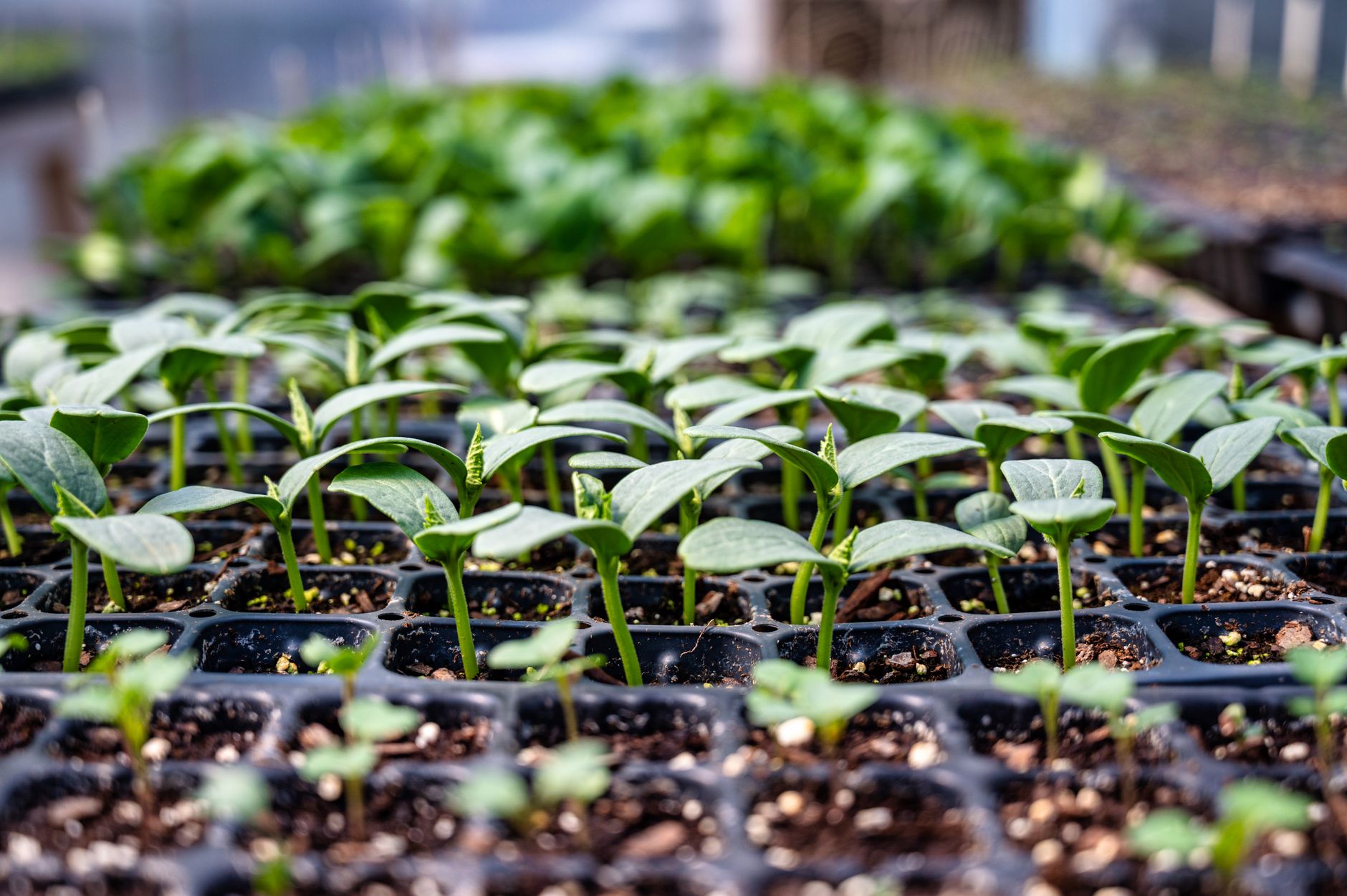
Okay, you've prepped your soil, you know your feeds. Now, let's talk about getting those plants off to a roaring start! This is where nitrogen really shines, helping your young plants develop that strong, lush, leafy growth that’s essential for a productive season.
Nitrogen is the building block of chlorophyll, the green pigment responsible for photosynthesis. It's crucial for cell division and protein formation, meaning it drives the early growth of leaves and stems. Think of it as the fuel for turning tiny seedlings into vigorous plants ready to take on the unpredictable British weather.
When to Go High-N
This stage is all about establishing a robust plant framework. I start thinking about high-nitrogen feeds shortly after germination, or typically a week or two after transplanting my seedlings into their final positions in the raised beds or greenhouse. For my leafy greens – lettuce, spinach, kale, chard, spring cabbage, and even my herb bed with basil and parsley – a consistent supply of nitrogen is key throughout their vegetative growth. For fruiting plants like tomatoes or courgettes, a high-N feed is vital in their early stages to build a strong plant before they start flowering and fruiting.
My Go-To High-Nitrogen Feeds for the UK Garden
I've experimented quite a bit, and I've found a few favourites that work wonders in my Midlands garden:
- Homemade Comfrey Tea (Organic): This is practically liquid gold! I grow comfrey specifically for this. Chop the leaves, steep them in water for a few weeks (it smells awful, so warn the family!), and dilute the resulting dark liquid. It's packed with nitrogen and potassium. My 'Red Russian' kale and 'Early Purple Sprouting' broccoli absolutely thrive on it.
- Nettle Tea (Organic): Similar to comfrey, nettles are abundant and free! Steep them in water, dilute, and use as a nitrogen-rich tonic. Great for giving young seedlings a gentle boost.
- Blood Meal (Organic): A fast-acting organic nitrogen source. I'll lightly scratch this into the soil around my hungry brassicas or corn plants if they look like they need a quick N hit.
- Chicken Manure Pellets (Organic): Well-rotted chicken manure is a fantastic slow-release nitrogen source. I incorporate these into my raised beds during spring soil prep, and sometimes top-dress around established leafy greens. Word of caution: a few years back, I got a bit heavy-handed with fresh pellets around young lettuce, and let's just say they looked rather burnt! Always use well-rotted or pelleted, and don't overdo it.
- Balanced Liquid Feeds (Organic or Synthetic): For a quick, precise boost, a general-purpose liquid feed with a higher first number (e.g., 2-1-1 or 3-1-1 NPK ratio) is excellent. I'll use these for my greenhouse herbs or any seedlings that look a bit pale after transplant shock.
Application Tips
Always dilute liquid feeds according to the package instructions. For granular feeds, sprinkle around the base of the plant and gently scratch into the topsoil, then water in. Consistency is key during this vegetative phase, but avoid over-fertilising, which can lead to excessive leafy growth at the expense of fruit, or even 'nitrogen burn' on the leaves. I typically feed my fast-growing leafy greens every 2-3 weeks during their active growth.
Root & Tuber Power: Balanced Fertilization for Robust Underground Growth
Once your leafy greens are happily established and your seedlings have moved past that initial vegetative surge, our focus shifts below ground. This is where the magic happens for all those glorious root crops and tubers that make up so much of our autumn and winter larder here in the UK. We're talking about potatoes, carrots, parsnips, beetroot, radishes, onions, and garlic. They're the hidden heroes of your veg patch, and they need a specific kind of fuel to really bulk up.
For robust underground growth, phosphorus (the 'P' in NPK) is king. It’s absolutely crucial for strong root development, helping plants establish a deep, efficient root system that can access water and nutrients, even during those drier spells we sometimes get here in the Midlands. While nitrogen encourages leafy growth and potassium aids overall plant health and disease resistance, phosphorus is the architect of that solid underground structure.
I learned this the hard way in my early days. I was so focused on getting lush green tops that my first few carrot harvests were laughably small, and my potatoes, though prolific in foliage, yielded tubers the size of marbles! Now, I know better. Preparing the soil before planting is key, especially for root crops, as they don't appreciate being disturbed once they're settled.
For heavy feeders like potatoes, which I grow in my raised beds and sometimes in large potato sacks in the greenhouse, I always dig in a good amount of bone meal or a specific potato fertiliser when I'm chitting them and preparing the bed in early April. Bone meal is fantastic – it's a slow-release source of phosphorus that becomes available to the plants over time, perfect for a long-season crop like 'Charlotte' or 'Desiree' potatoes.
For carrots like 'Amsterdam Forcing' or 'Autumn King' and parsnips, I'm a bit more cautious. They prefer soil that isn't too rich in fresh nitrogen, as it can encourage excessive leaf growth and lead to 'forking' in our often heavier UK soils. I usually prepare their beds in the autumn with well-rotted compost, and then just use a light, balanced feed at planting, avoiding anything too nitrogen-heavy. Beetroot, on the other hand, is a bit more forgiving and appreciates a slightly richer soil.
Here’s a quick comparison of some of my go-to feeds for encouraging strong root and tuber development:
| Fertiliser Type | NPK Ratio (approx) | Key Benefit for Roots | Randy's UK Use | Notes |
|---|