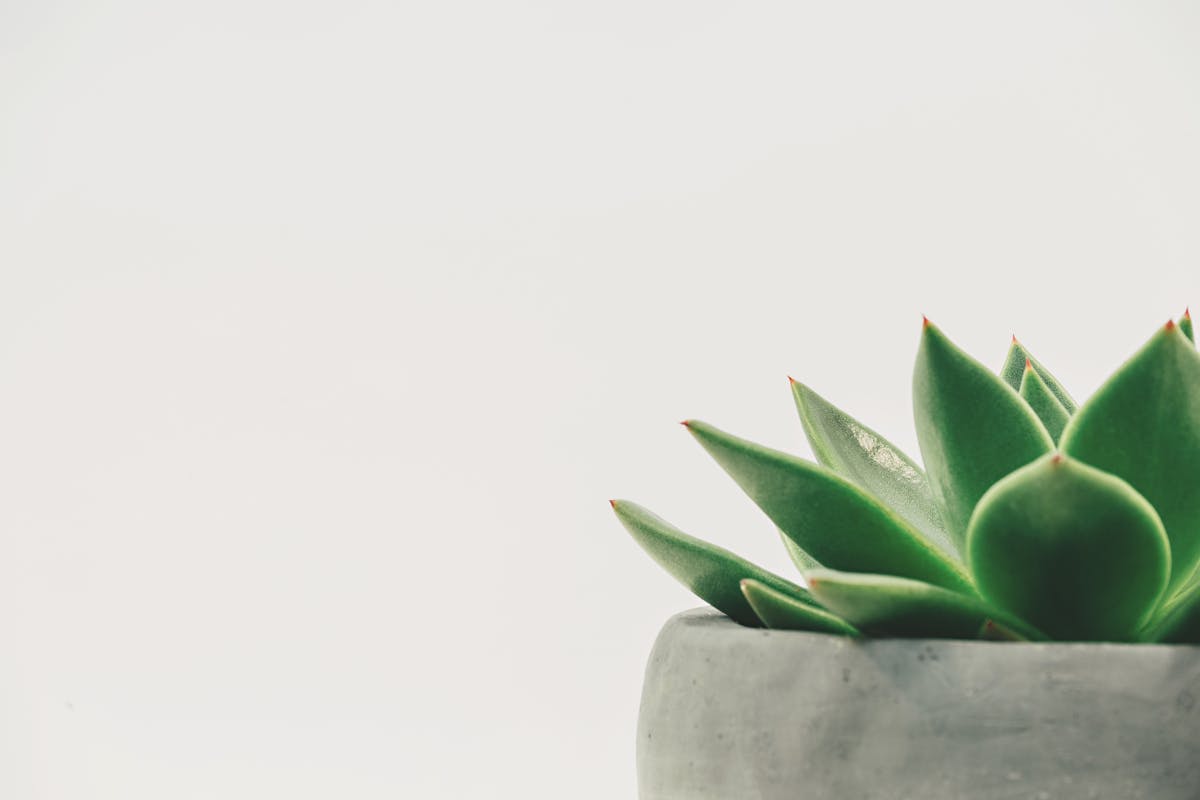
Houseplants do more than just look good—NASA studies show they actively purify air by removing formaldehyde, benzene, and other volatile organic compounds. They boost mood, reduce stress by 37% according to research from the University of Technology Sydney, increase productivity, and add living beauty to any room. But if you've ever watched a plant slowly turn yellow and die despite your best efforts, you know indoor plant care has a learning curve. This comprehensive guide transforms you from plant killer to confident plant parent.
Understanding Light: The Foundation of Plant Health
Light is literally food for plants—through photosynthesis, light energy converts to chemical energy (glucose) that fuels all growth. Placing a plant in inappropriate light conditions is the #1 reason for houseplant failure. Understanding light intensity and how it relates to window direction is critical.
Measuring Light Levels
Foot-Candles Explained:
- Bright, Direct: 200-400+ foot-candles (direct sun streaming through window)
- Bright, Indirect: 100-200 foot-candles (near window but filtered, or 3-5 feet from sunny window)
- Medium Light: 50-100 foot-candles (5-8 feet from sunny window, or bright north-facing)
- Low Light: 25-50 foot-candles (north window, corners of bright rooms)
DIY Light Test: Use a light meter app on your smartphone (many free options) or the shadow test: Hold your hand 12 inches above where you'll place the plant. Sharp, defined shadow = bright light; soft, fuzzy shadow = medium; barely visible shadow = low light.
Light by Window Direction (Northern Hemisphere)
South-Facing Windows (Brightest):
- Light Quality: 6-8 hours direct sun daily, especially intense in summer
- Distance Matters: 0-3 feet = full sun; 3-5 feet = bright indirect; 6+ feet = medium light
- Best Plants: Cacti, succulents, citrus trees, herbs (basil, rosemary), jade plants, crotons
- Challenges: Can sunburn sensitive plants; use sheer curtains to diffuse if needed
East-Facing Windows (Moderate, Morning Sun):
- Light Quality: 3-4 hours gentle morning sun, bright indirect rest of day
- Sweet Spot: Ideal for most houseplants—provides energy without afternoon intensity
- Best Plants: Pothos, philodendron, African violets, orchids, peace lily, calathea
- Why This Works: Morning sun is cooler (less leaf stress), energizes plants for daylight photosynthesis
West-Facing Windows (Intense, Afternoon Sun):
- Light Quality: 3-4 hours intense afternoon sun, warm/hot light
- Considerations: Can be too intense for sensitive plants in summer; ideal in winter
- Best Plants: Snake plant, ficus, monstera (with acclimation), rubber plant, bird of paradise
- Management Tip: In summer, pull sensitive plants 3-5 feet back or use sheer curtains
North-Facing Windows (Consistent, Indirect):
- Light Quality: Bright, indirect light all day; no direct sun
- Realities: Low light by plant standards, but still viable for shade-tolerant species
- Best Plants: Snake plant, ZZ plant, pothos, cast iron plant, Chinese evergreen
- Important Note: Low light doesn't mean no light—plants still need sufficient lumens; dark corners require grow lights
Signs of Incorrect Lighting
Too Much Light:
- Leaves bleached, yellowed, or scorched (brown crispy patches)
- Leaves curling inward to reduce surface area
- Soil drying out rapidly (daily watering needed)
- Solution: Move plant further from window, add sheer curtain, rotate to east-facing window
Too Little Light:
- Leggy, stretched growth with long spaces between leaves (etiolation)
- Leaves small, pale, or dropping from lower stem
- Plant leaning heavily toward light source
- Little to no new growth
- Solution: Move closer to window, switch to brighter room, supplement with grow light
Grow Lights for Lightless Spaces
When Needed: Rooms with no windows, north-facing in winter, basement growing areas.
Types:
- LED Grow Lights (best choice): Energy-efficient, low heat, full spectrum. Run 12-16 hours/day. Cost: $20-60 for small setups.
- Fluorescent (T5 or T8): Affordable, adequate for low-light plants. Position 6-12 inches above plants. Cost: $15-40.
- Avoid: Incandescent bulbs (inefficient, hot); old-style purple LED lights (work but harsh for living spaces).
Placement: Suspend lights 6-24 inches above plants (closer for low-light plants, further for high-light). Use timer for consistency—plants thrive on routine.
Watering Wisdom: Finding the Balance
Overwatering kills more houseplants than all other factors combined. Roots need both water AND oxygen. Waterlogged soil = oxygen-deprived roots = root rot = plant death. Understanding when and how much to water prevents 80% of houseplant problems.
The Correct Watering Method
Step-by-Step Process:
Check Soil Moisture First (never water on schedule):
- Stick finger 1-2 inches into soil (first knuckle depth)
- Alternatively, use moisture meter (costs $5-10, removes guesswork)
- For cacti/succulents: Wait until soil is dry throughout pot
Water Thoroughly When Needed:
- Add water slowly until it flows from drainage holes (ensures all roots get moisture, flushes mineral buildup)
- Let excess drain completely (15-20 minutes)
- Empty saucer—never let plant sit in standing water
Wait for Appropriate Dryness:
- Most tropicals: Water when top 1-2 inches dry (every 7-14 days typically)
- Ferns, peace lily, calathea: Keep evenly moist (top 1 inch dry, never bone-dry)
- Cacti, succulents, snake plant, ZZ: Wait until soil dry throughout (every 14-30 days)
Water Quality Matters
Tap Water Concerns:
- Chlorine/Chloramine: Can damage beneficial soil microbes, cause brown leaf tips in sensitive plants
- Fluoride: Toxic to dracaena, spider plants, calathea (causes brown leaf tips)
- Hard Water: High mineral content leaves white crust on soil surface, clogs pores
Solutions:
- Let tap water sit open 24 hours before using (chlorine evaporates; chloramine doesn't)
- Use filtered water for sensitive plants
- Rainwater is ideal (free, perfect pH 5.5-6.5)
- Distilled water works but lacks minerals—supplement with fertilizer
Drainage is Non-Negotiable
Why Drainage Holes Matter:
Without drainage, excess water pools at bottom, saturating soil, suffocating roots. Rot develops within days in warm conditions.
Pot Selection:
- Always use pots with drainage holes (non-negotiable for beginners)
- If using decorative cachepot (no holes), keep plant in nursery pot inside it
- Empty cachepot after each watering—never let plant sit in water
Pot Materials:
- Terracotta: Porous, wicks moisture from soil—excellent for over-waterers; needs more frequent watering
- Plastic: Retains moisture longer—good for forgetful waterers; risk of overwatering
- Ceramic (glazed): Similar to plastic; often heavier, more decorative
- Fabric Pots: Excellent aeration, air-prunes roots; dry out fastest
Signs of Watering Issues
Overwatering Symptoms:
- Yellowing leaves (usually starting with lower/older leaves)
- Leaves soft, mushy, or wilting despite wet soil
- Soil smells sour, musty, or like decay
- Mold/fungus on soil surface
- Black/brown mushy roots (root rot—serious, often fatal)
Underwatering Symptoms:
- Crispy, brown leaf edges or tips
- Leaves wilting, drooping (firm up within hours of watering)
- Leaves curling, folding inward
- Soil pulling away from pot edges (extremely dry)
- Slow growth, leaf drop
Recovery:
- Overwatered: Stop watering immediately; improve drainage; if severe, repot in fresh dry soil, trim rotten roots
- Underwatered: Water thoroughly; if soil is hydrophobic (water runs off), submerge entire pot in water 10-15 minutes
Humidity: Recreating Tropical Conditions
Most popular houseplants (pothos, monstera, ferns, calathea) originate from tropical rainforests where humidity stays 60-80%. Average indoor humidity, especially with heating or AC, drops to 10-30%—arid desert conditions. Low humidity stresses plants, reduces growth, causes brown leaf tips.
Measuring and Increasing Humidity
Target Humidity Levels:
- Most tropicals: 50-60% ideal
- Ferns, calathea, orchids: 60-70%
- Cacti, succulents: 30-40% (low humidity fine)
Measuring: Use hygrometer ($10-20) to monitor levels. Place near plants, not on walls.
Effective Humidity Methods
1. Pebble Trays (Moderate Effectiveness)
- Fill shallow tray with pebbles, add water to just below pebble tops
- Place pot on pebbles (pot base should NOT touch water)
- As water evaporates, creates humid microclimate around plant
- Effectiveness: Raises humidity 5-10% within 1-2 feet radius
- Maintenance: Refill water weekly; clean tray monthly to prevent algae
2. Grouping Plants (Moderate Effectiveness)
- Plants release moisture through transpiration (evaporation from leaf surfaces)
- Group 3+ plants creates mutual humidity zone
- Effectiveness: Raises humidity 5-15% within plant cluster
- Spacing: Place 6-12 inches apart—close enough to share humidity, far enough for air circulation
3. Humidifiers (High Effectiveness)
- Most effective method for serious plant collections
- Types: Cool mist (best for plants; no heat damage risk) or warm mist
- Sizing: 1-3 gallon tank for average room; run 8-12 hours daily
- Placement: Near plants, not directly blowing on them
- Cost: $30-80 for quality unit; increases electric bill $5-10/month
- Effectiveness: Maintains 50-60% humidity easily
4. Misting (Low Effectiveness)
- Reality Check: Popular but least effective—humidity boost lasts only 15-30 minutes
- Can promote fungal diseases if leaves stay wet
- When Useful: Dust removal, cooling plants in hot weather, applying foliar feeds
- Don't Rely On: As primary humidity method
5. Bathroom/Kitchen Placement (Moderate Effectiveness)
- These rooms naturally have higher humidity (50-60%) from showers, cooking
- Good For: Ferns, orchids, air plants
- Considerations: Ensure adequate light; not all bathrooms/kitchens are bright enough
Signs of Low Humidity
- Brown, crispy leaf tips/edges (distinct from underwatering—soil is moist)
- Leaf edges curling under
- Buds dropping before opening
- Slow growth despite adequate light/water
- Pests (spider mites thrive in dry conditions)
Feeding Your Plants: Fertilizer Fundamentals
Potted plants exhaust soil nutrients within 3-6 months. Unlike garden soil, which is replenished by decomposing organic matter and worm activity, pot soil is a closed system. Regular fertilizing maintains healthy growth, vibrant foliage, and flowering.
When and How Much to Fertilize
Growing Season (Spring through Summer):
- Fertilize every 2-4 weeks (follow product label)
- Plants actively growing, producing new leaves/stems
- Days lengthening = increased photosynthesis = higher nutrient demand
Dormant Season (Fall through Winter):
- Reduce to every 6-8 weeks or stop entirely
- Low light + shorter days = slow/stopped growth = minimal nutrient needs
- Over-fertilizing in winter causes salt buildup, burns roots
Newly Repotted Plants:
- Don't fertilize for 4-6 weeks—fresh potting soil contains nutrients
- Roots need time to recover from transplant shock
Fertilizer Types and NPK Ratios
NPK Explained:
- N (Nitrogen): Promotes leafy, green growth
- P (Phosphorus): Supports root development, flowering
- K (Potassium): Overall plant health, disease resistance
Common Ratios:
- Balanced (20-20-20 or 10-10-10): All-purpose, suitable for most foliage plants
- High Nitrogen (30-10-10): For lush foliage growth (pothos, monstera, ferns)
- Bloom Booster (10-30-20): For flowering plants (African violets, orchids)
Forms:
- Liquid Concentrate: Mix with water, apply during watering. Most popular for houseplants.
- Water-Soluble Powder: Similar to liquid; dissolve in water first.
- Slow-Release Granules: Sprinkle on soil surface; releases over 3-6 months. Low-maintenance option.
- Spikes: Insert into soil; convenient but can concentrate nutrients unevenly.
Application Best Practices
Dilution is Key:
- Standard Strength: Follow label directions for outdoor plants
- Houseplant Recommendation: Use 1/4 to 1/2 strength for most houseplants (roots are more sensitive in pots)
- "Weakly, Weekly" Method: Fertilize at 1/4 strength every watering during growing season (popular with experienced growers)
Application Steps:
- Water plant normally first (prevents root burn)
- Mix fertilizer to appropriate dilution
- Apply fertilized water as regular watering
- Ensure some drains through pot (flushes excess salts)
Never:
- Apply fertilizer to dry soil (burns roots)
- Exceed recommended strength ("more isn't better"—causes salt toxicity)
- Fertilize stressed or diseased plants (fix problems first)
Signs of Fertilizer Issues
Over-Fertilization:
- White crusty residue on soil surface or pot rim (salt buildup)
- Brown, crispy leaf tips/edges despite adequate watering
- Slow growth, stunted development
- Yellowing leaves despite good watering
- Solution: Flush soil with plain water (let water run through pot for 3-5 minutes); reduce fertilizer frequency/strength
Under-Fertilization:
- Overall pale, light green or yellow leaves (especially new growth)
- Slow growth, small new leaves
- Weak stems, poor flowering
- Lower leaves yellowing and dropping
- Solution: Resume regular fertilizing schedule at appropriate strength
Repotting: Knowing When and How
Plants don't need repotting annually—it stresses them unnecessarily. Repot only when genuinely needed, typically every 18-24 months for fast growers, 2-3 years for slow growers.
Signs Repotting is Needed
Definite Indicators:
- Roots circling pot interior or growing from drainage holes
- Water runs straight through pot (roots have displaced soil)
- Plant becoming top-heavy, tipping over
- Growth significantly slowed despite good care
- Soil degraded, breaking down into dense, compacted mass
Check Root System:
Gently tip plant out of pot. Healthy roots should be white/tan, filling pot but not densely packed in tight spirals.
Choosing the Right Pot Size
Golden Rule: Increase pot diameter by only 1-2 inches (no more)
- Too large = excess soil stays wet too long = root rot
- Example: 6-inch pot → 8-inch pot maximum
Exceptions:
- Fast-growing plants (pothos, spider plant) can handle 2-inch increase
- Slow-growers (snake plant, ZZ plant) may only need 1-inch increase every 3-4 years
Repotting Step-by-Step
Materials Needed:
- New pot (1-2 inches larger, with drainage holes)
- Fresh potting mix (appropriate for plant type)
- Trowel or scoop
- Newspaper or tarp (for mess containment)
Process:
- Water plant 24 hours before (easier to remove from pot; reduces transplant shock)
- Remove from old pot: Tip pot sideways, gently tap/squeeze to release; avoid pulling on stem
- Inspect and prune roots: Remove any brown/mushy/rotten roots; trim outer 1/2 inch of circling roots to encourage outward growth
- Prepare new pot: Add 1-2 inches potting mix at bottom
- Position plant: Center in new pot at same depth as before (not deeper)
- Fill with potting mix: Add around sides, pressing lightly to remove air pockets; leave 1/2 inch space below rim for watering
- Water thoroughly: Settles soil, removes air gaps
- Place in bright, indirect light: Avoid direct sun for 1-2 weeks while plant adjusts
Post-Repotting Care:
- Don't fertilize for 4-6 weeks (fresh soil has nutrients)
- Monitor moisture carefully—new soil may drain differently
- Expect some wilting/leaf drop (normal stress response; recovers in 1-2 weeks)
Choosing the Right Potting Mix
Never Use Garden Soil Indoors:
- Too dense (poor aeration, drainage)
- Contains weed seeds, insects, diseases
- Compacts in pots, suffocating roots
Potting Mix by Plant Type
Standard Houseplants (Pothos, Monstera, Philodendron):
- Pre-mixed potting soil (peat or coco coir based)
- Components: 60% peat/coco, 30% perlite, 10% compost
- Retains moisture while draining excess
Cacti and Succulents:
- Specialized cactus mix (coarse, fast-draining)
- DIY: 50% potting soil, 50% perlite or coarse sand
- Should dry quickly (24-48 hours after watering)
Orchids:
- Bark-based mix (allows air circulation around roots)
- Components: Fir bark, perlite, charcoal
- Needs repotting every 2-3 years as bark breaks down
Ferns and Moisture-Lovers:
- Rich, moisture-retentive mix
- Add extra peat/coco coir and compost
- Retains water longer without becoming waterlogged
Potting Mix Ingredients Explained
- Peat Moss/Coco Coir: Water retention, aeration; base of most mixes
- Perlite: White volcanic glass chunks; improves drainage and aeration
- Vermiculite: Retains moisture and nutrients; good for humidity-loving plants
- Compost: Adds nutrients, beneficial microbes
- Bark: Improves aeration, often used for orchids and aroids
- Sand: Improves drainage for succulents and cacti
Common Pests and Treatments
Indoor plants face fewer pests than outdoor plants, but problems can still arise—especially in warm, dry conditions or when introducing new plants.
Prevention is Best Defense
Quarantine New Plants:
- Isolate new arrivals for 2-3 weeks
- Inspect thoroughly for pests before adding to collection
- Many pest problems come from new plants brought home from nurseries
Regular Inspection:
- Check plants weekly (especially undersides of leaves)
- Look for webbing, sticky residue, white fluff, tiny moving specks
- Early detection means easier treatment
Common Pests and Solutions
Spider Mites (Tiny Red/Brown Specks, Fine Webbing):
- Thrive In: Dry, warm conditions; low humidity
- Damage: Stippled, yellowed leaves; leaf drop
- Treatment:
- Shower plant with strong water spray (dislodges mites)
- Wipe leaves with damp cloth
- Spray with insecticidal soap or neem oil every 3-5 days (3-4 applications)
- Increase humidity to prevent recurrence (mites hate moisture)
Fungus Gnats (Tiny Black Flies Around Soil):
- Cause: Overwatering; larvae feed on organic matter and roots in wet soil
- Damage: Usually cosmetic (annoying adults), but larvae can damage seedlings/young plants
- Treatment:
- Allow soil to dry thoroughly between waterings
- Remove top 1-2 inches of soil, replace with fresh
- Apply Bacillus thuringiensis (Bt) drench to soil (kills larvae; safe for plants, pets, people)
- Place yellow sticky traps near plants (catches adults)
Mealybugs (White Cottony Clusters, Usually at Leaf Joints):
- Appearance: Soft-bodied insects covered in white, waxy coating
- Damage: Suck plant sap; cause yellowing, stunted growth, honeydew (sticky residue)
- Treatment:
- Dab individual bugs with cotton swab dipped in 70% rubbing alcohol
- For heavy infestations: spray entire plant with mixture (1 cup water, 1 tablespoon dish soap, 1 tablespoon rubbing alcohol); repeat every 5-7 days for 3-4 weeks
- Isolate infected plant to prevent spread
Scale (Brown/Tan Bumps on Stems and Leaf Undersides):
- Appearance: Armored, shell-like insects that don't move once attached
- Damage: Suck sap, weaken plant, produce honeydew (attracts sooty mold)
- Treatment:
- Scrape off with fingernail or soft toothbrush
- Wipe stems and leaves with rubbing alcohol on cloth
- Spray with horticultural oil or neem oil (smothers eggs and young scales)
- Repeat treatment every 7-10 days for 4-6 weeks (life cycle)
Aphids (Small Green, Yellow, or Black Soft-Bodied Insects, Usually on New Growth):
- Damage: Suck sap from tender new leaves; cause curling, distortion, stunted growth
- Treatment:
- Spray with strong water stream (dislodges aphids)
- Wipe leaves with soapy water (1 teaspoon dish soap per quart water)
- Spray neem oil for persistent infestations
Natural and Chemical Control Options
Neem Oil (Broad-Spectrum Organic Pesticide):
- Effective against: aphids, mealybugs, spider mites, scale, whiteflies
- How it works: Disrupts insect hormones, smothers eggs
- Application: Spray all plant surfaces (tops and bottoms of leaves, stems) in evening; repeat every 7-14 days
- Safety: Safe for people and pets once dried
Insecticidal Soap:
- Effective against: soft-bodied insects (aphids, mealybugs, whiteflies)
- Application: Spray directly on insects; repeat every 3-5 days until gone
- Safety: Very safe; rinse off after 2-3 hours if desired
Systemic Insecticides:
- For severe, persistent infestations
- Plant absorbs chemical through roots; insects die when feeding
- Use as last resort (most houseplant pests can be controlled with less toxic methods)
Troubleshooting: Common Problems and Solutions
| Problem | Possible Causes | Solutions |
|---|---|---|
| Yellow leaves (lower leaves first) | Overwatering, natural aging, nitrogen deficiency | Check soil moisture; reduce watering frequency; fertilize if needed |
| Yellow leaves (all over) | Underwatering, low light, cold damage | Water thoroughly; move to brighter location; keep away from cold drafts |
| Brown leaf tips/edges | Low humidity, over-fertilization, chlorine/fluoride in water | Increase humidity; flush soil; use filtered water |
| Leaves dropping suddenly | Temperature shock, watering stress, light change | Maintain consistent conditions; avoid sudden changes |
| Leggy, sparse growth | Insufficient light | Move to brighter location or add grow light |
| No new growth | Dormancy (winter), root-bound, nutrient deficiency | Provide appropriate light; check if repotting needed; fertilize |
| Wilting despite wet soil | Root rot, overwatering | Stop watering; check roots; repot if roots are mushy/black |
| Black/brown spots on leaves | Fungal disease, bacterial infection, cold damage | Remove affected leaves; improve air circulation; reduce humidity on leaves |
Best Houseplants for Beginners
Start your indoor garden with these nearly indestructible plants while you develop your skills:
1. Pothos (Epipremnum aureum)
- Light: Low to bright indirect
- Water: When top 2 inches dry (every 7-14 days)
- Why It's Easy: Tolerates neglect, forgiving of watering mistakes, grows in water
- Bonus: Fast-growing, trails or climbs, variegated varieties available
2. Snake Plant (Sansevieria trifasciata)
- Light: Low to bright indirect (most adaptable)
- Water: Every 2-4 weeks (less in winter)
- Why It's Easy: Virtually indestructible, drought-tolerant, tolerates low light
- Bonus: Excellent air purifier; architecturally striking
3. ZZ Plant (Zamioculcas zamiifolia)
- Light: Low to bright indirect
- Water: Every 2-3 weeks
- Why It's Easy: Thrives on neglect, stores water in rhizomes, pest-resistant
- Bonus: Glossy, attractive foliage; grows slowly (low-maintenance)
4. Spider Plant (Chlorophytum comosum)
- Light: Bright indirect
- Water: When top inch dry (every 7-10 days)
- Why It's Easy: Produces baby plants (easy propagation), forgiving, fast-growing
- Bonus: Excellent air purifier; adapts to various conditions
5. Philodendron (Various Species)
- Light: Medium to bright indirect
- Water: When top 1-2 inches dry (every 7-10 days)
- Why It's Easy: Tolerant of varied conditions, grows quickly showing you're doing it right
- Varieties: Heartleaf (vining), Brasil (variegated), Birkin (compact)
Conclusion
Successful indoor plant care isn't about green thumbs or natural talent—it's about understanding each plant's basic needs and providing consistent care. Light, water, and humidity form the foundation; fertilizing and pest management fine-tune your results.
Start with one or two easy plants from the beginner list above. Observe how they respond to your care over a full season. Keep simple notes on watering frequency, fertilizing dates, and any issues encountered. This develops your intuition for plant needs.
As you gain confidence, branch out to more challenging species—calatheas, fiddle leaf figs, orchids. Each plant teaches you something new about the balance between too much and too little care. Before long, you won't just be keeping plants alive—you'll be creating a thriving indoor jungle that purifies your air, beautifies your space, and brings daily joy.
Remember: Every expert plant parent started as a beginner who killed a few plants along the way. Those "failures" are lessons. The difference between a dying plant and a thriving one is often just one adjustment—more light, less water, higher humidity. With patience and observation, you'll master the art of reading your plants' signals and responding appropriately.