
You know that feeling, don't you? That moment you look out at your perfectly manicured (or perhaps, not-so-manicured) lawn and a little voice whispers, "Imagine what I could grow there..." For me, that whisper became a full-blown shout about five years ago, right here in my 800 sq ft Midlands backyard. I'd swapped my IT desk for a trowel, and suddenly, every inch of green felt like wasted potential. My passion for growing, especially those glorious heirloom tomatoes in my greenhouse and a riot of herbs and veg in my raised beds, quickly outgrew the space I had.
But tackling a whole lawn? It felt monumental, a battle against an established ecosystem of stubborn grass and weeds. I'd seen my fair share of back-breaking digging in my early days, a mistake I quickly learned not to repeat, especially with our often heavy British clay soil. That's when I stumbled upon the magic of organic lawn-to-garden conversion methods: sheet mulching and solarization. These weren't just theoretical concepts; they were practical, UK-friendly strategies that utterly transformed my approach and, more importantly, my garden. I'm absolutely buzzing to share my real-world experiences with you, fellow UK gardeners, so you can reclaim your own patch of green and turn it into a vibrant, productive paradise, just like I have here in the heart of England.
Reclaim Your Lawn: Organic Methods for Productive Garden Beds
My journey from a tidy (if uninspiring) lawn to a bustling haven of raised beds and productive ground-level patches started with a simple desire: more food. Specifically, more 'Shirley' tomatoes, which thrive in my greenhouse, and enough 'Charlotte' potatoes to keep us going through winter. But digging up turf, especially the tough stuff we get here in the UK, is a soul-destroying task. I knew there had to be a better way, a way that worked with nature, not against it.
In my 800 sq ft Midlands garden, I've experimented with various approaches, and I can tell you, hands down, that organic methods like sheet mulching and solarization are game-changers. They eliminate the need for harsh chemicals, preserve the precious soil structure that takes years to build (especially in our often challenging British soils), and ultimately give you a healthier, more vibrant starting point for your new beds. I've used both extensively to create new areas for everything from my beloved 'Rainbow Chard' to sprawling squash vines, and they've never let me down. It's about working smarter, not harder, to create that fertile ground ready for whatever you dream of growing.
Beyond Grass: The Benefits of Organic Lawn-to-Garden Conversion in the UK
Converting your lawn organically isn't just about getting rid of grass; it's about unlocking a whole host of benefits that are particularly relevant for us here in the UK. I've seen these advantages firsthand in my own garden, and they've been transformative.
First off, soil health is paramount, especially with the varied soil types we contend with across Britain. Here in the Midlands, my heavy clay soil has been dramatically improved by these methods. Sheet mulching, in particular, feeds the soil web, encouraging earthworms and beneficial microbes to break down organic matter, leading to a richer, more friable soil structure. This means better drainage during our often-damp winters and better moisture retention during those rare dry spells we get in summer.
Then there's the sheer joy of weed suppression. Oh, the weeds! I remember endless hours pulling couch grass and bindweed from my early beds. Organic conversion methods effectively smother existing weeds and create a barrier against new ones, saving countless hours of weeding. This means more time for nurturing your plants and less time battling invaders – a huge win for any busy UK gardener.
Water conservation might sound less critical in our famously rainy climate, but prolonged dry spells are becoming more common. A well-mulched bed retains moisture far better than exposed soil, reducing the need for irrigation. I've noticed a significant difference in how long my raised beds stay moist, even during a dry spell in July, compared to my lawn areas.
Finally, and perhaps most importantly for me, is the boost to biodiversity and productivity. My garden is now a buzzing hub of activity. More flowers mean more pollinators, crucial for my greenhouse tomatoes and outdoor squash. More diverse plant life encourages beneficial insects and local wildlife. And, of course, the primary benefit: more space to grow. My 800 sq ft is packed, but every converted patch of lawn means another opportunity for a bumper crop of 'Sungold' cherry tomatoes, crisp 'Cos' lettuce, or fragrant 'French Lavender'. It's truly amazing what you can achieve when you start with a healthy, organic foundation.
Sheet Mulching vs. Solarization: Choosing Your Organic Method
When it comes to transforming your lawn into a productive garden bed organically, I've found that sheet mulching and solarization are the two heavyweight champions. I've used both extensively in my UK garden, often choosing one over the other depending on the specific patch of lawn, the time of year, and what I plan to plant next. Each has its strengths, especially when considering our unique British climate.
For instance, last autumn, when I was keen to establish a new perennial herb bed for next spring with minimal fuss, I went straight for sheet mulching. It was perfect for slowly building soil health over winter without needing intense summer sun. However, for a really stubborn patch of lawn that was riddled with perennial weeds like nettles and docks, which I wanted to clear quickly and thoroughly before planting my early brassicas, solarization was the clear winner. It's a more aggressive, sun-dependent method, but incredibly effective for a clean slate.
Here's a detailed comparison based on my experiences here in the Midlands:
| Feature | Sheet Mulching (Lasagna Gardening) | Solarization - Sheet Mulching (By Randy Thompson): For this method, you've essentially got your existing lawn, which is ideal for a slightly longer transformation period, allowing the underlying grass to break down and enrich the soil.
- Timeframe (Randy's Experience): I typically start sheet mulching in the autumn or early spring here in the UK. Giving it at least 3-4 months before planting gives the layers time to settle. If I do it in autumn, by spring, the bed is usually ready for planting.
- Pros (UK Specific):
- Builds Incredible Soil: This is the biggest win for us with challenging UK soils. It slowly builds rich, organic matter, improving drainage in clay and water retention in sandy soils.
- Excellent Weed Suppression: Smothers existing weeds and prevents new ones from sprouting, saving your back!
- No Digging Required: Perfect for avoiding backache and preserving soil structure.
- Year-Round Application: Can be started almost any time, though autumn/early spring is ideal for breakdown before planting. Less reliant on consistent hot weather than solarization.
- Utilises Waste: Great way to repurpose cardboard and garden waste like leaves and grass clippings.
- Cons (UK Specific):
- Slower Process: Not an instant solution. You often need to wait a few months before planting directly into the new bed.
- Material Sourcing: Requires a good amount of cardboard and other organic materials, which can be bulky to gather and transport in the UK.
- Initial Appearance: Can look a bit untidy initially, especially if you don't cover the cardboard completely. Our damp British weather can also make cardboard soggy before it's covered.
- Heavy Rain Issues: If not layered correctly, heavy UK downpours can wash away lighter layers before they settle.
- Randy's Personal Note: "I absolutely love sheet mulching for establishing permanent beds. It's my go-to for my no-dig philosophy. One mistake I made early on was not using enough cardboard – a thin layer just won't cut it against stubborn UK weeds!"
| Feature | Solarization
5. Mastering Solarization: A UK Gardener's Guide to Weed-Free Beds
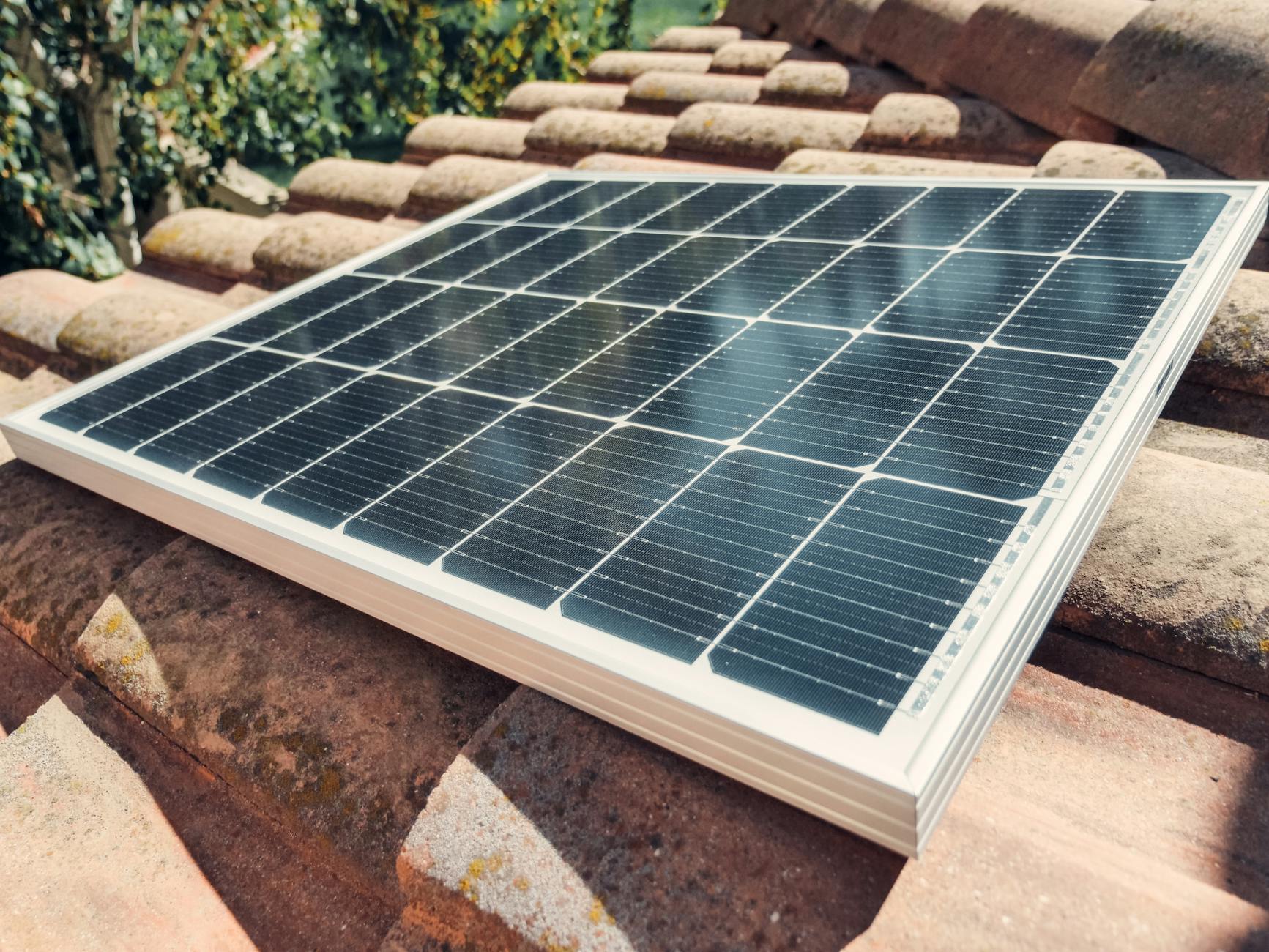
While sheet mulching is my go-to for building up soil and a gentler approach, sometimes you’re facing a really stubborn patch of weeds, or you just need that ground cleared fast for a spring planting. That’s where solarization comes in, and believe me, I've put it through its paces in my 800 sq ft Midlands garden. It's a fantastic organic method for sterilising the top few inches of soil, effectively cooking weed seeds, pathogens, and even some nematodes.
The principle is simple: trap the sun's heat under clear plastic. But here in the UK, with our often-unpredictable sunshine, timing and execution are key. I learned this the hard way trying to solarize a patch in late spring one year, only for a solid fortnight of cloud and rain to render it completely useless. You need sustained heat.
My Step-by-Step for Successful UK Solarization:
- Preparation is Paramount: First, clear the area of any large debris – rocks, sticks, anything that could puncture your plastic. Then, give the soil a good watering. This is crucial because moist soil conducts heat far better than dry soil. Think of it like steaming rather than baking. I usually aim for it to be damp down to about 6-8 inches.
- Choose Your Plastic Wisely: Don't skimp here. You need clear, UV-stabilised plastic, ideally 1-6 mil thick. The clear plastic allows sunlight to pass through and heat the soil, while the UV stabilisation prevents it from degrading into a million little pieces after a few weeks in our British sun. Black plastic absorbs heat but doesn't transmit it to the soil as effectively. I typically buy rolls of polytunnel repair tape or dedicated solarization film – it's an investment, but worth it.
- Lay it Flat and Tight: This is where the "solar oven" magic happens. Lay your plastic flat against the prepared, moist soil, making sure there are no air pockets. The tighter it is to the ground, the more efficient the heat transfer. Overlap sheets by at least 6 inches if you're covering a large area, and tape the seams securely with strong, waterproof tape.
- Seal the Edges – No Escapes! This is probably the most critical step for success in our breezy climate. Bury the edges of the plastic deep into a trench you've dug around the perimeter. I usually dig a trench at least 6-8 inches deep and then backfill it with soil, weighting it down with bricks or rocks as well. Any gaps will allow heat to escape, rendering your efforts pointless. Believe me, I've had sheets billow up in a strong gust and then you're back to square one!
- Patience, My Friend: This isn't a quick fix. For effective solarization in the UK, especially for perennial weeds or stubborn seeds, you're looking at a minimum of 6-8 weeks during the hottest, sunniest part of our summer. Here in the Midlands, that usually means late June through August. I usually aim to get my plastic down by mid-June and leave it until late August or early September. The longer, the better, especially if we have one of our typical "summer" weeks that feels more like autumn!
The results can be truly impressive. After successfully solarizing a particularly nettle and bindweed-ridden corner of my garden last summer, I was able to plant directly into incredibly clean, almost sterile soil. It was a massive head start that season!
6. When to Use What: Advanced Strategies and Seasonal Timing for UK Gardeners
Now that we’ve delved into both sheet mulching and solarization, the big question is: when do you reach for which tool? It’s not always a clear-cut choice, and often, I find myself using a combination of strategies in my own garden, depending on the specific challenge and the time of year. Our glorious British weather, as ever, plays a starring role in the decision-making process!
Sheet Mulching vs. Solarization: My UK Garden Strategy Guide
| Feature | Sheet Mulching (Lasagna Gardening) | Solarization |
|---|---|---|
| Primary Goal | Build soil health, suppress weeds, add organic matter. | Kill weeds, pathogens, soil-borne diseases. |
| Best for... | Long-term bed establishment, poor soil, gradual conversion. | Stubborn weeds, areas needing immediate planting, disease concerns. |
| UK Timing | Autumn/Winter: Ideal for decomposition over colder months. | Summer (June-August): Requires sustained heat and sun. |
| Soil Impact | Enhances soil structure, feeds microbes, increases fertility. | Can temporarily reduce microbial activity, but sterilises pests. |
| Weed Control | Excellent for most annuals & perennials; smothers effectively. | Highly effective for seeds, rhizomes, and dormant weed fragments. |
| Labour | Moderate initial effort; ongoing layering if desired. | Moderate initial effort (laying/sealing plastic). |
| Materials | Cardboard, compost, manure, straw, leaves, wood chips. | Clear, UV-stabilised plastic, soil/bricks for anchoring. |
| Time to Plant | Spring: Usually ready after winter decomposition. | Late Summer/Autumn: Ready immediately after plastic removal. |
| My Experience | My go-to for new beds; perfect for slow, sustainable improvement. | Great for problem areas, or when I need a bed ready by late summer. |
| UK Weather Factor | Tolerates wet/cold well; decomposition slows but continues. | Highly dependent on warm, sunny spells; can fail in cool summers. |
My Personal Advanced Strategies:
- The "Autumn Build & Spring Finish" (Sheet Mulching): This is my favourite. If I decide in late summer or early autumn that I want to convert a patch of lawn, I'll start layering cardboard and organic matter straight away. I'll pile it high throughout autumn, letting the winter rains and frosts help break it down. By spring, I usually have a beautiful, rich bed ready for planting. This is how I built most of my raised beds in my 800 sq ft garden.
- "Emergency Weed Kill" (Solarization): Let’s say I’ve got a real bindweed problem in a specific area, or I’ve spotted early blight on my tomatoes (which I grow religiously in my greenhouse!) and want to clean the soil before next year. I'll dedicate a sunny summer patch to solarization. It's a targeted, powerful punch against the toughest adversaries. I once had a small bed that was just full of horsetail, and solarization was the only thing that truly set me back to zero.
- The "Hybrid Attack": Sometimes, I combine them. I might solarize a really weedy patch in early summer to knock back the toughest weeds, then remove the plastic in late summer and immediately apply a thinner layer of sheet mulch (just cardboard and compost) to start building soil health and reintroducing beneficial microbes. This gives me the best of both worlds – fast weed control and a quick start on soil improvement. I've used this for patches where the lawn was particularly thick and full of couch grass.
Ultimately, your choice will depend on your timeline, the specific weeds you're battling, and the prevailing weather conditions. Always remember to work with our British climate, not against it!
7. Cultivating Your New Beds: Planting, Feeding, and Long-Term Organic Care
So, you’ve done it! Whether you’ve transformed your lawn with a glorious sheet mulch or expertly solarized a stubborn patch, you now have a pristine new bed ready for planting. This is truly where the fun begins, and it’s a moment of immense satisfaction. I still remember the thrill of planting my first 'Shirley' tomato seedlings into a bed I’d spent months sheet mulching – it felt like a real achievement.
Getting Ready to Plant:
- Sheet Mulched Beds: Gently poke through the layers. You'll likely find rich, crumbly soil beneath the decomposed cardboard. If the layers are still thick, you can create pockets to plant into, backfilling with a little extra compost. I usually give my sheet-mulched beds a good fork-over (just the top 6-8 inches) to aerate and check the consistency, adding a final layer of good quality, peat-free compost before planting.
- Solarized Beds: The soil here might feel a bit 'dead' initially, as the heat has reduced microbial activity. This is perfectly normal. My first step is always to rake the surface gently and then immediately incorporate a generous amount of well-rotted compost (at least 2-3 inches thick) into the top 4-6 inches. This reintroduces beneficial microbes and vital organic matter, bringing the soil back to life.
My Planting Strategy for New Beds:
For the first season, I tend to focus on robust, hungry plants that appreciate rich soil, or those that can help further break down any remaining organic matter.
- Heavy Feeders: Brassicas like 'Cabbage Greyhound' or 'Calabrese Marathon' thrive in new, rich soil. Courgettes ('Defender' is a favourite for its reliability) and pumpkins also do brilliantly.
- Root Vegetables: Carrots ('Autumn King') and potatoes ('Charlotte' are fantastic for earlies) work well, but ensure the soil is truly free of large clumps for straight roots. I usually wait until the second season for my prize-winning parsnips, just to be sure the soil is perfectly stone-free.
- Herbs: Most herbs are quite adaptable, and I always dot them around my new beds – rosemary, thyme, and mint (in a pot, of course, or it'll take over!) are great.
Feeding Your Young Garden (Organically, of course!):
Maintaining soil fertility is an ongoing commitment, especially in an organic garden.
- Compost is King: This is the bedrock of my feeding strategy. I top-dress all my beds with a 1-2 inch layer of homemade compost every autumn, and sometimes again in spring. It slowly releases nutrients and keeps the soil structure superb.
- Liquid Feeds: For hungry plants like tomatoes (my 'Black Krim' and 'Cherokee Purple' in the greenhouse are notorious for needing a boost!), courgettes, and runner beans, I rely on comfrey tea or a good organic seaweed feed during the growing season. I make my own comfrey tea in a covered bucket – the smell is eye-watering, but the results are incredible!
- Green Manures: In areas that will lie fallow over winter, or for beds that need an extra nitrogen boost, I sow green manures like 'Crimson Clover' or 'Field Beans'. They protect the soil, prevent nutrient leaching, and when dug in (or just chopped and dropped), they return valuable organic matter. I learned this trick early on and it's transformed my soil health.
Long-Term Organic Care: The Randy Thompson Way:
- Continuous Mulching: Even after your beds are established, don't stop mulching! A layer of straw, wood chips, or even chopped leaves around your plants suppresses weeds, conserves moisture, and slowly breaks down to feed the soil. It saves a ton of weeding time.
- Crop Rotation: Essential for preventing the build-up of pests and diseases. I plan my rotations meticulously across my raised beds, ensuring brassicas, legumes, root crops, and solanaceous plants (like my beloved tomatoes) move around each year.
- Observe and Adapt: Every year in the garden is different, especially with our notoriously unpredictable British weather. Pay attention to what your plants are telling you, what's thriving, and what's struggling. I keep a detailed garden journal, noting planting dates, yields, and any issues – it’s a habit from my IT days, but it’s invaluable for learning and improving.
Conclusion: Your Lawn's New Beginning
Transforming your lawn into productive garden beds using organic methods like sheet mulching and solarization isn't just about creating a space to grow food; it's about embarking on a rewarding journey of observation, learning, and connection with nature. From tackling the initial challenge of turf removal to celebrating your first harvest, every step is a testament to the power of working with nature, not against it.
I've been on this journey for over five years now, starting from a pretty standard patch of grass in the Midlands, and I can tell you, the satisfaction of picking fresh, organic vegetables from beds you built yourself is unparalleled. You'll build incredible soil, attract a buzzing ecosystem of beneficial insects, and discover the sheer joy of nurturing life right on your doorstep.
Yes, there will be challenges – a particularly wet spring might slow down decomposition, or a stubborn patch of ground elder might need a second go. I’ve certainly had my share of "what now?" moments. But these are all part of the learning curve, and each "failure" is just another lesson learned.
So, roll up your sleeves, gather your materials, and take that leap. Whether you choose the slow, nurturing path of sheet mulching or the fast, effective approach of solarization, you're investing in the health of your soil, the flavour of your food, and the joy of your own hands-on creation. Your garden, and your plate, will thank you for it.
I’d love to hear about your own lawn-to-garden transformations here in the UK! What methods have you tried? What challenges have you faced, and what successes have you celebrated? Share your stories in the comments below! Happy gardening!