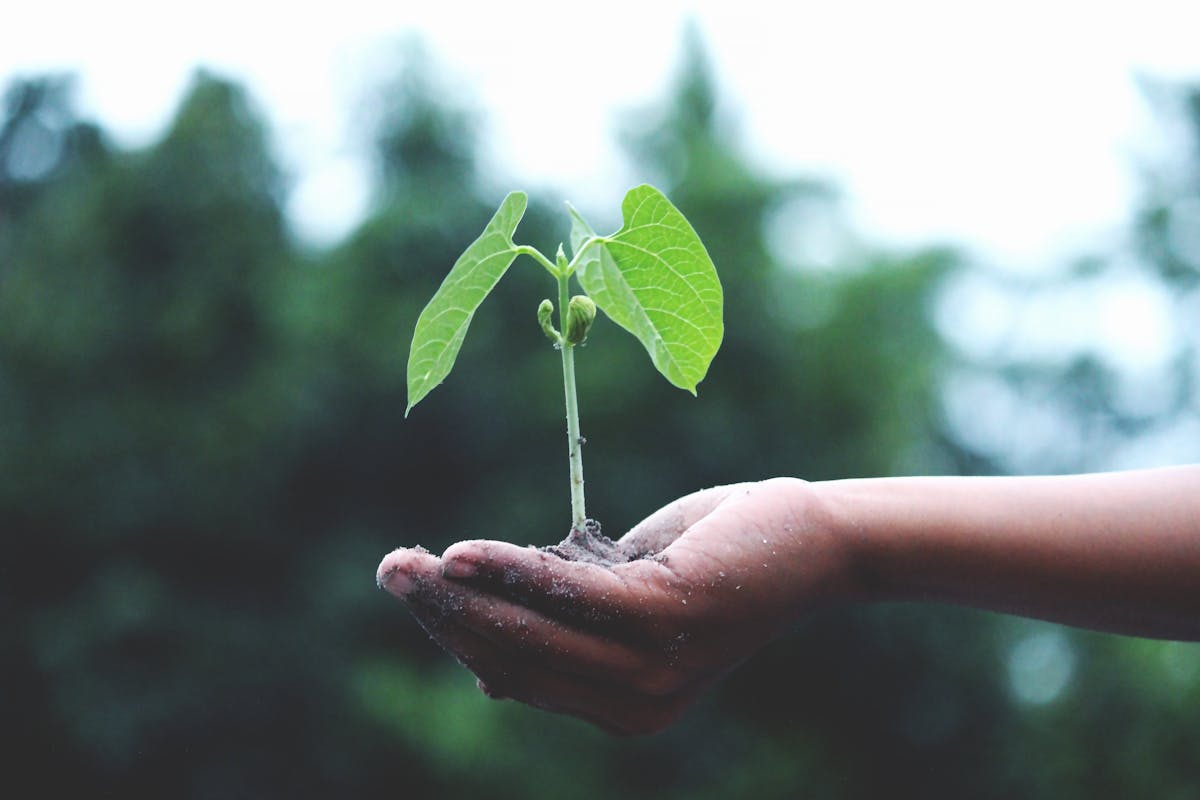
Soil is the foundation of every successful garden. Understanding soil composition empowers you to create optimal growing conditions for your plants, leading to healthier growth, better yields, and more vibrant blooms.
The Three Components of Soil
Soil consists of three primary mineral particles, each with unique characteristics:
Soil Particle Types
| Particle Type | Size | Characteristics | Water Retention | Drainage |
|---|---|---|---|---|
| Sand | 0.05-2.0 mm | Large, gritty particles | Poor | Excellent |
| Silt | 0.002-0.05 mm | Medium, smooth particles | Moderate | Moderate |
| Clay | < 0.002 mm | Tiny, sticky particles | Excellent | Poor |
The proportion of these particles determines your soil type and its behavior.
Common Soil Types
Sandy Soil
Composition: 85%+ sand
Characteristics:
- Drains quickly
- Warms up fast in spring
- Low nutrient retention
- Easy to work with
Best For: Root vegetables, herbs, Mediterranean plants
Improvement Strategy: Add organic matter, compost, and peat moss to improve water and nutrient retention.
Clay Soil
Composition: 25%+ clay
Characteristics:
- Retains water and nutrients
- Slow to drain
- Slow to warm in spring
- Heavy and difficult to work
Best For: Moisture-loving plants, roses, ornamental trees
Improvement Strategy: Add sand, compost, and gypsum to improve drainage and structure.
Silt Soil
Composition: 80%+ silt
Characteristics:
- Smooth, flour-like texture
- Good water retention
- Moderate drainage
- Fertile
Best For: Most vegetables and flowers
Improvement Strategy: Add organic matter to prevent compaction.
Loam Soil (The Ideal)
Composition: 40% sand, 40% silt, 20% clay
Characteristics:
- Perfect balance of drainage and retention
- Rich in nutrients
- Easy to work with
- Excellent structure
Best For: Almost all plants
This is the gold standard for garden soil!
Soil pH and Its Importance
Soil pH affects nutrient availability to plants. Most plants prefer slightly acidic to neutral soil (pH 6.0-7.0).
pH Preferences by Plant Type
| Plant Category | Optimal pH Range | Examples |
|---|---|---|
| Acid-Loving Plants | 4.5-5.5 | Blueberries, azaleas, rhododendrons |
| Slightly Acidic | 6.0-6.5 | Tomatoes, peppers, most vegetables |
| Neutral | 6.5-7.0 | Lettuce, beans, corn |
| Alkaline-Tolerant | 7.0-8.0 | Asparagus, brassicas, lavender |
Adjusting Soil pH
To Lower pH (Make More Acidic):
- Add sulfur
- Use acidic organic matter (pine needles, peat moss)
- Apply aluminum sulfate for quick results
To Raise pH (Make More Alkaline):
- Add lime (calcium carbonate)
- Use wood ash
- Incorporate crushed eggshells
Organic Matter: The Secret Ingredient
Organic matter improves any soil type by:
- Enhancing soil structure
- Increasing water retention in sandy soils
- Improving drainage in clay soils
- Providing nutrients as it decomposes
- Supporting beneficial microorganisms
Organic Matter Sources
| Amendment | N-P-K Ratio | Benefits | Application Rate |
|---|---|---|---|
| Compost | 1-1-1 | Balanced nutrition, improves structure | 2-3 inches annually |
| Aged Manure | 2-1-2 | High nitrogen, improves fertility | 1-2 inches annually |
| Leaf Mold | 0.5-0.2-0.2 | Excellent structure, moisture retention | 2-4 inches |
| Peat Moss | 0-0-0 | Acidifies soil, retains moisture | 1-2 inches |
| Coconut Coir | 0-0-0 | Sustainable alternative to peat | 1-2 inches |
Essential Soil Nutrients
Plants require three primary macronutrients:
NPK: The Big Three
| Nutrient | Symbol | Function | Deficiency Signs |
|---|---|---|---|
| Nitrogen | N | Leaf and stem growth | Yellow leaves, stunted growth |
| Phosphorus | P | Root development, flowering | Purple leaves, poor flowering |
| Potassium | K | Overall plant health, disease resistance | Brown leaf edges, weak stems |
Secondary Nutrients
- Calcium: Cell wall structure, prevents blossom end rot
- Magnesium: Chlorophyll production, photosynthesis
- Sulfur: Protein synthesis, enzyme function
Micronutrients
Though needed in smaller amounts, these are equally important:
- Iron (Fe)
- Manganese (Mn)
- Zinc (Zn)
- Copper (Cu)
- Boron (B)
- Molybdenum (Mo)
Testing Your Soil
Regular soil testing removes guesswork from gardening. Test every 2-3 years or when starting a new garden.
DIY Soil Texture Test
- Take a handful of moist soil
- Squeeze it into a ball
- Observe the results:
- Falls apart immediately: Sandy soil
- Forms a ball but crumbles easily: Loamy soil
- Forms a tight, sticky ball: Clay soil
Professional Soil Testing
For accurate pH and nutrient analysis, send samples to your local extension office or use a home testing kit. Tests typically measure:
- pH level
- Nitrogen, phosphorus, potassium levels
- Organic matter content
- Micronutrient levels
- Soil texture
Building Better Soil
Improving soil is an ongoing process. Follow these principles:
- Add Organic Matter Regularly: Work in 2-3 inches of compost annually
- Avoid Compaction: Don't work wet soil; use raised beds in heavy traffic areas
- Practice Crop Rotation: Prevents nutrient depletion and disease buildup
- Use Cover Crops: Plant in off-season to add organic matter and prevent erosion
- Mulch Generously: Protects soil, retains moisture, adds organic matter as it breaks down
Soil Amendments Quick Reference
| Problem | Solution | Application |
|---|---|---|
| Poor drainage | Add sand, perlite, or compost | Mix into top 6-8 inches |
| Low nutrients | Add compost or aged manure | 2-3 inches, work into soil |
| Acidic soil | Add lime | Follow soil test recommendations |
| Alkaline soil | Add sulfur or peat moss | Follow soil test recommendations |
| Compacted soil | Add compost and avoid working when wet | Core aerate, add organic matter |
| Poor structure | Add compost regularly | 2-3 inches annually |
The Living Soil Ecosystem
Healthy soil teems with life—billions of bacteria, fungi, earthworms, and other organisms. These creatures:
- Break down organic matter
- Make nutrients available to plants
- Improve soil structure
- Suppress diseases
- Create a thriving ecosystem
Support soil life by:
- Adding compost and organic matter
- Avoiding excessive tilling
- Minimizing chemical pesticides and fertilizers
- Maintaining consistent moisture
- Using mulch
Understanding and improving your soil is one of the most valuable investments you can make in your garden. With proper soil composition and care, your plants will reward you with vigorous growth and abundant harvests.
