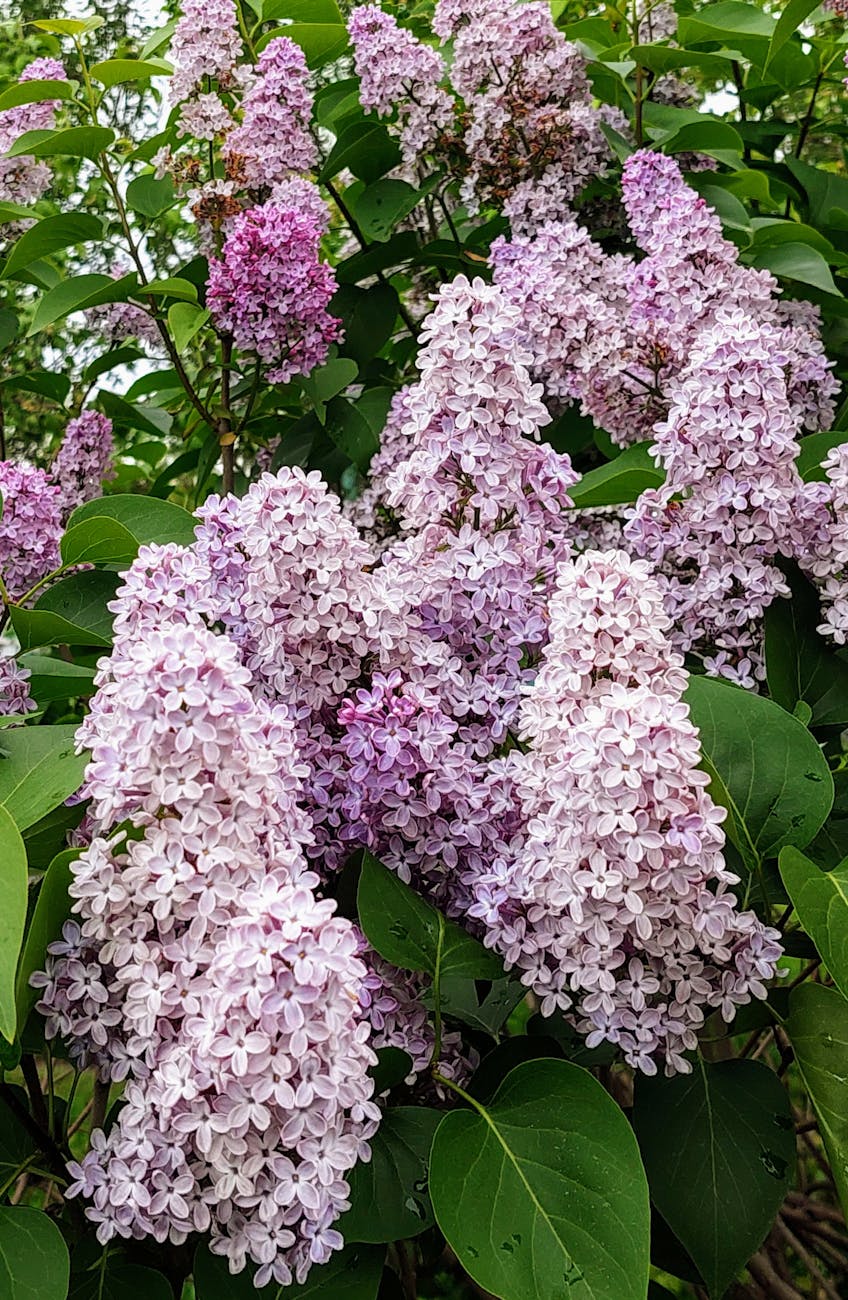
Introduction: The Quest for Perfumed Lilac Blooms in Your UK Garden
There's something truly magical, almost otherworldly, about the scent of lilacs drifting through the spring air. Here in the UK, after a long, often grey winter, those vibrant purple, pink, or white blooms are a powerful symbol of spring's arrival, a promise of warmer, longer days ahead. For me, Randy Thompson, a passionate home gardener here in the heart of the Midlands, coaxing those incredibly fragrant flowers out of my lilac bushes each year is a deeply satisfying quest.
When I first started gardening five years ago, transforming my 800 sq ft backyard from a patchy lawn into the packed haven of raised beds and a greenhouse it is today, lilacs were high on my wish list. I envisioned those iconic clusters bursting with colour, their perfume enveloping my garden. But, like many of you, I quickly learned that while lilacs are generally considered easy-care, getting them to bloom abundantly can sometimes feel like solving a fragrant, purple-hued mystery. I’ve had my fair share of seasons where my lilacs were just a sea of green leaves, looking perfectly healthy but stubbornly refusing to show off their floral finery. It’s frustrating, isn’t it? Especially when you’ve put in the effort!
Through a fair bit of trial and error (and yes, a few head-scratching moments), I've learned what truly makes these beauties thrive and burst into bloom here in our often-unpredictable British climate. I've experimented with different varieties, soil amendments, and pruning techniques, and I'm excited to share my real-world experiences and the lessons I've picked up along the way. So, if your lilac isn't performing its springtime showstopper act, don't despair! We're going to dive deep into the common reasons why your lilac might be holding back and what you can do, step-by-step, to unlock those abundant, perfumed blooms for a truly fragrant UK spring display.
Laying the Foundation: Ideal Site and Soil for Thriving Lilacs
Getting your lilac off to the best possible start is half the battle, and that begins with picking the right spot and preparing the soil. This isn't just about putting a plant in the ground; it's about understanding what lilacs absolutely crave to perform their best, especially with our unique UK conditions.
The Sun's Embrace: Finding the Perfect Spot
Lilacs are sun worshippers, pure and simple. They need at least six hours of direct sunlight a day, and honestly, more is even better. I learned this the hard way when I first tried planting a 'Syringa vulgaris' 'Madame Lemoine' near a fence in my 800 sq ft plot. I thought it was getting enough sun, but it was just shy of the full six hours due to the morning shade. For two years, it grew well, looked healthy, but gave me very few flowers. When I eventually moved it to a more open spot next to my greenhouse where it basks in sun from dawn till dusk, the difference was immediate and dramatic.
Here in the Midlands, our sun isn't always as intense as in other parts of the world, so every ray counts! A full-sun location ensures the plant gets enough energy to develop those all-important flower buds for the following year. Think about where the sun truly hits your garden throughout the day, not just for a fleeting hour or two. Avoid planting directly under large trees or in deep shade, as you'll likely end up with leggy growth and sparse flowering.
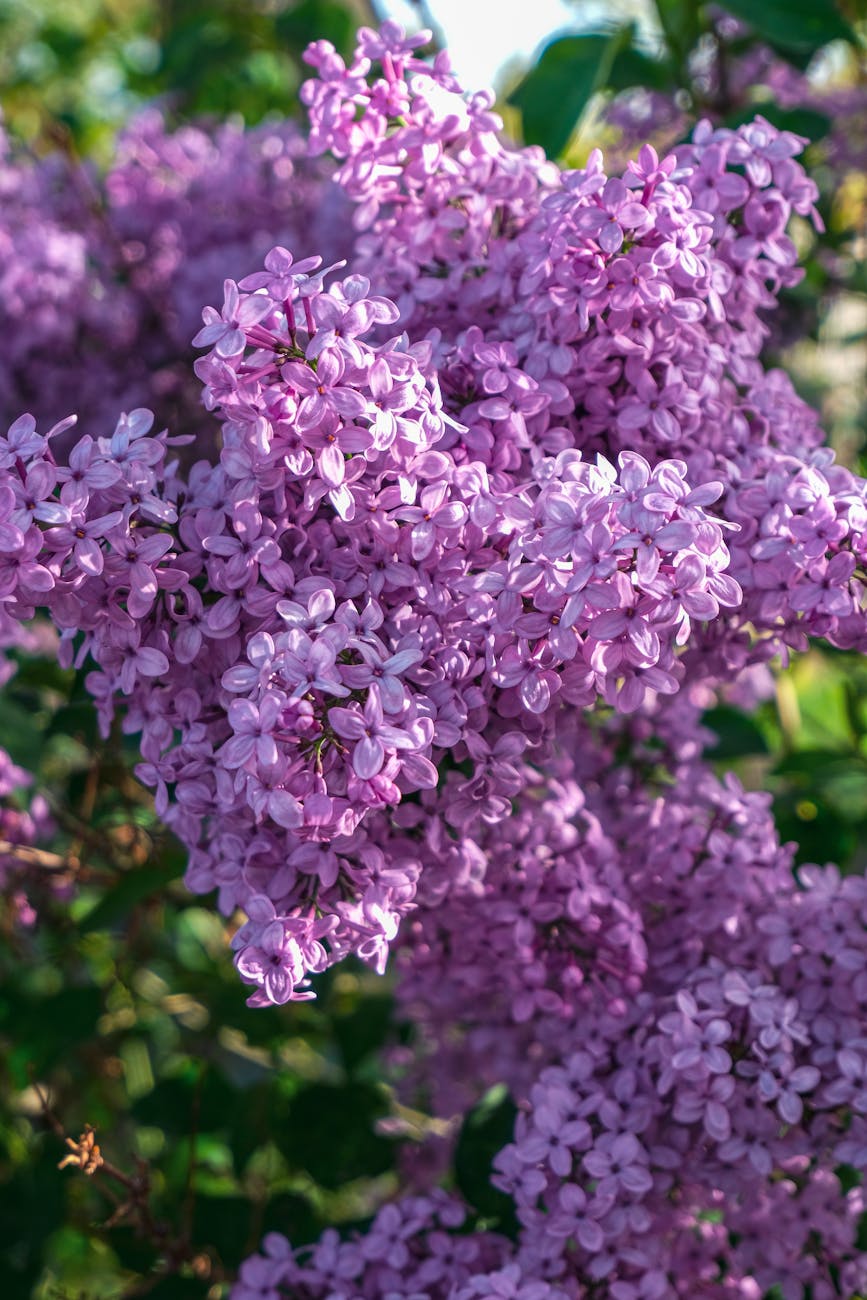
Groundwork for Grandeur: Soil Requirements
Once you've got the sun sorted, let's talk soil. Lilacs aren't overly fussy, but they do have preferences that directly impact their health and bloom production. They thrive in well-draining soil with a neutral to slightly alkaline pH (around 6.5 to 7.0).
Here in the Midlands, our soil can often be quite heavy clay, which can become waterlogged, especially during our notoriously wet UK winters. Lilacs absolutely despise soggy feet; it can lead to root rot and generally unhappy plants that won't bloom. So, if you have heavy clay like I do, amending the soil is crucial. When I plant a new lilac or even when refreshing the beds around existing ones, I always dig a generous hole, twice as wide as the root ball, and incorporate a good amount of well-rotted garden compost and grit. This significantly improves drainage and aeration, giving those roots room to breathe.
I've also found that a simple soil test kit, readily available at most UK garden centres, is invaluable. Knowing your soil's pH helps you make informed decisions. If your soil is too acidic, a sprinkle of garden lime can help bring it into the preferred range for lilacs. What works here in Britain is ensuring that the soil doesn't compact too much around the roots and allows for a steady, but not excessive, supply of moisture and nutrients.
Diagnosing the Dilemma: Why Your Lilac Isn't Blooming (Common Troubleshooting)
It's one of the most common questions I get from fellow UK gardeners: "My lilac looks healthy, but it just won't bloom! Why?" Trust me, I've been there. That feeling of anticipation, followed by a sea of green leaves instead of fragrant flowers, is a real bummer. Over my five years of intensive gardening, I’ve seen almost every reason for non-blooming lilacs in my own garden and those of friends. Let’s break down the most frequent culprits and how you can troubleshoot them.
Common Reasons for Bloom Failure in UK Lilacs
- Age Matters: Lilacs generally take a few years to establish before they start blooming profusely. A young lilac, especially one that's been recently transplanted, might focus its energy on root and foliage growth rather than flowers. Conversely, very old, neglected lilacs can become overgrown and woody, with reduced bloom production. I learned this when I planted my 'Palibin' dwarf lilac; it took a good three years to really hit its stride and flower consistently in my raised bed.
- Insufficient Sunlight: As we discussed, sun is paramount. If your lilac isn't getting at least six hours of direct sun, it simply won't have the energy to produce flower buds. This is a common issue in smaller UK gardens where space is at a premium and plants might get shaded by fences or buildings as they grow.
- Incorrect Pruning: This is perhaps the most common mistake UK gardeners make. Lilacs bloom on "old wood," meaning the flower buds for next year are formed on the previous year's growth. Pruning at the wrong time (e.g., in late summer, autumn, or winter) can mean you're inadvertently cutting off all the developing flower buds. I definitely made this mistake in my first year with a newly acquired 'Sensation' lilac, pruning it back hard in autumn thinking I was doing it a favour – no flowers the next spring, obviously!
- Too Much Nitrogen: This is a tricky one. Nitrogen promotes lush, green leafy growth. While essential, too much nitrogen at the expense of other nutrients can lead to a beautiful, bushy plant with very few flowers. One mistake I made early on was feeding my young lilac the same high-nitrogen feed I used for my heirloom tomatoes in the greenhouse, thinking more is always better for growth. I ended up with a gorgeous, green shrub but hardly any blooms for two seasons. Look for a balanced fertiliser, or one higher in phosphorus and potassium.
- Water Stress: Both too little and too much water can stress a lilac, hindering bloom production. Lilacs prefer consistent moisture, especially during dry spells and when they're forming buds after flowering. However, they hate waterlogged conditions, which can lead to root rot – a real risk during our damp British winters and springs if drainage is poor.
- Late Frosts: Our unpredictable British weather can be a real pain! Sometimes, a late spring frost after the lilac has already started forming its delicate flower buds can damage them, leading to a significantly reduced display or no blooms at all. This happened to my 'Charles Joly' lilac a couple of springs ago after a particularly warm March was followed by a sharp cold snap in April.
- Pests and Diseases: While less common as a sole cause of no blooms, severe infestations of pests like scale or diseases like powdery mildew or bacterial blight can weaken the plant, diverting its energy from flowering. Keep an eye out for these issues, especially in humid conditions.
Here's a quick troubleshooting guide based on what I've encountered in my UK garden:
| Problem | Common Symptoms | Randy's UK Garden Experience & Solution | Lilac Not Blooming, UK |
|---------------------|-----------------------------------------------------------|----------------------------------------------------------------------------------------------------------------------------------------------------------------------------------------------------------------------------------------------------------------------------------------------------------------------------------------------------------------------------------------------------------------------------------------------------------------------------------------------------------------------------------------------------------------------------------------------------------------------------------------------------------------------------------------------------------------------------------------------------------------------------------------------------------------------------------------------------------------------------------------------------------------------------------------------------------------------------------------------------------------------------------------------------------------------------------------------------------------------------------------------------------------------------------------------------------------------------------------------------------------------------------------------------------------------------------------------------------------------------------------------------------------------------------------------------------------------------------------------------------------------------------------------------------------------------------------------------------------------------------------------------------------------------------------------------------------------------------------------------------------------------------------------------------------------------------------------------------------------------------------------------------------------------------------------------------------------------------------------------------------------------------------------------------------------------------------------------------------------------------------------------------------------------------------------------------------------------------------------------------------------------------------------------------------------------------------------------------------------------------------------------------------------------------------------------------------------------------------------------------------------------------------------------------------------------------------------------------------------------------------------------------------------------------------------------------------------------------------------------------------------------------------------------------------------------------------------------------------------------------------------------------------------------------------------------------------------------------------------------------------------------------------------------------------------------------------------------------------------------------------------------------------------------------------------------------------------------------------------------------------------------------------------------------------------------------------------------------------------------------------------------------------------------------------------------------------------------------------------------------------------------------------------------------------------------------------------------------------------------------------------------------------------------------------------------------------------------------------------------------------------------------------------------------------------------------------------------------------------------------------------------------------------------------------------------------------------------------------------------------------------------------------------------------------------------------------------------------------------------------------------------------------------------------------------------------------------------------------------------------------------------------------------------------------------------------------------------------------------------------------------------------------------------------------------------------------------------------------------------------------------------------------------------------------------------------------------------------------------------------------------------------------------------------------------------------------------------------------------------------------------------------------------------------------------------------------------------------------------------------------------------------------------------------------------------------------------------------------------------------------------------------------------------------------------------------------------------------------------------------------------------------------------------------------------------------------------------------------------------------------------------------------------------------------------------------------------------------------------------------------------------------------------------------------------------------------------------------------------------------------------------------------------------------------------------------------------------------------------------------------------------------------------------------------------------------------------------------------------------------------------------------------------------------------------------------------------------------------------------------------------------------------------------------------------------------------------------------------------------------------------------------------------------------------------------------------------------------------------------------------------------------------------------------------------------------------------------------------------------------------------------------------------------------------------------------------------------------------------------------------------------------------------------------------------------------------------------------------------------------------------------------------------------------------------------------------------------------------------------------------------------------------------------------------------------------------------------------------------------------------------------------------------------------------------------------------------------------------------------------------------------------------------------------------------------------------------------------------------------------------------------------------------------------------------------------------------------------------------------------------------------------------------------------------------------------------------------------------------------------------------------------------------------------------------------------------------------------------------------------------------------------------------------------------------------------------------------------------------------------------------------------------------------------------------------------------------------------------------------------------------------------------------------------------------------------------------------------------------------------------------------------------------------------------------------------------------------------------------------------------------------------------------------------------------------------------------------------------------------------------------------------------------------------------------------------------------------------------------------------------------------------------------------------------------------------------------------------------------------------------------------------------------------------------------------------------------------------------------------------------------------------------------------------------------------------------------------------------------------------------------------------------------------------------------------------------------------------------------------------------------------------------------------------------------------------------------------------------------------------------------------------------------------------------------------------------------------------------------------------------------------------------------------------------------------------------------------------------------------------------------------------------------------------------------------------------------------------------------------------------------------------------------------------------------------------------------------------------------------------------------------------------------------------------------------------------------------------------------------------------------------------------------------------------------------------------------------------------------------------------------------------------------------------------------------------------------------------------------------------------------------------------------------------------------------------------------------------------------------------------------------------------------------------------------------------------------------------------------------------------------------------------------------------------------------------------------------------------------------------------------------------------------------------------------------------------------------------------------------------------------------------------------------------------------------------------------------------------------------------------------------------------------------------------------------------------------------------------------------------------------------------------------------------------------------------------------------------------------------------------------------------------------------------------------------------------------------------------------------------------------------------------------------------------------------------------------------------------------------------------------------------------------------------------------------------------------------------------------------------------------------------------------------------------------------------------------------------------------------------------------------------------------------------------------------------------------------------------------------------------------------------------------------------------------------------------------------------------------------------------------------------------------------------------------------------------------------------------------------------------------------------------------------------------------------------------------------------------------------------------------------------------------------------------------------------------------------------------------------------------------------------------------------------------------------------------------------------------------------------------------------------------------------------------------------------------------------------------------------------------------------------------------------------------------------------------------------------------------------------------------------------------------------------------------------------------------------------------------------------------------------------------------------------------------------------------------------------------------------------------------------------------------------------------------------------------------------------------------------------------------------------------------------------------------------------------------------------------------------------------------------------------------------------------------------------------------------------------------------------------------------------------------------------------------------------------------------------------------------------------------------------------------------------------------------------------------------------------------------------------------------------------------------------------------------------------------------------------------------------------------------------------------------------------------------------------------------------------------------------------------------------------------------------------------------------------------------------------------------------------------------------------------------------------------------------------------------------------------------------------------------------------------------------------------------------------------------------------------------------------------------------------------------------------------------------------------------------------------------------------------------------------------------------------------------------------------------------------------------------------------------------------------------------------------------------------------------------------------------------------------------------------------------------------------------------------------------------------------------------------------------------------------------------------------------------------------------------------------------------------------------------------------------------------------------------------------------------------------------------------------------------------------------------------------------------------------------------------------------------------------------------------------------------------------------------------------------------------------------------------------------------------------------------------------------------------------------------------------------------------------------------------------------------------------------------------------------------------------------------------------------------------------------------------------------------------------------------------------------------------------------------------------------------------------------------------------------------------------------------------------------------------------------------------------------------------------------------------------------------------------------------------------------------------------------------------------------------------------------------------------------------------------------------------------------------------------------------------------------------------------------------------------------------------------------------------------------------------------------------------------------------------------------------------------------------------------------------------------------------------------------------------------------------------------------------------------------------------------------------------------------------------------------------------------------------------------------------------------------------------------------------------------------------------------------------------------------------------------------------------------------------------------------------------------------------------------------------------------------------------------------------------------------------------------------------------------------------------------------------------------------------------------------------------------------------------------------------------
5. A Gardener's Calendar: Year-Round Seasonal Care for Healthy, Fragrant Lilacs
Getting those big, fragrant lilac blooms isn't just a one-off task; it's a year-round commitment, a bit like tending to my heirloom tomatoes in the greenhouse, but with a different rhythm. I've learned that consistent care throughout the seasons makes all the difference here in the Midlands, especially with our notoriously changeable British weather. It’s about anticipating your lilac’s needs and reacting to what the season throws at you.
Spring: The Wake-Up Call
As soon as the danger of hard frosts has passed here in the Midlands – usually late March to early April for me – I start getting my lilacs ready for their big performance. This is when I give them a good, balanced feed. I don't go for anything overly high in nitrogen, as that encourages leafy growth at the expense of flowers. Instead, I opt for a balanced organic fertiliser, something like a slow-release granular feed, or a good handful of homemade compost mixed with a little bone meal. I work it gently into the soil around the base, keeping it away from the trunk itself.
This is also the time I check for any emerging pests (like those dreaded aphids) and refresh the mulch around the base. A good 5-7cm layer of well-rotted compost or wood chippings helps to suppress weeds, retain moisture, and keep the soil temperature consistent, which is crucial for those shallow lilac roots. Last spring, I was a bit slow with the mulch, and I really noticed how quickly the soil dried out during a surprisingly sunny April spell. Lesson learned!
Summer: Post-Bloom TLC
Once those gorgeous blooms have faded, usually by late May or early June in my UK garden, it's time for some post-performance care. Deadheading isn't strictly necessary for all lilacs, especially the larger, older varieties, but for younger plants or those I want to encourage to put all their energy into next year’s flowers, I'll snip off the spent flower heads. I make sure to cut back to a set of healthy leaves or a side shoot. This prevents the plant from wasting energy on seed production.
This is also the primary time for light shaping and pruning, as we discussed earlier. I'm always out there with my secateurs just after the last bloom fades, taking out any crossing branches or weak growth. If we hit a dry spell, which is common enough even here in Britain, I make sure to give them a good deep watering, especially my younger plants. My 'Palibin' dwarf lilac in the raised bed needs more attention than the established 'Charles Joly' in the ground, as the raised bed dries out faster.
Autumn: Winding Down
Once the leaves start to turn here in the UK, usually from late September onwards, I give my lilacs one last check-over. I clear any fallen leaves from around the base to prevent fungal issues and ensure good air circulation. This is also a good time to do a soil test if you suspect any nutrient deficiencies, though I usually stick to my annual compost top-dressing. I avoid any heavy feeding at this time, as you don't want to encourage tender new growth that will just get zapped by winter frosts.
Winter: Rest and Renovation
Winter is a quiet time in my garden, but it's important for planning. For lilacs, this dormant period (typically November to February here in the UK) is the ideal time for any major renovation pruning. If I have an old, overgrown shrub that needs a severe cut-back to rejuvenate it, I tackle it now. I've done this successfully on an older lilac that came with the house – it looked brutal at the time, but the following spring saw a fantastic flush of new, healthy growth. For young plants, I simply ensure they're securely staked if they're in an exposed spot, though most established lilacs are tough enough to handle our British winters without much fuss.
Here's a quick overview of what I do in my garden throughout the year for healthy lilacs:
| Season | Key Tasks | Randy's UK Garden Notes |
|---|---|---|
| Spring | Apply balanced organic fertiliser, refresh mulch, monitor for pests. | "Late March/early April here in the Midlands. I use my own compost and a sprinkle of bone meal. Watch for aphids on new growth – a quick blast of water works wonders." |
| Summer | Deadhead spent flowers, light shaping/pruning, water during dry spells. | "Right after blooming ends, usually late May/early June. I focus on removing spent blooms and any crossing branches. My 'Palibin' gets extra water in dry spells, it's in a raised bed and dries out quicker." |
| Autumn | Clear fallen leaves, final inspection, avoid feeding. | "From late September, I tidy up around the base to prevent fungal issues. No feeding now – we don't want new growth that'll get hit by winter frost." |
| Winter | Major renovation pruning (if needed), ensure young plants are secure. | "Dormant pruning (Nov-Feb) for any really overgrown lilacs. I did a brutal renovation on an old one a few years back, and it bounced back beautifully. Otherwise, it's a quiet time for lilacs." |
6. Battling Back: Organic Solutions for Common Lilac Pests and Diseases
Even with the best care, sometimes our lilacs face a bit of a battle. Here in the UK, with our often damp and mild conditions, certain pests and diseases can pop up. My philosophy, especially since I'm all about growing organic veg in my raised beds, is always to try organic solutions first. It's not just about protecting the environment; it's about building a healthier ecosystem in my 800 sq ft garden where natural predators can thrive.
The Pesky Pests:
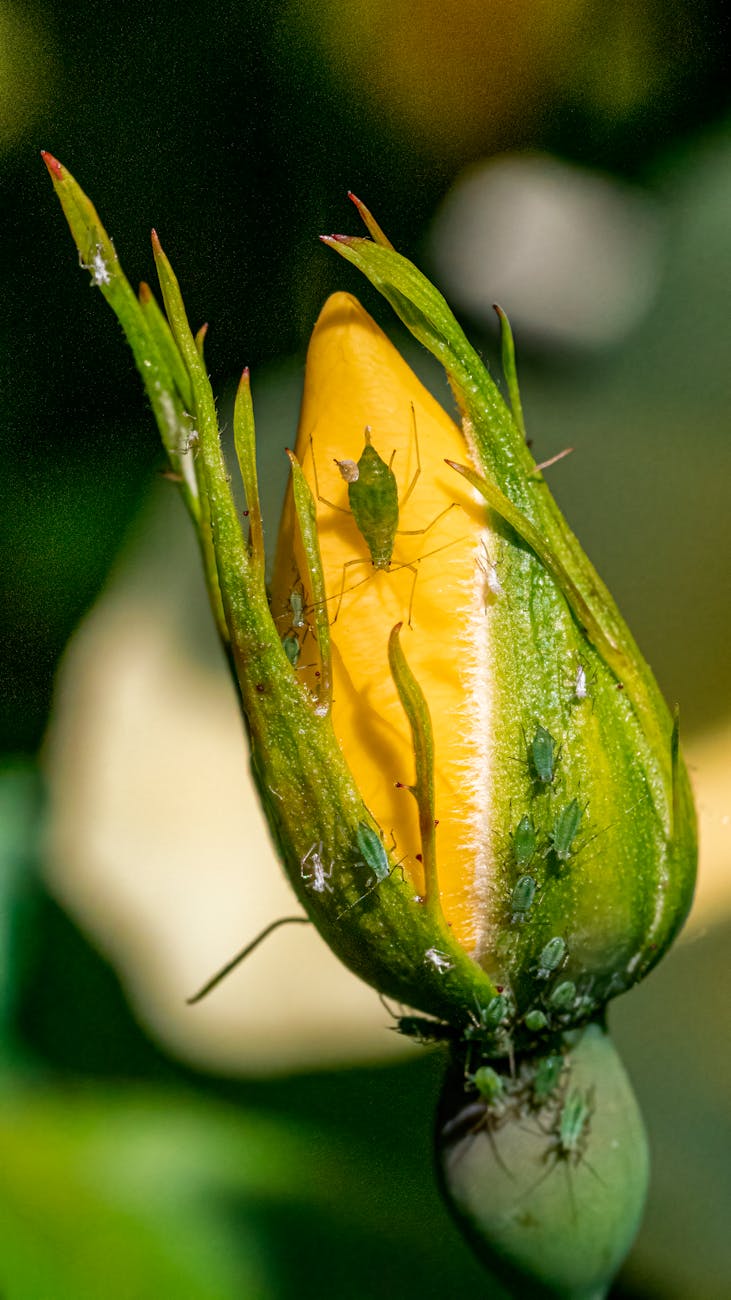
Aphids: These little sap-suckers are probably the most common pest I encounter on my lilacs, especially on the tender new growth in spring.
- My Solution: My first line of defence is always a strong blast of water from the hosepipe to dislodge them. If that doesn't work, or if they're particularly persistent, I'll mix up a simple solution of a few drops of washing-up liquid in a spray bottle of water and spray the affected areas. I’ve found that spraying in the evening is best to avoid scorching leaves in strong sun. For my smaller 'Palibin' lilac, I sometimes even just wipe them off with my fingers – a bit gross, but effective! I also encourage beneficial insects like ladybirds by planting things like marigolds nearby.
Lilac Borer: While not as common as aphids here in the UK, these can be more damaging. You'll see wilting branches and small holes with sawdust-like frass.
- My Solution: Honestly, prevention is key here. A strong, healthy lilac is less susceptible. I ensure good pruning practices to remove weak or damaged wood where borers might lay eggs. If I do spot signs, I'll prune out the affected branch well below the damage and dispose of it immediately – never compost it! I haven't had a major borer issue in my garden, which I put down to keeping my plants vigorous and well-fed.
The Dreaded Diseases:
Powdery Mildew: This is probably the most common fungal issue I see on lilacs in my UK garden, especially during humid summer weather. You'll spot it as a white, powdery coating on the leaves, particularly on older varieties.
- My Solution: First, good air circulation is paramount. When I prune, I always ensure there’s plenty of space for air to move through the shrub. I also select varieties known for better resistance (more on that in a moment). For active infections, I've had some success with a homemade milk spray (1 part milk to 9 parts water). It sounds a bit odd, but the proteins in the milk are thought to act as an antiseptic. I spray this regularly until the infection subsides. It's not a miracle cure, but it definitely helps keep it in check in our British climate.

Bacterial Blight: This one is more serious, causing black spots on leaves, wilting shoots, and cankers on branches. It's often worse in wet spring conditions.
- My Solution: Immediate action is crucial. I prune out any affected branches well back into healthy wood, sterilising my secateurs between cuts with rubbing alcohol to prevent spreading. Again, good air circulation and avoiding overhead watering where possible can help. I haven't had a widespread blight issue, thankfully, but I'm always vigilant, especially after a particularly wet spring.
The key to organic pest and disease management, I've found, is regular inspection. I'm out in my 800 sq ft garden every day, checking on my tomatoes, herbs, and, of course, my lilacs. Catching a problem early makes it so much easier to tackle organically before it becomes a major headache.
7. Selecting Your Scent: Top Lilac Varieties for UK Climates and Garden Sizes
Choosing the right lilac for your UK garden is like picking the perfect heirloom tomato for your greenhouse – it needs to suit your space, your climate, and your personal preferences. Over the years, I've experimented with a few different varieties, and I've got some firm favourites that thrive here in the Midlands. It's not just about the colour; it's about the scent, the mature size, and its resilience to our often-unpredictable British weather.
My Top Picks for UK Gardens:
'Charles Joly' (Syringa vulgaris 'Charles Joly'): This is my showstopper, a classic common lilac with incredibly fragrant, double, deep magenta-purple flowers. It's a vigorous grower and can get quite large (3-4m tall and wide), so it needs space, but the scent is absolutely intoxicating. It blooms beautifully here in late spring.
- Randy's Experience: "My 'Charles Joly' is probably my most established lilac, planted near the back fence. It's a bit of a beast, taking up a good chunk of my 800 sq ft, but when it's in full bloom, the entire garden is perfumed. It’s hardy as anything and has shrugged off every dodgy British spring we've thrown at it."
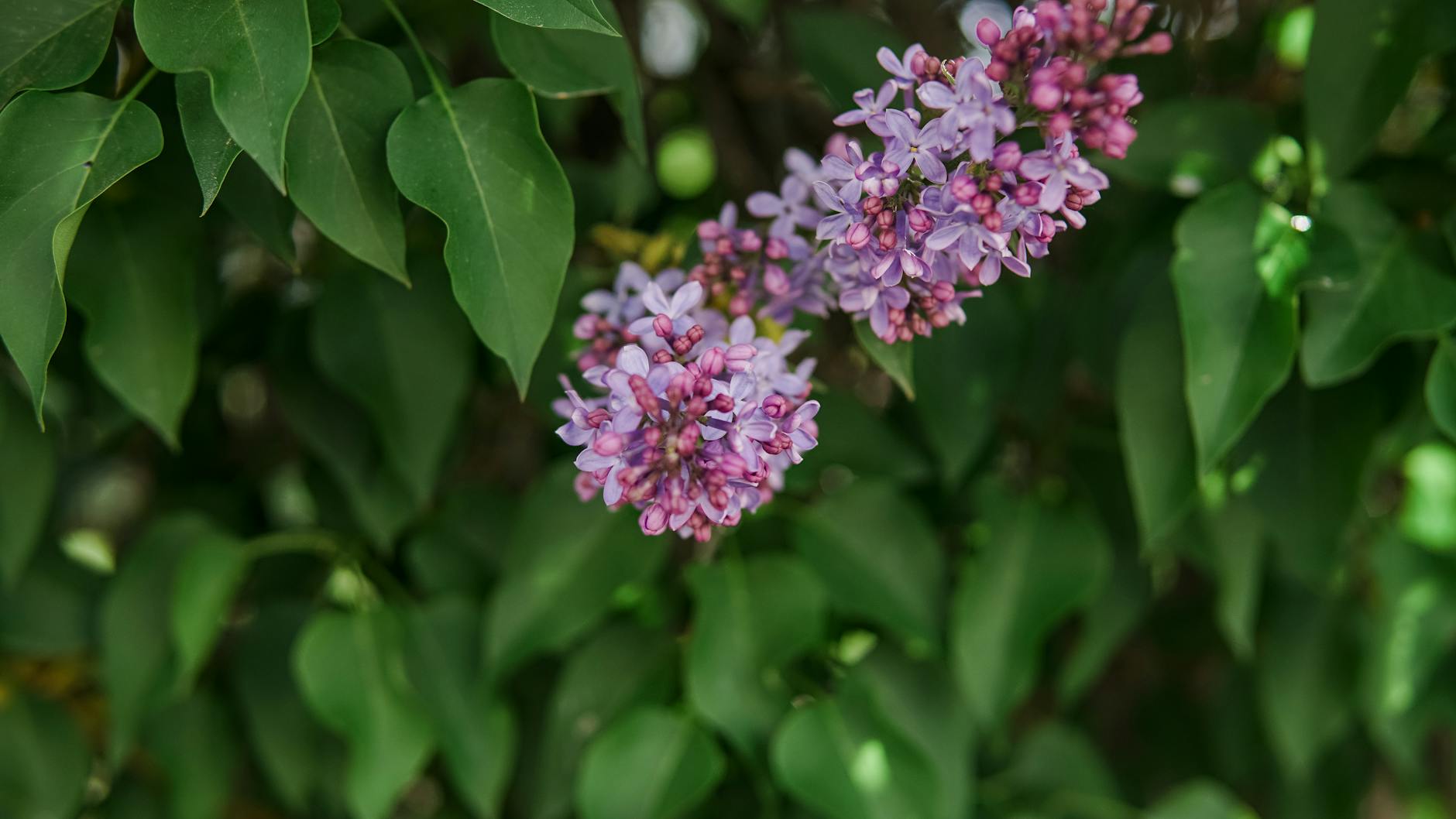
'Madame Lemoine' (Syringa vulgaris 'Madame Lemoine'): Another classic French hybrid, this one is renowned for its stunning, fragrant double white blooms. It offers a beautiful contrast to darker varieties and is equally robust and reliable in UK conditions. Similar size to 'Charles Joly'.
- Randy's Experience: "I don't have this one myself, but my neighbour a few streets over has a magnificent 'Madame Lemoine'. Every time I walk past in late May, the scent is just incredible, and those pure white blooms really glow. It's on my list for when I eventually expand my garden, or maybe I'll try a cutting!"
'Palibin' (Syringa meyeri 'Palibin'): If you've got a smaller garden, like my 800 sq ft plot, or want a lilac for a raised bed or container, 'Palibin' is a game-changer. It's a dwarf Meyer lilac, typically growing to only 1.5-2m tall and wide, with neat, rounded foliage and masses of fragrant, lavender-pink flowers. It's also quite resistant to powdery mildew, which is a big plus in our humid summers.
- Randy's Experience: "My 'Palibin' lives in one of my larger raised beds, and it's perfect for small spaces. It flowers a bit later than the common lilacs, often into early June, and the scent is spicy and sweet. It's also super easy to keep tidy, which is essential when you're packing a lot into a small garden like mine."

'Miss Kim' (Syringa pubescens subsp. patula 'Miss Kim'): Another fantastic compact variety, growing to about 2-2.5m. It offers reddish-purple buds that open to highly fragrant, pale lavender-blue flowers. It's known for its excellent mildew resistance and attractive autumn foliage colour.
- Randy's Experience: "I’ve seen 'Miss Kim' in a local garden centre and been very impressed. Its compact size and autumn colour make it a real multi-season performer, which is always a bonus in a small UK garden. If my 'Palibin' ever needs a companion, this would be it."
'Sensation' (Syringa vulgaris 'Sensation'): This unique variety boasts single purple flowers edged with white, creating a striking bicolour effect. It's a reliable bloomer and grows to a medium size (around 3m), offering a slightly different visual appeal while still delivering that classic lilac fragrance.
- Randy's Experience: "The bicolour flowers of 'Sensation' are just stunning. I saw a mature specimen at RHS Harlow Carr a few years back, and it really stood out. It’s on the larger side, but if you have the space and want something a bit different, it’s a fantastic choice for our climate."
Here's a comparison table to help you choose your perfect perfumed companion:
| Variety | Common Name | Mature Size (UK) | Flower Colour/Type | Fragrance Level | UK Suitability & Notes | Randy's UK Garden Take |
|---|---|---|---|---|---|---|
| 'Charles Joly' | Common Lilac | Large (3-4m H&W) | Deep Magenta-Purple, Double | Very Strong | Hardy, vigorous, classic lilac scent. Needs space. | "My favourite! Massive blooms, intoxicating scent. It's a big shrub, but worth every inch for the perfume it brings to my Midlands garden." |
| 'Madame Lemoine' | Common Lilac | Large (3-4m H&W) | Pure White, Double | Strong | Excellent contrast, robust and reliable. | "A classic white, my neighbour's is stunning. Perfect for a traditional cottage garden look, and it handles our British weather well." |
| 'Palibin' | Dwarf Meyer Lilac | Small (1.5-2m H&W) | Lavender-Pink, Single | Medium-Strong | Compact, great for small gardens/pots, good mildew resistance, later blooming. | "My go-to for my 800 sq ft garden. Fits perfectly in a raised bed, flowers a bit later, and stays neat. I've found it very tolerant of our UK climate, even with those summer downpours." |
| 'Miss Kim' | Dwarf Korean Lilac | Medium (2-2.5m H&W) | Pale Lavender-Blue, Single | Strong | Compact, excellent mildew resistance, attractive autumn foliage. | "A fantastic choice if you want something compact with multiple seasons of interest. I'm always looking for plants that earn their keep in my small garden." |
| 'Sensation' | Common Lilac | Medium-Large (3m H&W) | Purple with White Edge, Single | Strong | Unique bicolour flowers, reliable bloomer. | "Visually stunning and still wonderfully fragrant. If I had a bit more space, this would be high on my list for its distinctive look." |
Conclusion: Your Journey to a Fragrant UK Garden
Well, there you have it, fellow gardeners! My journey with lilacs here in my 800 sq ft Midlands garden has been one of pure joy, occasional head-scratching, and always, always a lesson learned. From the initial thrill of planting that first bare-root shrub to the intoxicating fragrance of a mature 'Charles Joly' filling the air on a warm May evening, lilacs truly are one of the unsung heroes of the British garden.
We've covered a fair bit, haven't we? From choosing the perfect sunny spot and getting your soil just right, to mastering the snip with smart pruning techniques. We've talked about feeding your plant, watering when needed, and how to spot and tackle those common pests and diseases organically – because for me, it's all about working with nature, not against it. And of course, finding the right variety that suits your space and brings you the most joy is half the battle won.
The biggest takeaway I've learned from my five years of intensive gardening here in the UK is patience and observation. Don't be disheartened if your lilac isn't performing yet; gardening is a journey, not a race. Our British weather can be fickle, and sometimes a plant just needs a season or two to settle in. Keep an eye on your plant, listen to what it's telling you, and most importantly, enjoy the process.
The reward – that incredible, nostalgic, and utterly beautiful fragrance – is more than worth the effort. There's nothing quite like stepping out into your UK garden in late spring and being enveloped by the sweet, heady scent of lilac.
I'd love to hear about your lilac experiences! What varieties thrive in your part of the UK? What challenges have you overcome? Share your tips and triumphs in the comments below. Happy gardening, and here's to many fragrant springs ahead!