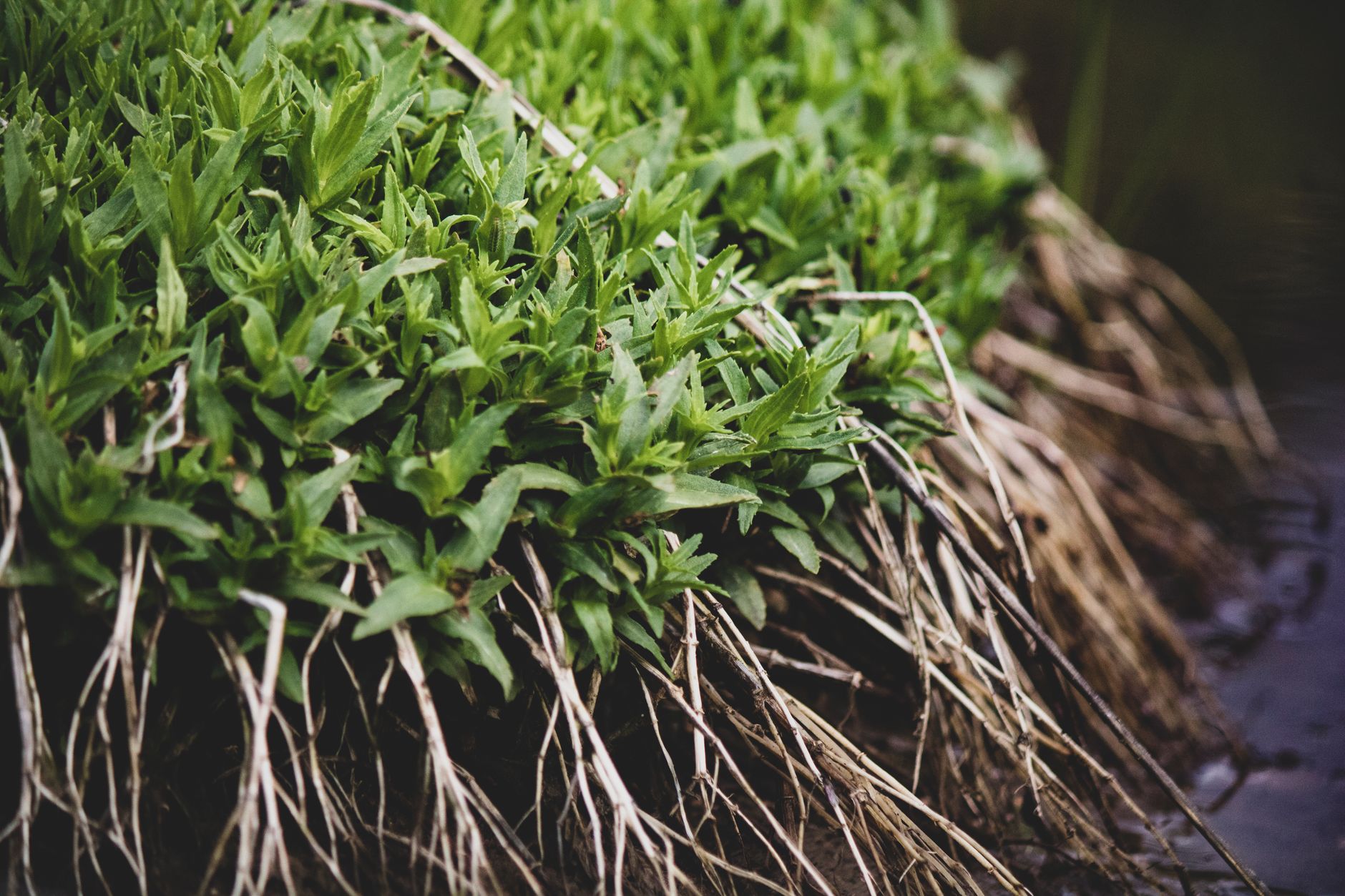
You know that feeling, don't you? You're admiring a beautiful, lush carpet of groundcover – maybe it's the fragrant creeping thyme I've got spilling over the edges of my raised beds, or the vibrant sedum offering nectar to the bees in my Midlands garden – and then, there it is. A thick, defiant taproot, pushing its way up, threatening to strangle everything delicate around it. It’s a familiar sight for any of us here in the UK, especially after a good spell of rain encourages everything, wanted or not, to just explode.
For me, gardening isn't just a hobby; it’s my whole world now. After years hunched over a keyboard in IT, I found my true calling digging my hands into the rich soil of my 800 sq ft backyard. Five years of intensive growing, experimenting with everything from 'Gardener's Delight' tomatoes in the greenhouse to the most obscure heirloom beans, has taught me a lot. And one of the biggest lessons I’ve learned, often the hard way, is that patience and precision are your best friends when battling those deep-rooted invaders without decimating your cherished spreading plants.
Weeding within delicate groundcovers isn't about brute force; it’s a surgical strike. It's a challenge I've faced countless times here in my UK garden, especially with our unpredictable British weather cycles that can make weeds either a persistent nuisance or an overnight invasion. I’m going to share the targeted, organic methods I’ve developed and refined over the seasons – the ones that actually work here in Britain – to help you extract those stubborn squatters without disturbing the beauty you've worked so hard to cultivate. We'll talk tools, techniques, and even how to identify your enemy, because knowing your weed is half the battle, trust me.
The Challenge of Weeding Delicate Groundcovers: A Gentle Approach
Let's be honest, trying to yank out a deeply rooted dock leaf from a tangle of Vinca minor can feel like trying to defuse a tiny, leafy bomb. One wrong move and you’ve ripped out a chunk of your groundcover, leaving an unsightly gap and a sense of defeat. I’ve been there more times than I care to admit. When I first started gardening, I was far too heavy-handed. I remember one early spring here in the Midlands, I was so eager to clear out some stubborn dandelions from a patch of Ajuga reptans that I ended up pulling out half the ajuga with them! It set the patch back weeks, and I learned a crucial lesson about the difference between weeding an open bed and working within a living tapestry.
The real headache comes from those perennial weeds with robust, often branching taproots or creeping rhizomes. These aren't your easily flicked-out annuals. We're talking about weeds that have established themselves, sometimes for years, sending their roots down deep to find moisture and nutrients, often intertwining with the delicate root systems of your groundcovers. In my 800 sq ft garden, especially in the raised beds where I’ve got things packed in tight, this is a constant battle. The soil here, a mix I've enriched over time, is perfect for growing vegetables, but it's also incredibly welcoming to weeds like bindweed, which seems to enjoy our damp British summers just as much as my heirloom tomatoes in the greenhouse.
What I've learned through trial and error – and a fair few gardening mishaps – is that a "gentle approach" isn't just a nice idea; it's absolutely essential. It means understanding the enemy, choosing the right moment, and using precision, not power. It’s about patience, something I, as a former IT worker used to instant results, had to cultivate as much as my crops! Our unpredictable UK weather plays a massive role too. Trying to pull a taprooted weed from dry, compacted soil will almost certainly damage your groundcover. But after a good downpour, when the soil is soft and yielding? That’s prime weeding time here in Britain. This targeted, organic approach minimises disturbance to the soil (which can bring up more weed seeds, as I found out one year after too much aggressive digging) and protects the fragile network of your groundcover plants.
Identifying Your Deep-Rooted Invaders: Common UK Weeds & Their Weaknesses
Before you even think about grabbing a tool, you need to know what you're up against. Just like with my 'Marmande' tomatoes, where understanding their growth habit dictates how I prune them, knowing your weed's root structure is key to its successful removal. Here in my Midlands garden, with its varied soil conditions from sandy edges to richer, more clay-like areas, I encounter a few persistent deep-rooted offenders regularly.
One of the most common, and perhaps most frustrating, is the dandelion (Taraxacum officinale). Everyone knows its cheerful yellow head, but beneath the surface lies a formidable taproot, sometimes reaching well over a foot deep in good soil. I've pulled dandelions from under my creeping thyme that had roots thicker than my thumb! Then there's dock (Rumex obtusifolius or Rumex crispus). Oh, dock. Here in our often damp British climate, they absolutely thrive. Their thick, fleshy taproots are notoriously difficult to remove completely, and any piece left behind can regenerate, a mistake I've made countless times when rushing.
Bindweed (Convolvulus arvensis) is another beast altogether. It's not just deep-rooted; it's rhizomatous, meaning its roots spread horizontally, sending up new shoots. It's a nightmare for my greenhouse tomatoes if I let it get a foothold, wrapping its tendrils around everything. And finally, plantain (Plantago major or Plantago lanceolata) – often overlooked, but with a surprisingly strong, fibrous root system that anchors it firmly, making it a pain to dislodge from dense groundcovers.
Understanding these weeds' weaknesses is crucial. Dandelions and docks rely on that single, deep taproot; sever it, and they're usually done for. Bindweed's weakness is its exhaustive nature – repeated removal of top growth will eventually starve the root system, though it takes serious persistence in our growing season. Plantain, while anchored, doesn't have the regenerative power of dock from small root fragments, so a good clean pull is usually enough.
Here’s a quick guide to some of the common deep-rooted UK weed invaders I battle in my garden and their specific vulnerabilities:
| Common UK Weed | Typical UK Growth Habit | Root System | Randy's Weakness/Targeted Tactic |
|---|---|---|---|
| Dandelion (Taraxacum officinale) | Low rosette, fast growing, loves disturbed soil, common across the UK. | Single, thick, deep taproot (can be over 30cm). | Target the taproot. Best pulled when soil is moist to extract entire root. |
| Broad-leaved Dock (Rumex obtusifolius) | Large, broad leaves in a basal rosette. Thrives in damp, rich soils, very common in the UK. | Fleshy, branched taproot, highly regenerative from fragments. | Must remove all root fragments. Best pulled after rain or with a deep root weeder. |
| Creeping Thistle (Cirsium arvense) | Tall, spiny stems, very aggressive spread. Common on neglected land and cultivated areas. | Extensive, deep, creeping rhizomes (up to 2m deep!). | Exhaustion is key. Repeatedly cut off at ground level to starve the root system over time. |
| Field Bindweed (Convolvulus arvensis) | Twining stems, small white/pink trumpet flowers. A nightmare for crops, found everywhere. | Deep, spreading rhizomes, highly regenerative. | Constant vigilance. Cut off every shoot as it appears to deplete root reserves. |
| Greater Plantain (Plantago major) | Flat, oval leaves in a rosette. Tolerates compaction, common in lawns and paths. | Strong, fibrous, shallow-to-medium root system. | Easier to pull than others. Best removed with a small hand fork when young and soil is damp. |
Essential Gentle Weeding Tools & Precision Hand-Weeding Techniques
Right, now you know your enemy, let's talk about the weaponry. You won't find me heading into a patch of delicate groundcover with a full-sized digging fork. That’s a recipe for disaster. What you need are precision tools, almost like a surgeon’s instruments, to get in there without causing collateral damage. Over the years, I've tried all sorts, and these are the ones that have earned their permanent spot in my UK gardening toolkit for these specific tasks.
My absolute go-to is a dandelion weeder or taproot weeder. It’s usually a slender tool with a forked tip, designed specifically to get down alongside a taproot. I've got one that’s got a bit of a curve to it, which helps you leverage against the soil. Another indispensable tool is a Japanese Hori-Hori knife. This is an incredibly versatile tool, but for weeding groundcovers, its narrow, sharp blade is perfect for cutting around a root or levering small weeds out. And honestly? My fingers and thumbs are probably my most used "tools" for the really delicate jobs. There's no substitute for the tactile feedback of feeling a root system give way.
I've also found a small, narrow-bladed hand fork (not a trowel!) invaluable for loosening soil around a weed without disturbing too much of the groundcover's roots. The key here is small – you're not trying to turn the soil, just gently ease it.

Now, for the techniques themselves. This is where the "gentle approach" really comes into its own:
Timing is Everything (Thanks, British Weather!): This is non-negotiable. Always, always weed after rain or after you've thoroughly watered the area. Here in the Midlands, we get enough wet weather that this isn't usually a problem. Dry, compacted soil will make roots cling on for dear life, and you'll inevitably break the root or pull up your groundcover. Moist soil makes extraction infinitely easier. I learned this the hard way trying to pull dock from dry clay one blisteringly hot August – the root just snapped, mocking me!
The "Wiggle and Loosen" Method: For dandelions, docks, and plantains in groundcovers, I start by gently pushing my dandelion weeder or the narrow blade of my Hori-Hori into the soil right next to the weed's stem, aiming to follow the line of the taproot. I then gently wiggle the tool back and forth, loosening the soil around the root. This isn't about digging a trench; it’s about creating a little pocket of loose soil.
Leverage and Extract: Once the soil is loosened, I use the tool to gently lever the weed upwards. The goal is to get the entire taproot out. If it's a dandelion, you'll feel a satisfying 'pop' as it comes free. For dock, it’s more about a steady, upward pull once the soil is loosened around it. If you meet resistance, don't just pull harder! Stop, wiggle the tool again, and try to loosen more soil. This patience prevents the root from snapping, which, as I mentioned, is crucial for dock.
The "Finger Feel" for Bindweed: For bindweed, with its creeping rhizomes, I often use my fingers. I gently push aside the groundcover foliage to expose the stem of the bindweed where it emerges from the soil. Then, I gently follow the stem down into the soil with my fingers, feeling for the rhizome. I pull upwards gently but firmly, trying to get as much of the horizontal root as possible. This often means pulling up a foot or two of root. It’s fiddly, and you won’t get it all, but consistent removal of the top growth is the only way to weaken this persistent invader in our UK climate.
Clean Up and Comfort: Once the weed is out, gently pat the soil back down around your groundcover. I often give the area a little drink of water to help the disturbed groundcover settle back in. It’s a bit like giving it a comforting pat after a minor surgery.
This systematic, gentle approach, combined with knowing your enemy and using the right tools, has genuinely transformed my weeding within delicate areas. It takes a little longer, yes, but the satisfaction of a weed-free groundcover, with every plant thriving, is absolutely worth it.
Advanced Manual Extraction: Root-Targeting Methods for Deeply Entrenched Weeds
Sometimes, a weed isn't just a weed; it's a deep-rooted invader, practically an anchor in your groundcover. This is where I've had to get really serious in my 800 sq ft Midlands garden. We're talking about those persistent taproots – dandelions, dock leaves, and even stubborn thistles that seem to laugh at a simple tug. My usual gentle approach needs a bit more oomph here, but still with precision.
For these deep-seated problems, I turn to a couple of specialised tools that have saved my groundcovers more times than I can count. First up is a good quality dandelion weeder. It’s got that long, slender, often forked end that lets you plunge deep next to the weed’s taproot. The trick I’ve learned is to push it in slowly, trying to get alongside the entire root, then gently lever the tool back. You're aiming to lift the root out whole, rather than just snapping off the top, which only encourages it to regrow stronger. I remember a particularly stubborn dock weed last spring, right in the middle of a dense patch of my Sedum spurium 'Dragon's Blood'. I spent a good five minutes carefully working the dandelion weeder around it, and the satisfaction of pulling out that long, white root intact was immense.
My hori hori knife also earns its stripes here. Its sharp, serrated edge is fantastic for cutting through tough roots if you can't lift them, and its pointed tip helps you dig down without disturbing too much of the surrounding groundcover. I’ve found it invaluable when dealing with perennial nettles that try to sneak into my Ajuga reptans patches. You have to be patient, work slowly, and constantly check that you're not damaging your desired plants. It's a bit like gardening surgery, really. What I've learned from these battles is that it's often better to spend a few extra minutes getting the root out properly the first time, especially with our UK weather. A snapped root in damp British soil just means a stronger weed next week!

Organic Spot Treatments: Natural Solutions for Stubborn Weeds in Tight Spaces
Even with the best manual extraction, some weeds are just too awkward to get to, or perhaps they're popping up where digging would do more harm than good. That's where organic spot treatments come into play for me. I'm strictly organic in my UK garden – no chemicals near my heirloom tomatoes or my herb beds! I've experimented with a few natural solutions, and while they're not a magic bullet, they can be incredibly effective when used correctly.
My absolute favourite, and probably the simplest, is boiling water. It's fantastic for annual weeds that sprout in paving cracks or right at the edge of a groundcover where a bit of heat won't hurt. I've used it successfully on those pesky annual weeds that pop up in my gravel paths, and even carefully around the very edges of my Vinca minor where a nettle decided to take root. You just pour it directly onto the weed, ensuring you don't splash your desirable plants. The heat instantly destroys the plant's cell structure. The downside? It's non-selective, so accuracy is key, and it can affect beneficial soil microbes if overused in the same spot.
Another method I've tried is horticultural vinegar (acetic acid). This is much stronger than your kitchen variety, usually around 20% acetic acid. It works by rapidly dehydrating the plant's tissues. I found it quite effective on young, broadleaf weeds and moss. However, I learned the hard way here in the Midlands that it absolutely needs dry weather to work properly. Last autumn, I tried it on some persistent moss in my path, and a sudden downpour washed it away before it could do its job. It's also non-selective and can temporarily lower soil pH, so I use it sparingly and away from the root zones of my groundcovers.
Here’s a quick comparison of the organic spot treatments I've used:
| Method | Pros (UK context) | Cons (UK context) | Best for (UK weeds/situations) | Randy's Rating (1-5) |
|---|---|---|---|---|
| Boiling Water | Quick, no residue, safe for edibles nearby, cheap | Non-selective, can damage beneficial soil life if overused | Annuals, small patches, gravel paths, edges of groundcover | 4 |
| Horticultural Vinegar | Biodegradable, effective on young broadleaf weeds, moss | Non-selective, needs dry weather, can lower soil pH long-term | Young weeds, moss, small patches, away from desirable plants | 3 |
| Salt (Extreme Caution) | Very effective, cheap, persistent | Highly persistent, toxic to soil, non-selective, long-term sterility | ONLY for paving cracks, areas you want sterile forever; I avoid it | 1 (Use with extreme caution) |
I've pretty much stopped using salt as a weed killer. While it works, I found it just too detrimental to the soil in the long run, and I'd rather keep my garden as healthy and alive as possible.
Prevention & Long-Term Groundcover Health: Minimising Future Weed Invasions
The best defence, as they say, is a good offence – and in gardening, that means healthy plants and proactive prevention. I've learned over my five years in this UK garden that preventing weeds from taking hold in the first place is far easier than battling them once they're established. It's all about creating an environment where your groundcovers thrive, and weeds struggle.
One of my biggest prevention tools is mulch. While it's easy to mulch raised beds, it's a bit trickier with groundcovers. What I do is apply a good layer of fine organic mulch – like homemade leaf mould or well-rotted compost – around newly planted groundcovers, leaving a small gap around the plant stems. As the groundcover spreads, it will eventually shade out the mulch, but that initial cover is critical. I've been making my own leaf mould for years, and it's brilliant for suppressing weeds and feeding the soil at the same time. The thickness of the mulch is important too; I aim for at least 2-3 inches to really stop those weed seeds from germinating.
Another crucial aspect is proper planting density. One mistake I made early on was planting my Sedum album too far apart, leaving small gaps. It looked neat initially, but those gaps were an open invitation for opportunistic weeds to sneak in. Now, I always plant groundcovers a little closer together than the recommended spacing, especially varieties I know will spread well. This way, they quickly knit together, forming a dense carpet that naturally shades out weed seeds. It's like a living weed mat!
Finally, focusing on overall soil health and targeted watering makes a massive difference. Healthy soil, rich in organic matter (which I constantly build up with my own compost), supports vigorous groundcover growth. Strong, healthy plants are much better at outcompeting weeds. And when it comes to watering, I try to water deeply and less frequently, directly at the base of my groundcovers, rather than light overhead sprinkling. This encourages deep root growth in my desirable plants and discourages shallow-rooted weeds from germinating on the surface, especially important during our often damp British summers.
Conclusion: Your Groundcover Guardianship Journey
Weeding within delicate groundcovers might seem like a daunting task, a true test of patience and precision for any UK gardener. But as I've found in my own 800 sq ft Midlands patch, it's entirely achievable with the right approach and a good dose of perseverance. We've talked about identifying your invaders, choosing the right gentle tools, mastering precision hand-weeding, and even tackling those deep-rooted troublemakers with advanced manual techniques. We've explored organic spot treatments for those truly awkward spots and, crucially, looked at how to prevent future invasions by building a healthy, thriving groundcover community.
Remember, gardening is a continuous learning curve. I've certainly made my share of mistakes – trying to pull a deep taproot too quickly and snapping it off, misjudging the weather for a vinegar spray, or leaving too much space between my young plants. But each challenge has taught me something valuable about what works here in Britain, in our unique climate and soil.
The key takeaways from my experience are patience, observation, and a commitment to organic methods. Take your time, get to know your weeds and your groundcovers, and don't be afraid to experiment a little. Your spreading plants are a beautiful feature in any UK garden, and with a bit of targeted care, you can keep them pristine and weed-free. So, grab your favourite weeding tool, put on the kettle for a well-deserved cuppa, and get out there. Happy weeding, fellow gardeners!