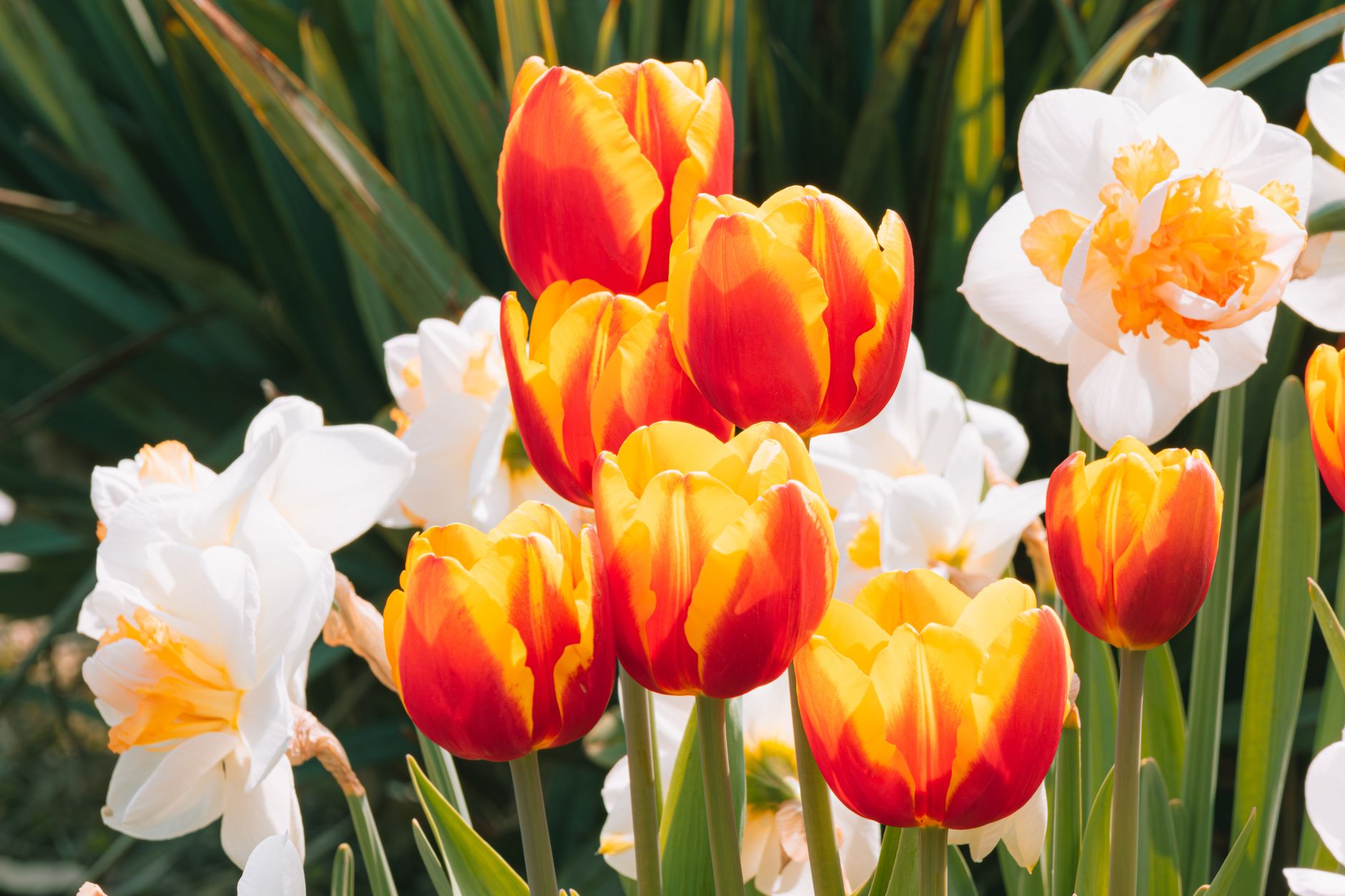
The Mystery of Failing Blooms: Why Your Daffodils and Tulips Are Not Opening
Oh, the sheer joy of spring! It’s that magical time of year when the garden starts to wake up, promising a riot of colour after the long, grey British winter. For me, here in my 800 sq ft Midlands garden, few things signal spring’s arrival more than the cheerful trumpets of daffodils and the elegant cups of tulips. I spend months anticipating them, planning exactly where my 'King Alfred' daffodils will burst forth, or how my 'Queen of Night' tulips will stand proudly against the fresh green.
But then, sometimes, it happens. That gut-wrenching moment when you notice those promising buds, full of potential, aren't quite right. They start to yellow, perhaps shrivel, or just sit there stubbornly, refusing to unfurl into the pristine blooms you’ve been dreaming of. It’s a mystery, a real head-scratcher, and frankly, a bit heartbreaking after all the effort and anticipation. I’ve been there more times than I care to admit, especially in my early gardening years when I was still transitioning from debugging code to diagnosing plant woes.
Over my five-plus years of intense gardening here in the UK, I’ve learned that a failing bloom isn't just bad luck; it's usually a clear signal that something isn't quite right in your garden's ecosystem. And as a fellow UK gardener, I know our climate can be a bit… dramatic, shall we say? From sudden late frosts to unexpected dry spells and then back to endless rain, our bulbs face a lot. I’m obsessed with understanding the 'why' behind these issues, not just the 'what', and I’ve experimented a lot in my own patch – sometimes successfully, sometimes with a good dose of failure!
In this article, I want to share my hard-won experience and practical advice, straight from my raised beds and greenhouse. We’ll dive into the common culprits behind those disappointing yellowing buds and discover how to diagnose and fix them, so you can achieve those pristine, picture-perfect spring blooms we all crave. Trust me, I’ve made many of these mistakes myself, and I’m eager to help you avoid them.
Weather Woes: Diagnosing Damage from Frost, Drought, or Excess Rain
If there's one thing I've learned from gardening here in the Midlands, it's that British weather loves to keep us on our toes. What might start as a mild, promising spring can quickly turn into a frost-laden nightmare, or a surprise dry spell, or even weeks of relentless downpour. Our beautiful daffodils and tulips, which are so resilient in many ways, are still vulnerable to these sudden shifts, especially when they're in that crucial bud-forming stage.
I remember one particularly cruel April a few years back. My 'Thalia' daffodils, which usually perform flawlessly, had beautiful, fat buds ready to burst. Then, a late-season frost hit us hard overnight. I woke up to find the tips of those promising buds shrivelled and brown, almost translucent in places. They tried to open, bless them, but they were distorted and lifeless. It was a clear case of frost damage, a harsh lesson learned about protecting early bloomers, even in late spring. Now, if a late frost is forecast after the buds have appeared, I'll often throw a bit of horticultural fleece over them in the evening, especially for my more exposed beds.
On the flip side, we can get surprisingly dry springs here in the UK. One year, I'd just planted a new batch of 'Apeldoorn Elite' tulips in a bed that wasn't quite established, and we had almost no rain for three weeks in April. Despite our usually damp climate, those new bulbs simply didn't have enough moisture to push out strong blooms. The buds were stunted, crispy to the touch, and some just dried up completely before opening. I now make sure to give new plantings a good, deep soak if we hit a dry patch, and I've found a thick layer of compost mulch really helps retain moisture in my raised beds.
And then there's the rain. Oh, the rain! While our bulbs generally love a good drink, too much of a good thing can be disastrous, especially if your soil drainage isn't up to scratch. I learned this the hard way with some ground-planted tulips in a lower part of my garden before I converted everything to raised beds. After a particularly wet March and April, the buds looked pale, the leaves were yellowing from the base, and when I investigated, the bulbs themselves were starting to feel mushy. It was classic waterlogging, leading to rot. This is precisely why I'm such a proponent of raised beds now; they offer vastly improved drainage, which is a lifesaver for our bulbs in a typical British spring.
Here's a quick comparison of how these weather woes manifest in my UK garden:
| Weather Issue | Symptoms on Daffodil/Tulip Buds & Leaves | Randy's UK Garden Observation | Randy's Fix/Prevention (UK-specific) |
|---|---|---|---|
| Late Frost | Buds shrivelled, brown/black tips, distorted, or fail to open. Leaves may have white/brown patches. | 'Thalia' daffodils often suffer if exposed. Damage usually visible on outer parts of the bud. | Cover with horticultural fleece or an upturned pot overnight if frost is forecast after buds appear. |
| Spring Drought | Buds stunted, dry, crispy, may turn brown and fail to open. Leaves can yellow from tips, look wilted. | New tulip plantings ('Apeldoorn Elite') in dry April can struggle. Soil feels bone dry. | Deeply water during prolonged dry spells. Apply a generous mulch of compost to retain soil moisture. |
| Excess Rain | Buds pale, soft, may rot before opening. Leaves yellow from the base, plant looks generally weak. | Ground-planted tulips in heavy soil before raised beds suffered. Soil is waterlogged, mushy. | Ensure excellent drainage (raised beds work wonders!). Amend heavy clay soil with grit and compost. |
Hungry or Thirsty? Addressing Soil pH and Nutrient Deficiencies
Just like a complex computer system needs the right power and data, your daffodils and tulips need the right balance of nutrients and soil conditions to perform optimally. When I first started, fresh out of IT, I thought planting a bulb was a 'set it and forget it' kind of deal. Oh, how wrong I was! My initial crops were often lacklustre, and I couldn't understand why. It wasn't until I started treating my soil as the living, breathing foundation of my garden, rather than just dirt, that things really began to click.
Soil pH is a big one. It dictates how available nutrients are to your plants. Daffodils generally prefer slightly acidic to neutral soil (pH 6.0-7.0), while tulips are a bit more flexible, preferring neutral to slightly alkaline (pH 6.5-7.5). I test my soil regularly using a simple pH meter; it’s a quick job and gives me so much insight. If your pH is way off, even if the nutrients are present, the plants simply can't absorb them. My soil here in the Midlands tends to be slightly on the alkaline side, which can sometimes make phosphorus less available for my acid-loving plants, so I'm always mindful of that.
Then we come to nutrient deficiencies, which are often the hidden culprits behind those failing buds. After a few years, I realised my early daffodils ('Dutch Master') were getting yellow leaves prematurely, and the blooms weren't as robust as they should be. It turned out I wasn't feeding them properly. Bulbs use up a lot of energy to produce those spectacular flowers, and if the soil is depleted, they simply don't have the reserves. I've learned that feeding them after flowering is just as crucial as before, to help them build up reserves for the next year.
Here’s a breakdown of common deficiencies I've encountered and how I tackle them in my UK garden:
| Nutrient Deficiency | Symptoms on Daffodil/Tulip Buds & Leaves | Randy's UK Garden Observation | Randy's Solution (UK-specific) |
|---|---|---|---|
| Nitrogen (N) | General yellowing of older leaves first. Stunted growth, weak stems. Buds may be small or fail to develop fully. | Early daffodil leaves yellowing prematurely, especially after flowering. General lack of vigour. | Apply a balanced granular fertiliser or a top-dressing of well-rotted compost/leaf mould in spring. |
| Phosphorus (P) | Stunted growth, purplish tinge to leaves (especially in colder weather). Poor root development, few or no flowers. | My 'Ballerina' tulips sometimes struggled to produce strong flowering stems in early years. | Incorporate bone meal or a phosphorus-rich fertiliser into the planting hole or top-dress in autumn. |
| Potassium (K) | Weak stems prone to lodging, poor bud formation, dull flower colour. Leaves may yellow at margins. | Some of my 'Queen of Night' tulips had weak stems and smaller blooms than expected. | Use a high-potassium fertiliser (e.g., tomato feed, comfrey tea) or wood ash sparingly. |
| Water Stress | Wilting, crispy leaves, stunted growth, buds shrivel or fail to open. | Even in the UK, a dry spring can affect newly planted bulbs or those in exposed areas. | Ensure consistent deep watering, especially during dry spells. Mulch heavily to conserve moisture. |

Unwanted Guests: Identifying and Treating Common Pests and Fungal Diseases
Even with perfect weather and a perfectly balanced soil, our beautiful spring bulbs aren't immune to attacks from pests and diseases. It's an inevitable part of gardening, especially here in the UK where damp conditions can be a breeding ground for fungal issues. I’ve had my share of battles, from tiny aphids to devastating blights, and I’ve learned that early detection and swift action are key to saving your precious blooms.
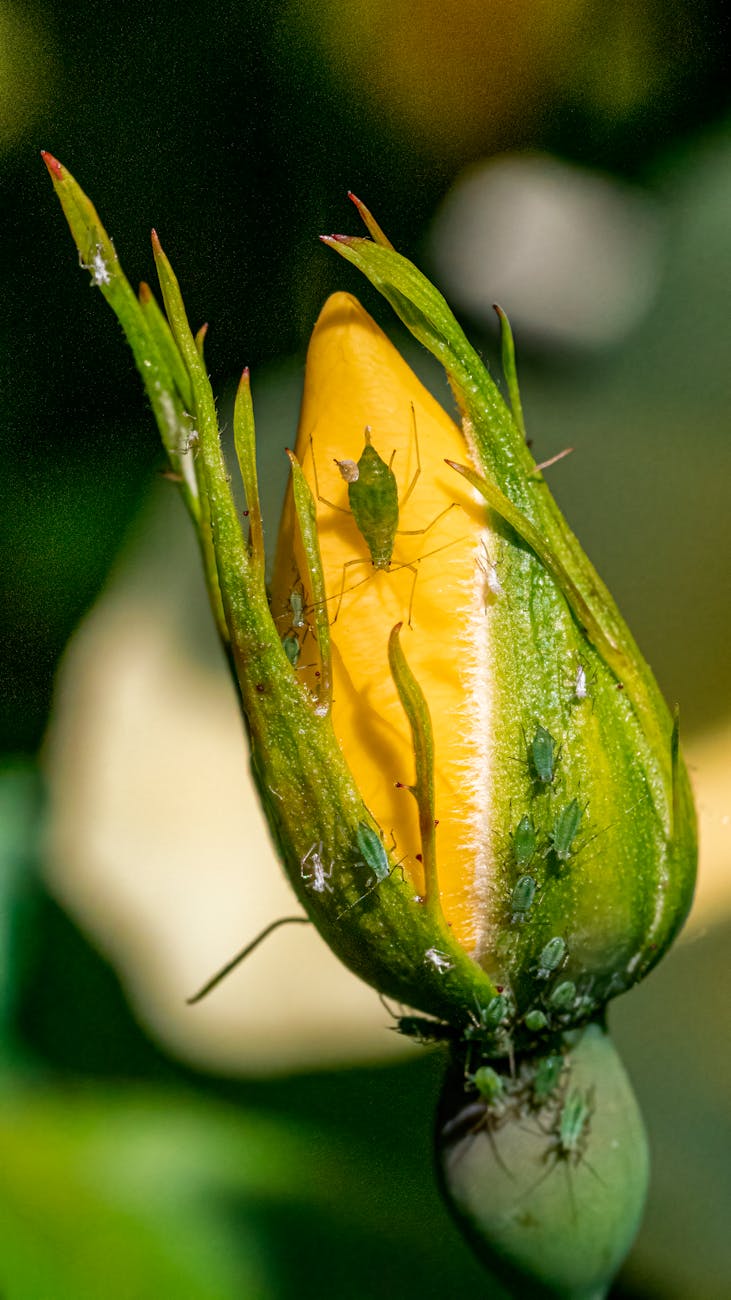
My 'Ballerina' tulips, with their delicate salmon-pink petals, are unfortunately a magnet for aphids some years. I’ll notice them clustered on the developing buds and young stems, literally sucking the life out of them. The buds become sticky, distorted, and often fail to open properly. My first line of defence is always a good squish, but if it’s a bigger infestation, I’ll mix up a weak solution of washing-up liquid and water and spray them – it smothers the little blighters. I also actively encourage ladybirds in my garden; they’re absolute pest control heroes!
Slugs and snails, the bane of many a British gardener's existence, can also play a role, though they tend to go for the leaves rather than directly attacking the buds of established bulbs. They can weaken the plant, however, indirectly affecting its ability to produce strong blooms. My beer traps are always out in spring, and I've even had some success with copper tape around my raised beds to deter them from climbing up.
A more serious, though thankfully less common, pest for daffodils is the Narcissus Bulb Fly. This one can cause complete bulb failure. You might notice yellowing and stunted growth above ground, but the real damage is inside the bulb, which becomes soft and rotten. Prevention is key here: always inspect bulbs before planting, ensure good garden hygiene, and avoid planting in areas where you've had issues before.
Fungal diseases are a different beast, often exacerbated by our wet UK springs. 'Tulip Fire' (Botrytis blight) is one I've battled with. It devastated a beautiful patch of my 'Queen of Night' tulips one year after a prolonged wet spell. You'll see small, brown spots on the leaves, stems, and even the buds, which can then rapidly develop into a fuzzy grey mould. The buds become distorted and fail to open. It was a proper nightmare! I learned the hard way that good air circulation is vital, so I make sure to give my tulips enough space. Promptly removing and destroying affected plant material is crucial to prevent it from spreading, and I now opt for more resistant varieties where possible.
Another fungal foe is Basal Rot (Fusarium), which often stems from poor drainage or damaged bulbs. This manifests as yellowing, stunted growth, and a soft rot at the base of the bulb. My early attempts at planting tulips directly into my unamended, heavy clay soil often led to this problem. It’s another reason why I now swear by improving drainage with grit and compost, especially in my raised beds.
Foundation Faults: Are You Planting Your Bulbs Correctly?
Right then, we've talked about weather, soil, and the unwelcome visitors, but sometimes the problem starts right at the very beginning, before those bulbs even have a chance to dream of spring. I've learned this the hard way more times than I care to admit! When I first started gardening five years ago here in the UK, I was so excited to get those bulbs in the ground, I probably just chucked them in willy-nilly and hoped for the best. Big mistake! Proper planting is absolutely critical for healthy daffodil and tulip blooms.
It's not just about getting them into the soil; it's about depth, spacing, orientation, and even the type of soil you're putting them into. Here in my 800 sq ft Midlands garden, I've got a mix of heavy clay (which I've worked tirelessly to amend) and some lighter, loamy spots in my raised beds. This means I've had to adapt my approach depending on where I'm planting. For instance, in my heavier clay areas, I tend to plant slightly shallower than recommended to prevent waterlogging, ensuring I've got a good layer of grit beneath them for drainage.
One common mistake I used to make, especially with daffodils like 'King Alfred' and 'Tête-à-Tête', was planting them too shallow. The result? Weak stems, smaller blooms, and sometimes, those buds just didn't have the energy to push through properly. Too deep, and they might spend all their energy just trying to reach the surface, leading to delayed or completely aborted flowering. Tulips, especially the taller varieties like 'Darwin Hybrid Apeldoorn', are particularly fussy about depth – they need that consistent cool to develop properly.
Here’s a quick comparison of what I've found works best for planting these spring beauties in my UK garden:
| Feature | Daffodils (Narcissus) | Tulips (Tulipa) | Randy's UK Garden Notes |
|---|---|---|---|
| --- | --- | --- | --- |
| Planting Period | Late Summer to Early Autumn (August-October) | Mid-Autumn (September-November) | In the Midlands, I often push this to early November for tulips, especially if it's warm. |
| Bulb Depth | Roughly 2-3x the bulb's height | Roughly 2-3x the bulb's height (deeper is often better) | For tulips, I aim for at least 8 inches in lighter soil. Daffodils are happier slightly shallower. |