
Alright, let's be honest, there's nothing quite like the sight of a vibrant, healthy evergreen shrub or conifer standing proud in your garden, especially when everything else is looking a bit bare here in the UK. They’re the backbone of our winter landscapes, providing that much-needed splash of green – or blue, or gold – when the weather turns truly grim. I’ve spent countless hours out in my 800 sq ft Midlands garden, from my raised beds bursting with veg to the edges lined with various hardy evergreens, and I’ve certainly had my share of head-scratching moments.
One of the most disheartening things, and a problem I’ve wrestled with more than once, is when those reliable evergreens start to lose their usual vibrant colour and take on a tired, rusty, or bronze hue. It’s a common sight across British gardens, and when it happens, it usually means your plant is trying to tell you something pretty important. From my five years of intensive gardening, moving from a bewildered IT worker to someone obsessed with soil and growth, I've learned that diagnosing the "why" is half the battle. This isn’t just about making your garden look pretty; it's about understanding the health of your plants and giving them what they need to thrive year-round, especially with our unpredictable British weather.
Why Your Evergreens Are Losing Their Luster: Understanding Bronze Discoloration
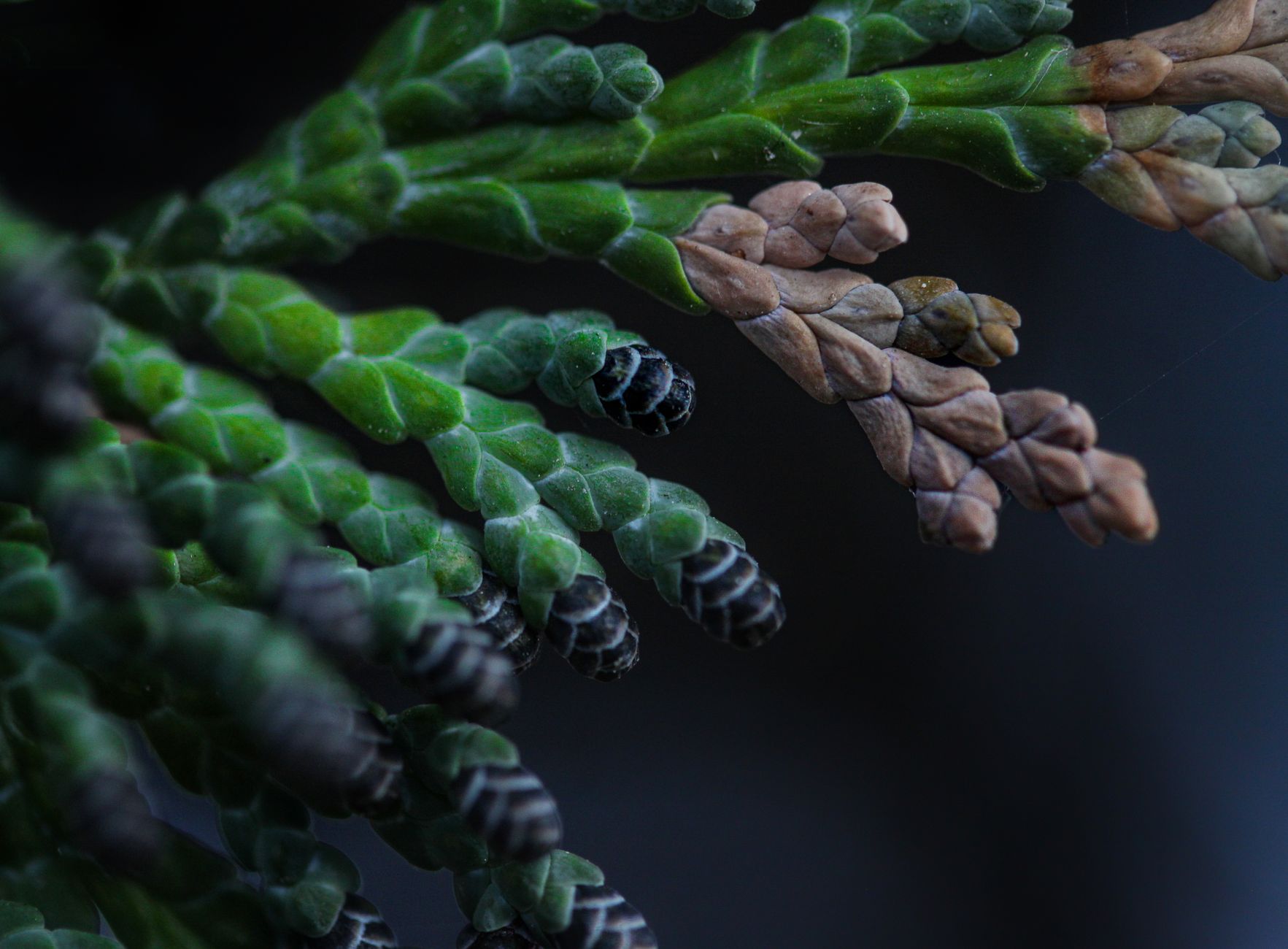
Seeing your usually dependable evergreen shrubs and conifers take on a bronze, reddish, or even purplish tint can be quite alarming. When I first started out, I immediately assumed the worst – disease, or that I'd somehow killed it! But what I've learned from experience here in my UK garden is that this bronzing is often a stress response, a plant's way of putting up a distress signal. It’s rarely a sign of imminent death, but it definitely needs your attention.
The truth is, there isn't just one culprit behind this colour change. Our UK climate, with its damp winters, occasional harsh frosts, and sometimes surprisingly dry spells, can throw a lot at our plants. From my own trials and tribulations, I've found that this bronzing can stem from a few key issues: environmental stress like cold and wind (often called winter burn), nutrient imbalances in the soil (something I’ve become quite obsessed with for my heirloom tomatoes!), or problems lurking unseen beneath the soil with the roots. Getting to the bottom of it means playing a bit of a plant detective, observing patterns, and understanding what each potential cause looks like. Let's dig in and figure out what your evergreens are trying to tell you.
Is It Winter Burn? Spotting Cold Stress on Your Evergreen Shrubs
Here in the Midlands, we certainly get our fair share of proper winters. And one of the most common reasons I’ve seen my evergreens, particularly my smaller conifers and some of the more exposed rhododendrons, turn bronze is what we call "winter burn." It sounds dramatic, and it can certainly look it, but it's essentially a form of desiccation – dehydration – that happens during the colder months.
How does it happen? Well, imagine a frosty, windy day here in Britain. The ground is frozen solid, meaning your plant's roots can't take up any water. At the same time, the cold, dry wind is whipping moisture out of the needles or leaves of your evergreen. The plant is trying to transpire (lose water vapour), but it can't replenish that water from the frozen soil. The result? The plant's foliage dries out, leading to that tell-tale browning, reddening, or bronzing. Often, you'll see it more pronounced on the side of the plant most exposed to the prevailing winds and winter sun. I've had a small Chamaecyparis lawsoniana 'Elwoodii' near my front gate that suffered badly from this one particularly bitter winter, with the whole western side turning a dull orange-brown. It was a stark lesson in site protection!
Spotting winter burn usually involves looking for discoloured tips or entire sections of foliage, especially on the exposed outer parts of the plant. The interior foliage often remains green. To help prevent it, I've learned a few tricks that work well in our climate. Ensuring your evergreens are well-watered before a hard freeze hits is crucial – a good soak in late autumn can make a real difference. For more vulnerable plants, a thick layer of mulch around the base helps insulate the soil and retain moisture. And for those really exposed specimens, I've even resorted to temporary windbreaks using hessian or netting during the harshest spells, particularly for my younger, more tender evergreens. What works here in Britain often means a bit of proactive protection against the elements.

Beyond the Cold: Identifying Nutrient Deficiencies in Evergreens
Now, while winter burn is a common culprit, it's certainly not the only reason your evergreens might be looking a bit off-colour. Sometimes, the problem lies not with the weather above ground, but with the nutrients (or lack thereof) in the soil below. This is where my "former IT worker turned plant geek" brain really kicks in – it’s all about diagnostics! Evergreens, like all plants, need a balanced diet of macro and micronutrients to maintain their vibrant colour and healthy growth.
In my UK garden, especially with the varied soil types we have here – from heavy clay to sandier patches – I've encountered different deficiencies. For instance, I once had a beautiful Skimmia japonica 'Rubella' that just wasn't looking its usual self, with its leaves turning a dull, yellowish bronze. After a bit of head-scratching and a quick soil test (a tool I now swear by!), I realised it was struggling with a magnesium deficiency. It's a common issue in sandy soils or areas with heavy rainfall that leaches nutrients away. A simple drench of Epsom salts sorted it right out, and within weeks, it was back to its glossy best.
It's all about observing the specific pattern of discolouration. Is it the older leaves, or the new growth? Is it uniform, or blotchy? This helps narrow down the missing element. Here's a quick guide to some common nutrient deficiencies that can cause bronzing or discolouration in evergreens, along with what I've found to work in my UK garden:
| Nutrient | Symptoms (bronzing/discoloration) | Common Causes in UK Soil | Randy's UK Garden Tip |
|---|---|---|---|
| Nitrogen | Overall pale green to yellow, older leaves may bronze or redden. Stunted growth. | Leaching in sandy soils, compacted soil, heavy rain, insufficient organic matter. | Apply a balanced evergreen fertiliser in spring, or top-dress with well-rotted compost. My Leylandii hedge loves a good feed! |
| Phosphorus | Dark green foliage with purplish or reddish tints, especially on undersides of older leaves. Stunted growth. | Cold, wet soils, low pH, heavy clay soils can bind phosphorus. | Incorporate bone meal or a high-phosphorus fertiliser, especially when planting. Improve drainage. |
| Potassium | Yellowing or browning along leaf margins (edges), starting on older leaves. Overall weak growth. | Sandy soils, heavy rainfall, high magnesium levels can antagonise. | Use a fertiliser with higher potassium (the 'K' in NPK). Wood ash (in moderation) can also boost potassium. |
| Magnesium | Interveinal chlorosis (yellowing between green veins) on older leaves, sometimes developing purplish or bronze tints. | Sandy, acidic soils, heavy rainfall, high potassium levels. | Epsom salts (magnesium sulphate) drench around the root zone, especially for rhododendrons or hebes, works wonders. |
| Iron | Interveinal chlorosis on new leaves (yellowing between green veins), sometimes leading to overall pale or whitish foliage. | Alkaline (high pH) soils, waterlogging, compacted soil. | Use an iron chelate soil drench or foliar spray. Adding ericaceous compost for acid-loving plants in alkaline soil. |
Remember, while this table is a great starting point, the absolute best way to diagnose a nutrient deficiency is to get a soil test done. Local garden centres or agricultural services often offer this, and it provides a precise snapshot of what your particular UK soil is lacking. It takes the guesswork out of it, which I really appreciate after years of trial and error!
Trouble Below Ground: Diagnosing Root Issues, Waterlogging, and Drought
We often spend so much time looking at what's happening above ground – the leaves, the stems, the flowers. But for any plant, particularly our hardy evergreens, the real engine room is below the surface: the roots. If the roots aren't happy, then the rest of the plant simply can't thrive, and this can absolutely manifest as bronzing or general decline. I learned this the hard way with a gorgeous little Pieris japonica 'Forest Flame' in a spot that turned out to be far too prone to waterlogging in my garden.
Here in the UK, with our often wet climate and sometimes heavy clay soils (especially common around the Midlands where I am), waterlogging is a silent killer for many plants. Roots need oxygen to function, and if they're constantly sitting in waterlogged soil, they effectively drown. This leads to root rot, where the roots die back and can no longer take up water and nutrients efficiently. The symptoms above ground can often mimic drought – wilting, yellowing, and then that familiar bronzing, because the plant simply can't hydrate itself, even if there's plenty of water around. My Pieris eventually showed classic signs of root rot: its vibrant new growth started to droop and then turn a rusty brown, even though the soil felt damp. When I finally dug it up, the roots were dark, mushy, and smelt foul – a clear sign of trouble.
On the flip side, even in the UK, drought stress can be a problem, particularly for evergreens in containers or newly planted specimens during a dry spell. Our summers, while not always baking, can have periods of low rainfall, and established plants can still suffer if they're not getting enough moisture. Again, the plant can't take up enough water, leading to desiccation and bronzing, often starting from the tips of the leaves or needles. I've found that even my established hedging will show signs of stress if we have a prolonged dry spell, with the outer foliage beginning to dull and bronze.
To check for root issues, sometimes you need to get your hands dirty. Gently dig around the base of the plant, or if it's in a pot, carefully slide it out. Healthy roots should be firm, pale, and spread out. Mushy, dark, or brittle roots are a red flag. For waterlogging, the solution is usually improving drainage. This might mean incorporating lots of grit and organic matter into heavy clay soil, planting in raised beds, or even choosing plants more tolerant of damp conditions. For drought, it's about consistent, deep watering, especially during dry periods, and a good layer of mulch to conserve soil moisture. What works here in Britain often means a bit of a battle with too much, or too little, water!

Quick Checks: Distinguishing Bronze from Pest & Disease Damage
Right, so we've talked about the main culprits for bronzing – cold, nutrient issues, and root problems. But before you go out there with a bag of chelated iron or a frost fleece, it's absolutely crucial to do one final check: is it actually a pest or disease? I've definitely been caught out here in my Midlands garden, thinking my 'Little Gem' conifers were just getting a bit of winter chill, only to find a sneaky infestation hiding when I got up close. Sometimes the symptoms can look surprisingly similar, especially from a distance.
It's all about playing detective, getting right in there, and examining the plant carefully. Are there tiny critters? Sticky residue? Unusual spots or growths? These are the giveaways that tell you it's not just a case of cold feet or an empty tummy for your evergreen.
Here’s a quick comparison table I’ve put together from my own experience, to help you distinguish between bronzing caused by environmental factors and something more sinister:
| Symptom Category | Key Indicators for Cold/Nutrient/Root Bronzing | Key Indicators for Pest/Disease Damage |
|---|---|---|
| Overall Colour | Uniform bronzing/browning, often starting at tips or edges; can be widespread. | Patchy, irregular discolouration; specific spots, lesions, or wilting. |
| Leaf/Needle Texture | Dry, brittle, sometimes crisp (cold/drought); otherwise feels normal. | Chewed edges, holes, sticky residue (honeydew), powdery coating (mildew), distorted growth, webbing. |
| Pattern of Damage | Often affects exposed sides, upper canopy (wind/sun), or entire plant (root issues, severe cold). | Concentrated on specific branches, undersides of leaves, or new growth; can spread slowly. |
| Presence of Organisms | None visible to the naked eye (unless secondary issues). | Visible pests (aphids, scale, mites), eggs, cocoons, fungal spots, mould, galls. |
| Time of Year | Typically late autumn, winter, early spring (cold); any time (nutrient/root). | Can occur year-round, but often worse in warmer, humid conditions (pests/fungi). |
| New Growth | New growth may emerge green if underlying issue resolved; old growth remains bronzed. | New growth often distorted, stunted, or discoloured from the start. |
| Root Examination | Roots may show signs of rot, dryness, or girdling (if dug up). | Roots generally appear healthy unless a soil-borne disease is present. |
One particular pest I’ve battled here in the UK Midlands that mimics bronzing is scale insect. They love to hide on the undersides of leaves or along stems, especially on things like Bay trees or Euonymus. From a distance, the plant just looks a bit dull and off-colour. Get up close, though, and you’ll see these tiny, dome-shaped bumps. And if you notice a sticky residue on leaves below, that’s their tell-tale honeydew, often leading to sooty mould. So, always get up close and personal with your plants – it’s the best way to catch these things early!
Bringing Back the Green: Practical Solutions for Healthy Evergreens
Right, so you’ve played detective, you’ve figured out what’s causing the bronze hue in your evergreens. Now for the satisfying bit: getting them back to their glorious green! I’ve tried countless methods over my five years in this gardening game, and I’ve certainly had my share of failures (especially when our British weather decides to throw a curveball), but here's what I've found consistently works here in the UK.
Tackling Cold Stress & Winter Burn
- Protection is Key: For vulnerable evergreens like some Camellias or young conifers, especially those in exposed spots in my 800 sq ft garden, I use burlap or horticultural fleece during harsh spells. I drape it over, creating a little tent, but ensuring there's still some airflow. I’ve found this works wonders for my smaller Skimmia 'Rubella' which used to suffer on the north-facing side of my house.
- Consistent Winter Watering: This is a big one that many UK gardeners (including myself in my early days) forget. On mild, dry winter days, when the ground isn't frozen, give your evergreens a good drink. The wind and sun can still dry them out, even when it’s cold. I aim for once every 2-3 weeks if we haven't had rain.
- Strategic Pruning: Don't rush to prune off bronzed foliage immediately. Wait until late spring (April/May here in the Midlands), after the risk of hard frosts has passed and you can clearly see what's dead and what's just damaged. Only remove the truly dead or severely discoloured parts. I once pruned my Choisya 'Sundance' too early after a cold snap, and it just made it more vulnerable to a later frost. Lesson learned!
Fixing Nutrient Deficiencies
- Soil Testing: This is the absolute first step if you suspect a deficiency, especially if you're battling persistent yellowing or bronzing despite good care. You can get DIY kits, or send a sample off to a lab for a more comprehensive analysis. Knowing your soil's pH and nutrient levels is a game-changer. My soil here in the Midlands tends to be on the heavier, slightly alkaline side, which often means my acid-loving plants struggle for iron.
- Targeted Feeding:
- For Iron Chlorosis (Yellowing with green veins): This is common in alkaline UK soils for plants like Rhododendrons, Azaleas, and Skimmias. I swear by a good chelated iron feed. It's readily available and works much faster than just adding general fertiliser. I usually apply it in early spring as new growth starts.
- For General Deficiencies (e.g., Nitrogen, Magnesium): Use a balanced evergreen fertiliser in spring, following the product's instructions carefully. Granular slow-release feeds are great for consistent nutrient delivery. For magnesium, Epsom salts can be a quick fix for yellowing older leaves, but a balanced feed is usually better long-term.
- Organic Matter: Don't underestimate the power of compost! Incorporating well-rotted compost around the base of your evergreens every year improves soil structure, slowly releases nutrients, and encourages a healthy soil microbiome. It's a fundamental practice in my raised beds and for all my shrubs.
Resolving Root Issues (Waterlogging & Drought)
- Improving Drainage: If waterlogging is the issue (common in heavy UK clay soils like mine), the long-term solution is to improve drainage.
- Raised Beds: For smaller shrubs, planting in a raised bed is a fantastic option. My raised beds have completely transformed my vegetable growing, but they're equally brilliant for shrubs that hate wet feet.
- Organic Matter: Digging in plenty of grit and well-rotted organic matter (compost, leaf mould) when planting or around existing plants can significantly improve drainage over time.
- Smart Watering:
- Drought: During dry spells (and we get them, even in Britain!), water deeply and infrequently. This encourages roots to grow deeper, making the plant more resilient. A good soak once a week is better than a daily sprinkle.
- Mulching: This is my secret weapon against both drought and temperature fluctuations. A thick layer (5-10cm) of organic mulch (wood chips, bark) around the base of your evergreens helps retain soil moisture, keeps soil temperatures more stable, and suppresses weeds. I mulch everything in my garden, from my prize-winning heirloom tomatoes in the greenhouse to my hardy Laurels.
- Replanting/Relocating: If a plant is truly struggling with its location – constant waterlogging, or baked dry by intense sun – sometimes the kindest thing to do is move it. Choose a spot that suits its needs better. I've had to do this with a couple of hebes that just weren't happy in a particularly exposed, wet corner.
Year-Round Vibrancy: A Summary for Thriving Evergreen Shrubs
So there you have it, fellow gardeners! We've journeyed through the mysteries of bronzing evergreens, from the biting cold of our British winters to the hidden struggles beneath the soil. It can feel a bit overwhelming, trying to diagnose the problem, but my five-plus years of intense gardening here in the UK have taught me that it all boils down to observation, understanding, and a bit of hands-on TLC.
The key takeaway? Your evergreens are telling you something. Whether it’s the chilling kiss of winter burn, a grumbling tummy from a nutrient deficiency, or a silent scream from struggling roots, they’re sending signals. Our job, as their guardians, is to listen carefully.
Remember these core principles for keeping your evergreens looking their best, year-round, here in our wonderfully unpredictable UK climate:
- Plant Smart: Choose the right evergreen for the right place, considering its specific needs for sun, soil, and moisture. This is probably the most crucial step, and one I learned the hard way with a few ill-placed choices in my early gardening days!
- Water Wisely: Provide consistent moisture, especially during dry spells in summer and mild, dry periods in winter. Don't let them get parched, but never let them sit in soggy conditions either. Good drainage is non-negotiable.
- Feed Thoughtfully: Address specific nutrient needs based on soil tests or observed symptoms. Don't just blindly feed; understand what your plant is missing.
- Protect Proactively: Shield vulnerable plants from harsh winter winds and sun scald, particularly in exposed gardens like mine in the Midlands. A bit of fleece now can save a lot of heartache later.
- Observe Constantly: Get out there, inspect your plants regularly. Early detection of any issue – be it cold stress, a deficiency, or a sneaky pest – is your best defence.
Gardening is a journey of continuous learning, and our evergreens are fantastic teachers. Don't be disheartened if you've got a bronzed beauty in your garden right now. With a bit of detective work and the right solutions, you can bring them back to life and enjoy their vibrant colour through every season. I hope my experiences from my 800 sq ft UK garden help you cultivate a garden full of healthy, thriving evergreens. Happy gardening!