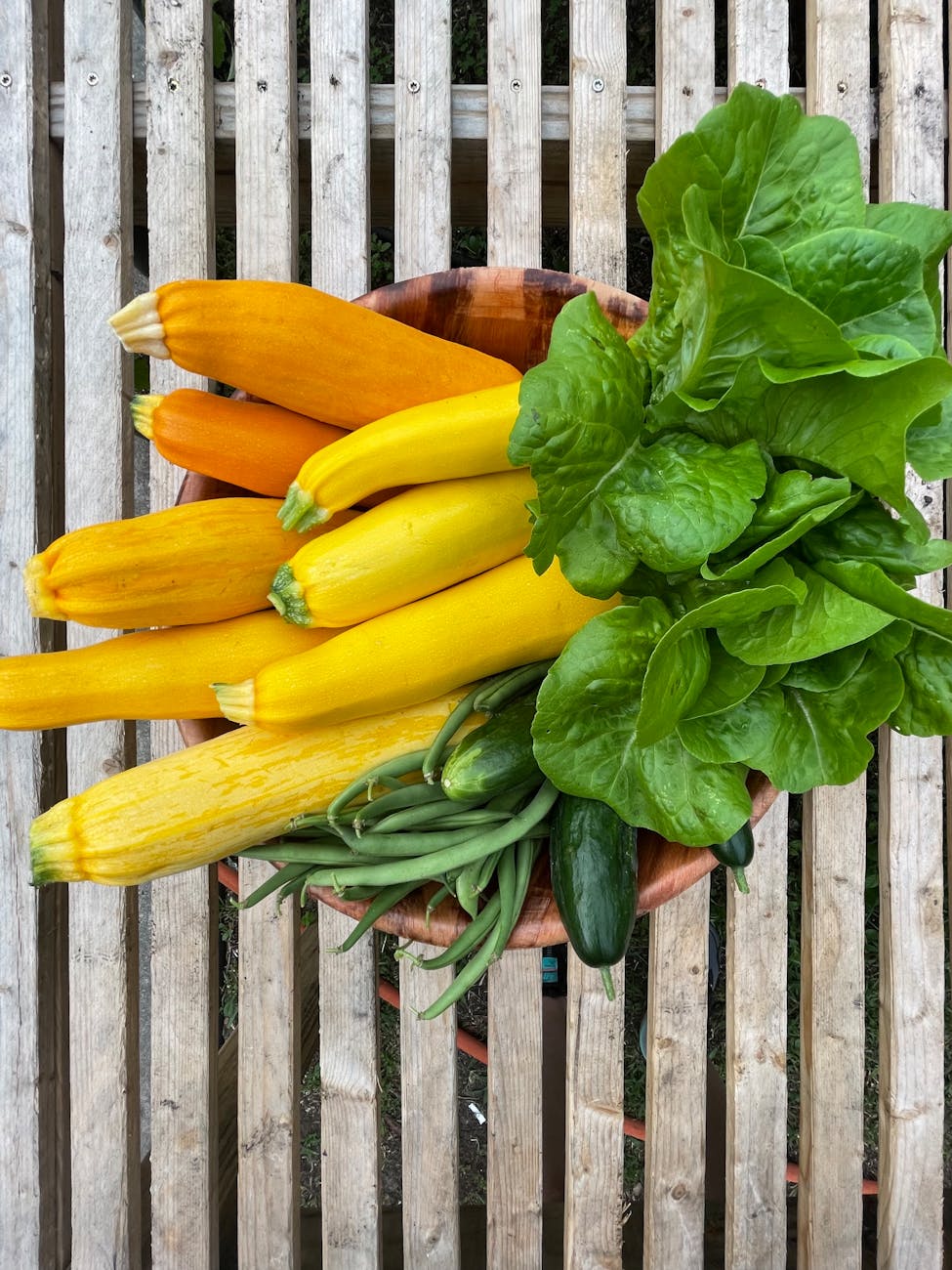
Introduction: Why Are My Homegrown Cucumbers and Zucchini Bitter?
There's nothing quite like the anticipation of harvesting your own homegrown cucumbers and zucchini, is there? You've nurtured those plants from tiny seeds, watched them grow through all the unpredictable British weather, and finally, you're ready to enjoy that crisp, refreshing cucumber in a salad or a tender courgette in a stir-fry. But then, it happens. You take that first bite, and instead of sweet and mild, you're met with a harsh, unpleasantly bitter flavour that makes you wince. It’s a gut punch, isn't it? Especially after all that effort in our often-challenging UK climate.
Believe me, I've been there. More times than I care to admit, especially in my earlier years of gardening here in the Midlands. I remember one particularly frustrating summer, about three years ago, when nearly every 'Marketmore' cucumber I picked from my raised beds had that tell-tale bitterness near the stem. I’d done everything by the book, or so I thought, but the harvest was just... disappointing. My passion for growing these wonderful cucurbits almost wavered. That experience pushed me to dive deep, to understand why this happens, and how we can prevent it, particularly with our unique UK gardening conditions in mind.
It’s a common problem for many home gardeners, and it's incredibly frustrating when you've put so much love into your plot. But the good news is, it's usually not a mystery that’s impossible to solve. Often, it comes down to a few key factors that we can identify and, more importantly, learn to manage. Over the last five years, experimenting in my 800 sq ft backyard – from my trusty greenhouse to my packed raised beds – I’ve picked up some invaluable lessons about coaxing the sweetest, most tender harvests from my cucumbers and courgettes, even when the British weather tries its best to throw a spanner in the works. Let's dig in and figure out how to ensure your next cucurbit harvest is nothing but sweet success!
The Science of Bitterness: Understanding Cucurbitacin in Your Crop
Before we can fix the problem, it helps to understand what's actually going on inside your plants. That bitter taste in your cucumbers and zucchini (and sometimes even melons or squash) comes from a group of natural compounds called cucurbitacins. Think of them as the plant's own personal defence mechanism. In the wild, these compounds are meant to deter pests and animals from munching on the plant. They're a natural part of the cucurbit family, and they're always present in the plant to some degree.
When I first learned about cucurbitacins, it was a real 'aha!' moment. I used to think I was just unlucky or had a 'bad batch' of seeds. But it turns out, while some varieties are naturally bred to have lower levels (often labelled as 'bitter-free'), most will produce more cucurbitacins when they're under stress. It’s the plant screaming for help, in a chemical sort of way! The highest concentration of these compounds is typically found closest to the stem end of the fruit, which explains why you might take a bite from the middle and it's fine, but the end is unbearable. This is why I always recommend tasting a small slice from the stem end before committing to a whole cucumber.
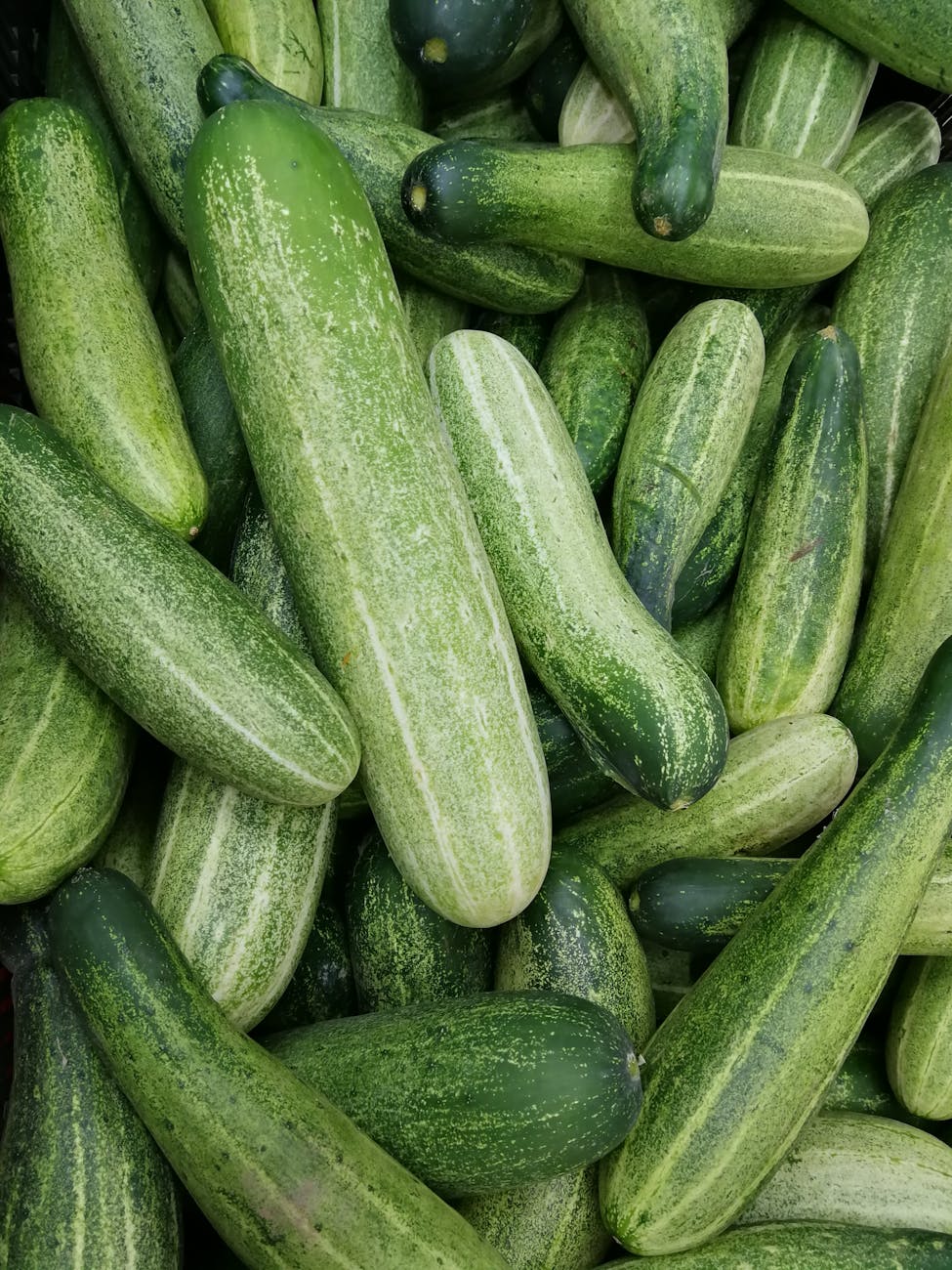
In my UK garden, I've noticed this particularly with older, open-pollinated varieties of 'Black Beauty' zucchini if they've been through a tough spell. While they're usually fantastic, a dry August can really bring out the bitterness. Modern F1 hybrid varieties, especially those bred for commercial growing, often have genes that suppress cucurbitacin production, making them more consistently sweet. However, I still love growing heirlooms like 'Costata Romanesco' zucchini for their flavour and texture, so understanding how to manage their environment is key for me to prevent bitterness. It's not just about what you grow, but how you grow it.
Environmental Stressors: How Water, Heat, and Sun Affect Flavour
Our British weather, bless its cotton socks, can be incredibly fickle, and it’s often the biggest culprit when it comes to bitter cucurbits. These plants thrive on consistency, and our climate rarely delivers that! I've learned the hard way that environmental stressors are directly linked to increased cucurbitacin production as the plant tries to protect itself.
Inconsistent Watering: The UK's Wet-Dry Dance
This is probably the number one reason I’ve had bitter harvests in my Midlands garden. Cucumbers and zucchini are thirsty plants, especially when they're fruiting. They need a steady, consistent supply of water. If they experience periods of drought followed by heavy watering (which can happen all too often with our sudden summer downpours after a dry spell), the plant gets stressed. Last summer, after a particularly dry spell in July, we had torrential rain for a week. Almost every 'Burpless F1' cucumber I picked afterwards had a noticeable bitter kick.
I've found that the best way to combat this in my raised beds is to water deeply and regularly, especially during dry periods. For my 'Muncher' cucumbers, which I grow both in the greenhouse and outside, I aim for at least 5-10 litres per plant, two to three times a week, depending on the heat. A thick layer of organic mulch – I use straw or my own homemade compost – around the base of the plants is an absolute game-changer. It helps retain soil moisture, keeps the soil temperature more stable, and reduces the frequency of watering dramatically. This consistency is crucial for sweet, crisp fruit.
Heat Stress: Our Summers Can Still Pack a Punch
While we don't often have the scorching heat of continental Europe, even moderate heatwaves here in the UK can stress cucurbit plants, especially those in greenhouses. Temperatures consistently above 30°C (86°F) for several days can cause them to produce more cucurbitacins. My greenhouse, while fantastic for my heirloom tomatoes, can become a real oven on a sunny July day.
To combat this, I ensure excellent ventilation in my greenhouse, opening both the door and roof vents wide. For my 'Diva' cucumbers inside, I often put up a bit of shade netting on the sunniest side during peak afternoon heat. Outside, if we get an unexpected heatwave, I make sure to give my 'Romanesco' zucchini a good, deep drink in the early morning before the sun gets too intense. Keeping the roots cool and the foliage hydrated helps the plant cope much better and reduces the internal stress that leads to bitterness.
Sun Exposure: Finding the Sweet Spot
Most cucurbits love sun, needing at least 6-8 hours a day to produce well. However, too much intense, direct sun, especially when combined with heat, can also be a stressor. For varieties like 'Crystal Apple' cucumbers, which I've found can be a bit more sensitive to scorching, I sometimes plant them where they might get a little dappled shade during the hottest part of the afternoon. This usually isn't a huge issue in the UK compared to watering, but it's something to consider if you have a particularly exposed, south-facing spot. A little bit of protection can go a long way in ensuring sweeter fruit.
Here's a quick comparison of common environmental stressors and my tried-and-tested UK solutions:
| Stressor | Impact on Flavour | Randy's UK Solution/Tip | Why it Works in UK |
|---|---|---|---|
| Inconsistent Watering | Increased cucurbitacin levels, bitter fruit. | Water deeply and consistently (2-3 times/week for fruiting plants); apply thick mulch. | Prevents root stress from fluctuating moisture, maintains steady nutrient uptake, crucial for our unpredictable rainfall patterns. |
| Extreme Heat (28°C+) | Plant stress, reduced fruit quality, bitterness. | Ensure good ventilation in greenhouses; use shade netting during peak heat (12-3 pm). | Lowers plant temperature, reduces transpiration stress, prevents excessive cucurbitacin production, especially in enclosed spaces. |
| Excessive Sun | Sunburn, plant stress, potentially bitter fruit. | Provide dappled shade during hottest parts of the day for sensitive varieties. | Protects foliage and developing fruit from scorching, reduces overall plant stress during prolonged sunny spells, which can occur here. |
| Sudden Cold Snaps | Stunted growth, stress, potential bitterness. | Protect young plants with cloches or fleece; ensure good soil drainage. | Minimises temperature shock to sensitive cucurbits, allowing steady growth and reducing the likelihood of stress-induced bitterness. |
Soil Health & Nutrient Balance: Feeding for Sweetness, Not Bitterness
It all starts in the soil, doesn't it? For me, a healthy, living soil is the bedrock of a productive and resilient garden, especially for something as demanding as cucumbers and zucchini. I've spent years building up the soil in my raised beds, and I truly believe it's one of the biggest reasons I now get consistently sweet harvests.
Cucurbits are heavy feeders, but it's not just about dumping on any old fertiliser. It's about balance. If your soil is lacking in the right nutrients, or if it's got too much of one thing and not enough of another, your plants will be stressed, and that leads right back to our old friend, cucurbitacin.
The Power of Organic Matter
My number one secret for healthy soil is compost. Every autumn, I top up all my raised beds with a good 5-inch layer of my own homemade compost, enriched with well-rotted horse manure from a local stable. This isn't just about feeding the plants; it's about feeding the soil microbes, improving drainage, and increasing the soil's water-holding capacity. For my 'Patio Snacker' cucumbers in pots, I always use a high-quality peat-free compost mixed with some worm castings. This provides a slow, steady release of nutrients, which is exactly what these plants prefer.
Getting the Nutrient Balance Right
When it comes to specific nutrients, it’s a bit of a tightrope walk. Cucurbits need a good balance of nitrogen (N), phosphorus (P), and potassium (K) throughout their life cycle.
- Nitrogen is great for leafy growth, but too much can lead to lush foliage at the expense of fruit, and it can actually contribute to bitterness. I learned this the hard way one year when I overdid it with a high-nitrogen feed early in the season; my 'Defender' courgettes were enormous but distinctly bitter.
- Phosphorus is important for root development and flowering.
- Potassium is crucial for fruit development, flavour, and overall plant health. It really helps with that sweet, crisp texture we're after.
Once my cucumber and zucchini plants start to flower and set fruit, I switch to a feed that's higher in potassium. My go-to is a homemade comfrey tea, which is incredibly rich in potassium, or a good quality organic tomato feed. I dilute it to half strength and give it to them every 10-14 days. This gentle, consistent feeding supports the plant during its most demanding phase, helping it produce sweet, healthy fruit without stress.
I also make sure my soil has good drainage. Waterlogged soil can lead to nutrient lockout, meaning the plant can't access the food it needs, even if it's present. In my heavy Midlands clay, this means adding plenty of grit and organic matter to my raised beds to keep things airy and free-draining. A healthy root system is a happy root system, and a happy root system means a less stressed plant, and ultimately, sweeter cucumbers and zucchini for your UK kitchen.
5. Pests, Diseases & Plant Stress: Protecting Your Harvest from Bitterness
It's a disheartening sight, isn't it? You've nurtured your plants, fought off the slugs, and then a wave of bitterness hits. While we've talked a lot about environmental factors, let's not forget that anything that stresses your plant – be it creepy crawlies or nasty fungal infections – can also trigger that bitter cucurbitacin defence mechanism. In my 800 sq ft Midlands plot, I've had my fair share of battles, and I've learned that a healthy, unstressed plant is a sweet-tasting plant.
My greenhouse cucumbers, for instance, are often targets for spider mites, especially when it gets warm and dry. I once let an infestation get a bit out of hand, thinking they wouldn't do much damage. Boy, was I wrong! The fruits from those stressed plants were noticeably more bitter, even a 'burpless' variety. It was a harsh lesson in vigilance. Similarly, powdery mildew, a common foe in our damp UK summers, can decimate zucchini leaves, reducing photosynthesis and weakening the plant, leading directly to a less-than-stellar flavour. I've had entire courgette plants succumb, and any fruit I salvaged was just… meh.
The key here is early detection and gentle, consistent management. You don't want to add more stress with harsh chemical treatments if you can avoid it. I'm a big fan of organic approaches where possible. For aphids, a strong blast of water or a homemade garlic spray often does the trick. For powdery mildew, ensuring good air circulation, especially in the greenhouse, and prompt removal of affected leaves is crucial. One year, I tried a milk-and-water spray on my outdoor courgettes, and it genuinely helped keep the mildew at bay enough for a decent harvest. Every little bit of stress reduction helps keep those cucurbitacins dormant.
Here's a quick rundown of common culprits and how I tackle them in my UK garden:
| Stressor Type | Common UK Pests/Diseases | Impact on Bitterness | Randy's UK Prevention/Treatment Tips