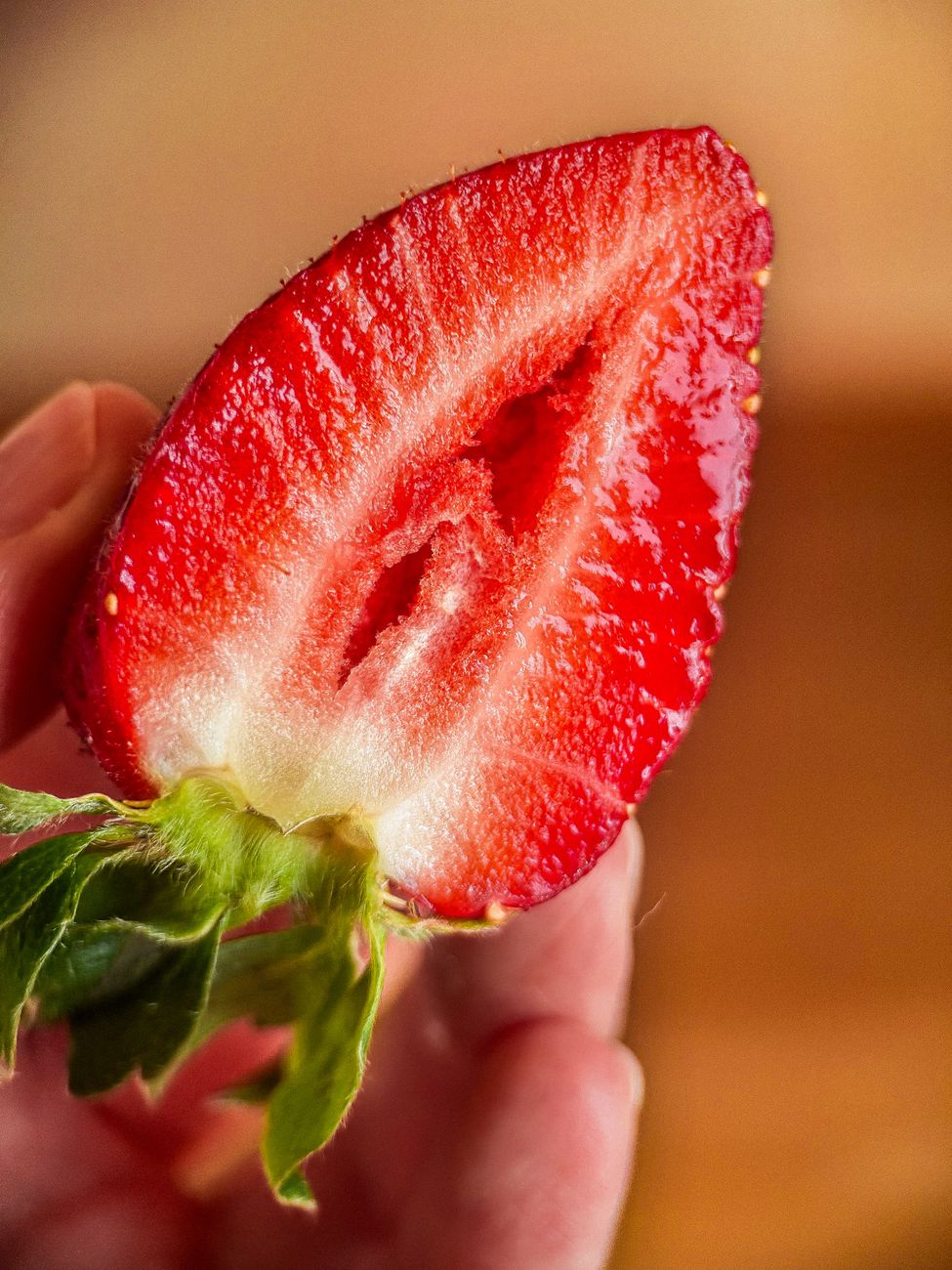
Why Are My Strawberries Misshapen? Unlocking Perfect Homegrown Fruit
Oh, the joy of spotting those first strawberry flowers in my UK garden! There's nothing quite like the anticipation of plucking a perfectly ripe, juicy strawberry, still warm from the sun. Here in my 800 sq ft Midlands patch, nestled amongst my raised beds and the bustling greenhouse, strawberries are a non-negotiable every year. I've grown everything from the classic 'Cambridge Favourite' to the ever-bearing 'Albion' and the exquisite 'Mara des Bois'. But let me tell you, I've had my share of heartbreak too.
Early in my gardening journey, after leaving the world of IT to pursue this green obsession five years ago, I'd often find these sad, lumpy, half-formed strawberries. You know the ones – hard, green patches where they should be plump and red, or just plain wonky. It was utterly baffling and frankly, a bit demoralising. I'd fuss over them, water them, feed them, and still, these deformed little fruits would appear. For a while, I blamed everything from pests to the notoriously dodgy British weather.
What I've learned through years of trial and error, reading, and a fair bit of head-scratching right here in my own garden, is that the culprit is often something far simpler and more fascinating: incomplete pollination. It’s a common challenge for many UK gardeners, especially with our often-unpredictable springs. And once you understand it, you're armed with the knowledge to make a real difference.
This isn't just about getting pretty strawberries (though who doesn't want those?). It's about maximising your harvest, ensuring every single strawberry plant you lovingly tend gives you its best. I'm going to share everything I've learned from my own experience, from the intricate science behind it to the common reasons why it happens in our British climate, and how to tell it apart from other problems. Let's get those strawberry patches bursting with perfect, homegrown fruit!
The Science of Strawberry Pollination: A UK Gardener's Guide
When I first started to see those misshapen strawberries, I really had no idea what was going on inside the flower. I just thought 'flower equals fruit', simple as that! But like so many things in gardening, especially here in the UK with our unique climate challenges, it's a bit more nuanced. Understanding the basic biology of a strawberry flower is truly the first step to solving our misshapen fruit woes.
Strawberry flowers, bless 'em, are quite clever. Most of the varieties we grow in our UK gardens, like my beloved 'Cambridge Favourite' and 'Honeoye', are what we call 'perfect' flowers. This means they have both male parts (stamens, producing pollen) and female parts (pistils, which develop into the tiny 'seeds' or achenes on the outside of the fruit) within the same flower. This is great news for us, as it means they're largely self-fertile. You don't need another variety to cross-pollinate them.
However, and this is where the magic (or lack thereof) happens, for that perfect, plump strawberry to form, every single one of those tiny pistils needs to be pollinated. Each little pistil, once fertilised, signals to the surrounding tissue to swell and become the juicy flesh we love. If only some of them get pollinated, you end up with a lopsided fruit – the parts where the pistils were fertilised swell, and the unfertilised parts stay small, hard, and green. It's like a tiny, intricate puzzle that needs all its pieces to make a complete picture.
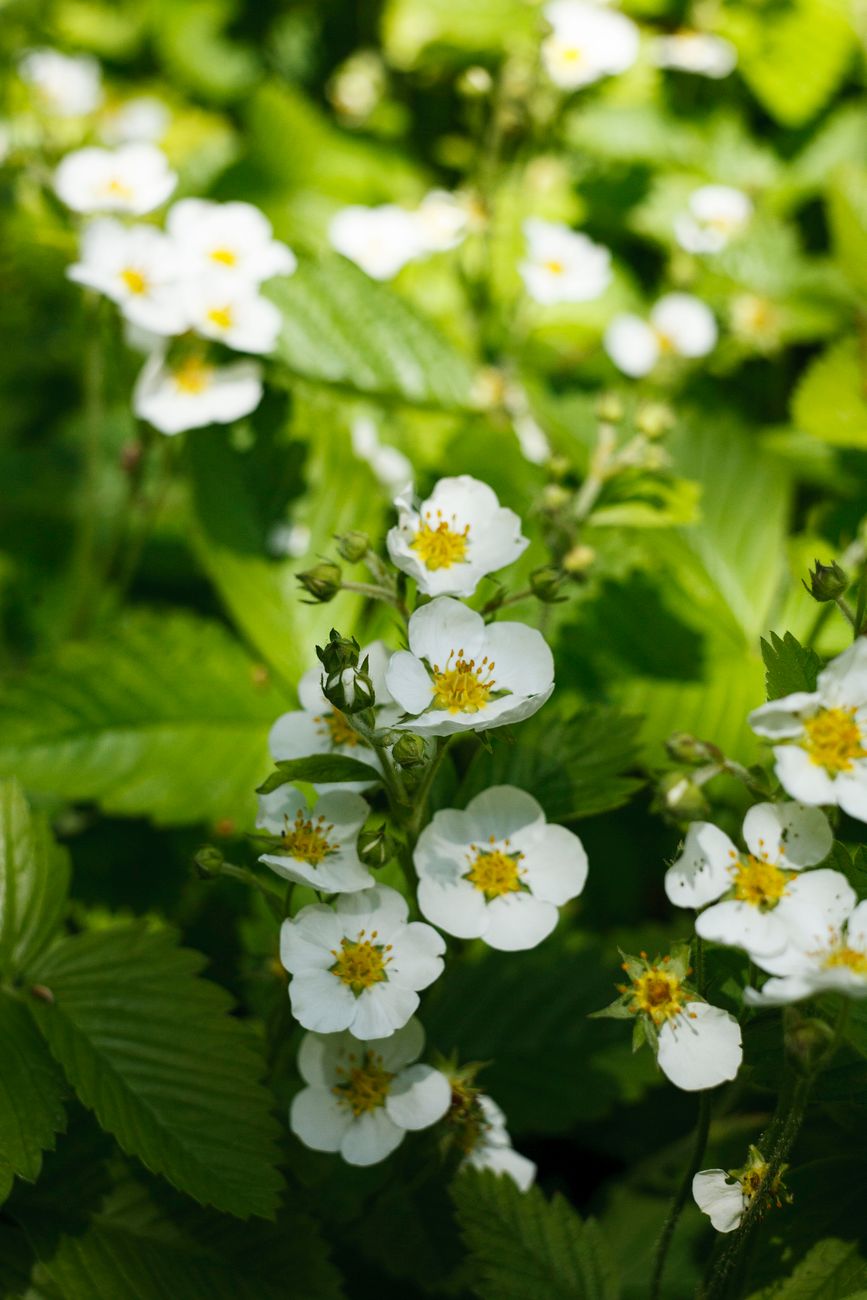
While strawberries are self-fertile, they still need a helping hand to get that pollen moved around effectively. That's where our wonderful UK pollinators come in – bees, hoverflies, and even a gentle breeze. In my 800 sq ft garden, I've noticed a significant difference in fruit quality between flowers visited by lots of insects and those that aren't. Even though they can self-pollinate, the movement of pollen by insects (or even just you brushing past the plant!) dramatically increases the chances of every pistil getting its share. Without that effective pollen transfer, you end up with those tell-tale lumpy berries.
Common Culprits: Why Pollination Fails in Your UK Strawberry Patch
Now we know the "why" behind the misshapen fruit, let's dig into the "how" – specifically, the common reasons why this happens in our British gardens. I've learned these lessons through plenty of trial and error, and sometimes, plain old frustration, right here in the Midlands. It's a bit of a detective job, but knowing what to look for makes all the difference.
One of the biggest factors for us UK gardeners is, you guessed it, the weather. Our springs can be notoriously fickle – one day it's glorious sunshine, the next it's a chilly drizzle.
- Cold and Wet British Weather: This is probably the number one culprit in my experience. When the weather is cold (below 15°C) or persistently wet, several things happen. Bees and other vital pollinators simply don't fly as much. They're sensible creatures! On top of that, pollen becomes heavy and sticky when it's damp, making it much harder for it to transfer from the stamens to the pistils, even with wind or a stray bee. I've often seen a flurry of activity on my 'Albion' plants on a sunny day, only for it to grind to a halt during a classic drizzly Midlands spring, and sure enough, the fruit quality suffers.
- Lack of Pollinators: Even on a sunny day, if your garden isn't buzzing with life, your strawberries might suffer. Declining bee populations are a real concern, and a garden that lacks diverse flowering plants to attract them can struggle. I've made a real effort to interplant my raised beds with pollinator-friendly flowers like borage and marigolds, and it's definitely paid off for my strawberries and even my greenhouse tomatoes, which get a lot of natural bee visits now.
- Excessive Wind or Shelter: While bees are the main players, some wind can also help with pollen dispersal. However, strong, persistent winds can actually blow pollen away before it has a chance to settle. Conversely, if your strawberry plants are in a very sheltered spot with poor air circulation, and you don't have many pollinators, it can also hinder the transfer. I position my raised strawberry beds to get morning sun but also a bit of shelter from strong easterly winds that can whip through my garden.
- Pesticide Use: This is a big one for me, and something I'm very passionate about. Any systemic pesticides or broad-spectrum insecticides used near your strawberry patch can harm or kill the very pollinators you need. I'm a firm believer in organic methods, especially with soft fruit, and absolutely no systemic pesticides go near my plants. I had a scare once with aphids on some beans that had a knock-on effect on other plants, and I learned my lesson the hard way – protect those pollinators!
- Poor Plant Health: Stressed plants, whether from nutrient deficiencies, drought, or disease, simply don't have the energy to produce robust flowers with viable pollen. A healthy, vigorous plant is always more likely to produce good quality fruit. I always ensure my strawberry beds are well-fed with good compost and a balanced organic feed in spring.
To help you quickly identify the problem in your own patch, here's a little guide based on my observations:
| Culprit | How it Affects Pollination in the UK | Randy's Observation/Experience |
|---|---|---|
| Cold/Wet British Weather | Deters bees & other pollinators; makes pollen heavy and less viable. | "Often see fewer bees on my 'Cambridge Favourite' plants during a classic drizzly Midlands spring. Fruit is consistently lumpy after a cold, wet spell." |
| Lack of Pollinators | Fewer insects to transfer pollen between flower parts. | "My greenhouse tomatoes get hand-pollinated, but outside, I rely on a diverse planting to attract them. If my garden feels quiet, the strawberries show it." |
| Excessive Wind/Shelter | Strong winds can blow pollen away; too much shelter can hinder insect activity. | "I position my raised strawberry beds to get morning sun but also a bit of shelter from strong easterlies. Too much exposure or too much cover can be an issue." |
| Pesticide Use | Kills or repels beneficial insects, including pollinators. | "Absolutely no systemic pesticides near my fruit. I had a scare once and learned my lesson – a healthy ecosystem is key." |
| Poor Plant Health | Weak plants produce less viable pollen or fewer flowers. | "Stress from drought or nutrient deficiency always shows up in the fruit quality, I've found. The plants look generally unhappy too." |
Distinguishing Incomplete Pollination from Other Strawberry Problems
When I first started gardening, every wonky strawberry looked the same to me. It took a few seasons of head-scratching and careful observation in my 800 sq ft Midlands garden to truly understand the nuances. It's easy to jump to conclusions, especially when you're desperate for a perfect harvest! So, before you start blaming the bees or the British weather, let's make sure we're actually dealing with incomplete pollination and not something else.
Here are some other common issues that can cause misshapen fruit, and how I've learned to tell them apart from a pollination problem:
- Tarnished Plant Bug (TPB) Damage: This sneaky little pest is a real nuisance. It pierces the developing fruit and sucks out juices, causing localised damage. The key here is "localised." You'll often see hard, seedy areas, sometimes with a brown tip, but usually only on one part of the strawberry, while the rest might develop normally. It's not the uniform lumpiness of incomplete pollination. I once thought I had a pollination issue on my 'Royal Sovereign' strawberries, but a closer inspection revealed the tell-tale signs of TPB – a small, dark puncture mark often found in the damaged area.
- Boron Deficiency: While less common, a lack of boron can lead to distorted or small fruit, sometimes with a 'puckered' appearance. However, boron deficiency usually comes with other symptoms like stunted, crinkled, or thickened leaves, and poor flower development. If your plants generally look unhealthy and the leaves are showing signs of distress, it might be a nutrient issue. My soil tests usually reveal this, and I correct it with a foliar spray if needed.
- Frost Damage: Oh, the bane of early spring in the UK! Our unpredictable late frosts here in the Midlands are a constant threat to early-flowering strawberries. Frost damage is quite distinct: the centre of the flower (the pistils) turns black. If a flower is frosted, it simply won't produce fruit, or the fruit will be severely distorted, often appearing shrivelled and hard. I've lost entire early flushes of 'Marshmello' to unexpected late frosts, and the affected fruits look very different to a pollination issue.
- Disease: Certain diseases can affect fruit development, but they usually come with other clear signs on the plant, such as leaf spots, wilting, or mould. For example, grey mould (Botrytis) can cause parts of the fruit to rot, but it's clearly a fungal infection, not a developmental issue.
To make it even clearer, here's a comparison table I often refer to in my head when inspecting my strawberry patch:
| Problem | Key Symptoms of Misshapen Fruit | Other Clues/Randy's Observations |
|---|---|---|
| Incomplete Pollination | Fruit is small, bumpy, often with hard, underdeveloped areas and exposed seeds. Usually affects many fruits uniformly. | "Uniformly small and ridged, often on all sides. No signs of chewing or disease. My 'Albion' plants get this after a cold, wet spell." |
| Tarnished Plant Bug (TPB) | Fruit has hard, seedy, often brown-tipped areas, usually on one localised side. | "Often a small, dark puncture mark. The rest of the fruit looks okay. I found these on my 'Royal Sovereign' once – very distinct from pollination issues." |
| Boron Deficiency | Fruit can be small, lumpy, or distorted, sometimes with a 'puckered' appearance. | "Often accompanied by stunted, crinkled leaves or poor flower development. My soil tests usually reveal this, along with overall weak plant growth." |
| Frost Damage | Centre of the flower (pistils) turns black, leading to fruit abortion or severe distortion. | "Blackened centres on flowers or very early fruit. Happens after unexpected late frosts here in the UK. The fruit often doesn't develop at all." |
| Poor Plant Health/Stress | Small, pale, or poorly formed fruit. General lack of vigour across the entire plant. | "Yellowing leaves, stunted growth, overall unhappy plant. Often due to water stress, nutrient lock-out, or root issues rather than flower problems specifically." |
Boosting Pollination: Hands-On Strategies for Your Strawberry Patch
Alright, so we've talked about the "why" behind those wonky strawberries. Now, let's get down to the "how" – the practical, hands-on things you and I can do right now to make sure our strawberry plants are getting all the pollinator love they need. I've experimented with quite a few methods in my 800 sq ft Midlands garden over the years, some more successful than others, especially when our notoriously unpredictable British weather decides to play spoilsport.
The Power of Your Own Hand (Pollination)
This might sound a bit fiddly, but trust me, it's a game-changer, especially during those early spring weeks when the nights are still chilly and the bee population is just waking up, or during a prolonged spell of rain. I've personally found hand-pollinating my 'Cambridge Favourite' strawberries invaluable, particularly the ones tucked away in my greenhouse.
All you need is a small, soft paintbrush – an old makeup brush works a treat, or even a cotton swab. Gently dab the brush into the centre of an open strawberry flower, swirling it around to pick up the pollen. You’ll see it as a fine, yellowish dust. Then, transfer that pollen to other flowers, or even back to the same flower, making sure you touch all those tiny pistils in the centre. I usually do this in the morning, between 10 am and 2 pm, when the pollen is most viable, and I try to hit each plant every couple of days if natural pollinators are scarce. It’s a bit of a faff, I won't lie, but the difference in fruit quality is absolutely worth the effort for those early harvests.

Protecting Your Blooms from the Elements
Our British weather, bless its cotton socks, can be a real challenge for strawberry pollination. Strong winds and heavy rain are absolute deterrents for most flying insects, and they can also wash away precious pollen. I learned this the hard way during one particularly blustery May in my Midlands garden when an entire bed of 'Malling Centenary' flowers simply got battered.
Now, I'm a bit more proactive. For my raised beds, if a bout of really grim weather is forecast during flowering, I sometimes rig up some temporary cloches or even just drape some horticultural fleece over the plants. It offers a bit of shelter from the wind and rain, keeping the flowers dry and more inviting for any brave bees that do venture out. Just remember to remove it when the weather improves so the pollinators can get back to work!
Mind Your Watering Habits
This is a simple one, but easily overlooked. When your strawberries are in full bloom, avoid overhead watering. Spraying water directly onto the flowers can wash away pollen and make it difficult for pollinators to do their job. It also creates a damp environment that isn't ideal for pollen viability.
I've switched almost entirely to drip irrigation or soaker hoses for my strawberries. If I'm watering by hand, I always aim for the base of the plant, keeping the foliage and flowers as dry as possible. This not only helps with pollination but also reduces the risk of fungal diseases, which is a common battle here in the UK with our damp climate.
Don't Overcrowd Your Strawberries
It's tempting to cram in as many plants as possible, especially in a compact space like my 800 sq ft garden. However, overcrowding can lead to poor air circulation, increased humidity, and crucially, it makes it harder for pollinators to navigate between the flowers. Bees like a clear flight path!
I've found that giving my strawberry plants adequate spacing – around 30-45cm (12-18 inches) between each plant, depending on the variety – makes a huge difference. It allows the plants to bush out properly, ensures good airflow (reducing disease risk), and gives those crucial pollinators easy access to every single bloom. A happy, well-spaced plant is a productive plant, and it's a lesson I've learned through a few seasons of slightly too-dense planting!
Creating a Pollinator-Friendly Garden for Bountiful Strawberries
Beyond direct intervention, a more holistic approach is to turn your entire garden into a pollinator paradise. This is something I'm truly passionate about here in my UK garden; it's not just about the strawberries, but about supporting the wider ecosystem. Healthy pollinators mean healthy harvests across the board, from my heirloom tomatoes in the greenhouse to my runner beans.
Interplanting with Pollinator Magnets
One of the easiest and most effective strategies I employ is companion planting. I always make sure to interplant flowers that are irresistible to bees and other beneficial insects right amongst my strawberry beds. It's a visual feast for me and a buffet for them!
My absolute go-to choices for our UK climate include:
- Borage: Its vibrant blue flowers are a magnet for bees, and I often sow it directly amongst my strawberries.
- Calendula (Pot Marigolds): Cheerful and easy to grow, they attract a host of beneficial insects.
- Lavender: A classic for a reason, hardy in the UK and incredibly attractive to bees. I have a border of it nearby.
- Nasturtiums: While I primarily grow them for their edible leaves and flowers, they also draw in pollinators.
By having these flowering plants nearby, you're essentially putting up a big, flashing "EAT HERE!" sign for every bee, hoverfly, and solitary bee buzzing around the neighbourhood. I've seen a noticeable increase in bee activity in my strawberry patch since I started doing this consistently.
Providing Water and Shelter
Just like us, pollinators need water and shelter. A shallow water source with some pebbles or marbles for landing spots can be a lifesaver for bees, especially during dry spells. I keep a shallow dish of water near my raised beds, topped up daily, and it's always busy.
Beyond water, consider creating small pockets of undisturbed habitat. A log pile, a patch of wildflowers, or even a dedicated bee hotel (I have a couple tucked away near my greenhouse) can provide crucial nesting sites and shelter. These small actions contribute significantly to a thriving pollinator population in your garden, which directly benefits your strawberries.
Say NO to Pesticides (Especially During Flowering)
This should go without saying, but it's perhaps the most critical point for a pollinator-friendly garden. The use of broad-spectrum pesticides, even "organic" ones, can be devastating to bees and other beneficial insects. They don't differentiate between the "good" bugs and the "bad" bugs.
I've learned this the hard way when I first started gardening, mistakenly thinking I could target specific pests without wider impact. Now, I rely entirely on organic pest control methods – encouraging predators, companion planting, and physical removal. If you absolutely must use a treatment, choose one that is bee-friendly and apply it only in the evening when pollinators are not active, well before your strawberries begin to flower. For strawberries, prevention is always better than cure.
Succession Planting for Continuous Bloom
To keep pollinators happy and well-fed throughout the growing season, think about succession planting of your pollinator-friendly flowers. By sowing seeds at staggered intervals, or choosing varieties with different bloom times, you can ensure there's always something in flower to attract them. This steady supply of nectar and pollen will encourage them to stick around your garden, including your strawberry patch, all season long.
Harvesting Success: Enjoying Perfect, Plump Homegrown Strawberries
After all the careful planning, the diligent observation, and perhaps a bit of hand-pollinating, there's nothing quite as satisfying as reaching into your strawberry patch and pulling out a perfectly formed, plump, ruby-red strawberry. That's the reward, isn't it? The taste of homegrown fruit, knowing you've nurtured it from flower to table, is unparalleled.
I remember my first season here in the Midlands, getting a handful of misshapen berries and feeling a bit deflated. But each year, I've learned something new, adapted my methods to our sometimes-challenging British climate, and seen the results improve dramatically. There's a real sense of accomplishment biting into a perfectly symmetrical 'Malling Centenary' or 'Mara des Bois' from my own garden, knowing the effort that went into ensuring every seed on its surface was properly pollinated.
So, let's quickly recap what we've learned to banish those wonky strawberries for good:
- Understand the "Why": Misshapen berries are usually a sign of incomplete pollination, where not all the tiny seeds on the strawberry's surface received pollen.
- Identify the Culprits: From a lack of natural pollinators (bees, hoverflies) to environmental factors like cold, wet, or windy weather, and even your watering habits.
- Get Hands-On: Don't be afraid to hand-pollinate, especially during less-than-ideal weather or early in the season. It’s a bit of extra work but pays dividends.
- Protect Your Blooms: Shield your plants from harsh winds and heavy rain during flowering to keep pollinators active.
- Create a Pollinator Paradise: Interplant with bee-friendly flowers like borage and calendula, provide water sources, and absolutely avoid pesticides.
Gardening is a journey of continuous learning, especially here in the UK where the weather always keeps us on our toes! Don't be discouraged by a few less-than-perfect berries; they're just an opportunity to learn and refine your approach. By understanding the simple science of strawberry pollination and implementing these practical strategies, you're well on your way to harvesting a bounty of flawless, delicious homegrown strawberries.
I'd love to hear about your experiences! What are your go-to tips for encouraging pollinators in your UK garden? Share your successes (and even your learning curves!) in the comments below. Happy growing, fellow gardeners!