
Introduction: The Frustration of Empty Cells in Your Seed Tray
Right, let's be honest. There’s no feeling quite like the thrill of sowing a fresh tray of seeds in early spring. It's that annual burst of optimism, picturing rows of vibrant seedlings ready to take over your garden. But then, a week or two passes, and you peek into your propagator, only to find... well, a lot of empty cells. A scattering of enthusiastic sprouts here and there, but a frustrating number of barren patches. It’s enough to make you sigh deeply, isn't it?
I’ve been there, more times than I care to admit! When I first started gardening five years ago, fresh out of the IT world and into the wonderful chaos of my 800 sq ft Midlands garden, I thought sowing seeds was just about chucking them in some compost and adding water. Oh, how wrong I was. I’ve seen whole trays of promising heirloom tomato varieties – my beloved 'Black Krim' or 'Costoluto Fiorentino' – stubbornly refuse to show their faces, leaving me scrambling for replacements as the UK growing season marched on. It’s a gut punch, especially when you’ve put so much hope into those tiny packets.
But here’s the thing I’ve learned through countless experiments, a fair few failures, and a whole lot of tea-fuelled pondering in my greenhouse: germination isn't magic, it's a science, and often a delicate balance. What works for one seed might be completely wrong for another, and our wonderfully unpredictable British weather throws in its own set of challenges. This article isn't about shaming anyone for empty cells; it's about sharing the real, hard-won lessons I've picked up here in the UK, from my own raised beds and packed greenhouse. We're going to troubleshoot the most common reasons your seeds aren't sprouting, so you can fill those trays and get that garden thriving.
Are Your Seeds Still Viable? Checking Quality and Storage
Before we even think about compost or watering cans, the very first question I ask myself when a seed tray looks sparse is: are these seeds actually alive? It sounds obvious, but you'd be surprised how often this is the culprit. I've been guilty of it myself – getting excited about a packet of 'Waltham Butternut' squash seeds I "found" from three seasons ago, only to watch them completely fail to germinate. Lesson learned: old seeds often equal sad, empty trays.
Seeds are essentially tiny, dormant plants, and like anything dormant, they have a shelf life. Over time, their internal food reserves deplete, and their ability to wake up diminishes. Storage conditions play a massive role too. If they’ve been left in a damp shed through a British winter, or baked on a sunny windowsill, their viability can plummet. I now keep all my seeds – especially the treasured heirloom tomato varieties I save myself – in airtight containers in a cool, dark cupboard indoors, away from any temperature fluctuations or moisture. It really makes a difference, particularly for notoriously short-lived seeds like parsnips, which I've found are best used within a year or two of purchase here in the UK.
If you're unsure about an older packet of seeds, don't just sow them all and hope for the best. Perform a simple viability test first. I often do a "paper towel test" for a batch of seeds I'm doubtful about. Just moisten a piece of kitchen roll, spread 10-20 seeds on it, fold it over, and pop it into a sealed plastic bag or container. Keep it somewhere warm (like on top of the fridge) and check it daily. If, after the expected germination time, only one or two out of ten have sprouted, you know those seeds are past their prime and it’s time to invest in a fresh packet. It saves a lot of wasted compost and heartbreak!
Seed Viability & Storage Comparison
| Feature | Fresh, Well-Stored Seeds | Old, Poorly-Stored Seeds |
|---|---|---|
| Germination Rate | High (often 80-95% for most varieties) | Low, sporadic, or zero |
| Germination Speed | Consistent and within expected timeframe | Slow, erratic, or delayed |
| Seedling Vigor | Strong, healthy, uniform seedlings | Weak, spindly, prone to damping off |
| Typical Lifespan | 1-5 years (e.g., tomatoes 4-5 years, beans 3-4 years) | Past their prime; viability drops significantly after 1-2 years beyond typical lifespan |
| Storage Condition | Cool, dark, dry, airtight container (e.g., inside cupboard in UK home) | Damp, fluctuating temperatures, exposed to light/air (e.g., shed, garage, open packet) |
| Randy's Tip | Always check expiry dates, especially for parsnips and onions! | When in doubt, do a paper towel test to save time and compost. |
The Goldilocks Zone: Getting Temperature and Light Just Right for Germination
Once you've confirmed your seeds are viable, the next big hurdle is creating the perfect environment – what I like to call the "Goldilocks Zone." Seeds are a bit fussy; they need conditions that are 'just right' to wake up. This primarily boils down to consistent temperature and the right amount of light (or lack thereof!).
My early days were full of trial and error with this. I remember one spring, I enthusiastically sowed my 'Moneymaker' tomatoes and some 'Red Russian' kale, placing them all on a sunny windowsill in the house, thinking warmth was warmth. The tomatoes loved it, sprouting quickly. The kale, however, sat there, doing nothing. Why? Because while tomatoes adore warmth (around 20-25°C is ideal for them in my experience), kale prefers cooler temperatures, more like 10-18°C. The windowsill was just too hot and drying for it. Another year, I tried to get a jump on the season by putting tender peppers in my unheated greenhouse in March. The British night temperatures plummeted, and they just sat there dormant for weeks, eventually rotting. You live and learn!
For consistent warmth, especially for heat-loving plants like peppers, aubergines, and those heirloom tomatoes, a heated propagator or a heat mat is an absolute game-changer. I've got a couple of heat mats in my greenhouse now, connected to a thermostat, and they've transformed my early season success. It keeps the compost at a steady temperature, even when the air temperature in the greenhouse fluctuates wildly with our unpredictable British spring weather. For seeds that prefer cooler conditions, I’ll often place them on a bench in the greenhouse, but ensure they're off the cold ground, or even just in a cooler room indoors away from direct heat.
Light is another area where people often get confused. Most seeds actually prefer darkness to germinate. They’re programmed to sprout underground. Once they've germinated and you see those first tiny shoots, then they need light – and plenty of it – to grow strong and prevent them from becoming leggy. If you're starting seeds indoors, especially during the often-grey UK spring, supplemental lighting (like a simple LED grow light) can make a huge difference. I use a basic LED setup above my indoor seed trays for about 14-16 hours a day once they've germinated, which has completely eliminated the problem of weak, stretched seedlings that I used to get from relying solely on natural light.
Temperature & Light for Germination Comparison
| Factor | Too Cold | Too Hot | Just Right (The Goldilocks Zone) |
|---|---|---|---|
| Temperature | Slow/no germination, increased risk of rot/damping off (e.g., peppers in an unheated UK garage in March) | Rapid, weak germination; seeds dry out quickly; can kill embryo (e.g., brassicas on a radiator) | Consistent temperature appropriate for the seed type (e.g., 20-25°C for tomatoes, 10-18°C for kale) |
| Light (pre-germination) | No direct impact, but often accompanied by cold temperatures | Can dry out seed/compost, some seeds inhibited by light during germination | Darkness (most seeds); cover with compost or a dark lid until sprouts appear |
| Light (post-germination) | Leggy, weak, 'stretching' seedlings seeking light (e.g., indoor sprouts on a cloudy UK windowsill) | Can cause scorching or rapid drying out if too intense and close | Bright, indirect light (natural or supplemental grow light) for 12-16 hours a day |
| Randy's Tip | Use a soil thermometer. Heat mats are invaluable for warmth-lovers in the UK. | Match temperature to specific seed needs. Keep compost moist but not wet. | Provide darkness until sprouts, then strong light immediately. |

Watering Woes: Too Much, Too Little, or Just Right for Seedlings?
This was a big one for me, especially starting out. When I first transitioned from IT to gardening, I approached watering with a "more is better" mentality, assuming seeds needed to be swimming. Then I swung the other way, fearing damping off, and let them dry out. Both were disastrous for my germination rates. The truth is, watering is a fine art, particularly when you’re dealing with tiny seeds and vulnerable seedlings in British conditions.
Seeds need consistent moisture to germinate. They absorb water, which signals them to break dormancy and start the growth process. If the compost dries out even for a short period during this critical phase, the germination process can halt, or the tiny emerging root can shrivel and die. I learned this the hard way one particularly warm spring in my Midlands garden when I left a tray of 'Costoluto Genovese' tomatoes on a sunny greenhouse bench and forgot to check them for a day. Came back to dry compost and no sprouts.
However, too much water is equally, if not more, detrimental. Excessively wet compost suffocates the seeds, as they need oxygen to respire. It also creates the perfect breeding ground for fungal diseases, most notoriously "damping off." This horrid fungus attacks seedlings at the soil line, causing them to wilt and collapse, often wiping out an entire tray overnight. I’ve shed a tear over more than one tray of promising 'Sungold' tomatoes lost to damping off in my early years. It’s a common issue in our often-humid UK climate, especially if air circulation is poor in a propagator or greenhouse.
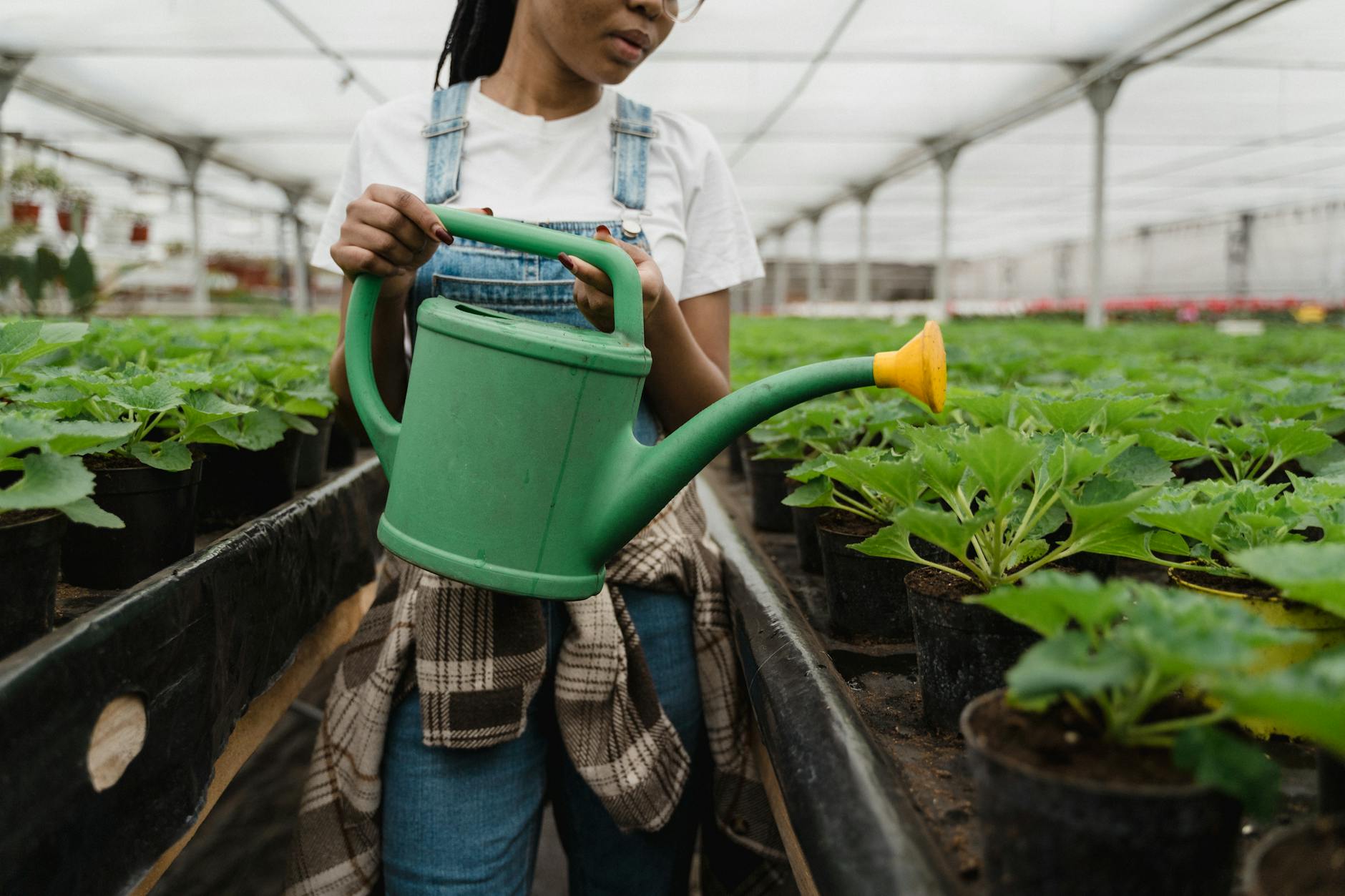
So, how do you get it just right? My preferred method for initial watering is bottom watering. I’ll fill my seed trays with moist compost, sow the seeds, and then place the tray into a larger tray of water for 10-15 minutes until the moisture has wicked up to the surface. This encourages roots to grow downwards and avoids disturbing tiny seeds. After that, I check the weight of the tray daily – a light tray needs water, a heavy one doesn't. When watering from above, I use a very fine rose on a small watering can to avoid dislodging seeds or compacting the compost. A gentle misting bottle can also work for maintaining surface moisture for very fine seeds, but don't rely on it for deep watering. Always aim for consistently moist, but never soggy, compost. Good drainage in your seed trays is non-negotiable!
5. The Perfect Bed: Sowing Depth and Potting Mix Matters
Right, so we've talked about the seeds themselves, the Goldilocks zone for temperature and water – now let's get down to the nitty-gritty of where those little hopefuls are going to start their lives. This is where I've made some classic Randy Thompson blunders in my early days, let me tell you! Getting the sowing depth just right and using the proper potting mix is absolutely critical for robust germination here in my Midlands garden.
Sowing Depth: Not Too Deep, Not Too Shallow
Think about it: tiny seeds, especially those that need light to germinate, just need a gentle press onto the surface. Bury them under an inch of compost and they'll never see the light of day (literally!). Larger seeds, on the other hand, need a bit more cover to stay consistently moist and warm. My rule of thumb, which I've found works beautifully across the board, is to sow seeds roughly two to three times their own diameter deep.
I remember my first year trying to grow sweet basil from seed in my greenhouse. I meticulously buried them about half an inch deep, just like my mum always told me for other veg. Days turned into weeks, and nothing! Frustrated, I did some digging (pun intended!) and learned that basil, like lettuce and some delightful cottage garden annuals such as snapdragons, actually needs light to germinate. Now, for those, I just gently scatter them on the surface of the compost and lightly press them down. A quick spray with the mister to settle them, and then I wait. It's a game-changer!
For my bigger seeds, like broad beans or peas, which I often start indoors before hardening off, I'll go a bit deeper, maybe an inch or so. They need that solid contact with the moist compost and the consistent warmth to break dormancy.
Potting Mix: Not All Compost is Created Equal!
This is where I truly believe many new gardeners (and some seasoned ones, myself included when I get complacent!) trip up. You see "multi-purpose compost" at the garden centre and think, "Great, that'll do for everything!" And yes, it will do for some things, but for delicate seedlings, it's often far from ideal.
Seedling-specific compost is usually much finer in texture, which allows for better seed-to-compost contact and easier emergence for those tiny sprouts. It's also typically lower in nutrients because the seed itself contains all the food the embryo needs for the first week or two. Too much fertiliser in the mix can actually "burn" the delicate roots of emerging seedlings. Plus, good seed compost is usually sterilised, which drastically reduces the risk of fungal diseases like damping off (more on that in a moment!).
In my 800 sq ft backyard, I swear by a good quality, peat-free seed and cutting compost. I always moisten it thoroughly before I even think about putting seeds in it. You want it damp, like a wrung-out sponge, not soaking wet. This ensures consistent moisture around the seed without waterlogging. Last season, I ran out of my usual brand and tried to make do with some multi-purpose I had lying around for potting on. The difference was stark – patchy germination, struggling seedlings, and a general air of disappointment. Lesson learned: invest in the right stuff!
Here's a quick comparison of the types of mixes you might come across in UK garden centres:
| Potting Mix Type | Key Characteristics | Best For | Randy's Verdict (UK Conditions) |
|---|---|---|---|
| Seed & Cutting Compost | Fine texture, low nutrients, sterile, excellent drainage. Often peat-free. | Starting almost all seeds, rooting cuttings. | My absolute go-to. Essential for reliable germination, especially for fussy varieties like my heirloom tomatoes ('Black Krim' especially!). |
| Multi-Purpose Compost | Coarser texture, higher nutrient content, may contain larger chunks of bark/fibre. | Potting on larger seedlings, general container planting. | Okay for potting on once seedlings have true leaves, but too coarse and rich for initial seed sowing. Can lead to poor germination and damping off. |
| John Innes Seed Mix | Loam-based (soil), sand, peat (or peat-substitute), balanced nutrients. Often sterilised. | Seeds that prefer a heavier, more stable growing medium. | A solid traditional choice. I sometimes use it for larger, slower germinating seeds like my greenhouse peppers ('Hungarian Hot Wax'). Provides good stability. |
| DIY Seed Mix | Your own blend of coir, perlite, vermiculite, compost. | Gardeners who want full control over ingredients. | I've experimented with this, but honestly, for convenience and consistent results, I stick to commercial peat-free seed compost for initial sowing. Too much effort for early stages. |

6. Uninvited Guests: Dealing with Pests and Diseases (Like Damping Off)
You've done everything right: good seeds, perfect temperature, just the right amount of water, and a lovely bed of fine compost. You check your tray, and there they are! Tiny green shoots emerging. Then, the next day, disaster strikes. Seedlings that were standing tall are now lying prostrate, seemingly pinched off at the soil line. If this sounds familiar, my friend, you've likely encountered the nemesis of many a seed starter: damping off.
Damping Off: The Silent Killer
Damping off is a collective term for several fungal diseases (often caused by Pythium, Rhizoctonia, or Phytophthora) that attack young seedlings, usually just as they emerge or shortly after. The fungi thrive in cool, overly wet, and poorly ventilated conditions. I learned this the hard way when I lost an entire tray of my beloved 'Moneymaker' tomato seedlings in my first year. I was so heartbroken! I'd babied them, then one cold, damp morning in the greenhouse, they just collapsed.
Prevention is absolutely key because once damping off sets in, it spreads rapidly and there's very little you can do to save the infected seedlings. Here's what I've learned to do in my UK garden to keep it at bay:
- Sterile Seed Compost: As I mentioned, using fresh, sterile seed compost is your first line of defence. It reduces the fungal spores present from the get-go.
- Cleanliness is Godliness: Always, always wash your seed trays and pots thoroughly after each use. I give mine a good scrub with hot soapy water and then rinse with a very dilute bleach solution (about 1 part bleach to 9 parts water). Let them air dry completely before storing or reusing. This kills off any lingering spores.
- Careful Watering: Overwatering is the biggest culprit. I prefer to bottom-water my seed trays. I place the tray in a larger tray of water for 10-15 minutes, letting the compost wick up the moisture. Once the top of the compost looks damp, I remove it and let any excess drain away. This keeps the surface of the compost drier, which discourages fungal growth.
- Good Air Circulation: Stuffy, humid conditions are a breeding ground for fungi. In my greenhouse, I make sure to open the vents a little, even on cooler days, or use a small fan to keep the air moving, especially when I have lots of trays packed in. If you're using a propagator with a lid, lift it daily for a few minutes to allow fresh air in.
- Right Temperature: While warmth helps germination, too much humidity combined with warmth without air circulation is problematic. Ensure temperatures are appropriate for the seed type and avoid drastic fluctuations.
- Don't Crowd Them: Sowing seeds too thickly means poor air circulation around each seedling. Thin out your seedlings as soon as they're large enough to handle, giving them space to breathe.
Other Pesky Pests
While damping off is the most common disease for seedlings, you might occasionally encounter other uninvited guests. Fungus gnats are tiny, annoying flies that buzz around your seedlings. Their larvae feed on decaying organic matter in the compost and can sometimes nibble on delicate roots, though they're usually more of a nuisance than a deadly threat. I've found yellow sticky traps are great for monitoring and catching the adults, and allowing the compost surface to dry out a bit between waterings helps disrupt their lifecycle.
If you ever decide to move your seed trays outside for hardening off, be vigilant about slugs and snails! They adore tender young growth. I learned this when a cheeky slug devoured a whole row of my pea seedlings overnight. Now, I keep them on a raised bench with copper tape or use slug pellets (sparingly and carefully!) if I know there's a serious problem in the area.
7. Patience is a Virtue: Understanding Germination Timelines and Expectations
So, you've got everything dialled in, the perfect conditions, and you're eagerly checking your seed trays multiple times a day. And then... nothing. Or maybe just a few stragglers. This is where patience, my friends, comes into play. Not all seeds sprout at the same speed, and understanding their typical germination timelines is crucial to avoid despairing too soon or giving up prematurely.
I've learned to be patient, especially with those slow-pokes like my beloved 'Hungarian Hot Wax' peppers, which can take a good two weeks or more to show their faces, even in warm conditions. Compare that to radishes, which often pop up within 3-5 days! It's a huge difference.
Factors like the specific seed variety, the consistent temperature you're providing, and even the age of the seed (fresher seeds generally germinate faster) all play a role. When I sow, I always label my trays with the seed name and the date I sowed them. Then, I check a reliable source (often the seed packet itself, or a good UK gardening guide) for the expected germination window. For instance, I know my parsley can be notoriously slow, sometimes taking up to three weeks, whereas my 'Early Nantes' carrots are usually up in about 7-10 days.
Don't give up after a week if you're waiting for something like a chilli or an aubergine! Keep the conditions consistent, keep the compost moist (but not wet!), and keep the faith. I've had seeds surprise me and germinate well past their "expected" window, especially if the temperature fluctuated a bit. Last spring, our British weather was playing silly beggars, and my 'Costoluto Genovese' tomatoes took an extra five days to show compared to previous years, purely down to a colder snap in the greenhouse.
I tend to give seeds at least double their expected maximum germination time before I consider them a complete write-off and decide to re-sow. This saves me wasted seeds and the frustration of digging up perfectly good, but slow, embryos! Keeping a gardening journal helps immensely here – I jot down sowing dates, germination rates, and any unusual weather or issues. It's a goldmine of information for future seasons.

Conclusion: Embrace the Journey, Learn from Every Empty Cell
Well, there you have it, fellow gardeners! We've journeyed through the common culprits behind those frustrating empty cells in your seed trays. From ensuring your seeds are still viable and stored correctly, to hitting that "Goldilocks Zone" for temperature and moisture, to providing the perfect bed with the right sowing depth and potting mix, and finally, protecting your precious seedlings from those pesky uninvited guests and practicing a good dose of patience – we've covered a lot.
Gardening, especially from seed, is a constant learning curve, and believe me, I've had my share of failures in my 800 sq ft Midlands garden. More than I care to admit sometimes! But every empty cell, every tray of dampening-off seedlings, has taught me something invaluable. It's about tweaking, observing, and understanding the specific needs of each plant and how they interact with our wonderfully unpredictable British climate.
Don't let a few germination failures put you off. Think of each one as a puzzle to solve, a chance to refine your technique, and a step closer to becoming an even more knowledgeable and successful gardener. The joy of seeing those first true leaves emerge, knowing you nurtured that tiny seed into life, is truly one of the most rewarding feelings in the world. And the satisfaction of a full seed tray, brimming with healthy young plants ready to thrive in your UK garden, is just incomparable.
So, go forth, armed with this knowledge, and troubleshoot with confidence! I'd love to hear your experiences too – what's worked for you in your UK garden? What's your secret weapon against damping off? Share your tips in the comments below!
Happy growing, and may your seed trays be gloriously full!
