Introduction: The First-Year Rose Dilemma - Patience is a Virtue (Sometimes)
There’s nothing quite like the thrill of bringing home a new rose bush, is there? I remember the excitement vividly when I first started out, especially with my very first 'Gertrude Jekyll' bare-root climber, carefully chosen for its incredible fragrance. I pictured my little 800 sq ft Midlands garden bursting with those classic, blousy blooms, climbing gracefully up the fence. I planted it with all the hope and optimism a new gardener can muster, followed all the instructions to the letter, and then... waited. And waited. The bush grew some lovely green leaves, put out a few new shoots, but come summer, not a single flower. Just lush greenery. My heart sank a little, I won't lie. I felt like I’d done something terribly wrong, or perhaps the fickle British weather had played its hand once again.
If you’re staring at your newly planted rose bush, perhaps a gorgeous 'Munstead Wood' shrub or a vibrant 'Lady of Shalott' climber, and wondering where on earth all the promised blooms are, then trust me, you are not alone. This is one of the most common questions I get asked, and it’s a feeling I know all too well from my own five years of intensive gardening here in the UK. We pour our love, time, and a good chunk of our budget into these beauties, expecting a show, and when it doesn't materialise, it's easy to get disheartened. But before you start despairing or reaching for every possible remedy on the garden centre shelf, let's take a deep breath. Often, what seems like a problem is actually just a rose bush doing what it needs to do in its first year.
In my journey from IT worker to full-time garden obsessive, I've learned that roses, much like us, need time to settle in. And sometimes, their priorities in that first year aren’t about putting on a dazzling floral display. They're focused on building strong foundations to thrive for years to come in our often-challenging UK climate. In this article, I’ll share some of my hard-won experience from my own garden – the successes, the failures, and the 'aha!' moments – to help you troubleshoot why your young roses might be holding back their blossoms. We’ll look at everything from setting realistic expectations to getting the soil just right, and making sure they’re neither too thirsty nor overfed. My goal is to help you understand what your rose needs now, so you can enjoy abundant flowers for many seasons in your own British garden.
Is it Normal? Setting Realistic Expectations for Young Rose Bushes
Let's cut straight to it: for many newly planted rose bushes, especially bare-root ones or those planted late in the season, not blooming profusely in their first year is absolutely normal. It’s a bit like a teenager moving into a new house; they're not immediately going to start hosting dinner parties and redecorating. They need time to unpack, get comfortable, and figure things out. Your rose bush is doing exactly that – it's channelling its energy into root development and establishing itself in its new home, rather than putting on a show above ground.
I've learned this the hard way with several varieties in my 800 sq ft Midlands garden. When I planted my 'Princess Alexandra of Kent' shrub rose, I was so eager for those huge, cupped blooms. It put out a few token flowers in late summer, but nothing like the pictures. I was convinced something was wrong. But by its second year, it was a superstar, covered in blooms. This pattern is common because roses are prioritising strong roots to anchor themselves and access water and nutrients, which is crucial for long-term health, especially when facing our sometimes windy and wet British weather. If you've just planted a bare-root rose in late autumn or early spring, its entire focus for the first few months is purely on root establishment. Container-grown roses, having a more developed root system, might give you a few more flowers in their first year, but still won't be at their peak.
Here’s a look at what you can generally expect from different types of roses in their first year in a typical UK garden:
| Rose Type | First-Year Bloom Expectation (UK Climate) Hybrid Tea Roses: Often produce a few blooms, especially if planted from a container. Don't expect a huge flush, though. Their energy is still mostly downwards.
| Floribunda Roses: Tend to be a bit more generous in their first year, often giving a decent scattering of smaller flower clusters. 'Iceberg' is a classic example that often performs well even when young.
| Shrub Roses: Similar to Hybrid Teas; they'll usually give you some flowers, but the main show will be in subsequent years. They're busy building their overall structure. My 'Graham Thomas' shrub rose was very demure in its first year.
| Climbing & Rambling Roses: Patience is key here! These are the slowest to establish. Expect very few, if any, flowers in the first year as they are entirely focused on producing strong, long canes. My 'Kiftsgate' rambler took almost three years to really get going.
| Groundcover Roses: Often quite vigorous, so you might see a good smattering of flowers, helping them to quickly cover their allotted space.
The main takeaway here is: don't panic if your young rose isn't blooming. It's likely investing in its future. My personal approach now, especially with bare-root roses, is to actually pinch off any early flower buds in the first 6-8 weeks after planting. It feels brutal, but it forces the plant to send that energy back into root and structural growth, which I've found pays dividends in spectacular blooms in the second year and beyond. This is particularly true for our British weather, where a strong root system helps plants cope with everything from sudden downpours to unexpected dry spells.
The Foundation for Blooms: Is Your Planting Site and Soil Up to Scratch?
You can buy the most exquisite rose variety in the world, but if its foundations aren't right, it simply won't thrive, let alone bloom. I learned this early on when I experimented with planting a few different roses in various spots around my 800 sq ft garden. The ones that struggled were almost always in less-than-ideal locations. For roses, especially here in the often-overcast UK, sunlight is absolutely paramount. They need at least six hours of direct sunlight a day to produce those glorious flowers. Anything less and they'll be spindly, prone to disease, and stingy with their blooms. I’ve found that even a couple of hours less than that magic six can make a huge difference, particularly in our Midlands climate where sunny days aren't always guaranteed. Observe your garden throughout the day – where does the sun hit and for how long? Don't just guess!
Next up, and equally vital, is the soil. Roses are famously hungry and thirsty plants, and they need well-draining, nutrient-rich soil to truly flourish. My garden here in the Midlands has notoriously heavy clay soil, which can be a rose's worst enemy if not properly amended. Clay holds onto water like a sponge, leading to waterlogged roots and eventually root rot, especially during our wet winters.
When I prepare a bed for a new rose, I dig a generous hole – at least twice as wide and deep as the root ball. Then, I spend time enriching that soil. I don't just chuck in some compost and hope for the best. I mix in a good amount of well-rotted garden compost or farmyard manure (usually a 50/50 mix with the excavated soil), along with some grit or sharp sand if my clay is particularly stubborn. This improves drainage and aeration, which is critical for healthy root development. I also add a handful of bone meal, which is a slow-release source of phosphorus, excellent for encouraging strong root growth and future flowering. This extensive preparation is a step many skip, but in my experience, it’s the single most important factor for getting your roses off to a flying start and ensuring they can handle the vagaries of British weather. Don't forget, too, to ensure good air circulation around the plant once it’s in the ground; cramped roses are unhappy roses, prone to fungal issues in our damp climate.
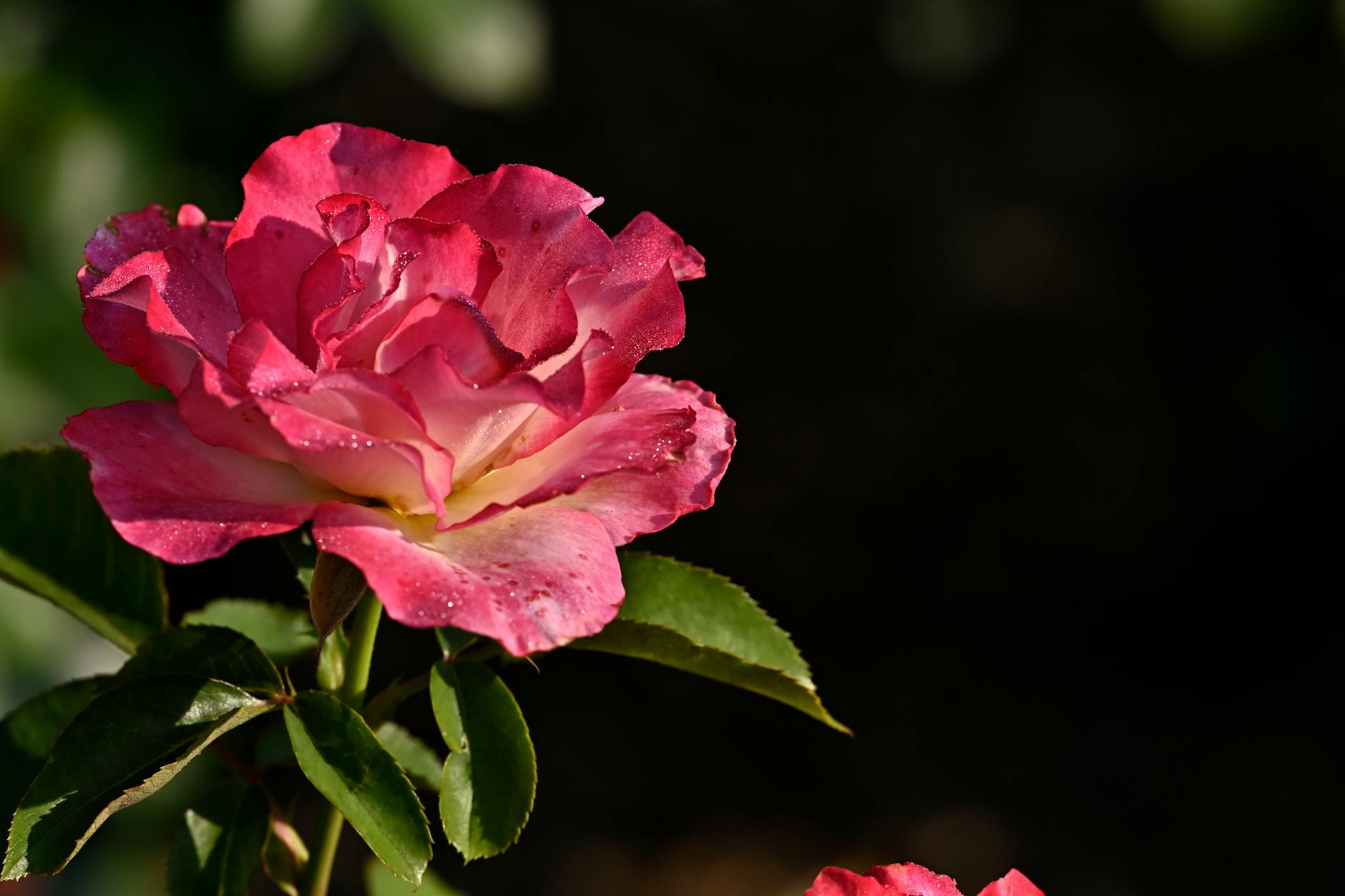
Thirsty or Overfed? Optimising Watering and Fertilising for Young Roses
Once your rose is in the ground, the next critical balance to strike is with watering and feeding. This is where many of us, myself included in my early gardening days, can accidentally love our roses to death or starve them of what they need. It’s a delicate dance, especially with our unpredictable British weather patterns – one week it’s a heatwave, the next it’s torrential rain.
Let's talk about watering first. Newly planted roses need consistent moisture to establish their root systems. This doesn't mean constantly soggy soil, though! Overwatering is just as detrimental as under-watering, leading to root rot and a lack of oxygen for the roots. In my garden, I aim for deep, infrequent watering rather than shallow, frequent sprinkles. After planting, I water deeply every 2-3 days for the first few weeks, checking the soil moisture with my finger before I reach for the watering can. If it feels damp a couple of inches down, I hold off. Once established, and depending on rainfall here in the Midlands, I might water once or twice a week during dry spells, giving each rose a good drench. During a typical British summer, which can be quite wet, I often don't need to water established roses at all, but young ones still need that little extra help to get going, particularly if they're under the eaves of the house or competing with thirsty neighbours.
Now, onto fertilising, which is often the biggest temptation for gardeners desperate for blooms. It's easy to think, "More food equals more flowers!" But for a first-year rose, this can actually backfire spectacularly. Young roses need to focus on root and foliage growth, not on producing a massive flush of flowers right away. High-nitrogen fertilisers, which encourage leafy green growth, are great for vegetables in my raised beds but can lead to a lush, leafy rose bush with very few, if any, blooms. I learned this lesson with my 'Roald Dahl' rose; I was so keen for it to flower, I gave it a general-purpose feed, and it just put on masses of green growth that year.
My recommendation for first-year roses is to be very conservative with fertiliser. If you've amended your soil well with compost and bone meal at planting, your rose probably has enough nutrients to get started. If you feel compelled to feed, wait until late spring/early summer, and then opt for a balanced, slow-release rose specific fertiliser, or better yet, a generous mulch of well-rotted compost. This provides a gentle, steady supply of nutrients without forcing it into premature flowering.
Here's a comparison of common fertilising mistakes and best practices for young roses in their first year:
| Fertilising Approach | Impact on First-Year Rose (UK Climate)
5. Early Warning Signs: Identifying Pests and Diseases Before They Halt Blooms
Even if you've done everything right with planting and feeding, sometimes nature throws a curveball in the form of unwanted guests or nasty fungal issues. For young roses, these can be particularly debilitating, as they don't have the established vigour to fight them off easily. I've learned this the hard way here in my Midlands garden; a tiny infestation can quickly become a big problem when a plant is still finding its feet.
The key, as with most things in gardening, is early detection. I make it a habit to check my rose bushes – especially the younger ones – every few days. I'm looking for anything out of the ordinary: curled leaves, sticky residue, discoloured spots, or visible bugs.
The most common culprit I’ve encountered on young roses in the UK is the dreaded aphid. These little green or black sap-suckers absolutely adore tender new growth, which is exactly what your rose is trying to put out to form those first potential buds. They cluster on the undersides of leaves and on developing stems. Last spring, I planted a lovely 'Gertrude Jekyll' climbing rose, and within weeks, a colony of greenfly had set up shop. I was so keen for it to establish, and they just drained the energy right out of it, causing the few tiny buds to shrivel.

Beyond aphids, keep an eye out for signs of fungal diseases that are very common in our often damp British climate. Black spot, with its tell-tale black spots on leaves surrounded by yellowing, and powdery mildew, which looks like a white, powdery coating, can weaken a young plant significantly. While these might not directly stop a bloom, they stress the plant, diverting energy away from flower production towards fighting the disease. I usually remove affected leaves immediately and ensure good air circulation – crucial in our often humid summers. For a severe outbreak, I might use an organic fungicide, but prevention through good cultural practices (like proper spacing and watering the soil, not the leaves) is always my first line of defence.
6. The Pruning Puzzle: Why Over-Pruning or Neglect Can Delay Flowers
Pruning can feel like a dark art, especially when you're dealing with a young, precious rose. Get it wrong, and you might inadvertently delay those first blooms. I certainly made a few blunders in my early days, hacking back a hopeful young 'Munstead Wood' bush a bit too enthusiastically, thinking I was helping it. What I was actually doing was removing all the potential flowering wood!
For first-year roses, the general rule is to be gentle. Your primary goal isn't to shape the plant into a perfect specimen, but to encourage strong root development and healthy, vigorous growth. This means removing dead, damaged, or diseased wood, and perhaps a few crossing branches, but largely leaving the healthy growth to develop. Every cut is a wound, and it takes energy for the plant to heal and regrow. If you're constantly cutting back new shoots, the rose will spend its energy on vegetative growth rather than bloom production.
On the flip side, complete neglect isn't the answer either. Leaving too many weak, spindly shoots can lead to a congested plant that struggles with air circulation, making it more prone to pests and diseases. Plus, these weak shoots are unlikely to produce strong, showy blooms anyway. A light touch is needed.
Here's a comparison to help you navigate the pruning conundrum for those vital first years:
| Feature/Action | Over-Pruning (First Year) | Neglect (First Year) | Just Right (First Year) |
|---|---|---|---|
| Goal | Create perfect shape prematurely; remove too much new growth. | Avoid cutting anything, hoping for maximum growth. | Encourage strong root development & healthy framework; remove only problematic growth. |
| Impact on Blooms | Delays or prevents blooms by removing flowering wood; diverts energy to regrowth. | Weak, spindly growth may produce few, small, or poor-quality blooms; energy wasted. | Promotes strong, healthy stems capable of supporting good blooms in future seasons. |
| What's Removed | Too many healthy new shoots, potential flower buds, strong branches. | Nothing, leading to crowded, weak, or crossing branches. | Dead, diseased, or damaged wood; any crossing/rubbing branches; weak, spindly shoots. |
| Energy Allocation | Plant spends energy regrowing lost foliage instead of root development or flower production. | Energy spread thinly across many weak shoots; increased disease risk. | Energy directed to strengthening main structure and root system for future vigour. |
| Typical Mistake | Pruning like an established rose; "hard pruning" too soon. | Fearing pruning altogether; allowing plant to grow without any guidance. | |
| Randy's Take | "I learned the hard way that less is often more with young roses. My 'Munstead Wood' suffered for my eagerness!" | "A completely unpruned young rose in my Midlands garden often ends up leggy and struggling with airflow." | "A light touch, focusing on health, is what works here in Britain for those initial years." |
Remember, any major shaping or "hard pruning" can wait until your rose is truly established, usually in its third year. For the first year, it's about giving it the best chance to grow strong and healthy. My philosophy for young roses is minimal intervention but consistent observation.
7. Beyond the First Year: Nurturing Your Roses for a Lifetime of Blooms
So, your rose didn't bloom in its first year. Take a deep breath! You've learned a ton about its needs, and you've set the stage for a glorious future. The first year is really about establishment, about those roots digging deep into my heavy clay soil here in the Midlands, and the plant building its internal strength. Think of it as a teenager finding its feet – a bit gangly, sometimes awkward, but full of potential!
As your rose moves into its second year and beyond, you can start to adjust your care routine from "babying" to "nurturing." Here's what I focus on to ensure my roses provide a lifetime of abundant flowers:
- Consistent Feeding (But Not Overdoing It!): Once established, roses are hungry plants. In my UK garden, I feed my roses with a balanced rose fertiliser in early spring as new growth emerges, and again after the first flush of flowers in early summer. I've found a good organic granular feed works wonders, scratch it into the soil around the base, and then water it in. I also give them a compost mulch in autumn – a good couple of inches of my homemade compost, which builds up the soil structure and provides slow-release nutrients.
- Watering Wisely: Even established roses need consistent water, especially during dry spells, which we certainly get our fair share of in Britain. Deep watering less frequently is always better than shallow sips. I aim for a good soak once a week if there hasn't been significant rain, especially for my roses in raised beds which dry out faster.
- Strategic Pruning: Now you can start to think about shaping and encouraging even more blooms. I typically do my main rose pruning in late winter/early spring, usually around February or March, depending on how mild our British winter has been. I remove dead, diseased, or damaged wood, cut back crossing branches, and aim for an open, goblet shape for bush roses to ensure good airflow. Deadheading spent flowers throughout the season is also crucial – it encourages the plant to put energy into producing more blooms, not seeds.
- Pest and Disease Vigilance: Continue those regular checks. An established rose has more resilience, but prevention is still easier than cure. I try to foster a healthy ecosystem in my garden, encouraging beneficial insects like ladybirds, which are brilliant at hoovering up aphids. If I do get a persistent problem, I'll reach for an organic spray, but only as a last resort.
- Winter Protection (If Needed): While many modern roses are quite hardy, a bit of winter protection can go a long way, especially for newly established plants or more tender varieties. Here in the Midlands, our winters can be quite wet and frosty. I often mound up a bit of compost or well-rotted manure around the base of my roses in late autumn to protect the graft union from hard frosts.
My 'Peace' rose, which didn't give me a single bloom in its first year, is now a showstopper every summer, covered in those huge, creamy-yellow blossoms. It just needed that initial grace period, and a bit of patient encouragement from me.
Conclusion: Patience, Observation, and a Little Randy's Grit
So, your newly planted rose bush hasn't bloomed in its first year. As I've hopefully shown you, this is far more common than you might think, and very rarely a sign of failure. It's often just your rose doing what it needs to do: getting comfortable, putting down strong roots, and building up its strength for a magnificent future performance.
From ensuring your planting site is spot-on and your soil is thriving, to getting your watering and feeding just right, to keeping a keen eye out for pests and diseases, and understanding the nuances of first-year pruning – every step you take now is an investment.
I've made my fair share of mistakes over my five years of intensive gardening here in the UK – over-fertilising, under-watering, panicking at the first sign of an aphid. But each 'failure' has been a lesson, especially with these glorious roses. What I've learned, and what I want to pass on to you, is the immense value of patience and observation. Spend time with your roses. Watch them. They'll tell you what they need.
The rewards, my friend, are absolutely worth it. There's nothing quite like stepping out into my 800 sq ft Midlands garden on a summer morning, a cuppa in hand, and seeing those first glorious rose blooms unfurl, their fragrance filling the air. Your rose is on its way. Give it time, give it love, and I promise you, it will repay you with years of breathtaking beauty. Happy rose growing!