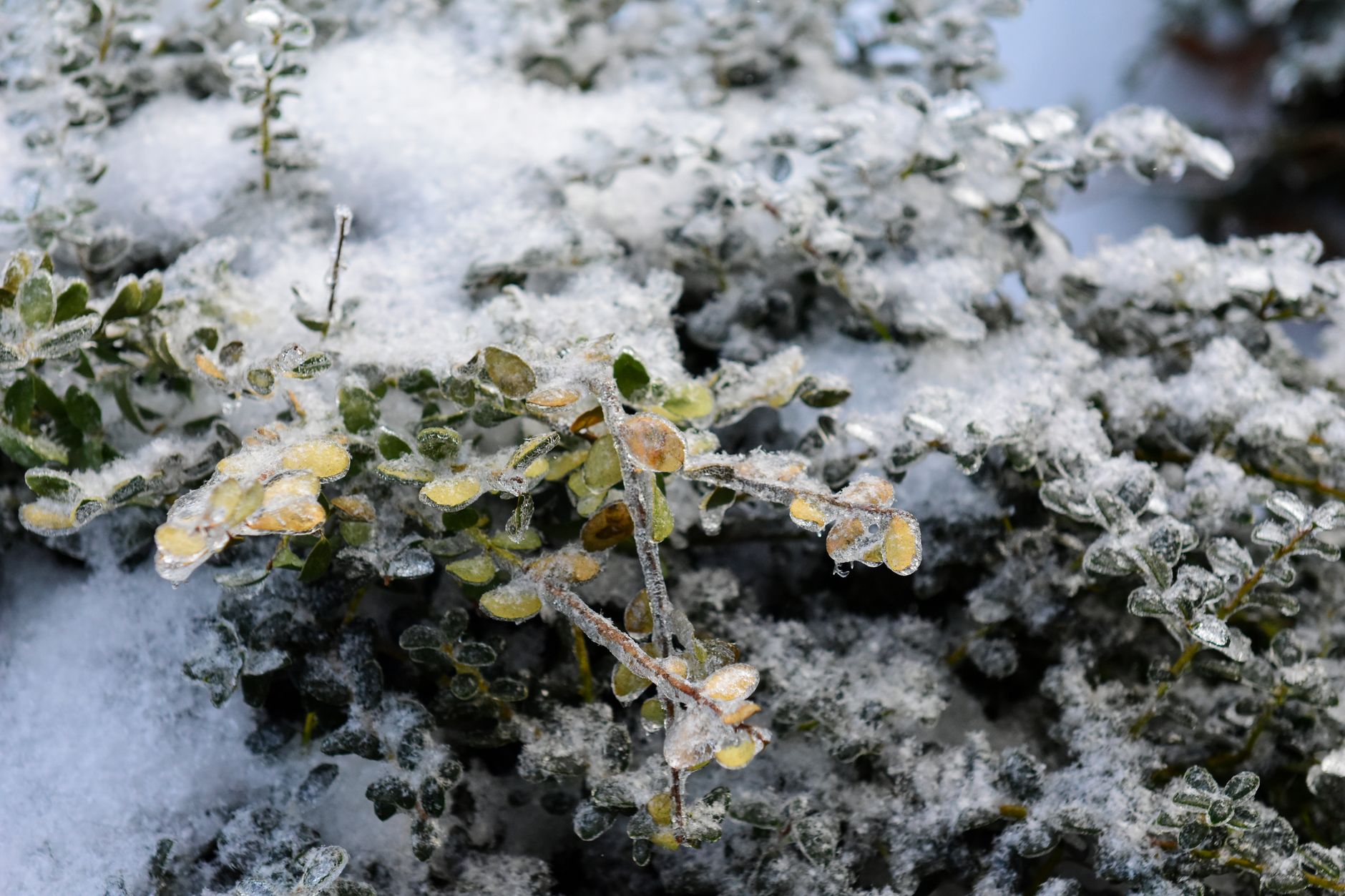
The Winter Mystery: Why Your 'Hardy' Perennials Aren't So Hardy
Right, let's be honest with each other. We've all been there, haven't we? You lovingly plant a beautiful perennial, carefully chosen from the "hardy" section of the garden centre, dreaming of its glorious return year after year. Then, come spring, you peek into the garden after a particularly grim British winter, full of hope, only to find… nothing. Or worse, a sad, mushy clump, or a plant that looks like it's been rudely yanked out of the ground. It’s absolutely heartbreaking, and for years, it was one of my biggest frustrations here in my 800 sq ft Midlands garden.
When I first started gardening five years ago, after swapping my IT desk for a trowel, I made the mistake of assuming "hardy" meant truly indestructible, no matter what our unpredictable UK weather threw at it. I lost some lovely 'Delphiniums', a couple of 'Penstemons', and even a supposedly bulletproof 'Lavender' in my first couple of winters. I’d scour the internet, convinced I was doing something fundamentally wrong, or that my soil was cursed. The truth, I've learned through a fair bit of trial and error (and a lot of soggy roots), is that "hardy" in the UK isn't just about surviving cold temperatures. It's about surviving our peculiar blend of cold, wet, and often wildly fluctuating weather.
The real killers of our "hardy" perennials in in-ground beds aren't usually extreme cold alone, but rather two sneaky saboteurs: persistent wetness around the roots and the relentless push and pull of freeze-thaw cycles. These two factors can turn a seemingly robust plant into a goner overnight. If you're tired of playing detective every spring, trying to figure out why your garden casualties keep piling up, then you're in the right place. I’m going to share what I’ve learned in my own UK garden, how to diagnose these silent killers, and what you can do about them.
Unmasking the Killers: Wet Feet vs. The Great Heave
After years of scratching my head and digging up sad, soggy roots or finding plants literally sitting on the soil surface, I've come to understand that most winter perennial deaths in my UK garden boil down to one of two main culprits: "wet feet" (root rot from poor drainage) or "freeze-thaw heave" (the soil pushing plants out). Both are particularly prevalent in our British climate, especially here in the Midlands where we get a good mix of everything.
I once lost a beautiful 'Rozanne' geranium, which is supposed to be one of the most reliable perennials for UK conditions, only to discover its roots were basically a black, rotten mess. That was a clear case of wet feet. Then, a particularly harsh February a couple of years back saw several young 'Echinaceas' and even some established 'Heucheras' practically ejected from their beds, their crowns exposed and shrivelled. That, my friends, was the great heave at work. Understanding the differences between these two is the first step to saving your cherished plants.
Here’s a breakdown of how to tell them apart:
| Feature | Wet Feet (Poor Drainage) | Freeze-Thaw Heave |
|---|---|---|
| Cause | Persistent waterlogging, lack of oxygen to roots | Expansion/contraction of soil water during freezing/thawing |
| Symptoms | Mushy, black, or slimy roots; stunted growth; wilting; yellowing; foul-smelling soil; plant base turns soft/rotten | Plant pushed up out of soil; exposed roots; gap between crown and soil; shrivelled roots; stunted spring growth |
| Timing | Can occur anytime soil is waterlogged, but worst in wet, cold UK winters | Occurs during periods of fluctuating temperatures (freezing nights, thawing days) – typical UK winter/early spring |
| Affected Plants | Plants preferring well-drained soil (e.g., Lavender, Salvia, Penstemon, many Alpines); young plants; plants in heavy clay soil | Shallow-rooted plants; newly planted perennials; plants in heavy clay or silty soils |
| Soil Conditions | Consistently wet, often heavy clay, compacted, slow to drain | Can occur in various soils, but more pronounced in moisture-retentive soils (clay, silt) that hold more water to freeze |
| Randy's Tip | If it smells like a swamp, it's wet feet. | If it looks like someone tried to pull your plant up, it's heave. |
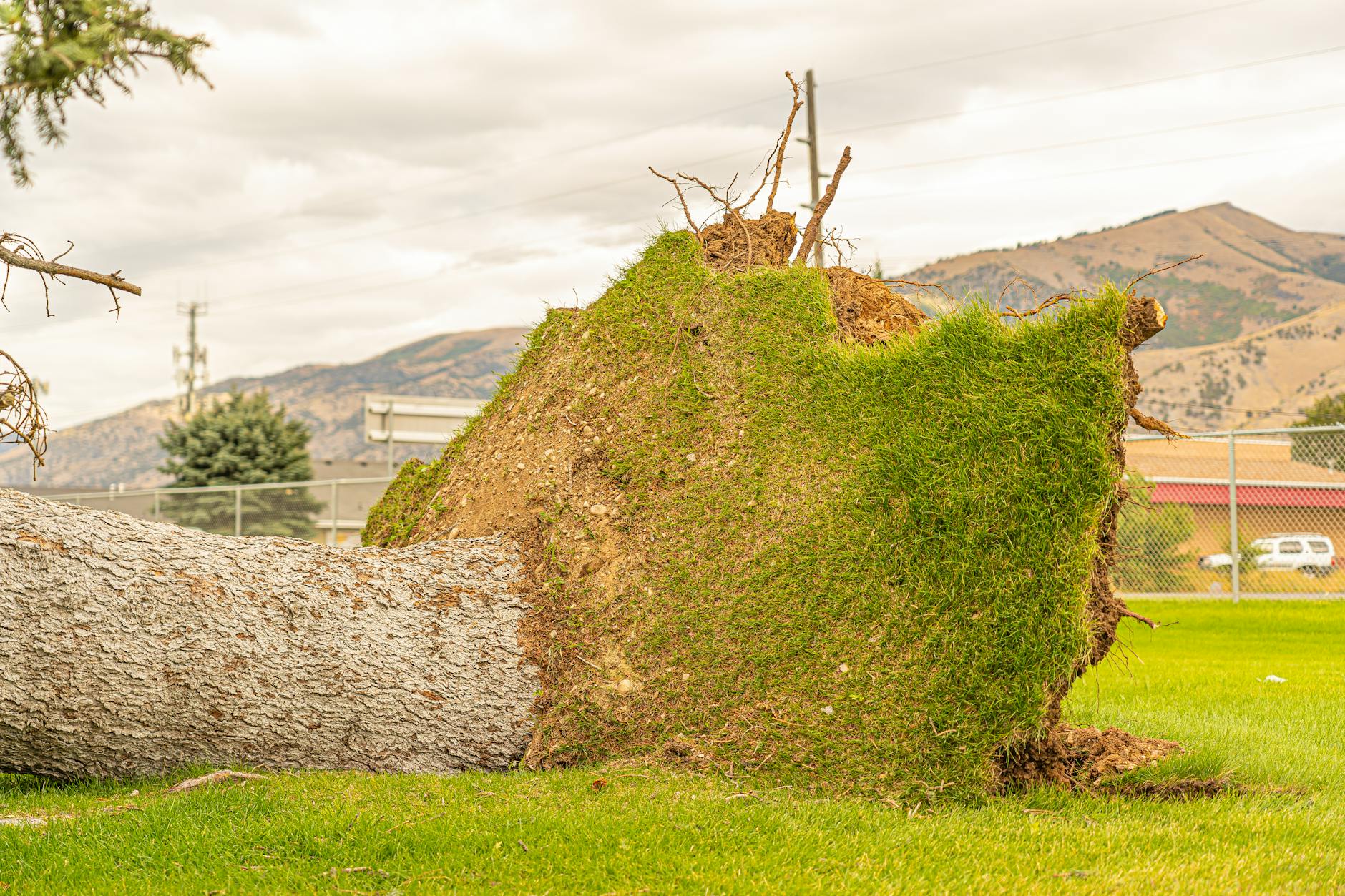
Is It Wetness? Diagnosing Poor Drainage in Your Garden Beds
Right, let's get our hands dirty and figure out if your soil is more like a bog than a bed. Here in the UK, especially with our often damp climate, poor drainage is a rampant killer of "hardy" plants. When I first moved into my 800 sq ft Midlands plot, the soil was heavy clay, a real challenge. I learned pretty quickly that "well-drained" wasn't a given, and many of my earlier plant losses were down to this.
The easiest way to check your drainage is with a simple "percolation test." It’s straightforward and gives you a clear picture:
- Dig a hole: Choose a spot in your bed where plants are struggling, or where you plan to plant. Dig a hole about 30cm (12 inches) deep and 30cm wide.
- Fill and wait: Fill the hole with water and let it drain completely. This saturates the surrounding soil.
- Refill and time: Once it's empty, fill it again with water. Now, grab a stopwatch or your phone and time how long it takes for the water level to drop by 2.5cm (1 inch).
- Interpret the results:
- Drains quickly (2.5cm in 5-10 minutes): Excellent drainage. Almost too fast for some plants, so you might need to add organic matter to retain moisture.
- Good drainage (2.5cm in 15-30 minutes): Ideal for most perennials. This is what I aim for in my vegetable beds and perennial borders.
- Slow drainage (2.5cm in 1-2 hours): You have a drainage issue. Many plants will struggle here, especially over winter.
- Very poor drainage (takes several hours or overnight): You've got a bog, not a bed. This is fatal for most non-bog plants and needs significant improvement.
I've found this test invaluable. If it takes hours, or even overnight, you've definitely got a drainage issue. My aim for most of my in-ground perennials is at least 2.5cm per hour.
Beyond the test, look for these visual clues:
- Water pooling: After a good British downpour, does water sit on the surface for hours, or even days?
- Soggy soil: Does the soil feel constantly wet and heavy, even when it hasn't rained recently?
- Foul smell: Waterlogged soil can develop an unpleasant, stagnant odour due to anaerobic conditions.
- Moss/algae: Green growth on the soil surface is a strong indicator of persistent dampness.
- Plant symptoms: Plants looking yellowed, stunted, or wilting despite being watered are often suffering from root rot. I've even seen 'Hostas' (which usually love moisture) struggle in genuinely waterlogged spots, turning mushy at the base.
Here in the Midlands, heavy clay is a common culprit. It holds onto water like glue, making it a death trap for many perennials in winter. Understanding your soil type is key to understanding your drainage.

Is It Heave? Spotting the Signs of Freeze-Thaw Damage
If your plants aren't drowning, then they might be getting evicted by the soil itself. This is where our unpredictable British weather really plays tricks, especially the mild days followed by hard frosts that are so common here. Freeze-thaw heave happens when water in the soil freezes, expands, and pushes the soil upwards, lifting anything in its path – including your plants. When it thaws, the soil settles back down, but often the plant doesn't, leaving its roots exposed to the drying winter air and fatal cold.
I distinctly remember a particularly harsh February a couple of years back. I'd planted some young 'Echinaceas' and 'Sedums' that autumn, thinking they'd be fine. Come spring, they were literally sitting on top of the soil, roots bare and shrivelled. A classic case of heave! It’s a sneaky killer because the plant might look fine one day, and then after a few cycles, it's fatally compromised.
Here’s what to look for if you suspect freeze-thaw heave:
- Plants pushed up: The most obvious sign is when your plant appears to be sitting higher in the soil than it was planted, sometimes even completely out of the ground.
- Exposed roots: You might see the crown of the plant or its upper roots visible above the soil line, looking dry and vulnerable.
- The 'collar' effect: Look for a tell-tale 'collar' where the base of the plant seems to have a ring of exposed stem above the soil line, indicating it's been lifted.
- Loose soil around the plant: The soil directly around the plant might feel unusually loose or disturbed.
- Stunted growth or wilting in spring: Even if the plant isn't completely heaved out, repeated lifting can damage its root system, leading to poor growth or wilting in spring, despite adequate water.
Young plants, shallow-rooted perennials like 'Heuchera', 'Primula', and newly planted specimens are particularly susceptible. My hardy 'Lobelia cardinalis' often gets a good old heave if I don't mulch it properly, and it's something I now actively monitor during those fluctuating winter weeks. It’s those rapid temperature swings, where the ground freezes solid overnight and then thaws to a muddy mess by midday, that really cause havoc here in our British gardens.
Okay, so you've diagnosed that your 'hardy' perennials are actually drowning. It's a classic UK garden problem, especially with our notoriously damp winters here in the Midlands. I've been there, staring sadly at a patch of what should be thriving lavender, only for it to melt into a soggy mess by February.
Improving Your Soil's Drainage
The first line of defence is always your soil. If your in-ground beds are heavy clay, like much of what I started with in my 800 sq ft backyard, you've got your work cut out for you, but it's absolutely doable.
- Incorporate Organic Matter, Lots of It: This is my number one tip. For years, I just chucked a bit of compost on top. Big mistake. Now, every autumn, I dig in a good 4-6 inches of well-rotted manure, homemade compost, or spent mushroom compost into my beds. It physically separates those tiny clay particles, creating air pockets and pathways for water to drain through. In my vegetable beds, where drainage is critical for things like carrots and parsnips, I even do this twice a year.
- Raised Beds (My Go-To): Honestly, if you're struggling with severe drainage issues, raised beds are a game-changer. I've gradually converted most of my growing space into them. You get to control the soil mix entirely. I fill mine with a blend of good topsoil, plenty of compost, and grit. This means no more waterlogging, even during our heaviest downpours. My greenhouse is filled with raised beds too, where my heirloom tomatoes absolutely thrive thanks to the perfect drainage.
- French Drains & Swales (For Serious Situations): For a particularly boggy corner of my garden that I wanted to convert into a small perennial border, I actually dug a shallow swale leading to a small soakaway filled with gravel. It's a bigger project, but it totally transformed that area. This might sound intimidating, but it's essentially just a shallow trench filled with aggregate to channel water away.
Choosing Plants That Don't Mind a Bit of a Puddle
While improving drainage is key, sometimes you just have to work with what you've got, or you might have a naturally damp spot you want to fill. Thankfully, there are plenty of beautiful perennials that actually enjoy moist conditions, or at least tolerate them better than others.
For example, I've had great success with Siberian Irises ('Caesar's Brother' is a stunner), Astilbes, and some of the more robust Hostas in areas that stay damper. They're not going to be happy sitting in a pond all winter, but they won't rot at the first sign of rain like my poor lavender did.
Here’s a quick comparison of drainage solutions I’ve used or considered:
| Drainage Solution | Pros | Cons | Randy's UK Garden Take |
|---|---|---|---|
| Organic Matter (Compost) | Improves soil structure, adds nutrients, cheap/free if DIY | Requires ongoing effort, slower results on heavy clay | My essential, annual ritual. Transforms heavy Midlands clay over time. |
| Raised Beds | Full control over soil, excellent drainage, easier on the back | Initial cost for materials, construction effort, can dry out faster | Game-changer for my veg & greenhouse. Worth every penny and effort. |
| Grit/Sharp Sand | Physically opens up soil, immediate effect on structure | Doesn't add nutrients, can settle over time, expensive in bulk | I use it in potting mixes and sometimes heavily amended beds, but not solely. |
| French Drain/Swale | Solves severe localised waterlogging, permanent solution | Major excavation, labour-intensive, requires planning | Only for truly problematic areas. My wet corner project was a success. |
| Mounding/Berms | Elevates plant roots, improves surface drainage | Can look unnatural, requires moving a lot of soil | Great for individual plants that hate wet feet, like my Agapanthus. |

Preventing Freeze-Thaw Heave: Mulch, Planting Depth & Winter Protection
The other side of the winter perennial death coin is freeze-thaw heave. Oh, the frustration of walking out after a particularly cold snap, only to see your newly planted coneflowers lifted right out of the ground, their tender roots exposed to the biting British wind! I learned this one the hard way with a gorgeous patch of 'Rozanne' hardy geraniums. One mild, wet December followed by a sudden Siberian blast in January, and poof – they were all dislodged.
The Power of Mulch: Your Winter Blanket
Mulch is your best friend against heave. It acts like a duvet for your soil, insulating it from those wild temperature fluctuations that cause the ground to expand and contract.
Types of Mulch I Swear By:
- Wood Chips/Bark: My absolute favourite. I get big bags from the local garden centre, or sometimes even a delivery from an arborist. A good 3-4 inch layer around perennials in late autumn does wonders. It breaks down slowly, adding organic matter, and looks tidy. I use it extensively in my ornamental borders.
- Compost: While excellent for drainage, a thicker layer of well-rotted compost (2-3 inches) can also serve as a good winter mulch. It's especially beneficial as it feeds the soil as it slowly leaches nutrients. I often top-dress my established perennials with this.
- Straw: Great for insulating more tender plants or new plantings. I use it heavily in my vegetable beds after they're cleared, and sometimes around newly planted perennials that are still getting established. It's light and easy to remove in spring.
Timing is Key: Apply your mulch after the ground has started to cool but before the really hard frosts hit. Here in the Midlands, I usually aim for late October to mid-November. You want to lock in that consistent soil temperature, not keep it warm and encourage late growth.
Correct Planting Depth: A Foundation for Success
This sounds basic, but it's crucial. Many people (including past-Randy!) plant perennials too shallowly. When you plant, ensure the crown of the plant (where the stems meet the roots) is level with or slightly below the soil surface, depending on the specific plant's needs. For plants particularly susceptible to heave, like some delphiniums or lupins, a slightly deeper planting can provide a bit more anchor.
Other Winter Protection Tricks
- Protection for Newbies: Any perennials planted in late autumn are particularly vulnerable. Give them an extra thick layer of mulch, or even a cloche or a few branches of evergreen foliage (like discarded Christmas tree branches, a classic British hack!) laid over them to provide extra insulation.
- Don't Prune Too Soon: Resist the urge to tidy up everything in autumn. The old growth on many perennials can offer a bit of natural protection to the crown. I leave things like ornamental grasses and sedums standing until early spring; they look great with a bit of frost on them anyway!
Here's a comparison of heave prevention methods I rely on:
| Heave Prevention Method | Pros | Cons | Randy's UK Garden Take |
|---|---|---|---|
| Thick Mulch (Wood Chip) | Excellent insulation, suppresses weeds, adds organic matter | Can be expensive in bulk, takes effort to apply | My absolute go-to for all perennial beds. A non-negotiable for me. |
| Compost Mulch | Insulates, feeds soil, improves structure over time | May not be as insulating as wood chip, can be costly if bought | I use this as a top-up or for plants that need extra feeding. |
| Correct Planting Depth | Fundamental, costs nothing, sets plant up for long-term success | Requires attention during planting, can be overlooked | Critical. I always double-check the crown is at the right level now. |
| Evergreen Boughs | Free if you have access, good temporary insulation | Aesthetics, limited availability, less effective for large areas | Great for protecting particularly vulnerable new plants in my garden. |
| Cloches/Fleece | Targeted protection for individual plants, very effective | Can look untidy, requires storage, some cost | I use these mainly for my more tender herbs or very new, delicate plants. |

Long-Term Resilience: Cultivating a Winter-Proof Garden in the UK
So, we've covered the main culprits – too much wetness and the relentless freeze-thaw cycle that our unpredictable British winters throw at us. It's a lot to take in, I know, but trust me, understanding why your 'hardy' perennials are struggling is half the battle won.
For me, after years of experimenting in my 800 sq ft Midlands garden, it really boils down to a few core principles:
- Know Your Soil: This is non-negotiable. Get to grips with what you're working with. Is it heavy clay, sandy, or somewhere in between? Once you know, you can amend it appropriately to improve drainage. I've spent countless hours digging in compost, and it's been the single best investment of time I've made.
- Observe Your Microclimates: Every garden, even within my small backyard, has different zones. Some spots are shadier, some sunnier, some naturally wetter, others drier. Pay attention to where water collects, where the sun lingers, and where the wind whips through. Place your plants accordingly. Those moisture-loving Astilbes will thrive where the soil stays a bit damp, while the drought-tolerant Lavenders need that well-drained, sun-baked spot.
- Mulch, Mulch, Mulch: If there's one takeaway from this whole discussion, it's the power of a good, thick layer of mulch. It's your winter armour against both excessive wetness (by preventing compaction and slowly improving soil) and, crucially, freeze-thaw heave. I apply it religiously every autumn.
- Right Plant, Right Place: This age-old gardening adage is never more true than when dealing with winter survival. Even a 'hardy' perennial will perish if it's planted in conditions it hates. Do your research on your chosen varieties – do they prefer sharp drainage? Do they tolerate winter wet?
Gardening in the UK, especially here in the Midlands with our famously varied weather, is a constant learning curve. I've had my share of failures – from those drowned delphiniums to heave-hoisted heucheras – but each one has been a valuable lesson. Don't be disheartened by losses; they're just an invitation to learn more, experiment, and adapt.
The joy of gardening, for me, comes from this continuous dialogue with nature, understanding my patch, and finding creative solutions to help my plants thrive. Take these tips, go out into your garden, and start observing. You'll be amazed at how resilient your garden can become with just a little understanding and intervention. Here's to a winter-proof garden, full of life come spring! Happy gardening!