Is Your Basil Struggling? Understanding Tiny, Curled, Stunted New Growth
Right, let's have a proper natter about basil, shall we? If there's one herb that truly captures my heart here in my 800 sq ft Midlands garden, it's basil. That vibrant green, that incredible aroma, the way it elevates a simple tomato salad or a homemade pesto – it's just pure magic. I've been growing basil for five years now, ever since I swapped my IT desk for raised beds, and it's easily one of my absolute favourites. I grow 'Genovese' in the greenhouse for those big, tender leaves, and a more compact 'Sweet Basil' outdoors when our British summer decides to play nice.
But let's be honest, basil can also be a bit of a diva, can't it? There's nothing more disheartening than checking on your promising young plants, full of hope, only to find the new growth looking utterly pathetic. Tiny leaves, all curled up like a clenched fist, and just plain stunted, refusing to grow. It's a common sight for many UK gardeners, and trust me, I've been there more times than I care to admit. I remember one season, just as I was getting really into growing my own herbs, my entire outdoor basil patch went from lush to laughable in a matter of days. I felt like I'd failed them completely.
When your basil starts showing these symptoms – tiny, curled, and stunted new growth – it's its way of shouting for help. It's a clear signal that something isn't right, and it's usually down to one of three culprits: sneaky pests, a rumbling tummy (nutrient deficiency), or just plain environmental stress from our wonderfully unpredictable British weather. Over the years, through plenty of trial and error (and a fair few plant funerals!), I've learned to read these signs and, more importantly, how to fix them. I'm going to share exactly what I've found works here in my UK garden, so you can get your basil thriving again, ready for those glorious summer dishes.
First Steps: A Quick Check of Your Basil's Environment
Before we dive into the nitty-gritty of creepy crawlies and nutrient charts, the very first thing I always do when I spot struggling basil is take a step back and look at its immediate surroundings. It’s like checking the fuses before calling an electrician – often, the simplest things are the problem. This is where I've learned some of my most important lessons about adapting general gardening advice to our specific UK climate and conditions.
Sunlight: Is it a Sun Worshipper or a Shade Seeker?
Basil, especially varieties like 'Genovese' or 'Lemon Basil', absolutely loves sunlight. In its native Mediterranean climate, it gets hours of intense sun. Here in the Midlands, our sun can be a bit more... temperamental. For optimal growth, basil needs at least 6-8 hours of direct sunlight a day. If your basil is in a spot that's too shady, it'll stretch, become leggy, and the new growth will be weak and tiny as it desperately tries to reach for light.
On the flip side, especially if you're growing in pots or a greenhouse like I do with my heirloom tomatoes, our British summer sun, when it really gets going, can sometimes be too intense. I've seen leaves scorch and curl up from sheer heat stress if they're not gradually acclimatised or given a little midday shade. For my greenhouse basil, I ensure good ventilation to prevent overheating, and for my outdoor plants, I've learned the best spot is where they get morning sun and a little dappled afternoon shade.
Watering: The Goldilocks Zone – Not Too Much, Not Too Little
This is probably the most common mistake I made when I first started, and it’s one that directly impacts basil's new growth. Basil hates having "wet feet" – consistently soggy soil leads to root rot, which starves the plant and causes those exact tiny, curled, stunted leaves. Conversely, letting the soil dry out completely, especially in pots or raised beds that drain quickly, stresses the plant and can cause similar symptoms.
I’ve found the sweet spot in my UK garden is consistent moisture, but never waterlogged. I stick my finger about an inch or two into the soil; if it feels dry, it's time to water. In raised beds, I tend to water deeply every couple of days during dry spells. In pots, especially terracotta ones that breathe, it might be daily or even twice a day during a heatwave. I always water at the base of the plant, avoiding splashing the leaves, to help prevent fungal issues which our damp British climate can encourage.
Soil & Drainage: The Foundation of Health
Basil thrives in rich, well-draining soil. If your soil is compacted, heavy clay (a common issue in parts of the UK!), or just poor quality, the roots can't properly access nutrients or oxygen. This leads to weak growth, and yes, tiny, curled, stunted leaves.
In my raised beds, I use a mix of good quality, peat-free multi-purpose compost mixed with some well-rotted homemade compost. For pots, a dedicated potting mix is essential. The key is ensuring excellent drainage. If your pot doesn't have drainage holes, your basil is doomed to soggy roots, plain and simple. I always add a layer of crocks or gravel at the bottom of pots for extra peace of mind, especially for my greenhouse basil, which I pamper quite a bit.
Pest Patrol: Identifying and Eradicating Tiny Intruders on Your Basil
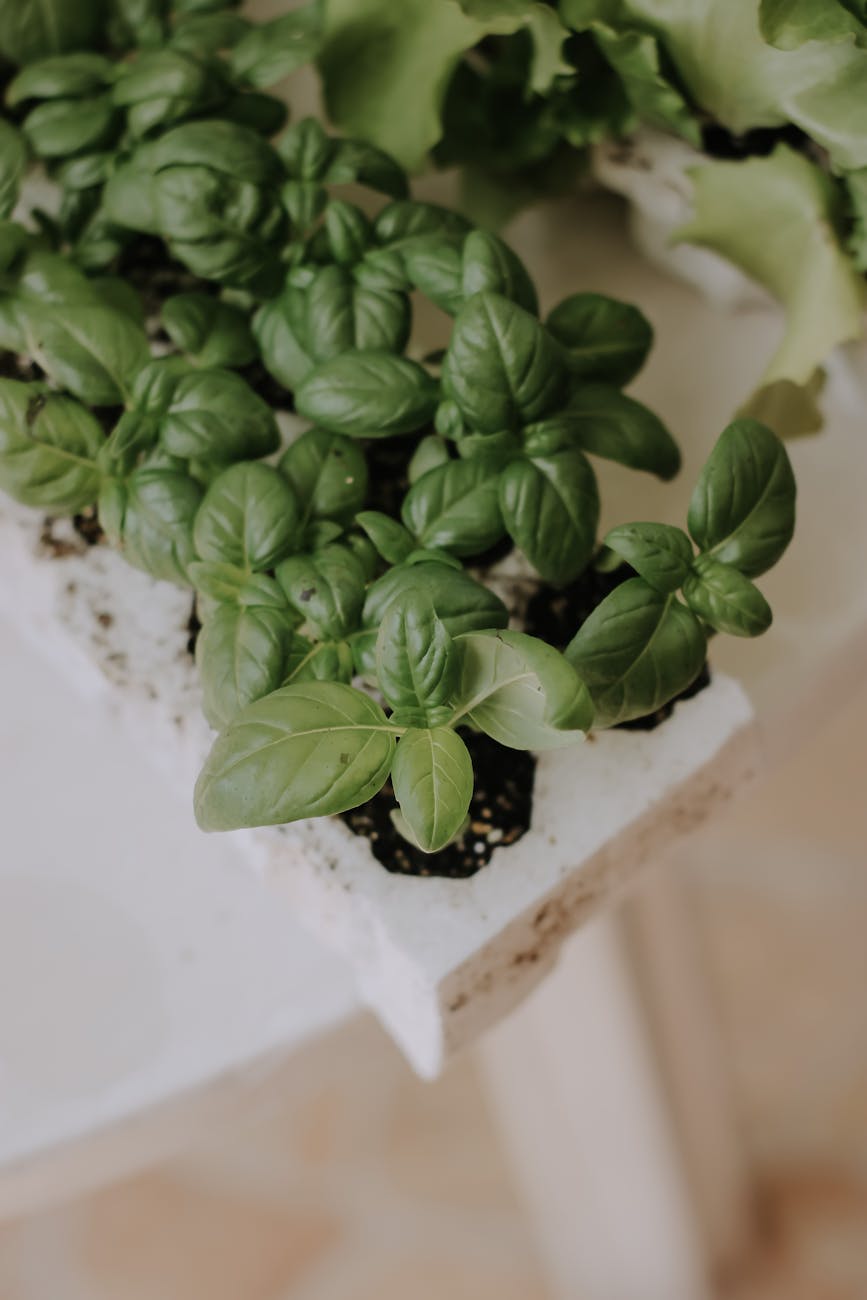
Right, let's talk about the unwanted guests. Pests are an absolute nightmare, and they're particularly adept at making your basil look utterly miserable. I learned this the hard way one year when I noticed my beautiful 'Thai Basil' in the greenhouse wasn't growing. The new leaves were practically microscopic and looked like they'd been chewed on by a tiny invisible monster. A closer inspection with a magnifying glass revealed a whole colony of aphids having a party on the undersides of the leaves. It was a tough lesson, but one that taught me the importance of regular inspection.
When your basil's new growth is tiny, curled, and stunted, it's often because these little munchers are literally sucking the life out of the delicate new tissue. Here in the UK, the usual suspects are aphids, spider mites, and sometimes thrips. They all have slightly different calling cards, but the end result on your basil can look very similar.
Here’s how to tell them apart and what I've found works to get rid of them:
| Pest Type | Symptoms on Basil | Identification (What to Look For)
5. Environmental Stressors: Light, Water, Temperature, and Soil pH
Right, so we've checked for unwelcome guests and made sure your basil isn't starving. Now, let's talk about the world your basil lives in – its environment. Believe me, even with perfect pest control and nutrient levels, basil can throw a tantrum if its surroundings aren't just right. I’ve learned this the hard way more times than I care to admit here in my Midlands garden, especially with our wonderfully unpredictable British weather!
Light Exposure: The Sunshine Sweet Spot
Basil absolutely loves sunshine, but there's a fine line. In my UK garden, especially for my outdoor basil in raised beds, I aim for at least 6-8 hours of direct sunlight a day. I’ve found that my 'Sweet Genovese' variety, which I grow primarily for pesto, really thrives in a south-facing spot. However, if your basil is getting too much intense, unbroken sun during a scorching UK heatwave (yes, they happen sometimes!), or if it's in a reflective spot, the leaves can start to curl, shrivel, and look stunted as a protective measure against dehydration.
Conversely, too little light, which is a common issue for many of us in the UK, especially early in the season or in a shadier corner, will lead to leggy, weak plants with tiny, pale leaves. I once tried to grow basil in a slightly shaded bed near a fence, thinking it would be fine, and it was a spindly disaster. The new growth was minuscule and curled inwards, almost like it was trying to protect itself from the lack of energy. My greenhouse basil, on the other hand, usually gets plenty, sometimes even benefiting from a bit of shade cloth on the really bright summer days to prevent scorching.
Watering Wisdom: Not Too Much, Not Too Little
Basil is a thirsty plant, but it absolutely detests sitting in soggy soil. Consistent moisture is the name of the game. When I see tiny, curled, or stunted new growth, my mind often goes to watering first, because it's such a common culprit.
- Underwatering: If the soil dries out completely between waterings, the plant goes into stress mode. The new leaves, which are the most tender, will be the first to suffer, appearing tiny, brittle, and often curled as the plant tries to conserve moisture. I've been guilty of this when I've forgotten to water my outdoor containers on a hot day – it's easily done!
- Overwatering: This is often more insidious. Constantly wet soil suffocates the roots, leading to root rot. When roots can't function, they can't take up water or nutrients, even if they're present in the soil. The symptoms can mimic underwatering – stunted, yellowing, or curled leaves – because the plant isn't getting what it needs. Plus, constantly damp conditions can invite fungal issues.
My rule of thumb in my 800 sq ft garden is to check the soil moisture daily by sticking my finger about an inch or two deep. If it feels dry, I water thoroughly until it drains from the bottom of the pot or the soil in my raised beds is evenly moist. I always water at the base of the plant in the morning to allow the leaves to dry and reduce fungal risks, especially during our often damp UK summers.
Temperature Troubles: The Chilly or Scorching Truth
Basil is a warmth-loving plant, hailing from sunnier climes than our beloved Britain. It absolutely thrives in temperatures between 18-28°C (65-82°F). Anything outside that range, especially sudden drops, can cause significant stress.
- Cold Shock: This is a big one for us UK gardeners. Planting basil out too early in spring, before all risk of frost has passed (which can be as late as early June in my part of the Midlands!), or leaving it unprotected during an unexpected cold snap in late summer, can cause tiny, purplish, stunted leaves that curl inwards. I learned this the hard way one May when I was too eager to get my 'Greek Basil' into the raised beds. A late frost hit, and they never quite recovered their vigour. My greenhouse basil, of course, usually sails through, protected from the worst of our weather.
- Heat Stress: While less common for sustained periods in the UK, extremely hot days (think 30°C+) can also stress basil, especially if combined with low humidity or insufficient watering. Leaves might wilt, curl, and become stunted, though this is often accompanied by scorching rather than purpling.
Soil pH: The Invisible Balancer
Finally, let’s talk pH. Basil prefers slightly acidic to neutral soil, ideally between 6.0 and 7.0. While it might seem a bit technical, getting the pH wrong can severely impact your basil's ability to absorb nutrients, even if they're present in the soil. It's like having a delicious meal in front of you but not being able to open your mouth!
In my garden, I test my soil pH every couple of years using a simple kit. If the pH is too high (alkaline) or too low (acidic), I've found that adding well-rotted compost or specific soil amendments (like elemental sulphur to lower pH, or lime to raise it – though basil rarely needs raising in the UK) can make a huge difference. Tiny, stunted, and often discoloured new growth can be a classic symptom of nutrient lockout due to incorrect pH.
6. Proactive Care: Preventing Future Basil Problems and Ensuring Lush Growth
Right, so we've delved deep into the "why" behind tiny, curled, and stunted basil. Now, let's switch gears to the "how" – how to prevent these headaches in the first place and keep your basil plants bursting with flavour. As someone who's spent five years experimenting in my 800 sq ft Midlands garden, I've found that a bit of proactive care goes a long, long way.
Selecting the Right Basil for UK Conditions
It all starts with the right choice. While 'Genovese' is a classic, some varieties are more forgiving in our often cooler, damper British climate.
- 'Sweet Basil' (e.g., 'Genovese'): My go-to for pesto. I grow several plants in my greenhouse, where they get consistent warmth. Outdoors, I wait until late May/early June here in the Midlands to plant them out.
- 'Greek Basil': A smaller-leafed, more compact variety that I find slightly more tolerant of cooler outdoor conditions and often performs better in pots.
- 'Bush Basil': Another compact variety that can handle a bit more exposure than the large-leafed types.
- 'Dark Opal' or 'Red Rubin': While beautiful, I've found these purple varieties can be a bit more sensitive to environmental stress, so I usually keep them in the greenhouse.
Always choose healthy, vigorous young plants from a reputable UK nursery, or start your own from fresh seeds.
Proper Planting and Spacing
Give your basil room to breathe! Overcrowding leads to poor air circulation, which is a recipe for fungal diseases – especially with our damp UK weather.
- Spacing: When planting in my raised beds, I aim for 10-12 inches (25-30 cm) between plants. In pots, one basil plant per 8-inch (20 cm) pot is usually sufficient.
- Drainage: Ensure your pots have drainage holes and your raised beds have well-draining soil. I always amend my heavy Midlands clay soil with plenty of homemade compost and grit to improve drainage.
- Hardening Off: If you're moving basil seedlings from indoors or a greenhouse to outside, remember to harden them off gradually over a week or two. Our British spring can be deceptive, and a sudden shock will set them back significantly.
Consistent Watering and Feeding Schedule
This is crucial for robust growth.
- Watering: As I mentioned, consistent moisture is key. I check my plants daily during warmer spells and water deeply when the top inch of soil feels dry. For my greenhouse basil, I've even set up a simple drip irrigation system to ensure they never dry out, which has been a game-changer.
- Feeding: Basil is a relatively heavy feeder. Once they're established (about 3-4 weeks after planting), I give my basil a dose of diluted liquid feed every 2-3 weeks. I swear by a good organic seaweed extract, and in my own garden, I also make comfrey tea, which is brilliant for promoting leafy growth. Just remember, don't overdo the nitrogen if you want good flavour and flowers!
Vigilant Pest and Disease Prevention
An ounce of prevention is worth a pound of cure, especially with pests.
- Regular Inspection: Make it a habit to check your basil plants every few days. Look under leaves, inspect new growth. Catching pests early, before they multiply, is your best defence.
- Good Air Circulation: Prune away lower leaves that touch the soil and ensure plants aren't too crowded. This is especially important in my greenhouse to prevent problems like downy mildew, which can be devastating.
- Companion Planting: I've had good success planting marigolds (Tagetes) near my outdoor basil. They're said to deter some pests and add a lovely splash of colour to my vegetable beds.
- Slug and Snail Patrol: A perennial challenge for us UK gardeners! I use organic slug pellets (ferric phosphate-based) sparingly around my outdoor basil and often rely on a nightly slug hunt with a headtorch.
Pruning and Harvesting for Bushier Growth
Don't be afraid to pinch back your basil! This is vital for encouraging bushy growth and preventing the plant from going to seed too early.
- Pinching Back: Once your basil plant has 2-3 sets of true leaves, pinch off the top two leaves just above a leaf node. This encourages the plant to branch out, giving you more leaves in the long run.
- Regular Harvesting: Harvest leaves regularly, taking from the top rather than stripping the bottom. This keeps the plant producing fresh, tender growth. Never take more than about a third of the plant at once.
7. Reviving Your Basil: A Summary and Path to Success
Well, we've certainly covered a lot, haven't we? From pesky aphids to the mysteries of soil pH, diagnosing tiny, curled, and stunted basil can feel like detective work. But the good news is, armed with the knowledge we've discussed, you're now much better equipped to get your basil thriving again. I know firsthand how frustrating it can be when your precious herbs aren't performing, especially after all the effort you put in here in our often-challenging British climate.
Let's quickly recap the key areas to focus on when your basil is struggling:
- Pest Patrol: Always, always check for tiny invaders. Aphids, thrips, and spider mites are notorious for stunting new growth and causing leaves to curl. A quick visual inspection, especially underneath the leaves, is your first line of defence.
- Nutrient Niggles: Is your basil getting enough to eat? Yellowing, purple tinges, or overall pale growth, combined with tiny leaves, often points to a deficiency in nitrogen, phosphorus, or other micronutrients. A balanced liquid feed can often sort this out.
- Environmental Empathy: This is where many of us, myself included, often make mistakes.
- Light: Is it getting enough sunshine (6-8 hours) without being scorched?
- Water: Are you watering consistently, avoiding both soggy soil and bone-dry conditions?
- Temperature: Is it warm enough for basil (18-28°C), and protected from our sometimes brutal UK cold snaps?
- Soil pH: Is your soil in that sweet spot of 6.0-7.0?
My biggest basil failure came during a particularly cold, wet August here in the Midlands a few years back. I had transplanted some beautiful 'Lemon Basil' seedlings into a raised bed, thinking they'd be fine. But a combination of insufficient hardening off, a sudden drop in night temperatures, and relentless rain led to severe cold shock and root rot. They were tiny, purple, and stunted, and despite my best efforts, I ended up losing the lot. It was a tough lesson, but it taught me the importance of respecting our local weather conditions and providing protection when needed.
Your Path to Lush, Leafy Basil
The key is a systematic approach. When you spot those tell-tale tiny, curled leaves, don't panic!
- Inspect: Grab a magnifying glass and thoroughly check for pests.
- Assess Soil: Stick your finger in the soil – is it wet, dry, or just right?
- Check Location: Consider light and temperature. Has anything changed recently?
- Consider Feeding: When was the last time you fed it?
Most of the time, a small adjustment in one of these areas will bring your basil back from the brink. It might take a week or two to see new, healthy growth, so be patient. Gardening, especially here in Britain, is a continuous learning curve, full of trial and error. I've certainly had my fair share of both!
Don't be disheartened if you've had a less-than-perfect basil season. Every challenge is an opportunity to learn and grow as a gardener. The reward of harvesting your own fragrant, vibrant basil – whether for a homemade pesto, a fresh Caprese salad, or simply to add to a sauce – is absolutely worth every bit of effort.
So, go forth, observe your basil, make those adjustments, and enjoy the journey. I'd love to hear about your basil successes (and even your struggles!) in the comments below. Happy gardening, fellow UK green thumbs!