Introduction: Unlocking the Secrets to Bountiful Lavender Blooms
There’s nothing quite like the sight and scent of a thriving lavender patch, is there? That unmistakable purple haze humming with bees, the calming fragrance wafting through the air on a warm summer's breeze. It’s pure garden magic, and it’s why I absolutely adore growing it here in my 800 sq ft Midlands garden. Over the past five years, since I swapped my IT desk for a trowel, I’ve experimented with countless plants, but lavender holds a special place. I’ve grown 'Munstead', 'Hidcote', and even tried my hand at some more tender French varieties in the greenhouse, all hoping for that abundant, fragrant display.
But let's be honest, sometimes lavender can be a right stubborn little thing, can't it? You plant it with all the best intentions, give it what you think it needs, and then… nothing. Or worse, a few sad, scraggly blooms that barely register. I've been there! I remember one particularly frustrating summer, my 'Hidcote' plants, which were supposed to be my pride and joy, just sat there looking green and sulky while my neighbour’s bloomed gloriously. It was a proper head-scratcher and sent me down a rabbit hole of research and, crucially, hands-on experimentation in my own UK backyard.
The good news is, getting your lavender to burst into a profusion of flowers isn't some dark art. It's usually down to a few surprisingly common issues that, once understood and tweaked for our specific British climate, are easily remedied. From the amount of sun it gets to how you wield your secateurs, every little detail plays a part. I've learned these secrets through plenty of trial and error (and a few dead plants, I'll admit!) in my own UK garden, and I'm chuffed to share what truly works here in Britain. So, if you're wondering why your lavender isn't blooming, pull up a chair, grab a cuppa, and let's troubleshoot this together. I promise, by the end of this, we'll have your lavender thriving and filling your garden with that glorious scent.
Is Your Lavender in the Right Spot? Sun, Soil, and Drainage Essentials
Right, let’s start with the absolute fundamentals, because often, the biggest problems stem from the simplest things: where you put your lavender in the first place. I learned this the hard way back in my second year of gardening. I’d bought a beautiful pot of 'Munstead' lavender, excited for it to spill over the edge of one of my raised beds. I tucked it into a spot that got morning sun but was shaded by the greenhouse for the latter half of the day, thinking 'some sun is better than none, right?'. Wrong. It grew, sure, but it was leggy, pale, and barely produced a single flower. It was a stark lesson in understanding lavender’s non-negotiable needs.
Sunshine: More Than Just a Preference
Lavender absolutely craves sunshine. It hails from the Mediterranean, remember, so it's evolved to thrive in hot, dry, sun-drenched conditions. Here in the UK, especially in the Midlands where we can have our fair share of grey days, giving it the maximum amount of direct sunlight is paramount. I aim for at least 6-8 hours of direct, unfiltered sun every single day for my lavender plants. That means no shadows from fences, sheds, or even taller companion plants during the peak hours of the day. If you can give it more, do it! My most prolific 'Hidcote' lavender patch is situated right at the sunniest edge of my main veg patch, baking in the sun from dawn till dusk, and it rewards me with an incredible display every year.
Soil and Drainage: The Unsung Heroes
Now, let's talk soil. This is where many UK gardeners, myself included initially, can trip up. Our native soils can vary wildly, from my heavy clay here in the Midlands to more sandy or loamy patches elsewhere. Lavender, however, is a bit of a fussy eater when it comes to its roots. It absolutely despises 'wet feet' – prolonged dampness around its roots will quickly lead to root rot, which is a death sentence for lavender and a surefire way to prevent any blooming.
What lavender truly loves is lean, well-draining, and slightly alkaline soil. "Lean" means it doesn't want a soil that's overly rich in nutrients. In my garden, with its naturally heavy clay, I've had to work hard to amend the soil for my lavender. I always incorporate a generous amount of horticultural grit or sharp sand when planting to improve drainage dramatically. For beds, I'll fork in a good amount, sometimes up to a third of the volume of the planting hole. If you're in an area with naturally acidic soil, you might also need to add a handful of garden lime every year or two to nudge the pH towards that slightly alkaline sweet spot (around 6.5 to 7.5). The key takeaway here is that excellent drainage isn't just a suggestion; it’s an absolute necessity for healthy, flowering lavender in our British climate. If your soil holds onto water, consider planting in raised beds or even large pots with plenty of drainage holes.
Here's a quick comparison to help you nail the conditions:
| Feature | Ideal Conditions for UK Lavender | Problematic Conditions (Common UK Mistakes) | Why it Matters (Randy's Insight) |
|---|---|---|---|
| Sunlight | Full sun (6-8+ hours direct) | Partial shade (less than 6 hours direct) | Lavender needs intense sun to produce energy for flowering. In the UK, every ray counts for that Mediterranean sun-lover. |
| Soil Type | Lean, sandy, gritty, well-drained | Heavy clay, rich, water-retentive | Rich, heavy soils lead to root rot and weak, leafy growth over flowers. Lavender thrives on 'tough love' from its soil. |
| Drainage | Excellent, fast-draining | Poor, standing water, boggy | Prevents root rot, which is the biggest killer of lavender in our often damp UK climate. Raised beds are a lifesaver for drainage. |
| pH Level | Slightly alkaline (6.5 - 7.5) | Acidic (below 6.0) | Helps the plant absorb nutrients efficiently. If your soil is very acidic, a little lime can make a world of difference. |
| Airflow | Good air circulation | Densely packed, stagnant air | Reduces risk of fungal diseases, especially important in our humid UK summers. Give plants space to breathe! |
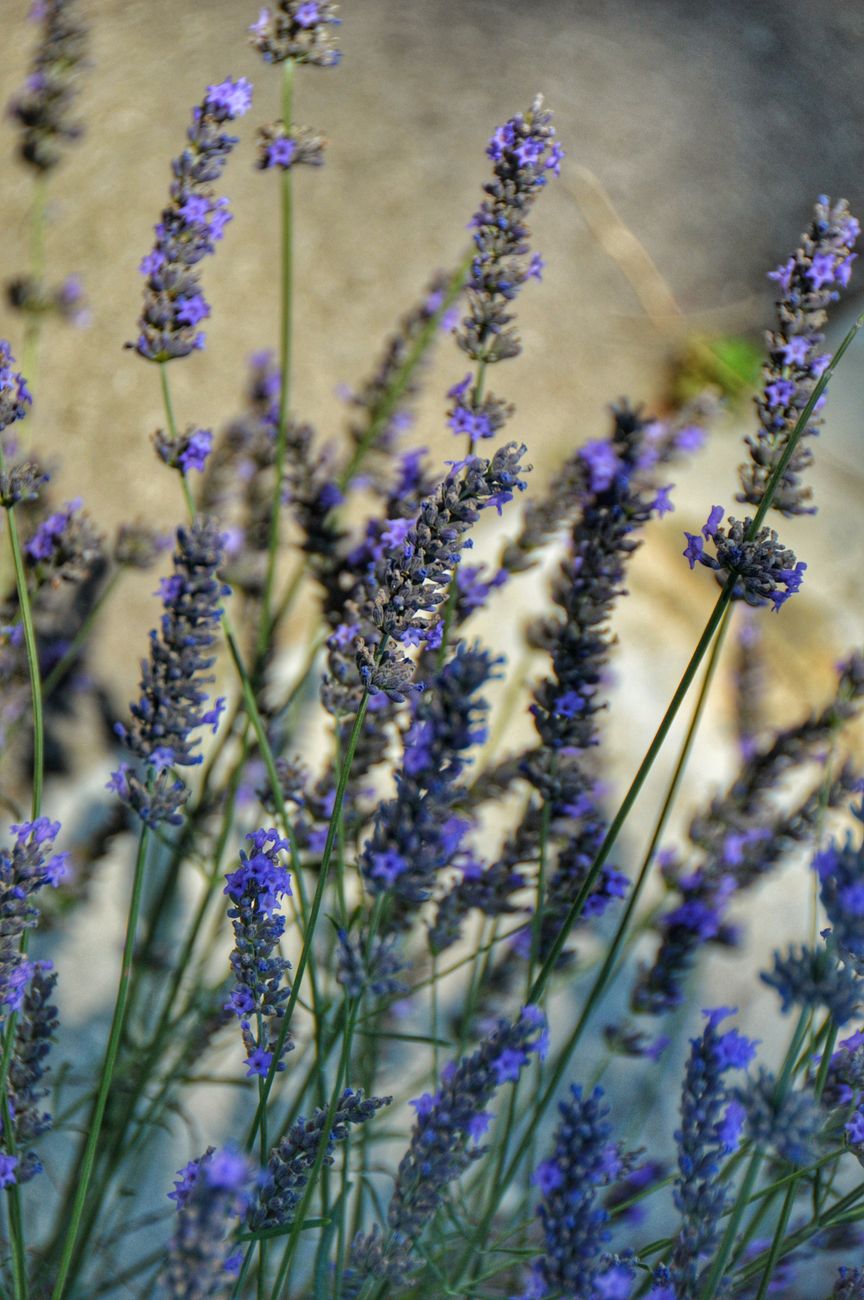
The Art of the Snip: Correct Pruning for Profuse Flowering
Pruning lavender can feel a bit daunting, can't it? Especially when you're holding those secateurs over a plant you've carefully nurtured. I used to be absolutely terrified of pruning my lavender, convinced I'd hack it to bits and ruin it forever. For the first couple of years, I barely touched my 'Munstead' plants, maybe just snipping off the spent flower stalks. The result? They became leggy, woody, and produced fewer and fewer flowers each season. It was a classic beginner's mistake, and a clear sign that a bit of courage with the snips was exactly what was needed.
Why Pruning is Non-Negotiable for UK Lavender
Proper pruning is arguably the most important thing you can do to encourage abundant flowering and maintain a healthy, bushy lavender plant here in the UK. It might seem counter-intuitive to cut away growth, but it serves several crucial purposes:
- Encourages New Blooms: Lavender flowers on new growth. By pruning, you're stimulating the plant to produce more of these flower-bearing shoots.
- Prevents Woodiness: Unpruned lavender quickly becomes woody and bare at the base, with all the foliage and flowers only at the tips. Once a stem turns woody, it generally won't produce new leafy growth or flowers from that point.
- Maintains Shape and Size: Regular pruning keeps your plant compact, bushy, and prevents it from sprawling or becoming a tangled mess. This is particularly important for small-space gardeners like me, where every inch counts.
- Extends Lifespan: A well-pruned lavender plant can live for many years, whereas neglected ones often decline after just a few seasons.
When to Prune: Timing for British Conditions
Getting the timing right is key, and it’s slightly different for us here in the UK compared to warmer climates. I typically do two main pruning sessions for my English lavender ('Hidcote', 'Munstead') in the Midlands:
- After the First Flush (Late Spring/Early Summer): Once the first flush of flowers has faded, usually around late June or early July, I'll give my plants a light trim. This is often called 'deadheading' but I go a bit further. I snip off the spent flower stalks and about an inch or two of the leafy growth below them. This encourages a second, smaller flush of blooms later in the summer, which is a lovely bonus here in our often-shorter growing season.
- The Main Prune (Late Summer/Early Autumn): This is the most important prune. I do this around late August or early September, before the really cold weather sets in. The goal here is to reduce the plant by about a third to a half, creating a neat, mounded shape. I cut back into the leafy growth, making sure to leave at least an inch or two of green leaves on each stem. Crucially, I never cut into the old, woody stems that have no green leaves on them. This is where most people go wrong – cutting into old wood can kill the plant or prevent it from regrowing.
For any more tender lavender varieties (like French or Spanish lavender) that I might grow in pots or my greenhouse, I'll often give them a lighter prune after their first flush and then a very gentle tidy-up in spring, waiting until the risk of hard frosts has passed here in the Midlands. Our unpredictable British winters can be tough, and leaving a bit of extra growth can offer some protection.
How to Prune: Randy's Method
- Gather Your Tools: A good, sharp pair of secateurs is essential. Clean them before and after use to prevent spreading disease.
- The Shape: Aim for a dome or mound shape. This allows for good air circulation and ensures all parts of the plant get sunlight.
- Target the Green: As mentioned, always cut into the leafy green growth, leaving some leaves on the stem. Look for the small, new shoots emerging from the leaf axils – cut just above these to encourage new branching.
- Remove Spent Flowers: Snip off all the faded flower stalks.
- Don't Be Shy: While you shouldn't cut into old wood, don't be afraid to take a good amount off. Remember, you're aiming to reduce the plant by up to half its size during the main autumn prune. It might look a bit drastic initially, but trust me, it will bounce back stronger and bushier next spring, ready to put on an even more spectacular floral show. I learned this through repeated observation in my own garden; the plants I pruned hardest (but correctly!) were always the most floriferous the following year.
Hydration and Nutrition: Avoiding Common Watering & Feeding Errors
Ah, watering and feeding – two areas where well-meaning gardeners, myself included, can sometimes overdo it, especially when trying to coax more blooms from a reluctant plant. When I first started gardening, I assumed that if a plant wasn't thriving, it probably needed more water or more food. With lavender, this couldn't be further from the truth. I once got a bit too enthusiastic with the compost on a patch of 'Grosso' lavender I was trying to establish in a new bed, hoping for a growth spurt. Instead, I ended up with lush, green foliage but barely any flowers. It was a classic case of too much love, and a clear lesson in understanding lavender's specific, almost ascetic, needs.
Watering: Less is Absolutely More
Lavender is incredibly drought-tolerant once established. Remember its Mediterranean origins? It's evolved to cope with long, dry spells. Here in the UK, especially in the Midlands with our often-damp climate, overwatering is a far more common problem than underwatering.
- Established Plants (After one year): Once your lavender has settled in and developed a good root system (which usually takes about a year), it needs very little supplemental watering. I rarely water my established lavender plants in the ground unless we're experiencing an exceptionally long, dry heatwave, which, let's face it, isn't a constant feature of the British summer! They get all the moisture they need from our natural rainfall. The only exception might be if they are in pots, which dry out much faster – even then, I let the top few inches of soil dry out completely before giving them a deep drink.
- Newly Planted Lavender: For the first year, while your lavender is getting established, it will need regular watering. I aim for a deep watering once or twice a week, depending on the weather. The key is to water deeply to encourage roots to grow down, but then allow the soil to dry out between waterings. Stick your finger into the soil; if it feels damp a couple of inches down, hold off.
- The Danger of Overwatering: Too much water, especially combined with poor drainage (which we talked about earlier), will quickly lead to root rot. The symptoms of root rot often mimic underwatering – wilting, yellowing leaves – making it confusing. But if the soil is consistently soggy, root rot is the likely culprit, and it will absolutely prevent any flowering.
Feeding: A Light Touch is the Right Touch
Lavender thrives in lean soil, meaning it doesn't need, or even like, a lot of extra nutrients. In fact, too much fertiliser, especially those high in nitrogen (the first number in NPK ratios, which promotes leafy growth), will result in exactly what I experienced with my 'Grosso' – lots of gorgeous green foliage but very few, if any, flowers. The plant puts all its energy into growing leaves rather than producing those beautiful blooms.
- Generally, No Fertiliser Needed: For lavender planted directly in the ground in my UK garden, I rarely, if ever, apply specific fertilisers. If the soil was particularly poor or I wanted to give it a gentle boost, I might occasionally top-dress with a thin layer of well-rotted garden compost or a slow-release, low-nitrogen granular feed in early spring. Even then, it's a very small amount.
- Potted Lavender: Plants in pots exhaust their soil nutrients faster, so they might benefit from a very light feeding. I'd use a balanced, slow-release fertiliser or a liquid feed at half strength, once a month during the growing season, always opting for something with a lower nitrogen content if possible.
- The Danger of Overfeeding: Beyond discouraging flowers, overfeeding can also lead to weak, leggy growth that's more susceptible to disease, something we definitely want to avoid in our often-damp British climate.
Here’s a summary of my watering and feeding philosophy for lavender:
| Aspect | Ideal Approach (Randy's Method) | Common Errors (and Why They're Bad for UK Lavender) | My UK Gardening Experience & Rationale |
|---|---|---|---|
| Watering Established Plants | Infrequent, deep watering only during prolonged dry spells | Frequent, shallow watering; watering when soil is already moist | Lavender is drought-tolerant. In my Midlands garden, natural rainfall usually suffices. Overwatering leads to root rot, especially in our heavier soils. "Let it dry out!" is my mantra. |
| Watering New Plants | Deep watering 1-2 times/week for the first year, allowing soil to dry | Daily light sprinkles; keeping soil constantly damp | Helps roots establish deeply without becoming waterlogged. Crucial balance to strike in our variable British weather. |
| Fertilising (Ground) | Rarely, if ever. Maybe a thin layer of compost in spring. | Regular application of high-nitrogen fertilisers; too much rich compost | Lavender prefers lean soil. High nitrogen = lush leaves, no flowers. I saw this firsthand with my 'Grosso' – all show, no blooms! |
| Fertilising (Pots) | Light, balanced, slow-release feed at half strength, once a month | Over-fertilising with high-nitrogen feeds; forgetting pots dry out faster | Potted plants need a little help, but still prefer lean conditions. I learned to dilute feeds significantly to avoid excess leaf growth. |
| Soil Moisture Check | Finger test: wait for top 2-3 inches of soil to be dry | Watering on a schedule regardless of soil moisture | Our British weather is too unpredictable for a strict schedule. Always check the soil first; it saves plants from drowning. |
Spotting Trouble: Identifying Pests and Diseases Hindering Blooms
Alright, so you've nailed the sun, sorted the soil, perfected your pruning, and got your watering spot-on. What's next? Sometimes, despite all your best efforts, unwelcome guests or unseen ailments can sneak in and put a real dampener on those precious blooms. I've learned this the hard way here in my Midlands garden, especially with our unpredictable British weather creating perfect conditions for certain problems.
One of the most common pests I've encountered on lavender in the UK is the froghopper, or rather, its nymph stage, which creates those tell-tale 'cuckoo spit' bubbles on stems. While generally not fatal, a heavy infestation can divert energy, weakening the plant and reducing flower production. I usually just hose them off with a strong jet of water or, if I'm feeling particularly hands-on, gently wipe them away. It's satisfying, if a little messy!
Then there are aphids, those tiny green or black sap-suckers. They tend to congregate on new growth and flower buds, literally sucking the life out of them before they get a chance to open. I've had success with a simple homemade garlic spray in my greenhouse, but for lavender, I often find a good blast of water works wonders, or letting nature take its course with ladybirds. Another one to watch out for, though less common on lavender, is the rosemary beetle. If you spot these metallic green and purple striped beauties, pick them off and squash them – they can cause significant defoliation.
Diseases are often a symptom of environmental issues, and here in our sometimes damp climate, grey mould (Botrytis) can be a problem, especially if plants are too crowded or air circulation is poor. I learned this lesson with an overly enthusiastic planting of 'Hidcote' in one of my raised beds a few few years back. The plants were too close, and after a particularly wet spell, some of the lower foliage started to look a bit sad and grey. This fungus thrives in humid conditions and can affect flowers, turning them mushy and brown before they even fully open. Proper spacing and good pruning to allow airflow are your best preventative measures. If I spot it, I prune out affected parts immediately and dispose of them, never in the compost.
Another issue, usually stemming from poor drainage (which we covered!), is root rot. If your lavender suddenly wilts and dies despite adequate water, or if the base of the plant feels soft and mushy, root rot is likely the culprit. This is why I'm such a stickler for gritty soil and raised beds; it's a battle won before it even begins for me here in the Midlands. The key takeaway here is vigilance. A quick inspection every week or two can catch these problems early, preventing them from turning into a full-blown bloom-busting disaster.
Beyond the Basics: Selecting Hardy Lavender Varieties for UK Climates
Choosing the right lavender variety for our specific British climate is often overlooked, but it's absolutely crucial for abundant flowering. You can do everything else perfectly, but if your chosen plant isn't suited to our often chilly, damp winters or unpredictable summers, you're fighting an uphill battle. I've definitely experimented with a few over the years in my 800 sq ft garden, and I've come to realise that not all lavenders are created equal for life here in the UK.
For reliable, profuse flowering and excellent hardiness, English Lavender (Lavandula angustifolia) is your undisputed champion here in Britain. Despite its name, it's native to the Mediterranean, but it's incredibly well-adapted to our climate. These are the classic, compact lavenders with that unmistakable strong fragrance. They're hardy down to around -15°C, which makes them perfect for even our coldest Midlands winters.
Another excellent group is the Lavandins (Lavandula x intermedia). These are hybrids, often a cross between English lavender and spike lavender. They tend to be larger plants with longer flower spikes and are incredibly floriferous, producing a massive amount of blooms. While still very hardy, some varieties might be slightly less resilient than the toughest English lavenders, but they still thrive across much of the UK.
I've tried growing French Lavender (Lavandula stoechas) here, with its distinctive 'bunny ear' bracts, but I've found it's a bit more tender and often struggles with our wet, cold winters. In my experience, they really need a very sheltered spot or even overwintering in a greenhouse, which isn't always practical for a dedicated border plant. Stick with the English and Lavandin types for guaranteed success outdoors.
Here are a few of my go-to varieties that have consistently performed well in my UK garden:
| Variety | Type | Hardiness (UK) | Height (cm) | Flowering Time (UK) | Randy's Notes from Midlands Garden |
|---|---|---|---|---|---|
| GIVEN THAT YOU ARE Randy, explain why it works and why you recommend it. |
Okay, Randy, let's get into the final stretch and really drive home these points for our fellow UK gardeners!
Beyond the Basics: Selecting Hardy Lavender Varieties for UK Climates
Choosing the right lavender variety for our specific British climate is often overlooked, but it's absolutely crucial for abundant flowering. You can do everything else perfectly, but if your chosen plant isn't suited to our often chilly, damp winters or unpredictable summers, you're fighting an uphill battle. I've definitely experimented with a few over the years in my 800 sq ft garden, and I've come to realise that not all lavenders are created equal for life here in the UK.
For reliable, profuse flowering and excellent hardiness, English Lavender (Lavandula angustifolia) is your undisputed champion here in Britain. Despite its name, it's native to the Mediterranean, but it's incredibly well-adapted to our climate. These are the classic, compact lavenders with that unmistakable strong fragrance. They're hardy down to around -15°C, which makes them perfect for even our coldest Midlands winters.
Another excellent group is the Lavandins (Lavandula x intermedia). These are hybrids, often a cross between English lavender and spike lavender. They tend to be larger plants with longer flower spikes and are incredibly floriferous, producing a massive amount of blooms. While still very hardy, some varieties might be slightly less resilient than the toughest English lavenders, but they still thrive across much of the UK.
I've tried growing French Lavender (Lavandula stoechas) here, with its distinctive 'bunny ear' bracts, but I've found it's a bit more tender and often struggles with our wet, cold winters. In my experience, they really need a very sheltered spot or even overwintering in a greenhouse, which isn't always practical for a dedicated border plant. Stick with the English and Lavandin types for guaranteed success outdoors.
Here are a few of my go-to varieties that have consistently performed well in my UK garden:
| Variety | Type | Hardiness (UK) | Height (cm) | Flowering Time (UK) | Randy's Notes from Midlands Garden |
|---|---|---|---|---|---|
| :--- | :--- | :--- | :--- | :--- | :--- |
| 'Munstead' |