Introduction: Tiny Hoppers in Your Houseplants – What's Going On?
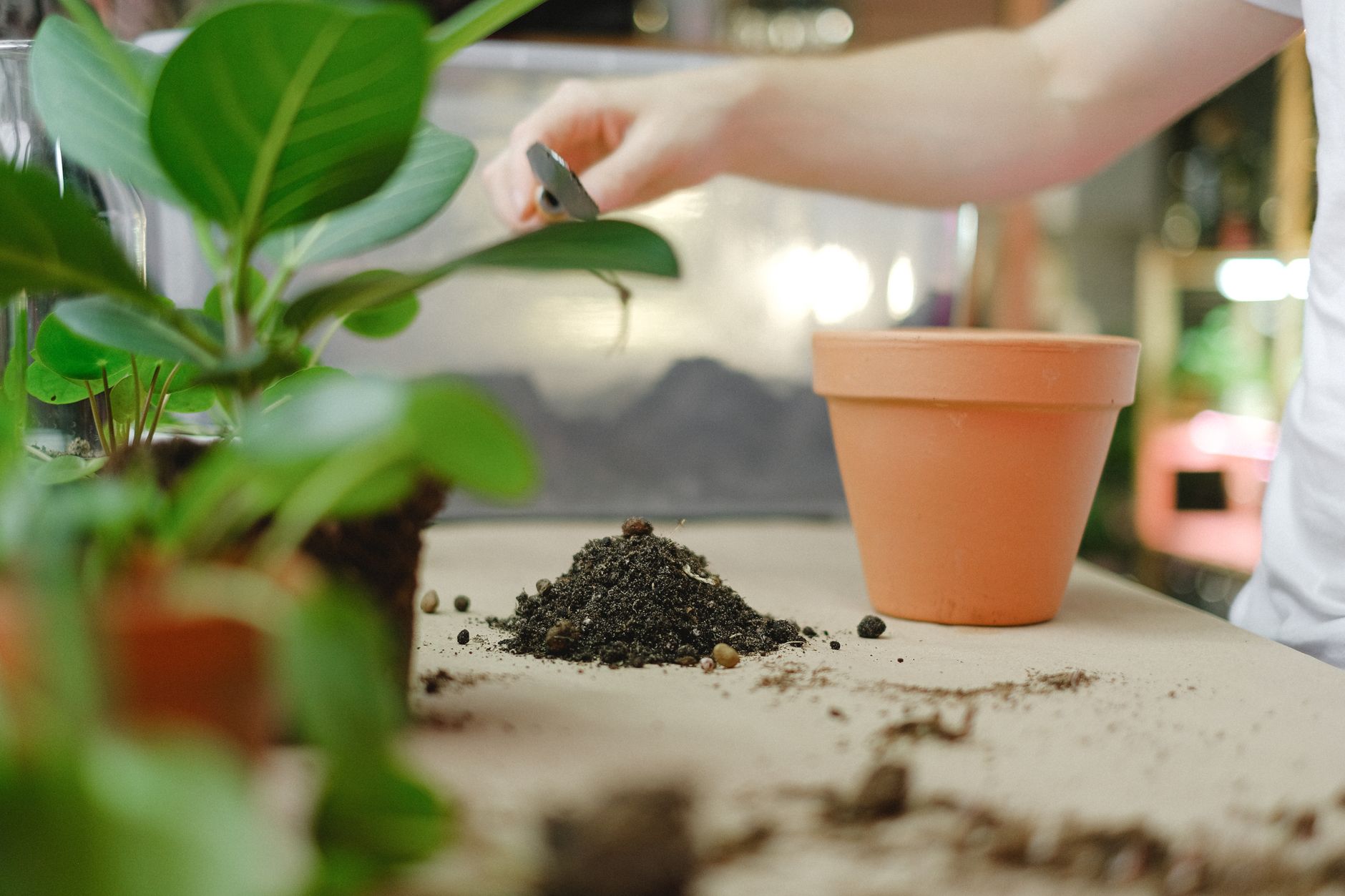
Picture this: you're admiring your thriving 'Moneymaker' tomato seedlings, patiently growing on the kitchen windowsill before they head out to my greenhouse, or perhaps tending to your beloved peace lily. Everything looks grand, then you notice them. Tiny, almost invisible white specks, suddenly hopping across the soil surface when you water. Panic might set in. Are they attacking your plant? Are they going to decimate your precious 'Black Krim' starts? I know that feeling all too well. When I first started gardening seriously five years ago here in the UK, I'd spot these minuscule leapers and immediately assume the worst – some new, exotic pest was about to undo all my hard work.
But take a deep breath, fellow gardener. What you're likely seeing are springtails, and while their sudden, erratic movements can be alarming, they're rarely the villain you fear. In fact, most of the time, they're actually a sign of a healthy soil ecosystem, doing their bit for your potted plants and seedlings. After years of experimenting in my 800 sq ft Midlands garden, from my raised beds brimming with veg to my greenhouse packed with heirloom tomatoes, I've learned a thing or two about these little chaps. This article is all about helping you understand these tiny hoppers, debunking some common myths, and giving you my tried-and-tested organic methods for keeping them in check, should they decide to overstay their welcome.
Meet the Springtail: Understanding These Microscopic Leapers
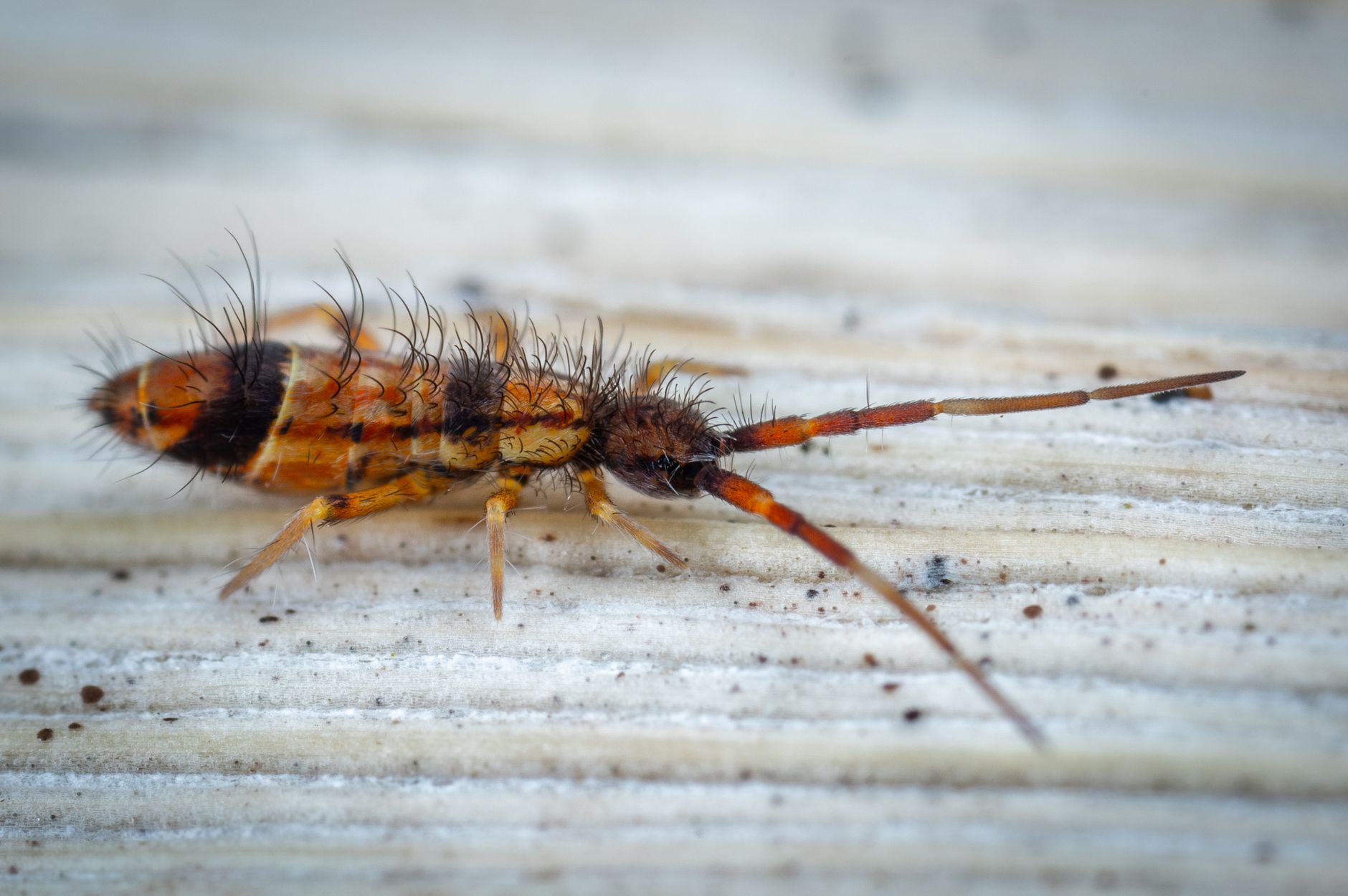
So, what exactly are these tiny white things that leap like miniature fleas? They're called springtails, or more scientifically, Collembola. They're not insects in the strictest sense, but hexapods – a related group. And trust me, they're absolutely fascinating once you get past the initial "oh no, what is that?" reaction.
Here in my UK garden, especially when I'm tending to my greenhouse tomatoes or my herb pots indoors, I've seen countless springtails. They're typically very small, usually less than 6mm long, and most of the ones you'll encounter in your houseplants will be white or grey, though some can be darker. Their most distinguishing feature, and the one that earns them their name, is a forked appendage called a furcula tucked under their abdomen. When disturbed, they rapidly extend this furcula, launching themselves into the air – hence the hopping! It's their way of making a quick escape.
What I've learned from watching them in my own pots and seedling trays is that springtails are primarily decomposers. They love moist environments and feed on decaying organic matter, fungi, algae, and bacteria in the soil. Think of them as part of your cleanup crew, breaking down dead plant material and helping to cycle nutrients. They're particularly common in pots because the confined space, regular watering, and often rich potting compost create the perfect damp, organic-filled habitat they crave. In my greenhouse, with the constant watering of my 'Sungold' tomatoes and the general humidity, they're practically residents!
Are Springtails a Threat? Debunking Myths About Plant Damage
This is usually the first question I get asked when I talk about springtails, and it's a valid one. After all, if something is crawling all over your plant's soil, it's natural to worry. For years, I worried too. I'd rush to Google, convinced my beloved 'Shirley' tomato seedlings were doomed. But here's the good news, and something I've learned through five years of intensive UK gardening: springtails are generally harmless to healthy plants and seedlings.
Let me repeat that for emphasis: they are not typically plant pests. They prefer to munch on decaying organic matter rather than living plant tissue. Think of them as the unsung heroes of your potting mix, helping to break down bits of old leaves or spent roots, which actually benefits the soil structure and nutrient availability. I've had countless springtails happily coexisting with my prized 'Costoluto Fiorentino' tomato plants in the greenhouse, and they've never once shown signs of damage from these tiny hoppers.
However, and this is where a little nuance comes in, a massive infestation of springtails can sometimes be an indicator of an underlying issue. If you're seeing thousands of them, it often means the soil is consistently too wet, perhaps even waterlogged. This excessive moisture could lead to root rot, which is a threat to your plant. In such conditions, if their preferred food source (decaying matter) becomes scarce, springtails might nibble on tender root hairs or delicate seedlings, but this is a secondary problem, caused by the unhealthy conditions rather than the springtails themselves being primary pests.
One mistake I made early on was panicking and immediately trying to eradicate them with harsh chemicals. Not only was it unnecessary, but it also disrupted the beneficial soil microbes. What I've found here in the Midlands is that a balanced approach is key. If your plant is healthy and thriving, a few springtails are nothing to worry about. If your plant is struggling and you see a huge population, address the watering habits first, and the springtails will naturally diminish as their preferred overly damp conditions disappear.
Identifying Springtails vs. Other Pests: A Visual Guide for UK Gardeners
Correct identification is absolutely crucial in gardening, especially when it comes to dealing with potential issues. What looks like a springtail might actually be something else entirely, and misdiagnosis can lead to ineffective, or even harmful, treatments. I’ve made this mistake myself, once mistaking early signs of fungus gnats for springtails and wondering why my 'Purple Podded Pea' seedlings weren't thriving despite my efforts! It's like debugging a computer – you need to know what you're dealing with before you can fix it.
Here’s how to tell if those tiny white hoppers are indeed springtails:
- Size: They are very small, usually less than 6mm, often appearing as mere specks.
- Colour: Most commonly white, grey, or translucent in potted plants.
- Movement: This is the key differentiator! They don't fly, they don't crawl slowly. When disturbed (e.g., by watering or a gentle poke), they jump or flick themselves away erratically and quickly.
- Location: You'll almost exclusively see them on the surface of the soil, especially near the base of the plant, or sometimes on the drainage tray. They tend to stick close to the moisture.
To help you get it right, I've put together a comparison table of springtails versus some other common small, white, or flying pests you might encounter in your UK houseplants and seedlings. This is based on what I've encountered time and again in my own gardening adventures.
| Characteristic | Springtails | Fungus Gnats (Adult) | Whiteflies (Adult) | Spider Mites (often white/yellow) |
|---|---|---|---|---|
| Size | Very small (0.2-6mm), usually <2mm | Small (2-4mm) | Tiny (1-2mm) | Microscopic (0.3-0.5mm), often seen as dots |
| Colour | White, grey, translucent | Dark grey to black | White, powdery coating | White, yellow, red, green; often translucent |
| Shape | Elongated, cylindrical | Delicate, mosquito-like body | Triangular, moth-like | Oval, plump |
| Movement | Distinctive hopping/flicking on soil | Weak, erratic flight near plant/soil, walk slowly | Fly up in a cloud when disturbed, settle quickly | Slow crawling, don't fly or jump |
| Location | Primarily soil surface, moist areas | Flying around plant, resting on soil/leaves | Underside of leaves, flying around plant | Underside of leaves, stems, fine webbing |
| Damage to Plant | None (to healthy plants), decomposers | Larvae feed on roots (can harm seedlings) | Suck sap (yellowing, stunted growth, honeydew) | Suck sap (stippling, yellowing, webbing) |
| Key ID Tip | Hopping on soil, don't fly | Small dark flies, larvae in soil | White triangular flies, fly in clouds | Tiny dots, webbing, leaf damage |
Why They're There: Common Attractors in Potted Plants & Seedlings
Right, so you've spotted these tiny acrobats, you know they're mostly harmless, but the big question is: why my plants? What's drawing them in? Well, in my 800 sq ft Midlands garden, I've seen it all, and when it comes to springtails indoors, it almost always boils down to a few key factors that create their ideal little ecosystem.
The absolute number one attractor is moisture. Springtails thrive in damp environments. If your potting mix stays wet for too long, it's basically a five-star hotel for them. I've definitely noticed this when I get a bit overzealous with watering my early heirloom tomato seedlings in the greenhouse, especially when our UK spring weather means less evaporation. The 'Brandywine' tomatoes are particularly thirsty, but even they don't need constantly soggy feet!
Closely related to moisture is poor drainage. If your pots don't have adequate drainage holes, or if the saucers underneath are constantly full of standing water, you're creating a stagnant, damp environment that springtails adore. One season, I had a beautiful pot of 'Sweet Genovese' basil that just wouldn't drain properly – turned out the pot had only one tiny hole. The basil was struggling, and the soil was teeming with springtails. Lesson learned!
Finally, excess organic matter provides both food and shelter. This could be anything from decaying leaves on the soil surface, old plant debris, or even potting mixes that are very heavy in peat or uncomposted wood chips that break down quickly. Springtails are decomposers, remember? They're basically tidying up for you. In my raised beds, I welcome them, but indoors, it's a different story. I've found that using a good quality, well-draining potting compost is key, and regularly clearing any fallen leaves from my indoor chilli plants is a must.
Organic Control Strategies: Gentle & Effective Solutions for Your UK Home
Alright, so you’ve got springtails, you know why they’re there, and now you want to gently usher them out without resorting to harsh chemicals. As someone who's spent the last five years cultivating my little patch here in the Midlands entirely organically, I've tried and tested a fair few methods. My philosophy is always to work with nature, not against it.
Here are the organic strategies that have worked for me in my UK garden, especially for houseplants and delicate seedlings:
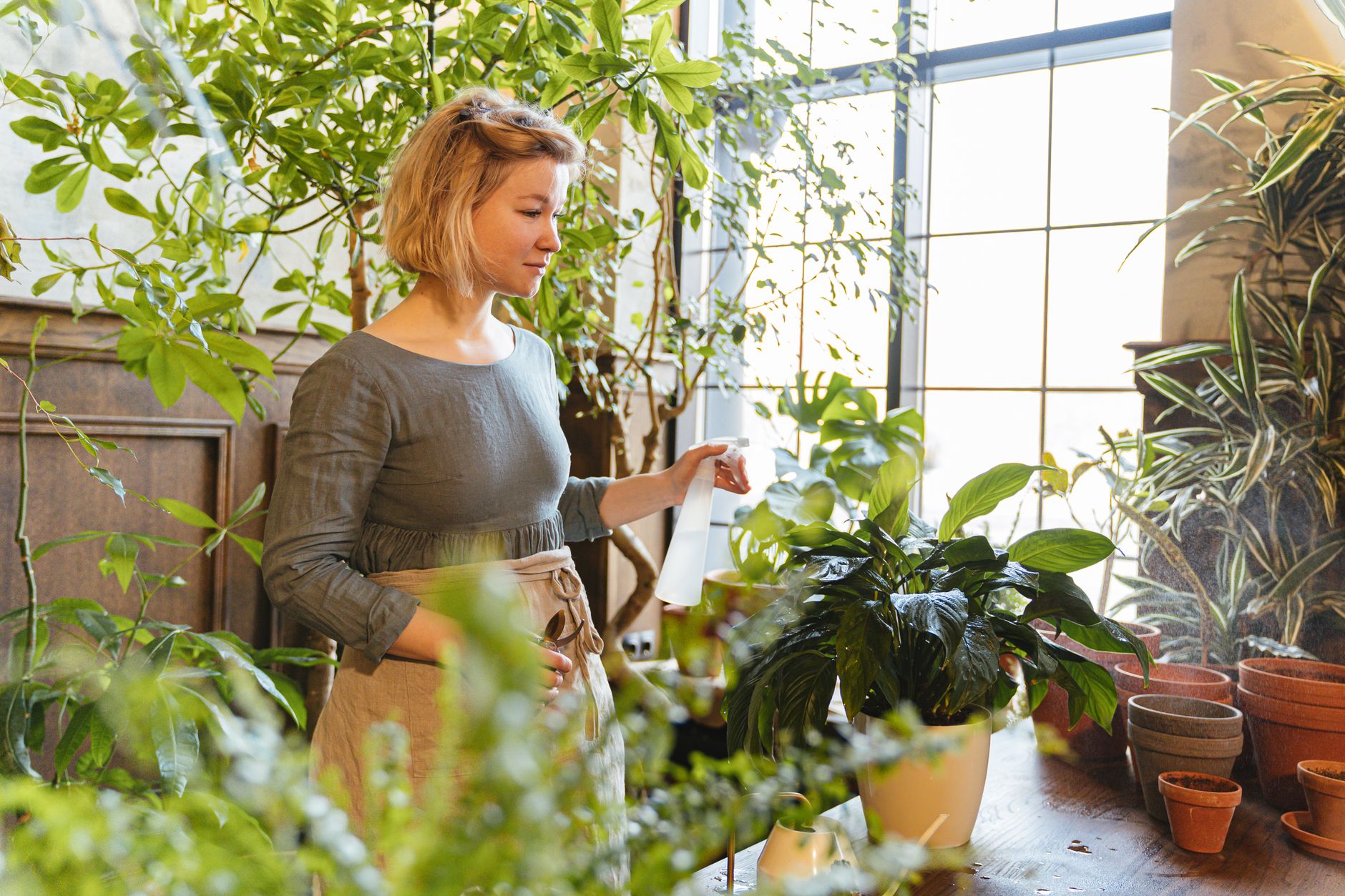
Reduce Moisture: This is hands-down the most effective first step. Let the top inch or two of soil dry out completely between waterings. For my greenhouse tomatoes and peppers, I often let the top 3-4 inches dry out. Springtails can’t survive without moisture. I've found this dramatically reduces their numbers within a week or two.
Remove Organic Debris: Keep the soil surface tidy. Regularly pick off any fallen leaves, spent flowers, or other decaying plant matter. This removes their food source and hiding spots. I'm a stickler for this, especially around my delicate herb seedlings like coriander and parsley.
Repotting (If Severe): If you have a really bad infestation, or if the soil is staying perpetually wet, repotting might be your best bet. Gently remove the plant, shake off as much of the old soil as possible (you might see springtails hop off!), clean the pot thoroughly with hot, soapy water, and repot with fresh, well-draining potting mix. I once had to do this for a particularly stubborn peace lily I inherited – it was a bit drastic, but completely resolved the issue.
Diatomaceous Earth (DE): This is my secret weapon for a quick knockdown. Food-grade DE is a natural, non-toxic powder made from fossilized diatoms. When insects with exoskeletons, like springtails, crawl over it, the microscopic sharp edges abrade their waxy coating, causing them to dehydrate.
I simply sprinkle a thin layer on the surface of the affected potting mix. Reapply if it gets wet, as it only works when dry. It's safe for pets and humans, but avoid inhaling the dust, just like any fine powder. I swear by this for a quick solution, especially if I'm trying to protect a new batch of 'Gardener's Delight' tomato seedlings.
Insecticidal Soap (Carefully): While not my first choice for springtails specifically, a very dilute insecticidal soap solution can reduce numbers if sprayed directly onto the soil surface. However, it’s more effective on soft-bodied pests and can sometimes harm delicate plants if too strong. I'd only consider this if the other methods weren't quite cutting it, and always test on a small area first.
Here's a quick comparison of these organic methods:
| Method | How it Works | Randy's Experience (UK) | Pros | Cons |
|---|---|---|---|---|
| Reduce Moisture | Eliminates their damp habitat. | My go-to, especially for peppers and tomatoes in the greenhouse. | Highly effective, no cost, improves plant health. | Requires patience, easy to forget. |
| Remove Debris | Eliminates food source & hiding spots. | Essential for keeping my herb pots tidy and pest-free. | Simple, no cost, improves garden hygiene. | Needs regular upkeep. |
| Repotting | Removes most springtails & old, damp soil. | Effective for severe cases, like my inherited peace lily. | Quickest way to clear a major infestation. | Stressful for the plant, uses new soil. |
| Diatomaceous Earth | Dehydrates springtails on contact. | My favourite for a quick, targeted knockdown on seedling trays. | Very effective, non-toxic, long-lasting if dry. | Only works when dry, avoid inhaling dust, visible on soil surface. |
| Insecticidal Soap | Disrupts insect cell membranes (less effective for S.T.) | Only as a last resort for other pests, not my primary for springtails. | Can control other soft-bodied pests simultaneously. | Less effective on springtails, potential plant damage if misused. |
Prevention is Power: Long-Term Tips for a Springtail-Free Environment
As a former IT worker, I've always approached gardening with a bit of a systems mindset. Prevention, in my experience, is far better than cure, especially when it comes to keeping your indoor plants and seedlings happy and pest-free. These are the long-term habits I've cultivated in my 800 sq ft backyard and greenhouse over the past five years.
- Master Your Watering Routine: This is probably the single most important lesson I've learned. Don't water on a schedule; water when your plants need it. Stick your finger into the soil. If it feels damp an inch or two down, hold off. For my 'Moneymaker' tomatoes in the greenhouse, I often let the soil dry out even further to encourage deeper root growth. Understanding your plant's specific water needs for our British climate is crucial.
- Ensure Excellent Drainage: Always use pots with drainage holes, and make sure those holes aren't blocked. If you use saucers, empty any excess water within 30 minutes. I always add a good amount of perlite or grit to my seedling mix to ensure it's free-draining, especially for sensitive seeds like my 'Lemon Drop' chillies. This prevents waterlogging, which is a magnet for springtails.
- Use High-Quality Potting Mix: A good potting mix will drain well and retain just enough moisture without becoming waterlogged. Avoid cheap, heavy mixes that hold too much water or contain lots of uncomposted organic matter. I tend to make my own blend for seedlings, but for houseplants, I always opt for a reputable UK-sourced brand.
- Practice Good Housekeeping: Regularly clean up any fallen leaves, spent flowers, or other plant debris from the soil surface and around your pots. This removes potential food sources and hiding spots for springtails. My greenhouse floor is swept weekly, and my windowsill herbs get a daily once-over.
- Quarantine New Plants: This is a golden rule! Whenever I bring a new plant home from the garden centre – especially if it’s a bargain bin find – it gets quarantined for a couple of weeks. I inspect it thoroughly for any signs of pests, including springtails, before introducing it to my main plant collection. I learned this the hard way with a particularly attractive but pest-ridden fern once!
- Provide Good Air Circulation: Especially for plants in a greenhouse or on a busy windowsill, good airflow helps the soil surface dry out faster and discourages damp conditions. In my greenhouse, I ensure good ventilation by opening vents and doors, especially during our often-humid UK summers. For indoor plants, sometimes a small fan on a low setting for a few hours a day can make a big difference.
By integrating these practices into your regular gardening routine, you'll create an environment that's much less appealing to springtails, allowing your houseplants and seedlings to thrive without these tiny, hopping visitors.
Conclusion: Don't Fret the Hoppers, Just Adjust Your Habits!
So, there we have it, fellow UK gardeners! Those tiny, hopping white bugs in your potted plants are, in all likelihood, springtails. I know when I first saw them darting around my 'Black Krim' tomato seedlings, I immediately feared the worst. But after years of observing them in my 800 sq ft Midlands garden, I've learned to see them for what they truly are: mostly harmless decomposers, a sign of a healthy (albeit perhaps a bit too moist) soil ecosystem.
The key takeaways? Don't panic! Springtails aren't out to destroy your prized plants or ruin your harvest of 'Sungold' cherry tomatoes. Their presence is a gentle nudge from nature, telling you that your potting mix might be a bit too damp or has a bit too much decaying organic matter for an indoor setting.
The good news is that managing them is incredibly straightforward and completely organic. By simply adjusting your watering habits, ensuring good drainage, and keeping things tidy, you'll naturally make your potted plants less inviting for them. And if you need a little extra help, a sprinkle of Diatomaceous Earth is a fantastic, non-toxic solution that I've personally relied on countless times.
Gardening is all about learning, experimenting, and understanding the delicate balance of nature, even within our own homes. So, the next time you see those little hoppers, take a breath. Observe, adjust your routine, and continue to enjoy the immense satisfaction of nurturing your green companions.
Happy gardening, from my Midlands patch to yours! Now, go check those watering cans!