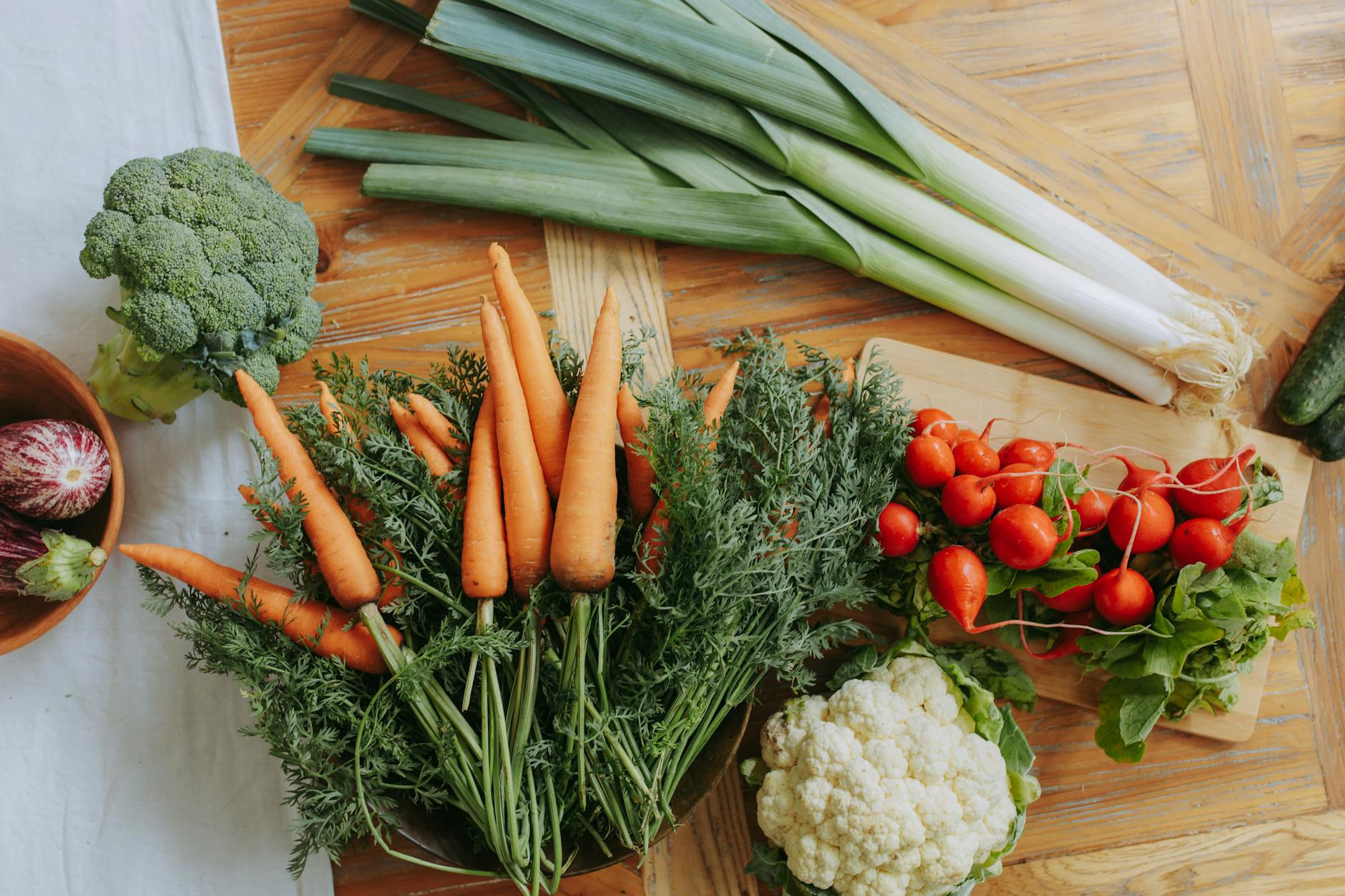
Frustrated with Flowerless Broccoli? Let's Fix It!
There’s nothing quite like the satisfaction of nurturing a plant from a tiny seed, watching it grow strong and healthy, only to step outside one morning and find... well, not what you were expecting. For many of us UK gardeners, that unexpected sight with broccoli is often a plant that’s gone to flower before it’s even had a chance to form a proper head. We’ve all been there, haven't we? You’ve put in the time, lovingly tended those vibrant green leaves, dreamt of those glorious, dense florets, and then suddenly, yellow flowers appear, and your dreams of a bumper harvest vanish like a Midlands fog on a sunny morning.
I know that feeling all too well. When I first started transforming my 800 sq ft backyard here in the UK into the productive patch it is today, broccoli was one of my early frustrations. I’d plant out my 'Green Magic' seedlings with such hope, only to watch them stretch, yellow, and bolt before I ever got a decent harvest. It felt like I was doing everything right – good soil, plenty of light – but still, no heads. It was a proper head-scratcher, especially after spending hours poring over gardening books and forums. Over the past five years, through plenty of trial, error, and a fair few lost crops, I've really dug deep into understanding why our beloved broccoli sometimes lets us down.
The good news? It’s rarely your fault in the way you might think. More often than not, it's about understanding what makes broccoli tick and, crucially, how to manage the sometimes wildly unpredictable British weather. So, if you're standing in your garden, staring at a stalky, flowery mess where a beautiful broccoli head should be, don't despair! I’ve learned a thing or two from my own mistakes and successes here in the Midlands, and I’m going to share exactly what I’ve found works (and what definitely doesn't) to get those big, beautiful broccoli heads forming. Let’s get those plants producing!
Understanding Broccoli Bolting: Why Heads Don't Form
So, what exactly is happening when your broccoli decides to throw yellow flowers instead of a nice, tight head? This phenomenon, my friends, is called "bolting." Essentially, your broccoli plant is prematurely shifting from its vegetative growth stage (where it focuses on growing leaves and eventually that delicious head) to its reproductive stage (where it tries to produce flowers and seeds). Instead of putting all its energy into forming that edible mass of florets we call a head, it's rushing to create seeds for the next generation.
Why would a perfectly healthy plant decide to do this? Well, from the plant's perspective, it's a survival mechanism. Broccoli is a biennial plant, meaning it usually takes two years to complete its life cycle, producing leaves and a head in the first year, and then flowering and setting seed in the second. However, when the plant experiences significant stress – and we'll delve into what those stresses are in a moment – it interprets these conditions as a threat to its survival. It thinks, "Right, things are tough, I might not make it through another season, so I need to reproduce now!" And just like that, it throws caution to the wind, prioritises seed production, and gives up on forming that lovely head.
I’ve seen this happen countless times in my own UK garden, especially with varieties like 'Purple Sprouting Broccoli' (which can be a bit more forgiving, but still susceptible) and my preferred heading types like 'Marathon' or 'Green Magic'. One year, I had a fantastic row of 'Green Magic' looking superb, then we had a sudden, unseasonal heatwave in early June. I went out one morning, and practically overnight, several plants had started sending up those tell-tale yellow flowers. No heads, just a frantic dash for reproduction. It was a proper gut punch, but it taught me a valuable lesson about observing the plant and understanding its signals. It's not just about what you do, but how the plant perceives its environment here in our often-challenging British climate.

Temperature Extremes: The Top Culprit for Early Bolting
If there’s one factor that reigns supreme in causing broccoli to bolt prematurely here in the UK, it’s temperature. Our British weather, bless its cotton socks, can be wonderfully mild and then utterly infuriatingly erratic, often within the same week! Broccoli is a cool-season crop, a bit like us really – it thrives in consistent, moderately cool conditions. When it gets too hot, or too cold, or experiences sharp fluctuations, it gets stressed, and as we just discussed, stress equals bolting.
I've learned this the hard way, many times. Early on, I'd often rush my broccoli seedlings out into my raised beds in late April or early May, eager to get a head start. Then, inevitably, we'd get a surprise cold snap, sometimes even a late frost here in the Midlands. The young plants would sit there, looking miserable, and a few weeks later, instead of bulking up, they’d start to bolt. Conversely, I’ve also had beautiful, established plants that were well on their way to forming heads in early summer, only for a sudden heatwave to hit. Within days, those tight little heads would loosen, elongate, and start showing yellow.
It’s a fine balance, and what works best in my 800 sq ft UK garden is to really pay attention to the forecast, not just the calendar. I’ve found that aiming for consistent temperatures between 15°C and 20°C is ideal for head formation. Anything consistently below 10°C or above 25°C for extended periods can trigger that stress response.
Here's a detailed comparison of how different temperature conditions, common in our UK climate, can impact your broccoli:
| Temperature Range | Effect on Broccoli Plant | My UK Experience & Recommendation |
|---|---|---|
| Optimal Growing (15-20°C) | Strong, steady vegetative growth; excellent head formation. | This is the sweet spot for broccoli here in the UK. I aim for this range when transplanting my 'Marathon' seedlings. Often found in late spring (May/early June) or early autumn (Sept/early Oct) in the Midlands. Provides consistent, happy growth. |
| Early Cold Stress (<10°C) | Slowed growth; prolonged exposure (especially below 5°C) can trigger vernalisation, leading to early bolting. | I've made this mistake, rushing seedlings out in April. A late frost or prolonged cold spell tells the young plant, "Winter is coming, hurry up!" It then thinks it's already had its 'winter' and bolts when temperatures rise. I now delay planting or use cloches/fleece if a cold snap is forecast for my 'Calabrese Sprouting'. |
| Early Heat Stress (>25°C) | Rapid, leggy growth; young plants can bolt quickly if sustained, especially if soil is also dry. | Transplanting into already warm soil or a sudden early summer heatwave can shock young plants. They perceive the heat as the end of their growing season and rush to flower. I've seen 'Green Magic' bolt within weeks if planted into a hot spell. Shading young plants or waiting for a cooler period for planting helps immensely. |
| Mid-Season Heat Stress (>28°C) | Existing heads loosen and bolt; leaves may yellow and scorch; overall plant stress. | This is common during our summer heatwaves, like the one we had in July 2022. Once a head starts forming, sustained high temperatures will make it open up and flower very quickly. Providing afternoon shade with shade cloth or planting in a spot that gets natural shade from taller plants (like my greenhouse tomatoes!) can help extend the harvest, especially for my later 'Ironman' plantings. |
To combat these temperature challenges, I’ve started using floating row covers in early spring to protect against unexpected cold snaps, and in summer, I’m not afraid to throw some shade cloth over my raised beds if a heatwave is predicted. Choosing varieties that are known to be a bit more heat or cold tolerant for UK conditions can also make a huge difference. What works here in Britain isn't always what's recommended in drier, hotter climates, so always consider your local microclimate!
Watering Woes: Inconsistent Moisture & Stress
Beyond temperature, inconsistent watering is another major stressor that can send your broccoli plants into an early bolting frenzy. Just like us, broccoli likes a steady supply of what it needs – in this case, moisture. It doesn't appreciate extremes. Think of it like a moody teenager: too little, and it sulks; too much, and it gets waterlogged and unhappy. Both scenarios create significant stress, prompting the plant to think its life is in danger and it needs to reproduce now.
In my UK garden, especially with my raised beds, I’ve learned that consistent moisture is absolutely paramount. Raised beds, while fantastic for drainage and soil health, can dry out much quicker than in-ground plots, particularly during those sunny, breezy spells we get here in the Midlands. I've definitely been guilty of neglecting my watering schedule during busy weeks, only to find my broccoli plants showing signs of stress – wilting leaves, stunted growth, and then, the dreaded yellow flowers. It’s a classic example of how easily a plant can be pushed to bolt.
Under-watering causes the plant to shut down, conserving energy and trying to survive. Over-watering, especially in heavy soils or poorly draining beds, can lead to root rot and deprive the roots of oxygen, which is equally stressful. Our British weather can be a real challenge here; we might have a week of torrential rain followed by a week of hot, dry sunshine. This kind of erratic moisture availability is a direct trigger for bolting.
I've found that aiming for about 2.5-5 cm (1-2 inches) of water per week, either from rainfall or manual watering, is a good general guideline for my broccoli. This needs to be delivered consistently and deeply, encouraging the roots to grow down rather than staying near the surface. To achieve this in my own garden, especially during dry spells, I usually give my broccoli a really good soak every two to three days, rather than a light sprinkle every day. This helps ensure the water penetrates deep into the root zone.
One of the biggest breakthroughs for me in managing consistent moisture has been mulching. After planting out my 'Marathon' or 'Green Magic' seedlings, I apply a thick layer (about 5-10 cm or 2-4 inches) of organic mulch – usually straw or well-rotted compost – around the base of the plants. This simple technique has been a game-changer here in the UK. The mulch helps to suppress weeds (less competition for water!), keeps the soil temperature more stable (reducing heat stress on roots), and, crucially, dramatically reduces water evaporation from the soil surface. This means I water less frequently, and the plants experience much more consistent moisture levels, leading to happier, more productive broccoli. It's a small effort that yields huge rewards, especially when our British summer throws us a curveball.
5. Soil Health & Nutrient Balance for Robust Broccoli Heads
Beyond the immediate environmental factors, what’s happening beneath the surface is just as critical for happy broccoli. I’ve learned this the hard way in my 800 sq ft Midlands garden – you can have perfect weather and water, but if your soil isn't up to scratch, your plants will struggle, and those heads just won't form properly. Broccoli, like all brassicas, is a hungry beast! It needs a good, consistent supply of nutrients to power that impressive leafy growth and then switch gears to produce a nice, tight head.
When I first started out, I probably paid more attention to what was above the soil than what was in it. Big mistake! I quickly realised that healthy soil is the absolute foundation. Here in Britain, our soil types vary wildly, but the principles for broccoli are consistent. They prefer a slightly acidic to neutral pH, ideally between 6.0 and 7.0. I always do a soil test every couple of years, especially in my raised beds. It’s a cheap kit from the garden centre, but it gives me invaluable insight into what my soil is lacking or has in abundance.
For robust broccoli, you're looking for a good balance, but with a slight lean towards nitrogen in the initial growth phase to fuel those big leaves. However, it's a delicate dance! Too much nitrogen too late can encourage leafy growth at the expense of head formation, and sometimes even contribute to bolting. Then, as the plant matures, phosphorus helps with root development, and potassium becomes vital for overall plant health, stress resistance (handy with our unpredictable British weather!), and crucially, for the formation of those lovely, dense heads. Calcium and magnesium are also important micronutrients, and a healthy soil structure helps make all these available.
My go-to strategy for soil health starts with plenty of organic matter. Every autumn, I generously top-dress my raised beds with a thick layer of homemade compost and well-rotted horse manure (a perk of living near a few stables!). This improves drainage, retains moisture, and slowly releases a steady stream of nutrients, which broccoli absolutely adores. It’s a slow-release, natural approach that I’ve found works wonders for everything from my heirloom tomatoes in the greenhouse to my hardy brassicas outside.
When it comes to feeding during the season, I tend to be quite mindful. Once my broccoli seedlings are established, I might give them a balanced organic liquid feed, particularly if they look a bit pale. But as they get bigger and I'm expecting heads to form, I switch to something with a slightly higher potassium content to encourage flowering (which is what a broccoli head essentially is!). It's all about listening to your plants and understanding what they need at each stage.
Here's a quick comparison of my preferred soil amendments for broccoli:
| Amendment Type | Key Benefits for Broccoli | Application Timing & Notes (UK Climate) | Randy's Take (From My UK Garden) |
|---|---|---|---|
| Homemade Compost | Improves soil structure, water retention, slow-release NPK | Annually, heavily incorporated into beds before planting or as a top-dressing. The more, the merrier! | My absolute foundation. Keeps my heavy Midlands clay happy and adds life. Essential for all my brassicas, especially in raised beds where they're hungry. |
| Well-Rotted Manure | Rich in organic matter, good source of nitrogen & other nutrients | Annually, dug in well before planting (at least a month or two, ideally autumn/winter for spring planting) to allow it to break down. | Brilliant for boosting fertility, especially for new beds or hungry crops. I get mine locally and let it rot down further. Just make sure it's well-rotted to avoid burning plants. |
| Blood, Fish & Bone | Balanced organic feed (NPK), slow-release | Incorporated into planting holes or top-dressed around plants as they establish. Follow packet instructions for quantity. | A good all-rounder for brassicas. I use this when transplanting seedlings into their final positions to give them a gentle boost. |
| Wood Ash | Adds potassium and trace minerals, raises pH slightly | Sparingly, scattered lightly around plants or incorporated into soil if pH needs a boost (test first!). Don't use too much or if your soil is already alkaline. | I use a little from my wood burner, mainly for my beans and tomatoes, but a tiny bit can benefit brassicas needing potassium. Always check your soil pH first – my soil here in the Midlands can be a bit variable. |
| Calcified Seaweed | Adds calcium, magnesium & trace elements, gently raises pH | Incorporated into soil before planting. Particularly useful if your soil is acidic or you suspect a calcium deficiency. | A great alternative to lime if your soil is too acidic for brassicas. I've used this to help prevent clubroot in the past when I was setting up a new bed. |
6. Choosing the Right UK Broccoli Variety & Optimal Planting Times
This is where my inner experimenter really comes out! Over the past five years, I've tried a fair few broccoli varieties in my UK garden, and I can tell you, choosing the right one for our climate is absolutely paramount. It's not just about what looks good in the seed catalogue; it's about what will actually perform well with our often-chilly springs, unpredictable summers, and damp autumns here in Britain.
The first thing to understand is that not all "broccoli" is created equal. You generally have two main types:
- Calabrese: This is the common heading broccoli, the type that forms one large central head, often with smaller side shoots afterwards. These are typically grown for summer and autumn harvests.
- Sprouting Broccoli: This produces numerous smaller spears over an extended period, usually harvested in late winter and spring. While incredibly rewarding, this article is focused on preventing heading broccoli from bolting, so we're primarily talking about Calabrese.
When selecting a Calabrese variety for my UK garden, I'm always looking for descriptions like "cold tolerant," "heat tolerant," or "bolt resistant." These are key indicators that the plant is bred to handle the temperature fluctuations we often experience. An early-maturing variety might zip through its growth cycle before a prolonged hot spell, while a later one might be better for an autumn harvest, avoiding the peak summer heat.
My general rule of thumb for planting times here in the Midlands is to aim for spring sowings for a summer harvest, and late spring/early summer sowings for an autumn harvest. The goal is to get the plants to mature and form heads when temperatures are consistently in that sweet spot (15-25°C). For my spring planting, I usually start seeds indoors in late March or early April in my greenhouse, then harden them off and plant them out in May once the risk of hard frosts has passed. For an autumn crop, I'll sow directly into a well-prepared bed in June or early July. I've learned from experience that trying to push a summer crop too late into the heat of August is just asking for trouble with early bolting!
One mistake I made early on was trying to grow a variety that was clearly designed for warmer climates. The plants just sat there, sulking, or bolted at the first sign of a warmish day in June. It was disheartening. Now, I stick to trusted varieties known to do well in the UK.
Here's a table of some excellent UK-suitable Calabrese varieties I've either grown myself or seen perform brilliantly in other local gardens:
| Broccoli Variety (Calabrese) | Key Characteristics (UK Performance) | Bolting Resistance | Optimal UK Planting Window (Sowing) | Randy's Experience (UK Midlands) |
|---|---|---|---|---|
| 'Green Magic' | Reliable, early to mid-season, produces uniform, compact heads. Excellent flavour. | High | March-May (indoors/under cover), April-June (direct sow) for summer/autumn harvest. | A fantastic, consistent performer in my garden. I've grown this for three years now and it rarely lets me down. Great for an early summer crop, as it matures quickly and handles our variable spring temperatures well. Highly recommend for beginners. |
| 'Marathon' | A late-maturing variety, known for large, dense heads and good side-shoot production. Very reliable. | High | April-July (direct sow) for autumn harvest. | This is my go-to for a bumper autumn harvest. I usually sow it in June directly into a well-prepared bed. It takes its time, but the heads are always worth the wait – absolutely massive and beautifully dense. It seems to shrug off those cooler autumn nights here in the Midlands. |
| 'Apollo' (F1) | Early to mid-season, good heat tolerance (for a UK summer!), produces attractive, medium-sized heads. Good for smaller spaces. | Medium-High | March-May (indoors/under cover), April-June (direct sow) for summer/autumn harvest. | I experimented with this one last summer. It coped surprisingly well with a couple of short heatwaves we had. The heads weren't as huge as 'Marathon', but it produced earlier and gave me plenty of delicious side shoots. Good if you want something a bit quicker. |
| 'Purple Sprouting Early' | (Sprouting type, but worth mentioning for UK) Produces abundant purple spears over winter/spring. Very hardy. | N/A (bolting is the aim) | May-July (direct sow) for winter/spring harvest the following year. | While not a heading type, I always grow this for a continuous harvest of delicious spears when little else is available. It's incredibly tough and shrugs off even the coldest Midlands winters. Just remember it's a long game – plant in summer for a harvest almost a year later! |

7. Beyond Bolting: Quick Checks for Pests & Diseases
Even if you’ve nailed the temperature, water, soil, and variety, your broccoli can still run into trouble. Pests and diseases can stress a plant, diverting its energy from head formation and sometimes even causing it to bolt prematurely as a last-ditch effort to reproduce. In my UK garden, I'm constantly on patrol, especially with brassicas, as they seem to be a magnet for certain unwelcome visitors.
The absolute number one enemy for broccoli here in Britain is, without a doubt, the Cabbage White Butterfly. Those little white flutterers might look innocent, but their caterpillars will absolutely decimate your plants, munching through leaves and even burrowing into developing heads. I learned this the hard way in my first year – came back from a weekend away to find my beautiful broccoli plants skeletonised! Now, I wouldn't dream of growing brassicas without netting. A fine mesh insect netting, secured tightly over hoops, is a non-negotiable for me. It’s a physical barrier that works wonders.
Beyond the Cabbage Whites, keep an eye out for aphids, especially on the undersides of leaves or in the crevices of developing heads. A strong blast of water can dislodge them, or a spray with insecticidal soap (homemade with a little washing-up liquid, or a commercial organic one) usually does the trick. Slugs and snails can also be an issue, particularly when plants are young. My usual approach for them involves regular evening patrols with a headtorch and a bucket of salty water (not for the faint of heart!), along with crushed eggshells and wool pellets around vulnerable seedlings.
Diseases are less common if you’re maintaining good plant health and practising crop rotation, but it's always good to be aware. Clubroot is the big one for brassicas – it’s a fungal disease that distorts roots and stunts growth, and once it’s in your soil, it’s incredibly hard to get rid of. Prevention is key: always buy healthy plants, maintain good soil pH (around 7.0 helps suppress it), and never plant brassicas in the same spot for at least three years (five is better!). If you suspect clubroot, unfortunately, the best course of action is often to remove and destroy the infected plant and avoid planting brassicas in that spot again for a very long time. I've been lucky not to encounter it in my current plot, but I'm vigilant with my crop rotation.
A healthy plant is far more resilient to pests and diseases, and thus less likely to bolt due to stress. So, by keeping an eye out and acting quickly, you’re not just saving your leaves; you’re helping your broccoli put all its energy into forming those magnificent heads.
Conclusion: Your Journey to Bumper Broccoli Heads Starts Now!
Right, my fellow UK gardeners, we’ve covered a lot of ground today! From the moment you pick your seeds to the day you finally harvest, growing beautiful, un-bolted broccoli here in the UK is a journey that requires a bit of knowledge, a dash of observation, and a whole lot of love.
We’ve demystified why your broccoli might be bolting early, looking at the main culprits: those temperamental temperature extremes that our British climate is so famous for, the critical role of consistent watering, the absolute necessity of healthy, nutrient-rich soil, and the vital importance of picking the right variety that's built for our conditions. And let's not forget those pesky pests and diseases that can add unwanted stress to your plants.
I’ve learned all of this through my own trials and errors in my Midlands garden over the past five years. Believe me, I’ve had my fair share of broccoli disappointments – from tiny, premature heads to plants covered in caterpillars – but each failure has been a valuable lesson. What I’ve found is that by understanding the 'why' behind these issues, and by being proactive, you can dramatically increase your chances of success.
So, don’t get disheartened if your broccoli hasn't performed perfectly in the past. Gardening is all about continuous learning and adapting! Take these tips, apply them to your own UK garden, and watch your broccoli thrive. Get that soil right, choose a resilient variety, keep an eye on the weather forecast (it's a national sport here, after all!), and be vigilant against pests.
There’s nothing quite like the satisfaction of heading out to your garden, secateurs in hand, to harvest a perfectly formed, vibrant green head of broccoli that you’ve grown yourself. The taste is incomparable, and the pride? Absolutely priceless.
I’d love to hear about your broccoli adventures! What are your go-to varieties for the UK climate? Any top tips for dealing with our unpredictable weather, or a clever trick for keeping those cabbage whites at bay? Share your experiences in the comments below – let's grow some amazing broccoli together!