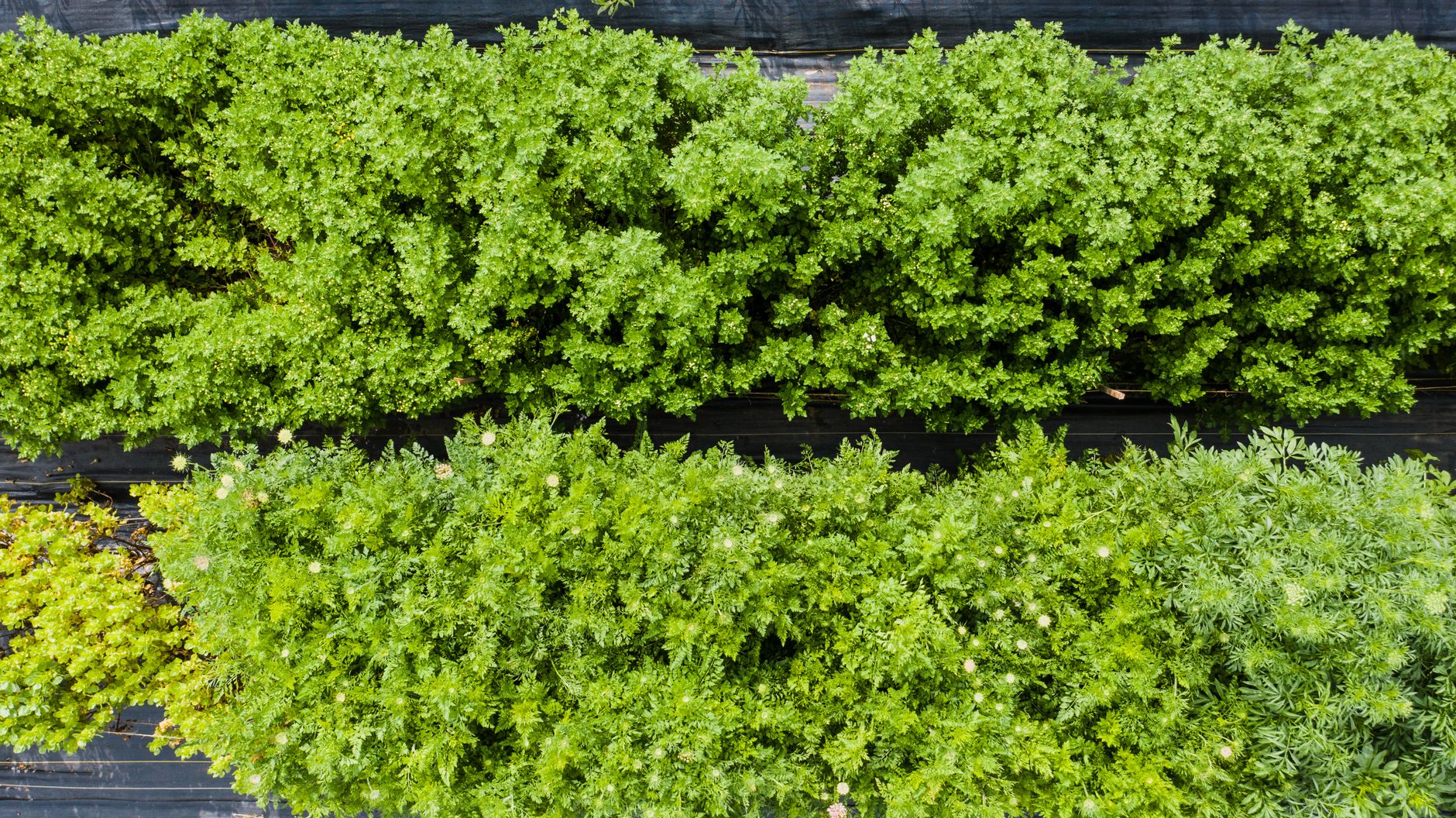
The Hidden Pitfalls of Companion Planting: More Than Just Good Neighbours
When I first started gardening in my 800 sq ft Midlands backyard five years ago, fresh out of the IT world and full of dreams, companion planting felt like a magical silver bullet. I devoured books and online articles, sketching out intricate plans for my raised beds, imagining a harmonious haven where every plant boosted its neighbour, deterred pests, and generally lived its best life. Marigolds would guard my tomatoes, nasturtiums would lure aphids away from my beans, and everything would be glorious. And for a while, some of it was! My 'Cherokee Purple' tomatoes in the greenhouse certainly seemed happier with a few basil plants nearby.
But then, the reality of gardening here in the unpredictable British climate started to set in. Despite my best intentions and diligent watering, some of my companion plant pairings just… flopped. My beautiful 'Winterbor' kale, meant to be protected by a ring of dill, ended up stunted and sad. The carrots I painstakingly sowed next to what I thought were friendly rosemary bushes were spindly and struggled to form decent roots. It wasn't the slugs, nor the blight, nor even our notoriously soggy August that was the problem. It was the plants themselves, quietly waging a subtle war right there in my carefully planned patches. I realised that companion planting isn't just about good neighbours; it's also about identifying the downright bad ones.
I've learned, often the hard way through disappointing yields and puzzling failures, that not all plants play nicely together. In fact, some actively hinder their neighbours' growth, steal their nutrients, or even poison the soil around them. It's a crucial lesson for any UK gardener, especially when you're working with limited space like my compact garden. Understanding these negative interactions has been a game-changer for me, helping me move past those early frustrations and truly optimise my small-space vegetable plots. So, if you've ever wondered why your companion plants aren't thriving, let's dig into the hidden conflicts that might be brewing beneath the surface of your own British garden.
Unpacking the Science: How Plants Can Be Bad Neighbours
It might sound a bit dramatic to say plants can be "bad neighbours," but there's some fascinating science behind it. Just like us, plants need their space, their food, and sometimes, they just don't get along. As a former IT worker, I've always been drawn to understanding the underlying systems, and the garden is no different. When certain plants struggle near others, it's usually down to one of two main issues: direct competition or something called allelopathy.
Direct competition is probably the easiest to grasp. Every plant needs water, nutrients from the soil, and sunlight. If you have two plants with very similar needs, especially if they have aggressive root systems or cast a lot of shade, they're going to fight for those resources. In my UK garden, particularly during a dry spell in July – which we definitely get here in the Midlands – I've seen first-hand how a thirsty, fast-growing plant can simply outcompete a more delicate neighbour for every drop of water. Roots intertwine, battling for every mineral, and the weaker plant inevitably suffers, showing signs of stress like yellowing leaves or stunted growth.
Then there's allelopathy, which is a bit more complex and, frankly, quite clever (or devious, depending on your perspective!). This is when a plant releases biochemicals into the soil or air that inhibit the growth of nearby plants. Think of it as a natural herbicide. These chemicals can suppress seed germination, stunt root development, or even stop photosynthesis in their neighbours. I've found this particularly challenging to diagnose in my own garden, as the symptoms can be subtle. It's not always obvious pest damage or a nutrient deficiency; sometimes, it's just a plant silently sabotaging its neighbour. Understanding these mechanisms helps me make smarter planting choices, especially in my densely packed raised beds, ensuring every plant has the best chance to thrive in our often-challenging British growing conditions.

Common UK Garden Conflicts: Brassicas, Beans & Alliums
Here in the UK, Brassicas, beans, and alliums are staples in most vegetable patches, including my own. I grow everything from 'Cavolo Nero' kale to 'Dwarf French Bean 'Safari'' to 'Stuttgart Giant' onions. You'd think that such common garden residents would be easygoing, but I've learned through trial and error that these groups have some very specific dislikes when it comes to their neighbours. Ignoring these can lead to frustratingly poor harvests, which is the last thing you want after putting in all that effort!
Brassicas: The Fussy Eaters
Brassicas – think cabbages, broccoli, kale, Brussels sprouts – are heavy feeders and can be quite particular. I've grown 'Romanesco' broccoli in my Midlands beds for three years now, and while it produces beautifully, I learned early on what not to put near it. One year, I optimistically planted some 'Greyhound' cabbage right next to my struggling 'Haricot Vert' beans, thinking they'd all benefit from being together. What works here in Britain is often about careful planning, and this was a clear misstep. The brassicas certainly didn't seem to help the beans, which barely produced anything.
| Plant Group | Common UK Varieties | Bad Neighbours | Why They Conflict | My UK Garden Experience |
|---|---|---|---|---|
| Brassicas | Cabbage 'Greyhound', Kale 'Nero di Toscana', Broccoli 'Calabrese', Brussels Sprout 'Crispus' | Strawberries, Beans, Tomatoes, Corn, Rue | Stunted growth, inhibit root nodule formation (beans), compete for nutrients. | Saw severely reduced yields on my 'Haricot Vert' when next to my 'Early Purple Sprouting' broccoli. My 'Cambridge Favourite' strawberries definitely struggled near my 'Savoy King' cabbage. |
Beans: The Nitrogen Fixers with an Attitude
Beans, especially runner beans and French beans, are fantastic for adding nitrogen back into the soil, which is why they're often touted as great companions. However, they're not fans of everyone. I learned this the hard way when dealing with my 'Borlotto' beans, which I tried to grow near my 'Red Baron' onions one season. The beans just looked miserable, their leaves yellowing, and their yield was tiny. It turns out, alliums are a big no-no for beans.
| Plant Group | Common UK Varieties | Bad Neighbours | Why They Conflict | My UK Garden Experience |
|---|---|---|---|---|
| Beans (Bush & Pole) | French Bean 'Safari', Runner Bean 'Scarlet Emperor', Broad Bean 'Aquadulce Claudia' | Alliums (Onions, Garlic, Leeks), Fennel, Gladiolus | Stunted growth, can inhibit nitrogen fixation in beans. | My 'Borlotto' beans sulked all season when planted too close to my 'Stuttgart Giant' onions. Definitely a pairing to avoid! |
Alliums: The Strong Personalities
Onions, garlic, leeks, and chives are usually great for pest deterrence, but their strong presence isn't appreciated by everyone. My 'Red Baron' onions always do well, but I've found that certain neighbours just won't cope with their pungent company. I once tried to grow peas near my garlic patch, thinking the garlic would keep away pests, but the peas were distinctly unhappy and didn't climb well.
| Plant Group | Common UK Varieties | Bad Neighbours | Why They Conflict | My UK Garden Experience |
|---|---|---|---|---|
| Alliums | Onion 'Stuttgart Giant', Garlic 'Elephant', Leek 'Musselburgh', Chives | Beans, Peas, Asparagus, Parsley, Sage | Stunted growth, can deter beneficial insects for some plants, inhibit root development. | My 'Feltham First' peas were visibly weaker and produced fewer pods when next to my 'Early Purple' garlic. Now I keep them well separated in my garden plan. |
Aggressive Growers & Allelopathic Offenders: Mint, Fennel & Walnut
Some plants aren't just bad neighbours; they're outright bullies, either through sheer aggressive growth or by actively poisoning the ground around them. I've certainly had my battles with these in my UK garden, learning some valuable lessons about containment and careful placement. These are the ones you really need to watch out for, especially in a compact space like my 800 sq ft plot.
Mint: The Great Escapist
Oh, mint! It's a fantastic herb, and I love a good cup of fresh peppermint tea, but I made the classic mistake of planting 'Moroccan Mint' directly into a raised bed thinking I could manage it. It was like a green invasion! Within a season, it had spread its roots under my path and into the next bed, choking out my 'Moneymaker' tomatoes. It's a truly aggressive spreader and will quickly take over any available space if left unchecked, stealing water and nutrients from more delicate plants.
| Plant Offender | Key Characteristic | Plants It Harms | Why It Harms | My UK Garden Experience / Solution |
|---|---|---|---|---|
| Mint | Aggressive spreader, highly competitive for resources. | Tomatoes, Cabbage, Most Herbs (especially basil, oregano), Strawberries | Over-competes for water and nutrients, smothers other plants with its dense root mat. | Now I only grow my 'Black Peppermint' and 'Apple Mint' in pots, sunk into the ground, to keep it contained. Saves my 'Moneymaker' tomatoes and keeps my herb patch harmonious! |
Fennel: The Subtle Saboteur
Fennel is a beautiful plant, and I enjoy growing 'Zefa Fino' Florence fennel for its aniseed flavour. However, I've noticed that anything too close to my fennel plants just seems to sulk and struggle. It's not as overtly aggressive as mint, but it's known for its allelopathic properties, subtly releasing chemicals that can inhibit the growth of nearby plants. It's a quiet killer, making it tricky to pinpoint the cause if you don't know its reputation.
| Plant Offender | Key Characteristic | Plants It Harms | Why It Harms | My UK Garden Experience / Solution |
|---|---|---|---|---|
| Fennel | Allelopathic (releases growth-inhibiting compounds). | Beans, Tomatoes, Carrots, Coriander, Dill, Kohlrabi | Releases chemicals that stunt growth and reduce vigour in sensitive neighbours. | I've learned to give my 'Zefa Fino' Florence fennel plenty of space, keeping it away from my more sensitive crops like 'Autumn King 2' carrots and 'San Marzano' tomatoes. |
Walnut: The Big Boss of Allelopathy
While I don't have a full-grown walnut tree in my 800 sq ft plot – you'd be lucky to fit a twig! – it's a critical one to mention, especially for those with larger gardens or allotments here in the UK. Walnut trees, particularly Black Walnut (though others to a lesser extent), produce a chemical called juglone, which is highly toxic to many plants. I did help a mate on his allotment once, and we saw firsthand the impact of an old established walnut on his potato patch; they simply wouldn't thrive anywhere near it.
| Plant Offender | Key Characteristic | Plants It Harms | Why It Harms | My UK Garden Experience / Solution |
|---|---|---|---|---|
| Walnut (especially Black Walnut) | Highly allelopathic (produces juglone). | Tomatoes, Potatoes, Blueberries, Apples, Most Brassicas, Asparagus | Juglone is toxic to the roots of many plants, causing wilting, yellowing, and death. | While not in my small garden, I've seen on allotments how vital it is to understand the juglone "drip line" from a walnut tree. If you have one, research juglone-tolerant plants or create raised beds with barriers. |
Spotting the Signs: Is It Bad Companionship or Something Else?
Right, so you've got a plant looking a bit rubbish. First instinct, especially if you're like me when I first started out, is to blame pests, disease, or maybe even my own watering habits (or lack thereof, depending on the week and the British weather!). But when you’re dabbling in companion planting, that list of potential culprits gets a bit longer. The trick is learning to differentiate between a plant that's just struggling with our unpredictable UK climate, and one that's genuinely unhappy with its neighbour.
I've learned this the hard way more than once in my 800 sq ft Midlands garden. One year, I had a row of 'Purple Sprouting Broccoli' that just refused to head up properly. The leaves were a bit yellow, growth was stunted, and it looked generally miserable. My first thought was nitrogen deficiency, so I added some comfrey feed. Nothing. Then I checked for cabbage white caterpillars – a perennial foe here in Britain – but the damage wasn't typical. It turned out, I'd unwittingly planted them a bit too close to some vigorous 'Garlic chives' that had really spread their roots. The chives were outcompeting the brassicas for nutrients and water, and likely had some allelopathic effect I hadn't accounted for.

Here are a few tell-tale signs to help you figure out if it's a bad pairing or something else:
- General Stunted Growth: This is the big one. If a plant isn't growing at the expected rate, or looks significantly smaller than others of the same variety planted elsewhere, it's a red flag. Look at the root system if you can carefully lift it – are the roots underdeveloped? This often points to direct competition or allelopathy.
- Yellowing or Discoloured Leaves (without other obvious signs): If the leaves are yellowing but you don't see any aphids, mildew, or obvious nutrient deficiencies that would affect the whole plant, consider its neighbours. Sometimes, root exudates from a bad companion can inhibit a plant's ability to absorb specific nutrients, leading to localised deficiencies.
- Poor Fruiting or Flowering: A plant might look okay, but just not produce. My 'Harbinger' runner beans one year, planted near some particularly lush 'Dill', flowered sparsely and yielded next to nothing. The dill was probably too attractive to beneficial insects away from the beans, and potentially outcompeting for root space.
- Wilting (despite adequate water): If a plant is wilting but the soil is moist and it’s not scorching hot (a rarity here in the UK sometimes, but it happens!), it could be root stress from a bad neighbour. Some allelopathic compounds can actually interfere with water uptake.
- Examine the Whole Bed: Step back and look at the pattern. Is it just the plants right next to a specific neighbour that are struggling, while the same variety a few feet away is thriving? That's a strong indicator. If all your tomatoes are struggling regardless of neighbours, then it's likely a broader issue like soil pH, watering, or a systemic pest/disease.
Always, always do a quick check for common UK garden pests like slugs, snails, aphids, or signs of fungal diseases. Rule those out first. Test your soil if you haven't in a while. But once you've eliminated the usual suspects, it's time to cast a suspicious eye at the plants' immediate neighbours.
Practical Solutions: Restoring Harmony in Your UK Garden Beds
So, you've identified a bad pairing. Don't despair! I've been there, staring at a struggling plant and feeling a bit deflated after all that effort. But the beauty of gardening, especially in our raised beds here in the UK Midlands, is that it's rarely too late to make a change. Here are some practical steps I've taken to restore harmony (and yield!) to my garden.
Gentle Relocation (or the "Big Dig")
If the plants are relatively young and it’s early enough in the season (before our British summer fully kicks in, or as things are winding down), sometimes the simplest solution is to move one of the offending parties. I've successfully moved young brassica seedlings that were struggling near their enemies. Dig a wide berth, keep the root ball as intact as possible, and give it a good drink in its new, happier home. For larger, more established plants, it's a tougher call. Last year, I had to dig up a whole patch of 'Mint' (spearmint, specifically) that had escaped its pot and was trying to take over a section of my herb bed. It was a proper battle, but worth it to save my 'French Tarragon' and 'Oregano'.
Physical Barriers and Root Control
For aggressive growers, especially those with rampant root systems like mint, a physical barrier is your best friend. I now grow all my mints, including my beloved 'Chocolate Mint' and 'Moroccan Mint', in large pots or bottomless buckets sunk into the ground, with at least 6-8 inches of the rim above soil level. This stops the runners from escaping. You can also use root barrier fabric for particularly persistent offenders, especially if you're dealing with something like a nearby tree or shrub that's sending out greedy roots into your veggie patch.
Strategic Pruning and Harvesting
If the issue is primarily light or nutrient competition from an overly vigorous neighbour, sometimes strategic pruning can help. For example, if you have a particularly lush 'Fennel' that’s shading out smaller plants, regularly harvesting its fronds can reduce its canopy and overall vigour, freeing up light and resources. This isn't a fix for allelopathy, but it can mitigate direct competition.
Soil Amendment and Replenishment
After a period of negative interaction, the soil in that spot might be depleted, especially if one plant was aggressively drawing nutrients or the other was stressed. Once you've separated the bad companions, it's a good idea to refresh the soil. I usually dig in a generous amount of homemade compost from my UK garden, a sprinkle of balanced organic fertiliser, and maybe some worm castings if I have them. This gives the soil a fresh start and helps the remaining plants recover.
Crop Rotation and Planning Ahead
While not a direct fix for an existing problem, rotating your crops annually is a brilliant preventative measure. If you've had issues in a particular bed, avoid planting similar families there next season. This gives the soil a chance to recover and reduces the build-up of specific pathogens or allelopathic compounds. It's a fundamental principle I stick to religiously in my raised beds here in the Midlands.
Prevention is Key: Planning for Successful Companion Planting
Look, even with five years of intensive gardening under my belt here in the UK, I still make mistakes. But the biggest lesson I've learned is that an ounce of prevention is worth a pound of cure, especially when it comes to companion planting. A little research and planning before you even get your hands dirty can save you a lot of heartache (and wasted plant potential) down the line.
Do Your Homework (UK-Specific, Please!)
Before you sow a single seed or buy a new plant, take five minutes to look up its ideal companions – and, crucially, its bad ones. Don't just rely on general companion planting charts; double-check for UK suitability. What works in a Californian climate might be a disaster in a damp British summer. I keep a well-thumbed notebook with my own observations from my Midlands garden, noting what thrived and what flopped next to each other. For example, I've found that 'Florence Fennel' is a definite solo act in my greenhouse, no matter how much I want to squeeze it in with my 'Sungold' tomatoes.
Sketch Out Your Garden Beds
This is a game-changer for me. Before planting season really kicks off, I grab my garden journal and sketch out each raised bed. I map out where everything is going, considering sun exposure, soil type, and yes, who's going to be neighbours. I use different coloured pens for different plant families. This visual aid helps me spot potential conflicts before they become real problems. It's much easier to erase a tomato next to a brassica on paper than to dig it up mid-season! I specifically plan for my 'Cherokee Purple' and 'Gardener's Delight' tomatoes in the greenhouse, making sure they're far from any brassicas I might have near the door.
Think About Root Systems and Growth Habits
It's not just about what's above ground. Consider what's happening beneath the soil. Are you putting a shallow-rooted plant next to a deep-rooted, thirsty one? Are you planting something with an aggressive, spreading root system (like some of the mint family, even in pots!) next to a delicate feeder? Raised beds give you some control here, but always factor in the mature size of both plant and root ball. My 'Conference' pear tree in the corner of the garden, for example, is far enough away that its roots don't bother my raised beds.
Utilize Containers for Aggressive Growers
As I mentioned before, containers are your secret weapon for those plants that just can't play nicely in the general population. Mint, comfrey (which can be a fantastic dynamic accumulator but also a rampant spreader), and even some vigorous herbs can be contained effectively in pots. This allows you to still enjoy their benefits without them taking over your valuable bed space. It's how I manage my 'Bocking 14' comfrey – in a huge tub, ready for making my liquid feed for the tomatoes.
Start Small and Observe
If you're unsure about a specific pairing, especially one you've read about that seems a bit left-field, try it on a small scale. Maybe plant just one of each in a corner of a bed, or even in separate pots placed close together, and observe them closely. What works for one UK gardener might not work for another due to microclimates, soil differences, or even specific cultivars. My 800 sq ft backyard is a constant experiment!
Conclusion
So, there you have it, fellow green thumbs. Companion planting, while often sung as the ultimate garden hack, isn't always sunshine and roses. Just like in any community, plants can have their squabbles, their rivalries, and even their outright feuds. From the allelopathic assaults of fennel and black walnut to the sheer competitive greed of mint or the subtle nutrient drain caused by brassicas near your beloved tomatoes, negative interactions are a real, tangible challenge in our UK gardens.
I've made my fair share of mistakes over the past five years, learning many of these lessons the hard way, often during a particularly damp British summer or a surprisingly hot spell here in the Midlands. But that's the beauty of it, isn't it? Every stunted plant, every yellowing leaf, is a chance to learn something new.
The key takeaway? Be an observer. Get out into your garden, really look at your plants, and understand their needs and their neighbours. Learn to spot the subtle signs that something isn't quite right. And when you do identify a conflict, remember that there are practical solutions, whether it's a gentle relocation, a strategic barrier, or simply planning better for next season.
Gardening is a journey of constant learning, experimenting, and adapting to whatever our glorious (and sometimes infuriating) British weather throws at us. Don't be afraid to try new pairings, but always be ready to intervene if things go south. Your plants, and your harvests, will thank you for it. Now, go forth, observe, and cultivate harmony in your patch! Happy gardening!
