
Introduction: The Early Spring Green Conundrum in UK Gardens
Alright, fellow UK gardeners! Randy here, coming to you from my 800 sq ft patch of green in the heart of the Midlands. If you're anything like me, the arrival of spring brings an irrepressible urge to get those first leafy greens in the ground. There’s nothing quite like the thought of harvesting fresh, sweet lettuce, spinach, and arugula from your own backyard. It’s a dream, isn’t it? But then, sometimes, reality hits us squarely in the face with a bolt of bitterness.
I've been growing vegetables intensively for over five years now, and I’ve certainly had my share of early spring disappointments. I can't tell you how many times in my early days I'd lovingly tend my spinach seedlings, only for them to shoot up a flower stalk the moment the sun looked at them funny, or for my beautiful 'Little Gem' lettuce to turn so bitter it was practically inedible. It’s enough to make you throw your trowel down in despair, especially when you’ve put so much effort into beating the unpredictable British weather!
Over the years, I've experimented endlessly in my raised beds and greenhouse, trying to crack the code of consistently tender, sweet greens. What I’ve learned, often the hard way through plenty of failures, is that our early spring here in the UK is a real tightrope walk for these cool-season crops. It's not just about getting them planted; it's about understanding the subtle stresses that push them from delicious to disastrous. So, if you've ever wondered why your early lettuce has turned into a rocket launcher or your spinach tastes like an old sock, pull up a cuppa. We're going to dig into what's really happening and how to master those tricky temperature swings and hidden stresses for a truly sweet harvest.
Understanding Bolting & Bitterness: What's Happening to Your Lettuce and Spinach?
Before we can fix the problem, we need to understand it. When we talk about our leafy greens "bolting," what we mean is that the plant has decided its mission in life is no longer to produce lush leaves for our salads, but to reproduce. It sends up a flower stalk, sets seeds, and then, sadly, its life cycle as a delicious vegetable is pretty much over. This is a natural process for these annual plants, but we want to delay it for as long as possible to maximise our harvest.
Bitterness often goes hand-in-hand with bolting, or it can be an early warning sign that the plant is under stress. When a plant bolts, it diverts its energy from leaf production to flower and seed production. This often involves a surge in certain compounds, like lactucin and lactucopicrin in lettuce, which give it that distinct bitter flavour. It's essentially the plant's way of saying, "Hey, something's not right here, I need to finish my life cycle quickly!"
Think of it like this: your lettuce and spinach are cool-season crops. They thrive in consistent, mild temperatures. When they experience stress – be it from heat, cold, drought, or something else – their survival instinct kicks in. They interpret these stressors as a signal that their growing conditions are becoming unfavourable, and they need to hurry up and produce seeds to ensure the next generation. It’s a clever evolutionary trick, but a frustrating one for us gardeners! I've had entire beds of 'Black Seeded Simpson' lettuce go from beautiful rosettes to gangly, bitter stalks in a matter of days during an unexpected spring heatwave here in the Midlands. It's a stark reminder of how quickly things can change in our British climate.
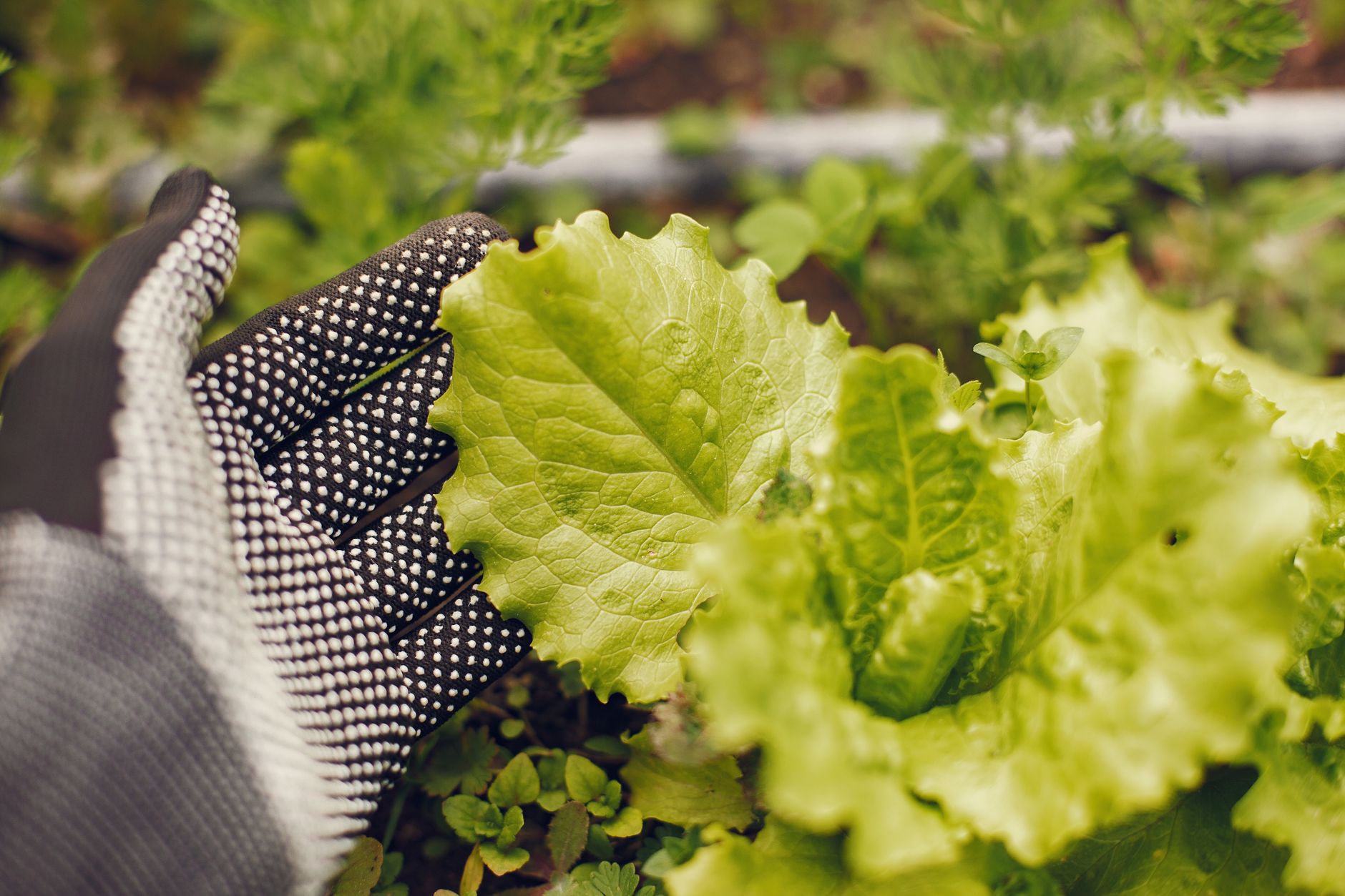
Temperature Swings: The #1 Reason Your Early Spring Greens Bolt
Here in the UK, especially in the Midlands where I garden, our early spring weather is notoriously fickle. One day you’ve got glorious sunshine, the next it’s a biting wind, and then a sudden frost overnight. These dramatic temperature swings are, in my experience, the absolute biggest culprits behind bolting and bitterness in early spring greens.
Lettuce, spinach, and arugula are generally cool-season crops. They love consistent temperatures, typically between 10-20°C (50-68°F). When temperatures consistently rise above this, especially when coupled with longer daylight hours, they interpret it as a signal to bolt. But it's not just the high heat that causes issues. I've found that prolonged periods of cold, or even significant drops in temperature after a warm spell, can also stress the plants enough to trigger bolting. It's the inconsistency that really gets them.
Last April, I had a fantastic crop of 'Matador' spinach looking brilliant. We had a week of unseasonably warm, sunny weather, pushing temperatures into the low 20s. Then, bam! A sudden cold front swept through, bringing overnight lows close to freezing. Within three days, that beautiful spinach, which had been enjoying the warmth, shot up flower stalks. It was a classic case of the plants thinking, "Right, it's getting hot, time to bolt. Oh wait, it's cold again, better finish up quick!"
To illustrate just how critical these temperature ranges are for our early greens here in Britain, take a look at this comparison:
| Condition Factor | Ideal for Sweet, Tender Greens (UK Spring) | Stressful for Greens (Triggers Bolting/Bitterness) | My Experience in the Midlands Garden |
|---|---|---|---|
| Daytime Temperature | 10-20°C (50-68°F) | Consistently >22°C (72°F) or <5°C (41°F) | I aim for this range; anything above 25°C for more than 2-3 days almost guarantees bolting for most varieties. |
| Nighttime Temperature | 5-15°C (41-59°F) | Consistently >18°C (64°F) or <0°C (32°F) | Cold nights after warm days are especially tricky. A sudden drop to freezing after a warm spell will usually trigger a bolt. |
| Temperature Swings (Daily) | Gradual, within 5-10°C range | Sudden drops/rises >15°C in 24 hours | This is the killer! A day at 20°C followed by a night at 2°C is a prime bolting trigger for my 'Red Salad Bowl' lettuce. |
| Sunlight Hours | Moderate (10-14 hours) | Very long (15+ hours) | Longer days in late spring/early summer, even with moderate temps, will eventually push them to bolt. |
| Soil Temperature | 10-20°C (50-68°F) | >25°C (77°F) or <5°C (41°F) | Cold soil slows growth; hot soil speeds up bolting. Using dark-coloured raised beds can warm soil too quickly on sunny spring days. |
My 'Salad Bowl Blend' lettuce, which I usually direct sow in succession, is particularly sensitive to these rapid changes. I've learned that a simple fleece covering on those unexpectedly chilly nights, or even some shade cloth during a sudden heatwave, can make all the difference. It’s about trying to provide as stable an environment as possible, even when our glorious British weather has other plans.
Beyond Temperature: Other Stressors Making Your Greens Bitter or Bolt
While temperature swings are the biggest culprit, they're certainly not the only stressor that can send your early spring greens into a spiral of bitterness and bolting. In my UK garden, I've seen several other factors play a significant role, often working in combination with temperature to really push plants over the edge.
Inconsistent Watering: The Dry Spell Dilemma
One mistake I made early on was assuming that early spring rain was enough. While we get our fair share of showers here, those quick, light drizzles don't always penetrate deeply enough, especially in raised beds where drainage is excellent. Lettuce, spinach, and arugula need consistent moisture. If the soil dries out significantly between waterings, the plants experience drought stress. This stress can trigger bolting and make the leaves incredibly bitter.
I learned this the hard way with a bed of 'Rouge d'Hiver' lettuce. We had a lovely week of sun, and I figured the odd shower would suffice. The soil surface looked damp, but when I dug down, it was bone dry. The lettuce started looking droopy, and then within days, it was sending up stalks. Now, I make sure to check the soil moisture regularly, sticking my finger down a good inch or two, and I water deeply when needed, especially during those unpredictable dry spells we often get here in Britain. A good, thorough soak every few days is far better than a daily sprinkle.

Nutrient Imbalance: Too Much or Too Little?
Greens are hungry for nitrogen for lush leaf growth. However, too much of a good thing can also be detrimental, especially if it's not balanced with other nutrients. An excess of nitrogen, particularly when combined with other stressors, can sometimes accelerate growth in a way that encourages bolting. Conversely, a lack of essential nutrients can also stress the plant, making it weak and susceptible to bolting and bitterness.
In my 800 sq ft garden, I focus on building rich, organic soil with plenty of compost. This provides a slow, steady release of nutrients, which I've found works much better than synthetic feeds for consistent growth. If I do use a liquid feed, it's usually a balanced, diluted organic seaweed extract, applied sparingly, especially for tender greens. I once overfed a patch of 'Gigante d'Italia' spinach with a high-nitrogen feed, thinking I'd get huge leaves – instead, they grew fast but quickly turned bitter and tried to bolt. It taught me a valuable lesson about moderation and listening to what the soil needs, not just what I think the plants want.
Overcrowding & Airflow: Giving Them Space
When you're trying to maximise every square inch of your raised beds, it's tempting to plant everything a bit too close together. I've been guilty of this many times! However, overcrowding can lead to competition for light, water, and nutrients, stressing the plants. It also reduces airflow, which can create humid conditions conducive to fungal diseases, adding another layer of stress.
I've found that sticking to the recommended spacing on seed packets, or even giving a little more room for varieties like 'Buttercrunch' lettuce, makes a huge difference. Healthy air circulation helps regulate temperature around the plant and prevents moisture build-up on leaves. My early spring arugula, which I often grow in succession, performs much better when it has enough space to breathe. When I've sown it too thickly, it bolts much faster, even with ideal temperatures and watering. Thinning out seedlings ruthlessly is one of the hardest but most important tasks for sweet, tender greens in my UK garden.
Light Levels: Too Much Sun, Too Soon?
While greens need sunlight to grow, intense, unshaded sun in early spring, especially after a period of cloudiness or if combined with rising temperatures, can be a stress factor. This is particularly true for plants transplanted from a sheltered environment like a greenhouse or windowsill. The sudden blast of intense UV light and heat can shock them, leading to bitterness or bolting.
I've learned to harden off my early lettuce and spinach seedlings meticulously before planting them out in my Midlands garden. This means gradually exposing them to outdoor conditions over a week or two. For my outdoor beds, if we get an unusually hot, sunny spell in April or May, I sometimes use a light shade cloth over my most delicate greens during the hottest part of the day. This simple trick has saved many a crop of 'Tom Thumb' lettuce from turning bitter in the face of our unpredictable British sunshine.
Practical Solutions: Cultivation Techniques for Sweet, Tender Greens in the UK
Right, so we've talked about why our lovely early spring greens decide to throw a tantrum and bolt or turn bitter. Now, let's get down to brass tacks: what can we actually do about it here in the UK? Over my five years of intensive gardening in the Midlands, I've experimented with more techniques than I can count, and I've certainly had my share of failures. But through those trials, I've figured out a few strategies that consistently help me get a good harvest of sweet, tender leaves, even with our famously unpredictable British weather.
Smart Sowing for UK Spring
The first line of defence is often in the timing and method of sowing. I’ve learned that a single big sowing in early spring is a gamble. Instead, I practice succession sowing every 2-3 weeks from late February (under cover) through to late April. This means if one batch bolts due to a sudden heatwave, I've got another coming along.
For my earliest crops, I start seeds indoors on a heat mat in my greenhouse, then move them to a cold frame or unheated greenhouse bench to harden off properly before planting out. This gives them a head start without the shock of direct cold soil. I aim for slightly denser sowing than recommended for some varieties, as I plan to thin ruthlessly and eat the thinnings as baby leaves – a fantastic bonus!
Protecting Your Precious Greens
Temperature swings are the main culprit, so protection is paramount. I've got a collection of cloches, fleece, and even old net curtains that come out every spring.
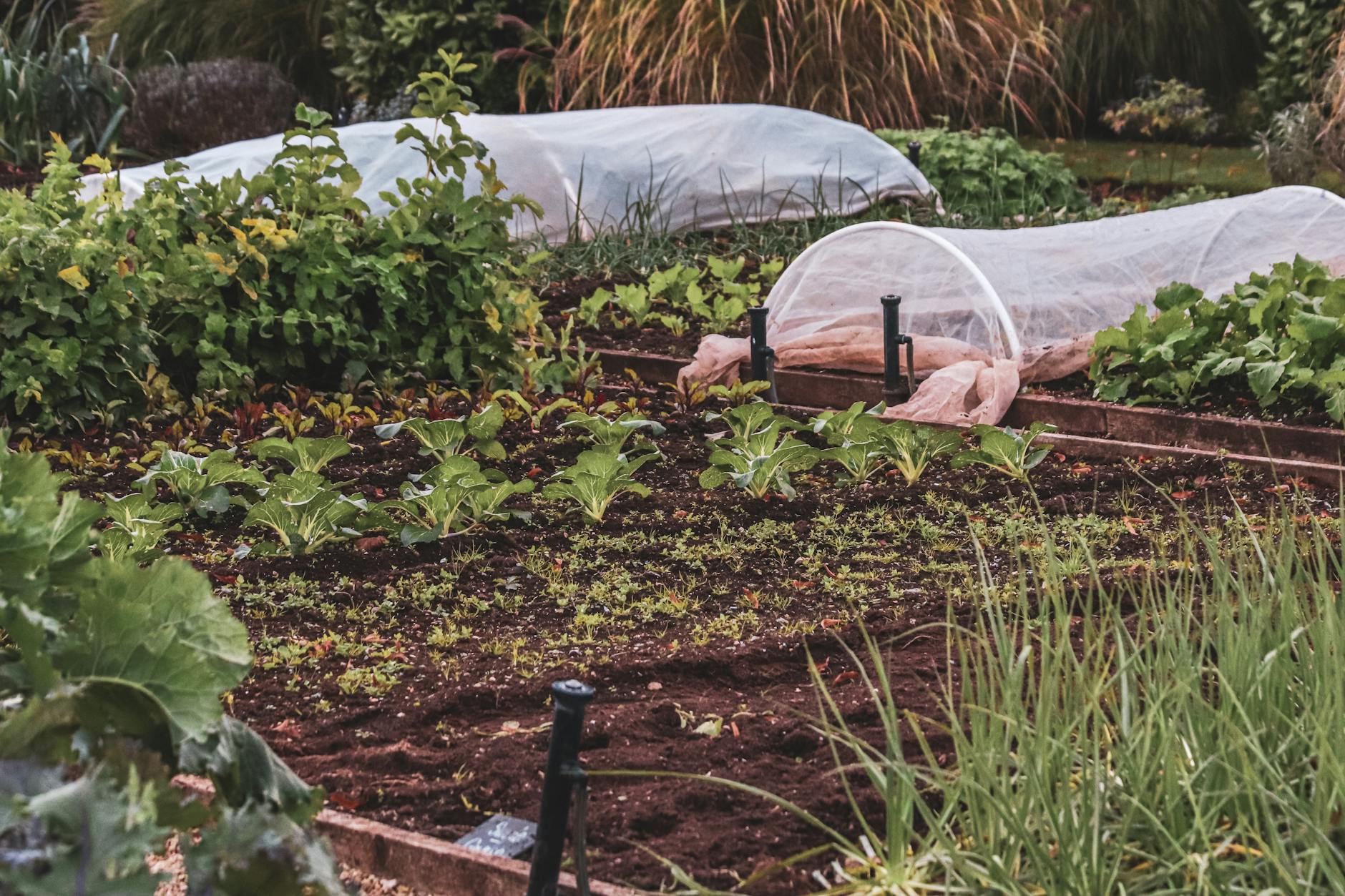
- Fleece: This is my go-to for direct-sown beds. A layer of horticultural fleece draped over hoops provides a surprising amount of insulation against night frosts and keeps the soil moisture more consistent. I learned this the hard way one April when an unexpected late frost wiped out my first outdoor lettuce batch. Now, the fleece goes on if night temperatures are forecast to dip below 5°C.
- Cloches: For smaller, precious patches, I use recycled plastic bottle cloches or purpose-built mini cloches. They create a little microclimate, trapping warmth during the day and protecting from cold snaps. Just remember to vent them on sunny days to prevent overheating – I've cooked a few batches of spinach by forgetting this crucial step!
- Greenhouse/Cold Frame: My greenhouse is a lifesaver for early sowings. I sow directly into trays or pots on the benches, and they grow on until they’re sturdy enough to face the elements. A cold frame is also brilliant for hardening off or growing a few rows of salad greens in their entirety.
Watering Wisdom
Consistent moisture is non-negotiable. Stress from inconsistent watering is a major trigger for bolting and bitterness.
- Deep and Regular: I aim for deep, thorough watering rather than shallow daily sprinkles. This encourages roots to grow deeper, making the plants more resilient. In my raised beds, which can dry out quickly, I check the soil moisture daily by sticking my finger in about an inch deep. If it feels dry, they get a good drink.
- Morning watering: I always water in the morning. This gives the leaves time to dry before nightfall, reducing the risk of fungal diseases, which is always a concern with our damp UK climate.
Soil Health and Feeding
Healthy soil equals healthy plants. I always amend my raised beds generously with homemade compost and a good quality, well-rotted manure in late autumn or early spring. This provides a slow-release of nutrients. For leafy greens, I avoid high-nitrogen feeds unless the plants are really struggling, as too much nitrogen can sometimes encourage rapid, weaker growth that's more prone to bolting. A balanced organic feed is usually sufficient if the soil is already good.
Strategic Shading
When those unexpected spring heatwaves hit (and they do, even here in Britain!), shade becomes essential. I keep a roll of 40% shade cloth handy. Draping this over hoops above my lettuce and spinach beds on particularly sunny, warm days can drop the leaf temperature significantly. It prevents scorching and signals to the plant that it's not time to panic and bolt. I've found this especially useful for arugula, which seems to bolt at the merest hint of sustained warmth.
Harvesting for Longevity
Finally, how you harvest makes a difference. For lettuce, I generally pick the outer leaves regularly (cut-and-come-again method). This encourages the plant to produce more leaves from the centre and can delay bolting significantly compared to letting it mature fully. For spinach and arugula, I often harvest the entire plant once it's a good size, then replant new batches. If I'm picking individual leaves, I make sure not to strip the plant bare.
Here's a quick summary of my go-to techniques:
| Technique | Benefit in UK Early Spring | Randy's Midlands Tip |
|---|---|---|
| Succession Sowing | Ensures continuous harvest; mitigates loss from sudden weather | Sow every 2-3 weeks from Feb (under cover) to April. Plan for multiple small batches. |
| Fleece Covers | Protects from frost & harsh winds; evens out soil temperature | Use from late Feb to early May. Secure well against our British winds! |
| Cloches | Creates warm microclimate for individual plants/rows | Ideal for vulnerable early plants. Vent on sunny days to prevent cooking your greens. |
| Consistent Watering | Reduces stress, prevents bitterness & premature bolting | Water deeply in mornings. Raised beds dry fast – check daily. |
| Shade Cloth | Protects from strong sun & heat stress in warm spells | Keep 40% shade cloth ready for unexpected warm days (15°C+). |
| Cut-and-Come-Again | Prolongs harvest, encourages new growth, delays bolting | Harvest outer leaves regularly; don't let plants get too large before harvesting. |
Choosing Wisely: Bolt-Resistant Varieties for UK Early Spring Success
All the fancy techniques in the world won't fully save a variety that's just naturally prone to bolting at the first hint of spring sunshine. That's why choosing the right varieties, especially for our often-temperamental UK climate, is absolutely crucial. I've spent years trialling different types in my Midlands garden, and I've certainly had my favourites emerge. When you're browsing seed catalogues, look for varieties specifically labelled "slow-bolting," "heat-tolerant," or "cold-tolerant" – these are usually good indicators for early spring success here in Britain.
Here are some of the varieties I rely on year after year for sweet, tender greens:
Lettuce
For lettuce, I lean heavily on loose-leaf and butterhead types for early spring, as they tend to be more forgiving than crispheads.
- 'Salad Bowl' (Green & Red): This is an absolute winner for me. It's a loose-leaf variety that produces an abundance of deeply lobed leaves. It's incredibly slow to bolt, even when temperatures start to climb, and it has a lovely mild flavour. I've grown this for years, and it's a staple in my early spring harvests.
- 'Buttercrunch': A fantastic butterhead type. It forms a loose, tender head with a creamy texture and sweet flavour. It's known for its good bolt resistance and performs reliably in my garden, holding its tenderness well.
- 'Lollo Rossa' / 'Lollo Bionda': These frilly loose-leaf types are not only beautiful but also quite bolt-resistant. They add great texture and colour to a salad, and I've found them to be very productive with a cut-and-come-again harvest method.
Spinach
Spinach can be notoriously quick to bolt, especially if it gets warm too fast. I always look for varieties bred for slower bolting.
- 'Matador' (or 'Bloomsdale Long Standing'): This is my top choice for early spring spinach. It's a classic, robust variety with dark green, crinkled leaves. Its "long standing" name isn't just marketing – it genuinely holds out longer against bolting than many other types I've tried. It's also quite cold-tolerant, which is a bonus for our early spring conditions.
- 'Perpetual Spinach' (Leaf Beet): Okay, technically a chard, but it grows and tastes very much like spinach, and it’s incredibly hardy and bolt-resistant. If you're constantly fighting bolting true spinach, this is a brilliant alternative. It will produce leaves all season long, shrugging off both cold and heat. I always have a patch of this going.
- 'Apollo': A relatively newer hybrid that I've had great success with. It's specifically bred for slow bolting and powdery mildew resistance, two big plusses for the UK climate. The leaves are smooth and tender.

Arugula (Rocket)
Arugula, or rocket as we call it here, is probably the quickest of the lot to bolt and turn intensely bitter. For early spring, I always opt for the more cold-tolerant and slower-bolting types.
- 'Dragon's Tongue': This is a fantastic wild arugula variety. It has a slightly more intense peppery flavour than cultivated rocket, but it's much slower to bolt in my experience. The leaves are beautifully variegated, too.
- 'Wild Rocket' (Diplotaxis tenuifolia): The true wild rocket is generally more bolt-resistant than the cultivated types (Eruca sativa). It has deeply lobed leaves and a strong, nutty, peppery flavour. I find it performs much better into late spring than its cultivated cousin. Just make sure you're getting the wild type.
Here's a table of my trusted bolt-resistant varieties:
| Green Type | Variety Name | Key Characteristic for UK Early Spring | Randy's Experience in Midlands Garden |
|---|---|---|---|
| Lettuce | 'Salad Bowl' (Green/Red) | Loose-leaf, very slow to bolt, mild flavour, cut-and-come-again | Consistently reliable, fantastic producer, holds up well to temperature swings. My absolute go-to. |
| 'Buttercrunch' | Butterhead, tender, sweet, good bolt resistance | Forms lovely loose heads, great texture. A reliable performer even when spring gets warm. | |
| 'Lollo Rossa' | Frilly loose-leaf, good bolt resistance, adds texture and colour | Productive and visually appealing. Great for mixing with other greens. | |
| Spinach | 'Matador' | Classic, dark green, "long standing" bolt resistance, cold-tolerant | My most consistent spinach. Handles cooler temperatures well and resists bolting better than most. |
| 'Perpetual Spinach' | Leaf Beet, extremely hardy, highly bolt-resistant, long harvest season | An absolute lifesaver if true spinach bolts on you. Reliable, productive, and tastes very similar. | |
| 'Apollo' | Hybrid, slow to bolt, disease resistant (powdery mildew) | Excellent modern choice for consistent, tender leaves. A great option if traditional spinach struggles. | |
| Arugula | 'Dragon's Tongue' | Wild type, slower to bolt than cultivated, good peppery flavour | Handles UK spring better than cultivated varieties. Beautiful leaves and robust flavour. |
| 'Wild Rocket' | True wild rocket, better bolt resistance, strong peppery flavour | Much more forgiving than standard cultivated rocket. Essential for a continuous peppery kick into late spring. |
Conclusion: Enjoying a Bounty of Beautiful, Bitter-Free Greens All Spring
There you have it, fellow gardeners! Growing sweet, tender early spring greens in our wonderfully unpredictable UK climate might feel like a constant battle against the elements, but it's a battle we can absolutely win. I've certainly learned this through plenty of trial and error in my own 800 sq ft Midlands garden. From those early days of frustration with bitter, bolted lettuce, I've come to really understand what these plants need.
The key, I've found, boils down to a few fundamental principles: understanding temperature and stress, smart protection, consistent care, and crucially, choosing the right varieties that are bred to cope with our British weather. Don't let a sudden cold snap or an unexpected sunny spell send your hard work to seed. Be proactive with your fleece and cloches, water deeply and consistently, and for goodness sake, pick those slow-bolting varieties!
Gardening is a journey of continuous learning, and our early spring greens are fantastic teachers. Every year, I learn something new about how to coax the best out of my lettuce, spinach, and arugula. There’s truly nothing quite like stepping out into your own garden, even when there's still a chill in the air, and harvesting a basket full of vibrant, sweet leaves for your dinner. It's a small victory that tastes absolutely glorious.
So, go forth, arm yourself with knowledge and a good roll of fleece, and enjoy that bounty of beautiful, bitter-free greens all spring long. Happy gardening!
