The Mid-Season Mystery: Why Your Perennials Suddenly Vanish
Picture this: It's a gorgeous late spring morning here in my 800 sq ft Midlands garden. I'm out with my trusty mug of tea, admiring the burgeoning life, maybe checking on my 'Moneymaker' tomatoes in the greenhouse, when I spot it. An empty space. The glorious, arching stems of my 'Valentine' Bleeding Heart, laden with those charming heart-shaped blooms just a few weeks ago, are simply… gone. Vanished into thin air, leaving nothing but a rather suspicious bare patch of soil. My heart sinks a little, and my old IT brain immediately jumps to worst-case scenarios: slugs, disease, maybe even a rogue badger.
If you’ve been gardening for any length of time here in the UK, especially with our wonderfully unpredictable British weather, I bet you’ve experienced this exact moment of mild panic. It's a mystery that used to baffle me completely in my early days, about five years ago when I first started getting serious about transforming my backyard. I'd stand there, scratching my head, convinced I'd somehow killed yet another plant, despite my best efforts. I even recall digging up a patch once, convinced I needed to investigate the "crime scene," only to find nothing but soil. What a rookie mistake that was!
But after years of experimenting, observing, and, yes, making my fair share of mistakes right here in my raised beds and borders, I've learned a crucial secret. That empty space doesn't necessarily mean death and disaster. More often than not, it’s a sign that some of your most beloved perennials are simply taking a well-deserved, mid-season nap. It's a clever survival strategy, especially in our UK climate, and understanding it can save you a lot of heartache (and unnecessary replanting!). So, let's dive into this fascinating phenomenon and learn how to tell if your cherished plant is merely snoozing or truly gone forever.
Understanding Ephemeral Perennials: The Art of Mid-Season Retreat
When a perennial suddenly disappears, it's usually the work of what we call 'ephemeral perennials'. Now, that sounds a bit fancy, but it just means they have a relatively short, intense growing season, typically in spring, before they decide to retreat underground and spend the hotter, drier, or more challenging parts of summer in a state of dormancy. They're not dead; they're just having a very long snooze!
Here in the UK, especially in my Midlands garden, I’ve found that this mid-season retreat is a brilliant survival mechanism. These plants burst into life early, taking advantage of our damp, cooler spring weather and available moisture before the summer heat (and potential dry spells, as we’ve certainly had a few of those lately!) kicks in. Once they’ve flowered and set seed, their job is done. Why waste precious energy battling a dry July or August when you can just chill out underground and wait for the cooler, wetter autumn to return? It makes perfect sense when you think about it.
My 'Valentine' Bleeding Heart ( Dicentra spectabilis 'Valentine') is a classic example. It puts on a spectacular show of deep red, heart-shaped flowers every April and May. But by late June, especially if we've had a few weeks without much rain or a sudden heatwave, its lush foliage starts to yellow and melt away. I used to panic, thinking I hadn't watered enough or that some blight had struck. Now, I simply nod knowingly, perhaps give the spot a light mulch, and anticipate its return next spring. It's a reliable performer in my shady border, always bouncing back with renewed vigour.
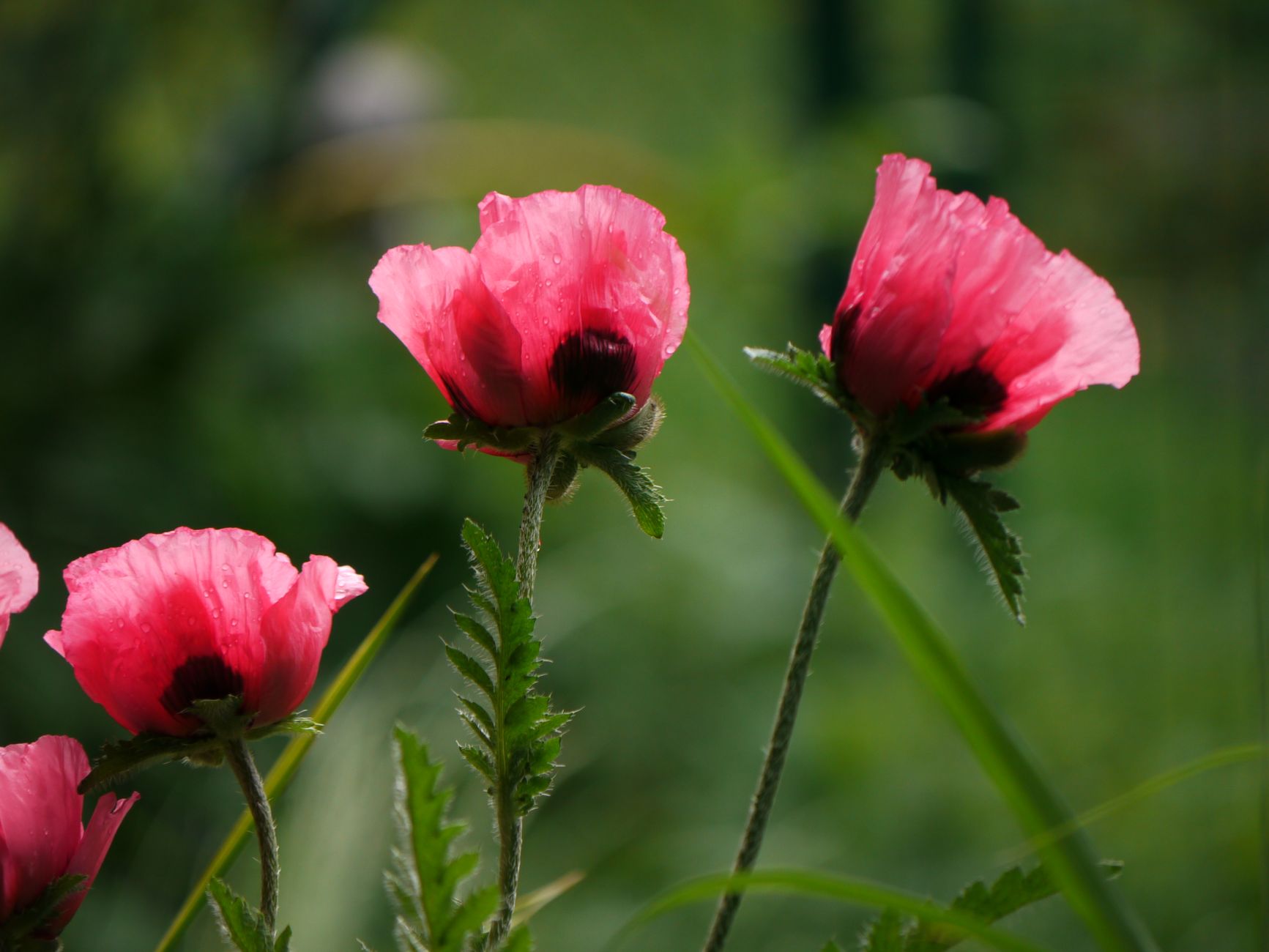
Another star performer in this disappearing act is the Oriental Poppy (Papaver orientale). My 'Pizzicato' poppies, with their enormous, crinkled petals in vibrant oranges and reds, are absolutely stunning in early summer. They thrive in the well-drained soil of my raised beds. But come July, after their dramatic display, their foliage often shrivels and vanishes. This particular habit means I've learned to be strategic about where I plant them. I tend to tuck them in amongst later-flowering perennials like Rudbeckia 'Goldsturm' or Helenium 'Mardi Gras', which will then fill the void as the poppies fade. It’s all about succession planting and making the most of every square inch of my 800 sq ft!
I've learned that understanding this natural cycle is key to a calmer, more productive UK garden. It’s not a sign of failure; it’s a sign of a healthy, well-adapted plant doing what it needs to do to survive and thrive for years to come.

Spotting the Signs: Is it Snoozing or Gone Forever? A Quick Check
So, your beloved perennial has pulled a disappearing act. The big question: is it merely taking a nap, or has it truly shuffled off its mortal coil? This is where my years of observing plants in my own UK garden come in handy. I've made the mistake of digging up a perfectly healthy, dormant plant more times than I care to admit, especially in my earlier gardening days. Now, I have a little mental checklist I run through before I even think about reaching for the trowel.
The key is to look for clues and not jump to conclusions. A plant going dormant will show different signs than one that has genuinely died from disease, pests, or neglect. Don't panic and start ripping things out! Give it a moment, observe, and do a quick forensic check.
Here’s a detailed comparison table I've put together based on my own experiences here in the Midlands. This should help you distinguish between a healthy plant taking a break and one that’s truly kicked the bucket.
| Sign / Symptom | Indicating Dormancy (Snoozing) | Indicating Death (Gone Forever) |
|---|---|---|
| Leaves | Gradual yellowing and fading: Leaves slowly turn yellow, then brown, before shriveling and disappearing over a period of days or weeks. Often starts from the bottom or edges. | Sudden wilting and collapse: Leaves might turn brown or black rapidly, sometimes while still appearing somewhat green, and then collapse. Often feels mushy or completely desiccated. |
| Stems | Softening/Disintegrating: Stems become less rigid, start to yellow, and may eventually turn mushy or brittle as they die back to the ground. If you gently tug, they might detach easily. | Mushy and rotten OR completely brittle: Stems are often soft, black, and have a foul odour (rot), or are completely dried out, brittle, and snap easily. If you tug, the whole plant might come up with no root resistance. |
| Roots (Gentle Probe) | Firm and healthy: Gently scrape away a little soil near where the stem was. Healthy roots will feel firm, often white or tan, and resist light pressure. They look alive. In my raised beds, I'd gently feel for the crown. | Mushy, black, or non-existent: Roots will be soft, slimy, dark brown or black, and may smell foul. They might pull up very easily, indicating no purchase in the soil. Sometimes, there's just nothing left. |
| Smell | Earthy or neutral: No strong or unpleasant smell from the plant itself. | Foul, rotten, or mildewy: A strong, unpleasant smell often indicates rot from fungal diseases or waterlogging. |
| Timing | Predictable: Occurs after flowering, typically in late spring to mid-summer (late May to July here in the UK), often triggered by warmer, drier weather. This is a recurring pattern for the specific plant. | Anytime, often sudden: Can happen at any point in the growing season, often without prior warning, and may be linked to extreme weather events (e.g., a sudden cold snap on tender plants, prolonged drought, or excessive rain leading to root rot). |
| Soil Condition | Variable: Can occur in both moist or slightly dry soil, as it's a natural cycle. If it's very dry, that might trigger earlier dormancy. | Often too wet or too dry: Consistently soggy, poorly draining soil (a common UK problem in heavy clay!) can cause root rot. Conversely, prolonged, severe drought can kill a plant outright if not watered. |
| New Growth | None currently visible: The plant is focusing its energy on its root system, waiting for optimal conditions (cooler temperatures, more moisture) to re-emerge later in the season or next spring. | Definitely none: No signs of life whatsoever, even after a reasonable period, and the existing plant material shows clear signs of decay or extreme desiccation. |
One mistake I often made early on was to immediately assume death and then overwater the spot, thinking I could "revive" it. For a dormant plant, that's the worst thing you can do, as it can lead to actual root rot! So, if you suspect dormancy, resist the urge to drown it. A little water is fine, but don't drench the spot unnecessarily.
In my UK garden, especially with our variable climate, I've learned patience is a virtue. If a plant like my Bleeding Heart or Oriental Poppy disappears, I mark the spot (sometimes with a small stake, so I don't accidentally dig it up later!), give it a light top-dressing of compost, and then leave it be. More often than not, it will surprise me with fresh, vibrant growth the following spring, proving that sometimes, the best thing you can do for your plants is absolutely nothing at all.
Beyond Poppies and Bleeding Hearts: Other Common Mid-Season Vanishers in UK Gardens
While Oriental Poppies and Bleeding Hearts are probably the most famous culprits for playing hide-and-seek in the summer, they're far from the only ones. Over my five years of intensive gardening here in the UK Midlands, I've come across a fair few other reliable perennials that vanish just when you least expect it. It’s all part of their clever survival strategy in our often-unpredictable British climate.
One that often catches new gardeners out, and certainly caught me when I first started, is the beautiful Corydalis solida. These delicate early spring beauties, with their gorgeous purple or pink flowers, are among the earliest to emerge in my garden, often popping up in late February. They put on a fantastic show, then by late May or early June, poof! They're gone, leaving no trace. I remember spending ages trying to figure out what I’d done wrong with my first patch. Turns out, absolutely nothing! They're just doing their thing, storing energy in their tubers beneath the soil, waiting for next spring. I now actively seek out different varieties for that early colour hit, knowing they'll make their graceful exit.
Another one that can look a bit sad and then entirely vanish is certain varieties of spring-flowering bulbs once their foliage has ripened. While not strictly perennials in the "foliage all season" sense, their leaves dying back completely and disappearing is a similar phenomenon. Think of your early dwarf daffodils or some of the smaller species tulips. Once they’ve bloomed and the leaves have yellowed, they melt back into the soil, leaving empty patches. I've learned to interplant these with later-emerging perennials, so when the bulbs disappear, something else is ready to take their place. This strategy is key to keeping my 800 sq ft backyard looking lush all season.
Then there are plants like Hardy Geraniums (Cranesbill). Now, most varieties are stalwart, long-season performers, but some, particularly after a spectacular flush of early summer blooms, can look a bit tatty or thin out significantly, especially if we have a dry spell here in the Midlands. While they might not completely vanish, they often benefit from a 'Chelsea chop' or a harder cut-back to encourage fresh foliage and a second, albeit smaller, flush of flowers. If you didn't know this, you might think they're on their last legs! I had a 'Rozanne' looking very sorry for itself one August after a couple of weeks of no rain, and I gave it a drastic trim. Within weeks, it was looking fresh and even had a few more blooms.
When Dormancy Turns to Death: Environmental Factors & Pests to Blame
Alright, so we’ve established that many plants are just having a nap. But what if they’re not? What if that bare patch means your beloved perennial has actually kicked the bucket? This is where the detective work gets serious. In my UK garden, I've seen both scenarios play out, and sometimes, the line between a good snooze and a permanent departure can be annoyingly blurry until you know what you’re looking for.
The reality is, even the toughest perennials can succumb to environmental pressures or unwelcome visitors. Here in Britain, our weather can be wonderfully diverse, but it can also throw curveballs – unexpected heatwaves, prolonged wet spells, late frosts, or sudden dry snaps. All of these can stress a plant, sometimes beyond recovery. I've definitely lost a few plants over the years, usually to my own inexperience or a particularly harsh winter or soggy summer.
Let’s break down the common factors that can turn a mid-season retreat into a full-blown tragedy for your established perennials:
Environmental Factors vs. Dormancy: A Comparison
| Factor | Sign of Natural Dormancy (e.g., Oriental Poppy) | Sign of Actual Death/Distress (UK Context) | Randy's Experience/UK Specifics |
|---|