
Picture this: it's late spring here in my 800 sq ft Midlands garden, and I’m buzzing with anticipation. My raised beds are bursting with life, the greenhouse is warming up for my heirloom tomatoes, and everywhere I look, there’s a riot of lush green. Yet, as the weeks roll into early summer, a familiar, slightly disheartening sight starts to emerge. My beautiful cosmos, the 'Purity' variety I painstakingly started from seed, are towering giants with leaves the size of dinner plates, but... where are the flowers? My beloved sweet peas, 'Spencer' varieties mostly, are climbing with vigour, but only a handful of timid blooms dare to show their faces.
It’s a scenario I’ve encountered more times than I care to admit in my five-plus years of intensive gardening, and I bet many of you fellow UK gardeners have too. That frustrating feeling when your plants look incredibly healthy, undeniably vibrant, but refuse to do the one thing you planted them for – flower! For years, I’d scratch my head, blaming the unpredictable British weather or my own perceived lack of a green thumb. But I've learned a crucial lesson through countless experiments, a few glorious successes, and more than a few spectacular failures here in my backyard laboratory: often, the culprit isn't a deficiency, but an excess. And more specifically, an excess of nitrogen.
Lush Green, No Blooms? Unmasking the Nitrogen Culprit
There’s nothing quite like the joy of seeing your garden come alive, is there? Especially when you’ve put in the hours, battled the slugs (a constant war here in Britain!), and nurtured those seedlings. So, when your plants respond with incredible leafy growth, it feels like you're doing everything right. You might even feel a surge of pride at how green everything looks. But in the world of flowering plants, sometimes too much of a good thing can lead to disappointment.
I remember one particular season, about three years ago, when I was absolutely determined to have a show-stopping display of calendulas and nasturtiums. I'd started them off beautifully in my greenhouse, then transplanted them into a newly enriched raised bed. I'd been generous with my homemade compost, thinking I was giving them the best possible start. And boy, did they grow! The nasturtiums, 'Alaska Mixed' they were, sprawled across the bed, their leaves a vibrant, almost iridescent green. The calendulas, 'Pacific Beauty', formed dense, leafy mounds. But weeks turned into months, and I was seeing maybe one or two flowers a day from plants that should have been a blaze of colour. It was a real head-scratcher.
That was one of my major breakthroughs, a moment when I truly started to understand the delicate balance of plant nutrition. My plants weren't sick; they were just misguided. They were getting too much of the nutrient that tells them "grow leaves!" and not enough of what tells them "make flowers!". It’s a common pitfall, especially for us enthusiastic gardeners who love to feed our plants, thinking more is always better. But I've learned, often the hard way, that understanding nitrogen is key to unlocking truly abundant blooms in our unpredictable UK climate.
The Nitrogen Paradox: Essential Nutrient, Abundant Problem
Nitrogen (N) is one of the big three macronutrients – N-P-K – that plants absolutely need to thrive. Think of it as the ultimate builder. It's a fundamental component of chlorophyll, the green pigment responsible for photosynthesis, turning sunlight into energy. It's essential for forming amino acids, proteins, and nucleic acids – basically, all the building blocks for healthy cellular growth. Without enough nitrogen, your plants would be stunted, pale, and weak.
So, why is it a problem? Here’s the paradox: while nitrogen is crucial for growth, too much of it can throw a plant's priorities completely out of whack, especially for flowering and fruiting plants. When a plant has an abundance of nitrogen, it gets the signal to put all its energy into vegetative growth – making more leaves, taller stems, and a strong root system. It's like the plant is saying, "Right, I'm going to get as big and leafy as possible!" This is great if you're growing leafy greens like spinach or kale, or if you're trying to establish a strong, bushy tomato plant before it starts setting fruit.
However, when a plant is programmed to produce flowers and then fruit (or just flowers, in the case of ornamentals), that excessive nitrogen tells it to delay or even skip the reproductive stage. Why bother making flowers if you're still in the "grow bigger" phase? The plant simply doesn't get the signal to switch gears from vegetative growth to reproductive growth. It's a fundamental horticultural principle that I've seen play out in countless ways in my own British garden, often resulting in magnificent green specimens that are utterly barren of blooms.

Spotting the Signs: How to Diagnose Nitrogen Overload in Your Flowers
Diagnosing nitrogen overload isn't always immediately obvious, especially when your plants look so robust! But once you know what to look for, the signs become quite clear. I've certainly learned to spot them in my own raised beds and greenhouse over the years. Here are the key indicators I've found to be reliable here in the Midlands:
- Excessively Lush, Dark Green Foliage: This is the most common and often misleading sign. Your plant leaves will be a deeper, richer green than usual. While healthy green is good, an overly dark, almost blue-green can be a red flag, especially if it's accompanied by a lack of flowers. My 'Moneymaker' greenhouse tomatoes often show this if I'm a bit too heavy-handed with a general-purpose feed early on.
- Vigorous Vegetative Growth: The plants will be growing incredibly fast and tall, producing a huge amount of leaves and stems. They might even look leggy or sprawling due to this rapid growth. I've had cosmos shoot up to six feet tall with barely a bud in sight!
- Few or No Flower Buds: This is the ultimate giveaway. Despite all that growth, you'll see very few (or zero) flower buds forming. If buds do form, they might be small, weak, or abort before opening.
- Delayed Flowering: Even if flowers eventually appear, they will be significantly later than expected for the variety and your local UK conditions.
- Weak Stems: Paradoxically, all that rapid, leafy growth can sometimes lead to weaker stems that struggle to support the heavy foliage, making plants prone to flopping over, especially after a good British downpour. I've had this with my dahlias that received too much nitrogen early in the season.
- Reduced Fruit Production (for fruiting plants): If it's a fruiting plant (like my greenhouse tomatoes or outdoor courgettes), you might get plenty of flowers that drop off without setting fruit, or you'll get very few fruits overall, despite the massive plant.
To make it even clearer, here's a quick comparison table based on my experience:
| Feature | Nitrogen Overload (My Experience) | Healthy Flowering (What I Strive For) |
|---|---|---|
| Foliage Colour | Very dark green, often almost blue-green. | Vibrant, healthy green (specific shade varies by plant). |
| Growth Habit | Extremely vigorous, tall, leggy, bushy, sprawling. Focus on abundant leaves. | Balanced growth, good stem strength, appropriate size for variety. |
| Flower Buds | Few to none, delayed, small, or aborting. | Abundant, well-formed buds appearing at the expected time. |
| Flowering Time | Significantly delayed, or no flowers at all. | On time, consistent, and prolonged blooming. |
| Stem Strength | Can be weaker or 'soft' due to rapid, lush growth, prone to snapping. | Strong, sturdy stems that can support flowers and foliage. |
| Overall Plant Health | Appears "healthy" (lush leaves), but fails to produce desired blooms/fruit. | Healthy and productive, fulfilling its purpose (flowers, fruit, etc.). |
| My UK Garden Example | Overly leafy cosmos, sweet peas, or courgettes with few flowers despite optimal watering. | My 'Sungold' tomatoes in the greenhouse, producing continuous trusses of fruit; calendulas covered in blooms. |
Common Culprits: Where is Excess Nitrogen Coming From in Your UK Garden?
So, you've spotted the signs in your own backyard – big, bushy plants, but no blooms. The next logical step, and one I've spent years figuring out here in my Midlands plot, is identifying the source of that excess nitrogen. It's often a combination of factors, and sometimes it's simply a case of good intentions gone awry!
- Over-Fertilising with High-Nitrogen Feeds: This is probably the number one offender. Many general-purpose granular feeds or liquid feeds are formulated with a higher nitrogen (N) content to promote overall growth. If you’re regularly using a 'Growmore' type fertiliser or even a balanced feed on flowering plants that are already in rich soil, you could be pushing them into vegetative overdrive. I’ve definitely been guilty of this in the past, thinking a weekly feed for my bedding plants was always a good idea, only to find them producing more leaves than flowers. You need to look at the N-P-K ratio on the packaging; for flowers, you generally want something with a lower N and higher P and K.
- Rich Compost and Manure: While incredibly beneficial for soil structure and overall fertility, fresh or very rich compost and well-rotted manures (like horse or chicken manure, which I use extensively in my raised beds) are naturally high in nitrogen. If you’ve heavily amended your beds with these materials just before planting flowers, you’re essentially giving them a big nitrogen boost right from the start. This is fantastic for my brassicas, but not always ideal for delicate annuals. Last year, I learned this the hard way with a patch of zinnias in a bed that had received a fresh dose of well-rotted farmyard manure – stunning leaves, lacklustre blooms.
- Runoff from Lawns: This is a sneaky one! Many lawn feeds here in the UK are high in nitrogen to encourage lush, green grass. If your flower beds are adjacent to a regularly fed lawn, especially if there's a slight slope, rainwater can wash nitrogen-rich nutrients from the lawn into your flower beds. It's not usually enough to cause severe issues, but it can contribute to an existing problem.
- Legumes in Crop Rotation: For those of us practicing crop rotation, planting nitrogen-fixing legumes (like peas or beans) in a bed is brilliant for enriching the soil naturally for the following crop. However, if your rotation then places nitrogen-loving leafy greens or heavy feeders after the legumes, and then you follow that with flowers without accounting for the residual nitrogen, you might find your flowers struggling. It's a balance I'm still perfecting in my own 800 sq ft space.
- Overuse of 'Grow Bags' or Specific Potting Composts: Some grow bags, particularly those designed for tomatoes, can be quite high in nitrogen to support the initial vigorous growth of the plant. If you're using these for other flowering plants or if you're adding additional high-nitrogen feeds, you can easily tip the balance. I've found that using a general-purpose potting compost with added slow-release fertiliser can sometimes be too much for certain delicate flowers in pots, especially if our British weather gives us a sudden warm spell, accelerating nutrient release.
5. Practical Solutions: Reducing Nitrogen for Better Blooms
Right, so you’ve diagnosed the problem – you’re definitely seeing the tell-tale signs of nitrogen overload in your UK garden. Don’t panic! This is absolutely fixable, and I’ve been through it myself more times than I care to admit, especially in those early years when I was a bit heavy-handed with the compost. It’s all part of the learning curve, isn’t it? Here’s what I’ve found works best here in the Midlands to dial back that nitrogen and encourage those glorious blooms.
First things first, and this is a no-brainer: stop adding any high-nitrogen fertilisers or amendments immediately. That means putting a pause on things like fresh manure, coffee grounds, or any "lawn feed" type products near your flowering plants. You don't want to make the problem worse, do you?
One of the most effective quick fixes I've used, especially in my raised beds, is leaching. This simply means flushing out the excess nitrogen with plenty of water. Nitrogen is highly soluble, so it will drain away through the soil. If we've had a proper British downpour, that might do a good chunk of the job for you! But if it's been dry, I'll give the affected beds a really good, slow soak for an hour or so, letting the water penetrate deeply and carry that excess nitrogen away. Just be mindful of water waste, especially if we're in a dry spell, but it's a necessary step.
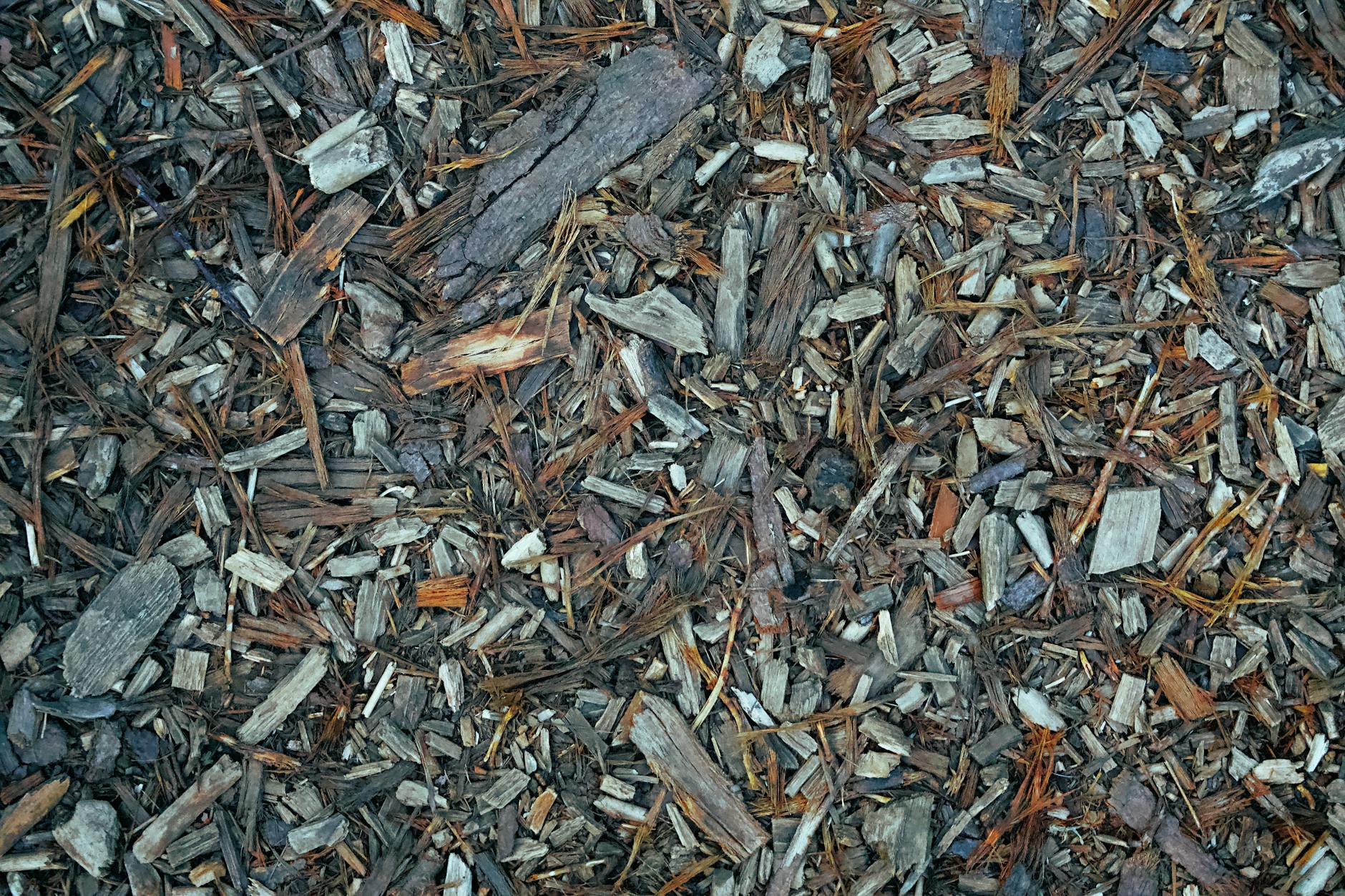
Another fantastic strategy, and one I swear by for overall soil health, is to incorporate high-carbon materials. These work by temporarily "tying up" nitrogen in the soil as microorganisms break them down. Think wood chips, straw, or even shredded autumn leaves. I regularly top-dress my paths and the edges of my raised beds with wood chips, and I’ve started mixing them into my pathways for this very reason. Not only do they suppress weeds, but they slowly release nutrients over time, helping to balance out any nitrogen spikes. Last year, I had a patch of cosmos that was going absolutely wild with leaves, and a good layer of wood chips around their base seemed to really help them finally burst into flower.
You can also consider a bit of strategic pruning. If your plants are just an absolute jungle of green, it's okay to snip back some of that excessive foliage. This redirects the plant's energy from leaf production towards flower development. I’ve done this with my nasturtiums when they get too leafy and neglect their edible flowers, and it often encourages a flush of blooms. Just don't go too mad; a bit of careful thinning is all that's needed.
Here's a quick comparison of these practical solutions:
| Method | How it Works | Pros (UK Garden Specific) | Cons (UK Garden Specific) | My Take (Randy's Experience) |
|---|---|---|---|---|
| Leaching (Watering) | Flushes soluble nitrogen compounds deep into the soil. | Quick results, especially effective in well-drained raised beds. British rain often helps! | Can wash away other beneficial nutrients too. Uses water, which needs care during dry spells. | My go-to for immediate relief. Works brilliantly in my raised beds with good drainage. |
| High-Carbon Mulch | Microbes use excess nitrogen to break down carbon-rich material. | Improves soil structure long-term. Suppresses weeds. Great for our unpredictable climate. | Slower to act than leaching. Nitrogen is only temporarily 'locked up', not removed. | A fantastic long-term strategy. I use wood chips everywhere; it’s a brilliant all-rounder for my Midlands plot. |
| Strategic Pruning | Removes nitrogen-rich foliage, redirecting plant energy. | Immediate visual reduction of excessive growth. Encourages branching and flowers. | Can stress the plant if overdone. Not suitable for all plant types or stages. | Useful for overly enthusiastic annuals. I've had success encouraging more flowers on leafy nasturtiums with this trick. |
6. Feeding for Flowers: Choosing the Right Fertilizers and Soil Amendments
Once you’ve started to get that nitrogen under control, the next step is to actually feed your plants for what you want: flowers! This is where you really need to understand those NPK ratios we talked about – Nitrogen (N), Phosphorus (P), and Potassium (K). For blooms, we want to shift the balance. We're looking for low N, and higher P and K.
In my UK garden, I've experimented with a fair few options, both organic and a couple of targeted synthetics. My preference usually leans towards organic amendments because they feed the soil, not just the plant, which is crucial for long-term health here in our often-damp British climate.
For a phosphorus boost, bone meal is a classic organic choice. It's slow-release, which I love, meaning it won't overwhelm your plants or wash away quickly. I often incorporate a handful into the planting holes for my dahlias and cosmos, and it really seems to encourage strong root development and, later, abundant flowers. You'll usually find it with an NPK ratio like 3-15-0 or similar – low N, high P.
For potassium, which is vital for flower development and overall plant vigour, potash is excellent. You can find it as a specific fertiliser or, if you're like me and have a wood-burning stove (or know someone who does!), wood ash can be a great source. Just be careful with wood ash; it's quite alkaline, so a little goes a long way, especially if you already have alkaline soil here in the Midlands. I only use it sparingly and spread thinly, often around plants that appreciate a slightly higher pH, like my lavender.
If you’re looking for a liquid feed, many tomato feeds are actually perfect for general flowering plants. They're formulated for fruiting, which requires similar nutrient profiles to flowering – low nitrogen, higher phosphorus and potassium. I use a good organic tomato feed (something like 4-2-6 or 3-5-5) as a fortnightly boost for my hanging baskets and container flowers once they start setting buds. It's worked wonders for my petunias and pelargoniums, even through our sometimes soggy summers.
And for those times when you need a quick shot of flowering power, there are dedicated "bloom booster" fertilisers. These are often synthetic, with very high phosphorus numbers. While I don't use them as my primary feed, they can be useful for a plant that's really struggling to flower, or for a bit of a push before a big display. Just follow the instructions carefully; overdoing it with synthetics can lead to salt build-up in the soil, which is never good.
Here’s a look at some common options I’ve tried:
| Fertiliser/Amendment | NPK Ratio (Typical) | How it Helps Flowers | Pros (UK Garden Specific) | Cons (UK Garden Specific) | My Take (Randy's Experience) |
|---|---|---|---|---|---|
| Bone Meal | 3-15-0 | Promotes strong root development & flower production. | Slow-release, organic, great for long-term soil health. | Slower to see results. Can attract pests if not incorporated well. | My favourite for planting out flower beds and containers. Essential for my dahlias and other heavy bloomers. |
| Tomato Feed | 3-5-5 to 4-2-6 | Balanced for fruiting/flowering, boosts bloom quantity. | Readily available, often organic options. Liquid feeds act faster. | Can still have some nitrogen, so choose lower N options. | My go-to liquid feed for containers and hanging baskets. Works a treat for encouraging continuous flowering, even in dodgy British weather. |
| Wood Ash | 0-1-3 to 0-2-6 | High in potassium, trace minerals; can raise pH. | Free if you have a wood burner! Good for potassium. | Highly alkaline; use very sparingly, especially in alkaline UK soils. Only for specific plants. | I use it cautiously, thinly spread around specific plants that like a pH boost. Don't overdo it! |
| Bloom Booster | 1-3-2 to 1-5-4 | Very high phosphorus to specifically encourage blooms. | Fast-acting, powerful boost for struggling plants. | Often synthetic, risk of salt build-up. Easy to over-apply. | I've used it occasionally for a quick push, but prefer organic methods for my everyday feeding. |
7. Long-Term Strategies: Maintaining a Balanced Garden for Abundant UK Flowers
Getting your flowers blooming again after a nitrogen overload isn't just about quick fixes; it's about building a resilient, balanced garden for the long haul. This is where my former IT brain kicks in – it's like optimising a system, but with soil and plants instead of code!
The absolute cornerstone of a healthy garden, and something I advocate for all UK gardeners, is regular soil testing. Seriously, it’s not just for farmers! I send off a sample from my 800 sq ft Midlands plot every couple of years. It's invaluable for telling you exactly what your soil is lacking or has too much of, including nitrogen, phosphorus, and potassium, as well as pH. Without knowing your starting point, you’re just guessing, and trust me, I learned that the hard way in my early days. The results help me tailor my amendments precisely to my local conditions, avoiding guesswork and wasted effort.
Building healthy soil with balanced organic matter is another non-negotiable. My compost bins are the heart of my garden. I add a mix of 'greens' (nitrogen-rich stuff like kitchen scraps and grass clippings) and 'browns' (carbon-rich like shredded cardboard and dried leaves). This ensures a steady, slow release of nutrients, which is far better than sudden spikes from synthetic fertilisers. Well-rotted homemade compost improves drainage in heavy clay (common in parts of the Midlands!) and helps sandy soils retain moisture and nutrients. It's the ultimate slow-release, balanced feed.
I also practice crop rotation in my raised beds. While mainly for my vegetables, it helps manage nutrient levels in the soil for any subsequent flowering plants. For instance, if I've had a heavy-feeding crop like my greenhouse tomatoes (which I grow religiously every year, usually 'Marmande' and 'Cherokee Purple') in a bed, I'll follow it with something less demanding or even a nitrogen-fixing cover crop like clover in the autumn. This prevents nutrient imbalances from building up in one spot.
Finally, and perhaps most importantly, observation is your most powerful tool. Spend time in your garden, really looking at your plants. Are the leaves a healthy green, or suspiciously dark and lush? Are buds forming, or is it all just foliage? This constant vigilance is what helps me catch problems early. I've learned to "read" my plants – they tell you what they need if you just pay attention. One year, my calendulas were producing masses of leaves but tiny, sparse flowers. A quick check, and I realised a neighbouring bed had received a bit too much chicken manure, and the runoff was affecting them. A simple adjustment, and they were back to their cheerful, orange selves.
Conclusion: A Blooming Future for Your UK Garden
So, there you have it. The journey from a jungle of green leaves to a riot of colourful blooms is a rewarding one, and it all starts with understanding nitrogen. I've been there, staring at a patch of calendulas that looked more like a salad bar than a flower bed, wondering where I went wrong. But by learning to diagnose the signs of nitrogen overload, understanding where it comes from in our unique UK gardening context, and then implementing these practical solutions and long-term strategies, you really can transform your garden.
Remember, gardening is a continuous learning process, especially with our wonderfully unpredictable British weather throwing curveballs! Don't be afraid to experiment, make mistakes (I certainly have!), and learn from them. The joy of seeing those vibrant flowers finally burst forth, knowing you've nurtured them from diagnosis to dazzling display, is truly one of the best feelings in the world. So, get out there, observe your plants, adjust your approach, and get ready for a truly abundant and colourful season in your own patch of UK heaven. Happy gardening!