Why Your Garden Plants Still Wilt After Watering: Unmasking the Hidden Causes
There’s nothing quite as disheartening, is there? You’ve put in the graft, you’ve lovingly tended your plants, the sun's beating down (or perhaps it's just been a particularly dry spell here in the Midlands), and you give them a good drink. You walk away, feeling virtuous, only to return an hour later to find your prize 'Moneymaker' tomato or that beautiful 'Romanesco' courgette looking just as limp and miserable as before. It's a head-scratcher, a real gut punch, and a scenario I know all too well from my own 800 sq ft UK garden. When I first started out five years ago, fresh from my IT desk and full of theoretical knowledge, I made the classic mistake of assuming wilting always meant 'more water'. Oh, how wrong I was!
I’ve learned, often through frustrating trial and error (and a fair few lost plants), that persistent wilting after watering isn't always about a lack of moisture. It's often a symptom of something deeper, something preventing your plants from actually accessing and using that precious water. Here in Britain, with our famously unpredictable weather – from sudden downpours to unexpected heatwaves – understanding these hidden causes is absolutely crucial for a thriving garden. I've spent countless hours observing my raised beds, my herb patch, and especially my beloved heirloom tomatoes in the greenhouse, trying to get to the bottom of these mysteries. Let me share what I’ve uncovered and how I’ve learned to diagnose and fix these 'hidden thirsts' in my own UK garden.
When Roots Can't Drink: Diagnosing Root Rot, Girdling, and Damage
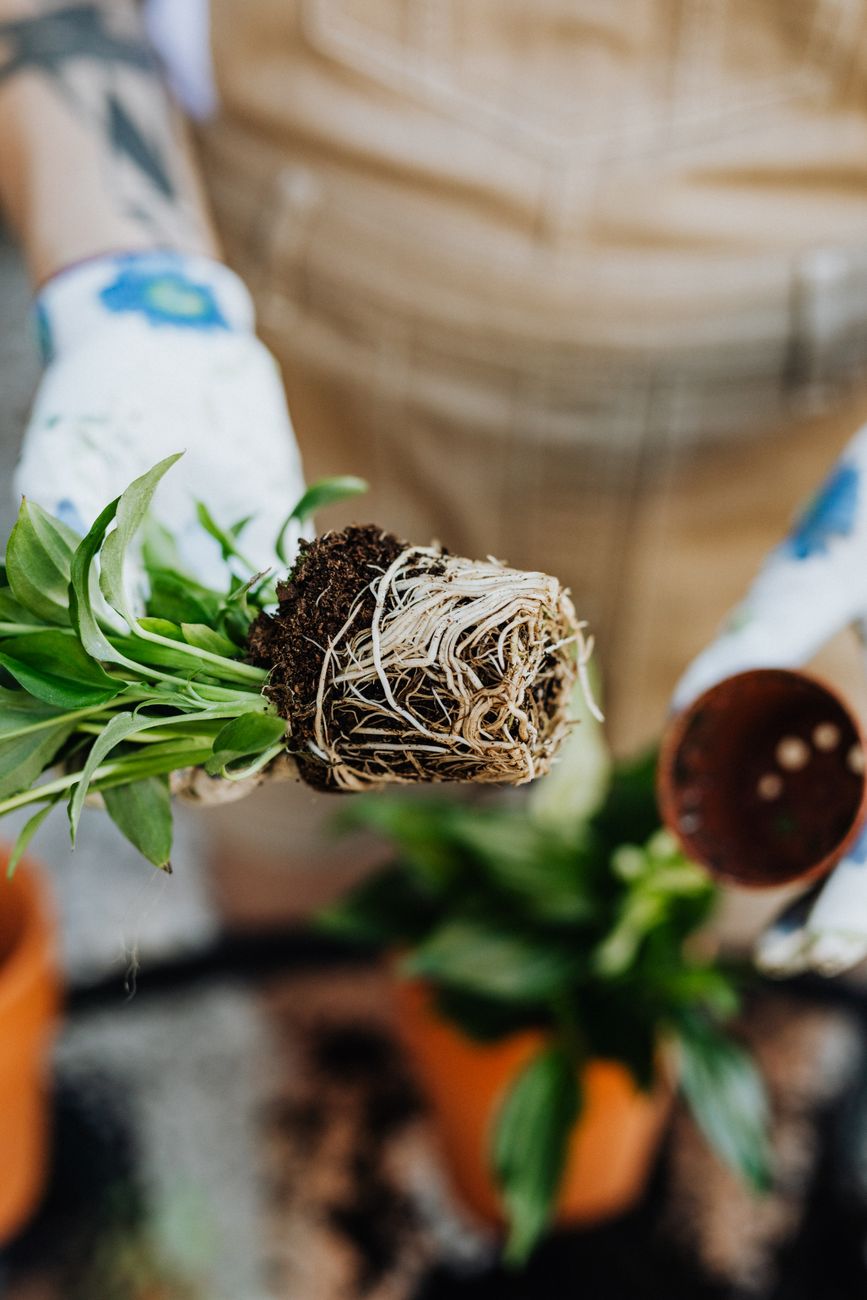
You can pour all the water in the world onto your soil, but if your plant's roots aren't healthy enough to absorb it, it's just going to sit there, or worse, exacerbate the problem. I learned this the hard way with a gorgeous 'Black Krim' tomato plant in my greenhouse a couple of summers ago. It was wilting every afternoon, despite me watering it diligently. I suspected I was doing something wrong, so I gently eased it out of its large pot, and the sight that greeted me was grim: a dark, mushy, foul-smelling root ball. Root rot.
Root rot is a fungal disease that thrives in overly wet, oxygen-deprived soil. The roots effectively drown, then rot, and can no longer take up water or nutrients. In my experience, it’s often caused by overwatering or poor drainage, especially in pots or heavy clay soils that don't dry out quickly enough after our typical British downpours. Healthy roots should be firm, white or tan, and have a fresh, earthy smell. Rotten roots, on the other hand, are dark, soft, mushy, and often smell distinctly unpleasant – like stagnant water.
Another sneaky culprit is root girdling or damage. Girdling happens when roots grow in a circle, constricting themselves. This is common in pot-bound plants, especially if you've left them in small pots for too long before planting out. I’ve seen it happen with my courgettes if I'm a bit slow getting them into their raised beds. The roots literally strangle each other, cutting off their ability to transport water. Physical damage from digging, tilling, or pests like vine weevils (a real menace in some parts of the UK!) can also compromise a plant’s ability to drink. If you suspect any of these issues, the best way to confirm is to carefully unearth the plant or gently remove it from its pot and inspect the root system. It feels drastic, but it's often the only way to get a clear diagnosis.
Beyond the Surface: Soil Compaction, Poor Drainage, and Hydrophobic Soil
Sometimes, the problem isn't the roots themselves, but the very medium they're trying to grow in. Soil issues are incredibly common, especially here in the UK where we have such a variety of soil types, from heavy clay to sandy loams. I've got a bit of a mix in my Midlands garden, but compaction and poor drainage are constant battles, particularly in high-traffic areas or after a long, wet winter.
Soil compaction is a big one. Imagine trying to drink through a rock-hard sponge – that’s what it's like for your plant roots in compacted soil. The soil particles get pressed together, reducing the air pockets essential for root growth and water penetration. Water can't soak in properly; it just runs off the surface or sits there, creating anaerobic conditions that encourage root rot. In my raised beds, I've noticed this particularly around the edges where I might lean, or after a busy planting day. Our heavy British rain can also compact exposed soil over time.
Poor drainage often goes hand-in-hand with compaction, but it can also be a standalone issue. If your soil has too much clay or a hardpan layer underneath, water simply can't move through it quickly enough. It pools, saturating the roots and starving them of oxygen. I've had to amend sections of my garden with plenty of organic matter – homemade compost is my secret weapon – to improve drainage over the years.
Then there's the less common, but equally frustrating, problem of hydrophobic soil. This usually occurs after prolonged dry spells, which we do get in the UK, even if they're often punctuated by rain! Soil, especially peaty or sandy soil, can become so dry that it actually repels water. The water beads up on the surface and struggles to penetrate, leaving the root zone bone dry, even though it looks like you've watered it. It's like trying to wet a dry old sponge; it just won't take it in initially. I noticed this last summer in one of my herb containers that had dried out completely during a heatwave.
Here's a quick comparison of these sneaky soil culprits:
| Feature | Soil Compaction | Poor Drainage | Hydrophobic Soil |
|---|---|---|---|
| Appearance | Hard, dense surface; water runs off or pools. | Water visibly pools on surface for extended periods. | Water beads and runs off; soil below surface is bone dry. |
| Feel | Very hard, difficult to push a finger into. | Soggy, squishy, can feel waterlogged. | Dry, dusty, often crumbly but resists wetting. |
| Cause | Foot traffic, heavy rain, heavy machinery, lack of organic matter. | High clay content, hardpan layer, lack of organic matter. | Prolonged drought, high organic matter content that completely dries out. |
| Effect on Roots | Lack of oxygen, difficult root penetration, nutrient lockout. | Root rot, oxygen deprivation, nutrient leaching. | Roots remain dry, unable to absorb water. |
| Randy's Tip | Regular light forking/aeration, add compost. | Dig in plenty of well-rotted compost/grit. | Apply water slowly with wetting agent, or bottom-water. |
The Right Drink: Mastering Watering Techniques for UK Gardens
So, you've diagnosed the issue, or perhaps you're just looking to prevent these problems in the first place. The answer often lies in how we water. It's not just about if you water, but how and when. This is something I'm constantly adjusting in my UK garden, especially with our notoriously variable weather.
My biggest takeaway over the years has been this: deep and infrequent is generally better than shallow and frequent. When you water shallowly, only the top layer of soil gets wet, encouraging roots to stay near the surface. These shallow roots are far more vulnerable to drying out during even short dry spells or a sudden hot day. I learned this the hard way with my first patch of carrots; they never developed a good taproot because I was too timid with the hose!
What works here in Britain, especially with our often heavy soils, is to encourage roots to grow deep. I aim to water deeply, letting the water penetrate right down into the root zone. For my raised beds, this means a good 10-15 litres per square metre when they need it, slowly applied. For my greenhouse tomatoes like 'Gardener's Delight' and 'Costoluto Fiorentino', I use a watering can with a rose, and I make sure the water is soaking in, not just running off. I usually do the "finger test" – pushing my finger a couple of inches into the soil – to check if it's moist down there before watering again.
Timing also plays a crucial role. I always try to water in the early morning. This gives the plants time to drink up before the heat of the day causes excessive evaporation, and it allows foliage to dry before evening, reducing the risk of fungal diseases (especially important for my damp-prone courgettes and squashes). Avoid watering in the middle of a hot, sunny day, as much of the water will simply evaporate before it reaches the roots, and water droplets on leaves can scorch them. And definitely avoid late-evening watering, as plants sitting in damp conditions overnight are prime targets for slugs, snails, and various moulds that thrive in our damp British climate.
The Unseen Thirst: Nutrient Deficiencies Masked as Wilting
Right, so we've talked about roots, soil, and how we water. But what if your plants are getting plenty of water, the soil's perfect, and the roots look fine, yet they still look utterly miserable? This is where it gets a bit trickier, and I've certainly pulled my hair out over this one in my 800 sq ft Midlands garden. Sometimes, wilting isn't a cry for water at all, but a silent scream for nutrients.
I learned this the hard way with a bed of 'Harvester' dwarf French beans a couple of seasons back. They were doing brilliantly, then suddenly, the older leaves started looking yellowish, then went pale, and the whole plant just looked... tired, even after a good British shower. I kept fussing with the watering can, convinced they were thirsty. It wasn't until I took a closer look, comparing them to my other healthy beans, that I realised the issue wasn't water volume, but a lack of magnesium. Magnesium is crucial for chlorophyll production, and when it's deficient, plants can't photosynthesize properly, leading to that weak, droopy appearance that mimics thirst.
It's a subtle difference, but one that can make or break a crop here in the UK. Our varied soil types, from heavy clay in some parts of the Midlands to more sandy loam, can often lock up certain nutrients or lead to quicker leaching. Understanding which nutrients are crucial for water uptake and overall plant vigour is key. For example, potassium helps regulate water movement within the plant, so a deficiency can absolutely show up as wilting or a general lack of turgor, especially in our often-wet-then-dry British summers.
Here's a quick comparison table I've put together from my own experience, to help you distinguish between actual thirst and a nutrient deficiency that might be causing similar symptoms:
| Symptom | Actual Thirst (Water Deficiency) | Nutrient Deficiency (Likely Culprit) | Randy's UK Garden Fix |
|---|---|---|---|
| Leaf Appearance | Whole plant droops, leaves limp from top to bottom, often recover quickly after watering. | Often starts with older leaves; specific discolouration (yellowing, purpling), stunted growth, leaves may feel brittle or leathery. | Water Deficiency: Deep, infrequent watering. |
| Timing | Visible during hot, dry spells or after a period of neglect. | Can appear regardless of watering schedule, often progresses slowly over days/weeks. | Nutrient Deficiency: Targeted feeding. |
| Soil Check | Dry to the touch a few inches down. | Appears moist, but plants still wilt; sometimes root issues too. | Magnesium: Epsom salts (diluted spray or soil drench). |
| Recovery | Rapid (within hours) after watering. | Slow or no recovery from watering; requires nutrient amendment. | Nitrogen: Blood, fish & bone meal, compost tea, liquid seaweed feed. |
| Specific Clues | Leaves curl inwards to reduce surface area; soil pulls away from pot edges. | Potassium: Wood ash (sparingly), comfrey tea, specific 'tomato food' high in K. | |
| Iron: Chelated iron feed, lowering soil pH (if too alkaline). |

This table is a starting point, of course. For my heirloom tomatoes in the greenhouse, I'm always watching for magnesium deficiency (interveinal yellowing) or potassium issues (yellowing edges, poor fruit set), especially as they're such hungry plants. A regular feed with a balanced liquid seaweed fertiliser, supplemented with a specific tomato feed once they start fruiting, usually keeps them happy.
Hidden Invaders: Pests and Diseases Mimicking Thirst Symptoms
Just when you think you've cracked the code, something else comes along to throw a spanner in the works! Beyond water and nutrients, wilting can be a sneaky sign of unwanted visitors – pests and diseases. This is where your inner detective really needs to come out, as these hidden invaders can cause symptoms that look exactly like a plant crying out for water.
I had a rather stressful encounter last summer with my beautiful 'Sungold' cherry tomatoes in the greenhouse. One day, a few plants just started looking droopy, even though the soil was perfectly moist. My first thought was overwatering, then maybe a nutrient issue. But after a careful inspection, I noticed tiny, almost invisible webs and speckling on the undersides of the leaves. Red spider mites! These microscopic sap-suckers literally drain the life out of your plants, causing them to wilt and eventually shrivel. My fix was a good spray with an organic neem oil solution, applied thoroughly to the undersides of the leaves, repeated every few days. It took persistence, but I saved the crop!

It's not just sap-suckers, either. Root-munching pests like vine weevil larvae are absolute terrors, particularly here in the UK, especially in pots or raised beds. They chew through the roots, literally cutting off the plant's ability to absorb water, leading to sudden, inexplicable wilting. If you gently pull at a wilting plant and it comes away easily, or you see C-shaped creamy grubs in the soil, you've likely found your culprit. Biological controls (nematodes) are my go-to for these little monsters in early autumn or spring.
Then there are the diseases. Fungal diseases like Fusarium wilt or Verticillium wilt are particularly nasty. They invade the plant's vascular system, blocking the channels that transport water from the roots to the leaves. The symptoms often start with yellowing and wilting on one side of the plant, or just a few branches, before spreading. Once a plant is infected, especially with something like Verticillium, there's often no cure, and it's best to remove and destroy the plant to prevent spread. This is why good garden hygiene and crop rotation are so vital in my UK garden, especially for things like potatoes and brassicas, which are susceptible.
My advice? Always, always do a thorough inspection of your wilting plants. Turn over leaves, look at the stems, gently check around the base of the plant for any signs of trouble. Early detection is your best weapon against these hidden invaders.
Reviving Your Garden: A Holistic Approach to Persistent Wilting
So, we've journeyed through the intricate world of plant wilting, uncovering everything from thirsty roots to nutrient hunger, and even hidden invaders. It's clear now that a wilting plant isn't always just asking for a drink. It's often a complex puzzle, and solving it requires a keen eye, a bit of detective work, and a holistic approach to your UK garden's health.
I've learned this through countless trials, errors, and triumphs in my own 800 sq ft Midlands patch. Every season brings new challenges – a sudden heatwave, weeks of relentless rain, or an unexpected pest outbreak. But by understanding the underlying principles, I've managed to keep my greenhouse brimming with heirloom tomatoes like 'Cherokee Purple' and 'Gardener's Delight', and my raised beds consistently producing a bounty of British-grown vegetables.
Here's my distilled, holistic action plan for when you encounter persistent wilting in your garden:
- Check the Soil Moisture (The Finger Test is King!): This is always your first port of call. Stick your finger 2-3 inches deep. Is it bone dry? Soggy? Perfectly damp? This instantly tells you if your watering technique is spot on, or if you're drowning or dehydrating your plants.
- Inspect the Roots (Gently!): For potted plants, carefully lift them out of their container. For in-ground plants, gently dig a small test hole near the root ball. Look for signs of root rot (mushy, smelly, brown roots) or girdling roots. Healthy roots are firm and white.
- Assess Soil Health: Is your soil compacted? Does water sit on the surface for ages after rain? Or does it drain too quickly? Amend with plenty of organic matter (my homemade compost is gold!) to improve structure and drainage.
- Look for Nutrient Deficiencies: Examine the leaves, particularly older ones, for specific discolourations (yellowing, purpling, interveinal chlorosis) that persist despite adequate watering. Refer back to our table in Section 5.
- Scrutinize for Pests and Diseases: This is where you get up close and personal. Check under leaves, along stems, and at the soil line for any bugs, webbing, holes, or unusual spots and growths. Look for signs of vascular wilts (like wilting on only one side of the plant).
- Review Your Watering Technique: Are you watering deeply and infrequently, encouraging deep root growth? Or are you just sprinkling the surface? What works here in Britain often depends on the daily weather, so be adaptable.
Ultimately, gardening is a continuous journey of observation, learning, and adaptation. Don't be disheartened if you don't get it right every time – I certainly don't! But by systematically working through these potential causes, you'll gain a deeper understanding of your plants and their needs, transforming you from a worried waterer into a confident cultivator.
Conclusion: The Art of Listening to Your Plants
So, there you have it. The persistent wilt, that frustrating droop that makes us reach for the watering can, is so much more than a simple cry for a drink. It's a complex signal, a plant's way of telling us something isn't quite right beneath the surface, or even above it. From the hidden struggles of root rot to the unseen hunger of nutrient deficiencies, and the sneaky attacks of pests and diseases, our plants are constantly communicating.
My journey from a desk-bound IT worker to an obsessed UK Midlands gardener has taught me that the biggest breakthroughs come from slowing down, observing, and truly listening to what our plants are trying to tell us. It's about looking beyond the obvious and becoming a plant detective in your own patch.
I hope this deep dive into the hidden causes of wilting empowers you to diagnose and fix the issues in your own UK garden. Embrace the learning curve, be patient, and most importantly, enjoy the process. There's immense satisfaction in nurturing a struggling plant back to vibrant health. Happy gardening, my friends!